
Reviewed · SOBA & COOKING CLASSES
Popular in SapporoExperience authentic hand-made soba at a real soba shop!
At this Sapporo activity, you do not watch a staged cooking show. You step into a working handmade soba restaurant and make noodles the old-fashioned way, from buckwheat flour and water to a bowl you eat yourself. Chef Taku guides the process with clear English and visual demonstrations.
In This Article
- Key points at a glance
- Why making soba in Sapporo feels different
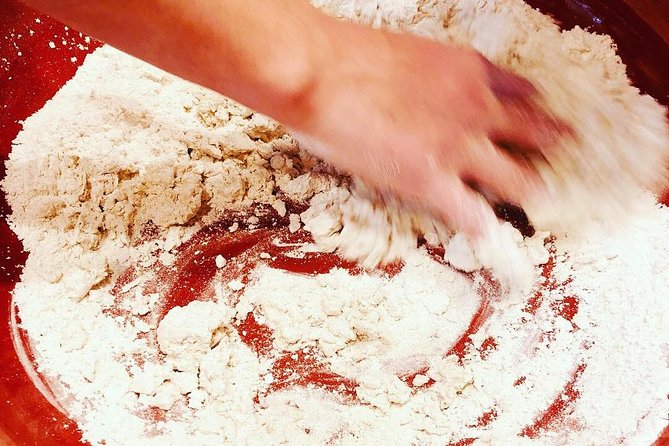
- Step one: mixing Hokkaido buckwheat flour
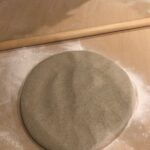
- Step two: stretching the dough by hand
- Step three: cutting noodles with a kitchen knife
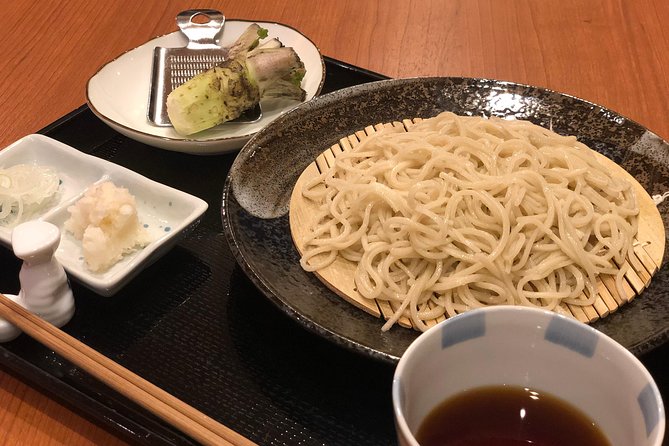
- Step four: eating the soba you made
- Taku’s teaching style and the English support
- How long to allow and where to fit it into your day
- What the $72.67 price gives you
- Who will enjoy this most
- Practical booking advice before you go
- Should you book the Sapporo soba-making experience?
- FAQ
- Where does the soba-making activity take place?
- How far is the restaurant from Miyazawa Station?
- How long does the full activity take?
- What steps are included in the soba-making activity?
- Is the instruction available in English?
- Do I need to bring anything?
- Can children participate?
- Is the activity private?
- Is tempura included in the price?
- What is the cancellation policy?
I like the hands-on format, especially the chance to use the same utensils found in the restaurant. I also like the friendly, patient teaching, which makes this a good pick for families and first-time cooks. The main drawback is timing: the noodle-making takes about 30 minutes, but the full visit can run to roughly 1 hour and 15 minutes, so do not schedule a tight connection afterward.
Key points at a glance
- Real restaurant setting: Learn inside a Sapporo soba shop that has served customers for more than 10 years.
- Four practical steps: Mix the buckwheat flour, stretch the dough, cut the noodles, and eat what you made.
- Chef-led instruction: Taku teaches through short English explanations, demonstrations, and hands-on correction.
- Fresh Hokkaido buckwheat: The flour reflects Hokkaido’s reputation as Japan’s leading soba-producing region.
- Good for families: Beginners and children can take part, while children under two may visit free without joining the activity.
- Useful location: The shop is a short walk from Miyazawa Station and within walking distance of Shiroi Koibito Park.
Why making soba in Sapporo feels different
Soba is often treated as a simple bowl of noodles. The better way to understand it is as a craft. The dough can be demanding, and small changes in water, pressure, thickness, and knife work affect the final texture.
That is what makes this activity worthwhile. You are not simply mixing ingredients and eating lunch. You handle the dough through each stage and see why skilled soba makers work with such care. The shop uses selected buckwheat flour and the same basic tools used for its daily business.
The setting matters, too. This is a restaurant with more than a decade of operation in Sapporo, not a temporary workshop created only for sightseeing. The class was developed for people who want a shorter, more direct introduction to soba making without committing to a long cooking course.
English instruction is concise rather than lecture-heavy. Taku explains what to do, shows you how, and then lets you try. That format suits you if you learn best with your hands. It may feel less satisfying if you want a long talk about Japanese food history, flour varieties, or the chef’s career.
One 3-star assessment specifically wished for more personal background from the soba master and a sample of his own noodles before the activity. That is a fair expectation to manage. The strength here is participation and careful coaching, not a formal culinary seminar.
A few more Sapporo tours and experiences worth a look


Step one: mixing Hokkaido buckwheat flour
The activity begins with the foundation of every soba noodle: buckwheat flour mixed with water. This sounds easy until you try to bring the mixture together without creating a rough or uneven dough.
You will work with the ingredients yourself while the chef demonstrates the desired texture. The point is not to rush. You begin to feel how the mixture changes as the flour absorbs water and the dough starts to hold together.
Hokkaido is Japan’s leading soba-producing region. Its cold climate, clean water, and mineral-rich soil create favorable conditions for growing buckwheat. The finished noodles are valued for a firm bite and a pronounced buckwheat flavor.
That regional context gives this step more meaning. You are not using an anonymous noodle mix. You are working with an ingredient closely tied to northern Japan’s food culture. Still, the activity does not promise a detailed tasting of several flours, so think of Hokkaido buckwheat as part of the setting rather than a full comparative lesson.
Step two: stretching the dough by hand
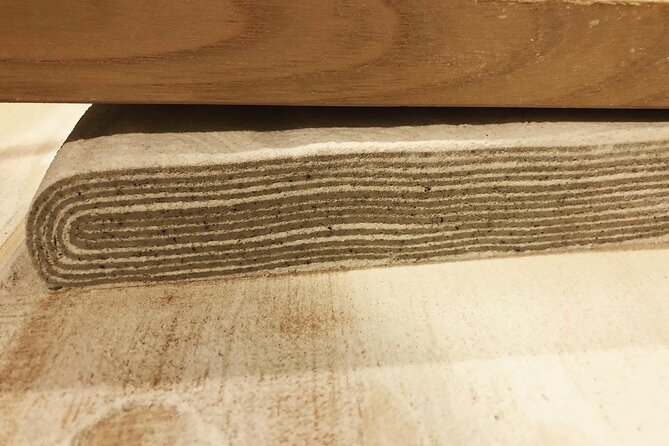
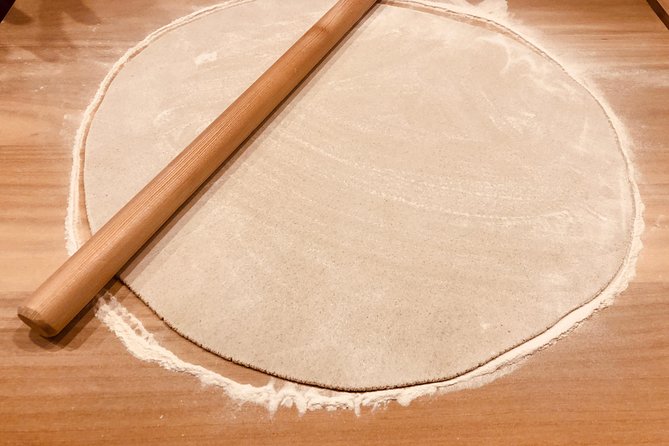
Once the dough is ready, you stretch it into a thin sheet. This is where the difference between homemade soba and professional soba becomes clear.
The dough must be handled with care. Push too hard and you can create uneven areas. Stretch too little and the noodles will be thick. Taku guides your movements and allows you to make small mistakes rather than taking over immediately.
That teaching style is useful. You learn through your own hands, but you are not left to guess what went wrong. The activity is designed for beginners, and children can participate with careful guidance from the craftsperson.
Expect flour, movement, and a little uncertainty. This is not a polished demonstration where every stage looks perfect. That is part of its value. You gain a better sense of the skill behind the soba served in Japanese restaurants.
Step three: cutting noodles with a kitchen knife
After stretching, you cut the dough into individual noodles. This is the most visually familiar part of soba making, but it requires steady work and attention.
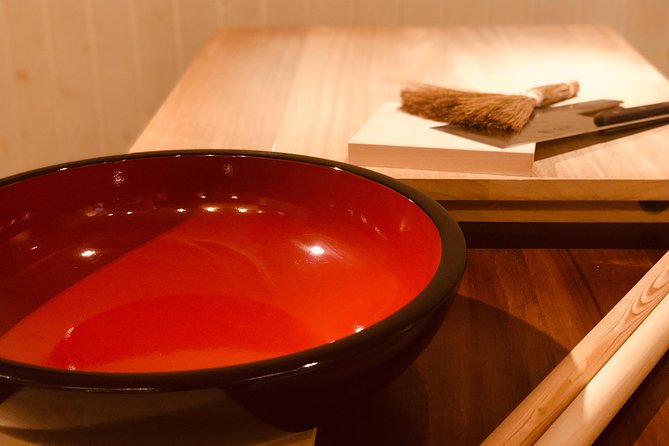
The restaurant provides the kitchen knife and other tools. You do not need to bring equipment or prepare ingredients before arriving. The chef shows you how to cut the sheet into small, even pieces, then gives you room to work.
Your noodles may not all look identical. That is normal, and it is one reason the final meal feels personal. You can see the effect of your cutting when the noodles are cooked and placed in front of you.
The activity uses real restaurant utensils rather than simplified props. If you have young children in your group, the chef’s supervision is important because the cutting stage involves a kitchen knife. The supplied details describe children as welcome, but they do not give a specific minimum age for active participation. Children under two are free only to visit, not to take part.
Step four: eating the soba you made
The final stage is a tasting of your own noodles. This is not an afterthought. It is the reward that ties the lesson together.
Freshly made soba has a special appeal because you know exactly how it reached the bowl. The texture can also help you understand the earlier steps. If the noodles are uneven, you may notice differences in bite. If they came together well, the result feels even more satisfying.
The meal is generally praised for being delicious, and the restaurant’s tempura receives repeated approval. Tempura is available at an extra cost, so budget for it if you want a more complete lunch. Vegetable and shrimp tempura, kakiage, and duck soup are among the additions specifically enjoyed during the meal.
Do not assume these extras are included in the $72.67 activity price. The base cost covers the soba-making experience and tasting, while added dishes cost more. For many people, the optional tempura is worth considering, but it is not essential to understand the noodle-making process.


Taku’s teaching style and the English support
The English guidance is meant to keep the activity moving. You receive short explanations supported by visual demonstrations, rather than long translated speeches.
That works well for a practical class. You can watch the movement, copy it, and receive corrections as you go. Several parts of the teaching are especially useful for beginners: the instructions are clear, the pace is encouraging, and the chef gives participants room to try for themselves.
Taku is named in the booking material and in several direct comments about the activity. His patience with children and first-time makers is a recurring strength. One group that arrived at the wrong time also received a kind response, though you should not count on similar flexibility.
The tone is casual and personal. You might hear stories about soba and Japanese food culture, but the amount of cultural explanation can vary. If you want a detailed account of the chef’s training or a full lecture on Edo-period noodle traditions, this may feel brief. If you want to learn by doing, the format is a better match.
How long to allow and where to fit it into your day
The actual soba-making portion takes about 30 minutes. Add the tasting and the rest of the visit, and the full activity can take around 1 hour and 15 minutes. The headline duration is sometimes shown as approximately one hour, so allow the longer figure when planning your day.
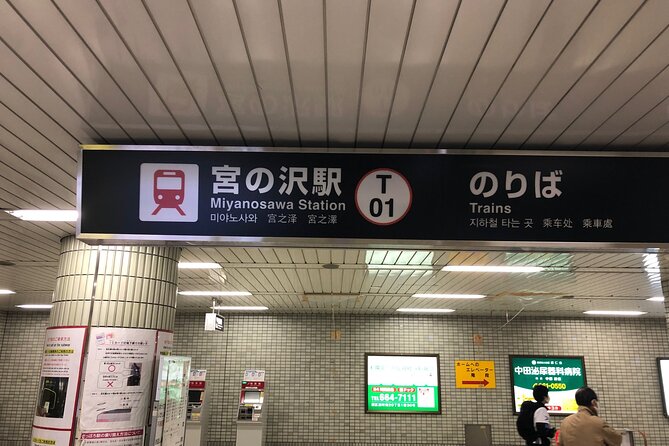
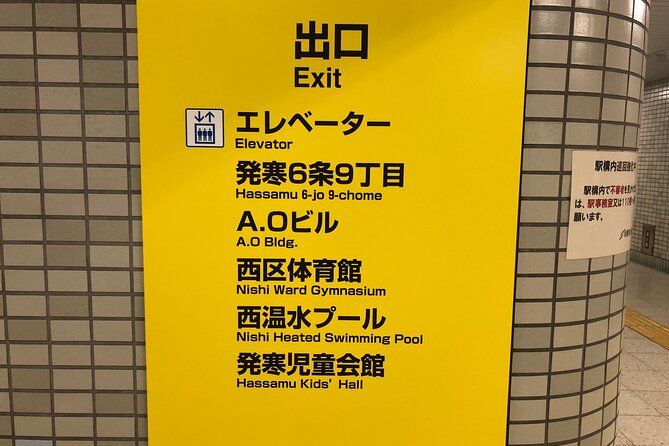
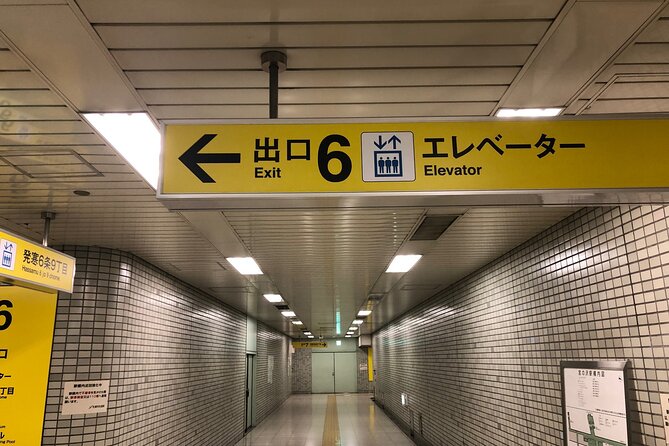
The meeting point is at 9-chōme-17-28 Hassamu 6 Jō in Sapporo’s Nishi Ward. The shop is described as three to five minutes on foot from Miyazawa Station on the Tozai subway line. It is also within walking distance of Sapporo Shiroi Koibito Park, making the two activities possible on the same day if your schedule allows enough time.
Transportation deserves care. One booking had an incorrect address and the group missed the activity after trying to confirm the location from a hotel. Since the information supplied gives a specific street address and a station walking time, check your confirmation carefully before leaving and allow extra time to find the shop.
The restaurant operates as a normal handmade soba business during lunch hours. Staff may not be able to answer same-day questions while serving customers. Arriving before the start time is important. Late arrival can disrupt other bookings, and missing the start may be treated as a no-show.
Four parking spaces are available in front of the shop. If you are driving, do not assume a space will be open, especially during lunch service.
What the $72.67 price gives you
At $72.67 per person, this is not a cheap lunch. You can eat soba in Sapporo for far less. The price makes more sense when you treat the activity as a private food lesson, a cultural visit, and a meal combined.
Your group takes part privately, rather than joining a large public class. You receive instruction from an active soba chef, use restaurant tools, work through the entire process, and eat the noodles you made. That combination is difficult to reproduce with a normal restaurant visit.
The value is strongest for families, couples, and small groups who want a shared activity. You are paying for time with the chef and for access to a working craft setting, not just for ingredients. Group discounts may be available, though the exact terms are not provided, so larger parties should contact the provider directly.
The price is less attractive if you mainly want a large meal or a long cultural lecture. Optional tempura costs extra, and the actual noodle-making is relatively short. I would book it for the memory and the practical lesson, then judge the price against other hands-on activities in your Sapporo plans.
Who will enjoy this most
This suits you if you like food, practical crafts, and local settings more than staged sightseeing. It is especially good for a family afternoon because children can participate under guidance, and the meal gives everyone a clear finish.
It also works well for visitors who love soba but have never considered how it is made. The process turns a familiar Japanese dish into something more interesting. You leave with a better understanding of why handmade soba costs more and why the texture matters.
The activity may be less suitable for anyone seeking a slow, highly academic lesson. English explanations are concise, and the focus is on doing rather than listening. It is also a poor fit for a day planned minute by minute, since the visit can stretch beyond an hour and late arrival may cancel your participation.
The private format is a plus for groups that want to work at their own pace. Large groups and travel agencies should contact the shop directly rather than assuming the standard booking setup will fit.
Practical booking advice before you go
You do not need to bring ingredients, tools, or special preparation. Wear something comfortable for working with flour and dough, though no special clothing requirement is provided.
Confirm the street address, start time, and meeting instructions before the day. The location information has caused confusion for at least one booking, and the restaurant may not have time to handle phone inquiries during lunch service.
The cancellation rule is simple but strict. Cancel at least 24 hours before the local start time for a full refund. Changes or cancellations inside 24 hours are not accepted for a refund. If the minimum number of participants is not reached and the provider cancels, you are offered another date or activity, or a full refund.
The activity is offered with a mobile ticket, which is handy when you are moving around Sapporo. Confirmation is received at booking, and the experience ends back at the meeting point.
Should you book the Sapporo soba-making experience?
I would book this if you want a small-scale Japanese food activity with a real sense of participation. The strongest reasons are the restaurant setting, the full process from flour to noodle, Taku’s patient instruction, and the pleasure of eating your own work immediately afterward.
I would pause if your main goal is value measured only by food quantity, or if you need a tightly timed itinerary. The noodle-making itself is short, the tempura costs extra, and the English cultural explanation is practical rather than extensive.
For a family, a couple, or a private group that enjoys trying something with its hands, this is a memorable Sapporo choice. Plan carefully, verify the address, leave room for the full 1 hour and 15 minutes, and consider adding tempura if you want the best meal from the visit.
FAQ
Where does the soba-making activity take place?
It takes place at a handmade soba restaurant at 9-chōme-17-28 Hassamu 6 Jō, Nishi Ward, Sapporo, Hokkaido 063-0826, Japan.
How far is the restaurant from Miyazawa Station?
The restaurant is described as a three to five minute walk from Miyazawa Station on the Sapporo subway Tozai Line.
How long does the full activity take?
The noodle-making takes about 30 minutes, while the complete visit, including tasting, takes around 1 hour and 15 minutes.
What steps are included in the soba-making activity?
You mix buckwheat flour, stretch the dough, cut the noodles with a kitchen knife, and eat your own soba.
Is the instruction available in English?
Yes. English explanations are concise and supported by visual demonstrations.
Do I need to bring anything?
No. You do not need to bring equipment or prepare anything before arriving.
Can children participate?
Yes, beginners and children can participate with guidance from the soba artisans. Children under two are free but may only visit.
Is the activity private?
Yes. Only your group participates in the private activity.
Is tempura included in the price?
Tempura is available at an additional cost. Vegetable and shrimp tempura, kakiage, and duck soup are among the options enjoyed with the soba.
What is the cancellation policy?
You can cancel at least 24 hours before the local start time for a full refund. Cancellations or changes made within 24 hours are not accepted for a refund.
More Soba & Cooking Classes in Sapporo


More tours in Sapporo we've reviewed


Soba & Cooking Classes, compared.
 ★ 5.0Mondo’s most popular plan! Experience making soba noodles and the king of Japanese cuisine, tempura, in Sapporo!From $85
 ★ 5.02 hours sushi classFrom $20
 ★ 5.0Private Japanese Cooking Class in Sapporo with Local Chef ShioriFrom $108
 ★ 5.0Private Market Tour and Cooking Class with Kanae, a Sapporo LocalFrom $82
 ★ 5.0in Sapporo! Hand-made soba experience and shabu-shabu experience plan of Yezo deer meat (Gibier meat) from HokkaidoFrom $85
 ★ 5.0Private Japanese Cooking Class in Sapporo with Local Host KanaeFrom $72
 ★ 4.8Authentic Handmade Soba Experience!From $701 hour
 ★ 5.0Japanese Cooking Class in the Heart of Sapporo with SakuraFrom $72
The lists this tour appears in