
Reviewed · SOBA & COOKING CLASSES
Sapporo Snow Festival Limited Time (Feb. 4 – 10, 2026) Lunchtime Soba Making Experience Plan
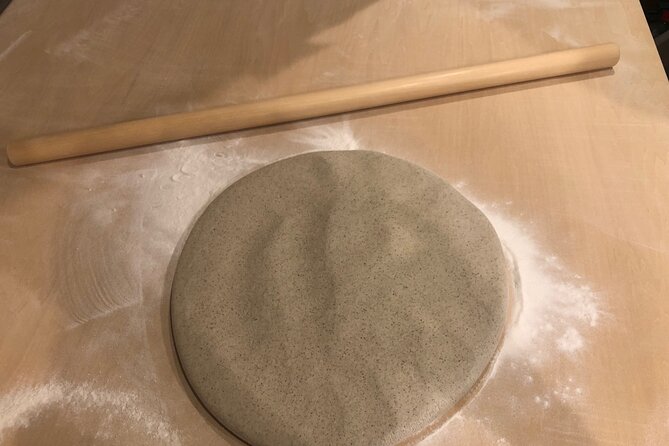
The best part of this Sapporo Snow Festival lunch experience is that you do not simply sit down to eat soba. You learn how the noodles are made inside a working handmade soba restaurant, then enjoy them with freshly fried tempura. It is a compact way to connect a famous Japanese food with the people and methods behind it.
In This Article
- Key points to know before booking
- Why this is more than a bowl of soba
- Choosing your start time during the Snow Festival
- Arriving at the Hassamu meeting point
- Learning soba from working Japanese chefs
- Eating handmade noodles with fresh tempura
- Is $105.71 a fair price?
- Who will enjoy this Sapporo food activity?
- Practical booking advice for February 4 to 10, 2026
- Should you book the soba-making lunch?
- FAQ
- Where does the soba-making experience start?
- Where does the activity end?
- How long does the experience last?
- What start times are available?
- When is this special plan available?
- What food is included?
- Is the activity private?
I like the small private format, since only your group takes part. I also like the practical timing: five start times let you fit the activity around the Snow Festival. The main consideration is the price, $105.71 per person for about one hour, so this makes the most sense if you value instruction, a special setting, and a fresh meal rather than a quick bowl of noodles.
Key points to know before booking
- Handmade soba in a real restaurant: Learn the process in a Sapporo shop that has operated for more than 10 years.
- Fresh tempura with lunch: Your noodles are served with tempura prepared and fried by Japanese chefs.
- Five start times: Choose 9:30, 10:30, 11:30, 12:30, or 13:30.
- Private group activity: Only your own group participates, giving the lesson a more personal feel.
- Snow Festival dates only: The special lunchtime plan runs February 4 through February 10, 2026.
- Easy cancellation terms: Cancel at least 24 hours before the start time for a full refund.
Why this is more than a bowl of soba
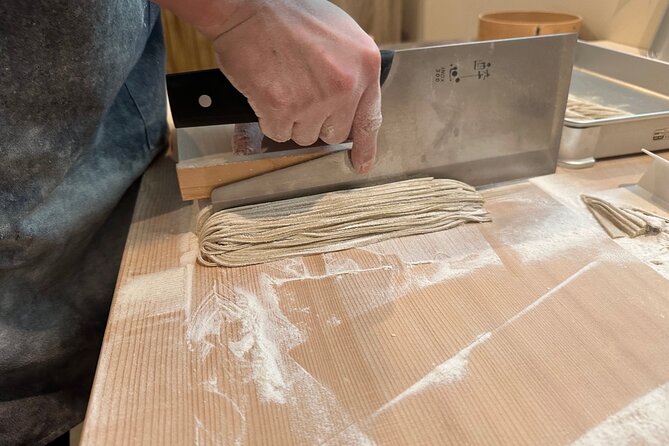
Soba is one of Japan’s best-known everyday foods, but a restaurant meal rarely shows you how much work goes into the noodles. This plan gives you a look at the craft before you eat. You can learn the appeal of handmade soba, the manners connected with eating it, and the qualities that make freshly prepared noodles different from a packaged product.
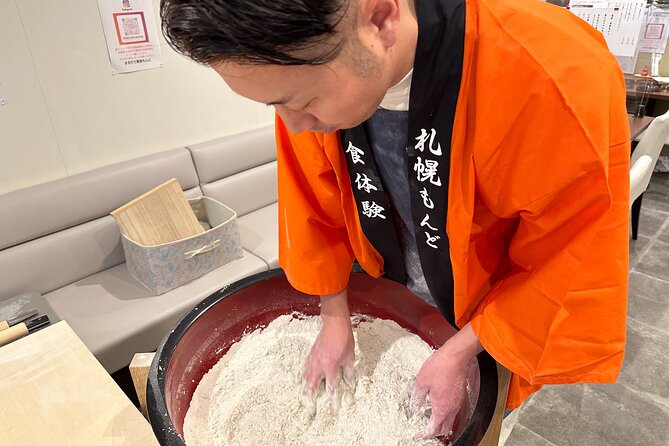
The setting matters. This is not described as a classroom built only for visitors. You take part at a handmade soba restaurant in Sapporo that has been operating for more than 10 years and is known locally for its quality. That gives the meal a practical purpose: the chefs are showing you a food they make as part of their daily work.
I also appreciate the short format. The activity lasts about one hour, which is useful during the Snow Festival, when you will likely want to spend much of the day around the festival sites. You get a focused food lesson and lunch without giving up an entire afternoon.
Still, one hour means this is a brief introduction, not an extended cooking course. The supplied details do not promise a long lesson covering every stage of soba production or a take-home portion. Book it for a hands-on taste of the craft, not for a full-day culinary workshop.
A few more Sapporo tours and experiences worth a look


Choosing your start time during the Snow Festival
You can begin at 9:30, 10:30, 11:30, 12:30, or 13:30. That range is one of the plan’s most useful features. An early start can leave your afternoon free, while the later options may work better if you want to visit festival areas first.
The 11:30 or 12:30 choices are the most natural lunch times. They place the meal near the middle of the day and make the activity feel like a proper break from winter sightseeing. The 9:30 and 10:30 starts are better if you prefer to finish early, while 13:30 gives you a late lunch after morning plans.
Because the plan is available only from February 4 through February 10, 2026, timing may matter more than usual. The Sapporo Snow Festival draws people to the city for a short period, and this special event has an equally short window. If you know you want this experience, booking well ahead is sensible. The average booking lead time is 59 days, which suggests that waiting until the last moment may not be wise.
Do remember that the start time is local to Sapporo. Arrive with enough time to reach the meeting point, especially in winter conditions. The exact transport instructions are not provided here, but the location is near public transportation.
Arriving at the Hassamu meeting point
The activity starts at 9-chōme-17-28 Hassamu 6 Jō, Nishi Ward, Sapporo, Hokkaido 063-0826, Japan. It also ends back at this same meeting point, so you do not need to arrange a separate return location.
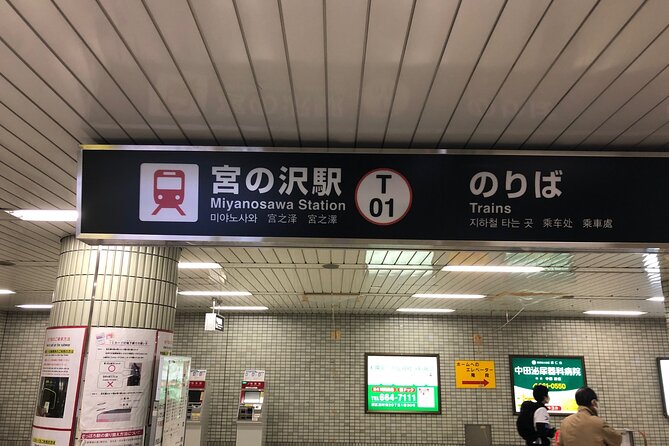
That fixed start and finish is helpful when planning the rest of your day. You can leave luggage or other plans out of the meal itself, then continue from the same area once the hour is over. Since the activity is outside central Sapporo’s main festival setting, check your route before leaving. The information confirms nearby public transportation, but it does not specify a station, walking time, or train line.
This is one point where I would avoid cutting things close. Snow, winter traffic, and unfamiliar streets can slow you down. The plan is short, and arriving late could reduce the time available for the lesson. Your booking confirmation should be checked for the most current meeting instructions.
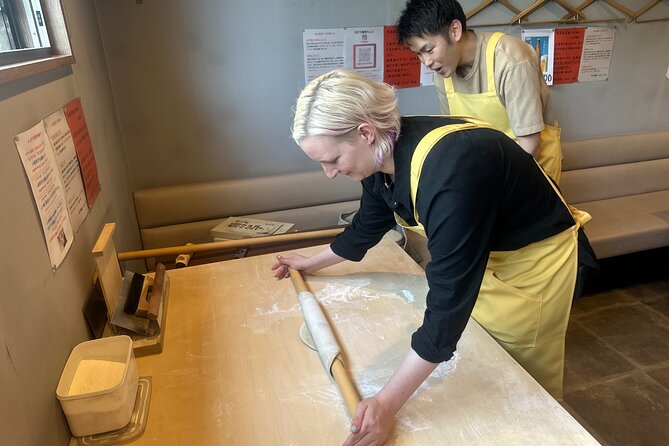
The activity is private, meaning only your group participates. That can be especially useful if you want to ask questions, need the chef to repeat a step, or prefer not to work in a large class. The available details do not state the maximum group size, so you should not assume that private means one-on-one.
Learning soba from working Japanese chefs
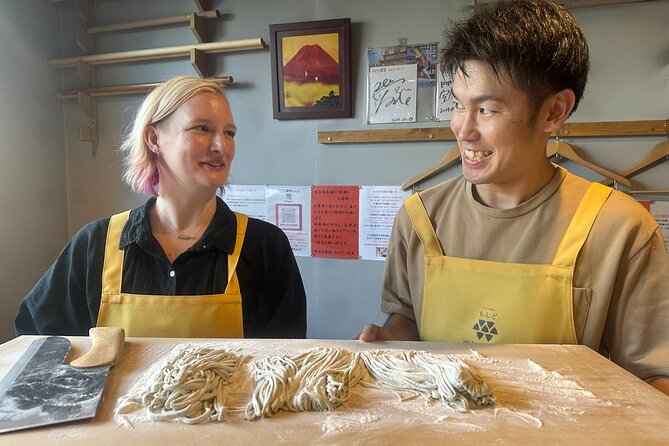
The core of the experience is the soba lesson. Japanese chefs at the restaurant assist you and explain the appeal of handmade noodles, along with basic soba manners and the qualities that affect taste. The wording suggests an active experience rather than a demonstration that you only watch, though the exact amount of hands-on work is not specified.
That distinction is worth keeping in mind. If you have always wondered how soba gets its firm texture and neat shape, this is a chance to see the process in the place where the food is actually served. You may find the lesson most useful if you are curious about Japanese food beyond sushi and ramen.
The restaurant’s more than 10 years of operation also adds context. A chef teaching in a working soba shop can connect technique with the finished dish in a direct way. You are not learning a recipe in isolation. You are learning why the restaurant handles the noodles as it does, then tasting the result at lunch.
Soba also has its own table customs. The activity includes instruction in the manners of handmade soba, which makes it useful for first-time visitors who want to feel more comfortable ordering and eating the dish in Japan. These details may be simple, but they can turn an unfamiliar meal into a more relaxed one.
The supplied information does not name the individual chefs. You will be assisted by the restaurant’s soba chefs, but there is no named guide to look for at the meeting point. If meeting a particular instructor matters to you, this plan does not provide that detail.
Eating handmade noodles with fresh tempura
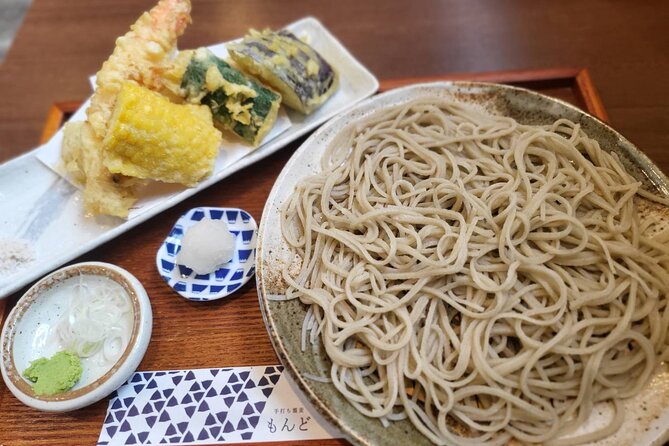
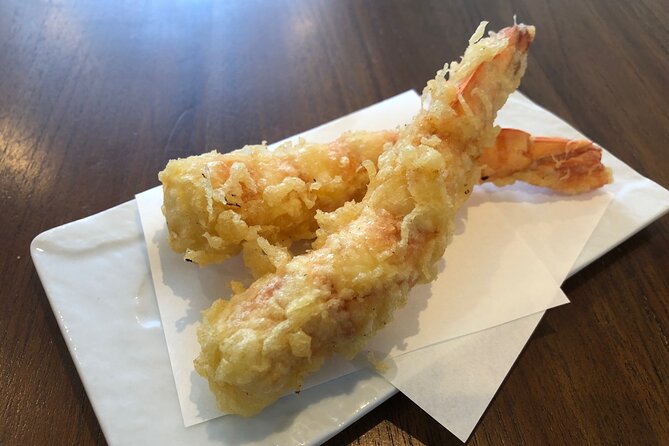
After making the soba, you eat it as part of lunch. The plan includes tempura, another major Japanese food, prepared by Japanese chefs using professional techniques and fried fresh to accompany the noodles.
This pairing gives the meal more substance than soba alone. You get the contrast between delicate, firm noodles and hot fried food, while also seeing how two familiar Japanese dishes work together. The tempura is not an optional add-on according to the plan. It is included as part of the lunch.
Fresh frying is an important detail. Tempura is best appreciated when the coating is crisp and the interior remains light, so eating it soon after preparation matters. The information does not specify which ingredients are used, the portion size, or whether dietary substitutions are available. If you have allergies or dietary restrictions, ask the provider before booking rather than assuming the menu can be changed.
The meal is described as a luxurious Japanese food experience, but the real value is not fancy decoration or a long meal. It is the combination of instruction, food preparation, and eating in the same restaurant. You see the craft, take part in it, and then taste a fresh version at the table.
A few more Sapporo tours and experiences worth a look


Is $105.71 a fair price?
At $105.71 per person, this is not a budget lunch. You can find a simple soba meal in Japan for far less. The price needs to be judged as the cost of a private food activity during one of Sapporo’s busiest annual events, not as the cost of noodles and tempura alone.
I see the value in three parts. First, you receive instruction from the restaurant’s soba chefs. Second, the activity is private for your group. Third, your lunch includes handmade soba and freshly fried tempura. If you would otherwise pay for a cooking class or a guided food activity, the combined format may be reasonable.
The one-hour duration makes the comparison less favorable if you want a long culinary lesson. You are paying a premium for a compact experience. That could be worthwhile for a short Snow Festival visit, but less appealing if your main goal is simply to eat soba.
I would book it if you want an experience you can talk about after lunch, especially if you are visiting Sapporo specifically for the Snow Festival. I would skip it if you are focused on keeping food costs low or if you want a detailed, multi-hour Japanese cooking course.
The single published rating is 5 out of 5, but only one review is shown, and the written comment does not address this soba activity. It refers to a resort and an Italy safari with someone named Alberto, which does not provide useful evidence about the Sapporo lunch. So I would treat the score cautiously. The stronger basis for your decision is the clear format: private instruction, handmade soba, tempura, and a fixed one-hour schedule.
Who will enjoy this Sapporo food activity?
This plan suits you if you enjoy learning through food rather than simply ordering a dish. It is also a good match for first-time visitors who want a guided introduction to soba manners and preparation without committing to a full cooking day.
Families and small groups may appreciate the private setup. You can share the experience with your own companions instead of joining a large public class. Service animals are allowed, and the location is near public transportation, both useful practical points when planning.
The activity may be less suitable if you need detailed menu information in advance. The provided details do not state whether the meal can accommodate allergies, vegetarian diets, or other restrictions. They also do not give the exact amount of soba you will make or explain how much of the cooking you will perform yourself.
It is also worth separating the food experience from the Snow Festival itself. The activity takes place in Nishi Ward at the Hassamu meeting point, and the details do not say that the lesson is inside a festival venue or within walking distance of the main snow displays. Plan it as a separate Sapporo food stop, then allow time for transportation to the festival areas.
Practical booking advice for February 4 to 10, 2026
This is a limited-time plan, available only during the seven days from February 4 through February 10, 2026. That narrow schedule is both its appeal and its limitation. You get a special Snow Festival period activity, but you have fewer chances to move it if your plans change.
Choose your start time carefully. The 11:30 and 12:30 sessions fit the usual lunch period, while 9:30, 10:30, and 13:30 give you more control over a busy sightseeing day. Since the activity returns you to the original meeting point, you can plan the next part of your day from there.
A mobile ticket is provided, and booking confirmation is received at the time of booking. Keep the ticket easy to access on your phone. The provider is もんど, and the experience is listed as a private activity.
Free cancellation is available if you cancel at least 24 hours before the local start time. Cancellations made less than 24 hours before the start are not refunded, and late changes are not accepted. That policy gives you some flexibility, but not on the day before the activity.
Should you book the soba-making lunch?
Book this if you want a short, private, food-focused activity tied to your Sapporo visit. The strongest reasons are the working handmade soba restaurant, chef assistance, fresh tempura, and choice of five start times. It gives you more than a meal while still fitting neatly into a Snow Festival day.
Think twice if the $105.71 price feels high for a one-hour lunch or if you need a fully detailed cooking syllabus. The exact hands-on steps, group size, menu details, and transport route are not provided, so those points may matter to you.
For the right visitor, this is a pleasant way to slow down between snow sculptures and city sightseeing. You learn a little, eat something made fresh, and return to the meeting point without giving up the rest of your day.
FAQ
Where does the soba-making experience start?
It starts at 9-chōme-17-28 Hassamu 6 Jō, Nishi Ward, Sapporo, Hokkaido 063-0826, Japan.
Where does the activity end?
The activity ends back at the meeting point.
How long does the experience last?
It lasts approximately one hour.
What start times are available?
You can choose 9:30, 10:30, 11:30, 12:30, or 13:30.
When is this special plan available?
It is available during the Sapporo Snow Festival from February 4 through February 10, 2026.
What food is included?
The plan includes handmade soba and freshly fried tempura prepared by Japanese chefs.
Is the activity private?
Yes. Only your group participates in the activity.
More Winter Activities in Sapporo


More Soba & Cooking Classes in Sapporo
More Sapporo Tours in Sapporo


More tours in Sapporo we've reviewed





Soba & Cooking Classes, compared.
 ★ 5.0Popular in SapporoExperience authentic hand-made soba at a real soba shop!From $72
 ★ 5.0Mondo’s most popular plan! Experience making soba noodles and the king of Japanese cuisine, tempura, in Sapporo!From $85
 ★ 5.02 hours sushi classFrom $20
 ★ 5.0Private Japanese Cooking Class in Sapporo with Local Chef ShioriFrom $108
 ★ 5.0in Sapporo! Hand-made soba experience and shabu-shabu experience plan of Yezo deer meat (Gibier meat) from HokkaidoFrom $85
 ★ 5.0Private Market Tour and Cooking Class with Kanae, a Sapporo LocalFrom $82
 ★ 5.0Private Japanese Cooking Class in Sapporo with Local Host KanaeFrom $72
 ★ 4.8Authentic Handmade Soba Experience!From $701 hour
The lists this tour appears in