
Reviewed · SOBA & COOKING CLASSES
Authentic Handmade Soba Experience!
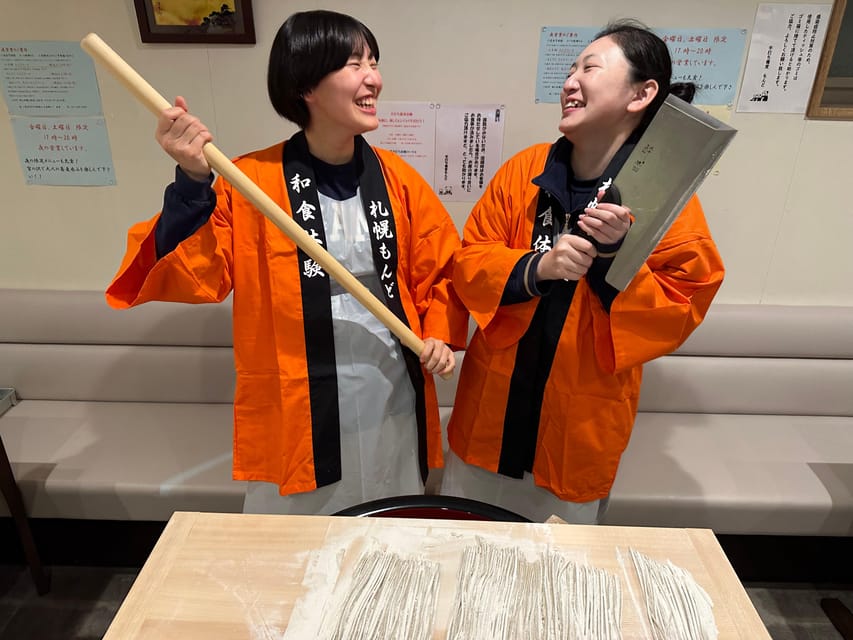
Making soba by hand at Teuchi-Soba Mondo gives you something a restaurant meal cannot: you handle the buckwheat dough, cut the noodles, and then eat the results. This is a working Sapporo soba restaurant, not a class built only for tourists, and that makes the experience feel grounded in everyday Japanese food culture.
In This Article
- Why Hokkaido Is the Right Place for a Soba Class
- Arriving at Teuchi-Soba Mondo in Hassamu
- Mixing Hokkaido Buckwheat Flour
- Rolling and Cutting the Dough
- Eating the Soba You Made
- Learning How to Eat Soba
- A Local Class, Not a Tourist Show
- Is the $70 Price Fair?
- Who Will Enjoy This Sapporo Experience
- Timing, Language, and Cancellation
- Should You Book Teuchi-Soba Mondo?
- FAQ
- Where does the soba-making experience take place?
- How long does the experience last?
- What will I do during the class?
- Is the experience offered in English?
- Is this a private activity?
- Can I cancel for a refund?
I like two things right away. First, the chefs give close attention to a private group, which matters when you are trying to roll and cut noodles neatly. Second, the noodles use Hokkaido buckwheat flour, from Japan’s leading buckwheat-producing region. The main consideration is timing: the actual noodle-making portion may feel short, and one past participant was surprised that extra food had to be purchased to eat with the noodles.
- You make every stage of the soba: mix the flour, roll the dough, and cut individual strands.
- You eat the noodles you made: the meal gives the hands-on class a useful finish.
- You learn soba customs: the lesson includes how to eat soba and the Japanese tradition of soba-yu.
- You visit a local lunch restaurant: Mondo is a working handmade soba shop in Sapporo, rather than a purpose-built tourist attraction.
- You get a private class: Japanese and English instruction is available for your group.
- You can include a family group: one family of six, including an eight-year-old and a person with a gluten allergy, had its needs handled.
Why Hokkaido Is the Right Place for a Soba Class
Hokkaido is Japan’s top buckwheat-producing region, so this class begins with a strong sense of place. The flour is not an incidental ingredient. It connects your meal to the northern island’s farming and food traditions.
Soba is one of Japan’s three major traditional foods, alongside sushi and tempura. Its story reaches back to the Edo period, and the class gives you a practical way to understand that tradition. You are not simply watching a chef prepare lunch. You are learning why the dough must be handled carefully, why the strands need an even cut, and why fresh soba is treated with such respect.
I find food classes most useful when they explain a dish without turning it into a lecture. This experience appears to follow that sensible path. You work with the ingredients, listen to the chef, and then see how the finished noodles should be eaten.
That combination suits you if you like food with a local connection. It also works well for people who have already eaten soba in Japan and want to understand the craft behind the bowl.
Arriving at Teuchi-Soba Mondo in Hassamu
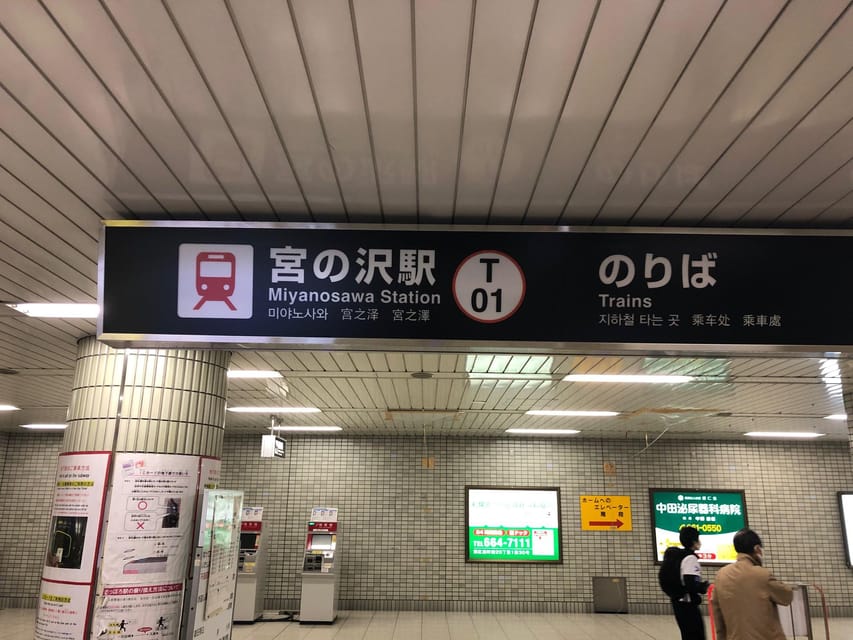
The meeting point is Teuchi-Soba Mondo at 9-chōme-17-28 Hassamu 6 Jō in Sapporo. Look for the restaurant signage and banners, then have your ticket confirmed before the class begins.
This address is in the Hassamu area, outside Sapporo’s busiest central zones. That location may be part of the appeal. You are visiting a local restaurant in a neighborhood setting, rather than fitting a quick class into the tourist center.
The restaurant is open for lunch and is known locally for handmade buckwheat noodles. That detail changes the mood of the activity. You are learning in the same place where the chefs prepare soba for their regular lunch trade.
The information provided does not specify the best transport route or travel time from central Sapporo, so check your route carefully before booking. Allow enough time to find the restaurant and arrive ready for the scheduled start. The address is specific, but the experience is not designed as a free-floating city tour.
A few more Sapporo tours and experiences worth a look


Mixing Hokkaido Buckwheat Flour
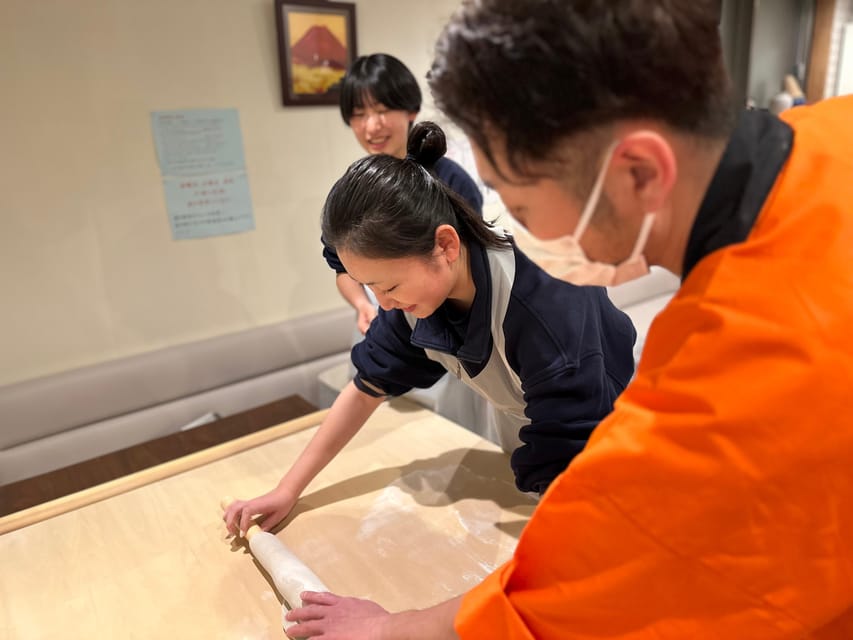
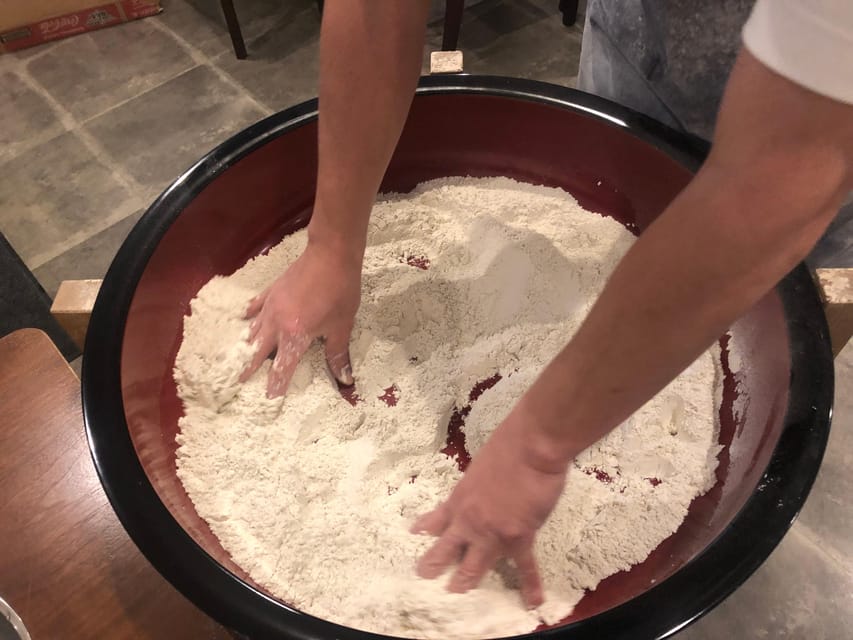
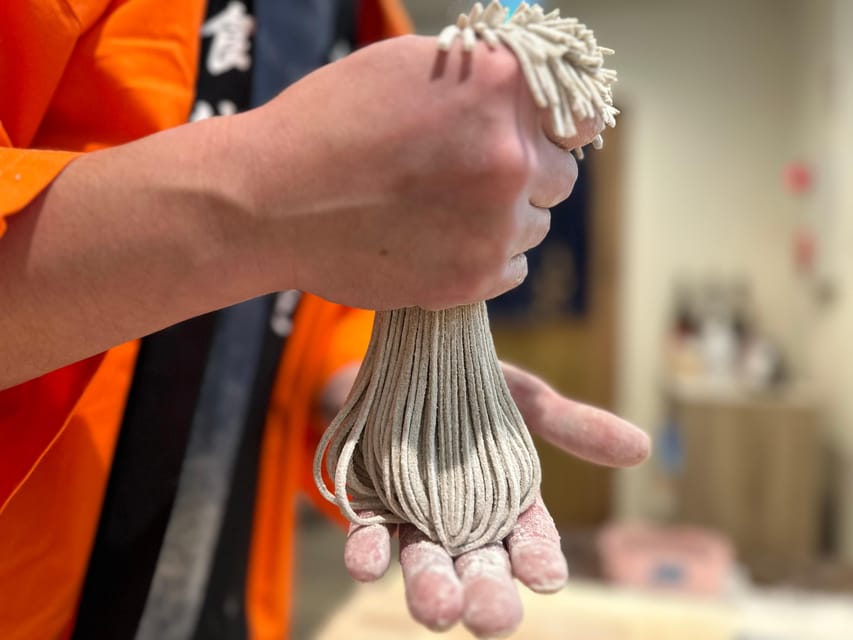
The class starts with one of the least glamorous but most important parts of soba making: mixing the buckwheat flour. This is where you begin to understand that handmade noodles are less forgiving than boxed noodles from a supermarket.
The chefs guide you through the process in Japanese or English. The available language support is especially useful here, since the texture of the dough matters more than a simple recipe suggests. You need to pay attention to the chef’s hands and follow the instructions as you work.
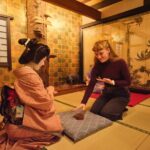
For a private group, this stage should feel more personal than a large demonstration. The group size is private, and the chefs are able to focus on helping your party understand what to do. David from Singapore described receiving dedicated attention from the Mondo team, which is exactly the kind of support you want when a small change in technique can affect the finished noodles.
The class is not about producing perfect noodles on your first attempt. It is about seeing the work involved. Buckwheat has a distinctive character, and turning flour into strands requires patience and control.
Rolling and Cutting the Dough
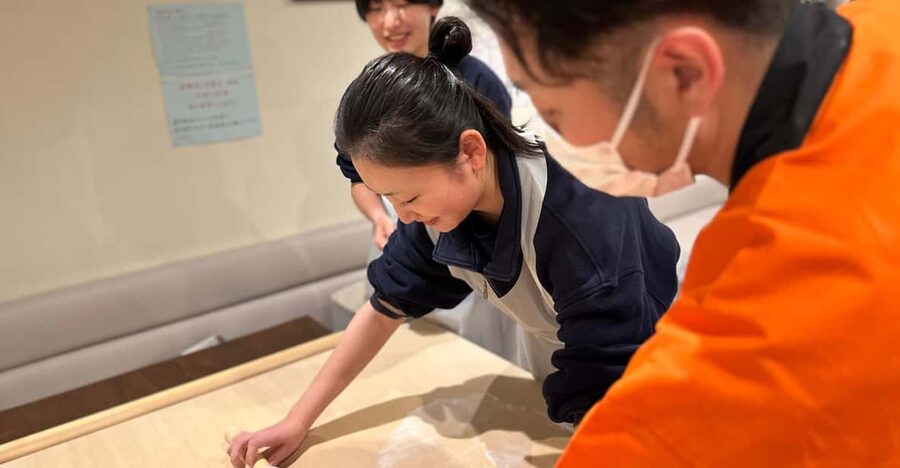
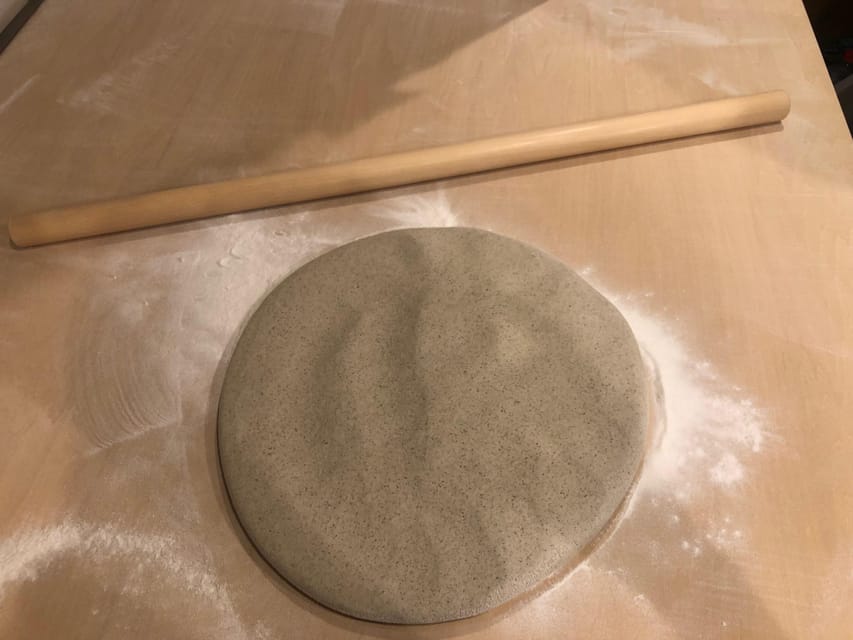
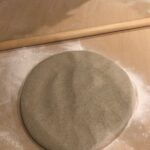
Once the dough is mixed, you roll it out and prepare it for cutting. This is likely the most visual part of the class, since a smooth sheet of dough must be turned into narrow, even noodles.
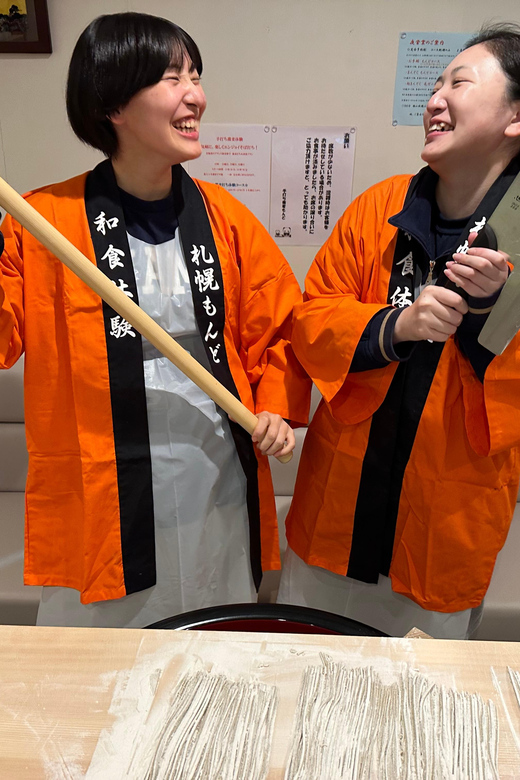
Then comes the careful cutting. You cut each strand yourself, using the tools and workspace provided by the restaurant. The class gives you a rare look at the physical skill behind a bowl of soba. Many Japanese people do not make soba at home because they lack the special tools or enough space, so this is not a routine household activity for most people.
One participant found the actual noodle-making portion quite short. Keep that point in mind. The full class is listed as about one hour, while the guided class is also described as 75 minutes, so the timing information is not perfectly consistent. In practical terms, expect a compact hands-on session, not a half-day cooking course.
That shorter format can be a benefit if you want to fit the class into a Sapporo sightseeing day. It may disappoint you if you are hoping for a long, slow lesson with repeated attempts. The value comes from the authenticity of the setting and the chance to eat your own work, not from spending hours in a kitchen.
Eating the Soba You Made
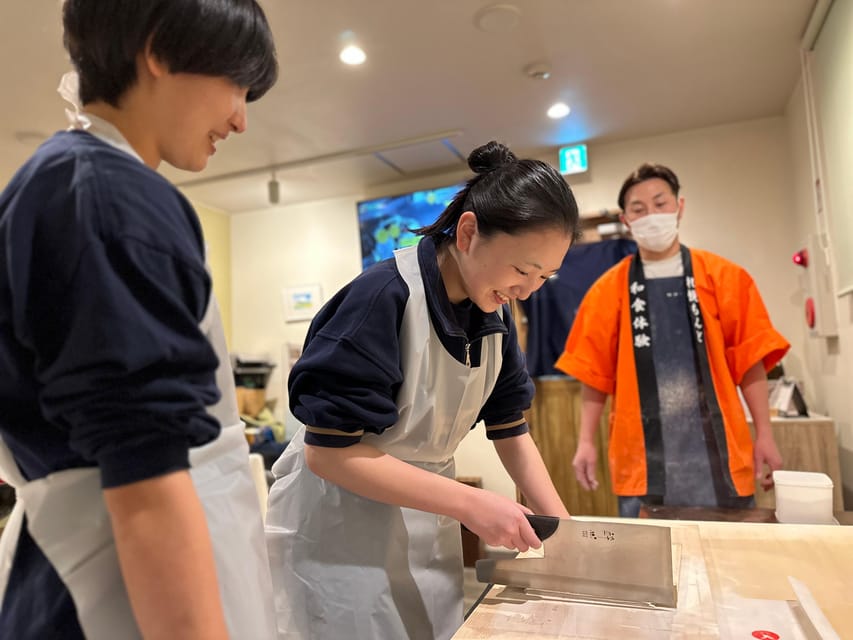
After the cutting is finished, the noodles are prepared so you can eat them. This is the payoff, but it is also part of the lesson.
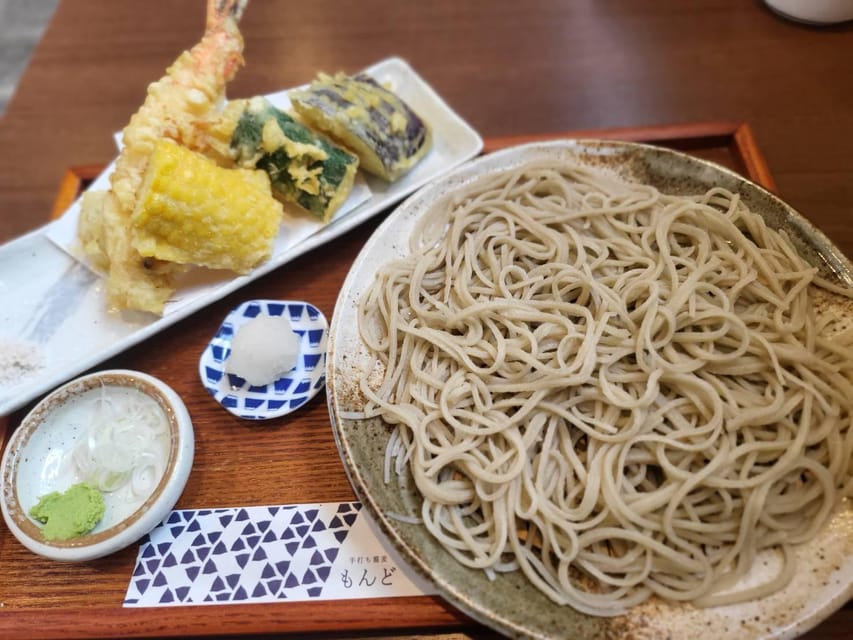
Fresh soba has a different meaning when you have just made it. You know how much care went into the dough and cutting, so you are more likely to notice the texture and freshness. The chefs also teach you the proper way to eat soba, giving you context that a normal restaurant order would not provide.
Be aware of the meal arrangement. One participant expected the handmade noodles to come with accompanying food and was surprised to learn that additional food had to be purchased. The food itself was described as very good, but you should confirm what is included in your booking and budget a little extra if you want side dishes or other items.
This is an important value point. At $70 per person, you are paying for a private, guided craft experience as well as lunch, but the price should not be judged as an all-inclusive restaurant meal unless the booking terms say so. If you only want a bowl of soba, ordering lunch at a regular restaurant will cost less. If you want to make the noodles and learn the customs around them, the comparison is different.
Learning How to Eat Soba
Soba has its own table manners and eating style. The class explains how to eat the noodles properly, which helps you feel more comfortable when ordering soba elsewhere in Japan.
This kind of instruction is useful because food customs can be easy to miss. You get more than a demonstration of noodle production. You learn how the finished dish fits into Japanese dining culture.
The class also introduces soba-yu, the warm water used after eating soba. You drink it after the meal, often with the remaining dipping sauce, and it is a small tradition that many first-time visitors do not know about.
I like this detail because it turns the meal into a complete experience. You make the noodles, eat them, and then finish in the customary way. Soba-yu may sound like a minor extra, but it shows how Japanese meals often include rituals that are easy to overlook when you are ordering from a menu.


A Local Class, Not a Tourist Show
Mondo presents itself as an authentic handmade soba restaurant serving lunch to local customers. The chefs want people from outside Japan to experience straightforward Japanese food without stripping away the restaurant’s normal identity.
That distinction matters. Some cooking activities are staged in a separate studio and use simplified recipes. Here, the class takes place at a restaurant that specializes in handmade buckwheat noodles. You are seeing the food in the place where it belongs.
The experience provider is 手打ち蕎麦 もんど, or Teuchi-Soba Mondo. The available information does not give the chefs’ personal names, but the class is led by Japanese food chefs, and the team includes a warm and attentive couple who run the experience.
Giovanni from Panama particularly appreciated being outside the central Sapporo rush and experiencing the area in a more local way. That is a useful reason to book this activity. It gives you a destination beyond the standard downtown circuit, though you will need to plan your route to the Hassamu address.
Is the $70 Price Fair?
At $70 per person, this is not the cheapest way to eat soba in Sapporo. You can find a regular bowl for far less. The question is what you want the money to buy.
The price includes instruction, access to the restaurant’s equipment and workspace, the ingredients, and the soba you make. It also includes cultural guidance about eating soba and soba-yu. For a private group, the cost buys personal attention rather than a seat in a crowded public demonstration.
I consider the value strongest for people who enjoy hands-on food activities and want something difficult to reproduce at home. The restaurant has the special tools and space needed for soba making, and even many Japanese people do not have those at home.
The value is weaker if you are mainly seeking lunch, if you dislike short structured classes, or if you expect side dishes to be included automatically. Check the meal details before you reserve, especially if your group wants more than the noodles you prepare.
The minimum is two adults, so solo visitors cannot book this experience alone under the stated conditions. Families and small groups are a better match. The class has also handled a group with a child aged eight and a person with a gluten allergy, but you should still communicate dietary needs clearly before arrival rather than relying on assumptions.
Who Will Enjoy This Sapporo Experience
I would recommend this class to you if you fit one or more of these descriptions:
- You prefer meeting local food makers to visiting a staged attraction.
- You enjoy short cooking classes with a meal at the end.
- You want to understand Japanese food customs, not just take photographs.
- You are traveling as a couple, family, or small private group.
- You have already tried soba and want to learn what goes into it.
- You want a Sapporo activity outside the most crowded central areas.
It may not suit you if your schedule is extremely tight or if your party has no interest in eating buckwheat noodles. The class is focused. It does not try to teach several Japanese dishes in one sitting.
Families should note that an eight-year-old has taken part successfully, but no wider age policy is provided. The private format should make it easier to work at your group’s pace, although the class still follows the chef’s process.
Timing, Language, and Cancellation
The experience is advertised as lasting one hour, while the guided class is also described as 75 minutes. Check the starting time and exact duration when you select your date. The difference is small, but it matters if you are connecting the class with another reservation.
Instruction is available in Japanese and English. The group is private, which is helpful if some members need more explanation or if you want to ask questions without holding up a large class.
You can cancel up to 24 hours before the experience for a full refund. A reserve-now, pay-later option is also available, allowing you to keep your plans flexible. These policies are useful in Sapporo, where weather and transport can affect a day’s schedule, but you still need to reach the Hassamu meeting point on time.
Should You Book Teuchi-Soba Mondo?
Book this experience if you want a genuine food activity in Sapporo, especially one tied to Hokkaido’s buckwheat-producing culture. The strongest parts are the local restaurant setting, private instruction, hands-on noodle work, and the chance to eat what you make.
Go in with realistic expectations. The noodle-making section may be brief, the total duration is listed inconsistently as one hour and 75 minutes, and extra food may cost more than the booking price. But if you value access to a real soba kitchen over a long classroom session, $70 can be fair.
For a couple or family looking for a memorable lunch outside central Sapporo, I would book it. For a solo diner or anyone wanting only an inexpensive meal, choose a regular soba restaurant instead.
FAQ
Where does the soba-making experience take place?
It takes place at Teuchi-Soba Mondo, located at 9-chōme-17-28 Hassamu 6 Jō in Sapporo. Look for the restaurant signage and banners.
How long does the experience last?
The activity is described as lasting one hour, while the guided class is also listed as 75 minutes. Check the available start times and duration when booking.
What will I do during the class?
You will mix Hokkaido buckwheat flour, roll out the dough, and cut the noodles. Afterward, you can eat the soba you made and learn how to eat it properly.
Is the experience offered in English?
Yes. Instruction is available in Japanese and English.
Is this a private activity?
Yes. The activity is arranged for a private group, and at least two adults are required.
Can I cancel for a refund?
You can cancel up to 24 hours in advance for a full refund. A reserve-now, pay-later option is also available.
More Soba & Cooking Classes in Sapporo


More tours in Sapporo we've reviewed




Soba & Cooking Classes, compared.
 ★ 5.0Popular in SapporoExperience authentic hand-made soba at a real soba shop!From $72
 ★ 5.0Mondo’s most popular plan! Experience making soba noodles and the king of Japanese cuisine, tempura, in Sapporo!From $85
 ★ 5.02 hours sushi classFrom $20
 ★ 5.0Private Japanese Cooking Class in Sapporo with Local Chef ShioriFrom $108
 ★ 5.0in Sapporo! Hand-made soba experience and shabu-shabu experience plan of Yezo deer meat (Gibier meat) from HokkaidoFrom $85
 ★ 5.0Private Market Tour and Cooking Class with Kanae, a Sapporo LocalFrom $82
 ★ 5.0Private Japanese Cooking Class in Sapporo with Local Host KanaeFrom $72
 ★ 5.0Japanese Cooking Class in the Heart of Sapporo with SakuraFrom $72
The lists this tour appears in