
Reviewed · SOBA & COOKING CLASSES
in Sapporo! Hand-made soba experience and shabu-shabu experience plan of Yezo deer meat (Gibier meat) from Hokkaido
You make soba from flour and water, cut the noodles by hand, then eat what you created with Hokkaido Yezo deer shabu-shabu. That combination gives this small Sapporo activity a clear sense of place. It is not just a cooking demonstration. You work at the counter, get direct help from a soba craftsman, and sit down to a warm meal.
In This Article
- Key points to know before booking
- Why making soba in Sapporo feels different
- Kneading, rolling, and cutting your noodles
- Eating soba you made yourself
- What Yezo deer shabu-shabu adds
- A small shop with personal instruction
- Getting there from central Sapporo
- How the private format affects the visit
- Timing, booking demand, and cancellation
- Who should choose this experience
- Should you book this Sapporo soba class?
- FAQ
- How long does the handmade soba and deer shabu-shabu activity last?
- Where does the activity begin and end?
- How do I reach the meeting point by subway?
- Is the activity private?
- Is the experience suitable for beginners?
- What is the cancellation policy?
I like two things right away: the class welcomes beginners, and the meal adds a local Hokkaido specialty that you would not get in an ordinary soba lesson. Taku explains the process carefully, while Mai helps prepare the shabu-shabu. The class also works well for families, with one 13-year-old enjoying the hands-on work.
The main thing to consider is communication. Some instruction may use simple Japanese and English rather than fluent English, so this is not the best pick if you need a fully English-led class. Confirm the meeting details and language support before arrival, especially in winter.
Key points to know before booking
- You make the entire soba: Knead the dough, shape it, cut the noodles, and taste the finished dish.
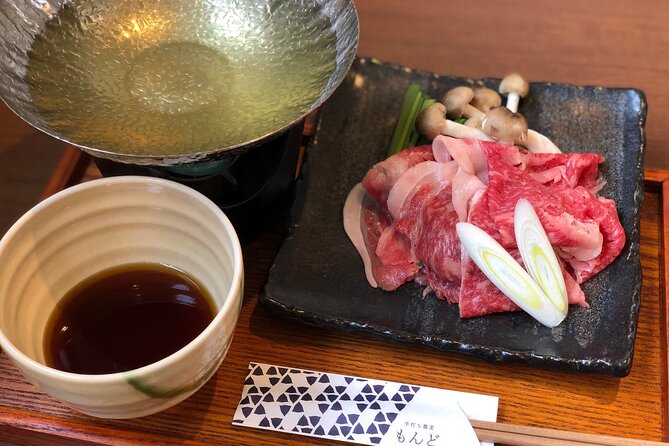
- Yezo deer is part of the meal: The shabu-shabu set uses Hokkaido sika deer, also known as game meat.
- Taku and Mai provide hands-on help: First-timers receive close support rather than being left to figure things out alone.
- The class is near Shiroi Koibito Park: Miyanosawa Station on the Tozai Line is about a three-minute walk away.
- It is private for your group: Only your booking group takes part, which makes the lesson more personal.
- Plan about one hour: The short format fits neatly into a Sapporo day, but it leaves little room for a late arrival.
Why making soba in Sapporo feels different
Soba has been part of Japanese food culture since the Edo period. In Japan, you will find it in quick station shops, modest neighborhood restaurants, and carefully run specialty counters. The noodles can look simple, but good soba depends on the dough, the thickness of the cut, and the cooking.
This class lets you see that work at close range. You are not simply handed a bowl and told that the noodles are handmade. You take part in the steps that usually happen behind the scenes. That makes the meal more memorable, especially if you have already eaten plenty of ramen and sushi during your time in Japan.
The instructors explain the ingredients and show the techniques in detail. You might need a little patience at first, since soba dough does not behave exactly like ordinary wheat dough. That slight challenge is part of the appeal. You get a better sense of why trained soba makers spend years practicing the craft.
The class is designed for first-timers, so you do not need prior cooking experience. Taku supports the process closely and keeps the work friendly and light. One especially playful technique has been called the Spiderman technique, which gives the lesson a bit of humor without turning it into a staged show.
A few more Sapporo tours and experiences worth a look


Kneading, rolling, and cutting your noodles
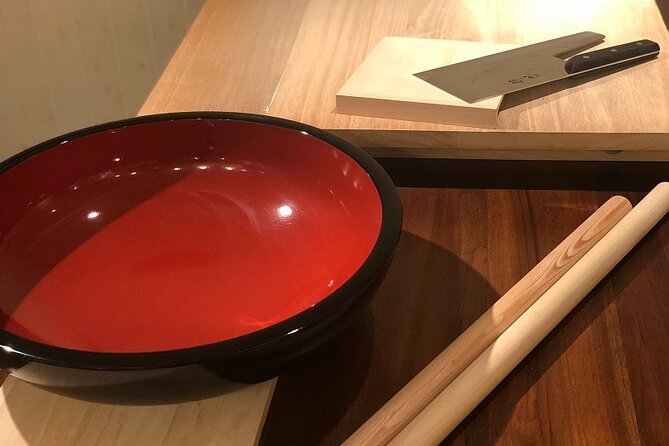
The practical heart of the activity is the noodle making. You work through soba preparation, soba cutting, and tasting, with the craftsman helping at each stage.
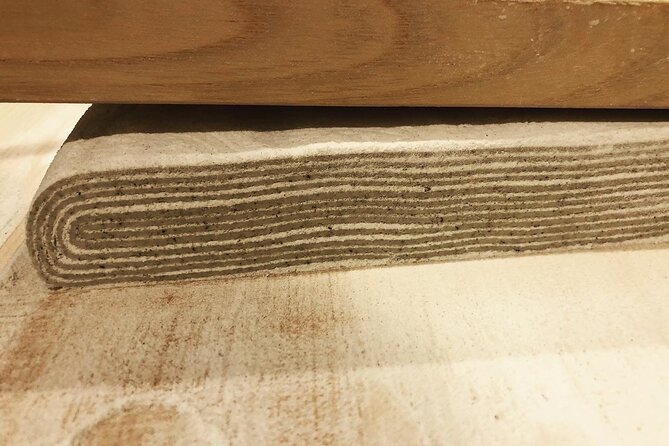
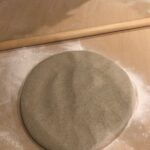
Kneading is where the dough begins to come together. The goal is a smooth, workable mass rather than a rough mixture. You then shape and roll it before moving to the most visually satisfying part: cutting the dough into noodles.
Hand-cut soba has a direct, homemade look. The strands may not all be exactly the same width, especially on your first attempt. That is fine. The point is to understand the work and enjoy the result, not to match a professional craftsman line for line.
Taku demonstrates the motions and corrects technique as needed. That close guidance matters because cutting requires control. Too thick, and the noodles feel heavy. Too thin, and they can lose their texture. The class gives you enough information to appreciate those differences when you taste the final bowl.
The activity lasts about one hour, so expect a focused lesson rather than a long cooking school with several separate dishes. You should arrive ready to begin on time. A late start could make the schedule feel rushed.
Eating soba you made yourself
After the preparation, you taste the noodles. This is the payoff, but it is also part of the lesson. Fresh soba has a different meaning when you have handled the dough, watched it change, and cut it yourself.
The class also introduces the traditional way of eating soba in Japan. That detail helps connect the cooking to everyday food culture. Soba is often appreciated for its clean flavor and texture, and the simple eating style keeps your attention on the noodles rather than piling on elaborate toppings.
You may notice small differences in texture from one person’s noodles to another. That is one of the pleasures of a hands-on class. The dish carries traces of the work that went into it. It is less polished than a restaurant bowl, but it is also more personal.
The food is prepared for tasting as part of the experience, so you are not paying for a lesson and then searching elsewhere for lunch or dinner. Still, this is a compact meal plan. If you arrive very hungry, check what the full set includes when booking, since the supplied details describe soba and deer shabu-shabu but do not provide a complete menu.
What Yezo deer shabu-shabu adds
The second half of the food experience is shabu-shabu made with Hokkaido sika deer. Thin slices of meat are cooked briefly in a hot broth, traditionally by swishing them through the liquid. Here, the dish gives you a chance to try local game meat in a familiar Japanese format.
For many people, this will be the most unusual part of the meal. Deer is not the standard choice at every shabu-shabu restaurant, so it adds a clear Hokkaido connection. You get the culture of soba and a regional ingredient in the same sitting.
Mai helps prepare the shabu-shabu, and the combination creates a warm lunch or dinner after the noodle work. It also gives the class more value than a short demonstration followed by a small sample. At $85.66 per person, the price is high for a one-hour food activity, but it covers instruction, ingredients, your handmade soba, and the deer meat meal.
The value depends on what you want from Sapporo. If you only want an inexpensive bowl of noodles, this is not the economical choice. If you want a private cultural activity with a meal and a Hokkaido ingredient, the cost is easier to justify.
Because deer is game meat, it may not suit every palate. The supplied information does not describe the exact seasoning or broth, so ask the provider about the preparation if you have strong food preferences or concerns.
A small shop with personal instruction
The activity takes place at a popular handmade soba restaurant in Sapporo City. It is not presented as a large tourist attraction with a crowd moving through several stations. Your group participates privately, which gives the session a more intimate feel.
Private booking is useful if you are traveling with children, family, or friends who want to work at their own pace. It also means you are not sharing the lesson with strangers. The tradeoff is that the energy depends on your own group and the instructors. You will not have a large class full of people to meet.
Taku and Mai are central to the experience. Taku explains the soba process and demonstrates the techniques, while Mai assists with the meal. Their friendly approach helps keep the lesson accessible, even when the language is not perfectly aligned.
English support deserves a careful note. Several parts of the class can be handled with simple Japanese and English, but at least one booking problem involved a customer expecting an English-speaking guide and having difficulty by phone. That does not mean the activity cannot work for English speakers. It does mean you should not assume full professional English interpretation at every step.
Write down the meeting address, allow time to find the shop, and confirm how the host will contact you. In winter, this basic preparation matters.
A few more Sapporo tours and experiences worth a look


Getting there from central Sapporo
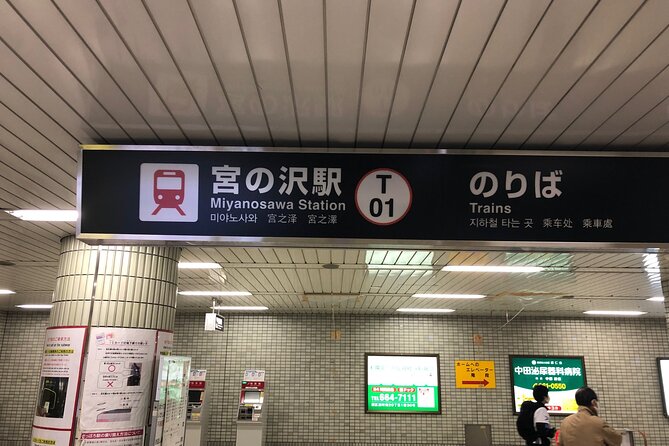
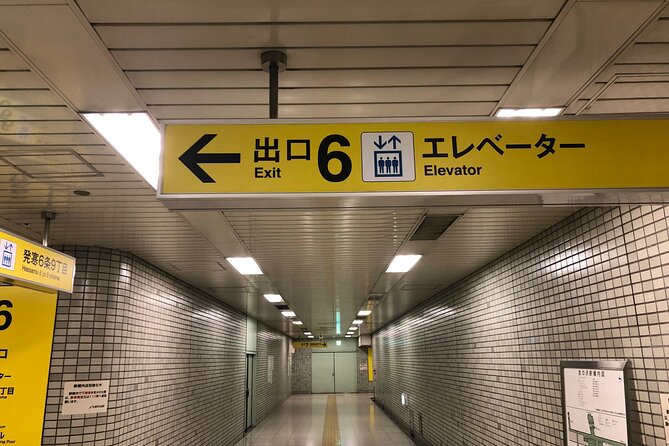
The meeting point is at 9-chōme-17-28 Hassamu 6 Jō, Nishi Ward, Sapporo, Hokkaido 063-0826. The closest named transit stop is Miyanosawa Station on the Sapporo Subway Tozai Line. Exit 6 is about a three-minute walk from the shop.
That access makes the activity easy to combine with a visit to Shiroi Koibito Park, which is within walking distance. You can pair the soba lesson with that popular attraction rather than crossing the city for a separate meal.
The location is outside the most central Sapporo sightseeing area, so check your subway timing. The short class does not leave much spare time if you are rushing from another appointment. The activity ends back at the meeting point, with no hotel drop-off included.
Two parking spaces are available. That can help if you are driving, but the spaces are limited. Do not assume there will be room without checking the parking arrangement ahead of time.
How the private format affects the visit
Only your group takes part. This is one of the strongest reasons to choose this activity over a standard cooking class. You can ask questions, work with your own companions, and receive direct correction from the instructor.
Families may find this format especially useful. The work is active enough to hold a young teenager’s attention, and the meal provides a clear reward at the end. Adults who enjoy food crafts will also get more from the class than someone looking only for a quick tasting.
Couples and small groups should consider the social side. You will spend the full hour focused on the food and the instructors, not on meeting other people. That makes it a good fit for a private memory, but less useful if your goal is to make new friends.
The group discount may improve the per-person value for a larger booking. Since the exact discount is not given, compare the final total when you select the number of participants.
Timing, booking demand, and cancellation
The activity is booked an average of 46 days in advance. That suggests you should reserve early if your Sapporo dates are fixed, particularly if you want a certain time or are traveling with a group.
Confirmation is provided at booking, and mobile tickets are supported. Keep the booking information easy to access, especially if you are moving between subway stops and attractions.
Free cancellation is available up to 24 hours before the start time for a full refund. Changes or cancellations inside that 24-hour window are not accepted and are not refunded. The cut-off follows local Sapporo time, so check the clock carefully if you are changing plans from another time zone.
The activity also requires a minimum number of participants. If the provider cancels because that minimum is not reached, you are offered another date or activity, or you receive a full refund.
Service animals are allowed, and the shop is near public transportation. The supplied details do not explain general wheelchair access or specific dietary substitutions, so ask before booking if those points matter to you.
Who should choose this experience
I would choose this class if you want a food activity that feels tied to Hokkaido rather than a generic Japanese cooking lesson. The handmade soba gives you a traditional dish, while the Yezo deer adds a local ingredient and a little culinary adventure.
It is a strong fit for:
- First-time soba makers
- Families with older children
- Couples wanting a private activity
- Visitors staying near western Sapporo
- Anyone planning to visit Shiroi Koibito Park
- People interested in trying Hokkaido game meat
I would think twice if you want a long, detailed cooking course. One hour is enough for a clear introduction, but not enough for several recipes or a slow-paced workshop.
I would also think twice if you need guaranteed fluent English instruction. The hosts can communicate using simple Japanese and English, but the experience may be easier if you are comfortable with gestures, demonstrations, and a few basic Japanese phrases.
Should you book this Sapporo soba class?
Book it if you value participation over speed. You will knead, cut, taste, and share a local meal instead of simply checking soba off your food list. The private format, help from Taku and Mai, nearby subway access, and Yezo deer shabu-shabu make it a distinctive way to spend an hour in Sapporo.
At $85.66, it is not a bargain meal. You are paying for instruction, a private setting, hands-on work, and the chance to try a Hokkaido specialty. For a memorable food activity, that can be fair value. For budget dining, choose a regular soba restaurant instead.
Reserve ahead, confirm the language arrangement, and plan your route to Miyanosawa Station. If those details suit you, this is a warm, personal introduction to two parts of Japanese food culture in one compact visit.
FAQ
How long does the handmade soba and deer shabu-shabu activity last?
The experience lasts approximately one hour.
Where does the activity begin and end?
It begins at 9-chōme-17-28 Hassamu 6 Jō, Nishi Ward, Sapporo, Hokkaido 063-0826, Japan, and ends back at the same meeting point.
How do I reach the meeting point by subway?
Take the Sapporo Subway Tozai Line to Miyanosawa Station and use Exit 6. The shop is about a three-minute walk away.
Is the activity private?
Yes. Only your group participates in the activity.
Is the experience suitable for beginners?
Yes. A soba craftsman provides support during the making, cutting, and tasting stages, so no previous soba-making experience is required.
What is the cancellation policy?
You can cancel at least 24 hours before the local start time for a full refund. Cancellations or changes made less than 24 hours before the start time are not accepted or refunded.
More Soba & Cooking Classes in Sapporo
More Sapporo Tours in Sapporo


More tours in Sapporo we've reviewed




Soba & Cooking Classes, compared.
 ★ 5.0Popular in SapporoExperience authentic hand-made soba at a real soba shop!From $72
 ★ 5.0Mondo’s most popular plan! Experience making soba noodles and the king of Japanese cuisine, tempura, in Sapporo!From $85
 ★ 5.02 hours sushi classFrom $20
 ★ 5.0Private Japanese Cooking Class in Sapporo with Local Chef ShioriFrom $108
 ★ 5.0Private Market Tour and Cooking Class with Kanae, a Sapporo LocalFrom $82
 ★ 5.0Private Japanese Cooking Class in Sapporo with Local Host KanaeFrom $72
 ★ 4.8Authentic Handmade Soba Experience!From $701 hour
 ★ 5.0Japanese Cooking Class in the Heart of Sapporo with SakuraFrom $72
The lists this tour appears in