
Reviewed · SOBA & COOKING CLASSES
Mondo’s most popular plan! Experience making soba noodles and the king of Japanese cuisine, tempura, in Sapporo!
The most interesting part of this Sapporo food experience is that you start with buckwheat flour and water and finish with a bowl of noodles you cut yourself. Taku guides the hands-on work in English, then serves your soba with tempura prepared by the shop. It gives you a look at a traditional Japanese craft without turning lunch into a long cooking school.
In This Article
- Key Points
- Turning Buckwheat Flour Into Soba
- Taku’s English-Language Lesson
- Eating the Noodles You Cut Yourself
- Why Hokkaido Soba Matters
- A Short Activity With a Full Meal
- Finding Mondo in Miyanosawa
- Is the $85.79 Price Fair?
- Food Needs and Family Suitability
- What I Like, and What I Would Clarify
- Who Should Book Mondo
- Should You Book This Soba Experience?
- FAQ
- How long does the Mondo soba-making experience last?
- What will I make during the experience?
- Is tempura included?
- Is the experience conducted in English?
- How do I reach the restaurant?
- Can children or people with dietary needs participate?
I like two things here. First, you get to knead, stretch, and slice the dough yourself, including the satisfying traditional knife work. Second, the meal includes shrimp, scallops, vegetables, or other local ingredients in the tempura, plus both cold and warm soba sauces. The main caution is simple: you make the soba, but not the tempura, and the shop can be hard to find.
Key Points
- Hands-on noodle making: Mix buckwheat flour, stretch the dough, and cut the noodles yourself.
- Taku teaches in English: The instruction covers both the process and Japanese table customs.
- Tempura comes with the meal: A Japanese food craftsman prepares tempura to pair with your soba.
- About 75 minutes total: The making takes roughly 30 minutes, followed by cooking and tasting.
- Convenient subway access: Mondo is a five-minute walk from Miyanosawa Station on the Tozai Line.
- Small, private format: Only your group takes part, making this a personal activity for families and friends.
Turning Buckwheat Flour Into Soba
Mondo is a handmade soba restaurant in Sapporo’s Nishi Ward. After the main lunch service, the shop shifts to a small cooking experience that focuses on one of Japan’s most recognizable noodle traditions.
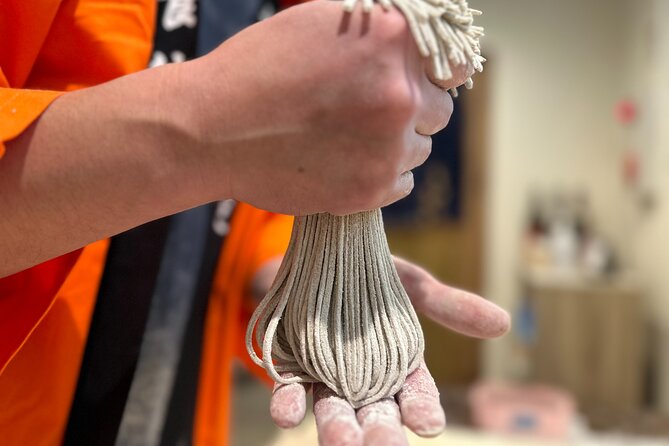
Soba has been made in Japan since the Edo period, and the method remains pleasingly direct. You work with buckwheat flour and water, then turn that dough into noodles through a series of steps that demand care more than strength. The class takes about 30 minutes, so you are not stuck at a counter for half a day.
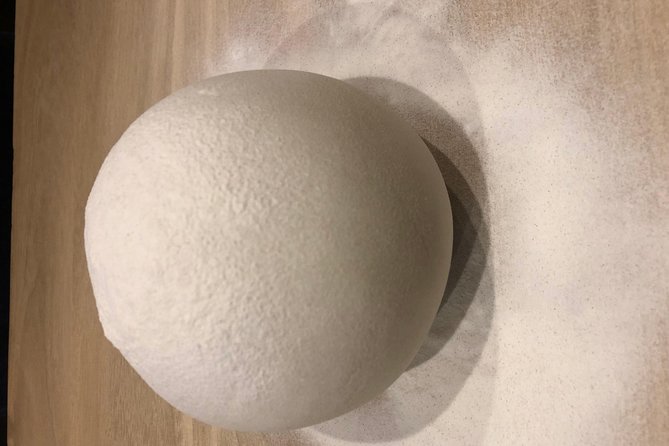
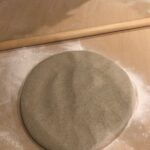
The process begins by mixing the buckwheat flour. This is where you start to understand why handmade soba is harder than it looks. The dough must come together properly before you can roll it, and small differences in texture affect the finished noodles.
Next comes stretching. You work the dough into a thin sheet, then cut it into noodles with the traditional soba knife. This is the part I find most valuable for a first-time visitor, because it changes soba from something you simply order into something you can recognize as a craft.
Your noodles may not all come out perfectly even. That is part of the point. The class is designed as a practical cultural activity, not a test for professional noodle makers. Children can take part, and the experience has been especially well suited to families with school-age children. One 10-year-old enjoyed being involved from start to finish, while another child loved the simple, hands-on process.
A few more Sapporo tours and experiences worth a look


Taku’s English-Language Lesson
The experience is conducted in English, with Taku leading the instruction. His style is described as patient, funny, and encouraging, which matters when you are trying to control a sheet of delicate dough for the first time.
You are shown how Japanese people eat soba, not just how to make it. That includes the choice between cold and warm sauce and the final use of soba-yu, the hot cooking water traditionally served at the end of a soba meal.
The class is private, so only your own group participates. That gives Taku room to adjust his explanations and keep an eye on each person’s cutting technique. It also makes the activity a better fit for families or friends who want to work at their own pace rather than join a large demonstration.
The language setup does require a little planning. Instruction during the experience is in English, but the restaurant cannot offer English help by phone or other means. If you need to ask something before arrival, contact the provider through VIRTOR by email.
Eating the Noodles You Cut Yourself
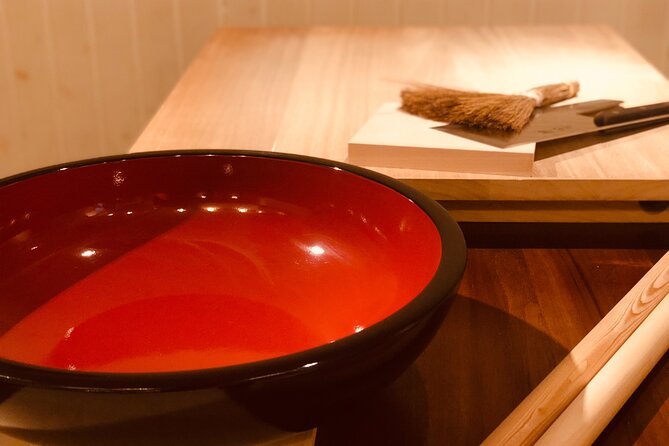
Once the noodles are prepared, the staff cook them for you. This is important because the experience is not designed to teach every stage of restaurant soba production. You make and cut the noodles, while the restaurant handles the cooking and meal service.
You then taste your own soba with a choice of cold or warm sauce. The difference is more than temperature. Cold soba gives you a direct taste of the noodle’s texture, while warm sauce creates a softer, more comforting bowl. Having both options lets you try the noodles in the style that suits you.
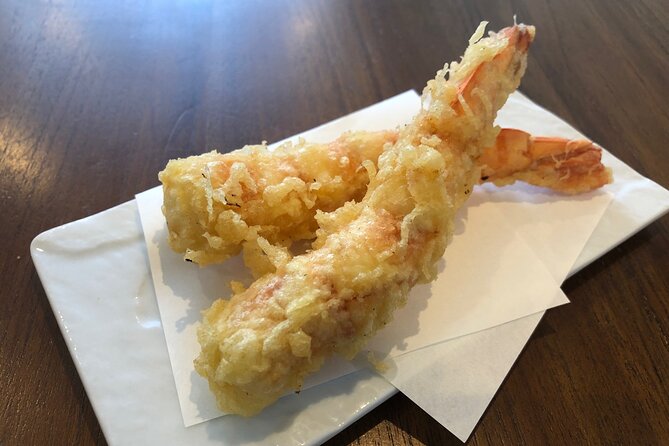
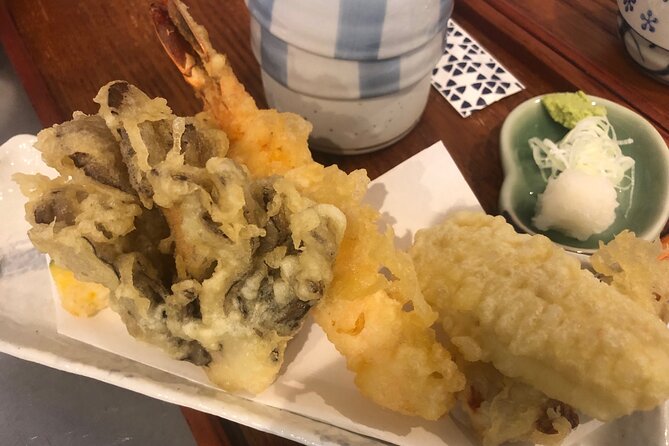
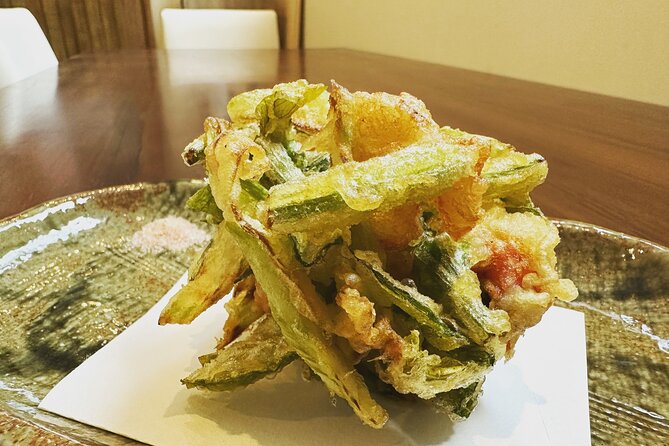
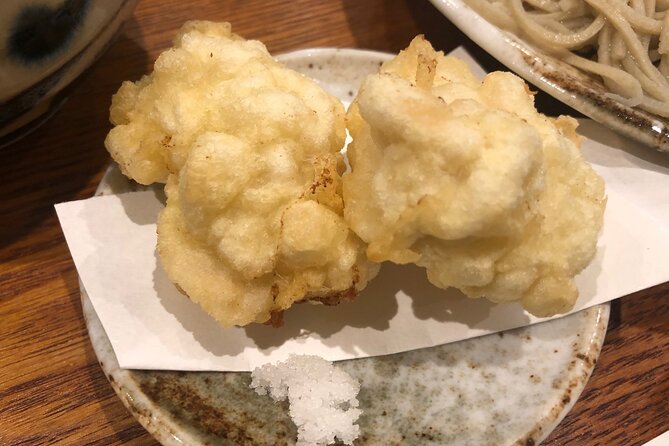
The meal also includes tempura made by a Japanese food craftsman at the restaurant. The exact ingredients can vary, but examples include shrimp, scallops, eggplant, seasonal vegetables, and other local produce. Hokkaido is known for buckwheat production, especially around Tokachi and Furano, so the meal connects the activity with the region’s food culture.
The tempura is a major part of the value here, but you should understand the format before booking. The menu description can sound like a soba-and-tempura cooking lesson. In practice, you make the soba and eat tempura prepared by the restaurant. One participant specifically expected to make both dishes and found that disappointing.
The pairing itself makes sense. Soba brings a clean, earthy flavor and a chewy texture, while tempura adds crisp batter and richer fried flavor. The two foods are often eaten together in Japan, and this meal shows you why without requiring you to manage a hot fryer.
At the end, you drink soba-yu. This cloudy liquid is the water used to cook the noodles, and Japanese diners traditionally add it to leftover dipping sauce. It is a small detail, but it helps turn the class into a lesson in how the meal is actually eaten.
Why Hokkaido Soba Matters
Hokkaido is Japan’s leading soba-producing region. Its climate and soil are well suited to buckwheat, and the local noodle style is known for a savory taste and firm, chewy texture.
That regional setting gives this activity more weight than a generic noodle workshop. You are not simply learning a recipe in a classroom. You are making one of Hokkaido’s signature foods inside a working handmade soba restaurant in Sapporo.
Mondo also explains how local ingredients and seasonal foods can be used with soba. The tempura may include ingredients associated with Hokkaido, though the exact selection is not fixed. If you care about a particular ingredient, ask ahead of time rather than treating the examples as a guaranteed menu.
I also like the scale of the setting. This is a small shop, and the experience can feel more like being welcomed into a family kitchen than attending a polished tourist production. That personal quality is one reason the class works well for people who want a quieter activity away from Sapporo’s main sightseeing routes.
A Short Activity With a Full Meal
The listed duration is about one hour, while the detailed schedule puts the complete experience at roughly one hour and 15 minutes. Allow the longer figure when planning your day.
The basic flow is:
- Mix the buckwheat flour.
- Stretch the dough.
- Cut the noodles.
- Eat the soba with cold or warm sauce.
- Enjoy the prepared tempura.
- Finish with soba-yu.
The noodle-making portion lasts about 30 minutes. The rest of the time covers cooking, serving, eating, and instruction on soba customs.
This timing makes Mondo easy to fit between other Sapporo plans. You are not giving up a whole morning or afternoon, yet you still receive a meal rather than a quick sample. I would avoid scheduling a tight connection immediately afterward, since the published total points to 75 minutes and late arrivals can disrupt the start.
Punctuality matters. The shop operates as a handmade soba restaurant during lunch, and arriving late can inconvenience other participants. If you are not there by the start time, the booking can be treated as a no-show. Build in extra time for the walk from the station and for finding the entrance.
A few more Sapporo tours and experiences worth a look


Finding Mondo in Miyanosawa
The meeting point is 9-chōme-17-28 Hassamu 6 Jō, in Sapporo’s Nishi Ward. Miyanosawa Station on the Sapporo Subway Tozai Line is about a five-minute walk away.
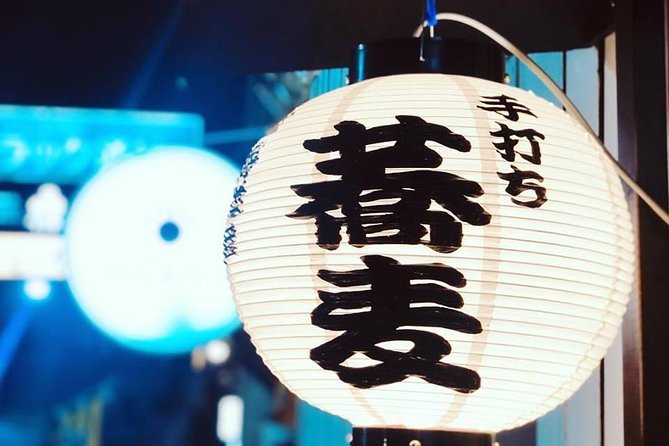
That is convenient once you know where you are going, but the storefront is not always easy to spot. One person found the location difficult to find despite enjoying the activity itself. Use the full address and leave a few extra minutes, especially if you are unfamiliar with residential parts of Sapporo.
If you drive, the restaurant has four parking spaces in front of the shop. That is useful, but spaces are limited, so do not assume a large car park is available.
The activity ends back at the starting point. You do not need to bring special equipment or prepare ingredients before arriving. Normal practical clothing is sensible, since you will be working with dough, but no special supplies are listed as necessary.
Is the $85.79 Price Fair?
At $85.79 per person, this is not a cheap bowl of noodles. The price needs to be judged as a combined cooking class, private activity, and meal.
You are paying for instruction, ingredients, staff time, cooking, tempura, sauces, and the chance to take part in a traditional food practice. For a small group, that can be fair value, especially if you would otherwise spend money on both a meal and a separate cultural activity.
The value is strongest for people who want participation rather than a restaurant visit. If you only want excellent soba and tempura, buying lunch at a handmade soba shop will likely cost less. If you want to understand how noodles are made and leave with a memorable story, the extra cost makes more sense.
Group discounts are available, so larger parties should ask directly. The private format may also make the price easier to justify for a family or close group, since you are not sharing the lesson with strangers.
One lower rating focused on value, with the participant expecting more instruction about Japanese cooking methods and a larger cooking role. That is a fair warning. The core activity is mixing, stretching, and cutting soba. It is not a broad Japanese cooking course, and there is no promise that you will learn to make tempura.
Food Needs and Family Suitability
Young children can take part in the soba-making portion, and the simple sequence gives them a clear role. Mixing, rolling, and cutting are easier for children to understand than a long lecture about food culture. Parents should still expect to help with supervision, especially around the knife and restaurant kitchen.
The experience can accommodate halal, vegan, and other dietary needs if you contact the shop in advance. Do not wait until arrival. The available information also includes a caution from a party with vegan members who did not attend because they were unsure an appropriate option was available.
That means dietary accommodation should be confirmed in writing before you pay or arrive. Ask what will be included in the noodles, sauces, tempura, and soba-yu. Soba itself is not automatically vegan, since sauces and accompanying dishes may contain animal products.
Service animals are allowed, and the shop is near public transportation. These details make the activity workable for many visitors, but the restaurant remains a small handmade soba shop, not a large purpose-built cooking studio.
What I Like, and What I Would Clarify
I like that the class gives you a real task instead of asking you to watch someone else do everything. The traditional slicing stage is especially satisfying, and the meal tastes more personal because you helped make the noodles.
I also like the balance between instruction and eating. You learn a useful amount, then sit down to try the result with tempura and two sauce styles. The staff’s friendly manner, clean preparation area, and light humor help keep the lesson relaxed.
The main weakness is the possibility of mismatched expectations. The title and description connect soba with tempura, but only the soba is hands-on. If you want to fry shrimp and vegetables yourself, this is not the right class.
The other issue is location. Mondo is close to a subway station, but the entrance may not be obvious. Add a few minutes to your route and do not plan to arrive at the exact starting time.
The experience has a 4.8 rating from 71 reviews and a 96 percent recommendation rate. Those numbers point to a strong level of satisfaction, while the lower scores help define the limits: the activity is short, focused, and more about soba making than full Japanese cuisine.
Who Should Book Mondo
I would recommend this for families, couples, and small groups looking for an activity that feels tied to Hokkaido food culture. It is also a good choice if you have already seen Sapporo’s main sights and want something local and practical.
You will get the most from it if you enjoy learning by doing, accept that your noodles may look handmade rather than perfect, and want to eat the finished result. The English instruction and private format make it approachable even if you have never cooked Japanese food.
I would be more cautious if you are booking mainly for tempura instruction, need a long food lecture, or are seeking the lowest-cost meal. Confirm dietary requirements in advance, clarify that the tempura is prepared for you, and allow 75 minutes rather than relying on the shorter one-hour estimate.
Should You Book This Soba Experience?
Book it if you want to make a traditional Hokkaido food with your own hands, learn how soba is eaten in Japan, and enjoy a prepared tempura meal in a small restaurant setting. Taku’s friendly English instruction, the private format, and the chance to cut your own noodles give the experience a personal feel.
Skip it if your main goal is to cook both soba and tempura or if $85.79 feels too high for a short activity. For everyone else, Mondo offers a focused, family-friendly taste of Sapporo’s food culture, with enough hands-on work to make the final bowl feel earned.
Free cancellation is available up to 24 hours before the start time. Cancellations within 24 hours are not refunded, and changes during that period are not accepted.
FAQ
How long does the Mondo soba-making experience last?
The noodle-making portion takes about 30 minutes, and the full activity takes roughly one hour and 15 minutes, including the meal.
What will I make during the experience?
You will mix buckwheat flour, stretch the dough, and cut the soba noodles. The restaurant cooks your noodles for you.
Is tempura included?
Yes. The meal includes artisan-prepared tempura served with your handmade soba. The tempura is not a hands-on cooking part of the class.
Is the experience conducted in English?
Yes. The experience is conducted in English. The restaurant cannot provide English assistance by phone, so questions should be sent by email through VIRTOR.
How do I reach the restaurant?
Mondo is about a five-minute walk from Miyanosawa Station on the Sapporo Subway Tozai Line. The address is 9-chōme-17-28 Hassamu 6 Jō, Nishi Ward, Sapporo.
Can children or people with dietary needs participate?
Small children can enjoy the soba-making activity. Halal, vegan, and other dietary needs can be accommodated if you contact the shop in advance. Service animals are allowed.
More Soba & Cooking Classes in Sapporo
More Sapporo Tours in Sapporo


More tours in Sapporo we've reviewed




Soba & Cooking Classes, compared.
 ★ 5.0Popular in SapporoExperience authentic hand-made soba at a real soba shop!From $72
 ★ 5.02 hours sushi classFrom $20
 ★ 5.0Private Japanese Cooking Class in Sapporo with Local Chef ShioriFrom $108
 ★ 5.0Private Market Tour and Cooking Class with Kanae, a Sapporo LocalFrom $82
 ★ 5.0in Sapporo! Hand-made soba experience and shabu-shabu experience plan of Yezo deer meat (Gibier meat) from HokkaidoFrom $85
 ★ 5.0Private Japanese Cooking Class in Sapporo with Local Host KanaeFrom $72
 ★ 4.8Authentic Handmade Soba Experience!From $701 hour
 ★ 5.0Japanese Cooking Class in the Heart of Sapporo with SakuraFrom $72
The lists this tour appears in