
Reviewed · SAPPORO TOURS
Sapporo 6hr Private Tour with Government Licensed Guide
Sapporo is easy to like, but its best sights spread across a wide area. This private tour lets you choose three or four priorities, then follow a licensed local guide who can explain the city and help you use public transportation when needed. Guides may include Roy Aoki, Kumiko, Kate, Nozomi, or Tamaki Yakuwa, depending on availability.
In This Article
- Key points to know before booking
- A private Sapporo day that follows your priorities
- What six hours can realistically cover
- Central Sapporo: Odori Park, the Clock Tower, and TV Tower
- Markets and meals: Nijo Market and Sapporo’s food culture
- Mt. Moiwa and the city from above
- Moerenuma Park and Maruyama Park
- Hokkaido Shrine and the city’s early development
- Beer, chocolate, and family-friendly stops
- The Historical Village and Jozankei Onsen
- Price, transport, and what you really pay for
- Who should book this Sapporo tour
- Should you book it?
- FAQ
- How long does the Sapporo private tour last?
- How many sights can I choose?
- Is the tour private?
- Does the guide pick me up at my hotel?
- Is transportation included?
- Are entrance fees included?
- Is lunch included?
- Can I visit Jozankei Onsen during the tour?
- Can I cancel for a full refund?
I like the custom itinerary and the chance to get picked up at your hotel on foot. I also like the local touches: a guide may steer you toward miso ramen, Genghis Khan lamb, sushi, or a restaurant locals enjoy, rather than leaving you to guess. The main catch is simple: six hours is not enough for the full list of 17 possible stops, and transportation, admissions, lunch, and personal costs are extra.
Key points to know before booking
- Choose three or four sights: You select your priorities from a broad list before the tour.
- Meet at your hotel on foot: This is not a private-car tour, and no vehicle is included.
- Licensed English-speaking guides: Guides such as Roy, Kumiko, Kate, and Tamaki Yakuwa have led past tours.
- Food advice adds value: Ramen, seafood, sushi, sweets, and Genghis Khan lamb can become part of your day.
- Six hours requires discipline: Pick nearby sights or accept that travel time will reduce sightseeing time.
- Best for a first visit: You get orientation, local context, and help with Sapporo’s subway and city layout.
A private Sapporo day that follows your priorities
The strongest feature here is not the number of possible stops. It is the freedom to decide what matters most to you.
Before the tour, you choose three or four places from a long list. That list ranges from central landmarks such as Odori Park and the Clock Tower to outlying attractions such as Moerenuma Park, the Historical Village of Hokkaido, and Jozankei Onsen.
That choice matters because Sapporo is larger and more spread out than its neat grid suggests. A central walking day can work well. A day combining Mt. Moiwa, Shiroi Koibito Park, and Nijo Market needs more planning and likely some paid public transportation.
Your guide meets you within the designated Sapporo area, with pickup arranged on foot from your hotel. The tour lasts about six hours and is private, so only your group participates. You are not joining a bus full of strangers or waiting for a fixed group to finish shopping.
A few more Sapporo tours and experiences worth a look


What six hours can realistically cover
The suggested stops are each shown with about 30 minutes, but that does not mean you can visit 12 places in six hours. The half-hour descriptions are planning markers, not a promise that every sight will fit.
Allow time for walking, subway or tram rides, finding entrances, taking photos, and stopping for food. A sensible plan might include four central sights, or two central sights plus one attraction farther out. If you choose several places on opposite sides of the city, you may spend much of the day in transit.
This is where a good guide earns the fee. Roy Aoki, for example, has helped people learn the subway system for the rest of their stay. Other guides have translated at hotels, suggested routes to New Chitose Airport, and offered ideas for later visits to Hakodate, Jozankei, and other parts of Hokkaido.
Tell your guide what you care about before the day begins. Say if you want food, gardens, shopping, architecture, seasonal scenery, or a broad first look at Sapporo. You will get more from the tour with a short wish list than with an attempt to squeeze in every famous name.
Central Sapporo: Odori Park, the Clock Tower, and TV Tower
For a first introduction, central Sapporo is the easiest choice.
Odori Park is the long green strip that separates the city’s north and south sides. It runs for roughly 1.5 kilometers and gives you a useful sense of Sapporo’s planned layout. In good weather, fountains and open paths make it a pleasant place for a stroll. In winter, it becomes the setting for the Sapporo Snow Festival.
The festival is held for one week each February. If you visit outside that period, you will see the park, but not the snow sculptures and winter crowds. That seasonal distinction is important when you select your sights.
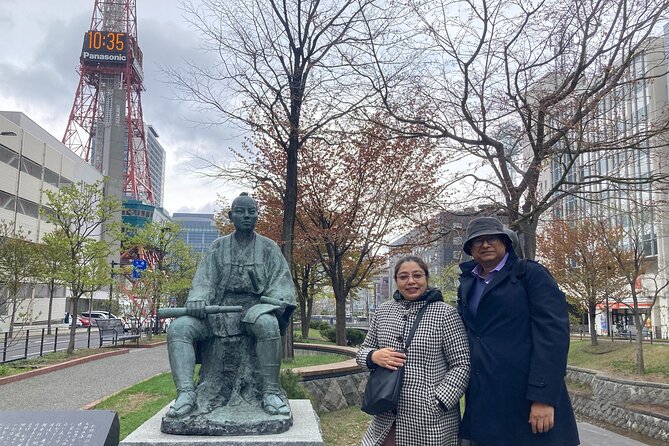
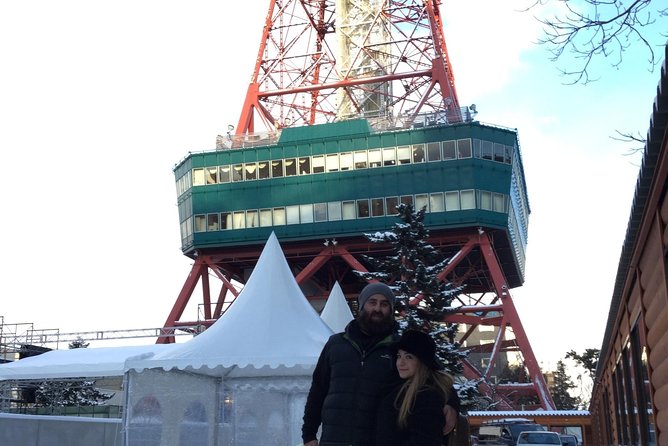
Nearby, the Sapporo TV Tower rises 147 meters above the city. The observation level gives you a clear view along Odori Park and across Sapporo. Admission is not included, so decide ahead of time if the view is worth the added cost for your group.
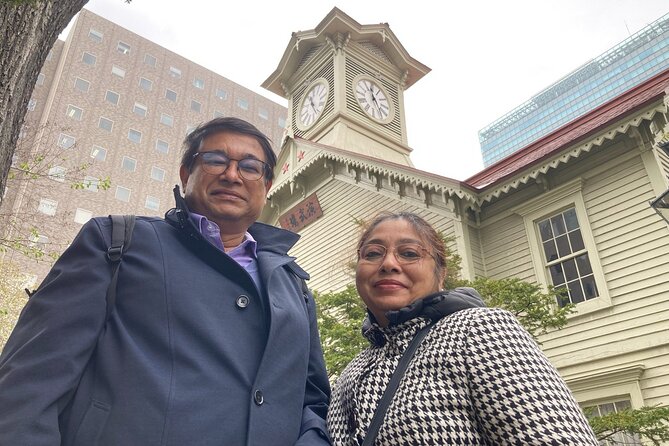
The Clock Tower, or Tokei-dai, is one of Sapporo’s best-known symbols. Built in 1878 as a drill hall for Sapporo Agricultural College, it reflects the city’s early western influence. It is a compact stop, and you can pair it with Odori Park and the Former Hokkaido Government Office without wasting much time.
The Former Hokkaido Government Office, often called the Red Brick Office, was built in 1873. It is another reminder that Sapporo developed during a period when Japanese planners borrowed heavily from western buildings and city design. Admission is not included.
This central combination is a good fit if you want orientation, photographs, and history without a long ride. It is less suitable if you want a strong nature experience or a full museum visit.
Markets and meals: Nijo Market and Sapporo’s food culture
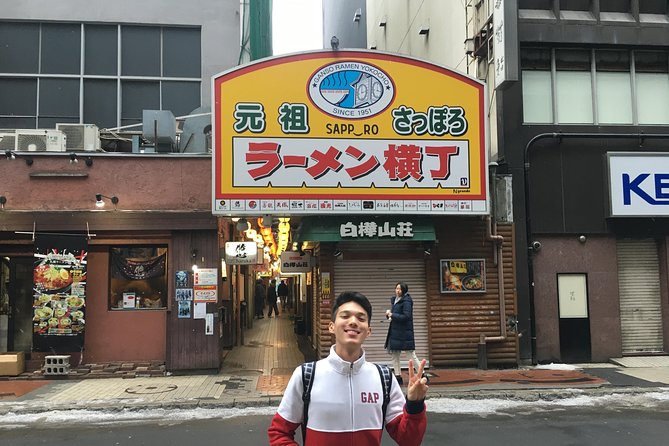
Nijo Market occupies about one city block in central Sapporo. Its stalls sell local produce and seafood, including crab and salmon. It is a practical place to see Hokkaido’s food culture, though your purchases and meal are your responsibility.
The market works particularly well for a morning itinerary. You can look over the seafood, ask your guide about local dishes, and choose lunch or a snack without spending time searching on your own.
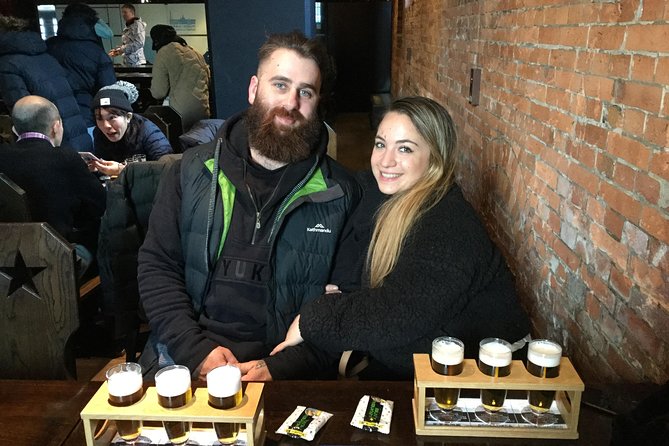
Food is one of the tour’s most useful local additions. Guides have recommended ramen shops, sushi restaurants, sweets, and Genghis Khan, the Hokkaido-style lamb barbecue. One guide finished a day at the Sapporo Beer Museum restaurant, where the group tried Genghis Khan lamb. Another arranged a ramen stop, including Hokkaido-style miso ramen with corn.
Lunch is not included, and the tour price does not cover food. That is actually helpful for a private outing, since you can choose your budget and appetite. Tell the guide if you want a quick meal, a local specialty, or time to sit down properly.
Susukino offers a different side of the city. Japan’s largest entertainment district north of Tokyo is packed with restaurants, bars, karaoke shops, pachinko parlors, stores, and nightlife businesses. It is a good place to see modern Sapporo after dark, but a 30-minute daytime visit will mostly give you a quick look rather than a full evening experience.
Mt. Moiwa and the city from above
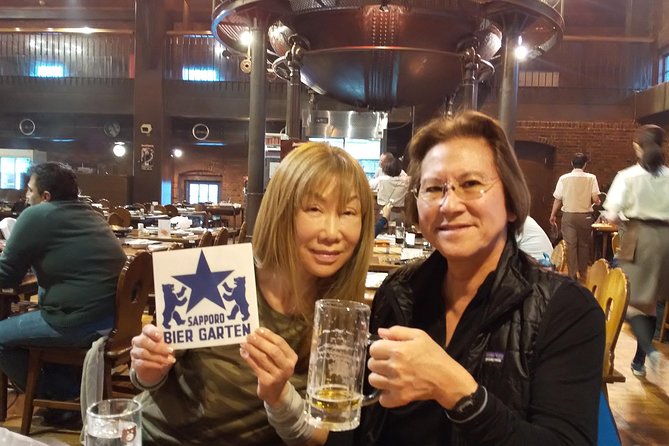
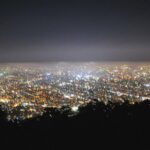
Mt. Moiwa is one of the most popular viewpoints near central Sapporo. The forested mountain looks back over the city, and the view can be the visual highlight of your day.
The tour description lists the admission ticket as free, but you should confirm the current cost of any ropeway or mountain access before setting your final budget. The important point is that reaching the viewpoint takes time, and weather can affect what you see.
If you want the mountain, make it a priority rather than an add-on. Pairing it with several distant attractions may leave you rushing. A guide can help you decide if the conditions and travel time make sense on the day.
The experience is especially useful for a first visit because Sapporo’s size becomes clearer from above. You can see how the central grid relates to the surrounding hills and better understand the city before exploring on your own.
Other guided tours in Sapporo


Moerenuma Park and Maruyama Park
Moerenuma Park is a large park on the outskirts of Sapporo, surrounded by a marsh with a circumference of about four kilometers. Its broad grounds and striking design make it very different from the compact parks downtown.
I would choose Moerenuma Park if you want art, open space, and a break from city streets. I would not choose it simply because it appears on the list. Its outer location means you must accept extra travel time, and a short 30-minute stop may feel too brief for a large park.
Maruyama Park is closer to the city’s western side and works well with Hokkaido Shrine. The park is popular throughout the year, and its 226-meter hill and seasonal plant life give it a more natural feel than Odori Park. Spring is a major draw because of the cherry blossoms.
One guide made cherry blossoms the first stop of the morning for a group visiting in the final week of April. That is a useful planning lesson: if a seasonal sight is your main reason for booking, put it first and let the rest of the schedule follow.
Hokkaido Shrine and the city’s early development
Hokkaido Shrine, also called Hokkaido Jingu, was built in 1871 and is one of the region’s important Shinto sites. Its location beside Maruyama Park makes these two stops a natural pairing.
A shrine visit gives your day a calmer rhythm after downtown streets and markets. Your guide can explain basic customs and local context, though you should still treat the grounds as an active religious site rather than just a photo stop.
The Former Government Office and Clock Tower tell the story of Sapporo’s early planned development from a western-influenced angle. Hokkaido Shrine offers a different view, rooted in Shinto practice and the establishment of the modern city.
If history interests you, tell the guide you want time for explanation. A quick photo at each landmark is not the same as understanding how the city grew.
Beer, chocolate, and family-friendly stops
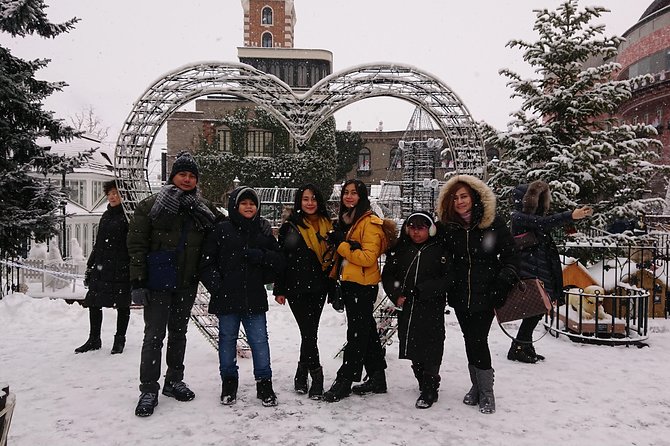
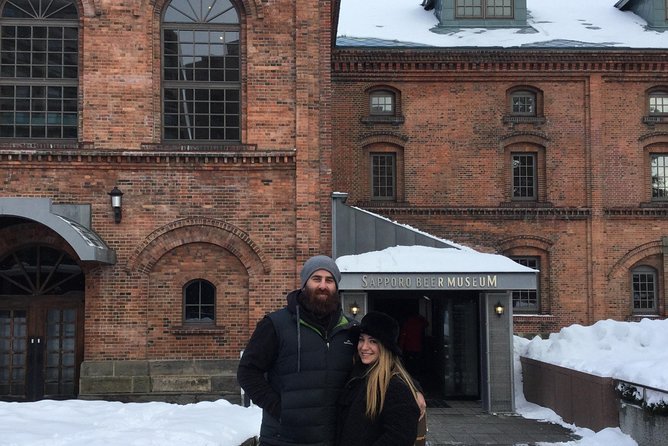
The Sapporo Beer Museum traces a beer tradition that began in Sapporo in 1877. Hokkaido is known as the birthplace of beer in Japan, and the museum connects that local history with a familiar national brand.
You may also want to eat at the museum restaurant, where Genghis Khan lamb has been a memorable part of the day for some groups. Admission is not included, and you should allow time for any museum visit, tasting, or meal you choose.
Shiroi Koibito Park is operated by Ishiya, the local company behind the Shiroi Koibito cookie, made with two thin butter biscuits and a layer of chocolate. It combines the company story with sweets, displays, and shopping.
This is a strong pick for families and anyone who enjoys desserts. It is also an easy souvenir stop. Entry is not included, and the park can take more than the brief 30-minute planning slot if you want to see the factory areas and browse the shop.
Sapporo Factory is another central option. This shopping and entertainment complex has about 160 shops, restaurants, and cafes. Choose it if you want shopping or a comfortable indoor stop, not if your goal is traditional Sapporo.
The Sapporo Science Center is aimed especially at families with children. It has more than 200 displays, many hands-on and interactive, covering natural science. Like the other indoor attractions, admission is extra.
The Historical Village and Jozankei Onsen
The Historical Village of Hokkaido, or Kaitaku-no-Mura, is an open-air museum in Sapporo’s suburbs. About 60 buildings from the Meiji and Taisho periods show how Hokkaido developed during the late 19th and early 20th centuries.
This is one of the better choices for understanding Hokkaido beyond modern downtown Sapporo. You need enough time to appreciate the buildings, and admission is not included. A half-hour stop may only give you a taste.
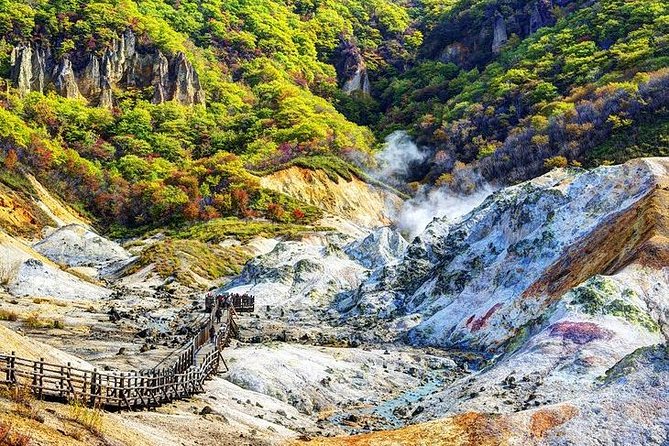
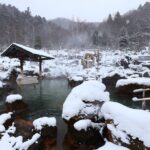
Jozankei Onsen lies about an hour from central Sapporo inside Shikotsu-Toya National Park, along the Toyohira River and between high cliffs. It is a hot-spring town and a popular escape from the city.
The distance makes Jozankei a poor match for a packed city tour. If you choose it, treat the tour as a day trip with one major destination, perhaps adding only a nearby or central stop. If you plan to visit Jozankei on your own later, a guide can still help you understand transportation and planning, as Roy has done for visitors continuing their Hokkaido trip.
Price, transport, and what you really pay for
The listed price is $155.22 per person. Its value depends heavily on your group size and how much help you need.
For one person, the cost is significant, but you receive six hours of private attention from a licensed English-speaking guide. For a family or small group, the per-person rate can make more sense, especially when the guide helps with restaurant choices, subway routes, translation, and day planning.
The price does not include transportation fees, attraction admissions, lunch, or personal expenses. It also does not include a private vehicle. Pickup means meeting the guide on foot at your hotel, not being collected by car.
That arrangement keeps the experience more flexible than a fixed bus tour, but it puts more responsibility on you. Wear comfortable shoes, bring money for transit and admissions, and choose sights that make geographic sense.
The tour is free to cancel up to 24 hours before the start time for a full refund. Changes made within 24 hours are not accepted, and poor weather can lead to a rescheduled date or full refund. The experience requires good weather, so keep your plans flexible.
Who should book this Sapporo tour
I would choose this tour for a first visit, a short stay, or a port day when you want a useful introduction without spending hours planning routes.
It suits you especially well if:
- You want a private guide rather than a fixed group.
- You have clear interests but do not know how to connect them.
- You want help with English, restaurant choices, or public transportation.
- You are traveling with family and want to adjust the pace.
- You want a local view of food, neighborhoods, and seasonal sights.
I would hesitate if you want a private vehicle, a deep visit to several museums, or a relaxed soak at Jozankei Onsen plus central sightseeing. The tour can be customized, but time and geography still set firm limits.
Should you book it?
Book this Sapporo tour if you value personal planning more than a low headline price. The best use of six hours is three or four well-chosen sights, with enough time for conversation, food, and practical advice.
For a strong first-day plan, consider Odori Park, the Clock Tower, Nijo Market, and either the TV Tower or Susukino. For food and local flavor, add the Sapporo Beer Museum or a guide-recommended ramen, sushi, or Genghis Khan stop.
If cherry blossoms, mountain views, chocolate, or Hokkaido’s early buildings matter most, say so before the tour. That is where this experience earns its keep: not by showing you everything, but by helping you spend your limited time on the places you actually came to see.
FAQ
How long does the Sapporo private tour last?
The tour lasts approximately six hours.
How many sights can I choose?
The tour includes a customizable itinerary with three or four sites selected from the available options.
Is the tour private?
Yes. Only your group participates, and you cannot combine multiple tour groups.
Does the guide pick me up at my hotel?
The guide meets you on foot within the designated Sapporo area. This is walking pickup, not private-vehicle pickup.
Is transportation included?
No. Transportation fees are not included, and the tour does not provide a private vehicle.
Are entrance fees included?
Entrance fees are not generally included. Guide entry fees are covered only for sights listed under the tour’s What to Expect section.
Is lunch included?
No. Lunch and all personal expenses are extra.
Can I visit Jozankei Onsen during the tour?
Jozankei Onsen is one of the possible destinations, but it is about one hour from central Sapporo. Choosing it will use a substantial part of the six-hour schedule.
Can I cancel for a full refund?
Yes. You can cancel at least 24 hours before the local start time for a full refund. Cancellations or changes made less than 24 hours before the tour are not refunded or accepted.
More Private Tours in Sapporo


More Guided Tours in Sapporo
More Sapporo Tours in Sapporo


More tours in Sapporo we've reviewed


Sapporo Tours, compared.
 ★ 5.0Sapporo Bar Hopping Food TourFrom $108
 ★ 5.0Sapporo Private Tour with a Local – Highlights & Hidden GemsFrom $109
 ★ 4.9Sapporo: Sumo Show Experience with Japanese food & PhotoFrom $772 hours
 ★ 5.0Mondo’s most popular plan! Experience making soba noodles and the king of Japanese cuisine, tempura, in Sapporo!From $85
 ★ 5.0【Private Car】Asahiyama Zoo, Blue Pond, Shirahige Falls, Ningle Terrace (from Sapporo)From $465
 ★ 4.0Hokkaido Noboribetsu Lake Toya Tour from SapporoFrom $66
 ★ 4.6From Sapporo: Hokkaido Highlights Day TripFrom $64
 ★ 5.0Sapporo 4hr Private Tour with Government Licensed GuideFrom $122
The lists this tour appears in