
Reviewed · SAPPORO TOURS
Sapporo: Sumo Show Experience with Japanese food & Photo
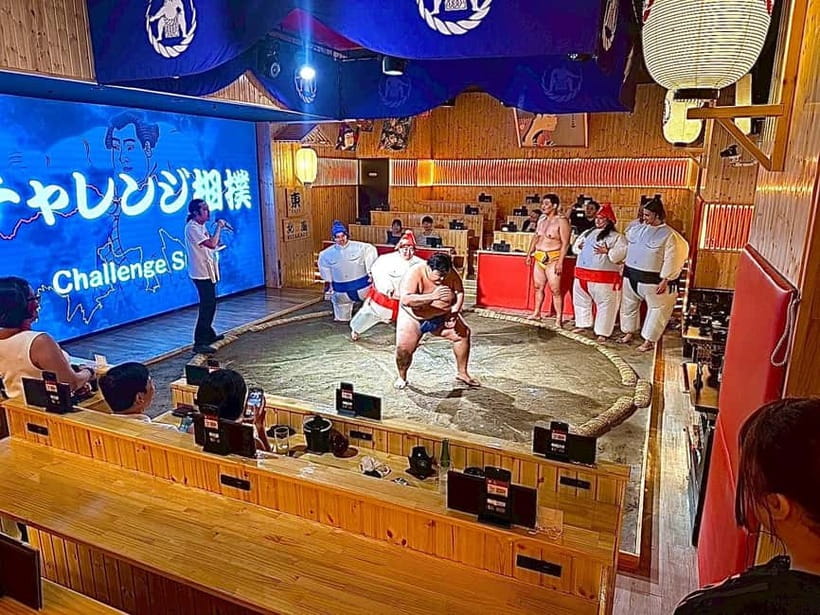
The big appeal here is simple: former sumo wrestlers perform just a few feet away, then invite selected audience members into the ring for a comic but memorable challenge. The bilingual moderator explains the rules, rituals, stretches, and winning techniques, so you are not left guessing why two enormous men are stomping, crouching, and staring each other down.
In This Article
- Key points to know before booking
- What this Sapporo sumo show really is
- Entering the basement venue in central Sapporo
- The meal sets the tone before the wrestling
- A maiko dance and mochi making add local flavor
- Learning the rules, rituals, and winning moves
- The main event: a best-of-three match
- The sumo challenge is the evening’s biggest laugh
- The photo and gift bag make the price easier to judge
- Who will enjoy it most
- Practical booking advice for a smoother evening
- Should you book the Sapporo sumo show?
- FAQ
- How long does the Sapporo sumo show last?
- Where is the meeting point?
- Is the commentary available in English?
- What food is included?
- Can I request a vegan or vegetarian meal?
- Are gluten-free or halal meals available?
- Can I wrestle a former sumo wrestler?
- Is this a serious sumo training session?
I like the friendly, family-ready format and the way the evening mixes serious-looking demonstrations with laughs. I also like the useful extras: a Japanese meal, one drink, a printed photo with a wrestler, and a gift bag. The main consideration is that this is a theatrical entertainment show, not a morning practice visit or official tournament, and the food quality may vary from one seating to the next.
Key points to know before booking
- Former rikishi in the ring: Retired competitive wrestlers demonstrate sumo rituals, techniques, and matches at close range.
- Bilingual explanations: An English and Japanese moderator makes the rules and customs easy to follow.
- Audience participation: You may be invited to try sumo in an inflatable suit or challenge a wrestler, but participation is limited and may be decided by lottery.
- Dinner is part of the evening: The standard meal is listed as a Wagyu beef sukiyaki set with Japanese dishes, with crab shabu-shabu and vegetarian choices available by request.
- A strong souvenir package: You receive a printed group photo with a former wrestler, plus a gift bag that may include stickers, a pin, and mochi made during the show.
- Central Sapporo setting: The venue is on the basement floor of the Minami 4-Nishi 2 building, with intimate views from every seat.
What this Sapporo sumo show really is
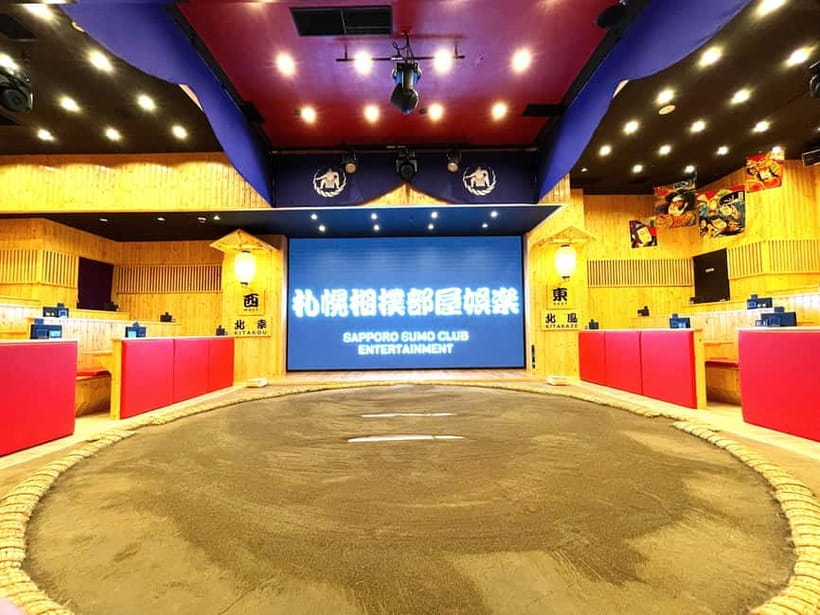
Sumo is often presented to international visitors as a grand sporting tradition, but a live tournament can be difficult to fit into a short Sapporo visit. Tickets, tournament dates, and travel to the venue all require planning. This show offers a more compact introduction, built around food, explanation, demonstrations, and audience fun.
The Sapporo Sumo Club Entertainment was endorsed by the 63rd Yokozuna Asahifuji and the 70th Yokozuna Harumafuji. It opened in Sapporo on August 17, 2025, so the venue and ring are new compared with long-running cultural attractions.
That newness cuts both ways. The setting feels fresh, the ring is clean, and the staff are still working out small service details. Some early visitors found the organization a little uneven, while the entertainment team earned strong marks for warmth and effort.
Most important, set your expectations correctly. You are not watching an active sumo stable train before dawn. You are watching retired wrestlers put on an interactive show for adults and children. The matches are presented seriously enough to show the sport, but the audience challenges and comic moments make this a cultural entertainment evening.
A few more Sapporo tours and experiences worth a look


Entering the basement venue in central Sapporo
The meeting point is in the basement of the Minami 4-Nishi 2 building. You will need to locate the building and go downstairs rather than expect a street-level theater entrance, so allow a few extra minutes if you are unfamiliar with central Sapporo.
The intimate layout is one of the strongest practical features. Every seat has a view of the dohyo, the raised sumo ring. If being close to the action matters to you, a front-row upgrade is available. That is worth considering for keen sumo fans, families who want clear photos, or anyone hoping to feel part of the challenge segments.
The venue is not suitable for wheelchair users, and babies under one year old are not permitted. Meals, seating, and souvenirs are not included for infants, so families should check the age arrangements carefully before reserving.
The show lasts two hours. Starting times vary, so check the available session when choosing your date. One useful point from the experiences shared is that a less crowded 5 p.m. seating can feel especially personal, though you should not count on having a small audience every time.
The meal sets the tone before the wrestling
The evening begins around the meal and cultural presentation rather than with an immediate clash in the ring. Depending on the option you select, you receive a chicken hot pot and Japanese set meal, or the advertised Wagyu beef sukiyaki. Crab shabu-shabu and vegetarian meals are also offered by advance request.
The food matters because it turns the event into a full evening rather than a short stage performance. You can settle in, eat, and learn the basics before the sumo action begins. One drink is included, while additional drinks cost extra.
Food feedback has been mostly positive, especially for the crab shabu-shabu and the generous portions. One person found the food only so-so, and another reported that some hot dishes arrived lukewarm, with cold tempura becoming greasy and crab rice overcooked. This is worth keeping in mind if the meal is your main reason for booking.
Choose your meal carefully at the time of reservation. Vegetarian and vegan meals must be requested at least two days before the visit. Gluten-free and halal meals are not available, though you may bring your own food. The available booking option may not always show every meal choice, so check the selection before paying.
A maiko dance and mochi making add local flavor
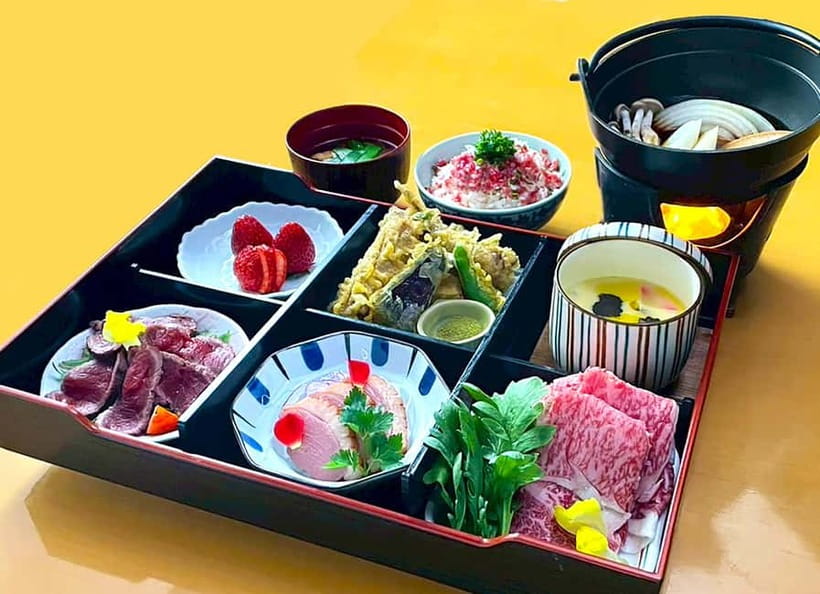
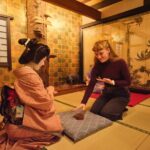
The wrestling is not the only entertainment. The evening can include a maiko dance, which gives the program a graceful opening before the physical comedy and athletic demonstrations begin. This contrast works well: the dance introduces another side of Japanese performance culture, while the sumo section focuses on strength, ritual, and humor.
Mochi making is another hands-on feature. You may see the traditional pounding process and take part in it, depending on the program and audience flow. The mochi may also appear in the gift bag at the end.
These additions help the show feel broader than a string of exhibition bouts. They also give children and non-sumo fans something to enjoy while the moderator explains the sport. If you are looking for a purely athletic event, the extra performances may feel like a detour. If you want an easy cultural night out, they give the two-hour program welcome variety.
Videos about sumo may also be shown during the meal and presentation. More video footage of past bouts could help people who want more sporting context, but the live explanations and demonstrations remain the main teaching tools.
Learning the rules, rituals, and winning moves
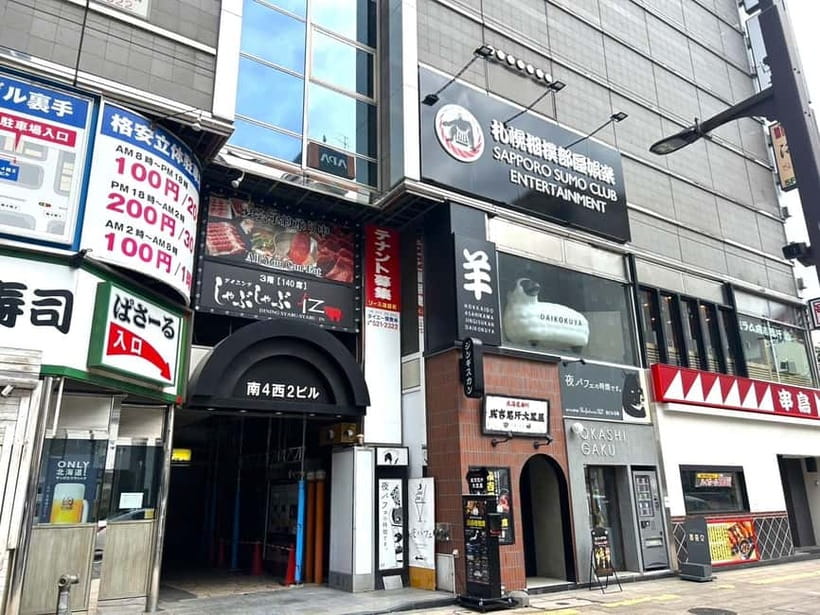
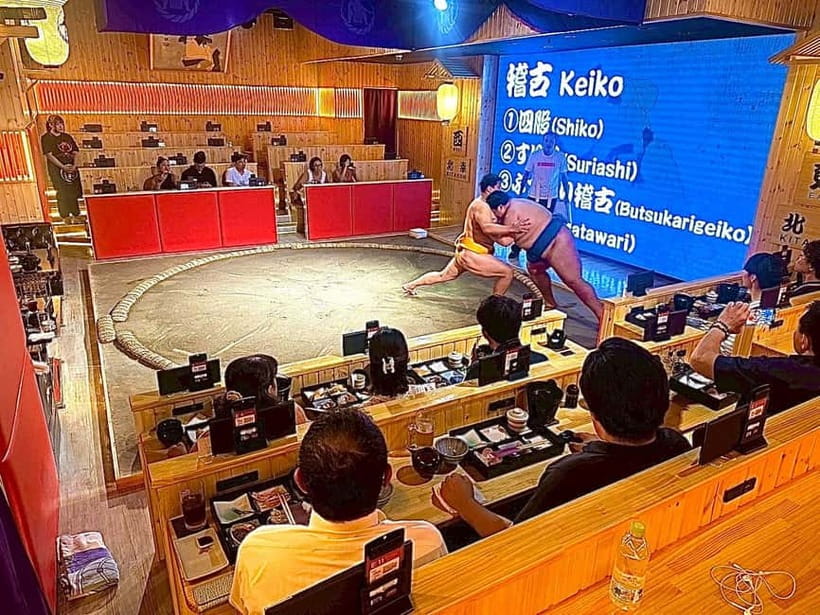
The moderator provides commentary in English and Japanese. This is crucial because sumo can look mysterious when you first see it. The show explains the do’s and don’ts, the pre-match movements, basic rules, and the different techniques, known as kimarite.
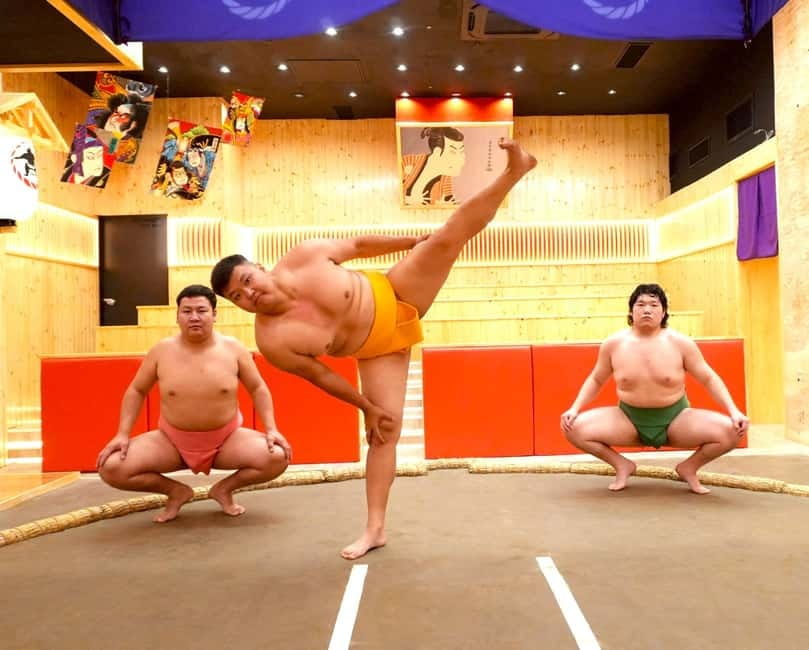
You can expect to see demonstrations of morning exercises, or asa geiko, along with stretches and other parts of a wrestler’s preparation. The wrestlers then show how specific moves work before the main competition. Even if you know little about sumo, this structure gives you a framework for watching the action.
The commentary is designed to be funny and interactive rather than academic. Miki, mentioned in one account of the program, is part of the team associated with the entertainment and presentation. The female host has also been praised for explaining the wrestlers and competitions clearly while keeping the audience involved.
I would not book this expecting a full lecture on sumo history. The program touches on sumo’s long connection with Japan and how the sport has changed, but some people may want more historical anecdotes. The emphasis is on understanding enough to enjoy what happens next.
A few more Sapporo tours and experiences worth a look


The main event: a best-of-three match
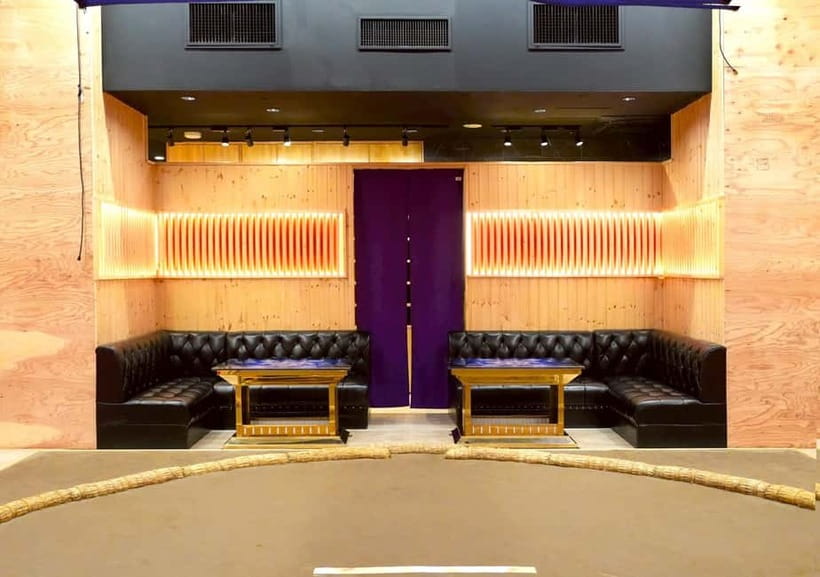
About an hour into the experience, the focus shifts to the dohyo. The former wrestlers demonstrate the tachiai, the explosive initial charge, and then face one another in a best-of-three competition.
This is the point when the evening feels most like a real contest. The wrestlers are retired from competition, but they still bring size, technique, timing, and stage presence to the ring. You are close enough to see the force of the movement rather than watching tiny figures from a distant arena seat.
The program may not include as many matches as a serious sumo fan hopes for. One specific criticism was that the number of bouts felt limited. That is fair. The show gives you an accessible sample of sumo rather than a long tournament card.
Still, the shorter format makes sense for families and mixed-interest groups. You are not sitting through hours of matches with long pauses. Instead, the wrestling is one part of a carefully paced program that includes food, demonstrations, dancing, mochi, and participation.
The sumo challenge is the evening’s biggest laugh
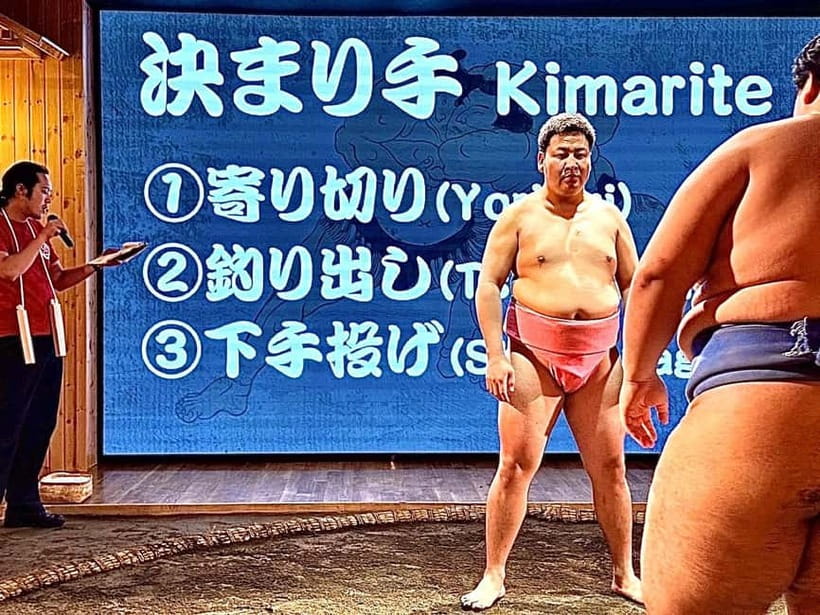
Audience members may be invited to challenge a former wrestler. The challenge is not guaranteed for everyone. If interest is high, each group may have one representative, or names may be drawn by lot.
Participants may wear an inflatable sumo suit, making the challenge less intimidating and more comic. You can try sumo moves and enter the ring for a make-believe match, while the wrestlers play along and keep the mood light.
This section has become a highlight for families. A child being selected can turn the evening into a personal story they remember long after the trip. Adults should not be shy about volunteering either, especially if you want the full interactive experience.
Do not book on the assumption that you will wrestle. The opportunity is limited, and selection depends on the number of applicants. Even if you stay in your seat, you can watch the antics close up and learn how the wrestlers control the action safely.
The photo and gift bag make the price easier to judge
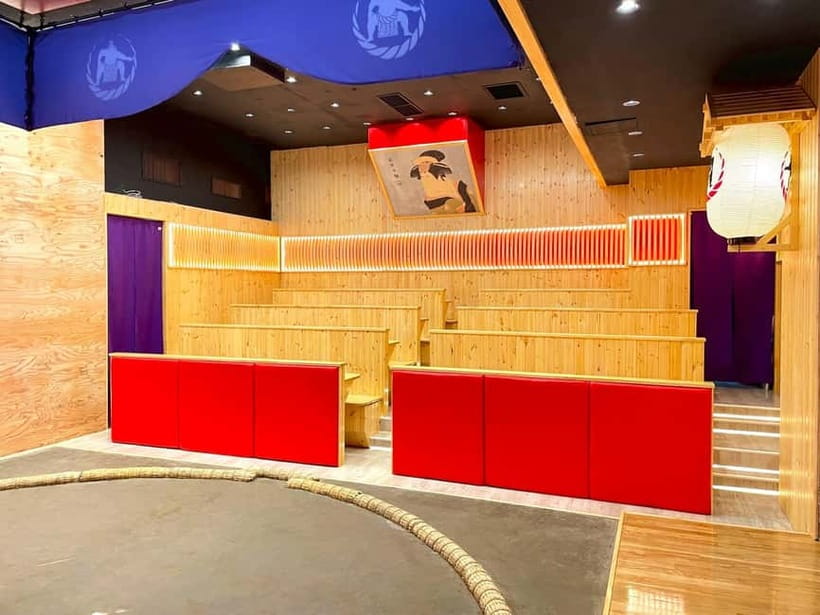
At $77 per person, this is not a cheap meal with a few minutes of entertainment. It is better understood as a two-hour cultural package that combines dinner, a drink, live performers, audience activities, a printed photo, and souvenirs.
Adults receive a printed photo with a former sumo wrestler. The group photo gives you a physical reminder of the evening, and the gift bag adds value beyond the show itself. Items can include a small mochi sample, stickers, a pin, and other souvenirs.
The package feels strongest for families, first-time visitors to Japan, and people who would otherwise struggle to attend an official sumo tournament. It is less compelling for someone who wants a serious sports event or a refined dining experience above all else.
The cost also depends on your meal and seating choice. Front-row seats improve the connection with the ring, while crab shabu-shabu may appeal if you want a more substantial dinner. If you are comparing this with a standard stage show, include the meal and keepsakes in your calculation.
Who will enjoy it most
I would recommend this for families with school-age children, couples looking for an unusual evening, and first-time visitors who want an easy introduction to sumo. The bilingual commentary removes much of the confusion, and the audience interaction keeps the pace lively.
It also suits casual sumo fans who cannot arrange a tournament visit. You see the rituals, learn the basic techniques, watch former wrestlers compete, and get close enough to appreciate the physical scale of the sport.
It may not suit you if your priority is authentic stable life, serious morning training, or a long schedule of competitive bouts. The organizers make this distinction clear: a morning-practice visit in Tokyo is a different experience.
Food-focused diners should also read the meal description carefully and make special requests early. The menu has pleased many people, but reports of lukewarm dishes and inconsistent preparation mean the meal is not quite as dependable as the entertainment.
Practical booking advice for a smoother evening
Reserve your meal choice when you book. Beef sukiyaki, crab shabu-shabu, and vegetarian options may require different selections, and vegetarian or vegan requests need to arrive at least two days ahead.
For front-row seating, upgrade if the price fits your budget. All seats face the dohyo, but a closer position helps with photos and makes the audience challenge more engaging.
Wear something comfortable if you hope to volunteer. There is no guarantee of entering the ring, but you will be more at ease if you are ready to move. Children chosen for the challenge should be able to follow the host’s instructions.
The activity is available with English and Japanese guidance, and small-group availability may make the setting feel more personal. Hotel pickup and drop-off are not included, so plan your own way to the central Sapporo meeting point.
Free cancellation is available up to 24 hours before the start time, and reserve-now, pay-later booking may be offered. Check the conditions attached to your selected date before confirming.
Should you book the Sapporo sumo show?
Book it if you want sumo explained in plain language, a meal, plenty of audience contact, and a souvenir to take home. The strongest parts are the funny host, the former wrestlers, the chance to try the ring, and the close seating.
Do not book it as a substitute for a professional tournament or a serious sumo stable visit. The matches are limited, the program is built for entertainment, and the food can be uneven. At $77, I see good value if you treat it as a complete cultural evening rather than a wrestling ticket.
For most families and first-time sumo fans, this is one of Sapporo’s more memorable nighttime activities. If you volunteer, you may end up with the best story of the trip. If you stay seated, you still get a clear, friendly introduction to one of Japan’s most distinctive traditions.
FAQ
How long does the Sapporo sumo show last?
The experience lasts two hours. Starting times vary by date, so check availability for the session you want.
Where is the meeting point?
The venue is on the basement floor of the Minami 4-Nishi 2 building in Sapporo, Hokkaido.
Is the commentary available in English?
Yes. The show provides a live moderator in English and Japanese.
What food is included?
The package includes a chicken hot pot and Japanese set meal, depending on the option selected. Wagyu beef sukiyaki is normally offered, with crab shabu-shabu and vegetarian meals available by request.
Can I request a vegan or vegetarian meal?
Yes. Vegetarian and vegan meals are available, but you must request them at least two days before the reservation date.
Are gluten-free or halal meals available?
No. Gluten-free and halal meals cannot be provided, though you may bring your own food.
Can I wrestle a former sumo wrestler?
You may apply to participate, but places are limited. If many people want to take part, each group may receive one representative or participants may be chosen by lottery.
Is this a serious sumo training session?
No. This is an entertainment show by retired wrestlers for adults and children. It is different from a serious morning-practice visit at a modern sumo stable.
More Food Experiences in Sapporo

More Sumo & Culture Shows in Sapporo
More Sapporo Tours in Sapporo


More tours in Sapporo we've reviewed






Sapporo Tours, compared.
 ★ 5.0Sapporo Bar Hopping Food TourFrom $108
 ★ 5.0Sapporo Private Tour with a Local – Highlights & Hidden GemsFrom $109
 ★ 5.0Mondo’s most popular plan! Experience making soba noodles and the king of Japanese cuisine, tempura, in Sapporo!From $85
 ★ 5.0【Private Car】Asahiyama Zoo, Blue Pond, Shirahige Falls, Ningle Terrace (from Sapporo)From $465
 ★ 4.0Hokkaido Noboribetsu Lake Toya Tour from SapporoFrom $66
 ★ 5.0Sapporo 6hr Private Tour with Government Licensed GuideFrom $155
 ★ 4.6From Sapporo: Hokkaido Highlights Day TripFrom $64
 ★ 5.0Sapporo 4hr Private Tour with Government Licensed GuideFrom $122
The lists this tour appears in