
Reviewed · NOBORIBETSU & LAKE TOYA TOURS
1-Day Pass for Noboribetsu Date Jidaimura
Noboribetsu Date Jidaimura turns a visit to Hokkaido into a trip through Edo-period Japan, with samurai homes, ninja quarters, old village shops, traditional games, and live theater. You can speak with costumed townspeople and see how the village presents daily life from the 17th to 19th centuries.
In This Article
- Key points to know before you go
- Entering a recreated Edo-period town
- Samurai homes, ninja quarters, and village shops
- Theater shows give the park its energy
- Traditional games and hands-on activities
- How long should you allow?
- What the $19.55 pass includes
- Who will enjoy this most?
- Practical timing and cancellation advice
- Is Noboribetsu Date Jidaimura worth booking?
- FAQ
- What is included in the 1-Day Pass for Noboribetsu Date Jidaimura?
- How much does the pass cost?
- How long does a visit last?
- What are the opening hours?
- Is transportation included?
- Are food and drinks included?
- How do I use the ticket?
- Can I cancel for a refund?
I like the way the park combines stage shows with walk-through buildings, so you are not simply reading about the past. I also like its appeal across age groups: children get action, costumes, and games, while adults get a clearer sense of the customs behind modern Japanese culture.
The main consideration is timing. The pass is valid for the park, but the experience can take anywhere from one to eight hours, and food, drinks, and transportation are not included. You will need to plan your route to Noboribetsu separately and exchange your voucher at the entrance counter.
Key points to know before you go
- Ninja, courtesan, and village performances give the park more life than a standard open-air museum.
- Samurai homes and ninja dwellings let you see the kinds of spaces linked with Edo-period society.
- Theater shows are a major draw, especially if you want more than static displays.
- The $19.55 admission price is strongest value for visitors who stay several hours and watch multiple performances.
- The park is open from 9:00 a.m. to 4:00 p.m. during the listed operating periods.
- Your voucher is exchanged at the counter, so bring it with you instead of assuming the pass means immediate entry.
Entering a recreated Edo-period town
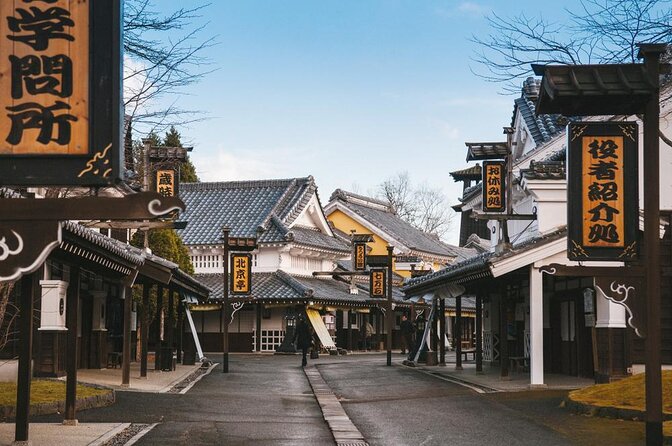
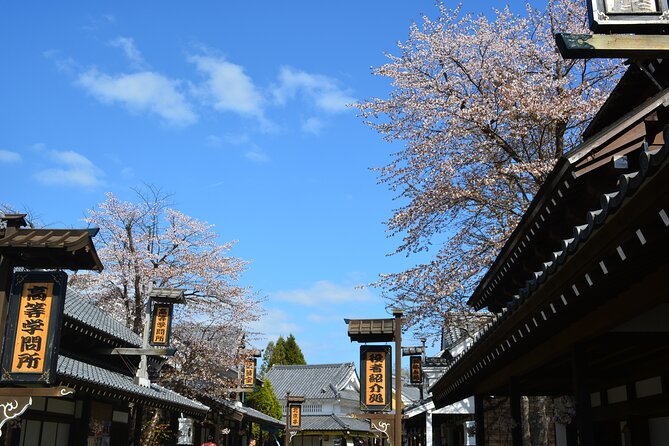
Noboribetsu Date Jidaimura, also called Noboribetsu Date Historic Village, is built as a historical reenactment village. The idea is simple and effective: instead of placing Edo-period objects behind glass, the park gives you streets, homes, shops, costumes, performances, and activities to explore at your own pace.
That makes this a useful stop if you are staying in Noboribetsu for its hot springs. A visit to the baths shows you a major part of modern Japanese travel culture. Date Jidaimura adds a look at the older customs and social world that shaped the country before modern Japan took form.
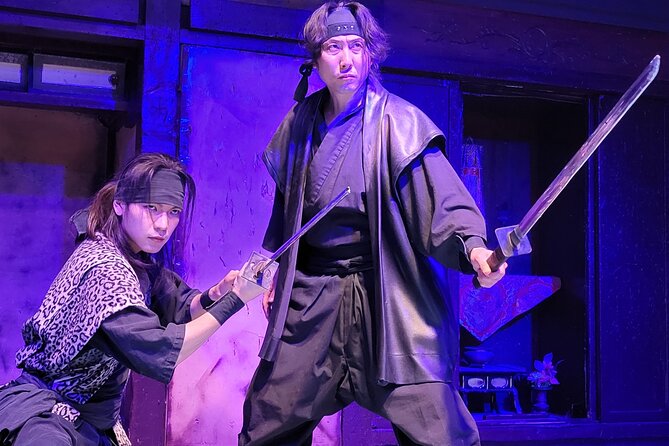
You will see the past presented through scenes rather than through a long lecture. Costumed townspeople, ninjas, and Oiran courtesans represent different parts of the period. The setting is designed for interaction, so you can speak with the people playing these roles and ask about life in the village.
The approach is theatrical, not academic. If you want a quiet museum with original artifacts and detailed written explanations, this may feel too staged. If you learn best by seeing people act out customs and by moving through period-style buildings, it is a much more natural fit.
A few more Noboribetsu tours and experiences worth a look


Samurai homes, ninja quarters, and village shops
The first part of your visit is best spent simply walking around. The village includes homes associated with samurai and ninjas, along with shops used by ordinary townspeople. These spaces help you compare social roles that can seem abstract when you only encounter them in a book.
The samurai homes are useful for understanding how status shaped daily life. The ninja buildings add a different kind of interest, especially for children and anyone drawn to the legends surrounding covert agents in Japanese history. The park presents both as part of a wider Edo-period community rather than as isolated movie characters.
You will also find stores and old-fashioned village scenes. These details matter because the Edo period was not only about warriors and dramatic battles. It was also about work, commerce, food, entertainment, and the routines of townspeople.
I would not rush through these buildings on the way to the shows. The performances are likely to receive the loudest attention, but the homes and shops give the visit its setting. Without them, the theater would feel like a collection of disconnected acts.
The displays are also helpful for families. Younger children may not follow every historical point, but they can understand the difference between a warrior residence, a ninja space, and a village shop. Older children can connect those visual details to the stories acted out on stage.
Theater shows give the park its energy
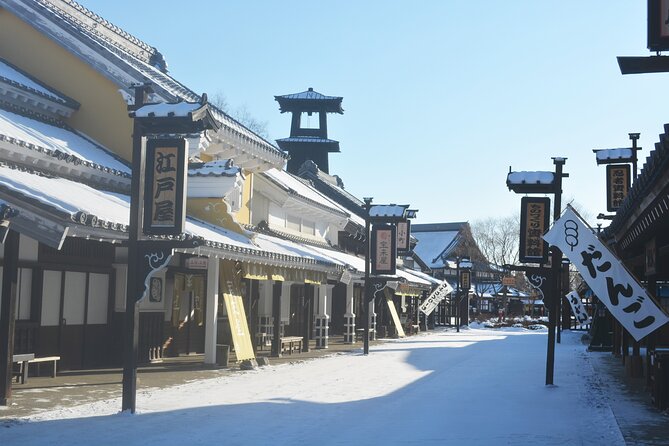
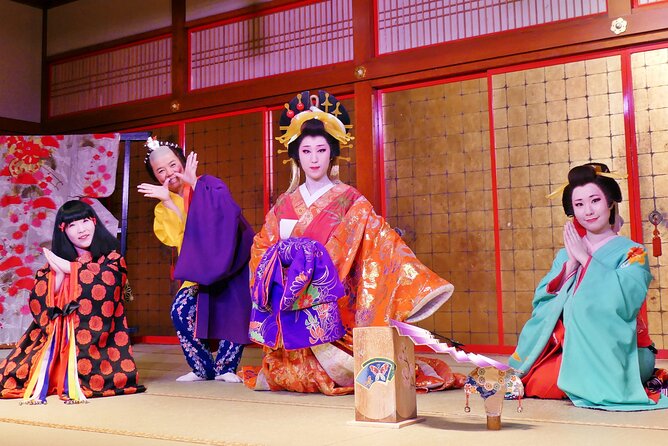
The live theater is one of the strongest reasons to visit. The program includes ninja performances, courtesan performances, and shows featuring townspeople. These performances turn the village from a photo backdrop into a place with movement, conflict, humor, and character.
The ninja theater is an obvious crowd pleaser. It gives you the action many people expect from an Edo-period setting, but it also provides a simple entry point into the park. If someone in your group is unsure about visiting a historical attraction, a lively show can make the subject easier to enjoy.
The Oiran performances introduce another side of Edo-period entertainment. Oiran courtesans were symbolic figures of the period, and their presentation adds ceremony and spectacle to the day. You should think of these shows as staged cultural performances rather than as a complete explanation of the lives of the women represented.
The townspeople’s performances help balance the better-known samurai and ninja themes. They bring ordinary village life into the program and remind you that history was made up of more than heroic figures.
Show times are not provided here, so check the schedule when you arrive. This is important because a one-hour visit could easily miss the main performances, while a longer stay lets you arrange the buildings and shows together. The park is open from 9:00 a.m. to 4:00 p.m. during the listed periods, giving you a seven-hour window for planning.
One clear strength of the theater is that it gives the experience a memorable center. A well-presented stage show can make the buildings and customs easier to remember later. The tradeoff is that some of the history is filtered through entertainment. Keep that in mind if you are looking for a detailed scholarly account.
Traditional games and hands-on activities
The park includes traditional games and activities, which are especially useful if you are visiting with children. They offer a break from looking at buildings and provide a simple way to interact with the period setting.
I like this part of the experience because it gives you something to do, not just something to observe. Historical attractions can lose younger visitors when every stop requires quiet reading. Games provide a more direct connection to the village’s customs and daily life.
The available information does not list each game or explain how long the activities take. You should treat them as part of the wider village experience rather than plan your entire visit around one particular activity.
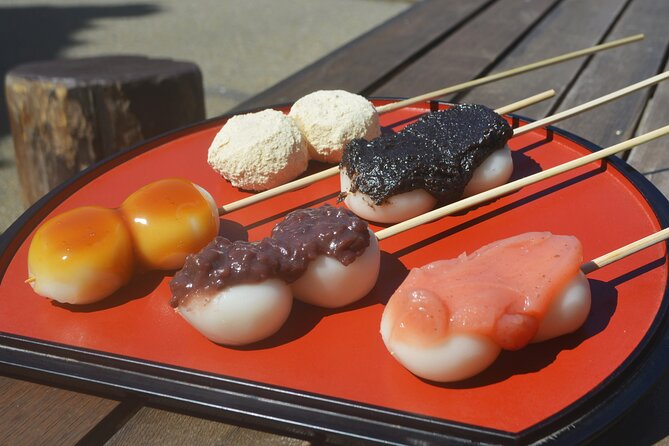
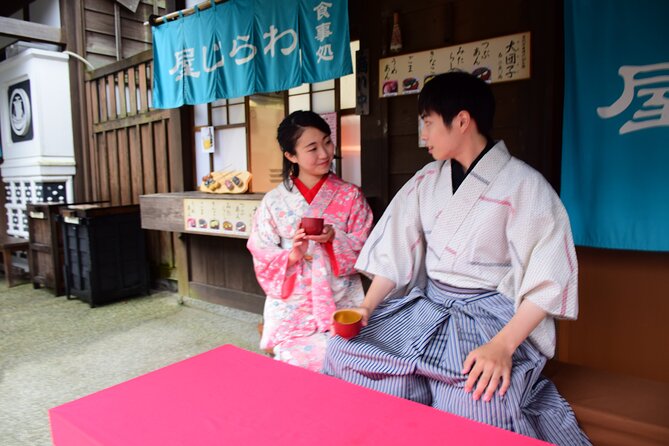
The same applies to the old-fashioned noodle restaurant. Food and drinks are not included in the pass, but the restaurant adds another period-style detail to the visit. Eating there, if you choose to do so, can make the setting feel more complete. Budget separately for any meal or snack.
Because the admission price is $19.55 per person, staying for several hours improves the value. You are paying for access to the whole village, its buildings, shows, games, and other experiences, not a guided tour with a fixed route. If you only have time for a quick walk and one show, the price may feel less attractive.
How long should you allow?
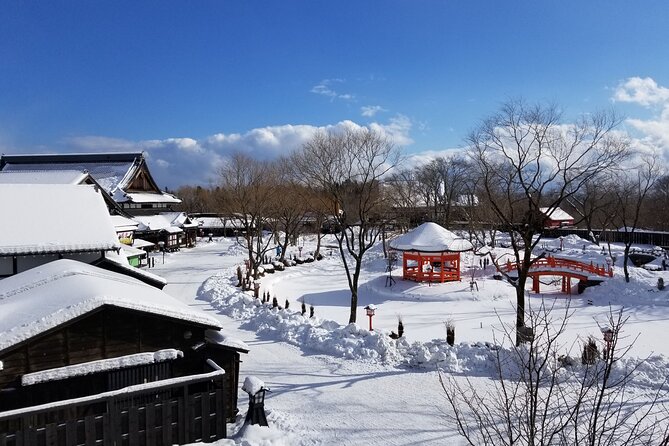
The official duration is flexible, from about one to eight hours. That wide range reflects the way the park works. You can make a short stop, or you can build most of a day around the village.
Allow about an hour only if you are in a hurry and want to see the main setting. That pace gives you a quick look at the streets, homes, and shops, but it leaves little room for performances and activities.
A longer visit makes more sense if you want the full experience. You can walk through the village, see the samurai and ninja buildings, attend more than one theater performance, try traditional games, and stop for food. The 9:00 a.m. to 4:00 p.m. opening period gives you enough time to spread things out instead of racing from one stop to the next.
I would make a rough plan before arrival, but leave room to wander. Start by checking the day’s show schedule. Then use the gaps between performances to explore the homes, shops, museum, and activity areas.
The park’s maximum group size is listed as 15 people. That suggests this is not designed as a large coach-style group experience. Still, the ticket itself is an admission pass rather than a guided tour, so do not expect a personal guide leading you from scene to scene.






What the $19.55 pass includes
The $19.55 price includes the entrance fee and all taxes and fees. That keeps the main cost easy to understand. You are not buying a transport package or a meal plan, so compare the price with the time you expect to spend inside.
The value is best for people who enjoy several parts of the park. Watch the theater, explore the homes, take part in games, and use the village as a cultural stop after Noboribetsu’s hot springs. The more of those pieces you use, the less the pass feels like a costly walk through a set.
Food and drinks are separate. Transportation to and from the attraction is also separate, as are hotel pickup and drop-off. The pass does not solve the whole day’s logistics, so you need to arrange your own way to the village.
The ticket arrangement is convenient but worth understanding. Your ticket is held at the theme park counter for exchange when you arrive, and you should bring your voucher on the day of use. The booking information describes the pass as helping you skip lines, but because you still exchange the voucher at the counter, allow a little time for that process.
Confirmation is sent at booking. The activity is suitable for most people, and the listed maximum is 15 participants. No guide names are provided, so you should not expect to meet a named escort or receive a private explanation of the site.
Who will enjoy this most?
Families are a strong match. Costumes, ninja action, traditional games, and theatrical scenes give children several ways to stay interested. Adults can focus on the social roles, buildings, and customs behind the performances.
The park also suits first-time visitors to Japan who want context for what they see elsewhere. Learning about Edo-period life can make modern Japanese customs feel less separate from the past. You do not need specialist knowledge to follow the experience.
It is a good choice after a stay in Noboribetsu’s hot springs. The two attractions offer different moods: the baths provide relaxation, while the historic village gives you a structured cultural outing.
You may want to choose something else if you dislike staged attractions. Date Jidaimura is a reenactment village, so the costumes and shows are central to the experience. It is not presented as an untouched old town, and it should not be judged by the standards of an original historic district.
It may also disappoint if you want transportation included. The pass covers admission only. You must handle the trip to the attraction and return journey yourself.
Practical timing and cancellation advice
The listed opening hours are 9:00 a.m. to 4:00 p.m. from October 11, 2025 through March 31, 2026, and again from October 11, 2026 through March 31, 2027. Check the operating date attached to your booking, since the supplied schedule covers those specific periods.
Free cancellation is available if you cancel at least 24 hours before the start time. Cancellations made less than 24 hours before the experience are not refunded, and changes inside that window are not accepted. The cut-off uses local time.
Bring the voucher with you. Since the ticket is exchanged at the entrance counter, forgetting it could create an avoidable problem.
Is Noboribetsu Date Jidaimura worth booking?
I would book this pass if you are already in Noboribetsu, especially if you have several hours free after visiting the hot springs. The strongest parts are the theater shows, the chance to walk through samurai and ninja homes, and the mix of history with games and village scenes.
The $19.55 price is fair when you stay long enough to see multiple performances and explore at a relaxed pace. It is less convincing as a very short stop, and you should add the cost and time of transportation and food.
Choose it for an active, family-friendly introduction to Edo-period culture. Skip it if you want original historic buildings, a quiet museum, or a fully guided tour. For the right visitor, it offers a lively way to connect the stories of old Japan with the country you see today.
FAQ
What is included in the 1-Day Pass for Noboribetsu Date Jidaimura?
The pass includes admission to Noboribetsu Date Jidaimura, along with all fees and taxes.
How much does the pass cost?
The listed price is $19.55 per person.
How long does a visit last?
The estimated duration is about one to eight hours, depending on how much of the village, performances, games, and other activities you choose to see.
What are the opening hours?
During the listed operating periods, the park is open Monday through Sunday from 9:00 a.m. to 4:00 p.m.
Is transportation included?
No. Transportation to and from the attraction is not included. Hotel pickup and drop-off are also not included.
Are food and drinks included?
No. Food and drinks are purchased separately.
How do I use the ticket?
Your ticket is held at the theme park counter for exchange when you arrive. Bring your voucher on the day of use.
Can I cancel for a refund?
Yes. You can receive a full refund if you cancel at least 24 hours before the experience start time. Cancellations or changes made less than 24 hours before the start time are not accepted for a refund.
More Noboribetsu & Lake Toya Tours in Noboribetsu
More tours in Noboribetsu we've reviewed
Noboribetsu & Lake Toya Tours, compared.
 ★ 4.7Hokkaido Seasonal: Lake Toya & Noboribetsu Jigokudani ValleyFrom $551 day
 ★ 4.0Hokkaido Noboribetsu Lake Toya Tour from SapporoFrom $66
 ★ 5.0[Departure from Sapporo] Noboribetsu Jigokudani, Lake Toya, Cape Chikyu by private carFrom $404
 ★ 3.5Hokkaido Noboribetsu Lake Toya, Otaru Panoramic Tour From SapporoFrom $120
 ★ 5.0Lake Toya and Noboribatsu Hell Valley Private Day TripFrom $365
 ★ 5.0Hike Mt. Usu and visit Lake Toya Day TourFrom $156
 ★ 5.0Noboribetsu: Orofure Pass Snowshoeing TourFrom $1545 hours
 ★ 5.0Mt. Usu: Hike to the crater and see the stunning Lake Toya!From $161
The lists this tour appears in