
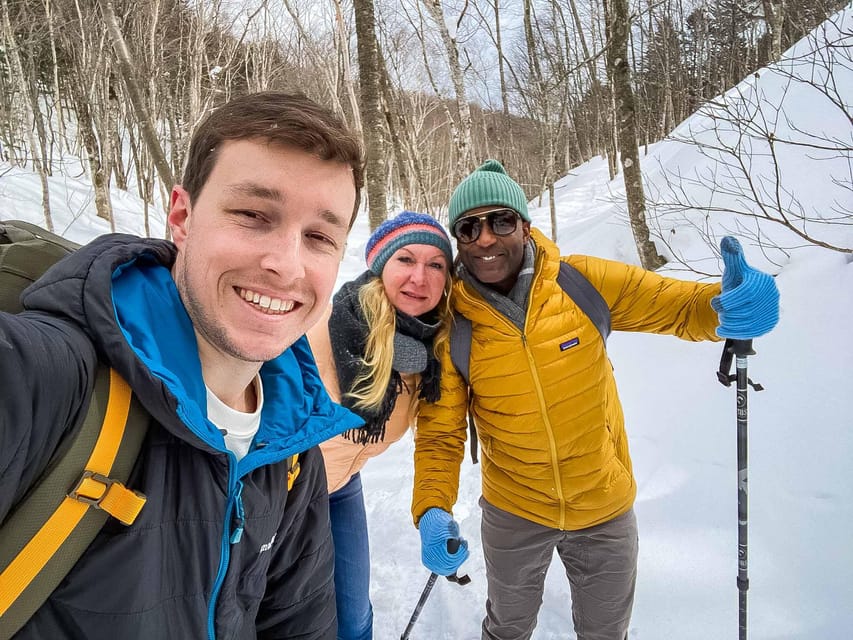
Reviewed · SNOWSHOE & WINTER TOURS
Bamboo Ice Cave: Snowshoe to see a natural phenomenon!
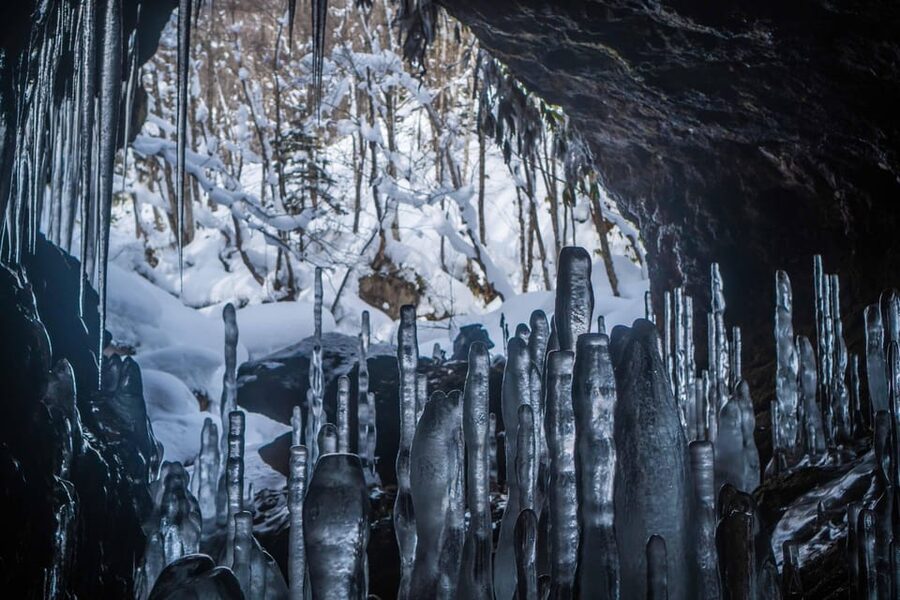
Every winter, water dripping through an abandoned mine cave near Noboribetsu freezes into tall stalactites and stalagmites called bamboo ice. The show lasts only about 10 weeks, and this is one of just three caves in Hokkaido where you can see it.
In This Article
- Key points to know before booking
- Why bamboo ice is worth a winter outing
- The six-hour plan from Noboribetsu
- Walking through the snow-covered forest
- Snow bridges and signs of wildlife
- Lunch beneath the snowy trees
- Entering the bamboo ice cave
- Aidan’s guiding style and the small-group benefit
- What the $154 price really covers
- Clothing, fitness, and weather concerns
- Who should book this snowshoe tour
- Should you book it?
- FAQ
- How long does the bamboo ice cave tour last?
- How far do you walk?
- Is snowshoe equipment included?
- What food and drinks are included?
- What should I wear?
- What happens if the weather is bad?
I like the small group of up to seven, which keeps the walk calm and gives Aidan room to set the pace. I also like that lunch, a hot drink, snowshoes, poles, gaiters, pickup, and drop-off are included. The main catch is the physical effort: you cover about 7 kilometers on uneven ground, in cold mountain weather.
The homemade food adds a personal touch. Aidan’s wife, Yasuko, prepares sourdough sandwiches and chewy chocolate chip cookies, and the hot chocolate waiting at the cave sounds especially welcome. You do need proper winter clothing, though, and this is not a casual sightseeing stroll.
Key points to know before booking
- The bamboo ice lasts only about 10 weeks each winter, so timing matters.
- The cave formations can reach 4 meters high, creating a rare natural display rather than a built attraction.
- The route covers about 7 kilometers, with uphill and downhill walking over uneven terrain.
- Several streams are crossed on compacted snow bridges, adding interest and a little adventure to the forest walk.
- Aidan leads the English and Japanese tour, with nature stops, pacing breaks, and help throughout the hike.
- The $154 price includes transport, equipment, lunch, and a hot drink, but not clothing, footwear, a backpack, water, or snacks.
Why bamboo ice is worth a winter outing
The name bamboo ice comes from the long, clustered shapes created as water freezes inside the cave. Water drips from the ceiling, freezes during the night, and builds up again with each cold cycle. Over time, the cave develops ice columns and hanging formations that can reach about 4 meters.
That short season is part of the appeal. You are not visiting a permanent ice park with lights and barriers. You are walking through winter woods to reach a natural formation that appears only during a narrow part of the year.
The cave is in an abandoned mine near Noboribetsu, but the attraction here is the ice itself, not mine architecture. The supplied details do not describe artificial lighting, paved paths, or visitor facilities, so you should expect a simple, natural setting. Your guide is important because the walk and cave visit depend on mountain conditions.
There are only three caves in Hokkaido where bamboo ice can be seen. That makes this a good choice if you have already visited Noboribetsu’s famous hot springs and want something quieter and more active. You trade spa-town convenience for a half-day in the forest, but you get a far less ordinary winter outing.
A few more Noboribetsu tours and experiences worth a look

The six-hour plan from Noboribetsu
The tour lasts six hours, including transport to and from the trail area. Pickup is included from your hotel or accommodation, and you should provide the name of your lodging when booking.
Look for a grey or black Mitsubishi Delica with license plate 207. That detail matters in a snowy resort area, where several vehicles may look similar and you may be waiting in winter clothing.
The exact start time depends on availability. Since the walk is affected by daylight, snow, and mountain weather, check the current departure time before you book your day around it. The tour returns to Noboribetsu after you snowshoe back from the cave.
The group is limited to seven people. I see that as a real advantage here. Snowshoeing is easier when you are not waiting for a large line of people, and a guide can give more help when terrain becomes awkward. A small group also suits the quiet nature of the route. You are going into the woods for stillness, not for a crowded procession.
Walking through the snow-covered forest
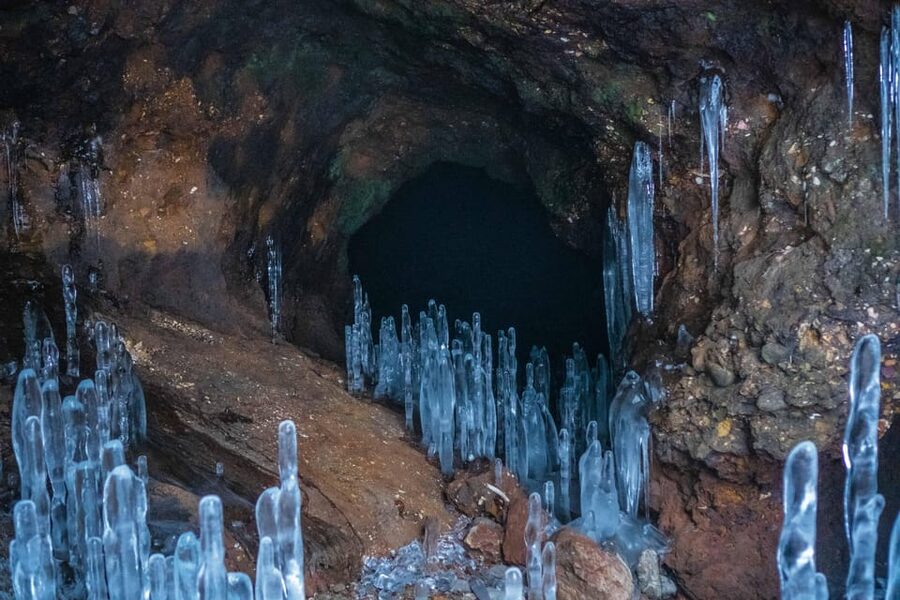
The route leads through a winter forest with snow coating the trees. That is not just a pretty backdrop. Snow changes the feel of the woods, softening sounds and making the route seem more remote.
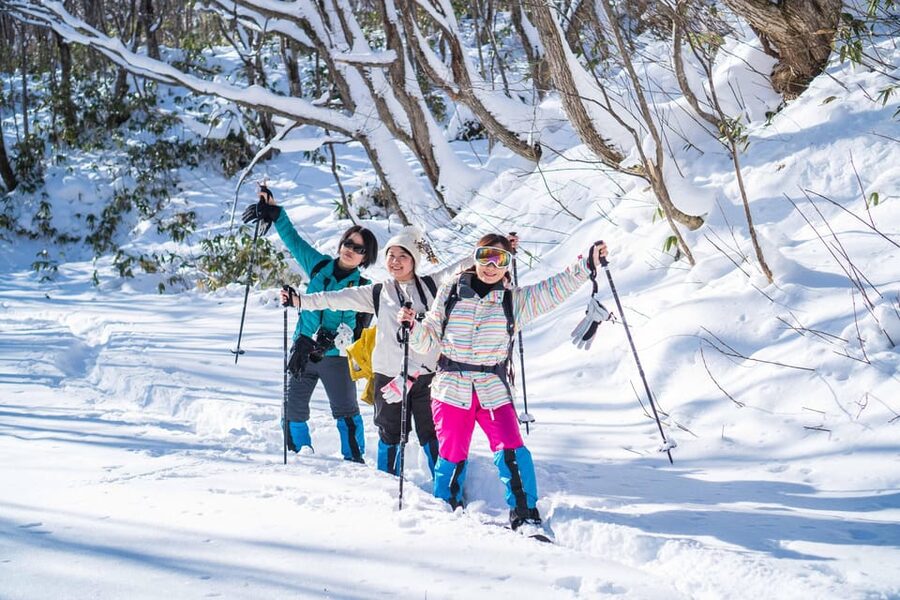
You will use snowshoes, poles, and gaiters supplied by Nobo Tours. Snowshoes spread your weight over a wider area, so you can walk across deeper snow without sinking as badly as you would in ordinary footwear. Poles help with balance, especially on slopes and near streams. Gaiters help keep loose snow out of your footwear and lower trousers.
The route is about 7 kilometers in total, with walking up and down over uneven terrain. The distance itself is manageable for many active people, but snowshoeing takes more effort than walking the same distance on a paved path. Cold air, deep snow, slopes, and stopping to cross streams all add to the work.
Aidan reportedly uses short breaks and nature stops to manage the pace. That is useful because a steady, controlled walk is better than rushing early and tiring before the cave. His explanations also give the route more meaning, with time to notice animal tracks and other signs in the snow.
You should not expect a paved trail or a smooth park walk. The tour information specifically warns that you need to handle uneven ground and walk both uphill and downhill. If you have back, heart, respiratory, or mobility problems, this is not a sensible choice. The activity is also not suitable if you have a cold, and it is not recommended for pregnant women.
Snow bridges and signs of wildlife
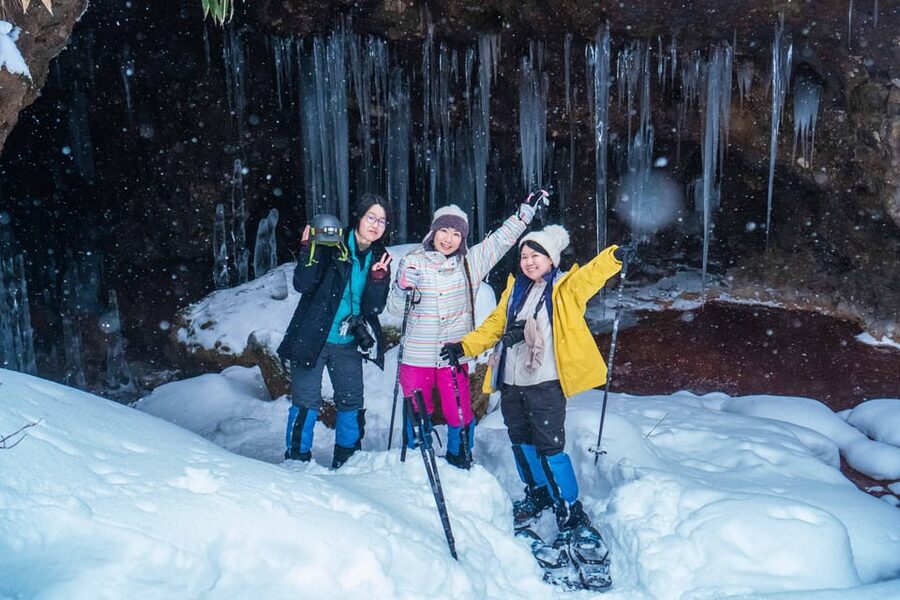
The streams are crossed using snow bridges made from compacted snow. These are not permanent structures, and their safety depends on winter conditions. Your guide will decide how to cross and whether the route is safe, but you still need to watch your footing and follow instructions.
The snow bridges are one of the more distinctive parts of the outing. They break up the walking and make the forest feel less like a marked hiking trail and more like a route shaped by the season. You may find yourself stepping carefully, checking balance with your poles, and appreciating how much the snow has changed the terrain.
Animal tracks are another small but worthwhile detail. The tour includes time to discover tracks in the snow, and Aidan points out nature facts along the way. You should not expect a wildlife encounter. The reward is reading the signs left behind, which gives you something to look for during the quieter stretches of the hike.
This is where a guide adds real value. Without help, you might walk past tracks without knowing what you are seeing. With Aidan, the forest becomes more than a route to the cave.
Lunch beneath the snowy trees
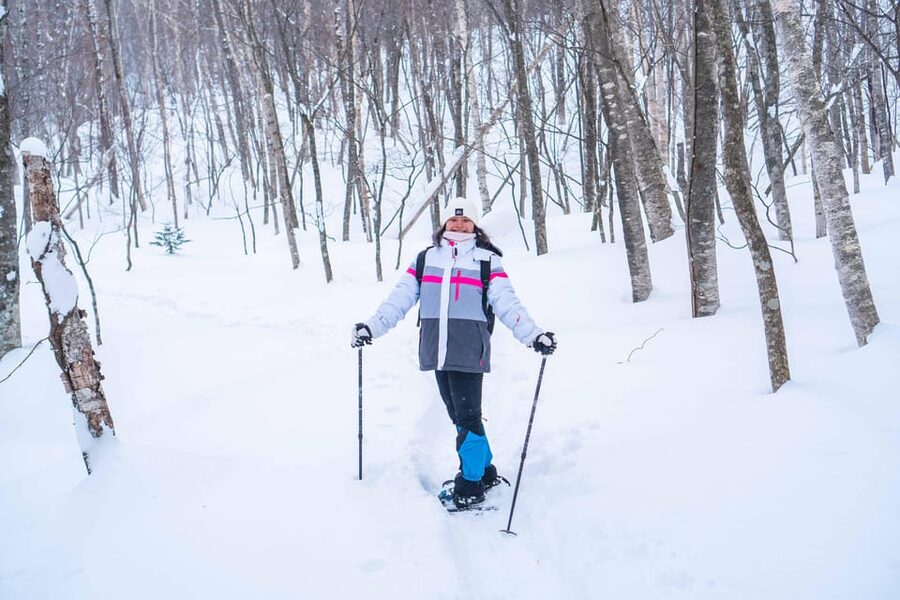
Lunch is eaten near the cave, under snow-covered trees, before you explore the ice formations. It is a simple idea, but it changes the rhythm of the day. You are not rushing through the cave for a quick photograph and then returning to the vehicle. The meal gives you time to warm up, look around, and enjoy the setting.
A hot drink is included, and hot chocolate was particularly welcome at the cave during one winter outing. That kind of pause matters in cold weather. Even if you are comfortable while moving, your hands and feet can cool quickly once you stop.
The food has a homemade touch. Yasuko prepares the sandwiches with sourdough bread, and the meal includes a chocolate chip cookie. That is a small detail, but it helps distinguish this from a standard packaged lunch. You should still bring your own water and snacks, since those are not provided.
The location can be beautiful, but remember that an outdoor winter lunch is still an outdoor winter lunch. Warm layers, gloves, and a jacket are essential. You may feel hot while walking and cold while sitting, so clothing that you can add or remove is more useful than one very heavy layer.
A few more Noboribetsu tours and experiences worth a look
Entering the bamboo ice cave
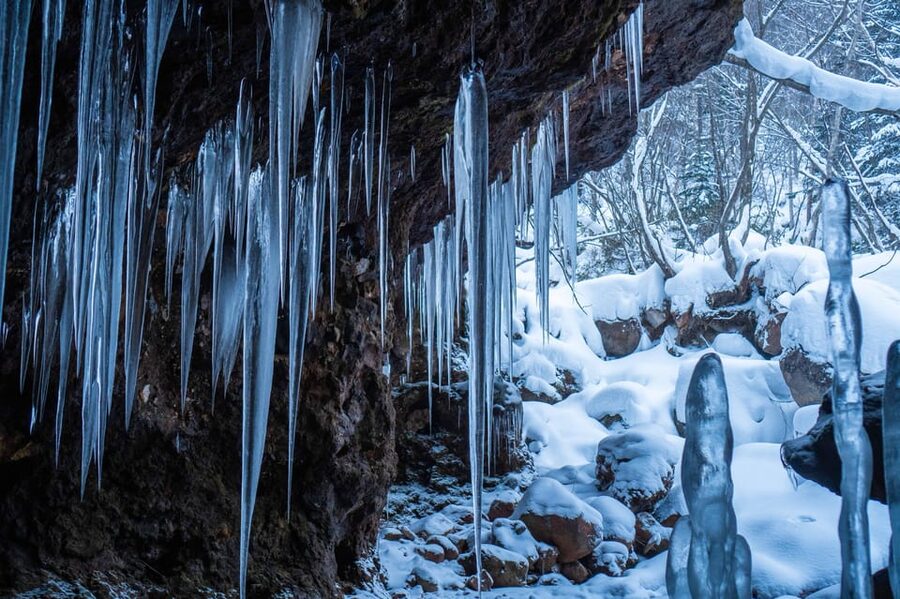
After lunch, you head into the cave to see the ice. The formations develop from repeated freezing, with water dripping from above and building ice on both the ceiling and floor.
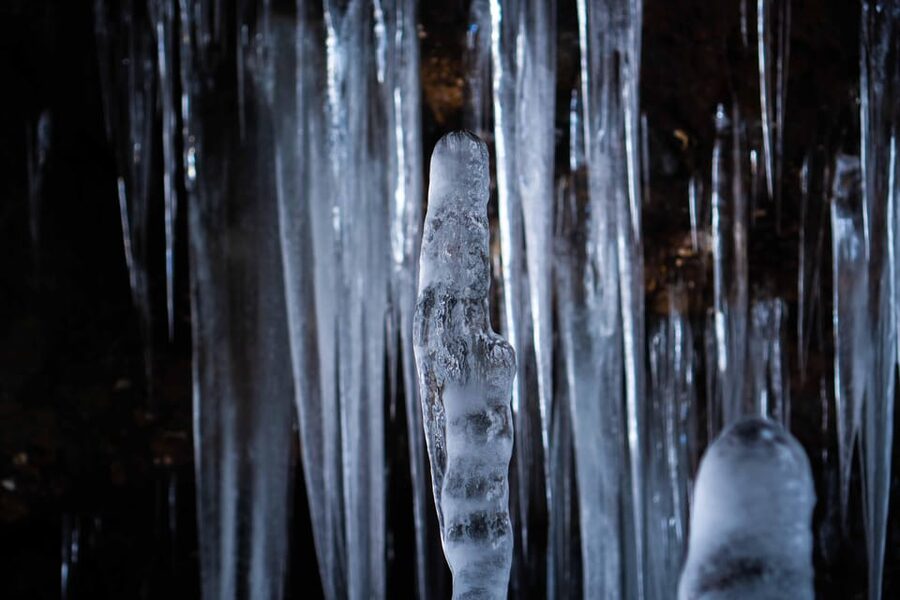
The result can include stalactite shapes hanging down and stalagmite shapes rising up. At their largest, these formations reach about 4 meters. That scale makes the cave more impressive than the name might suggest. You are not simply looking at a thin layer of frost. You are seeing ice built up over many freezing cycles.
The cave is described as magical and unusual, but the practical point is more important: the display is seasonal and weather-dependent. The bamboo ice forms during the coldest part of winter and remains visible for roughly 10 weeks. If you are planning a trip around it, check that your dates fall within the operating season and understand that bad weather can force a cancellation or postponement.
The cave visit is also part of a physical route. It does not replace the hike, and you will still need to snowshoe back the same way. That makes the experience feel complete, but it also means you should conserve energy and avoid treating the first half as a race.
Aidan’s guiding style and the small-group benefit
Aidan is the listed guide for the English and Japanese tour, and his role goes beyond leading from the front. He explains the route clearly, shares nature facts, helps with the walking, and manages breaks so the group can keep going at a comfortable pace.
He also offers to take photographs and share them afterward. That can be useful on a snowshoe hike because taking your own pictures may mean removing gloves, handling a phone in the cold, or stopping on uneven ground. You should still bring a phone or camera if you want your own copies during the day, but you do not need to choose between keeping balance and getting a photograph every few minutes.
The group limit of seven supports this style of guiding. If you are new to snowshoes, you can ask for help without trying to catch up with a large crowd. If you are more experienced, the small size should reduce waiting time.
The pace is not entirely yours, however. You are joining a guided route with a fixed return, and the guide may shorten or stop the tour if conditions become unsafe. If an injury occurs or Aidan decides it is not safe to continue, the outing ends. That is the right call in mountain weather, but it is worth understanding before you book.
What the $154 price really covers
At $154 per person, this is not a cheap walk. The value comes from how much of the day is bundled into that price.
You receive:
- Pickup and drop-off from your accommodation
- Snowshoes
- Poles
- Gaiters
- Lunch
- A hot drink
- A six-hour guided outing
- An English or Japanese speaking guide
That package saves you from renting snowshoes separately, arranging transport to a remote trailhead, and carrying your own lunch. The small group also gives you more guide time than a large coach-style excursion.
The price is easiest to justify if you want a rare, active winter experience and do not already have snow gear. It is harder to justify if you are mainly interested in taking a quick look at ice and would rather avoid a 7-kilometer hike.
You must supply your own warm clothing and footwear. You also need a backpack, water, and any extra snacks. Those omissions are normal for a guided outdoor activity, but they add to your total cost if you are visiting Japan without winter gear.
Clothing, fitness, and weather concerns
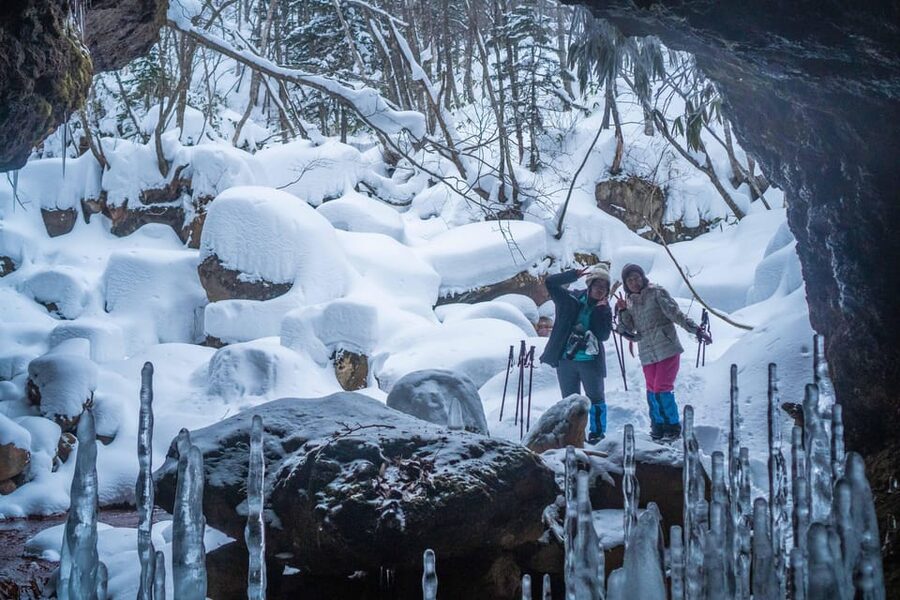
Wear warm layers that you can adjust. You may heat up while climbing or walking through snow, then cool down fast during lunch or the cave visit. A windproof jacket, gloves, hat, and sunglasses are specifically recommended.
Hiking shoes are required, and the tour notes say not to wear jeans, skirts, or dresses. Jeans can become cold and restrictive when wet, while skirts and dresses make snowshoe movement difficult. Avoid cotton if possible because it does not move moisture away from your skin.
Bring a daypack with water and snacks. The tour supplies lunch and a hot drink, but you should not depend on those alone for a full day in cold conditions. Sunglasses also help with glare from snow, even on a day that begins bright.
Mountain weather can change quickly. The tour may be canceled or postponed if conditions are poor, and the guide can end the outing if the route becomes unsafe. You should arrange your own travel insurance because Nobo Tours does not provide insurance for customers.
Free cancellation is available up to 24 hours before the activity for a full refund, and you can reserve now and pay later. Those policies help if your Noboribetsu plans are still shifting, but they do not remove the need to prepare for a possible weather change.
Who should book this snowshoe tour
I would choose this for an active nature lover who wants a rare winter sight and is happy to spend most of a day outdoors. It is also a good fit if you value a small group, local food, guide-led nature stops, and transport from your accommodation.
The tour suits you especially well if you have already seen Noboribetsu’s main hot spring sights and want a quieter change of pace. The cave is unusual, but the full experience is the walk through the forest, the snow bridges, the animal tracks, the outdoor lunch, and the gradual arrival at the ice.
I would not choose it for a relaxed sightseeing day. The 7-kilometer route, snowshoe equipment, slopes, and cold exposure demand a reasonable level of fitness. People with mobility impairments, wheelchair users, pregnant women, and people with back, heart, or respiratory problems should not book it. You should also postpone if you are sick with a cold.
Should you book it?
Book this tour if you want to earn your view of the ice cave. The rare seasonal formations are the headline, but the value lies in the entire six-hour outing: a small group, thoughtful pacing, a guide who helps with photographs and nature details, homemade sourdough sandwiches, hot chocolate, and a forest that feels far removed from town.
Skip it if you want a quick, easy attraction or if you lack proper winter clothing and footwear. For prepared walkers, $154 is a fair price for transport, gear, food, and a guided route to one of Hokkaido’s few bamboo ice caves. Keep your schedule flexible around the weather, dress for movement, and save enough energy for the snowshoe walk home.
FAQ
How long does the bamboo ice cave tour last?
The tour lasts six hours, including transportation to and from the trail area near Noboribetsu.
How far do you walk?
You should be able to walk about 7 kilometers over uneven terrain, including uphill and downhill sections.
Is snowshoe equipment included?
Yes. Snowshoes, poles, and gaiters are included. You need to bring suitable hiking shoes and warm clothing.
What food and drinks are included?
Lunch and a hot drink are included. The food may include homemade sourdough sandwiches and a chocolate chip cookie. You should bring your own water and extra snacks.
What should I wear?
Wear warm, adjustable layers, a windproof jacket, gloves, a hat, sunglasses, and hiking shoes. Avoid jeans, skirts, dresses, and cotton clothing.
What happens if the weather is bad?
The tour may be canceled or postponed if bad weather occurs. The guide can also end the tour if conditions become unsafe or if someone is injured.
More Winter Activities in Noboribetsu
More Snowshoe & Winter Tours in Noboribetsu
More tours in Noboribetsu we've reviewed


Snowshoe & Winter Tours, compared.
 ★ 5.0Sapporo Winter : Asahiyama Zoo (Penguin Fun & Snowmobile)From $589 hours - 1 day
 ★ 5.03.5hours Primeval Forest Snowshoe hike and Wildlife Watching TourFrom $55
 ★ 5.0Half Day – Snow View Rafting in NisekoFrom $111
 ★ 5.0Snowshoe Adventures and Onsen Bliss Winter Escape in FuranoFrom $78
 ★ 4.02026 Lake Shikotsu Ice Festival in HokkaidoFrom $58
 ★ 5.03 hours Snowshoe hike to “Furepe fall” and Wildlife WatchingFrom $44
 ★ 5.0Explore Lake Shikotsu Ice Festival (night tour)From $59
 ★ 5.0[Niseko] Winter Fixed-Duration Service: Take a Private Car Between New Chitose Airport and Niseko!One wayFrom $372
The lists this tour appears in