
Reviewed · SNOWSHOE & WINTER TOURS
Lake Tachibana: Snowshoe to a frozen lake!
Lake Tachibana gives you a rare winter outing near Noboribetsu: a snowshoe trek through silent forest to a fully frozen lake. The route is about 4 km, with a gradual climb to a ridgeline before you descend to the water. At the lake, you stop for tea, coffee, or hot chocolate while taking in the ice.
In This Article
- Key points
- A frozen lake far from the usual Noboribetsu route
- Starting in Karurusu Onsen
- The first hour through snowy forest
- Reaching the ridgeline and descending to Lake Tachibana
- Hot chocolate and winter silence beside the lake
- What the $96 price really covers
- What to wear for a comfortable four-kilometre walk
- Who should book this outing
- Timing the tour around Noboribetsu
- My practical verdict on the guide and group
- Should you book Lake Tachibana?
- FAQ
- How long does the Lake Tachibana snowshoe tour last?
- Where does the tour take place?
- Is pickup included?
- What equipment is included?
- What should I wear and bring?
- Is this tour physically difficult?
- What happens if the weather is bad?
- Is the tour suitable for children or wheelchair users?
- What languages are available?
- Can I cancel the booking?
I like the small group limit of seven, which makes the walk feel personal rather than like a winter parade. I also like the practical inclusions: pickup, snowshoes, gaiters, and a guide who can match your pace. The main catch is simple: this is a real physical activity, not a gentle stroll, and mountain weather can change fast.
Key points
- Reach the frozen lake after a forest route: The walk takes just over an hour each way through snow-covered woodland.
- Expect climbs and uneven ground: You will cross roughly 4 km and go up and down a ridgeline.
- Aidan leads the walk: He speaks English and Japanese, explains animal tracks and plants, and keeps the pace relaxed.
- Warm up beside the lake: Tea, coffee, or hot chocolate is included, with crackers provided on at least some outings.
- Useful winter gear is supplied: Snowshoes and gaiters are included, with hiking poles available if requested.
- Morning timing has an extra reward: Finish early and you can head to one of Noboribetsu’s onsens afterward.
A frozen lake far from the usual Noboribetsu route
Noboribetsu is best known for its hot springs and dramatic volcanic valley. Lake Tachibana offers a different side of the area, one made of snow, forest, wind, and ice.
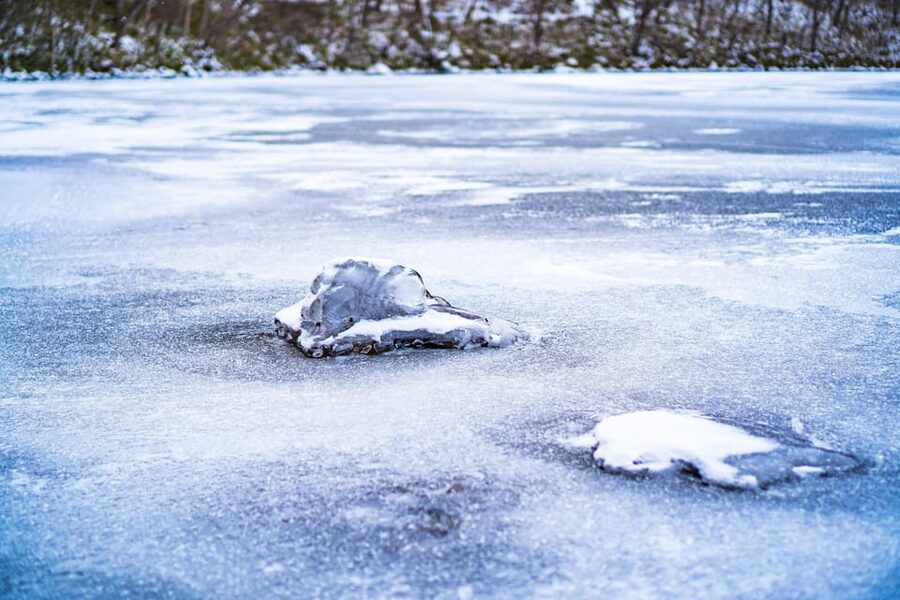
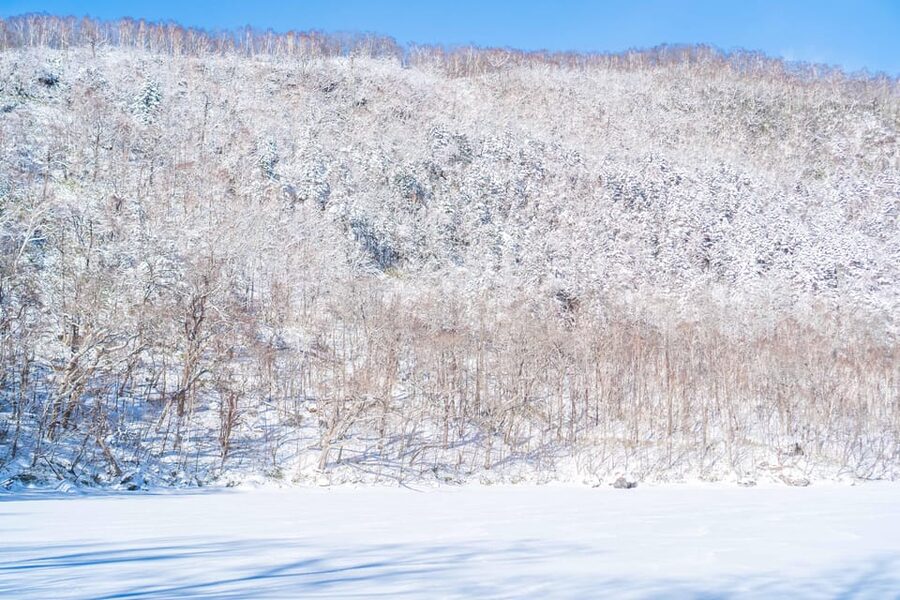
In winter, the entire lake freezes. Snow covers the surrounding trees, and ice formations appear along the lake’s edge and surface. You are not simply walking to a viewpoint and taking a quick photo. You are earning the view on foot, one snowshoe step at a time.
That effort is part of the appeal. The route is quiet, and the small group size helps preserve the sense of being away from the main tourist circuit. You may have the woods and trail to yourself, which is a rare treat in a popular winter destination.
The setting is also a good match for anyone who finds ski resorts too busy or organized winter attractions too polished. This outing is slower, more natural, and less predictable. The reward is a frozen lake reached through woodland rather than a lake seen from a road.
A few more Noboribetsu tours and experiences worth a look

Starting in Karurusu Onsen
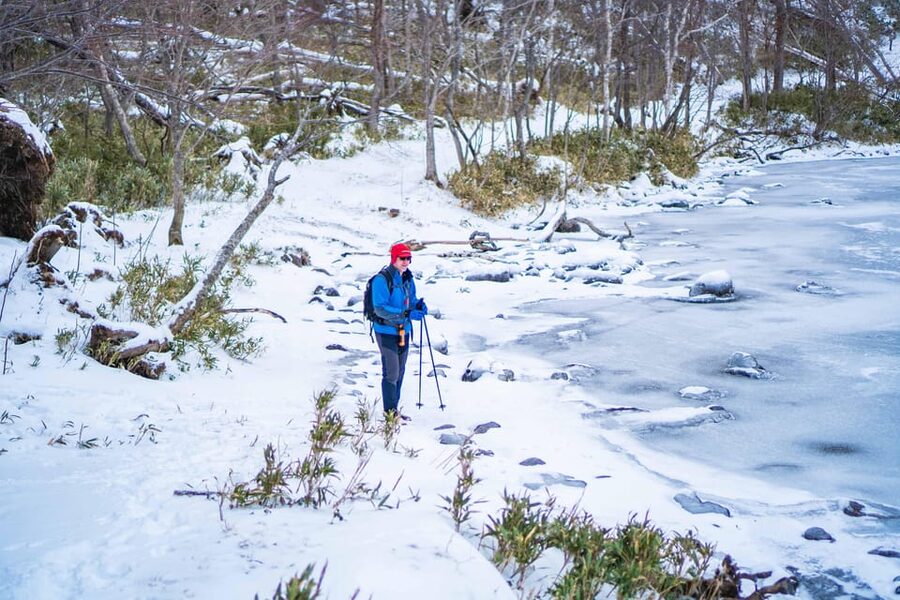
The tour begins in Karurusu Onsen, with pickup available from Noboribetsu and Noboribetsu Onsen. The free transfer removes one of the awkward parts of planning a winter walk in rural Hokkaido, especially if you are carrying bulky clothing and footwear.
Look for a grey or black Mitsubishi Delica with number plate 207. When booking, give the operator the name of your hotel or accommodation so the pickup can be arranged properly.
Once you arrive, you put on the snowshoes and gaiters. Hiking poles are available if you request them. The supplied gear matters because ordinary shoes will not give you enough support or flotation in deep snow.
You must bring your own warm clothing and footwear. High-sided hiking shoes or boots are preferred because they help keep snow and moisture out. A waterproof coat, waterproof trousers, and waterproof shoes are especially useful.
Do not wear jeans. They absorb moisture, dry slowly, and become cold and uncomfortable outdoors. A visitor who joined in January found that thin warm layers worked well, but also stressed the need for waterproof clothing, warm gloves, and a scarf.
The first hour through snowy forest
The route begins fairly flat, which gives you time to get used to the snowshoes. They can feel clumsy at first, especially when you are stepping over buried branches or walking on uneven snow. You will quickly learn to lift your feet a little higher and keep a steady rhythm.
The forest is the main attraction during this part of the walk. Snow blankets the ground and branches, muting sound and giving the route a calm, almost private feel. Your guide may point out animal tracks and plants along the way, adding detail to what could otherwise look like a wall of white trees.
Aidan leads the English and Japanese tours. He is described as friendly and relaxed, and he adjusts his pace to the people in the group. That is important here. Snowshoeing uses more energy than ordinary hiking, and a guide who watches the group can make the climb feel manageable rather than rushed.
The trail gradually rises toward the top of a ridgeline. This is where you should expect the hardest work. The route is not presented as technical mountaineering, but you need to climb and descend over uneven terrain for a total distance of about 4 km.
Take small steps, use the poles if you have requested them, and avoid treating the walk as a race. The point is to reach Lake Tachibana in good shape, not to arrive exhausted before the best part begins.
Reaching the ridgeline and descending to Lake Tachibana
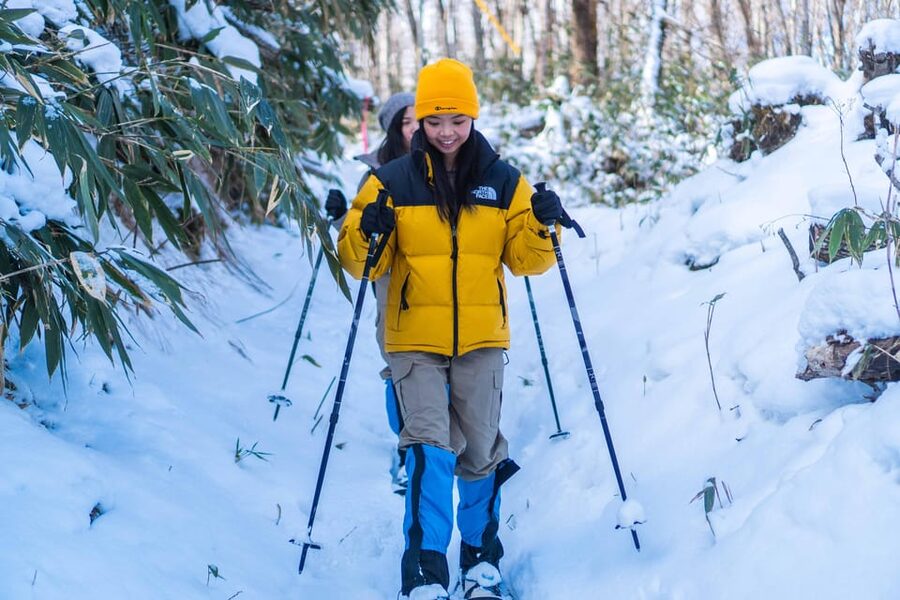
The climb gives the route some variety. You begin on flatter ground, work your way upward through the forest, and then cross the ridgeline before descending on the far side.
That descent is worth taking seriously. Snow can hide dips and branches, and snowshoes may catch if you move too quickly. Your guide can set a suitable pace, but you still need reasonable balance and confidence on uneven ground.
As you descend, the route begins to feel more remote. The lake is not reached by a short path from a parking area. You approach it through the forest, which makes the first view more satisfying.
The exact ice shapes will depend on the season and weather. You might find frozen patterns, snow-covered edges, and unusual formations where water and cold have worked together. The appeal is not a single famous structure. It is the changing surface of a lake that has frozen in a quiet mountain setting.
You should also prepare for the possibility that the view will not look exactly like a picture taken on a clear day. Mountain weather can shift quickly, even when Noboribetsu is sunny. Clouds, wind, or fresh snowfall may change what you see.
Hot chocolate and winter silence beside the lake
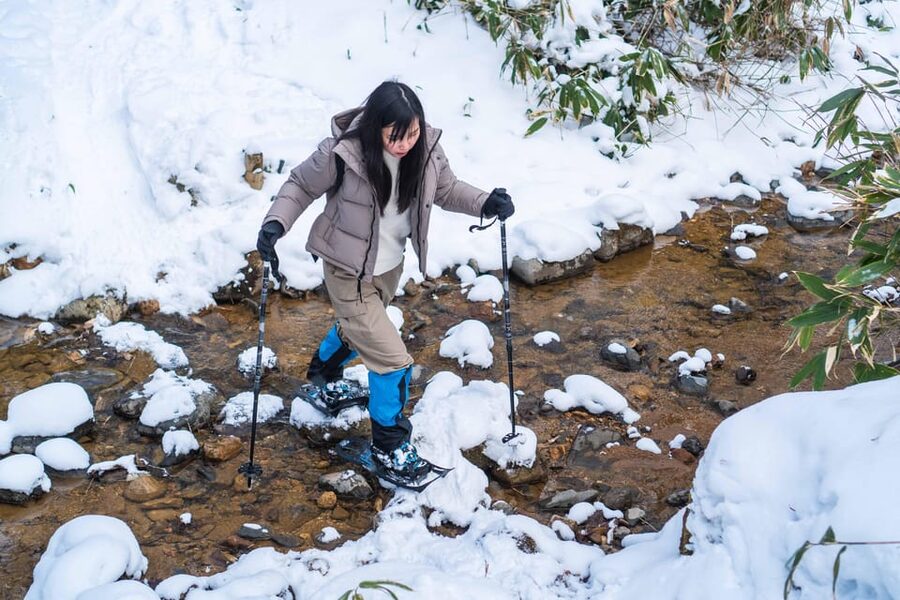
At Lake Tachibana, the group pauses for a hot drink. You can choose tea, coffee, or hot chocolate. Crackers may also be served, giving you a small snack after the climb.
This stop is more important than it sounds. Cold-weather exercise can leave you thirsty and chilled, and the warm drink gives you a chance to slow down and take in the surroundings. You are not being hurried back into the forest.
The lake itself is the centerpiece. Look for ice formations and the way snow settles across the frozen surface. The quiet makes the stop feel special. Instead of crowds, cafés, or marked photo zones, you get a simple break in a white winter setting.
Bring a small backpack for spare layers, water, gloves, and personal items. A light pack is better than a large one because you will carry it for several hours. Keep your gloves and scarf easy to reach. One useful winter detail is that your nose may run in the cold, while your hands can freeze during rest stops, even if you feel warm during the climb.
A few more Noboribetsu tours and experiences worth a look
What the $96 price really covers
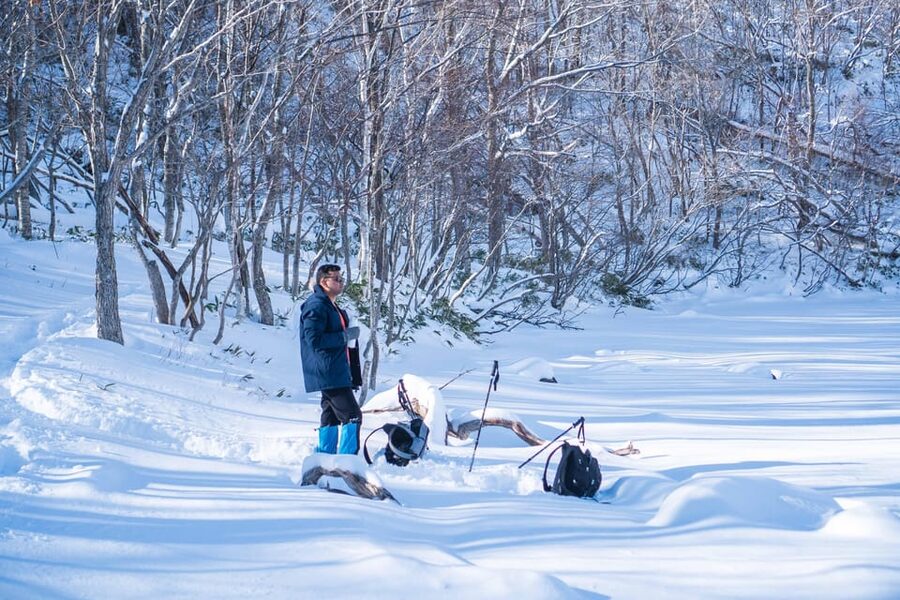
At $96 per person, this is not the cheapest way to see snow in Hokkaido. You are paying for more than access to a trail, though.
The price includes pickup and drop-off, snowshoes, gaiters, a live English or Japanese guide, and a hot drink. That bundle saves you from renting several pieces of winter equipment separately and arranging transport to a less familiar starting point.
The limit of seven participants also adds value. A small group makes it easier for the guide to watch footing, adjust the pace, explain tracks and plants, and respond to changing weather. It is a better fit for a personal outdoor outing than a large coach-based activity.
The price is harder to justify if you already own snowshoes, gaiters, poles, and a vehicle, or if you want only a quick walk in the snow. In that case, you may prefer to explore closer to Noboribetsu on your own.
For most visitors staying in Noboribetsu or Noboribetsu Onsen, the included transport and equipment make the cost reasonable. You get three and a half hours outdoors, a guide, a proper route to the lake, and a warm drink at the turnaround point.
What to wear for a comfortable four-kilometre walk
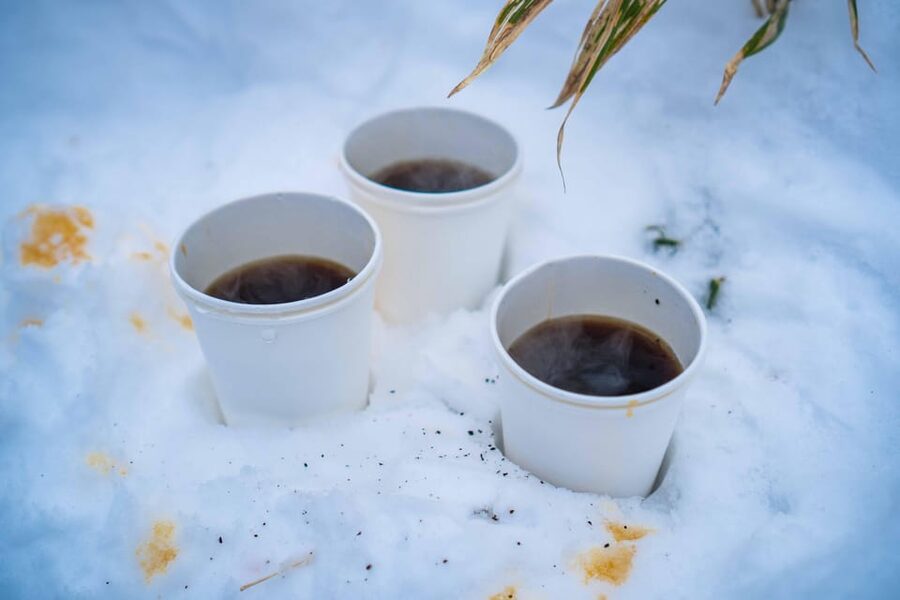
Your clothing can decide how much you enjoy this experience. The tour supplies some important items, but not the clothing that keeps your core, hands, and feet warm.
Wear warm layers on your top and bottom. A waterproof outer layer is essential, especially if snow is falling or you spend time sitting near the lake. Waterproof trousers are a smart choice because snow can brush against your legs as you walk.
Choose hiking shoes or high-sided boots. They should be comfortable enough for several hours and sturdy enough for uneven terrain. Snowshoes help you stay on top of the snow, but they do not replace supportive footwear.
Bring:
- Warm gloves
- A scarf or neck warmer
- A hat
- Waterproof coat and trousers
- Hiking shoes or high-sided boots
- Water
- A light backpack
- Spare layers if you tend to get cold
Do not rely on jeans. They are poorly suited to wet snow and cold air. You also should not assume that a sunny forecast means mild conditions. Wind along the ridgeline and beside the lake can feel sharp.
Who should book this outing
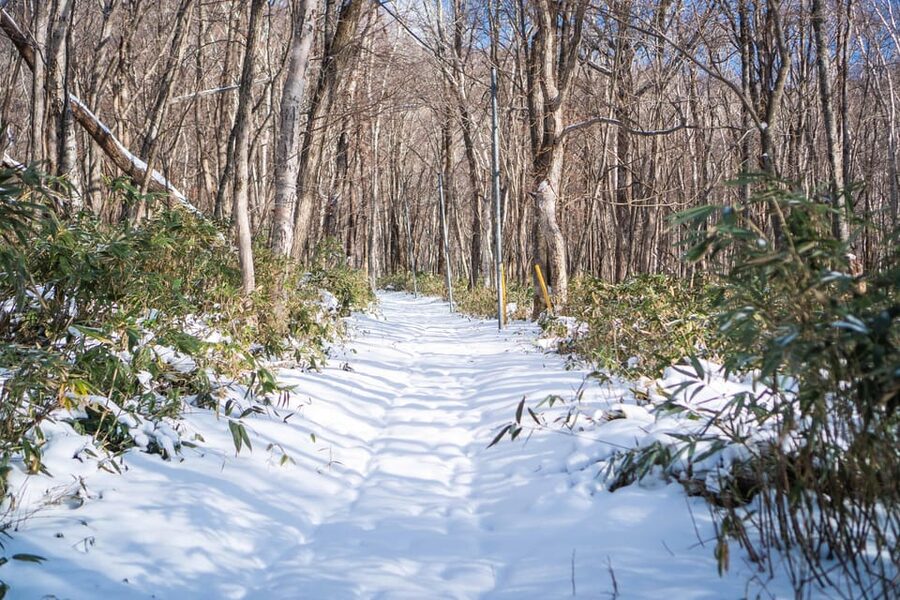
I would choose this tour if you want quiet woodland, a physical challenge, and a winter destination that is not part of the standard Noboribetsu sightseeing circuit.
It suits adults and older teenagers who can handle a steady walk over snow and uneven ground. The minimum age is 16, and the maximum is 70. It is not suitable for wheelchair users because of the forest route and ridgeline sections.
You do not need to be an expert snowshoer, but you should be comfortable climbing and descending. The walk is not a casual photo stop. One participant called it difficult but worthwhile, which is a fair description.
The tour also suits solo visitors. A seven-person limit and an attentive guide can make an unfamiliar outdoor activity feel less intimidating. Aidan’s relaxed style is useful if you want guidance without a hard-driving pace.
I would not pick it if you dislike cold weather, struggle with uneven surfaces, or want guaranteed clear views. The tour may be canceled or postponed in bad weather, and it can finish early if an injury occurs or the guide decides conditions are unsafe.
You must also arrange your own insurance. Nobo Tours does not provide insurance for participants.
Timing the tour around Noboribetsu
The activity lasts 210 minutes, or three and a half hours. Check the available start times when you book because the exact schedule can affect the rest of your day.
A morning departure is a smart option if you want to use a Noboribetsu onsen afterward. You can finish the walk, warm up properly, and spend the afternoon soaking in hot mineral water.
An afternoon outing may work better if you arrive later or prefer a slower start, but winter daylight and weather are worth keeping in mind. The tour operator may change or cancel the outing if conditions become unsafe.
Pickup is included from Noboribetsu and Noboribetsu Onsen. That makes it easy to combine the snowshoe trip with a stay in the hot-spring area, rather than treating Lake Tachibana as a separate transport project.
You can cancel up to 24 hours before the start for a full refund. The reserve-now, pay-later option also helps if your Hokkaido plans are still changing.
My practical verdict on the guide and group
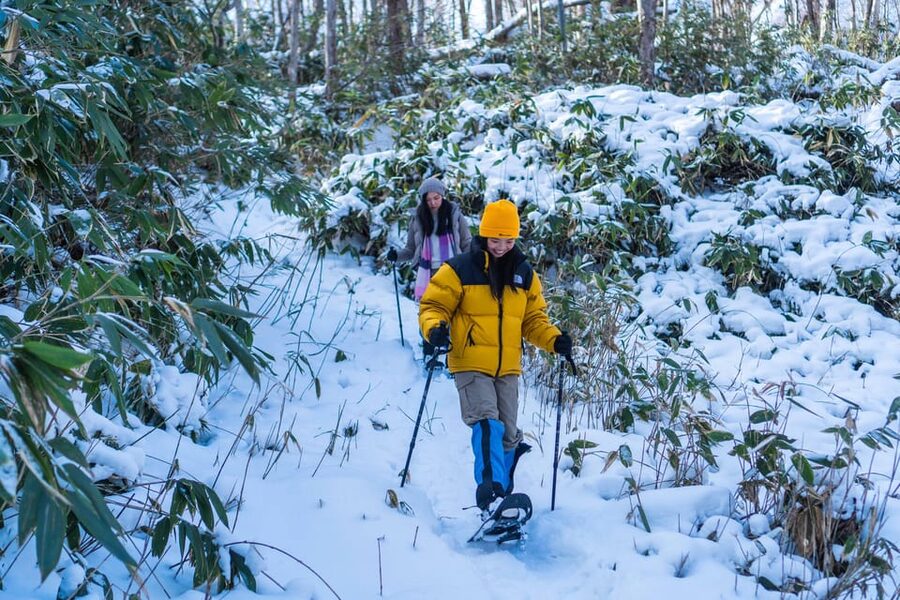
Aidan is a major part of the experience. He explains things you might otherwise miss, including animal tracks and plants, and he adjusts his pace to the group.
That combination matters more than a long speech about local nature. In snow, a good guide shows you where to place your feet, notices when someone is tiring, and knows when conditions are turning poor. The available information points to a friendly, low-pressure approach rather than a formal lecture.
The small group limit supports that style. With no more than seven people, you have a better chance to ask questions and stop without holding up a large crowd.
Equipment help is another practical plus. Aidan has lent gaiters, a neck scarf, and snowshoes to participants who needed them. I would still arrive prepared, since the official equipment list does not include warm clothes or footwear.
Should you book Lake Tachibana?
Book it if you want a quiet, active winter experience near Noboribetsu and like the idea of reaching a frozen lake on foot. The route, small group, included gear, pickup, and hot drink form a useful package for people who do not have their own snowshoe equipment.
Book a morning slot if you can, especially if an onsen visit sounds like the perfect finish. Bring waterproof clothing, proper boots, warm gloves, a scarf, water, and a light backpack.
Skip it if you want an easy walk, dislike uncertain mountain weather, or cannot manage a 4 km route with climbs and descents. For the right person, though, the quiet forest, frozen lake, and warm drink make this one of the more memorable ways to see Hokkaido in winter.
FAQ
How long does the Lake Tachibana snowshoe tour last?
The tour lasts 210 minutes, or three and a half hours. Check availability for the specific starting times.
Where does the tour take place?
The tour starts in Karurusu Onsen and visits frozen Lake Tachibana near Noboribetsu in Hokkaido, Japan.
Is pickup included?
Yes. Free pickup and drop-off are available from Noboribetsu and Noboribetsu Onsen. Look for a grey or black Mitsubishi Delica with number plate 207, and provide your accommodation details when booking.
What equipment is included?
Snowshoes and gaiters are included. Hiking poles are available if requested. Warm clothing, footwear, and a backpack are not included.
What should I wear and bring?
Bring warm clothing, hiking shoes or high-sided boots, and water. Hats, gloves, and other warm clothing are needed because the wind can be cold. Waterproof clothing and footwear are recommended, and jeans are not allowed.
Is this tour physically difficult?
You should be able to walk about 4 km and climb up and down uneven terrain. The route starts flat, rises to a ridgeline, and then descends to the lake.
What happens if the weather is bad?
The tour may be canceled or postponed if bad weather occurs. If someone is injured or the guide decides it is unsafe to continue, the tour will finish.
Is the tour suitable for children or wheelchair users?
No. It is not suitable for children under 16, people over 70, or wheelchair users.
What languages are available?
The live tour guide service is available in English and Japanese.
Can I cancel the booking?
Yes. You can cancel up to 24 hours in advance for a full refund. A reserve-now, pay-later option is also available.
More Winter Activities in Noboribetsu
More Snowshoe & Winter Tours in Noboribetsu
More tours in Noboribetsu we've reviewed


Snowshoe & Winter Tours, compared.
 ★ 5.0Sapporo Winter : Asahiyama Zoo (Penguin Fun & Snowmobile)From $589 hours - 1 day
 ★ 5.03.5hours Primeval Forest Snowshoe hike and Wildlife Watching TourFrom $55
 ★ 5.0Half Day – Snow View Rafting in NisekoFrom $111
 ★ 5.0Snowshoe Adventures and Onsen Bliss Winter Escape in FuranoFrom $78
 ★ 4.02026 Lake Shikotsu Ice Festival in HokkaidoFrom $58
 ★ 5.03 hours Snowshoe hike to “Furepe fall” and Wildlife WatchingFrom $44
 ★ 5.0Explore Lake Shikotsu Ice Festival (night tour)From $59
 ★ 5.0Explore Shikotsu Ice Festival (day tour)From $59
The lists this tour appears in