
Reviewed · SOBA & COOKING CLASSES
Top-rated experience Includes soba noodle making and tempura
Making soba by hand turns a familiar Japanese meal into a practical lesson in food, patience, and local tradition. At Handmade Soba Mondo in Sapporo, Taku Sensei guides you through mixing buckwheat flour, rolling the dough, and cutting each noodle before you sit down to eat it.
In This Article
- Key points to know before booking
- Why handmade soba matters in Hokkaido
- At Handmade Soba Mondo in western Sapporo
- Mixing buckwheat flour and forming the dough
- Rolling the dough and cutting each noodle
- Eating fresh soba with hot and cold choices
- Why the tempura is worth adding to the meal
- Learning the proper way to eat soba
- Who will get the most from this Sapporo activity
- Timing, language, and practical planning
- My verdict on the $83 experience
- FAQ
- Where does the soba-making experience take place?
- How do I reach Handmade Soba Mondo?
- How long does the activity last?
- What will I make during the class?
- Is a meal included?
- Can I choose hot or cold soba?
- Is the activity offered in English?
I like the hands-on work and the chance to taste noodles made only minutes earlier. I also like the tempura, prepared by a Japanese cuisine chef with more than 10 years of experience. The main consideration is that the activity requires at least two adults, and the 90-minute schedule leaves little room for a slow, leisurely meal.
Key points to know before booking
- You make every noodle by hand, from mixing the buckwheat flour to cutting the dough.
- Taku Sensei teaches step by step, with English and Japanese instruction available.
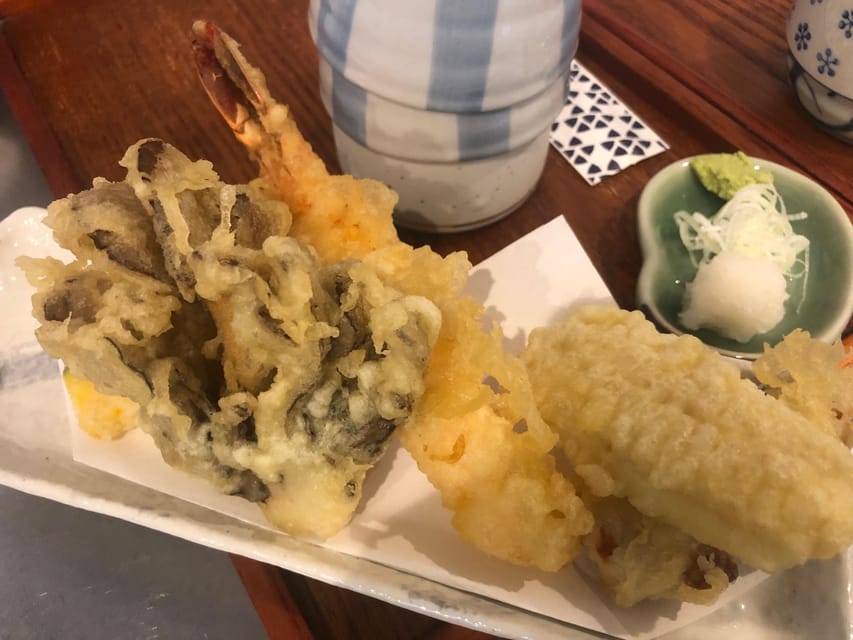
- Fresh soba comes with chef-prepared tempura, a classic Japanese pairing.
- You can try hot or cold soba, then learn how to drink soba-yu, the cooking water served after the meal.
- The shop is five minutes from Miyanosawa Station, making it an easy Sapporo food stop.
- The $83 price is strongest for food lovers and families, especially since the meal is part of the lesson rather than an extra purchase.
Why handmade soba matters in Hokkaido
Hokkaido produces more buckwheat than any other part of Japan. That makes Sapporo a fitting place to learn about soba, not simply because the dish is popular here, but because the key ingredient has a strong connection to the region.
Soba is one of Japan’s three major traditional foods, alongside sushi and tempura. Its story reaches back to the Edo period, beginning in the 1600s. At Mondo, you get a direct look at the basic craft behind the dish instead of only receiving a polished bowl at a restaurant.
I find that distinction important. A bowl of noodles can be delicious, but it does not always tell you how the food is made or why the texture matters. Here, you work with the flour yourself. You see how a soft mass becomes a sheet of dough, then a pile of narrow noodles. That small change in perspective can make the meal more memorable.
The experience is presented as a genuine soba shop activity rather than a show built only for sightseeing. That does not mean it is formal or difficult. The tone is meant to be fun, and the instructions are given one step at a time. You can take part even if you have never cooked Japanese food before.
A few more Sapporo tours and experiences worth a look


At Handmade Soba Mondo in western Sapporo
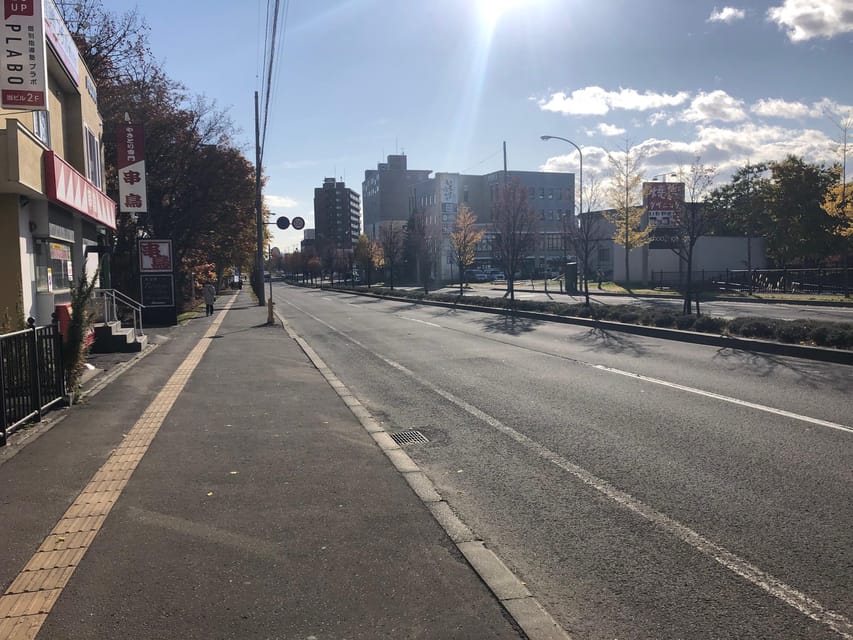
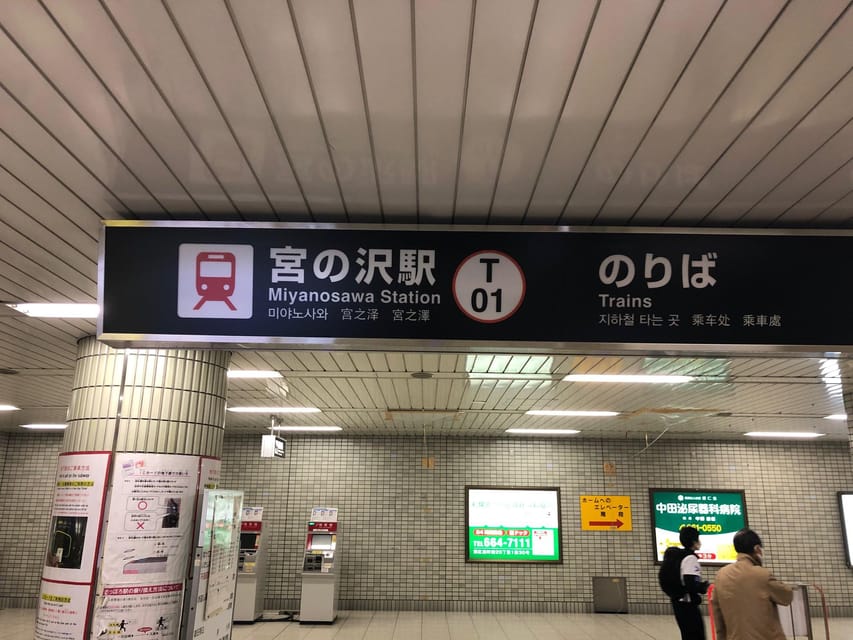
The meeting point is Handmade Soba Mondo, at 17-28, 6-chome, Hassamu 6-jo, Nishi-ku, Sapporo. The subway is the simplest way to arrive. From Exit 6 of Miyanosawa Station on the Sapporo Subway Tozai Line, you walk about five minutes to the shop.
That short walk is useful if you are building this into a day around Sapporo. You do not need to arrange a long transfer or commit half a day to reach the class. Four parking spaces are available in front of the shop, though space is limited, so public transport may be the easier choice.
The class is offered as a private group, which should suit you if you want a more personal pace. English and Japanese are available. Taku Sensei is the named instructor, and the teaching style is patient and clear. A 10-year-old child has been able to take part fully, so this is not an adults-only cooking lesson.
You should arrive ready to make a meal, not just a small sample. The amount of soba is intended to serve as a normal lunch or dinner. That is a useful detail because hands-on food activities sometimes leave you hungry afterward. Here, the food you make is the main meal.
Mixing buckwheat flour and forming the dough
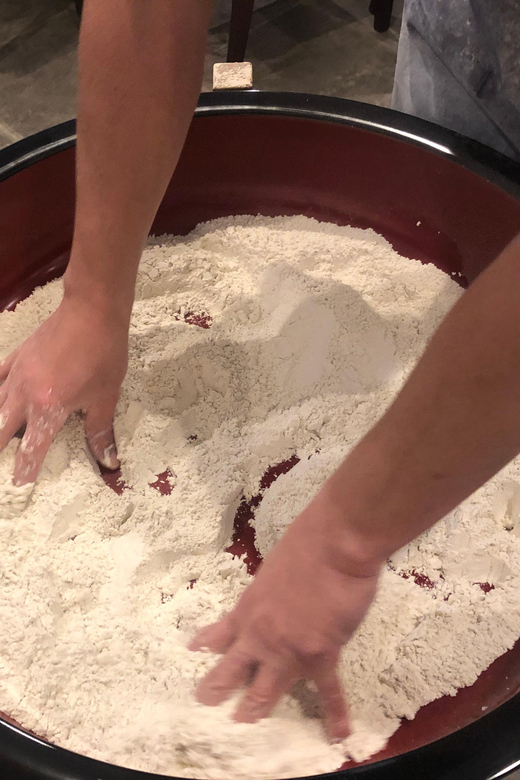
The first kitchen task is mixing the buckwheat flour. This is where you begin to understand that soba making is not just a matter of pressing a button on a machine. The dough needs to be handled with care before it can be rolled.
Taku Sensei explains the process as you work. The instructions are designed for beginners, and the pace allows you to follow along rather than guess at each step. I like this format because it gives you a real task without making the lesson feel like an exam.
The work also gives you a better sense of why handmade noodles vary. Small differences in pressure and handling can affect the finished noodle. You are not simply copying a souvenir activity. You are taking part in the same basic process used to prepare the food served in the restaurant.
This is also the stage when families can divide the work naturally. Children can help mix and shape the dough, while adults can assist with the more careful rolling and cutting. The available information does not promise a separate children’s program, but the class has worked well for a 10-year-old who was able to participate from start to finish.
Rolling the dough and cutting each noodle
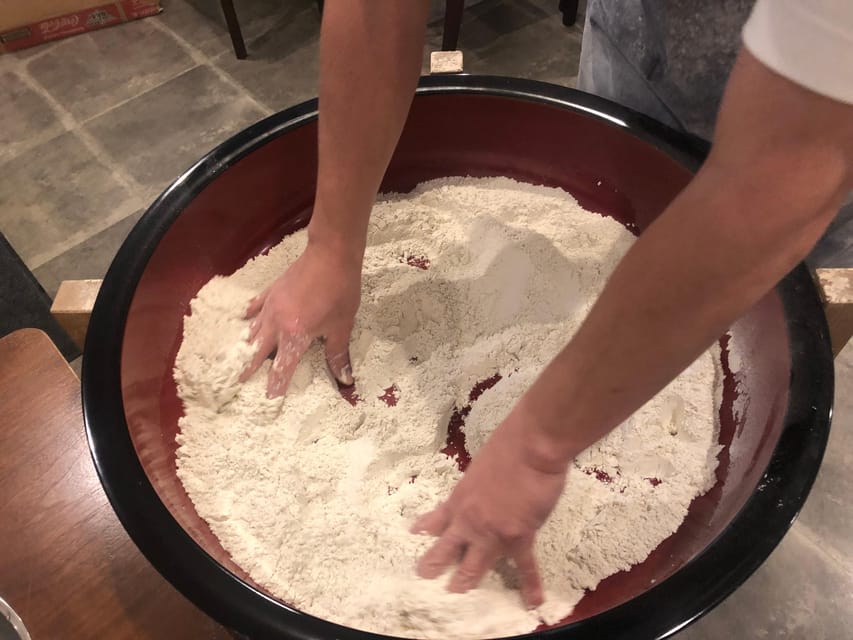
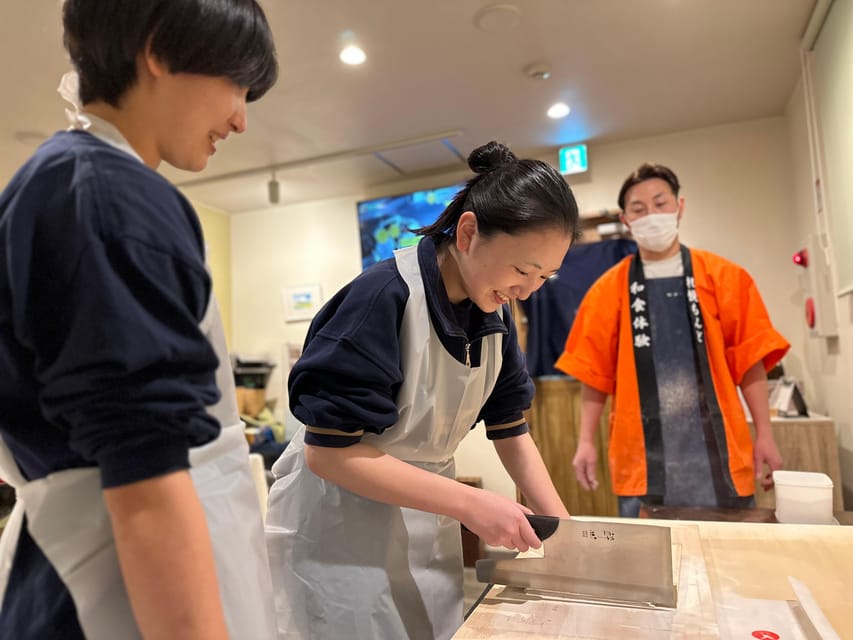
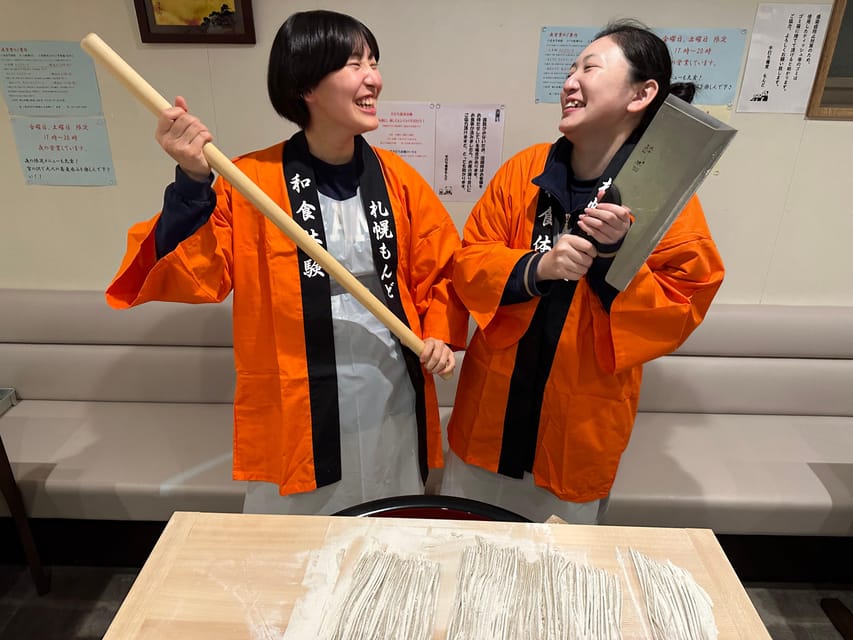
Once the dough is ready, you roll it out and prepare to cut it by hand. This is likely the most precise part of the class. The dough must become thin enough for noodles, and the cuts need to be careful if you want even pieces.
Do not worry about producing restaurant-perfect strands on your first try. The point is to understand the technique and enjoy the process. You get direct guidance, and the finished noodles are cooked for you afterward.
I especially like this part because it connects the craft to the meal. You are not making dough merely to watch someone else handle the important steps. You mix, roll, and cut, then taste the result. That link between effort and food is the heart of the experience.
The practical drawback is timing. The full activity lasts 90 minutes, with about 75 minutes listed for the meal, cooking class, and regional food experience. You will have enough time for the planned sequence, but this is not a class where you linger over every technique or ask for an extended demonstration.
Eating fresh soba with hot and cold choices
After the noodles are made, they are cooked and served as your meal. You can enjoy hot or cold soba, which gives you two different ways to appreciate the noodles.
Cold soba lets you focus on the noodle itself and the dipping style. Hot soba offers a warmer, more comforting bowl. The choice matters because soba is not one fixed dish. Temperature, broth, dipping sauce, and toppings can change how the noodles taste and feel.
The noodles are served in a normal lunch or dinner portion, so arrive ready to eat. You do not need to bring utensils, ingredients, or cooking equipment. Everything needed for the class is provided.
The best part is the freshness. Handmade noodles can have a different texture from packaged soba, and eating them right after preparation makes the lesson feel complete. You do not leave with dough or a recipe and wonder what happened next. The result goes straight from your hands to the table.


Why the tempura is worth adding to the meal
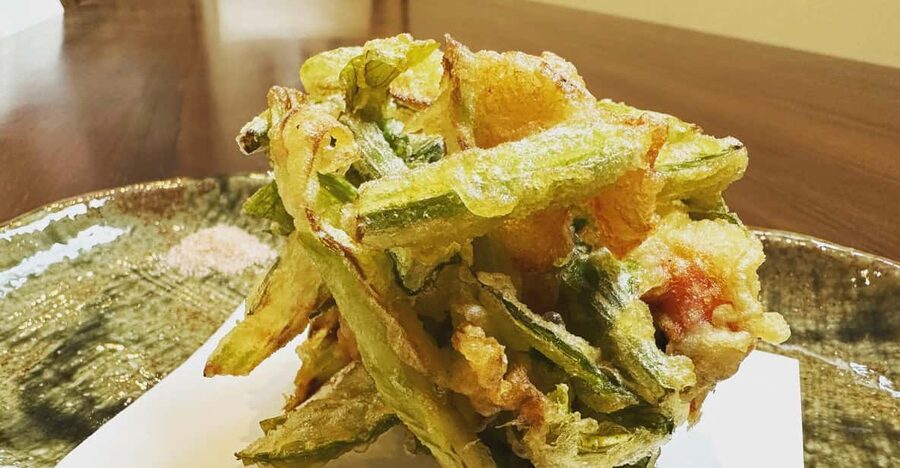
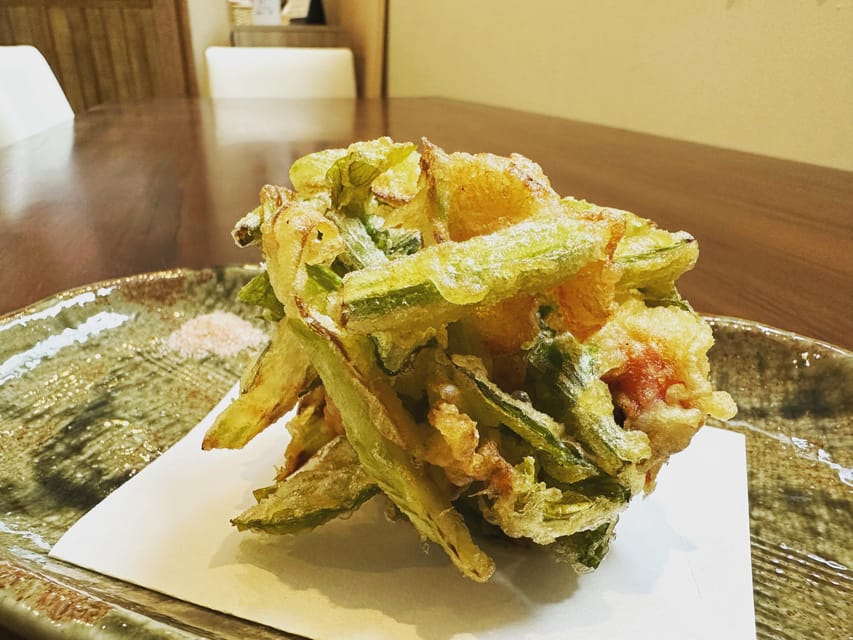
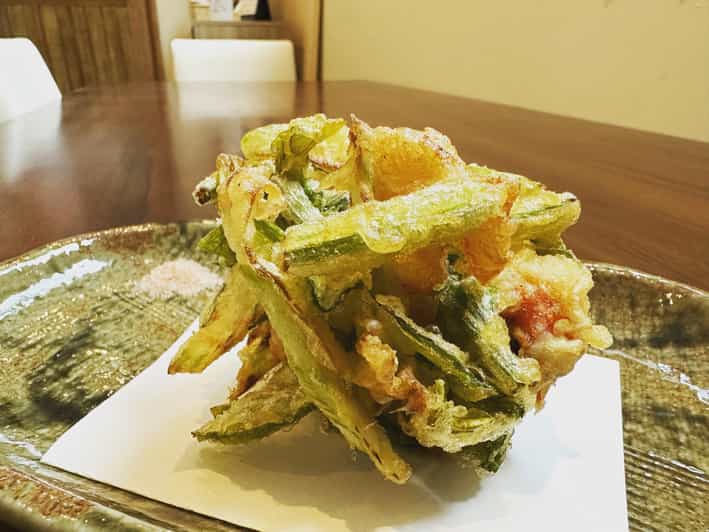
Tempura is not an unrelated side dish here. Soba and tempura are a classic Japanese pairing, and the meal is designed to show you how the two work together.
The tempura is prepared by a Japanese cuisine chef with more than 10 years of experience. That gives the meal a professional element alongside your own handmade noodles. You do the noodle work, then see how a trained chef handles the fried portion.
I would strongly consider the tempura if you are comparing this with a basic soba class. It adds more food and gives you a fuller picture of tempura soba, a familiar combination in Japanese cooking. It also makes the $83 price easier to justify, particularly if you would otherwise pay separately for a substantial lunch or dinner.
The price still deserves a clear-eyed look. At $83 per person, this is not a cheap bowl of noodles. You are paying for instruction, ingredients, the private-group setting, a full serving of soba, and chef-prepared tempura. It makes good value for someone who wants a food lesson and a meal in one booking. If you only want to try soba, ordering a bowl at a restaurant costs much less.
Learning the proper way to eat soba
The meal includes more than the basic instruction of how to make noodles. You also learn how soba is traditionally eaten.
That can include the difference between hot and cold preparations, how the noodles pair with tempura, and the idea behind tempura soba. These details help you read a Japanese menu later in your trip. You begin to recognize that soba is part of a broader food culture, not just a substitute for wheat noodles.
The final lesson is soba-yu. This is the cooking water left after the noodles are boiled, traditionally served at the end of a soba meal. You learn about this custom and discover how the meal closes in a uniquely Japanese way.
For me, soba-yu is exactly the sort of small cultural detail that gives a food experience value. It costs very little to explain, but it is not something you are likely to understand from a quick restaurant order. The class gives you the context to notice it when you encounter soba elsewhere.
Who will get the most from this Sapporo activity
This is a strong choice for you if food is one of the main reasons you visit Japan. It suits anyone who prefers doing something over simply watching a demonstration, and it gives you a meal at the end rather than a tiny tasting portion.
Families should also consider it. The instruction is patient, and a 10-year-old has been able to participate fully. The private-group format may make it easier for a family to work at its own pace, although the minimum booking requirement is two adults.
It is also a good fit for couples and small private groups looking for a local activity outside Sapporo’s most obvious central sights. The shop is in Nishi-ku, near Miyanosawa Station, so you can combine it with other plans in western Sapporo.
You may want to skip it if you dislike cooking with your hands, have very little time, or are looking for a low-cost meal. The activity is short but structured. It is designed around participation, not a long restaurant stay.
Timing, language, and practical planning
The listed duration is 90 minutes. The main cooking and meal portion is described as about 75 minutes, leaving the rest for the overall flow of arrival, instruction, and finishing the experience. Plan your schedule carefully if you have a train or another timed booking afterward.
English and Japanese instruction are available. That is especially helpful during the rolling and cutting stages, when a short demonstration may need to be followed by clear corrections. The supplied information does not promise fluency in every language, so book with the understanding that the available instruction is English or Japanese.
You do not need to bring anything. Ingredients, tools, and the food are provided. Wear clothing you are comfortable cooking in, although no special equipment is required.
The activity is available for private groups, with a minimum of two adults. Free cancellation is available up to 24 hours before the start time for a full refund, and you can reserve now and pay later. Those terms are useful if your Sapporo schedule may change, but check the available start times before committing your day.
My verdict on the $83 experience
I would book this if I wanted a practical introduction to Japanese food culture rather than another sightseeing stop. The strongest features are the full hands-on process, the patient teaching from Taku Sensei, the proper meal-sized serving, and the tempura prepared by an experienced Japanese cuisine chef.
The experience also earns extra credit for showing what happens after the noodles are made. Hot and cold soba, tempura, tempura soba, and soba-yu turn one cooking class into a compact lesson about how the dish is eaten.
I would not book it simply because you need lunch. You can find cheaper soba elsewhere, and the 90-minute schedule is too short for anyone hoping to master the craft. But if you want to make your own noodles, eat them fresh, and understand a Japanese tradition with roots in the Edo period, this is a well-focused Sapporo activity.
FAQ
Where does the soba-making experience take place?
It takes place at Handmade Soba Mondo, listed in Japanese as 手打ち蕎麦もんど, at 17-28, 6-chome, Hassamu 6-jo, Nishi-ku, Sapporo.
How do I reach Handmade Soba Mondo?
The shop is about a five-minute walk from Exit 6 of Miyanosawa Station on the Sapporo Subway Tozai Line.
How long does the activity last?
The full experience lasts 90 minutes. The cooking class, meal, and regional food portion are listed as about 75 minutes.
What will I make during the class?
You will mix buckwheat flour, roll out the dough, and carefully cut the soba noodles by hand.
Is a meal included?
Yes. You will taste the soba you make, with an amount intended to serve as a normal lunch or dinner. Tempura prepared by a Japanese cuisine chef is also included.
Can I choose hot or cold soba?
Yes. The experience includes hot and cold choices for enjoying the freshly made noodles.
Is the activity offered in English?
Yes. Instruction is available in English and Japanese. The activity is offered as a private group experience, and at least two adults are required.
More Soba & Cooking Classes in Sapporo


More tours in Sapporo we've reviewed




Soba & Cooking Classes, compared.
 ★ 5.0Popular in SapporoExperience authentic hand-made soba at a real soba shop!From $72
 ★ 5.0Mondo’s most popular plan! Experience making soba noodles and the king of Japanese cuisine, tempura, in Sapporo!From $85
 ★ 5.02 hours sushi classFrom $20
 ★ 5.0Private Japanese Cooking Class in Sapporo with Local Chef ShioriFrom $108
 ★ 5.0in Sapporo! Hand-made soba experience and shabu-shabu experience plan of Yezo deer meat (Gibier meat) from HokkaidoFrom $85
 ★ 5.0Private Market Tour and Cooking Class with Kanae, a Sapporo LocalFrom $82
 ★ 5.0Private Japanese Cooking Class in Sapporo with Local Host KanaeFrom $72
 ★ 4.8Authentic Handmade Soba Experience!From $701 hour
The lists this tour appears in