
Reviewed · SOBA & COOKING CLASSES
Soba noodle making experience and tempura, Hokkaido sakeplan
The best part of this Sapporo experience is that you do not simply sit down to eat soba. You make the noodles yourself, then sit down with tempura and two Hokkaido sakes selected by a licensed sake taster. It turns a familiar Japanese meal into a hands-on lesson in how the pieces fit together.
In This Article
- Key points to know before booking
- Making soba at Mondo near Miyanosawa Station
- Kneading, rolling, and cutting the buckwheat noodles
- Tempura prepared by a Japanese food chef
- Sake and the Japanese custom of Sobamae
- Why the private group format matters
- Getting there from Sapporo and Shiroi Koibito Park
- Is $116 a fair price?
- Who will enjoy this most
- Booking details worth keeping in mind
- Should you book this soba and sake experience?
- FAQ
- Where does the soba-making experience take place?
- How long does the activity last?
- How do I get to Mondo?
- What will I do during the cooking class?
- What food and drinks are included?
- Is the activity available in English?
- Can people under 20 join?
I like the private-group format, which should give first-timers room to work without feeling rushed by a large class. I also like the location, just three minutes from Miyanosawa Station and within walking distance of Shiroi Koibito Park. The main caution is practical: the restaurant serves lunch, so same-day questions may not receive a quick answer, and arriving late can disrupt the session.
Key points to know before booking
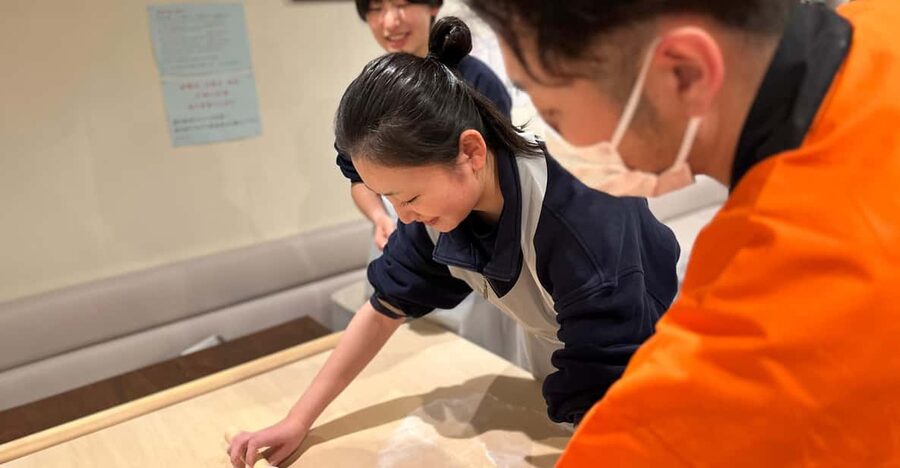
- You make soba from buckwheat dough: Knead it, roll it with a wooden roller, and cut the noodles with a knife.
- Chef Taku and the soba team guide beginners: You do not need previous cooking experience.
- Tempura is prepared by a Japanese food chef: It arrives as part of the meal rather than as a separate optional order.
- Two Hokkaido sake samples are included: A licensed sake taster chooses the pours.
- Mondo is close to Miyanosawa Station: Exit 6 on the Sapporo Subway Tozai Line is about a three-minute walk away.
- The session is for adults age 20 and over: Alcohol is part of the experience, and the group is private.
Making soba at Mondo near Miyanosawa Station
This experience takes place at 手打ち蕎麦もんど, usually written as Mondo, a restaurant specializing in handmade soba. That matters because you are not making noodles in a generic activity room and then eating a separate meal somewhere else. The cooking and dining happen in the same setting.
The class is designed as a more casual version of a private Japanese dining experience. You work with buckwheat dough, shape it with a wooden roller, and cut it into noodles. The process is simple to describe but surprisingly satisfying. The dough must be rolled evenly, and the cuts need enough care to produce noodles that cook properly.
You will have support from a soba maker throughout the activity. That makes this a good choice if you have never handled soba dough. You are not expected to arrive with knife skills or Japanese cooking experience.
The activity also gives you a look at why soba is more than a quick bowl of noodles in Japan. Hokkaido has produced soba since the Edo period, and the region remains closely linked with buckwheat. You get to taste that ingredient in a direct way, from raw dough to finished meal.
The listed schedule gives the experience 90 minutes. The itinerary also describes the Sapporo food and cooking portion as 75 minutes, so I would allow the full 90 minutes rather than planning a tight connection afterward. The exact start time depends on availability.
A few more Sapporo tours and experiences worth a look


Kneading, rolling, and cutting the buckwheat noodles
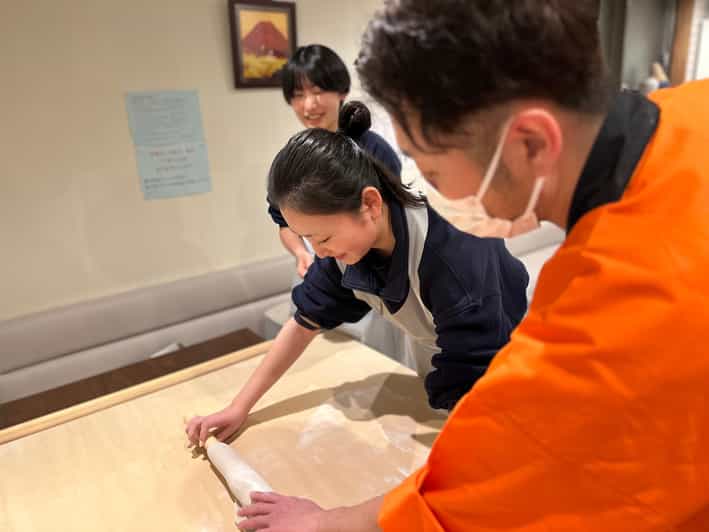
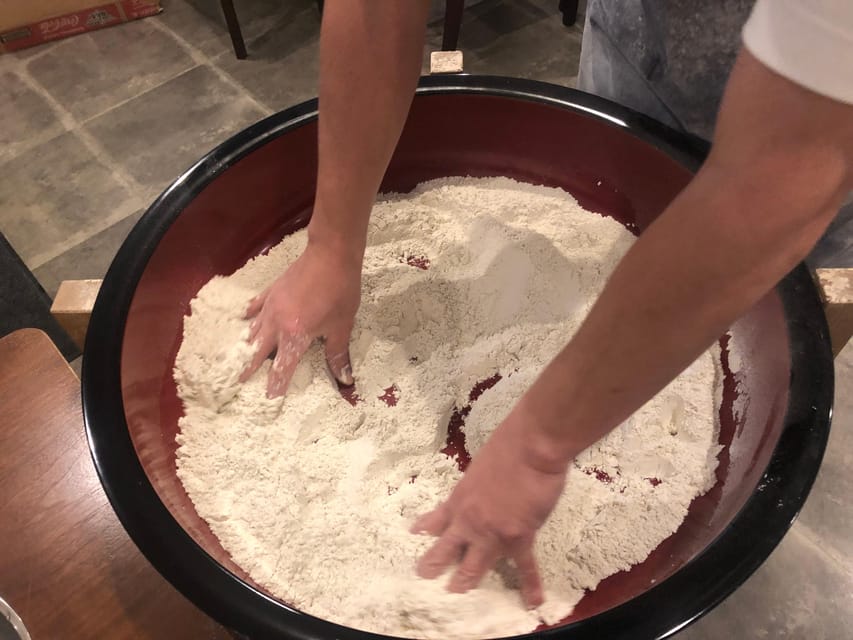
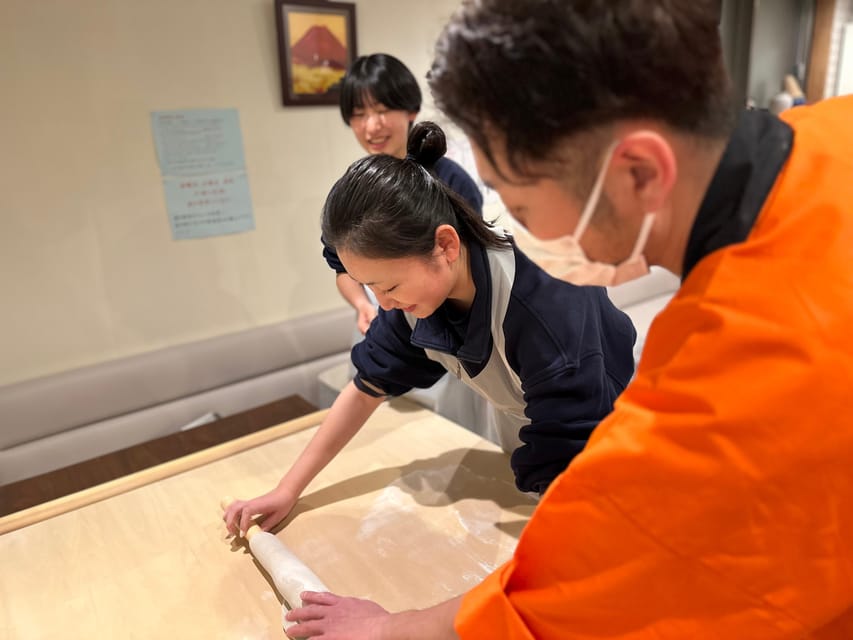
The soba-making section follows a clear sequence. First comes kneading the buckwheat mixture by hand. This is the part that makes the activity feel like a real cooking class rather than a demonstration. Your hands tell you how the dough changes as you work it.
Next, you roll the dough with a wooden roller. The aim is an even sheet, ready to become noodles. The rolling stage takes patience, but the instructor support is important here. Beginners can focus on the process instead of worrying about getting every movement perfect.
Finally, you cut the dough into noodles with a knife. One useful detail from the experience is that the noodles are cut at regular intervals, so you can see how consistency affects the final result. The finished soba is then cooked and served for you to taste.
This is where the activity earns its price. You are not just paying for a meal. You are getting instruction, ingredients, a private setting, and the chance to eat something you helped produce. The work is modest, but the connection between preparation and eating is clear.
A review from South Korean visitor Byonggak described the hand kneading, wooden rolling, and even cutting as particularly enjoyable. That matches the appeal of this format: each stage gives you something concrete to do, and the meal comes at the end of the work.
Tempura prepared by a Japanese food chef
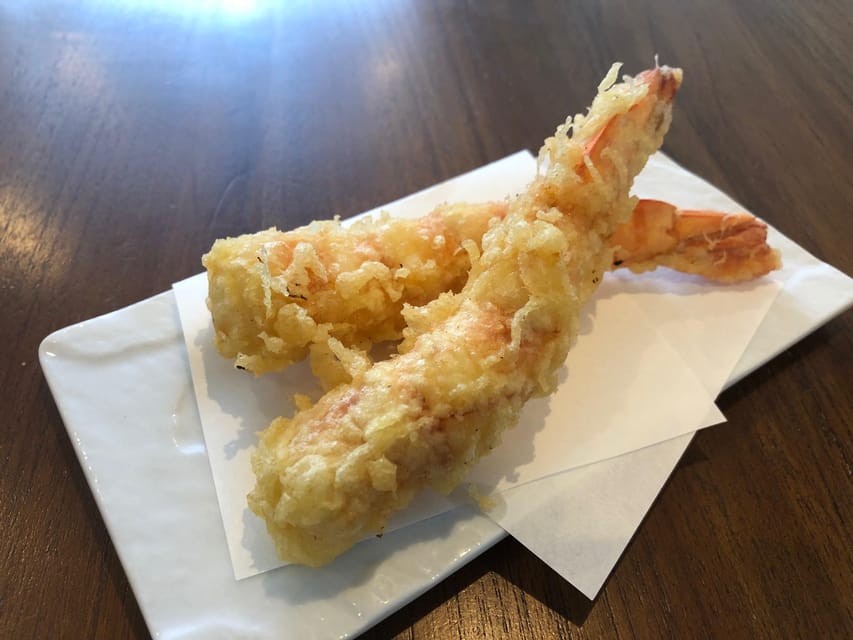
While the soba is the main event, the tempura gives the meal more variety. A Japanese food chef prepares it for you, so you do not need to split your attention between frying and noodle making.
Tempura and soba are a familiar pairing in Japan. The crisp fried coating contrasts with the soft noodles, and the combination makes a more complete meal than soba alone. The included tempura also helps explain why many people order a soba and tempura set rather than treating fried vegetables or seafood as an extra course.
There is one practical point to keep in mind. Byonggak noted that frying fumes caused eye irritation because the range hood was turned on late. That is a specific comfort issue worth knowing before you book. Ventilation can vary during the cooking portion, so you may want to be aware of the hood and speak up if smoke becomes uncomfortable.
This does not cancel out the value of the tempura, but it is the clearest weakness in the experience so far. The activity involves food preparation in a working restaurant, not a silent dining room. If you are sensitive to cooking fumes, this detail deserves consideration.
Sake and the Japanese custom of Sobamae
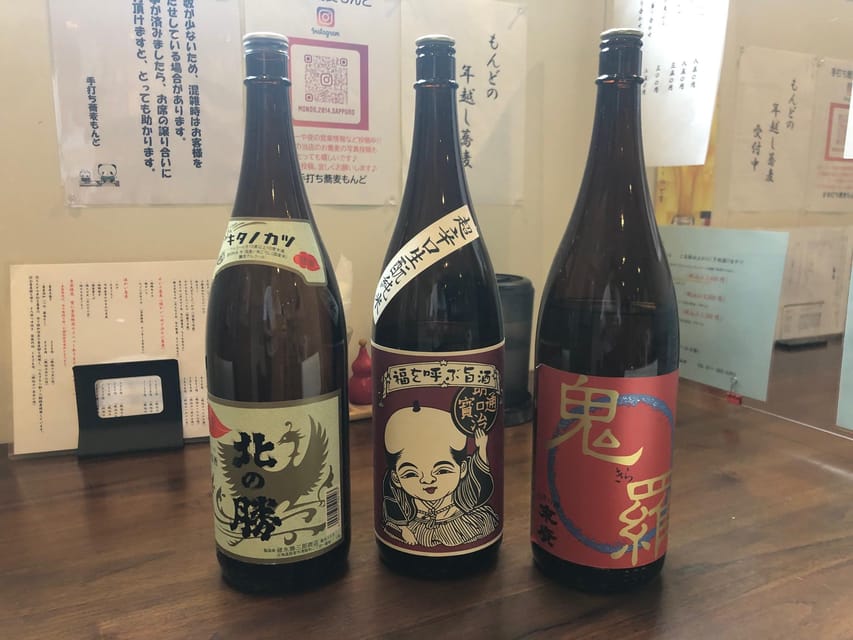
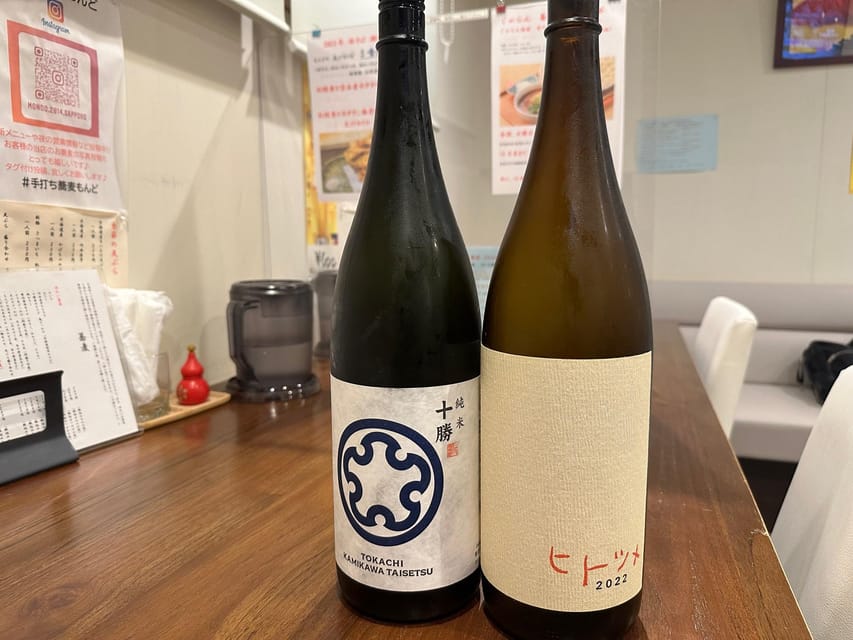
Two limited-edition Hokkaido sakes are included. A licensed sake taster selects them and serves the samples, giving you a chance to compare local pours with the handmade noodles and tempura.
The experience explains a Japanese dining custom called Sobamae. The word refers to drinking sake before eating the soba. After the sake, you finish with the noodles. This order is part of the cultural lesson, but you can also treat it as a pleasant way to pace the meal.
The pairing has a practical logic. Sake works well with the savory tempura, while soba gives you a lighter finish. The meal has a natural progression from drink and fried food to noodles.
You should remember that this is an alcohol-based activity. It is not suitable for anyone under 20, and the two sake samples are part of the included plan. If you do not drink alcohol, the activity may not be the right match, since the sake tasting is one of its central features.
The presence of a sake taster also adds more guidance than you would get by ordering a random bottle at a restaurant. You are given two selections from Hokkaido, rather than a long menu that leaves you guessing. The format is short and approachable, especially if you have little experience with Japanese sake.
Why the private group format matters
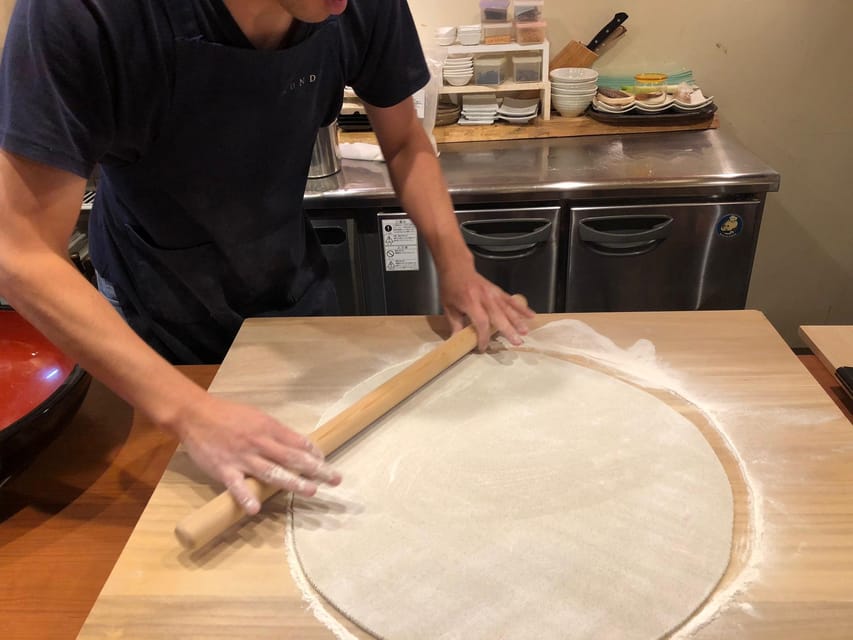
The experience is offered to a private group. That makes a real difference during the noodle-making portion, when everyone needs space to roll dough and cut noodles.
A private setting can also make it easier to ask questions in English or Japanese. The listed instruction languages are English and Japanese. Chef Taku and the staff have been specifically praised for making the class worthwhile, and another booking described a husband and wife soba team guiding the evening with conversation, food, and sake.
The available information does not give a fixed group-size limit, so I would not assume this is a one-on-one class. Private means your booking is not mixed with unrelated customers, but the number of people in your own party may still affect the feel of the session.
For couples, families with adult children, and small groups of friends, this arrangement should be more relaxed than a large public class. It also suits anyone who values conversation as much as instruction. You are not only learning how soba is made. You are sharing a traditional meal with the people leading the class.


Getting there from Sapporo and Shiroi Koibito Park
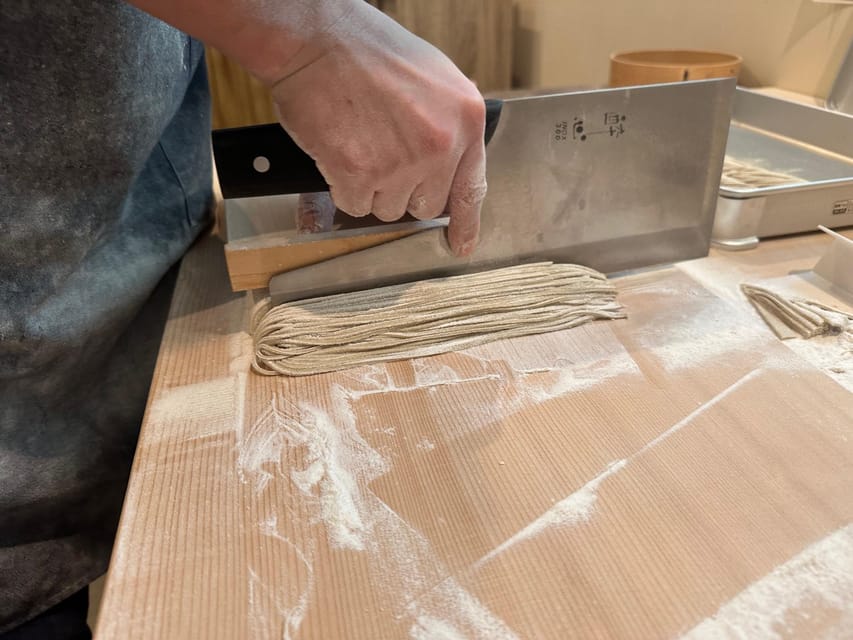
Mondo is on the Sapporo Subway Tozai Line near Miyanosawa Station. From Exit 6, the walk takes about three minutes.
The restaurant is also within walking distance of Shiroi Koibito Park. That makes the activity easy to combine with a visit there, though you should leave enough time to arrive before the booked start. The provider warns that a late arrival can inconvenience people scheduled for other start times. If you cannot arrive by the start time, it may be treated as an unapproved cancellation.
The location works especially well for a half-day plan on the west side of Sapporo. You can visit Shiroi Koibito Park, then walk to Mondo for the cooking and meal. It is less convenient if you are trying to fit the activity into a packed central Sapporo schedule, but the subway connection keeps the journey straightforward.
The meeting point is the restaurant itself. Lunch is served there, and the venue operates as a handmade soba restaurant during the day. Because of that, do not count on receiving a detailed answer to a same-day question. The restaurant may be busy serving its regular lunch customers.
Is $116 a fair price?
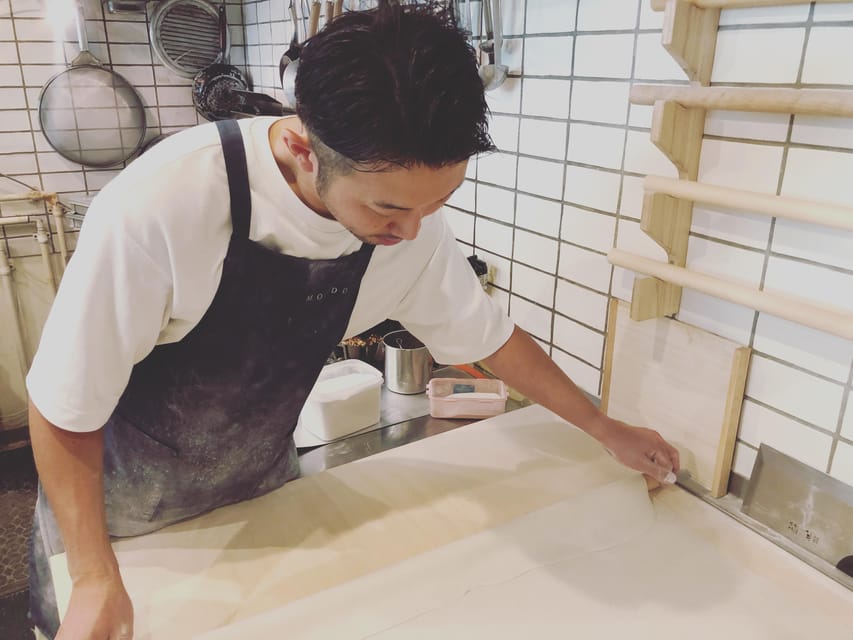
At $116 per person, this is not a cheap bowl of soba. It is priced as a private food activity with several parts included:
- Handmade soba instruction and the meal
- Tempura prepared by a Japanese food chef
- Two selected Hokkaido sakes
- Guidance in English or Japanese
- A private-group setting
The value depends on what you want from the outing. If your goal is simply to eat soba, you can find less expensive options. If you want a short cultural activity that combines cooking, regional ingredients, alcohol, and a prepared meal, the price is easier to justify.
I see the strongest value in the combination. A standard cooking class might teach noodles but leave you to arrange dinner afterward. A restaurant meal might give you tempura and sake but no connection to the preparation. Here, the class and meal are linked.
The 90-minute length also keeps the commitment manageable. You get a focused activity without spending half a day in a kitchen. The tradeoff is that the session is not a long culinary workshop. You will learn the basic stages of soba making, not every detail of professional noodle production.
For a private group splitting the cost, $116 can make sense as a special Sapporo meal. For a solo diner comparing prices, the premium is harder to defend unless the hands-on element and sake tasting are important to you.
Who will enjoy this most
I would recommend this experience to adults who enjoy food with a story and prefer doing something rather than only taking photographs. It is a good fit for first-time soba makers because the soba instructor provides careful support.
It also suits visitors interested in Hokkaido produce and local drinks. The buckwheat noodles connect the meal to a Japanese food tradition, while the two sake selections focus attention on Hokkaido.
Couples may especially like the private format and the husband and wife soba team described in the available experience details. Small groups can also enjoy the social side, with Chef Taku and the staff helping keep the class conversational.
I would be more cautious about booking if you do not drink alcohol, dislike cooking fumes, or want a highly technical class. The sake is not an incidental extra, and the ventilation issue should not be ignored if you are sensitive to smoke.
Booking details worth keeping in mind
You can cancel up to 24 hours before the activity for a full refund. The reserve-now-and-pay-later option lets you hold a place without paying immediately, which is useful while arranging a Sapporo schedule.
The activity is listed as a private tour, with English and Japanese instruction. It is limited to people age 20 and over because sake is included.
Give yourself enough time to reach Mondo before the start. The three-minute walk from Miyanosawa Station is short, but the provider is strict about late arrivals. Also, if you need to ask a question on the day, contact the provider as early as possible because the restaurant may be busy during lunch service.
Should you book this soba and sake experience?
Book it if you want a compact, hands-on food activity near Shiroi Koibito Park, and if handmade noodles, tempura, and Hokkaido sake sound better than another ordinary restaurant meal.
The strongest reasons to go are the private group, the clear three-stage soba lesson, Chef Taku and the soba team, and the two sake selections served with the meal. The main drawbacks are the $116 price, the adult-only alcohol format, and the possible frying fumes.
For a first taste of Japanese noodle making, this is a friendly and focused choice. Arrive on time, keep your schedule flexible around the 90-minute session, and book it for the experience as much as for the food.
FAQ
Where does the soba-making experience take place?
It takes place at 手打ち蕎麦もんど, also called Mondo, a restaurant specializing in handmade soba noodles in Sapporo.
How long does the activity last?
The experience is advertised as 90 minutes. The itinerary also describes the Sapporo cooking and food portion as 75 minutes, so allow 90 minutes in your schedule.
How do I get to Mondo?
Mondo is about a three-minute walk from Exit 6 of Miyanosawa Station on the Sapporo Subway Tozai Line. It is also within walking distance of Shiroi Koibito Park.
What will I do during the cooking class?
You will knead buckwheat dough by hand, roll it with a wooden roller, cut the noodles, and taste the soba you made.
What food and drinks are included?
The experience includes handmade soba, tempura prepared by a Japanese food chef, and two limited-edition Hokkaido sakes selected by a licensed sake taster.
Is the activity available in English?
Yes. Instruction is offered in English and Japanese.
Can people under 20 join?
No. People under 20 are not suitable for this activity because sake is included.
More Soba & Cooking Classes in Sapporo


More tours in Sapporo we've reviewed

Soba & Cooking Classes, compared.
 ★ 5.0Popular in SapporoExperience authentic hand-made soba at a real soba shop!From $72
 ★ 5.0Mondo’s most popular plan! Experience making soba noodles and the king of Japanese cuisine, tempura, in Sapporo!From $85
 ★ 5.02 hours sushi classFrom $20
 ★ 5.0Private Japanese Cooking Class in Sapporo with Local Chef ShioriFrom $108
 ★ 5.0in Sapporo! Hand-made soba experience and shabu-shabu experience plan of Yezo deer meat (Gibier meat) from HokkaidoFrom $85
 ★ 5.0Private Market Tour and Cooking Class with Kanae, a Sapporo LocalFrom $82
 ★ 5.0Private Japanese Cooking Class in Sapporo with Local Host KanaeFrom $72
 ★ 4.8Authentic Handmade Soba Experience!From $701 hour
The lists this tour appears in