
Reviewed · SOBA & COOKING CLASSES
Gluten-free only.Soba making experience plan!
Making soba with 100% buckwheat flour is not the easy version of a noodle class. Without wheat flour to bind the dough, it dries quickly, cracks easily, and demands fast hands. In Sapporo, this private 75-minute session lets you try the difficult gluten-free method inside a working soba restaurant, with guidance from chef Taku and other experienced noodle makers.
In This Article
- Key points to know before booking
- Why 100% buckwheat soba is such a serious challenge
- Arriving at the Sapporo soba restaurant
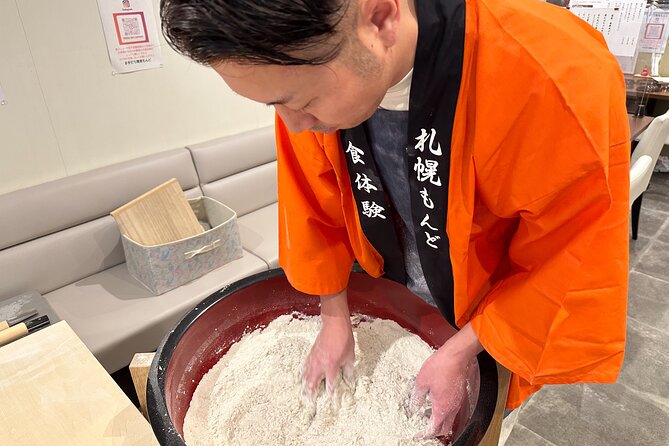
- Mixing the Hokkaido buckwheat flour
- Kneading and stretching the fragile dough
- Cutting the noodles before they dry
- Eating soba with dashi sauce and sobayu
- The value of a $84.70 private class
- Who will enjoy this class most
- Practical booking details for Sapporo
- Should you book this 100% buckwheat experience?
- FAQ
- Is the soba made with 100% buckwheat flour?
- Is the soba naturally gluten-free?
- Where does the class take place?
- How long does the activity last?
- Is this a private activity?
- What steps do you complete during the class?
- Is food included in the price?
- Can someone come along without participating?
- Can I cancel for a full refund?
I like two things right away: you use Hokkaido buckwheat, prized in Japan for its quality, and you do not stop at the cutting board. You also learn how to eat soba with a proper dashi-based dipping sauce and how to finish with sobayu, the warm noodle water. The main consideration is simple: the dough can break, so this is a hands-on challenge, not a polished demonstration where everything works on the first try.
Key points to know before booking
- 100% buckwheat dough: No wheat flour or other binding flour is used in the soba itself.
- A real restaurant setting: You make and eat noodles in a working soba restaurant rather than a purpose-built tourist facility.
- Taku leads the class: He explains why each stage matters and guides you through the delicate dough.
- Hokkaido ingredients: The class uses Hokkaido buckwheat flour, known in Japan as a high-quality regional product.
- Private participation: Only your own group joins the activity, with group discounts available.
- The meal is part of the lesson: You taste the finished soba, learn dipping-sauce technique, and try sobayu.
Why 100% buckwheat soba is such a serious challenge
Many soba noodles contain wheat flour. The usual house style here is 80% buckwheat and 20% flour, often called a type of ni-hachi soba. That small amount of wheat gives the dough strength and makes it easier to roll and cut.
This special plan removes that support. You work only with buckwheat flour and water. The result is naturally gluten-free soba, but it is also much less forgiving. Buckwheat has no gluten to stretch and hold the dough together, so the mixture may crack as you knead it, and the sheet can dry while you are still working.
That difficulty is not just a gimmick. It shows you why soba making has traditionally belonged to skilled craftsmen. You can see the importance of timing, moisture, temperature, and humidity in a way that a standard cooking class may hide. If the dough seems fussy, that is part of the lesson.
You should also understand the limits of the gluten-free claim. The soba plan itself uses no wheat flour or binder. Before the class, the restaurant cleans and prepares the boiling kettles, colanders, and related equipment for the gluten-free plan. If you add tempura, the restaurant uses rice oil and rice flour for that option. Anyone with celiac disease or a serious medical allergy should still discuss their needs with the provider before booking, since the supplied information does not promise a fully separate kitchen.
A few more Sapporo tours and experiences worth a look


Arriving at the Sapporo soba restaurant
The meeting point is 9-chōme-17-28 Hassamu 6 Jō, in Sapporo’s Nishi Ward, Hokkaido. The activity is near public transportation, and the class ends back at the same place, so you do not need to arrange a second pickup or find your way to another restaurant for the meal.
The setting matters. This is a real handmade soba restaurant supported by chefs with more than 10 years of soba-making experience. The staff also work with several flour ratios, including 80% buckwheat, 90% buckwheat, and 100% buckwheat. That background gives the instructor a useful point of comparison when explaining why this dough behaves differently.
You are not entering a staged craft workshop where the food is only for show. The same restaurant makes and serves soba as part of its regular work. That makes the class more useful for anyone who wants to understand the food rather than simply take home a souvenir.
The activity lasts about 1 hour and 15 minutes. That is enough time for the main stages and a proper tasting, but not so long that the class becomes tiring. Since it is private, the pace can focus on your group, though the fragile dough still means you should be ready to follow instructions quickly.
Mixing the Hokkaido buckwheat flour
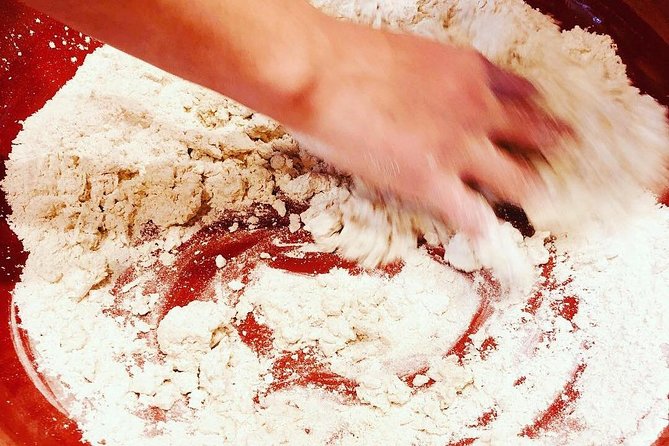
The first working stage is mixing the buckwheat flour with water. This sounds basic, but the balance matters. You are not adding wheat flour to rescue a dry mixture or make the dough more elastic.
The class uses Hokkaido buckwheat flour. Hokkaido is Japan’s top buckwheat-growing area, and its flour is closely linked with the region’s soba identity. The clean water and fertile farmland help explain why Hokkaido soba has become a recognized regional brand.
This is also where you begin to see the difference between cooking at home and working in a soba shop. The process is affected by temperature, humidity, and the condition of the flour itself. A mixture that feels workable one day may behave differently under other conditions.
Taku’s teaching style, based on the available feedback from the class, is hands-on and explanatory. He does not simply tell you to stir. He explains why each process is necessary, which helps you understand the craft even if the dough does not behave perfectly.
Kneading and stretching the fragile dough
Once mixed, the dough must be kneaded and then stretched. With ordinary soba dough, wheat flour provides some structure. Here, you have to handle the buckwheat with care while also moving quickly enough to prevent drying.
That combination makes this the most demanding portion of the class. Too much rough handling can cause cracks. Too much delay can dry the surface. You may need to accept that a few breaks are part of the process rather than a sign that you have failed.
I like this part because it gives the experience some honesty. The class does not pretend that traditional food crafts are effortless. You learn through your hands why trained soba makers need practice, and why even Japanese home cooks can take pride in producing their own noodles.
The instructions are designed to keep beginners involved. You are guided through the stages rather than left alone with a bowl of flour. Still, you should come prepared to concentrate. This is not a relaxed, drop-in activity where you can wander away and return later.
Cutting the noodles before they dry
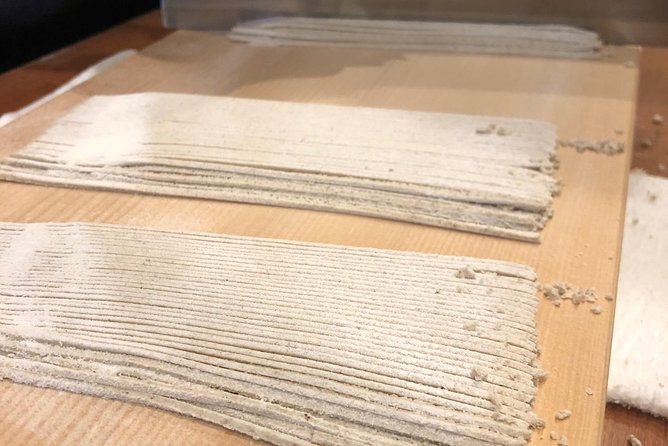
After the dough is stretched, you cut the sheet into noodles. Speed becomes especially important at this point. Gluten-free soba can crack and dry while you work, so the cutting stage needs a steady rhythm.
The finished noodles may not look perfectly uniform. That is normal for a hand-making session, and it gives you a better feel for the skill behind the neat strands served in a restaurant. You are making food to eat soon, not producing factory-perfect noodles.
The class flow is practical: mix, knead, stretch, cut, boil, and eat. Because you follow the full chain, the final bowl has more meaning than a tasting served without explanation. You have seen the flour change form, and you understand why the cooking must follow quickly.
The restaurant handles the boiling with its usual equipment after cleaning it for this plan. Colanders and boiling kettles are part of the ordinary soba setup, not decorative props. That is another reason the restaurant setting adds value.


Eating soba with dashi sauce and sobayu
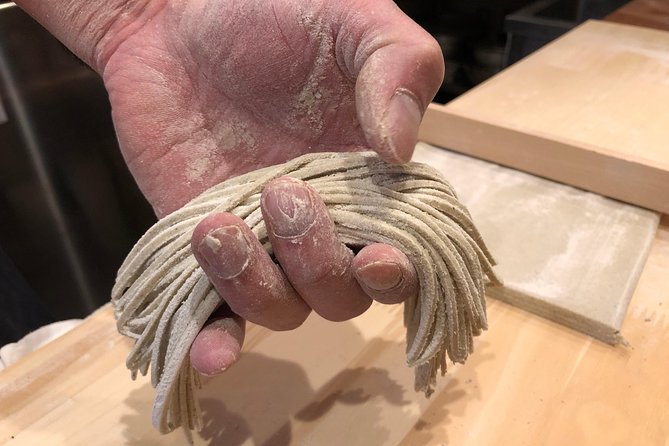
The meal is not an afterthought. Once the noodles are ready, you sit down to eat them and learn how soba is normally enjoyed.
The restaurant serves a special dipping sauce made with soup stock. You learn how much sauce to add and how to use it with the noodles. This matters because cold dipping soba is not usually eaten by soaking the entire strand in a large bowl of sauce. The sauce is concentrated, so a lighter touch lets you taste both the broth and the buckwheat.
The class also covers sobayu, the warm water left after boiling soba. In Japanese soba culture, it is commonly served at the end so you can loosen the remaining dipping sauce and drink it. It is a small custom, but it connects the making, cooking, and eating of the noodles.
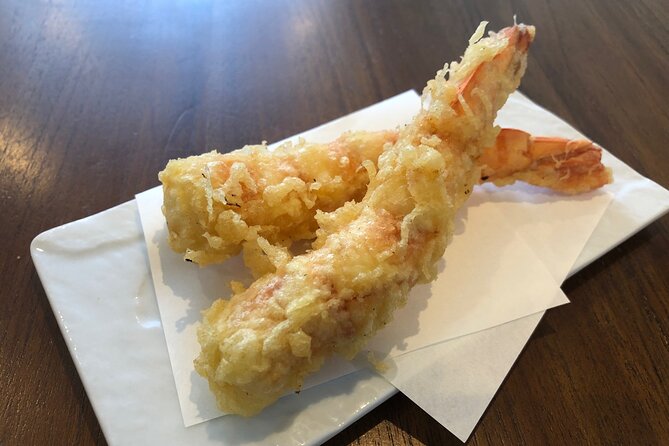
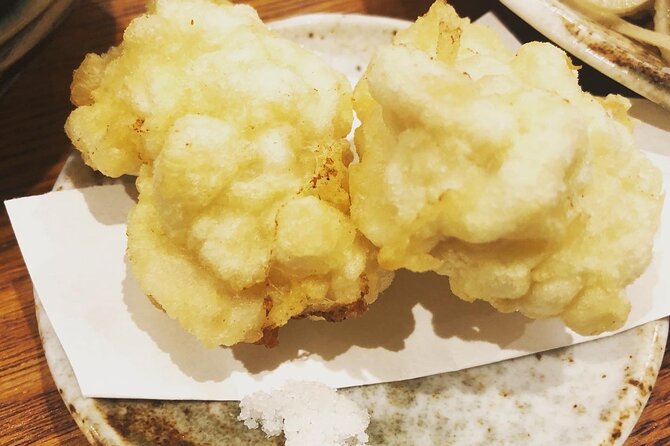
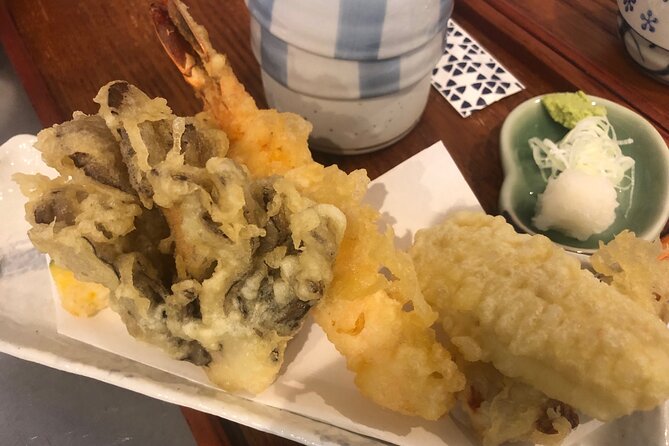
Some meal combinations can include tempura or other food as an option. For the tempura add-on, the restaurant uses rice oil and rice flour. The provided information does not give a fixed option price or guarantee that every booking includes tempura, so confirm the add-on when you reserve.
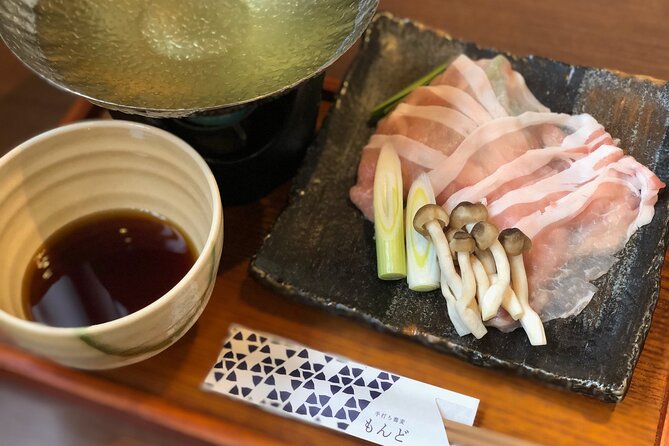
A family can make good use of this part of the class. One parent described it as a fun and educational family activity, with soba, tempura, and shabu shabu making a satisfying meal afterward. The standard inclusions are all fees and taxes, but the exact meal extras should be checked before booking.
The value of a $84.70 private class
At $84.70 per person, this costs more than simply ordering a bowl of soba. You are paying for instruction, ingredients, equipment preparation, the private format, and the chance to eat noodles made by your own group.
The value depends on what you want from Sapporo. If you only want an inexpensive meal, this is not the efficient choice. If you want a short cultural activity that combines cooking and dining, the price is easier to justify.
The private format is important. Only your group participates, so you do not share the class with strangers or wait for a large group to complete each step. Group discounts may improve the price for families or friends booking together, although the exact discount is not provided.
This is also a relatively compact activity. At about 75 minutes, it can fit into a Sapporo day without taking over your schedule. The location is in Hassamu, away from the central tourist core, so you should allow enough time to reach the meeting point by public transportation. The activity starts and finishes at the same address.
Bookings are usually made well ahead of time, with an average lead time of about 37 days. That is a useful warning for popular travel periods. If this is important to your plans, reserve before your Sapporo schedule fills up.
Who will enjoy this class most
I would choose this for someone who wants to understand food through its preparation. You will get more from it if you enjoy working with your hands, asking why a technique matters, and accepting a few imperfect noodles along the way.
It also suits families. The process has several clear tasks, and the meal gives the group a shared reward at the end. The class is guided, so you do not need prior soba-making experience.
Couples can also make good use of the private setting. The work requires cooperation and attention, and the final meal gives you time to compare your results. The activity is especially appealing if one person in your group needs a gluten-free meal, though you should discuss medical dietary needs directly with the provider.
You may want to skip it if you dislike time-sensitive cooking or prefer a passive food tour. The 100% buckwheat dough is harder to manage than ordinary soba dough, and the class asks you to help rather than simply watch.
Non-participants cannot attend for free. Anyone who visits without making soba is charged the same amount as a participant, listed as ¥15,000 per person. That rule makes sense for a private restaurant activity with reserved instruction and food, but it means every person in your group should plan to take part.
Practical booking details for Sapporo
Your booking confirmation is issued at the time of reservation, and mobile tickets are supported. The activity is private, and group discounts are available.
Free cancellation is allowed up to 24 hours before the local start time for a full refund. Within 24 hours, cancellations and changes are not accepted for a refund. Keep the local cut-off time in mind if you are booking from another time zone.
The activity provider is もんど. The class ends at the original meeting point, and public transportation is nearby. No separate return transfer is included or needed.
Because the exact information about the class does not provide a detailed station name, route, or meeting instructions beyond the address, check the final confirmation carefully before setting out. You will want to arrive with enough time to find 9-chōme-17-28 Hassamu 6 Jō without rushing into the dough-making stage.
Should you book this 100% buckwheat experience?
Book it if you want a private, practical introduction to Japanese soba culture and you are willing to try the difficult version. The combination of Hokkaido buckwheat, experienced soba chefs, a real restaurant setting, and instruction on eating soba makes this more than a standard cooking lesson.
The strongest reasons to choose it are the careful guidance from Taku, the chance to make noodles with no wheat flour, and the complete food experience from mixing to sobayu. The main caution is that gluten-free soba is fragile and fast-moving. You should also confirm any serious allergy concerns and optional meal details before paying.
For a family, couple, or small group with roughly 75 minutes to spare in Sapporo, I think the class offers good value. It gives you a story to carry into your next bowl of soba, along with a clearer respect for the craft behind those deceptively simple noodles.
FAQ
Is the soba made with 100% buckwheat flour?
Yes. This plan uses buckwheat flour and water without the usual wheat flour or other binding flour.
Is the soba naturally gluten-free?
The soba itself is made without wheat flour and is described as naturally gluten-free. If you have celiac disease or a serious allergy, confirm the restaurant’s preparation procedures directly before booking.
Where does the class take place?
It takes place at 9-chōme-17-28 Hassamu 6 Jō, Nishi Ward, Sapporo, Hokkaido 063-0826, Japan.
How long does the activity last?
The experience lasts approximately 1 hour and 15 minutes.
Is this a private activity?
Yes. Only your own group participates in the activity.
What steps do you complete during the class?
You mix the buckwheat flour, knead the dough, stretch it, cut the noodles, eat the soba, and learn about sobayu.
Is food included in the price?
All fees and taxes are included. You eat the soba you make, and optional items such as tempura may be available. Confirm any optional meal additions when booking.
Can someone come along without participating?
Non-participants are charged the same amount as participants, listed as ¥15,000 per person.
Can I cancel for a full refund?
Yes, if you cancel at least 24 hours before the local start time. Cancellations or changes made less than 24 hours before the start are not refunded or accepted.
More Soba & Cooking Classes in Sapporo


More tours in Sapporo we've reviewed



Soba & Cooking Classes, compared.
 ★ 5.0Popular in SapporoExperience authentic hand-made soba at a real soba shop!From $72
 ★ 5.0Mondo’s most popular plan! Experience making soba noodles and the king of Japanese cuisine, tempura, in Sapporo!From $85
 ★ 5.02 hours sushi classFrom $20
 ★ 5.0Private Japanese Cooking Class in Sapporo with Local Chef ShioriFrom $108
 ★ 5.0Private Market Tour and Cooking Class with Kanae, a Sapporo LocalFrom $82
 ★ 5.0in Sapporo! Hand-made soba experience and shabu-shabu experience plan of Yezo deer meat (Gibier meat) from HokkaidoFrom $85
 ★ 5.0Private Japanese Cooking Class in Sapporo with Local Host KanaeFrom $72
 ★ 4.8Authentic Handmade Soba Experience!From $701 hour
The lists this tour appears in