
Reviewed · LAKE SHIKOTSU & JOZANKEI TOURS
Full Day Indigenous Ainu of Hokkaido and Jozankei
Sapporo Pirka Kotan gives this day trip its real purpose: you get a close look at Ainu culture through handcrafts, houses, canoes, and museum displays rather than a quick photo stop. I like the chance to touch many of the genuine crafts, and I like the way guide Scott adds context and translation when the exhibits need more explanation.
In This Article
- Key points at a glance
- Why this day trip works
- Meeting the Ainu at Sapporo Pirka Kotan
- What makes the Ainu stop worthwhile
- From the cultural center to Jozankei
- Two hours at Hotel Shika no Yu
- Scott’s role and the small-group feel
- Is $167.36 a fair price?
- Who should book this experience?
- Practical details before you book
- Should you book it?
- FAQ
- Where does the tour begin?
- What time should I meet the guide?
- Where does the tour end?
- Is transportation included?
- Is lunch included?
- How long is the hot spring bath?
- Can I cancel for a full refund?
The second half is a complete change of pace. Jozankei brings forest, the Toyohira River, foot-bath possibilities, and a two-hour soak at Hotel Shika no Yu. The drawback is the packed eight-hour schedule: lunch is not included, and the day requires an exact 9 a.m. start at Sapporo Station.
Key points at a glance
- Hands-on Ainu culture: Sapporo Pirka Kotan includes many authentic handcrafts that you are encouraged to hold and examine.
- Traditional outdoor village: See handcrafted Ainu houses and canoes outside the main cultural center.
- A guide who adds real help: Scott handles English explanations, translation, and practical support throughout the day.
- A full Jozankei reset: You get time in the hot spring village followed by a two-hour day bath at Hotel Shika no Yu.
- Small-group format: The maximum group size is 15, with transportation from Sapporo Station included.
- Plan for lunch: Your admission and transport are covered, but lunch is your responsibility.
Why this day trip works
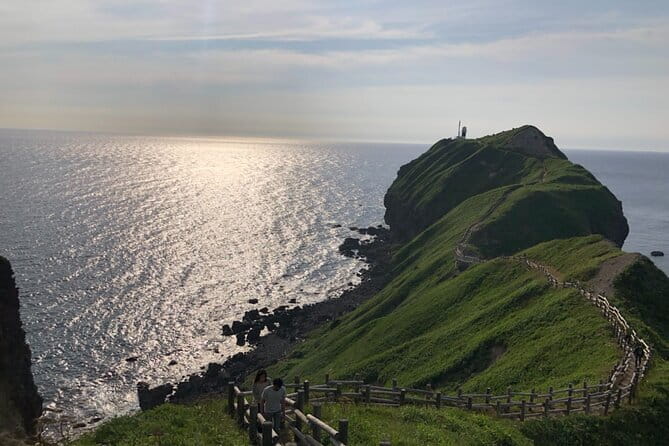
Many day tours from Sapporo chase scenery and leave you with a blur of bus windows. This one has a clearer rhythm. The morning is about the Ainu, the Indigenous people of northern Japan, and the afternoon shifts to the thermal waters of Jozankei.
I like that the two subjects belong to Hokkaido but feel completely different. At Pirka Kotan, you spend time looking closely, listening, and asking questions. At Jozankei, you can slow down and let a hot bath do the work.
The experience lasts about eight hours and begins at 9 a.m. at Myomu, the circular stone structure inside Sapporo Station near the South Exit doors. This is not a casual meeting point. You need to be there exactly on time, with enough margin to find the station interior location.
Transportation from the station to all listed stops is included, as are admission tickets. That matters in Hokkaido, where reaching sites outside central Sapporo can take planning and several separate fares. The group can reach 15 people, so you should not expect a private tour, though that limit is still more manageable than a large coach outing.
A few more Sapporo tours and experiences worth a look


Meeting the Ainu at Sapporo Pirka Kotan
The first major stop is Sapporo Pirka Kotan, officially called the AINU Cultural Center. It sits in a wooded setting about an hour or so outside central Sapporo, giving the morning a sense of leaving the city behind.
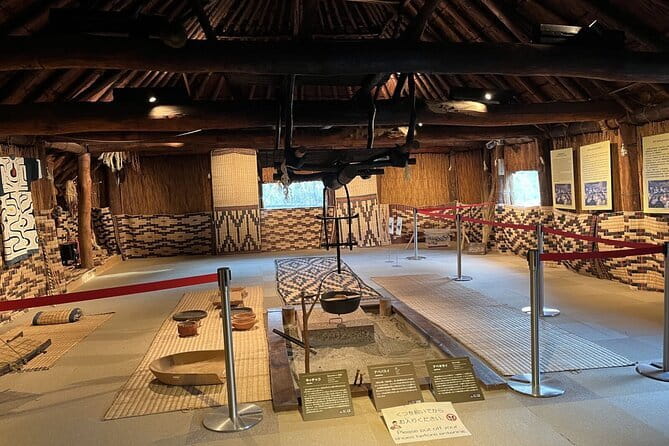
The center is arranged as both a museum and a cultural site. Inside, you can see a large collection of Ainu objects and handcrafts. The most useful feature is the direct approach to the displays. You are encouraged to hold and touch many of the authentic crafts, which helps you notice the materials, patterns, and construction in a way a glass case cannot provide.
This is especially useful if you know little about the Ainu before arriving. Instead of trying to absorb a long lecture, you can connect ideas to actual objects. Scott can fill in the gaps in English and translate when needed. His role matters here because the experience depends on understanding what you are looking at, not simply walking through a room of unfamiliar items.
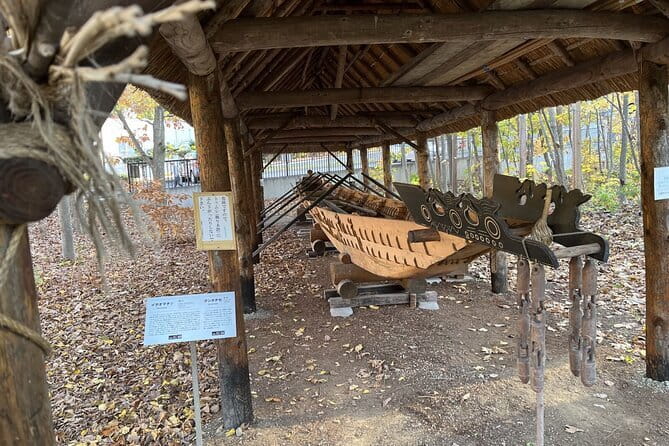
The center also gives you time to see the outdoor village. Traditional Ainu houses and canoes create a physical sense of how the culture used space and materials. You can compare the outdoor structures with the indoor displays, making the visit more than a standard museum stop.
I would allow yourself to slow down here. The Ainu section is the intellectual heart of the day, and rushing through it to reach Jozankei would miss the point. The planned stop lasts about three hours, including the admission covered by the tour.
What makes the Ainu stop worthwhile
The value of Pirka Kotan is its focus. You are not being asked to cover every major sight in Sapporo. Instead, you get one substantial visit centered on an Indigenous culture that is often overlooked by visitors who come to Hokkaido mainly for food, skiing, or scenery.
The handcrafts are important because they turn the visit from a passive museum walk into something more direct. You might find that small details become easier to understand when you can handle an object and see how it is made. The outdoor houses and canoes add scale, too. They help you picture the built environment rather than treating Ainu culture as a collection of isolated artifacts.
The setting is another plus. The center is surrounded by natural greenery, so it feels separate from the urban center. That makes the bus ride worthwhile and gives the first half of the day a calmer pace.
Still, this stop will suit some people more than others. If you want a fast list of Sapporo highlights, three hours focused on cultural objects may feel long. If Indigenous history, craft, and living traditions interest you, the time is better spent here than on another quick lookout.
From the cultural center to Jozankei
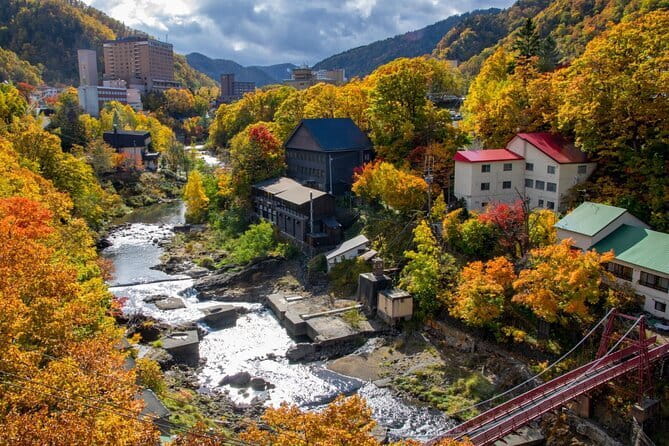
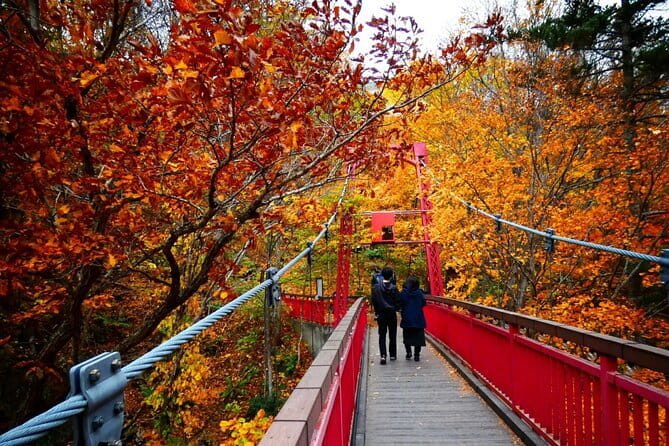
After Pirka Kotan, the tour continues by bus to Jozankei, a small hot spring village within Shikotsu-Toya National Park. The change is welcome. You move from exhibits and explanation to the Toyohira River, bridges, wooded surroundings, and the old onsen atmosphere.
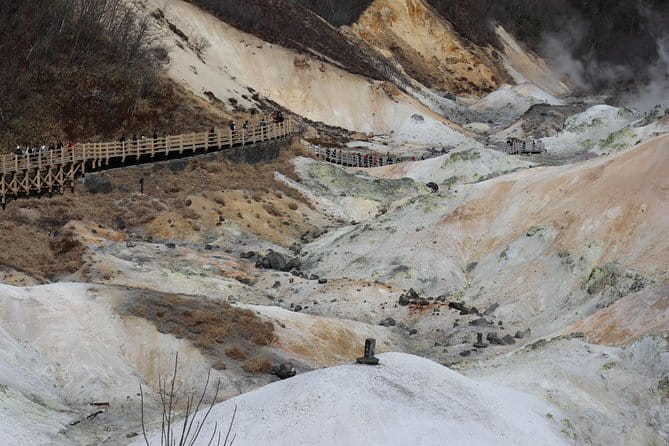
Jozankei has 56 hot spring sources. Many are concentrated around Tsukimibashi and Takayamabashi, with the Toyohira River running through the village. The source waters average between 60 and 80 degrees Celsius, although that does not mean you will bathe in water at those temperatures. The bath facility regulates the water for safe bathing.
The village portion lasts about two hours before the scheduled bath. That gives you time to look around rather than simply arrive at a hotel, change clothes, and leave. The supplied details also point to a foot bath as one possible way to relax in Jozankei, and one account of the day specifically praised that pause after the cultural center.
I like this middle section because it prevents the onsen from feeling like a single enclosed activity. You get a little fresh air and a chance to see why Jozankei became a hot spring destination in the first place. If the weather is snowy, the town can feel especially striking, but the basic appeal is present in any season because of the river and forest setting.
Your time here is not described as a long guided hike or an extensive village tour. Think of it as a gentle stop between the two main attractions. Comfortable shoes will make the walking easier, but the day is designed for most people who can participate in a normal sightseeing outing.
Two hours at Hotel Shika no Yu
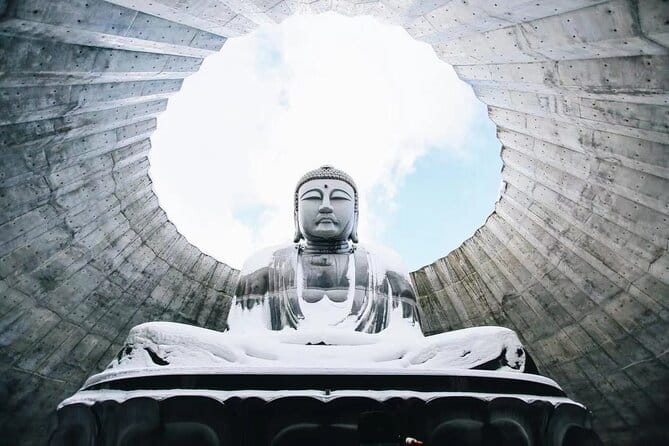
The final major activity is a two-hour day bath at Hotel Shika no Yu, one of Jozankei’s reputable hot spring hotels. Your guide escorts you there, which removes the guesswork of finding the correct entrance and helps the group move through the schedule.
A two-hour bath is generous by day-trip standards. You do not have to rush through a brief soak before rejoining a bus. You can take your time, rest, and let the afternoon become quieter than the morning.
Remember that this is a Japanese onsen experience. You should expect the usual bathing customs, including washing before entering the shared bath and following the facility’s instructions. The provided information does not specify details such as towel rental, bathing suit rules, lockers, or private bathing options, so check those points before departure if they matter to you.
The bath is a strong ending because it gives the day a physical finish. After three hours of cultural sightseeing and time outside in Jozankei, the warm water offers a clear change of gear. One practical caution: if you are not comfortable with communal bathing, this part may be the least appealing element of the tour. The tour does not describe a private bath alternative.


Scott’s role and the small-group feel
Several parts of this experience depend on the guide more than on the transport. Scott is the named guide associated with the tour, and his work includes English explanations and translation. He is also described as friendly, considerate, and willing to help with requests outside the narrow schedule.
That kind of support is useful at Pirka Kotan, where language can affect how much you take from the displays. It also helps when the day makes small changes. Scott has added minor stops or adjustments when they improved the group’s experience, including time connected with the Jozankei area.
You should still view this as a shared outing, not a custom private itinerary. With up to 15 people, the guide must keep everyone moving. The smaller cap is a positive balance: you get a better chance to hear explanations and ask questions than you would in a full-size bus group, but you may not control every minute.
Is $167.36 a fair price?
At $167.36 per person, this is not the cheapest way to spend a day around Sapporo. The price makes more sense when you count what is bundled: transport from Sapporo Station, an English-speaking guide, admission to Pirka Kotan, access to the Jozankei activities, and the two-hour bath at Hotel Shika no Yu.
Buying each part independently could be cheaper if you are comfortable researching routes, arranging tickets, and finding the correct hot spring facility. But that approach takes time, and the Ainu center and Jozankei are not simply two central Sapporo attractions you can connect without thought.
I see the strongest value for a first visit to Hokkaido, especially if you want both cultural context and an onsen without building the day yourself. The price is less attractive if you already have transport arranged, dislike group schedules, or only want a brief soak.
Lunch is not included. Bring money and plan to eat around the schedule, but the supplied details do not specify a restaurant or a fixed meal stop. You should not assume that a full sit-down lunch is part of the experience.
Who should book this experience?
I would choose this day for you if you want a break from central Sapporo and have a genuine interest in Hokkaido’s Indigenous culture. It also suits anyone who likes a balanced day: museum and outdoor structures first, village scenery and bathing later.
It works well for couples, solo visitors, and small groups who prefer a guide to manage the transport. Families may also find the mix of objects, houses, canoes, and a hot spring appealing, though the bath customs and two-hour soak may not suit every child.
You should think twice if you want a flexible day with lots of independent wandering. The 9 a.m. meeting time is firm, the route is fixed, and the overall schedule leaves limited room for a long lunch or spontaneous detours.
The experience ends back at the original meeting point in Sapporo. Transportation before the start and after the return is not included, so factor in your own route to and from Myomu.
Practical details before you book
You receive confirmation when booking, and the activity uses a mobile ticket. The meeting point is Myomu, located at Sapporo Station, near the South Exit doors. Arrive early enough to find the circular stone structure inside the station, since a last-minute search through a large station can make an exact 9 a.m. meeting stressful.
The tour is near public transportation, and most people can participate. The supplied information does not give a detailed accessibility plan, so contact the provider if you need specific help with walking, steps, bathing facilities, or transport arrangements.
The provider is Snow Monkey Resorts Tours, operated by Machinovate Japan Ltd. Free cancellation is available if you cancel at least 24 hours before the local start time. Inside that window, the payment is not refunded and changes are not accepted.
Should you book it?
Book this tour if you want the rare combination of an Ainu cultural visit and a proper Jozankei onsen day, with Scott’s English guidance and transport handled for you. The three-hour Pirka Kotan visit is the reason to choose it, while the hot spring gives the day an easy, restorative finish.
Skip it if you want a low-cost independent outing, a full lunch plan, or private bathing. For everyone else, the pairing is smart: you learn something substantial in the morning, see a peaceful Hokkaido hot spring town, and finish with two hours in the water.
FAQ
Where does the tour begin?
It begins at Myomu, the circular stone structure inside Sapporo Station near the South Exit doors.
What time should I meet the guide?
The meeting time is exactly 9 a.m.
Where does the tour end?
The activity ends back at the same meeting point at Sapporo Station.
Is transportation included?
Yes. Transportation from Sapporo Station to the listed destinations and activities is included. Transport before the tour starts and after it ends is not included.
Is lunch included?
No. Lunch is not included in the tour price.
How long is the hot spring bath?
You receive a two-hour day-bath experience at Hotel Shika no Yu in Jozankei.
Can I cancel for a full refund?
Yes, if you cancel at least 24 hours before the experience start time. Cancellations or changes made within 24 hours are not accepted for a refund.
More Full-Day in Sapporo


More Ainu Culture Tours in Sapporo
More Lake Shikotsu & Jozankei Tours in Sapporo


More tours in Sapporo we've reviewed


Lake Shikotsu & Jozankei Tours, compared.
 ★ 4.5Mountain Bike Tour from Sapporo Including Hoheikyo Onsen and LunchFrom $71
 ★ 4.9Sapporo: The Indigenous Ainu People & Jozankei walking tourFrom $1709h 30m
 ★ 4.02026 Lake Shikotsu Ice Festival in HokkaidoFrom $58
 ★ 4.5[Sapporo] Go by private car! Takino Cemetery, Hokkaido Shrine, Shiroi Koibito ParkFrom $446
 ★ 5.0Private Day Trip of Lake Shikotsu and Moss CanyonFrom $247
 ★ 4.5Autumn Leaves in AutumnSkiing in winterLet’s go to Hoheikyo Onsen by private car (from Sapporo)From $415
 ★ 4.5Clearest Lake in Japan National Park package of Shikotsu lakeFrom $175
 ★ 5.0Explore Lake Shikotsu Ice Festival (night tour)From $59
The lists this tour appears in