
Reviewed · SAPPORO TOURS
Sopporo: Hokkaido Shrine and Atama Daibutsu Full-Day Tour
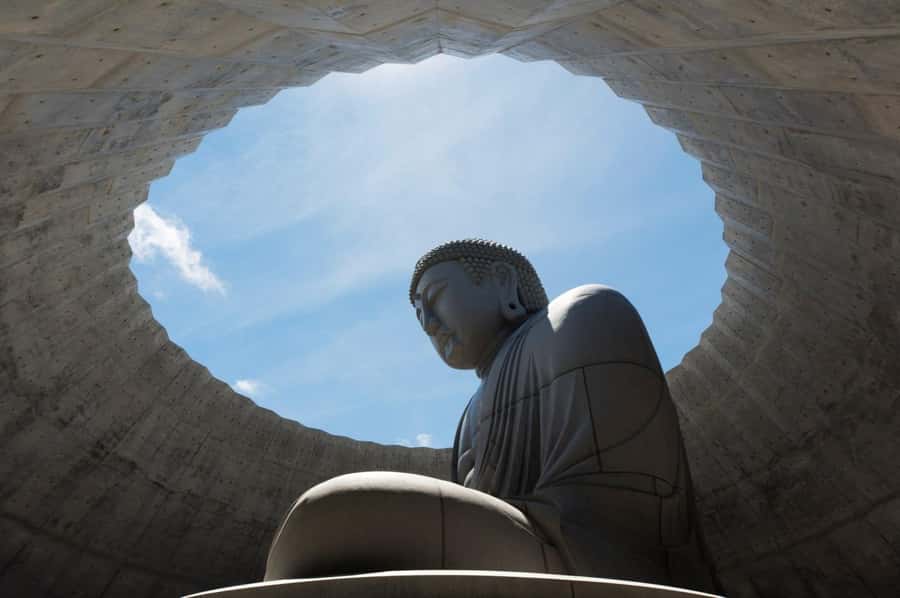
The Hill of the Buddha is the star of this Sapporo day out. Tadao Ando’s huge stone Buddha sits inside a lavender-ringed concrete hall, creating one of Hokkaido’s most unusual places of worship. I like the easy mix of city sights and countryside, and I like ending or pausing the day at Jozankei Onsen, where you can bathe or simply walk through the valley. The catch is the schedule: ten hours covers a lot of ground, so some stops feel brief.
In This Article
- Key points at a glance
- Why this $67 Sapporo tour can make sense
- Jozankei Onsen: a scenic first pause
- Atama Daibutsu and Tadao Ando’s quiet design
- The 70-minute seafood market stop
- Hokkaido Shrine and the island’s frontier story
- Shiroi Koibito Park and the sweet factory visit
- Sapporo Beer Museum: a compact final lesson
- What the bus day feels like
- How to get the most from the day
- Who should book this Sapporo day tour?
- FAQ
- How long does the tour last?
- Where can I join the tour?
- Where does the tour end?
- Is transportation included?
- Is admission to the Hill of the Buddha included?
- Is lunch included?
- Are Shiroi Koibito Park attractions included?
- Can I enter the hot spring at Jozankei?
- What languages are available?
The tour also does a good job for first-time visitors who want several major sights without piecing together buses and trains. Guides such as Mandy, Vivi, Tou, Andy, and You-kun have been praised for clear English, warmth, and useful local advice. Bring cash, check the bathing rules if you have tattoos, and expect an active day.
Key points at a glance
- Atama Daibutsu is the visual highlight: See Tadao Ando’s Buddha framed by hills and lavender.
- Jozankei gives you a choice: Bathe at the hot spring or explore the area independently.
- The seafood stop handles lunch: Set aside money for a seafood bowl, sushi, crab, scallops, or sea urchin.
- The route covers six very different places: You get religion, food, sweets, beer, nature, and local history in one day.
- The $67 price is strong for convenience: Bus transport, a guide, and Buddha admission are included.
- The pace is demanding: Shiroi Koibito Park and the market deserve careful use of your free time.
Why this $67 Sapporo tour can make sense
At $67 per person, this is less about luxury and more about saving effort. The route links places that are spread across Sapporo and its outskirts, including Jozankei, Makomanai Takino Cemetery, central Sapporo, and the beer museum area. You get bus transport, a live guide in English or Japanese, and admission to the Hill of the Buddha.
You still pay for lunch, personal purchases, and paid attractions inside Shiroi Koibito Park. You should also carry cash. That matters at food stalls, small shops, or for costs connected with the onsen.
I see the main value in the transport. You could plan a similar day with public transportation, but you would need to study connections, allow for delays, and keep track of several return times. Here, the guide handles the long transfers and explains the next stop on the bus. You trade some freedom for a much simpler day.
The tradeoff is a fixed timetable. The whole outing lasts about ten hours, and the order of stops can change with the season, traffic, and operating hours. This is a sightseeing circuit, not a slow day built around one neighborhood.
A few more Sapporo tours and experiences worth a look


Jozankei Onsen: a scenic first pause
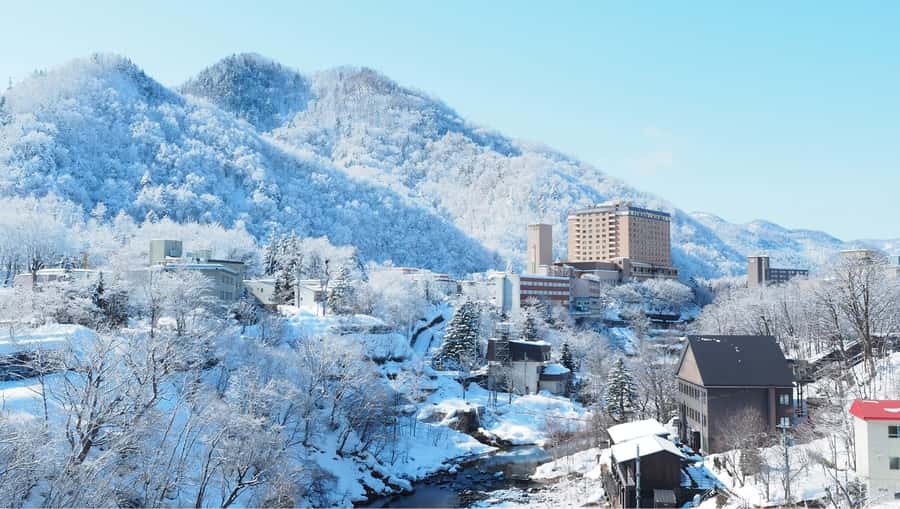
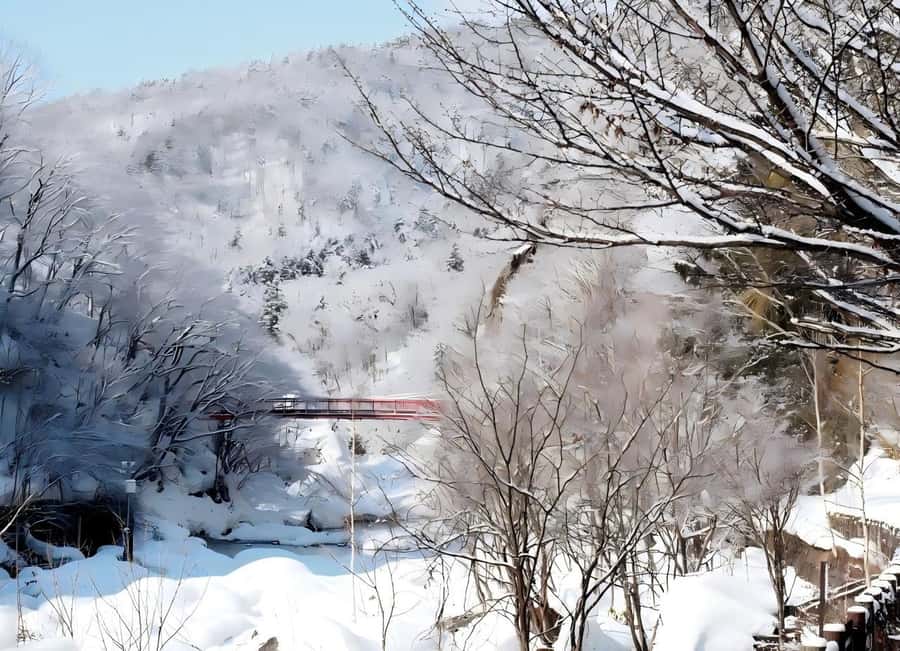
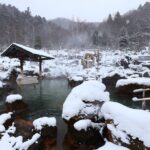
Jozankei sits in a wooded valley outside Sapporo and is known for its hot springs. The scenery changes with the seasons, so this part of the route gives you a welcome break from urban streets and indoor attractions.
You are dropped near the entrance. If you want to bathe, you can go directly to the hot spring facility. If soaking is not your plan, you can walk around the nearby area instead. You must return to the assigned meeting point on time, so do not wander too far.
The scheduled stop is about one hour. That is enough for a quick soak or a short walk, but not enough for a relaxed resort visit with a long bath, meal, and extended sightseeing. Think of it as a taste of Jozankei rather than a full onsen holiday.
There is one practical issue you should settle before booking. Onsen tattoo rules vary. One bathing facility allows small tattoos if they can be covered, but larger or multiple tattoos may prevent entry. A tattoo-friendly onsen is about a mile away, yet the timetable does not give you enough time to reach it by public bus, and taxis may not be nearby. If this affects you, contact the operator or confirm the specific bathing facility before departure.
Atama Daibutsu and Tadao Ando’s quiet design
The Hill of the Buddha, also called Atama Daibutsu, is the most distinctive stop on the route. The statue is part of Makomanai Takino Cemetery, where architect Tadao Ando designed a powerful setting around the Buddha rather than simply placing a statue in an open yard.
You approach the Buddha through a concrete passage. The statue’s head rises above the surrounding structure, with hills and lavender around it. That combination of modern geometry, open sky, and Buddhist calm makes the site feel very different from a traditional shrine.
The visit lasts about an hour and includes time for photos, walking, and independent viewing. Admission is included, which is helpful because this is the one listed attraction with a guaranteed entry cost covered in the tour price.
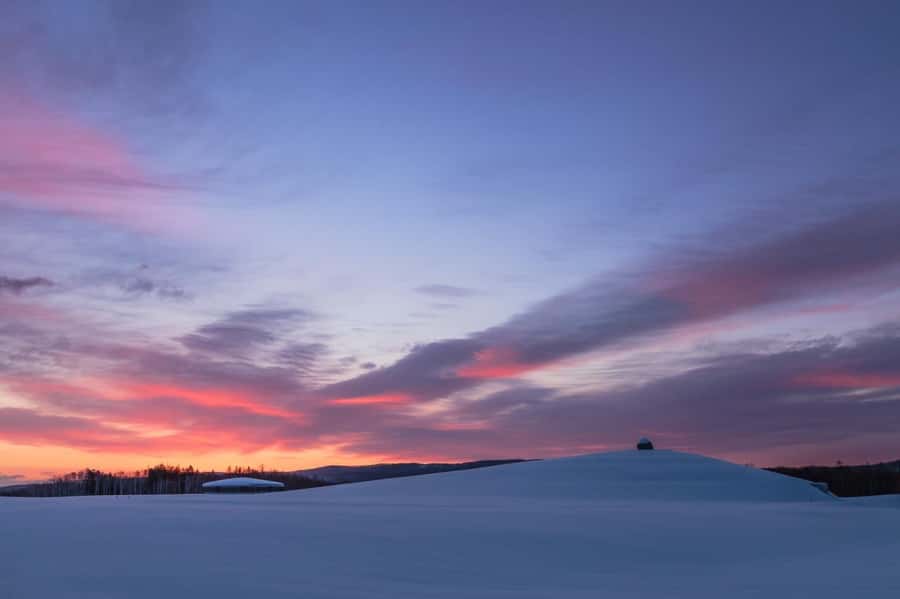
I would give this stop your full attention. The architecture rewards a slow look, especially if you are interested in design, religious spaces, or unusual Japanese sights. In summer, the lavender adds color. In winter, snow can give the site a stark, quiet appearance. Seasonal conditions can affect the order of the day and the exact feel of the visit.
The 70-minute seafood market stop
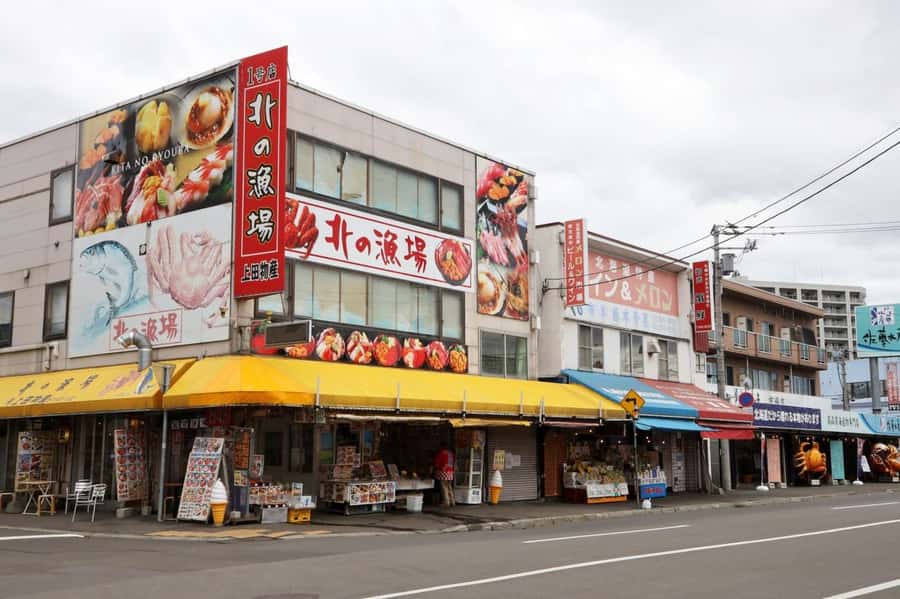
The Sapporo Wholesale Market Shopping Street is the practical food stop. Its stalls sell Hokkaido seafood such as crab, sea urchin, scallops, and other local specialties. You can use the break for lunch, shopping, or both.
For many people, this is the best place to spend extra money. A freshly prepared seafood bowl or sushi meal gives you a direct taste of Hokkaido’s coastal food culture, rather than a generic restaurant lunch. Prices and menus are not specified, so budget separately from the tour fee and keep cash available.
You have about 70 minutes. That is a useful amount of time for choosing a meal and looking around, but the stop can feel short if you want to compare stalls, shop for gifts, and eat slowly. I suggest deciding first if lunch matters more than shopping. A seafood bowl can take up much of the break, while browsing every stall may leave you rushing to eat.
This stop also gives the day a needed change of pace. After the long ride from Jozankei and the quiet Buddha site, the market adds sound, smells, color, and plenty of choices. It is less structured than the shrine or museum, so you can make it as food-focused as you like.
Hokkaido Shrine and the island’s frontier story
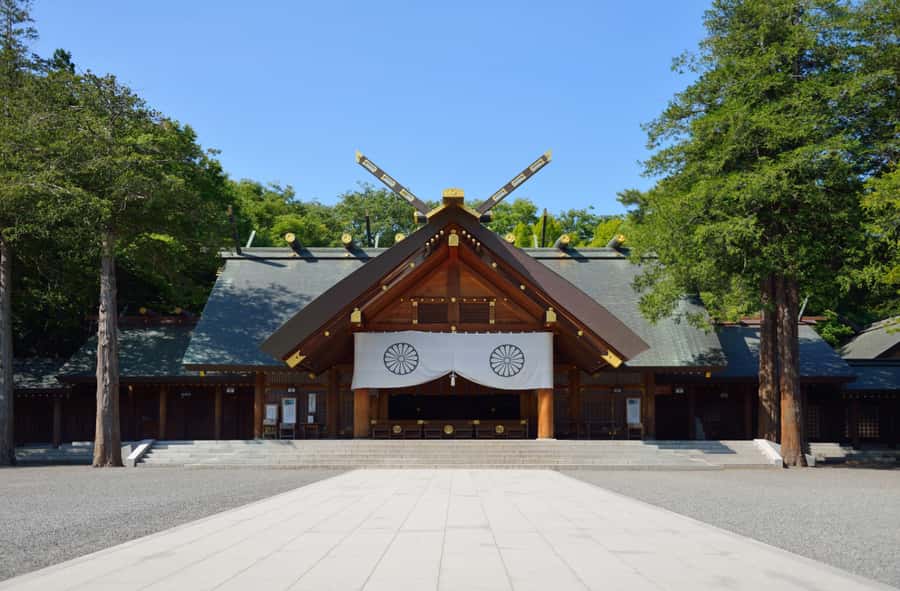
Hokkaido Shrine sits in Chuo Ward in a forested setting and is one of the island’s major religious landmarks. It was built during the early development of Hokkaido, a period when Japan was establishing stronger control and settlement in its northern territory.
The shrine faces northeast toward Sakhalin and the Kuril Islands. That detail gives the site a geographic and political character beyond the usual shrine visit. Inside the grounds, the Kaitaku Shrine honors pioneers who helped shape Hokkaido.
The stop lasts about 40 minutes. You will have time for photos and a walk through the grounds, but not a long, unhurried visit. One useful point for planning: the shrine may be less memorable to you than Atama Daibutsu or Shiroi Koibito Park. Some people may find 40 minutes more than enough, while others will appreciate the forest, quiet paths, and religious setting.
I like this stop mainly for context. It helps explain that Hokkaido’s identity was shaped by both older Japanese spiritual traditions and a more recent period of settlement. If you have already seen several major shrines elsewhere in Japan, it may not be your personal highlight.
A few more Sapporo tours and experiences worth a look


Shiroi Koibito Park and the sweet factory visit
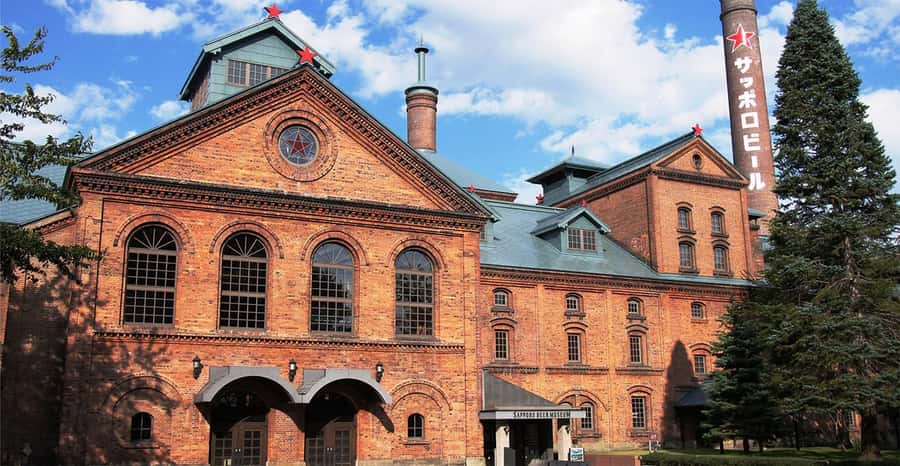
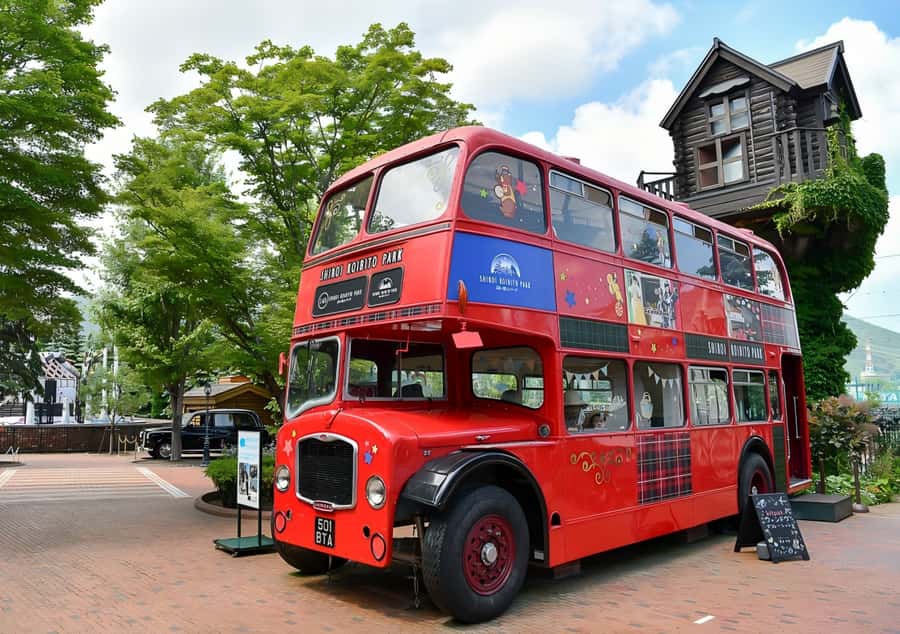
Shiroi Koibito Park is built around Hokkaido’s famous white chocolate cookies. The red-brick buildings, confectionery theme, and clock tower make it a lighthearted stop after the shrine.
You can see how the sweets are made, browse the park, and possibly create your own treats. Every hour, the clock tower presents a Chocolate Carnival, a short whimsical show designed to entertain children and adults.
The scheduled visit is about 50 minutes. That is enough to see the main exterior areas, take photos, and make a quick purchase. It may not be enough if you want to watch the production process carefully, try a hands-on activity, and spend time inside the paid attractions. Those activities are not included in the tour price.
This is the stop where time management matters most. If you want a serious factory visit, check the operating schedule and decide what you care about before arriving. Some attractions may require payment, and the full park experience can easily outgrow the assigned time.
I would have preferred a little more time here. The park has a playful character that differs from the shrine and Buddha, and the chocolate theme gives you a distinctly Hokkaido souvenir option. Families and anyone with a sweet tooth will likely want to use every minute.
Sapporo Beer Museum: a compact final lesson
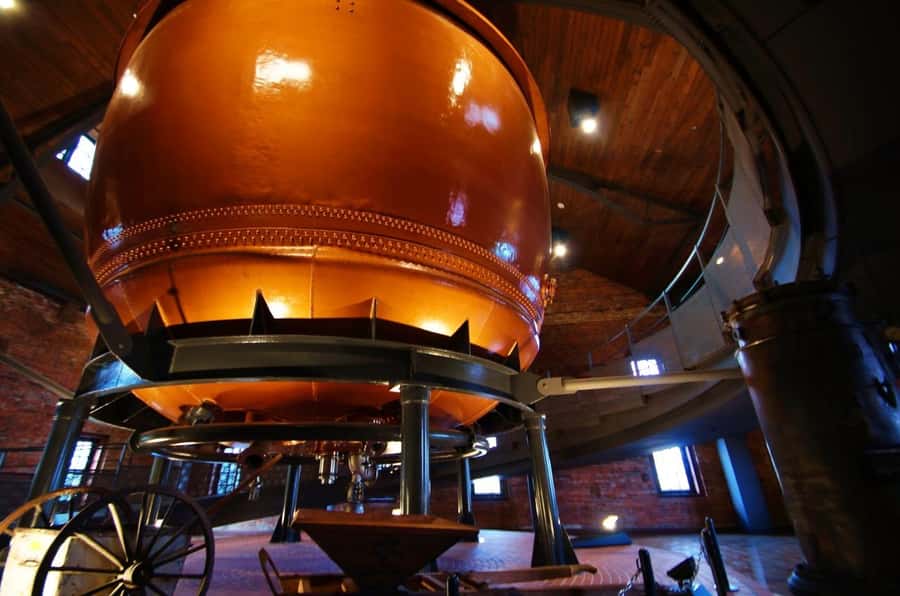
The Sapporo Beer Museum tells the story of Japan’s oldest beer brand through vintage advertisements, brewing equipment, and displays about more than a century of production. It is a useful stop for anyone interested in food, industry, or the way a local product became a national name.
The visit lasts about 40 minutes. You can see the exhibits and learn how the beer developed over time. Beer tasting is available for beer enthusiasts, but the cost is not included in the tour details, so bring money if you want to sample.
This is a compact museum visit rather than a long brewery tour. The old advertisements and equipment provide visual interest, while the tasting adds a social finish. If you do not drink alcohol, the museum still offers a short piece of Sapporo’s commercial history, though it may not rank as high as the Buddha or market.
The day can feel tiring by this point. That is partly because the attractions are spread out and partly because the itinerary keeps moving. Still, the museum works well as a final stop before returning to central Sapporo.
What the bus day feels like
The two pickup points are Sapporo TV Tower and Sapporo Tokyu REI Hotel. At the TV Tower, wait at the first-floor tourist information center. At the hotel, wait in the front lobby. Drop-off is available at the same two locations.
The bus is the backbone of the experience. Your guide gives explanations during the rides, then allows you to explore many stops on your own. That format suits you if you want orientation and transport but do not need a guide walking beside you at every shrine gate or museum display.
Guides have included Mandy, Vivi, Tou, Andy, and You-kun. The useful pattern is clear: the guide’s energy can make a long day easier, especially when the group needs reminders about meeting times. English ability has been praised, and Japanese is also available.
The route order can change. Seasonal conditions, traffic, and opening schedules may affect the sequence, so use the final schedule supplied after booking as your working plan. Do not build a separate reservation too close to the tour’s end.
Smoking is not allowed in the vehicle, and explosive substances and fire-making are prohibited. The activity is not suitable for pregnant women or people over 95 years old.
How to get the most from the day
Wear shoes you can walk in for an hour at a time. The stops include photo walks, shrine grounds, market browsing, and movement between bus and attractions. Winter conditions can make walking slower, while warmer months may encourage longer outdoor stops.
Bring cash even if you normally use cards. Lunch, beer tasting, paid features at Shiroi Koibito Park, souvenirs, and possible onsen costs are separate from the $67 fee.
Keep your meeting time visible. Jozankei in particular allows independent exploring, but the bus cannot wait for a late return. I would set a phone alarm before leaving the vehicle at every stop.
Think of the route as a sampler. You will not master Sapporo’s shrine culture, food scene, sweets industry, beer history, and hot spring tradition in one day. You will, however, get a broad sense of the city and its surroundings without spending your own holiday time on transport research.
Who should book this Sapporo day tour?
I would choose this tour if you have one free day in Sapporo and want to see many headline sights in a single outing. It is especially useful for first-time visitors, families who value simple transport, and people who prefer a guide to explain the places between stops.
It also suits food-focused visitors. The seafood market gives you a proper lunch opportunity, while Shiroi Koibito Park and the beer museum add two famous local products.
I would think twice if you want long visits, quiet pacing, or detailed time at every attraction. The schedule is full, and Shiroi Koibito Park may leave you wishing for another 30 minutes. If you already know Jozankei or plan to spend a full day at an onsen, that portion may feel limited.
For $67, the combination of transport, guiding, and Buddha admission is fair. Book it if convenience matters more than controlling every minute. Skip it if your ideal day is one neighborhood, one excellent meal, and plenty of time to linger.
FAQ
How long does the tour last?
The tour lasts 10 hours. Starting times depend on availability, so check the available options before booking.
Where can I join the tour?
Pickup is available at Sapporo TV Tower and Sapporo Tokyu REI Hotel. At the TV Tower, wait at the first-floor tourist information center. At the hotel, wait in the front lobby.
Where does the tour end?
Drop-off is available at Sapporo Tokyu REI Hotel and Sapporo TV Tower.
Is transportation included?
Yes. Bus transportation and the guide fee are included.
Is admission to the Hill of the Buddha included?
Yes. Admission to the Hill of the Buddha, also called Atama Daibutsu, is included.
Is lunch included?
No. Lunch is not included. You can buy seafood, sushi, or another meal at the Sapporo Wholesale Market Shopping Street.
Are Shiroi Koibito Park attractions included?
Paid attractions inside Shiroi Koibito Park are not included. Personal purchases and other costs are also separate.
Can I enter the hot spring at Jozankei?
You can go directly to the baths if you want to use the hot spring. The provided tour details do not state that bathing admission is included, so confirm any cost before entering.
What languages are available?
The live tour guide is available in English and Japanese.
More Full-Day in Sapporo
More Sapporo Tours in Sapporo


More tours in Sapporo we've reviewed


Sapporo Tours, compared.
 ★ 5.0Sapporo Bar Hopping Food TourFrom $108
 ★ 5.0Sapporo Private Tour with a Local – Highlights & Hidden GemsFrom $109
 ★ 4.9Sapporo: Sumo Show Experience with Japanese food & PhotoFrom $772 hours
 ★ 5.0Mondo’s most popular plan! Experience making soba noodles and the king of Japanese cuisine, tempura, in Sapporo!From $85
 ★ 5.0【Private Car】Asahiyama Zoo, Blue Pond, Shirahige Falls, Ningle Terrace (from Sapporo)From $465
 ★ 4.0Hokkaido Noboribetsu Lake Toya Tour from SapporoFrom $66
 ★ 5.0Sapporo 6hr Private Tour with Government Licensed GuideFrom $155
 ★ 4.6From Sapporo: Hokkaido Highlights Day TripFrom $64
The lists this tour appears in