
Reviewed · LAKE SHIKOTSU & JOZANKEI TOURS
Sapporo: The Indigenous Ainu People & Jozankei walking tour
Jozankei gives you two very different sides of Hokkaido in one long day: the living traditions of the Ainu people, followed by steaming hot springs in a mountain village. I especially like the hands-on Ainu Cultural Center, where you can feel traditional crafts instead of only viewing them behind glass, and the easy mix of shrines, parks, river scenery, and a footbath in Jozankei.
In This Article
- Key points at a glance
- Why this Sapporo day trip feels different
- Meeting Scott at Sapporo Station
- Meeting the Ainu at the Cultural Center
- Moving from culture to Jozankei
- Shrines, parks, and a suspension bridge
- Hotel Shika no Yu and the two-hour onsen
- Is $170 a fair price?
- Weather, walking, and what to bring
- Who should book this experience?
- FAQ
- Where do I meet the guide?
- What time does the tour begin?
- Is transportation included?
- Is lunch included?
- What should I bring for the onsen?
- Is the tour suitable for wheelchair users or people with back problems?
- Should you book it?
I also like that guide Scott is praised for his clear explanations and easy conversation during long transport stretches. The main drawback is the length: at 570 minutes, with public buses and trains, this is a full day rather than a quick outing. Winter can add long waits and serious cold, so spring or autumn may suit you better if you dislike icy weather.
Key points at a glance
- Ainu culture beyond museum glass: Handle traditional craftwork and learn about Ainu life, art, and history at the Sapporo Ainu Culture Promotion Center.
- A full day with guide Scott: Scott leads in English and helps fill transport time with local context and conversation.
- Jozankei on foot: See Jozankei Shrine and Temple, Gesen Park, Futami Park, and the Futami Tsuribashi Suspension Bridge.
- A footbath before the main bath: Gesen Park gives you a simple way to rest your feet during the walking portion.
- A proper onsen finish: Hotel Shika no Yu includes a two-hour day-bath visit, with instruction on Japanese bathing etiquette.
- Public transport shapes the day: The tour includes an 80-minute train ride, a one-hour bus ride, and a 75-minute return bus journey.
Why this Sapporo day trip feels different
Many outings from Sapporo focus only on scenery or food. This one starts with people and culture, then moves to geology, local religious sites, and bathing customs. That sequence gives the day more substance than a simple hot spring visit.
The Ainu are the indigenous people of Hokkaido, with their own traditions, art, and way of life. The first part of the day gives you a chance to understand that culture before you head into the countryside. Later, Jozankei shows how volcanic activity shaped a hot spring village that remains a popular escape from Sapporo.
I like the contrast. The cultural center asks you to pay attention and think. Jozankei lets you slow down, walk, look at the river and forest, and warm up in mineral water. You are not simply checking off a single attraction.
The tour is conducted in English, and Scott has been singled out for his strong knowledge of Ainu culture and his thoughtful approach to guiding. A small group can make it easier to hear explanations and chat as you go, though the exact group size is not specified.
A few more Sapporo tours and experiences worth a look


Meeting Scott at Sapporo Station
Your morning begins at 9 a.m. at Myomu, the circular white stone structure near the South Exits of Sapporo Station. After leaving the main JR gates, turn left and walk toward the South Exits. Myomu is close by, and the guide wears a Snow Monkey Resorts tour tag.
This meeting point is simple once you know what to look for, but Sapporo Station is large enough that you should not leave it until the last minute. I would arrive early, find the South Exits, and use the white stone structure as your final landmark.
The transport plan is part of the experience. The first train ride lasts about 80 minutes, followed by roughly an hour by bus to Jozankei. This is not private door-to-door travel. One person specifically wished for private transport, and another noted that bus waits can be long during the winter schedule.
That is a real consideration. You save the work of planning connections, buying attraction tickets, and figuring out how to reach Jozankei, but you give up some flexibility. The guide helps make the travel time useful, yet you should still expect a long day with periods of sitting and waiting.
Meeting the Ainu at the Cultural Center
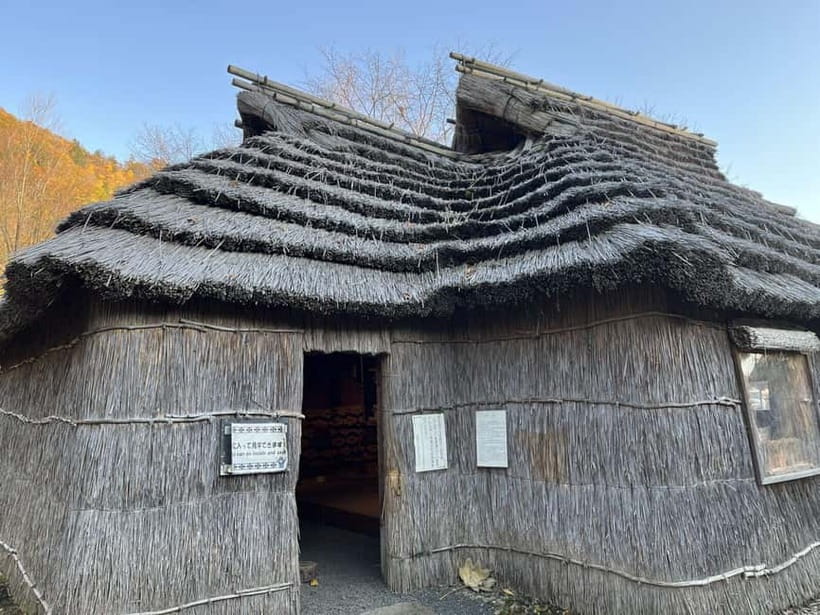
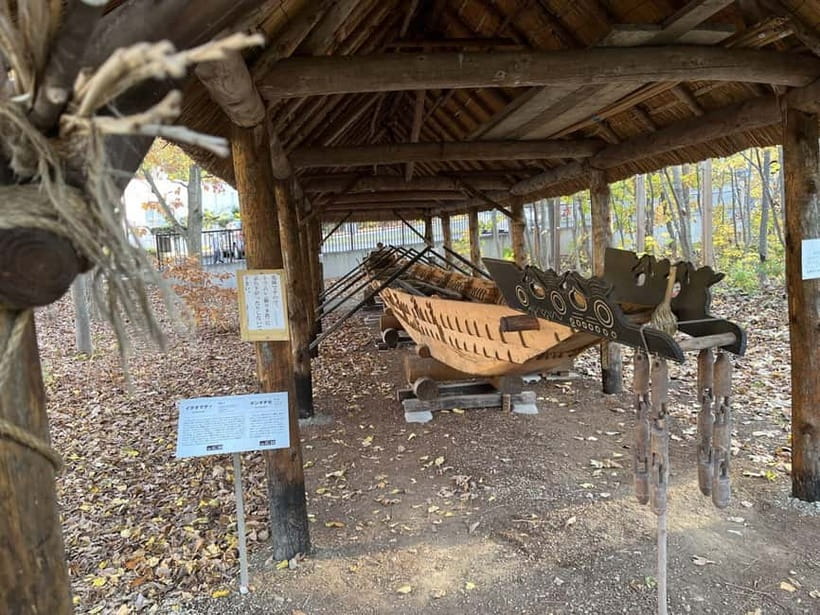
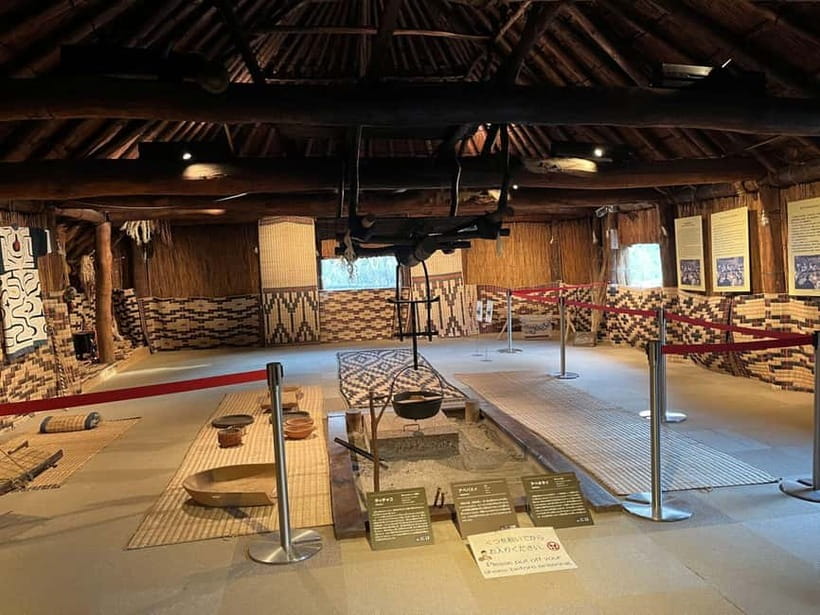
The Sapporo Ainu Culture Promotion Center is the first major stop, with about 90 minutes for a visit. The focus is on the lifestyle, history, art, and material culture of the Ainu, the people who first settled Hokkaido and developed a distinct identity there.
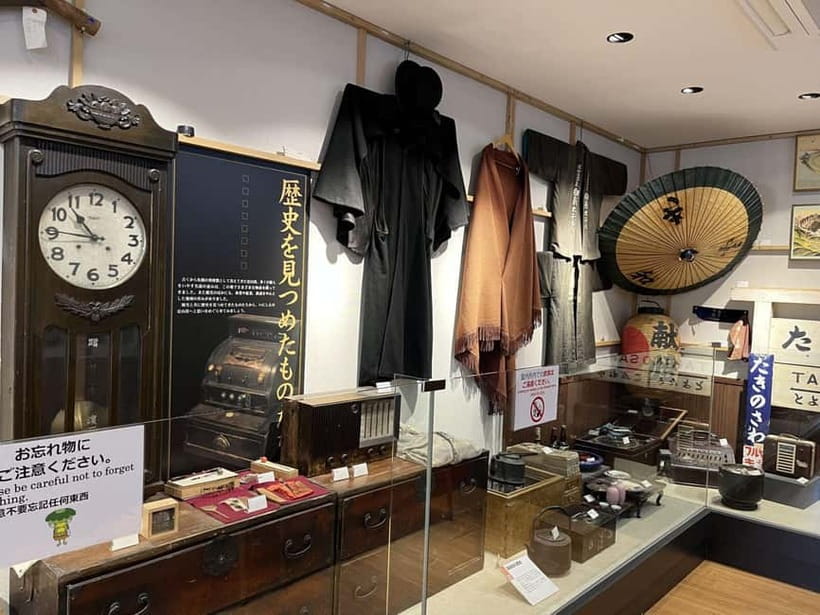
The center is especially appealing if you prefer objects that explain how people lived rather than displays that only provide a quick photo opportunity. Traditional craftwork made by Ainu artisans can be felt and handled. That physical element matters. It gives you a better sense of texture, construction, and use than a case full of untouchable objects.
Scott’s role is important here. The displays may introduce you to the basic facts, but a guide can point out details and explain why particular items matter. His explanations have been praised for bringing the exhibits to life, especially for people who know little about the Ainu before arriving.
I would not treat this as a casual museum stop you can rush through. Ninety minutes is enough for a focused visit, but not enough to absorb every possible detail. Listen carefully, ask questions, and give yourself time to look at the craftwork. The cultural center is the part of the day that gives the hot spring visit a broader context.
Moving from culture to Jozankei
After the center, you travel by bus for about an hour to Jozankei. The shift is gradual. You leave the urban setting behind and enter a hot spring area within Shikotsu-Toya National Park.
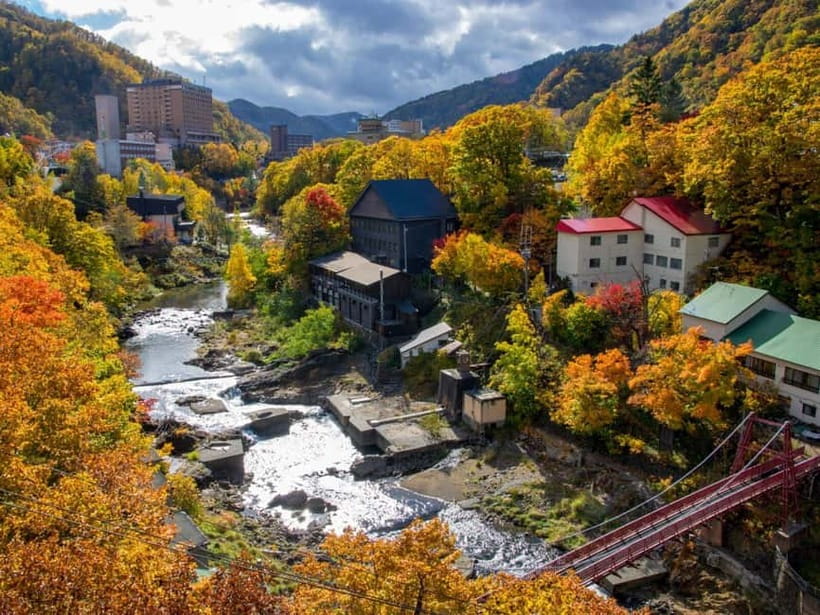
Jozankei’s springs and terrain are linked to centuries of volcanic activity. You do not need a geology lesson to appreciate the result: hot water, a river valley, wooded slopes, and a village shaped around bathing and walking.
The timing gives you about four hours and 15 minutes in Jozankei. That block includes guided sightseeing and free time, so the day is not one continuous march. Still, bring comfortable shoes. You will walk on uneven surfaces, and conditions can be slippery or snowy in winter.
The views change sharply by season. In winter, Jozankei can look especially striking under snow, but the cold affects your comfort and may lengthen bus waits. One strong practical tip is to bring water even in cold weather. Walking, waiting, and bathing can all leave you more dehydrated than you expect.
Shrines, parks, and a suspension bridge
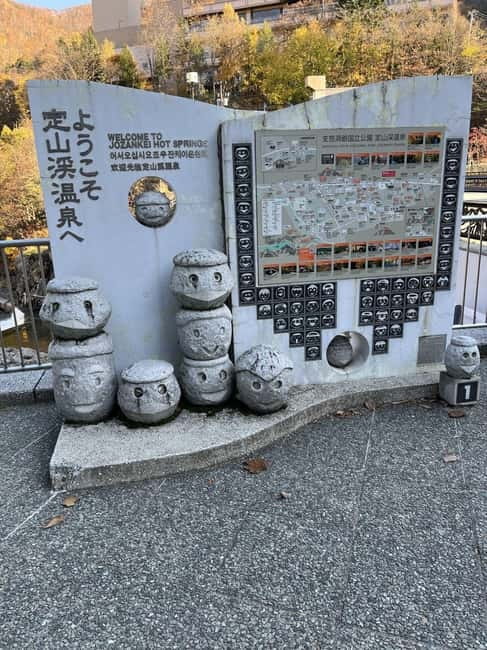
The walking portion covers several of Jozankei’s main sights. Jozankei Shrine and Temple offer a look at the village’s religious side, while Gesen Park and Futami Park provide open spaces for a slower pace.
Gesen Park is also where you can use a footbath. This is a useful middle point in the day. You can rest without committing to the full bathing routine yet, and it gives you a small taste of the hot spring culture that defines Jozankei.
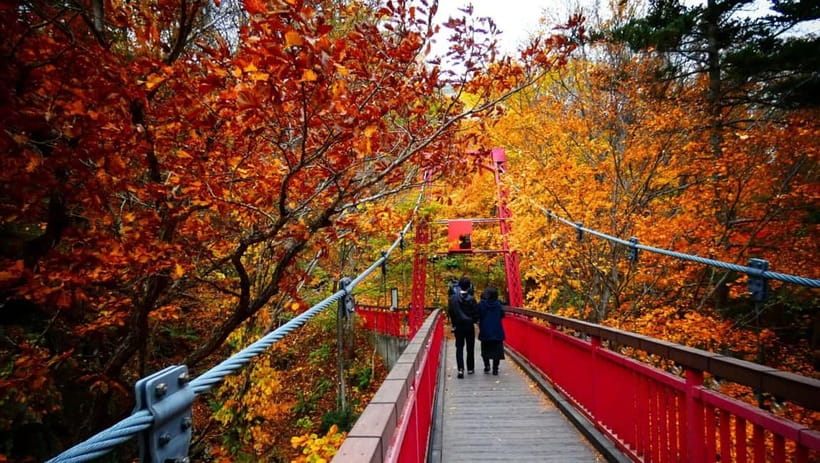
Futami Park leads toward the Futami Tsuribashi Suspension Bridge. Crossing the bridge adds a little excitement to what would otherwise be a quiet village walk. Look around as you cross, but take care with your footing, particularly after snow or rain.
The appeal here is not one blockbuster sight. It is the combination of small places: a shrine, a temple, warm water, a park, a bridge, and the surrounding scenery. Your guide helps connect these stops so they feel like parts of one place rather than unrelated photo stops.
You also receive free time in Jozankei. That matters because a guided walk can otherwise feel too tightly managed. You can use the pause to take photographs, enjoy the atmosphere, or simply catch your breath before the onsen.
Lunch is not included, so plan for that cost and timing. The supplied details do not specify a restaurant or a dedicated lunch stop. Ask Scott early in the day how the schedule handles food, and carry a small snack if you know you get hungry between transport connections.
A few more Sapporo tours and experiences worth a look


Hotel Shika no Yu and the two-hour onsen
The day finishes at Hotel Shika no Yu with a two-hour day-bath experience. This is more than a quick soak. You learn the rules and bathing etiquette that are expected in a Japanese onsen, then have time to relax in the hot spring water.
For a first onsen visit, guidance is valuable. You need to understand the basic routine, including the importance of following the facility’s bathing rules. Bring a towel, a change of clothes, and comfortable clothes for afterward. The instructions specifically advise bringing a towel and spare clothing, so do not assume you can rely on what you packed for a normal sightseeing day.
The footbath at Gesen Park is a good introduction, but the hotel bath is the main event. You have enough time to settle in rather than rushing in and out. One practical point: the tour asks you to follow bathing etiquette, and the experience may not suit anyone uncomfortable with communal bathing.
A footbath option is also mentioned, which may be useful if you prefer not to take the full bath. Confirm the current arrangement with the guide or facility on the day, since the details provided describe both the two-hour onsen visit and a footbath alternative.
The hot water is particularly welcome after the walking and transport. It also gives you a local custom rather than another viewpoint. You return to Sapporo by bus after the bath, with the journey taking about 75 minutes.
Is $170 a fair price?
At $170 per person, this is not the cheapest way to reach Jozankei. It can still be good value if you want several pieces handled at once: an English-speaking guide, transport from Sapporo Station to the listed stops, and admission fees for the included attractions.
The price makes more sense for you if you value explanation. The Ainu center would be possible to visit independently, but Scott adds context and helps you understand what you are seeing. Jozankei is also easier when someone else has arranged the route and knows how the walking stops fit around public transport.
You are not paying for private transportation, a hotel, or lunch. The public transport can involve waits, especially on a winter schedule, and you need to budget for food separately. If you are comfortable arranging trains, buses, and an onsen on your own, an independent day may cost less.
The tour’s value is strongest for a first visit to Hokkaido, a solo visitor who wants company, or anyone who prefers cultural interpretation over self-guided sightseeing. It is less compelling for people who want a private vehicle, a fast pace, or complete control over every stop.
Weather, walking, and what to bring
Hokkaido weather can change the feel of this day. Winter makes Jozankei beautiful, but snow and cold can slow buses and make uneven paths harder to manage. Spring and autumn may offer a more comfortable balance for walking, although the supplied information does not promise particular seasonal scenery.
Wear shoes with good support. The tour includes parks, a suspension bridge, and surfaces that may be uneven. It is not suitable for wheelchair users or people with back problems.
Pack these essentials:
- Comfortable walking shoes
- Water
- A towel
- A change of clothes for the onsen
- Layers suitable for the season
The day begins at 9 a.m. and lasts 570 minutes, or nine and a half hours. That includes the train and bus journeys, so you should expect to return to Sapporo in the evening. I would avoid scheduling an important dinner reservation, long-distance train, or flight immediately afterward.
Who should book this experience?
I would choose this tour if you want your day outside Sapporo to have a clear purpose. The Ainu center gives you cultural grounding, while Jozankei adds nature, local religious sites, and bathing traditions. The combination feels more complete than visiting the hot springs alone.
It suits curious first-time visitors, people interested in Indigenous culture, and anyone who wants an English-speaking guide to explain unfamiliar customs. Scott’s calm conversation during transport is another plus if you prefer a social day rather than a silent series of connections.
I would hesitate if you dislike public transport, cold weather, communal bathing, or long days. The bus waits are not always short, and the schedule leaves little room to leave early. People with back problems and wheelchair users should choose another outing.
Free cancellation up to 24 hours before departure and the option to reserve now and pay later make planning easier. Those policies do not change the physical demands of the day, so choose your clothing and timing with care.
FAQ
Where do I meet the guide?
Meet at Myomu, the circular white stone structure near the South Exits of Sapporo Station. After leaving the main JR gates, turn left and walk toward the South Exits. The guide will wear a Snow Monkey Resorts tour tag.
What time does the tour begin?
You should be at the meeting point by 9 a.m. The full experience lasts 570 minutes, or about nine and a half hours.
Is transportation included?
Yes. Transportation from Sapporo Station to the listed destinations and activities is included. The schedule uses an 80-minute train ride, a one-hour bus journey to Jozankei, and a 75-minute bus ride back to Sapporo.
Is lunch included?
No. Lunch is not included, so you should plan for your own meal and any food costs during the day.
What should I bring for the onsen?
Bring a towel and a change of clothes. Comfortable shoes and water are also recommended because the day includes walking and outdoor stops.
Is the tour suitable for wheelchair users or people with back problems?
No. The experience is not suitable for wheelchair users or people with back problems. It also includes walking on uneven surfaces and requires you to follow bathing etiquette at the onsen.
Should you book it?
Book this tour if you want a guided cultural day with a genuinely local finish. The Ainu Cultural Center, hands-on craft displays, Jozankei’s parks and bridge, and the long bath at Hotel Shika no Yu create a varied Hokkaido experience. I would choose spring or autumn for easier walking, or winter if snowy scenery matters more to you than transport comfort.
Skip it if private transport and a short schedule are essential. For everyone else, the combination of Ainu culture and Jozankei hot springs makes the $170 worthwhile, especially when you want Scott’s English guidance and do not want to manage the route yourself.
More Ainu Culture Tours in Sapporo
More Lake Shikotsu & Jozankei Tours in Sapporo
More Sapporo Tours in Sapporo


More tours in Sapporo we've reviewed

Lake Shikotsu & Jozankei Tours, compared.
 ★ 4.5Mountain Bike Tour from Sapporo Including Hoheikyo Onsen and LunchFrom $71
 ★ 5.0Full Day Indigenous Ainu of Hokkaido and JozankeiFrom $167
 ★ 4.02026 Lake Shikotsu Ice Festival in HokkaidoFrom $58
 ★ 4.5[Sapporo] Go by private car! Takino Cemetery, Hokkaido Shrine, Shiroi Koibito ParkFrom $446
 ★ 5.0Private Day Trip of Lake Shikotsu and Moss CanyonFrom $247
 ★ 4.5Autumn Leaves in AutumnSkiing in winterLet’s go to Hoheikyo Onsen by private car (from Sapporo)From $415
 ★ 4.5Clearest Lake in Japan National Park package of Shikotsu lakeFrom $175
 ★ 5.0Explore Lake Shikotsu Ice Festival (night tour)From $59
The lists this tour appears in