
Reviewed · SOBA & COOKING CLASSES
A pairing experience in Sapporo where you can enjoy tempura and 3 kinds of Hokkaido-only sake, along with a soba-noodle making experience!
Sapporo’s most hands-on food experience may be this small-group visit to a real soba restaurant, where you make noodles from buckwheat flour, then eat them fresh with Hokkaido tempura and three local sake pours. I like that the class covers the full process, not just the easy parts, and that the meal follows right away while the noodles are at their best.
In This Article
- Key points at a glance
- Why handmade soba is worth your time in Sapporo
- Inside a working Sapporo soba restaurant
- Mixing, stretching, and cutting the dough
- Fresh noodles, warm broth, and tenkasu
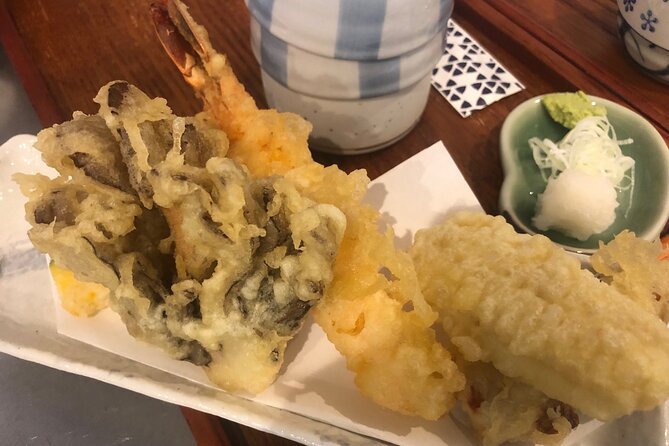
- Hokkaido tempura prepared by a chef
- Three sake pours, two cold and one warm
- What the 75-minute schedule means
- Is $123.79 a fair price?
- Who will enjoy this most?
- Practical details before you reserve
- Should you book the soba and sake experience?
- FAQ
- Where does the soba and sake experience take place?
- How long does the activity last?
- Does the activity begin and end at the same place?
- How many types of sake are included?
- Is the activity suitable for people new to sake?
- Can participants make the tempura?
- What steps of soba making will I experience?
- Are children allowed to participate?
- Can I cancel for a full refund?
I also like the sake comparison, with two cold varieties and one warmed variety chosen in Hokkaido. The main caution is language: the restaurant staff speak some English, but not a lot, so patient attention and willingness to follow demonstrations will make the class easier.
Key points at a glance
- Make soba from flour to bowl: Mix the buckwheat, bring the dough together, stretch it, cut it, and have it boiled.
- Eat noodles you just made: Freshly boiled soba has a stronger aroma and a different texture from noodles that have waited in a restaurant kitchen.
- Pair three Hokkaido sake styles: Try two sake cold and one warm to notice how temperature changes the drink.
- Enjoy chef-made seasonal tempura: The tempura is prepared by a Japanese chef rather than by participants, for safety around hot oil.
- Learn in a working restaurant: You are taught in a real soba shop that serves customers, not in a staged cooking studio.
- Plan for a local neighborhood setting: The meeting point is in Nishi Ward, and the journey may take about 40 minutes by subway.
Why handmade soba is worth your time in Sapporo
Soba can look simple on the plate. A few strands of buckwheat noodle, a dipping sauce, perhaps some tempura. Making it shows you why good soba demands skill.
The class takes you through four basic stages: mixing the flour, gathering the dough, stretching it, and cutting it. Each step affects the next one. Dough that is too dry can crack. Dough that is too wet can become difficult to handle. Stretching it evenly takes more control than you might expect, and cutting determines whether the noodles cook at the same rate.
That full sequence gives the experience real value. Many short food classes let you shape or assemble something, then leave the complicated work to a chef. Here, you get a practical sense of the craft before the restaurant staff finish the boiling and serving.
You should not expect to become a soba professional in 75 minutes. You will, however, understand why hand-cut noodles vary, why timing matters, and why fresh soba has a character that packaged noodles cannot match.
A few more Sapporo tours and experiences worth a look


Inside a working Sapporo soba restaurant
The class takes place at an operating handmade soba restaurant at 9-chōme-17-28 Hassamu 6 Jō in Sapporo’s Nishi Ward. That setting matters. You are not walking into a purpose-built attraction designed only for short visits. You are learning in the kind of place where soba is made and served as part of ordinary restaurant work.
I like this approach because it keeps the lesson tied to everyday Japanese food culture. The setting is likely to feel more practical than polished, and that is part of its appeal. You can see the connection between preparation and the meal that follows.
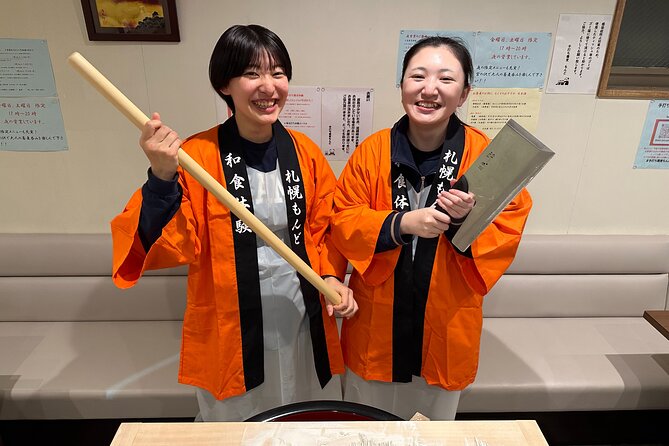
The tradeoff is that a working restaurant may not offer the same level of presentation or English support as a large cooking school. One of the hosts is described as speaking some English, while another young woman speaks little English. Demonstrations and simple instructions help, but you should be ready to watch closely and ask for clarification when needed.
The activity is private for your group, with a small number of participants. That gives you more direct contact with the soba makers and avoids the feel of a large class where everyone works at a distance from the instructor.
Mixing, stretching, and cutting the dough
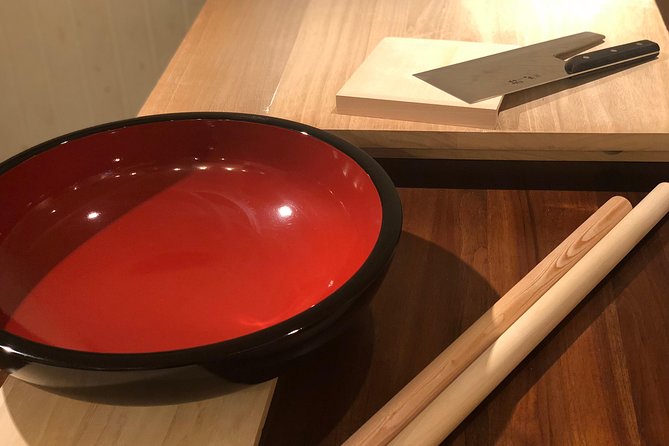
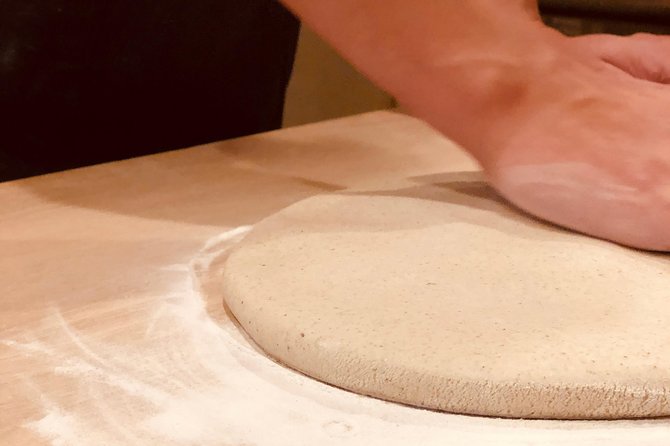
The first part is the most physical and perhaps the most revealing. You begin by mixing buckwheat flour and bringing it together into dough. This is not just a quick stir before a chef takes over. You take part in the early work that determines the dough’s texture.
Next comes stretching. Soba dough needs careful handling, and the long, thin sheet must be prepared evenly before cutting. The class lets you see how much judgment goes into this step. A demonstration can make it look easy, but your own hands quickly show why soba making is a craft.
Cutting the noodles is the final part of your hands-on preparation. Even cuts help the noodles cook properly. Uneven pieces can produce a mixture of soft and firm textures, so this is a good moment to slow down rather than rush for a perfect photograph.
The instructions are aimed at overseas visitors, but the experience is not described as a heavily simplified tourist version. You get the real order of operations and a better feel for the work involved. If you enjoy learning by doing, this section is the main reason to book.
Fresh noodles, warm broth, and tenkasu
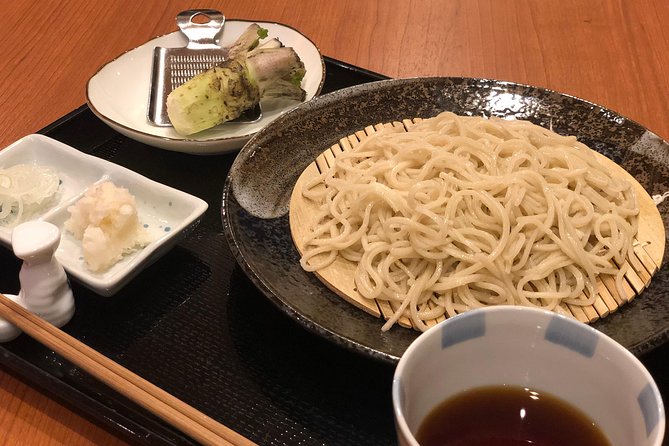
After you have made the noodles, the soba is boiled and served fresh. This timing is one of the strongest features of the activity. Your noodles go from preparation to meal without sitting around for a long period, so you can notice their aroma and texture while they are at their best.
The meal includes Japanese-style ways to enjoy the soba, including warm soba broth and tenkasu. Tenkasu is the crisp fried batter left from tempura preparation. It adds a light, crunchy texture and brings the soba and tempura together at the table.
You are not only eating the noodles as a reward for finishing the class. You are also learning how soba is normally enjoyed. That makes the meal more useful than a simple tasting plate. You can compare the freshly boiled noodles with the broth, toppings, and accompaniments, then decide how you prefer to eat them.
The food is described as filling, with the handmade soba, tempura, and sake served as one complete meal. If you are seeking a long restaurant dinner with several courses, this is not that. The appeal is the close link between your work and what appears in the bowl.
Hokkaido tempura prepared by a chef
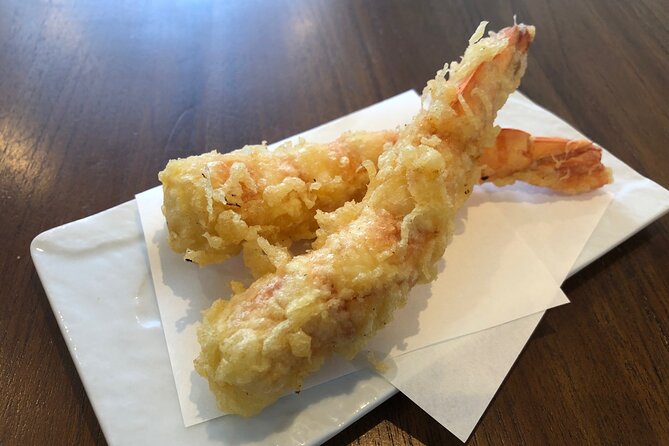
The tempura uses seasonal ingredients from Hokkaido and is made by the restaurant’s Japanese chef. The focus is on the flavor of the ingredients and how they work with soba, rather than on a large assortment of fried food.
You do not fry the tempura yourself. That is an important safety detail. Hot oil can cause serious burns, so the chef handles this part while you concentrate on the noodles.
This arrangement also improves the meal. You get the fun of making soba without turning the class into a crowded, hazardous kitchen exercise. The tempura arrives as a finished part of the pairing, giving you a chance to notice its texture alongside the noodles.
The exact ingredients are seasonal, so you should not expect a fixed list. If local Hokkaido produce and a simple Japanese preparation appeal to you, this part adds more than decoration. It connects the meal to the region rather than treating tempura as a generic side dish.
A few more Sapporo tours and experiences worth a look


Three sake pours, two cold and one warm
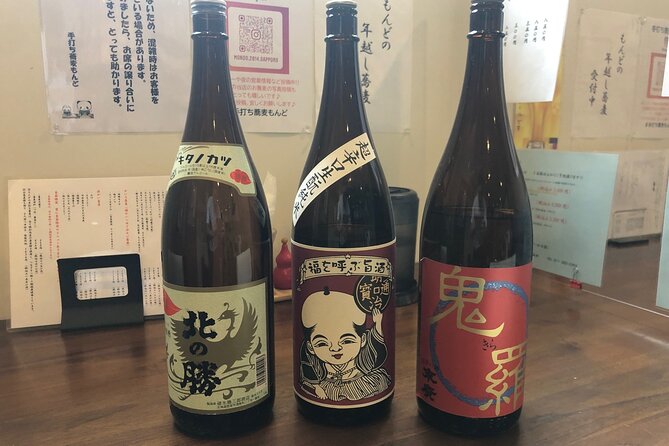
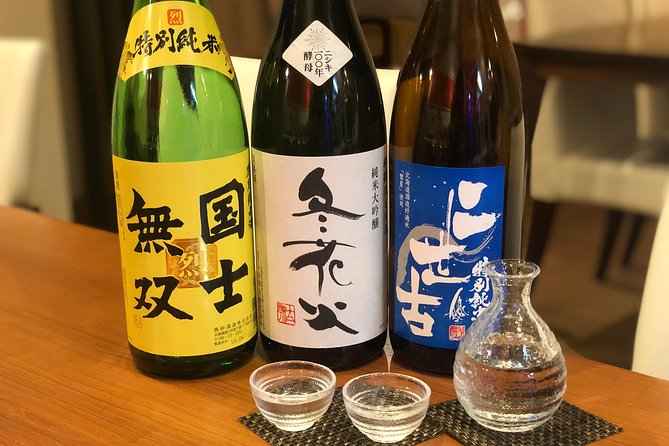
The sake tasting is a useful feature for anyone who has only tried sake casually. You receive three Hokkaido selections: two served cold and one warmed. The point is not simply to taste three labels. It is to notice how temperature changes aroma and flavor.
Cold sake can feel lighter and more direct. Warm sake may reveal a softer or fuller character. The comparison gives you a simple way to understand why Japanese restaurants serve sake at different temperatures.
The selections are intended to be approachable and suitable with food, including for people new to sake. Pairing them with soba and tempura helps you understand sake as a meal drink rather than an isolated alcohol tasting.
You must be at least 20 years old to participate. This is an adults-only activity, and the alcohol is part of the planned meal rather than an optional extra. If you do not drink, the information provided does not specify a nonalcoholic replacement, so ask the provider before booking.
The sake portion also helps justify the price. You are paying for a private food activity, a complete handmade noodle lesson, a filling meal, seasonal tempura, and three local sake tastes in a small setting. It is not a budget lunch, but it is more than a standard restaurant visit.
What the 75-minute schedule means
The listed duration is about 1 hour and 15 minutes. That is short enough to fit into a busy Sapporo day, but long enough to cover the full soba process and sit down to eat.
You should arrive ready to move from instruction to meal without much wasted time. The class is compact, so it will not include a long lecture on Japanese food history or a leisurely sake seminar. Its strength is the steady progression from dough to noodles to lunch.
The pace may suit you if you prefer practical activities. You will spend your time handling ingredients, watching the chefs, tasting the results, and learning through the meal. If you want a slow, highly detailed cooking lesson, the short format may feel brisk.
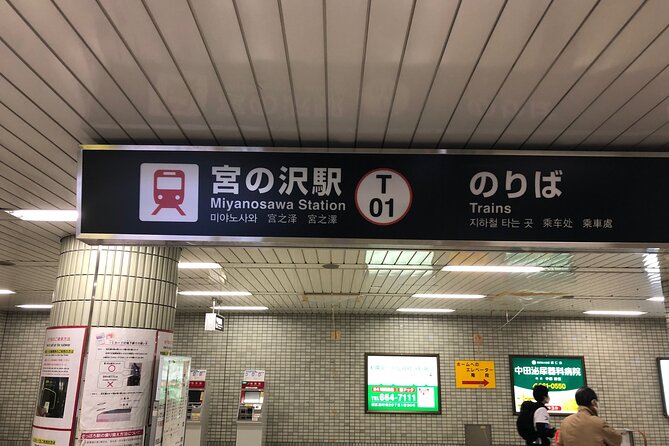
The experience begins and ends at the same meeting point. It is near public transportation, but the address is outside central Sapporo in Hassamu. Plan for the journey rather than treating this as a quick stop beside the main shopping streets. A subway ride of roughly 40 minutes has been noted, with the location described as being near the end of the orange line. Check the current route and allow extra time, especially in winter.
Is $123.79 a fair price?
At $123.79 per person, this is a premium-priced food activity. The value depends on what you want from your time in Sapporo.
If you only want to eat soba, the price is high. A restaurant meal will cost much less, and you can order tempura and sake without taking a class. You are paying here for the instruction, the private small-group format, the freshly made noodles, the seasonal tempura, and the three-sake comparison.
I think the price makes more sense for visitors who value access and participation. You are not just being served a regional meal. You are shown how one of its central foods is made, then given the chance to taste your own work immediately.
Group discounts may be available, which could improve the value for families of adults or friends traveling together. Since the activity is limited to people aged 20 and over, it is not suitable for a mixed-age family with younger children.
The average booking lead time is about 40 days. That suggests you should reserve ahead if this experience is important to your schedule, particularly during a busy Sapporo visit. Free cancellation is available up to 24 hours before the start time, but changes or cancellations inside that window are not refunded.
Who will enjoy this most?
I would recommend this to you if you enjoy food with a story and prefer a small local setting to a large demonstration. It suits first-time sake drinkers because the cold and warm comparison gives you an easy starting point.
It is also a good choice for couples, friends, and small private groups who want an activity that produces a proper meal. The class is active without being an all-day cooking course, and the restaurant setting gives it a stronger local connection than a hotel-based workshop.
You may want to choose something else if you need extensive English instruction, do not drink alcohol, or have less than half a day available for transport and the activity together. The class itself lasts 75 minutes, but the trip to Hassamu adds time.
The activity received an overall rating of 4.8 from eight reviews, with especially strong praise for the friendly instruction, patient teaching, satisfying meal, and unusual format. One account also noted that the staff did not speak much English, so keep expectations realistic. The experience delivers what it promises, but communication may rely partly on gestures and demonstration.
Practical details before you reserve
The meeting point is 9-chōme-17-28 Hassamu 6 Jō, Nishi Ward, Sapporo, Hokkaido 063-0826. The activity returns you to that same location.
Confirmation is provided when you book, and mobile tickets are accepted. Group discounts are listed as a feature. Since the activity requires a minimum number of participants, the date could be changed or refunded if that minimum is not reached.
Wear something comfortable enough for hands-on food preparation. The available information does not specify an apron, clothing rules, or details about dietary substitutions, so contact the provider before booking if you have allergies or strict dietary needs.
Remember that the chef prepares the tempura because of the risk of burns. You make the soba, but the hot-oil work is handled for you.
Should you book the soba and sake experience?
Book it if you want a compact but genuine food lesson, a proper meal, and a gentle introduction to Hokkaido sake. The best parts are the full soba-making process, the chance to eat the noodles freshly boiled, and the side-by-side cold and warm sake tasting.
Skip it if your priority is a cheap lunch, central Sapporo location, or detailed English commentary. The price is substantial, and the restaurant is a subway ride from the central sights.
For the right person, this is a memorable way to spend part of a Sapporo day. You leave with more than a meal: you understand the work behind the noodles and have tasted how Hokkaido sake changes at the table.
FAQ
Where does the soba and sake experience take place?
It takes place at 9-chōme-17-28 Hassamu 6 Jō, Nishi Ward, Sapporo, Hokkaido 063-0826, Japan.
How long does the activity last?
The experience lasts approximately 1 hour and 15 minutes.
Does the activity begin and end at the same place?
Yes. It starts at the Hassamu meeting point and ends back there.
How many types of sake are included?
Three kinds of Hokkaido sake are included. Two are served cold and one is served warm.
Is the activity suitable for people new to sake?
Yes. The sake selections are intended to be easy to drink and suitable for people who are unfamiliar with sake or trying it for the first time.
Can participants make the tempura?
No. A Japanese chef prepares the tempura because hot oil can cause burns. Participants make the soba noodles.
What steps of soba making will I experience?
You will mix the buckwheat flour, bring the dough together, stretch it, and cut it. The noodles are then boiled and served fresh.
Are children allowed to participate?
No. Participation is limited to people aged 20 and over.
Can I cancel for a full refund?
Yes, if you cancel at least 24 hours before the local start time. Cancellations or changes made less than 24 hours before the start time are not refunded or accepted.
More Whisky & Sake Experiences in Sapporo


More Soba & Cooking Classes in Sapporo
More Sapporo Tours in Sapporo


More tours in Sapporo we've reviewed



Soba & Cooking Classes, compared.
 ★ 5.0Popular in SapporoExperience authentic hand-made soba at a real soba shop!From $72
 ★ 5.0Mondo’s most popular plan! Experience making soba noodles and the king of Japanese cuisine, tempura, in Sapporo!From $85
 ★ 5.02 hours sushi classFrom $20
 ★ 5.0Private Japanese Cooking Class in Sapporo with Local Chef ShioriFrom $108
 ★ 5.0in Sapporo! Hand-made soba experience and shabu-shabu experience plan of Yezo deer meat (Gibier meat) from HokkaidoFrom $85
 ★ 5.0Private Market Tour and Cooking Class with Kanae, a Sapporo LocalFrom $82
 ★ 5.0Private Japanese Cooking Class in Sapporo with Local Host KanaeFrom $72
 ★ 4.8Authentic Handmade Soba Experience!From $701 hour
The lists this tour appears in