
Reviewed · SAPPORO TOURS
1-Day Walking Tour in Sapporo: Historical Sights of Sapporo
Sapporo’s story comes into focus on foot, from the American-style Clock Tower to the working stalls of 2jo Fish Market. This eight-hour route links the city’s best-known sights without leaving you to piece them together on your own.
In This Article
- Key points at a glance
- Start at Sapporo Station with a clear 9 a.m. meeting point
- The Sapporo Clock Tower explains the city’s early Western style
- The TV Tower gives you Sapporo in one wide view
- 2jo Fish Market brings lunch down to street level
- Odori Park leads to a former courthouse
- Old shopping streets give you time to wander
- Susukino finishes the day with Japanese sake
- Is $153 a fair price for eight hours?
- The walking demands deserve honest attention
- Who will get the most from this Sapporo tour?
- FAQ
- Where does the Sapporo walking tour meet?
- How long does the tour last?
- Is lunch included in the $153 price?
- Is the sake tasting available to people under 20?
- What should I bring?
- Are admission tickets included?
I like the mix of city views and local food, and I like that the museums add context rather than treating Sapporo as a string of photo stops. The main thing to consider is the pace: a 20-minute walk through Odori Park is only one part of a full day on foot.
Key points at a glance
- Clock Tower mechanics: See the small museum, then visit the second floor to learn how the old gravity-powered clock keeps time.
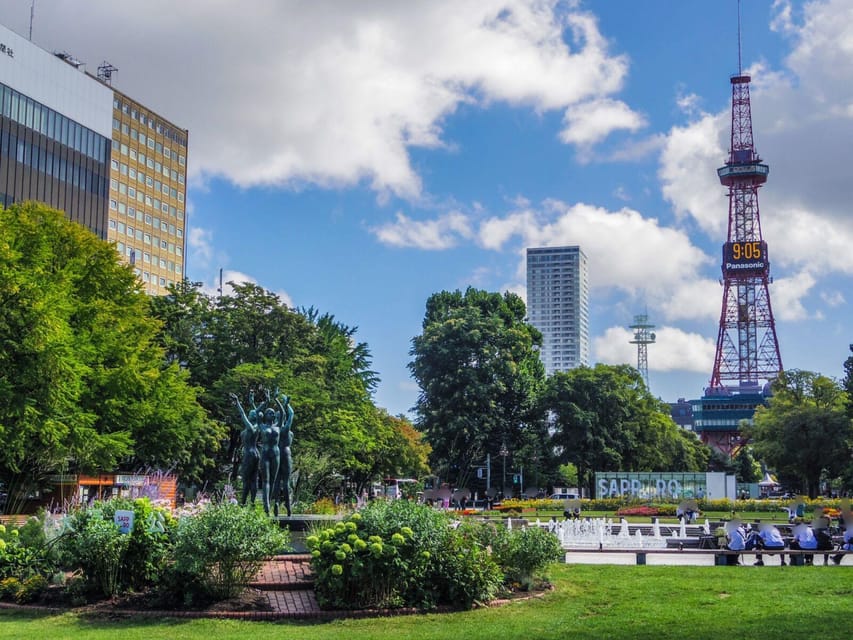
- Sapporo from above: The 147.2-meter TV Tower offers 360-degree daytime views over the city.
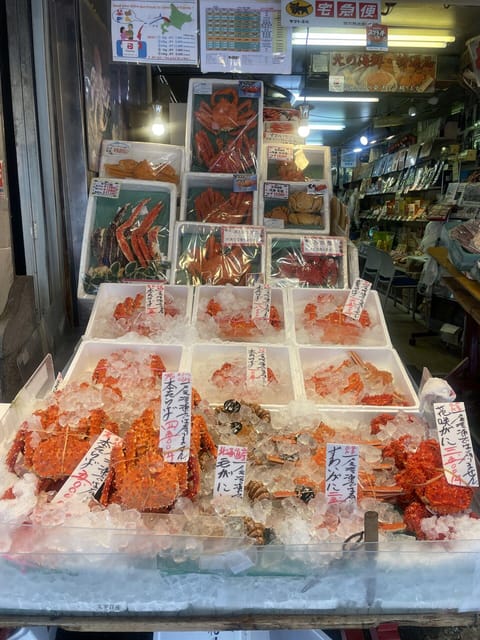
- Seafood lunch at 2jo: Eat at a small market restaurant, with lunch paid separately.
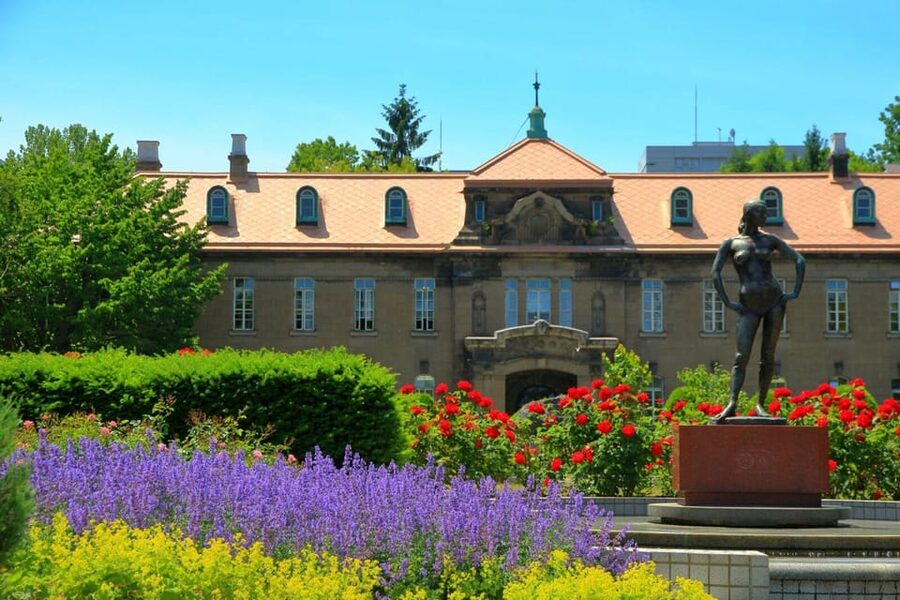
- A former courthouse: Explore the Old Court of Appeals Building, now the Sapporo City Museum.
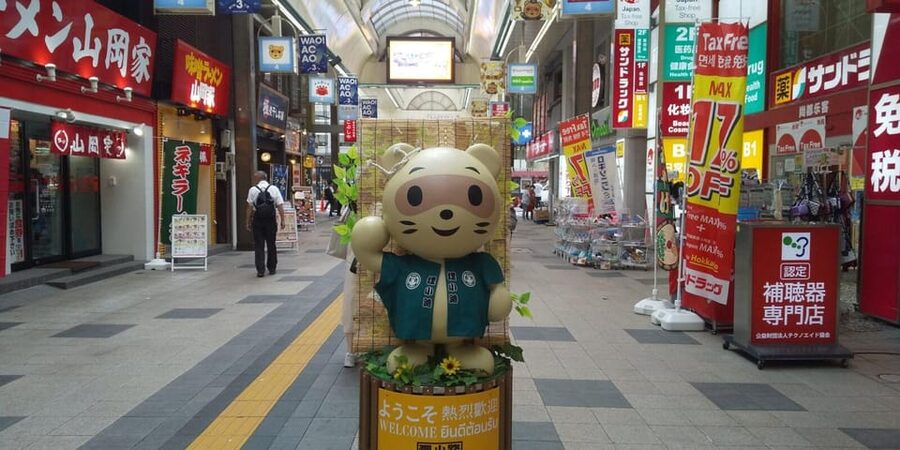
- Free time in an old arcade: Browse one of Hokkaido’s oldest shopping arcades at your own pace.
- Regional sake in Susukino: Sample several Japanese sakes at Cocono Susukino, provided you are at least 20.
Start at Sapporo Station with a clear 9 a.m. meeting point
The day begins at 9 a.m. in front of Myomu, the circular white stone structure near the South Exits of Sapporo Station. After leaving the main JR gates, turn left and walk toward the South Exits. The guide wears a Snow Monkey Resorts tour tag, which makes the meeting point easier to identify in a large station area.
This is a useful place to begin. Sapporo Station is central, easy to reach, and a practical base for the morning. Still, give yourself time to find the South Exit. Japanese stations can have several large exits, and a rushed start is no way to begin an eight-hour walking day.
Your English-speaking guide handles the route and the admission arrangements listed for the day. Transportation fees from Sapporo Station to the destinations and activities included in the itinerary are covered. Since the experience is described as a walking tour, you should still expect plenty of time on your feet.
Wear shoes you can trust. Bring water, sunscreen, and a camera. Smoking is not allowed, and alcoholic drinks cannot be taken in the vehicle.
A few more Sapporo tours and experiences worth a look


The Sapporo Clock Tower explains the city’s early Western style
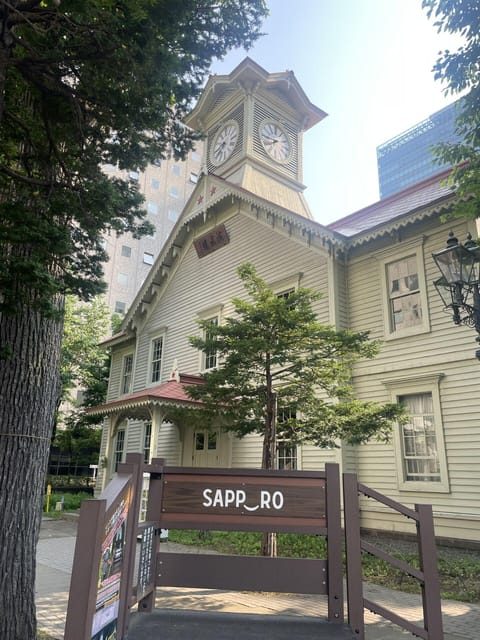
The first major stop is the Sapporo Clock Tower, one of the city’s most recognizable buildings. It is also one of the few remaining Western-style structures in Sapporo, reflecting the American influence used in the city’s early development.
The building is compact, so do not expect a large museum complex. Its first-floor museum is small but useful. It gives you a quick look at the building and its place in Sapporo before the guide takes you upstairs.
The second floor is the more distinctive part. Here you can see the inner workings of the clock and learn how gravity helps keep time. That mechanical detail turns a familiar city symbol into something you can understand. Instead of taking one exterior photograph and moving on, you get a reason to look closely at the clock itself.
I like this stop because it is short, focused, and concrete. You do not need a long lecture to appreciate a clock once you have seen the system that makes it work. The tradeoff is that the museum is quaint rather than expansive, so visitors who want a large collection may find the visit brief.
The TV Tower gives you Sapporo in one wide view
From the Clock Tower, the tour continues to the Sapporo TV Tower. Built in 1957, the tower reaches 147.2 meters and has an observation deck with 360-degree daytime views.
This is the tour’s best orientation stop. From above, you can see how Sapporo is arranged and get a clearer sense of the city’s broad avenues and central parks. The view also helps you place the landmarks you visit later in the day.
The tower is not simply a tall building with a lookout. It gives the day a useful visual frame. First, you see Sapporo from above. Then you walk through its markets, museums, shopping streets, and entertainment district at street level.
Timing matters here. The tour is scheduled during the day, so the experience is about visibility and city layout rather than evening lights. If you are hoping for a night view, this itinerary will not provide it.
Admission to the listed attractions is included, which makes this stop easier to budget. You do not need to decide on the spot which ticket to buy or skip. The guide keeps the group moving through the main sights.
2jo Fish Market brings lunch down to street level
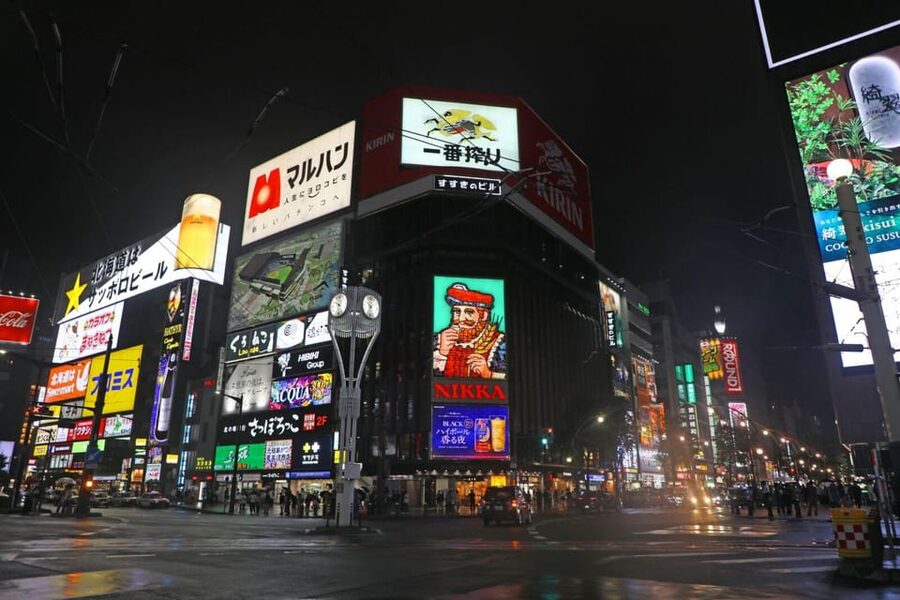
After the tower, the route heads to 2jo Fish Market. The market serves as a focal point for fresh catches from across Hokkaido, and its small stall-style restaurants provide the setting for lunch.
This is where the tour shifts from civic landmarks to everyday food culture. Hokkaido is known for seafood, and a market meal gives you a more direct connection to that reputation than a generic restaurant stop would. The setting is cozy and informal, with food served inside the market rather than in a formal dining room.
Lunch is not included in the tour price. That is important when comparing the total cost. The $153 price covers the English-speaking guide, listed transportation fees, and entry tickets, but you need to pay for your own meal.
The market format may suit you if you like choosing or eating in a compact local setting. It may be less comfortable if you prefer a long, quiet lunch with a fixed menu. The supplied details do not specify a particular seafood dish or a set meal, so you should treat the stop as a market lunch opportunity rather than a guaranteed menu.
This is also a good time to pace yourself. The day continues after lunch, and the route includes another walk, museum visits, shopping time, and sake tasting.
Odori Park leads to a former courthouse
After eating, expect a brisk 20-minute walk through Odori Park to the Old Court of Appeals Building. The building is now called the Sapporo City Museum and contains several galleries devoted to local history.
The walk matters because it connects the market district with the museum without turning the day into a series of vehicle transfers. Odori Park also gives you a change of pace after the close quarters of the market. You can see more of central Sapporo while moving toward the next stop.
The museum offers a different kind of context from the Clock Tower. At the Clock Tower, the focus is one building and its clock. At the Sapporo City Museum, the galleries widen the picture to local history. The former court building also adds a civic layer to the day, showing how Sapporo’s public institutions occupied the city.
The information provided does not list the current gallery themes or the amount of time spent inside. Your guide will help you understand the main displays, but you should not expect a large, full-day museum visit. This is one stop in a route designed to cover several parts of central Sapporo.
If you enjoy buildings with a change of use, this should be one of the more interesting stops. A courthouse becoming a museum gives the building a practical past as well as a cultural role today.
Other walking tours we've reviewed in Sapporo


Old shopping streets give you time to wander
The tour then visits a shopping arcade described as one of the oldest in Hokkaido. Here, the guide gives you free time to explore on your own.
This is a welcome pause in a tightly planned day. Guided sightseeing is useful for context, but you also need a little time to look at shops, browse at your own speed, or simply take a break from listening. The arcade lets you do that without losing the main route.
Because the arcade is part of the planned visit, you can use the free time according to your interests. You might browse local goods, look for snacks, or compare the older shopping environment with the modern areas around Sapporo Station and Susukino. The tour details do not promise specific shops or purchases, so keep your expectations broad.
Free time can also expose the limits of a group itinerary. You may want longer in the arcade than the schedule allows, but the group must continue toward the final stop. If independent shopping is your top priority, a self-guided day would give you more control. If you want a short, well-placed chance to wander inside a larger sightseeing plan, this works well.
Susukino finishes the day with Japanese sake
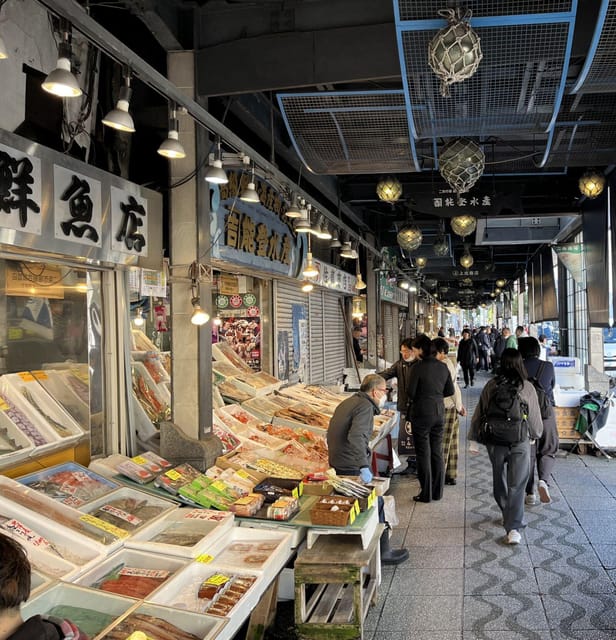
The final stop is Susukino, Sapporo’s entertainment district. At Cocono Susukino, you sample several shots of sake from bottles representing different regions of Japan.
This is a lively way to finish a day that began with civic buildings and museums. The tasting also broadens the food side of the tour. You are not only sampling Hokkaido seafood at lunch, but also comparing sake from different parts of Japan.
The tasting is for participants aged 20 and older. Anyone under 20 cannot take part, and the tour is not suitable for people under 20 because sake tasting is part of the experience. The details do not specify the number of samples, the individual labels, or whether food is served with the sake, so think of this as a guided sampling rather than a full meal or specialist tasting course.
Susukino is a fitting final district because it shows another side of Sapporo. The day moves from early Western-style architecture to a market, a museum, an old arcade, and finally the city’s entertainment center. You get a broad look at central Sapporo rather than one narrow theme.
If you do not drink alcohol, this final stop may feel less useful, since the listed activity is specifically a sake tasting. Alcoholic drinks are also not allowed in the vehicle, so keep any personal drinks out of transport.
Is $153 a fair price for eight hours?
At $153 per person, this is not the cheapest way to see central Sapporo. The value comes from what is bundled into the day: an English-speaking guide, admission tickets to the listed attractions, and transportation fees stated for the route.
You still need to pay for lunch, and the tour does not include accommodation. That means your real daily spending will be higher than the advertised price. Even so, the schedule covers the Clock Tower, TV Tower, 2jo Fish Market, Sapporo City Museum, shopping arcade, and sake tasting in one day.
I see the price as reasonable for someone who wants structure and explanation. You are paying for a guide to connect the sights, manage the route, and include admissions that would otherwise need separate planning. The value is weaker if you are happy using public transport, reading your own guidebook, and choosing only the attractions that interest you.
The tour also saves planning time. You do not need to work out how to arrange the Clock Tower, tower observation deck, market, museum, arcade, and Susukino in one route. That convenience is the main reason to choose it over a self-guided day.
The walking demands deserve honest attention
The route lasts eight hours and includes a brisk 20-minute walk through Odori Park. The listing also warns that there will be a significant amount of walking.
That makes comfortable shoes essential, not optional. You should be ready for a full sightseeing day with time standing in museums, moving through market spaces, and walking between central districts.
The tour is not suitable for wheelchair users. It is also not suitable for anyone under 20, because the sake tasting requires participants to be at least 20. If either point affects your group, choose another Sapporo activity.
The start time is fixed at 9 a.m., while the exact available start times should be checked when booking. Free cancellation is available up to 24 hours in advance for a full refund, and you can reserve now and pay later. Those terms help if your Sapporo plans are still changing, but the physical demands of the day will not change.
Who will get the most from this Sapporo tour?
I would choose this tour if you have one full day in Sapporo and want a guided introduction to the central sights. It suits first-time visitors who prefer a clear route, English explanations, and a mix of architecture, views, food, museums, shopping, and drinks.
It is also a good fit if you want more than landmark photographs. The Clock Tower’s clock mechanism, the former courthouse, and the city museum give the day some substance. The TV Tower and fish market keep it from becoming a museum-only route.
You may prefer another plan if you want a slow food tour, a detailed sake seminar, or long stretches of independent shopping. The schedule covers many stops, so each one has a defined place rather than unlimited time.
Book it if the full-day pace sounds comfortable and you value having the main tickets and route organized. Skip it if the lunch cost, walking, or sake-focused finish does not suit you. For the right visitor, it is a practical way to get your bearings and see several important sides of Sapporo in a single day.
FAQ
Where does the Sapporo walking tour meet?
Meet your English-speaking guide at 9 a.m. in front of Myomu, the circular white stone structure near the South Exits of Sapporo Station. After leaving the main JR gates, turn left and walk toward the South Exits.
How long does the tour last?
The tour lasts eight hours. It includes visits to the Clock Tower, TV Tower, 2jo Fish Market, Sapporo City Museum, an old shopping arcade, and Susukino.
Is lunch included in the $153 price?
No. Lunch is not included. You eat at a small restaurant within 2jo Fish Market and pay for the meal separately.
Is the sake tasting available to people under 20?
No. Participants must be at least 20 years old to take part in the sake tasting. The activity is not suitable for people under 20.
What should I bring?
Bring comfortable walking shoes, a camera, sunscreen, and water. Smoking is not allowed, and alcoholic drinks are not allowed in the vehicle.
Are admission tickets included?
Yes. Entry tickets to each attraction and sightseeing spot listed in the itinerary are included, along with the English-speaking guide and stated transportation fees from Sapporo Station to the listed destinations and activities.
More Historical Tours in Sapporo


More Walking Tours in Sapporo
More Sapporo Tours in Sapporo


More tours in Sapporo we've reviewed




Sapporo Tours, compared.
 ★ 5.0Sapporo Bar Hopping Food TourFrom $108
 ★ 5.0Sapporo Private Tour with a Local – Highlights & Hidden GemsFrom $109
 ★ 4.9Sapporo: Sumo Show Experience with Japanese food & PhotoFrom $772 hours
 ★ 5.0Mondo’s most popular plan! Experience making soba noodles and the king of Japanese cuisine, tempura, in Sapporo!From $85
 ★ 5.0【Private Car】Asahiyama Zoo, Blue Pond, Shirahige Falls, Ningle Terrace (from Sapporo)From $465
 ★ 4.0Hokkaido Noboribetsu Lake Toya Tour from SapporoFrom $66
 ★ 5.0Sapporo 6hr Private Tour with Government Licensed GuideFrom $155
 ★ 4.6From Sapporo: Hokkaido Highlights Day TripFrom $64
The lists this tour appears in