
Reviewed · SAPPORO FOOD TOURS
Authentic Sapporo: Nijo Market Seafood Lunch & History Tour
Sapporo’s story comes together over a seafood lunch at Nijo Market. This small-group walk links the city’s pioneer-era beginnings, the Sosei River, and the less-touristed Sosei East Area before finishing with sushi or donburi in the market’s Citizens’ Kitchen. It gives you a useful introduction to the city without filling your morning with long lectures.
In This Article
- Key points at a glance
- Why the seafood lunch gives this walk its focus
- Meeting the guide at the Sapporo Clock Tower
- Seeing Sapporo from the TV Tower
- Following the Sosei River into early Sapporo
- Crossing Sosei Bridge to Hokkaido Jingu Tongu
- Arriving at Nijo Market by 12:20
- How the guides shape the experience
- Is $61 a fair price?
- Who should book this Sapporo walk?
- Should you book Authentic Sapporo?
- FAQ
- How long does the Sapporo seafood and history tour last?
- Where does the tour start and finish?
- What is included in the $61 price?
- What lunch options are available?
- Is the tour offered in English?
- How large is the tour group?
- What should I bring?
- Can I cancel the booking?
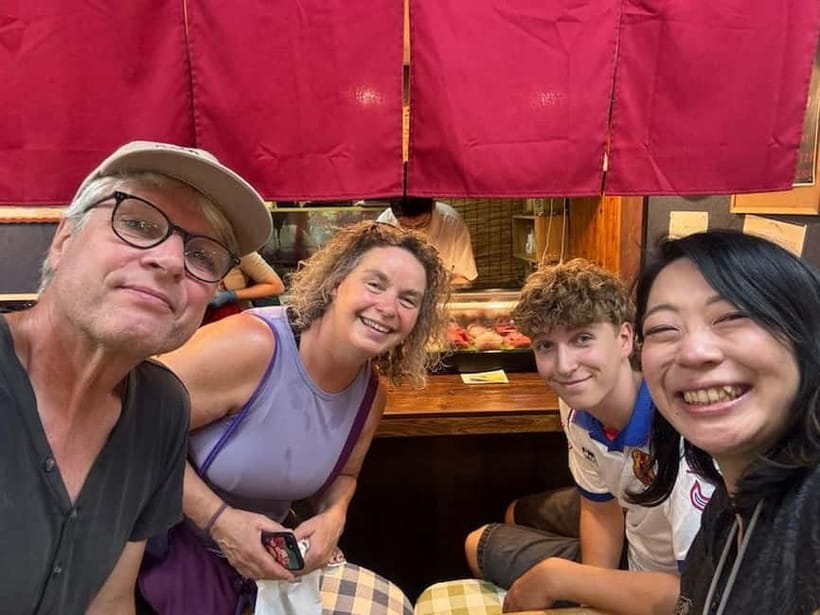
I like the small groups of up to eight, which make it easier to ask questions and get photo help. I also like the guides’ personal touch: Iku is known for sharing favorite food tips and a few Japanese words, while Tom has a warm, attentive approach to Sapporo’s past and present. The main consideration is the pace and format. You walk between stops, lunch is seafood, and the guide may leave before you eat.
Key points at a glance
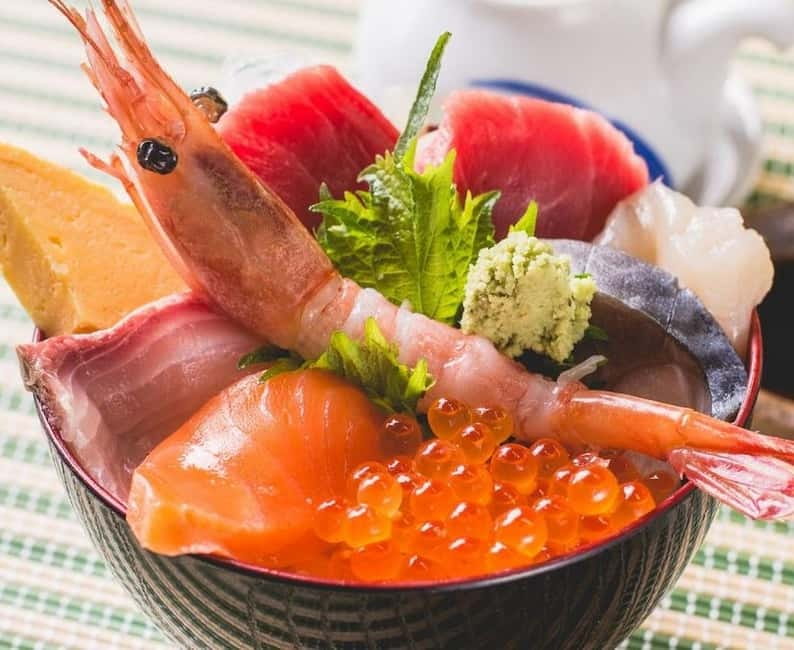
- Fresh seafood at Nijo Market: Finish with sushi or donburi at a local restaurant, with the meal included.
- Sapporo’s early story: Follow the Sosei River and learn how the young city developed.
- A high viewpoint included: Entry to Sapporo TV Tower is part of the $61 price.
- A local shrine stop: Hokkaido Jingu Tongu offers a quieter cultural pause beside the Sosei Bridge.
- Personal guiding: English-speaking guides such as Iku and Tom keep the group limited to eight.
- A short, useful introduction: The 150-minute route works well early in a Sapporo stay.
Why the seafood lunch gives this walk its focus
Many city tours end at a landmark and leave you to find lunch. This one builds the meal into the experience, which is a smart choice in Sapporo. Nijo Market is not simply a place to snap pictures of crab and seafood displays. It has long served local residents, earning its nickname, the Citizens’ Kitchen.
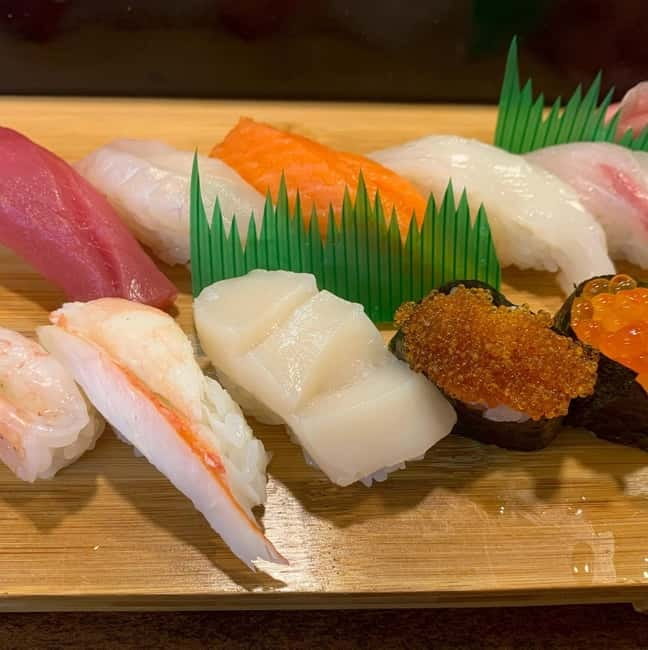
Your lunch is fresh seafood at a market restaurant, with sushi or donburi as the main options. A donburi is a bowl topped with ingredients such as seafood, though the exact meal selection is not specified in advance. If you enjoy fish, this is a strong part of the tour’s value because you get both a guided introduction to the market and a planned meal without having to choose a restaurant on your own.
There is one important catch. Seafood is central to the lunch, so you must tell the operator about any allergy before the tour. An alternative may be possible, but it is not guaranteed. The experience is not suitable for vegans, and the supplied information also lists people with food allergies as unsuitable, so you should ask before booking if your dietary needs are serious.
The guide may not sit with you during lunch. I would treat that as a feature of the format rather than a flaw if you are comfortable eating independently. The guide’s main job is to lead you through the city and help you reach the right restaurant. You then have a little freedom to enjoy the meal at your own pace.
A few more Sapporo tours and experiences worth a look


Meeting the guide at the Sapporo Clock Tower
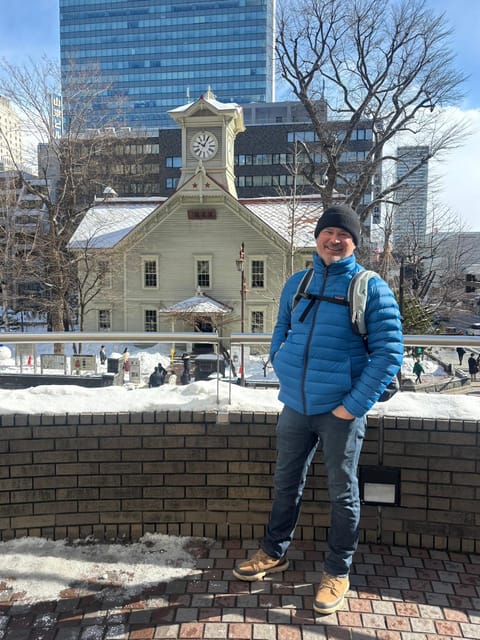
The tour begins at 10:00 at the entrance to the Sapporo Clock Tower. Look for a guide holding a board marked KAPPO SAPPORO. The guide may also be carrying a microphone, which should help you spot the group in a busy central area.
The Clock Tower is a sensible starting point. It is one of Sapporo’s best-known landmarks, but the real value here is its role as an orientation point. You begin in the civic center, then move toward the river, shrine, tower, and market. The sequence helps you understand how the central streets fit together instead of seeing each stop as an isolated photo opportunity.
You spend about 15 minutes at the Clock Tower with time for a photo, a short guided visit, and a walk around the site. Do not expect a long museum visit at every stop. This is a compact introduction, designed to give you useful context before moving on.
The route then continues on foot for around five minutes to Sapporo City Hall. A short stop of roughly 10 minutes gives you another look at the city’s civic center. This is not likely to be the tour’s most exciting sight, but it helps explain Sapporo as a planned modern city rather than an old Japanese town built around a traditional castle or temple.
Seeing Sapporo from the TV Tower
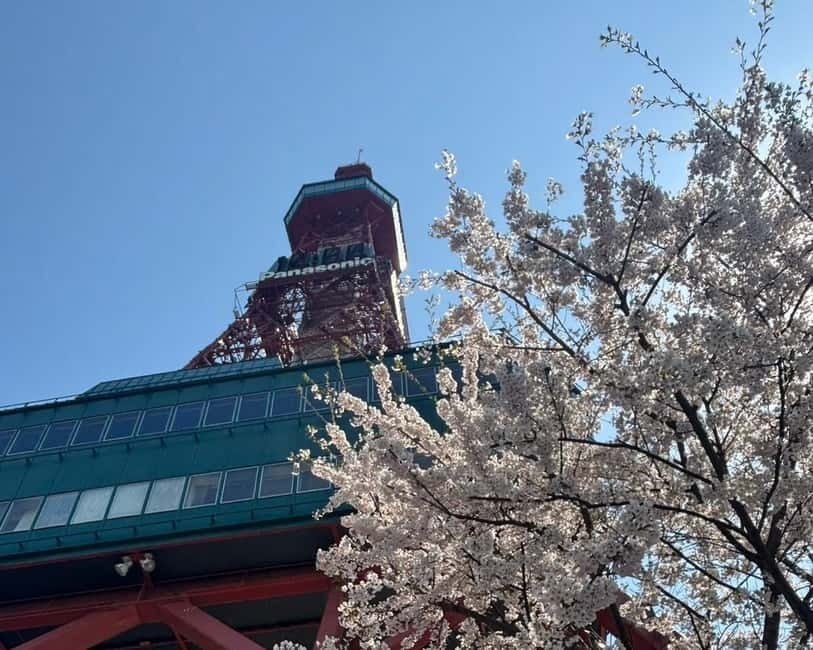
The tour reaches Sapporo TV Tower at about 10:30. Entry is included, and the stop lasts around 35 minutes, including guided time, free time, and views from the tower.
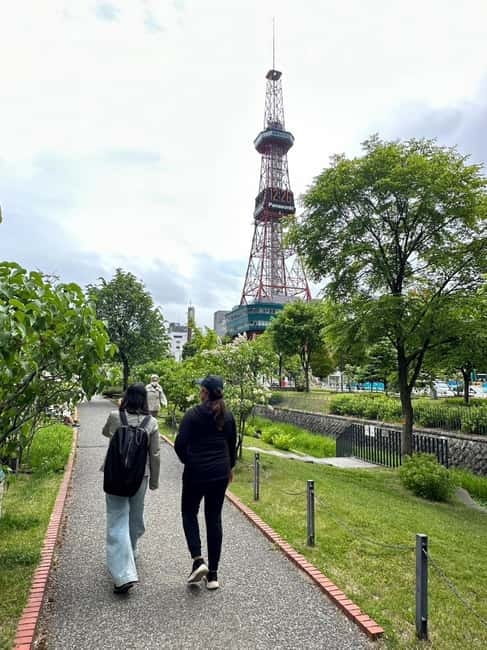
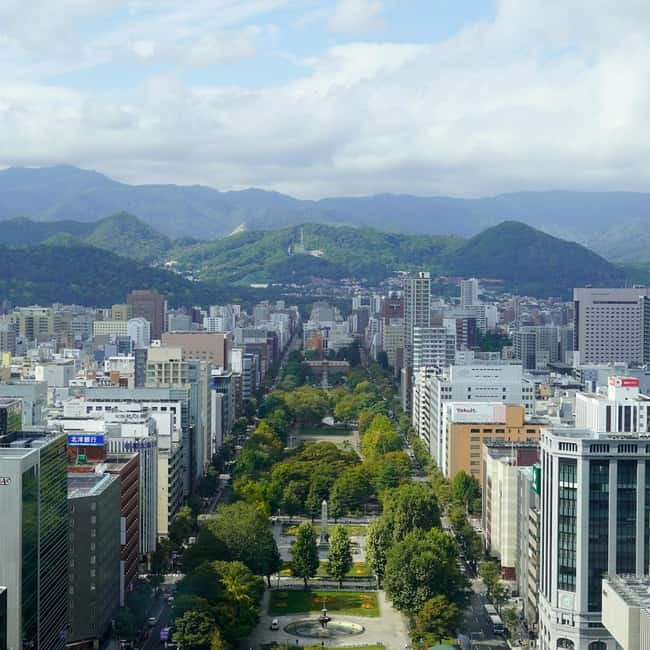
This is where the tour becomes especially useful for first-time visitors. From above, you can see the order of Sapporo’s streets and parks, then recognize those patterns as you walk. You get a clear sense of the city’s broad central layout, something that is harder to grasp from street level.
You should allow time for photos, but the weather will affect the view. On a clear day, this may be one of the strongest photo stops of the morning. In poor weather, the tower still gives you an overview, but visibility may be limited. The tour does not promise a particular view condition, so keep your expectations practical.
I also appreciate that the TV Tower ticket is included in the $61 price. If you planned to visit the tower separately, this saves you the trouble of arranging another stop. More important, the visit fits naturally into the walking route instead of feeling like a separate add-on.
Following the Sosei River into early Sapporo
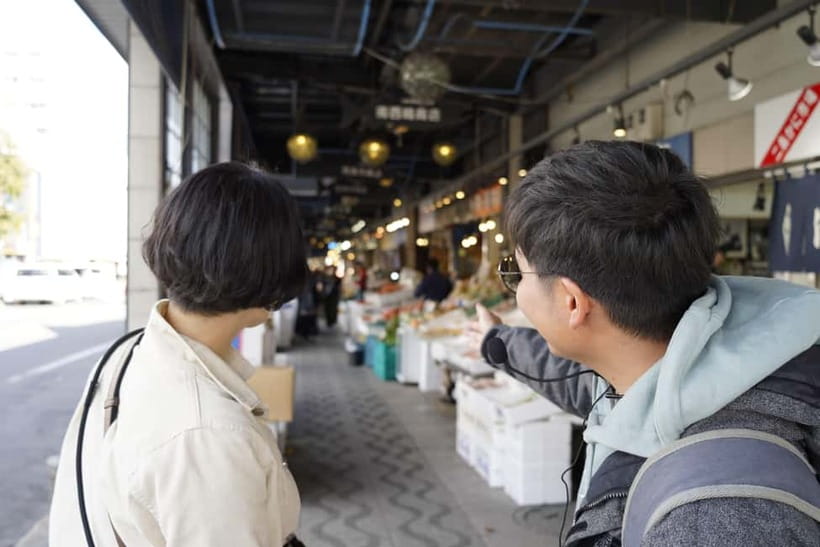
After the tower, you walk for about 10 minutes to the Sosei River. The group spends around 10 minutes at this stretch, learning about Sapporo’s early development and the pioneering era.
This is the historical center of the experience. The river is not just scenery along the way. It gives the guide a physical thread for explaining how Sapporo began and how the young settlement grew around planned routes and waterways. Stories about the city make more sense when you are standing beside the feature that helped shape its early form.
This part should appeal to you if you enjoy learning how a city took shape. It is less about grand monuments and more about local connections, civic growth, and the small details that help explain why Sapporo feels different from older Japanese cities such as Kyoto or Nara.
The Sosei East Area is another reason to choose this tour. It is presented as an area that has not yet become a standard stop for international visitors. You will not spend the whole morning in the most obvious tourist corridor, and the guide can point out how the neighborhood connects the historic center with everyday local life.
Do keep the walking conditions in mind. The tour lasts two and a half hours and includes several outdoor stretches. In winter, Sapporo can be snowy and cold. In warmer months, rain can still shape the experience. Comfortable closed-toe shoes, water, and weather-appropriate clothing are essential.
Crossing Sosei Bridge to Hokkaido Jingu Tongu
At roughly 11:30, the route crosses the Sosei Bridge and reaches Hokkaido Jingu Tongu. The stop lasts about 15 minutes and includes a guided visit.
The shrine is valued by the local community, so it adds a different note to the morning. After the civic landmarks and city views, you get a cultural pause tied to local practice. The stop is brief, but that is part of the tour’s balance. You see a place with meaning for residents without spending so much time there that the market lunch becomes rushed.
This is also a good point to ask questions. Guides such as Iku are praised for explaining Sapporo in clear English, adding humor, and teaching simple Japanese words. That personal exchange is one of the tour’s strongest features. You are not just moving from one pin on a map to another. You can ask about food, customs, or places to visit later in your trip.
The shrine is not presented as a grand temple complex with a long visit. If your main goal is detailed religious architecture, you may want a separate shrine tour. Here, it works best as a short local stop within a wider city walk.
A few more Sapporo tours and experiences worth a look


Arriving at Nijo Market by 12:20
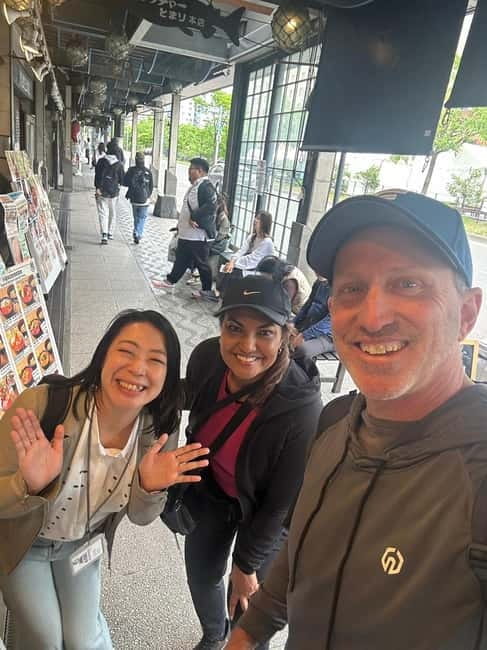
The group reaches Nijo Market around 12:20, with lunch beginning at about 12:30. You have roughly 40 minutes for a guided market visit, photos, free time, and the meal.
That timing suits a morning tour. You have already seen the city from above and followed its early story on foot, so the market feels like a natural conclusion rather than a random restaurant stop. Food becomes a way to connect the city’s geography and history with present-day daily life.
Nijo Market can be visually busy, with seafood stalls, restaurant signs, and plenty of choices. Having a guide lead you to a local restaurant is useful, especially if you are unsure how to compare menus or choose between sushi and donburi. It also helps avoid spending your limited lunch time wandering around.
The 40-minute stop is enough for a focused meal, but it is not a leisurely market afternoon. You may need to keep an eye on the clock, particularly if you want photos before eating. The tour ends at Nijo Market, so you can stay in the area afterward if your schedule allows. Any extra purchases or personal expenses are your responsibility.
A nearby recommendation is Kotobuki Coffee. It is introduced as a good cafe option, so you can keep it in mind for coffee after the tour or another stop during your Sapporo visit. No particular menu or seating details are provided, so check current opening information when you plan your day.
How the guides shape the experience
The guide can make a short city tour feel either rushed or worthwhile. Here, the strongest pattern is personal, friendly guiding. Iku brings enthusiasm for Sapporo, practical food advice, photo help, and a few Japanese expressions. Tom is described as attentive and easy to talk with, with a strong grasp of the city’s story.
The small group limit of eight matters. You get a better chance to hear explanations near the river or shrine, and it is easier to ask for a photo at the Clock Tower or TV Tower. Some bookings may become a private tour if demand is low, which can give you more flexibility, though you should not book assuming that will happen.
The guiding is also useful after the formal route ends. Iku has provided ramen recommendations and other ideas for enjoying Sapporo. Tom has spent extra time helping visitors see more of the city, but you should regard that as individual guide service rather than a guaranteed extension of the 150-minute program.
The tour is offered in English and Japanese. If you want a highly technical lecture on architecture or religion, this may not be the right format. If you want a friendly introduction with stories, food guidance, and room for questions, it is a better match.
Is $61 a fair price?
At $61 per person, the price is reasonable if you value convenience and context. It includes an English-speaking local guide, insurance, entry to Sapporo TV Tower, and a seafood lunch at a local Nijo Market restaurant. Those inclusions cover the tour’s main costs.
You could visit the Clock Tower, City Hall, TV Tower, Sosei River, shrine, and market independently. That would likely cost less in direct expenses, though you would need to research the historical links, manage the route, buy the TV Tower ticket, and choose lunch yourself. The tour’s value is in bringing those pieces together over 150 minutes.
The price is less attractive if you mainly want a long meal or a detailed visit inside each landmark. This is a fast-moving city walk with short stops. You are paying for a guided route and a meal, not an all-day private cultural tour.
Transportation costs and other personal expenses are not included. Since the route is on foot, you should also budget for your own transport to the Clock Tower and away from Nijo Market if needed.
Who should book this Sapporo walk?
I would recommend it to first-time visitors who want to understand central Sapporo quickly. It suits food enthusiasts who want a reliable seafood lunch, history buffs who prefer stories tied to real streets and waterways, and solo visitors who appreciate a small group.
It is also a good first or second-day activity. The TV Tower view helps you get your bearings, while the guide’s local suggestions can shape the rest of your stay. If you are unsure which ramen shop or neighborhood to try later, ask during the walk.
You should think twice if you dislike seafood, have serious allergies, or want a fully flexible schedule. The route is not suitable for vegans, wheelchair users, people with mobility impairments, pregnant women, babies under one year, or people with a low level of fitness. Sandals, flip-flops, large bags, luggage, and non-folding strollers are not allowed.
Wear comfortable closed-toe shoes. Bring water, a camera, and clothing suited to the weather. Sapporo’s conditions can change the feel of an outdoor walking tour, so a practical jacket is more useful than stylish but fragile clothing.
Should you book Authentic Sapporo?
Book it if you want food, early city history, and local guiding in one compact morning. The included TV Tower entry and seafood lunch make the $61 cost easy to justify, especially for a first visit. The most praised qualities are the guides’ warmth, clear English, useful recommendations, and care for each small group.
Skip it if you need a wheelchair-accessible route, cannot eat seafood, or prefer to explore at your own speed. For everyone else, this is a well-shaped introduction to Sapporo that gets beyond the standard landmark checklist and ends with a practical, memorable meal.
FAQ
How long does the Sapporo seafood and history tour last?
The tour lasts 150 minutes, or two and a half hours. It begins at 10:00 and finishes at Nijo Market after lunch.
Where does the tour start and finish?
You meet at the entrance to Sapporo Clock Tower. The tour finishes at Nijo Market.
What is included in the $61 price?
The price includes an English-speaking local guide, insurance, entry to Sapporo TV Tower, and fresh seafood lunch at a local restaurant in Nijo Market.
What lunch options are available?
Lunch is seafood, with sushi or donburi available. You must inform the operator about any allergies in advance, and an alternative may be possible.
Is the tour offered in English?
Yes. The tour is available with a live guide in English or Japanese.
How large is the tour group?
The group is limited to eight participants. Some departures may operate as a private experience, depending on bookings.
What should I bring?
Bring comfortable closed-toe shoes, water, a camera, comfortable clothing, and clothing suitable for the weather.
Can I cancel the booking?
You can cancel up to 24 hours in advance for a full refund. The reserve-now-and-pay-later option lets you book without paying immediately.
More Historical Tours in Sapporo
More Sapporo Food Tours in Sapporo
More Sapporo Tours in Sapporo


More tours in Sapporo we've reviewed



Sapporo Food Tours, compared.
 ★ 5.0Sapporo Bar Hopping Food TourFrom $108
 ★ 5.0Authentic Sapporo: Nijo Market Seafood Lunch & Local History TourFrom $63
 ★ 4.8Eat Like a Local in Sapporo – Private & Custom Food TourFrom $1883 hours
 ★ 4.6Hokkaido Sapporo :Hill of Buddha, Beer Museum & Fish MarketFrom $64
 ★ 5.0Sapporo: Nightlife Bar Hopping Tour with Local GuideFrom $1163 hours
 ★ 5.0Hokkaido Seafood Sushi Rolls Experience with Matcha, in SapporoFrom $97
 ★ 4.5Sapporo: Historical Village of Hokkaido and Beer Museum TourFrom $1888h 30m
 ★ 5.0Drift-ice kayaking & steamed and grilled seafood on Okhotsk SeaFrom $184
The lists this tour appears in