
Reviewed · SAPPORO FOOD TOURS
Hokkaido Seafood Sushi Rolls Experience with Matcha, in Sapporo
The best part of this Sapporo experience is its home-style setting. You are not simply watching a chef prepare seafood. You make sushi rolls, cook tempura, sit down to eat, and finish with matcha and Japanese sweets in a small class of just two or three people.
In This Article
- Key points to know before booking
- Making sushi in a Sapporo home kitchen
- Cooking crisp tempura from scratch
- Sitting down to eat what you prepared
- A quiet matcha finish from noon to 12:30
- The Maruyama area adds value to the morning
- How the $97.55 price holds up
- Timing, clothing, and practical planning
- Who will enjoy this experience most
- Should you book Tomoko’s Japanese Cooking?
- FAQ
- How long does the Hokkaido seafood sushi and matcha experience last?
- What food will I prepare?
- Is matcha included?
- How many people are in the class?
- Is hotel transportation included?
- Can I cancel for a full refund?
I like the mix of food and culture here. You learn practical cooking skills, and you also get a calm introduction to tea traditions. I also like the location, about 15 minutes by car from Sapporo Station and within walking distance of Hokkaido Shrine and Maruyama Zoo. The main consideration is price: at $97.55 per person, it is not a cheap meal, so it suits people who want an activity and a shared experience, not just lunch.
Key points to know before booking
- Only two or three people per class: The small group size gives the session a quiet, personal feel.
- Fresh Hokkaido seafood: You make seafood sushi rolls rather than simply sampling finished pieces.
- Tempura is part of the lesson: The class includes practical instruction in making a light, crispy coating.
- Matcha follows lunch: The final 30 minutes focus on matcha, traditional sweets, and the basic ideas of Japanese tea culture.
- A residential Sapporo location: The class offers a look at everyday neighborhood life away from the main station streets.
- Plan your own way there: Hotel pickup and drop-off are not included, and the activity begins at 10:00 a.m.
Making sushi in a Sapporo home kitchen
Tomoko’s Japanese Cooking places you in a quiet residential area of Sapporo rather than a busy restaurant or a large culinary school. That setting matters. The experience is built around the feeling of cooking together at home, with time to ask questions, work at your own pace, and eat at the same table afterward.
The class begins at 10:00 a.m. with a short introduction to Hokkaido food culture. This opening lasts about 15 minutes, so it should give you useful context without delaying the cooking. You will learn what makes the region’s food important, then move into the hands-on part of the morning.
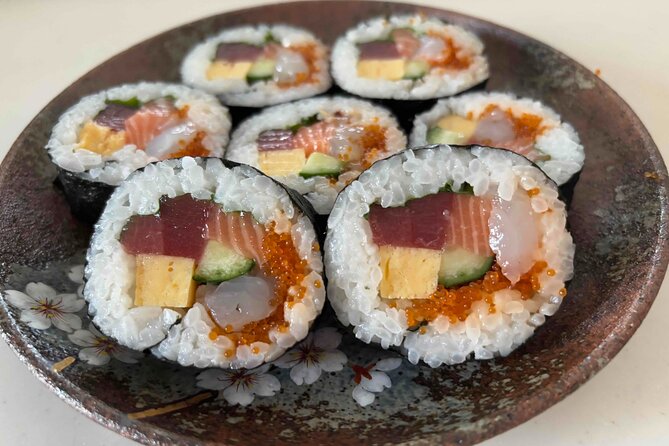
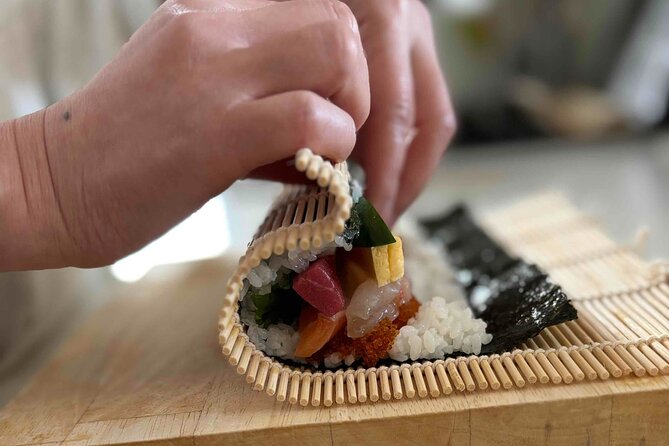
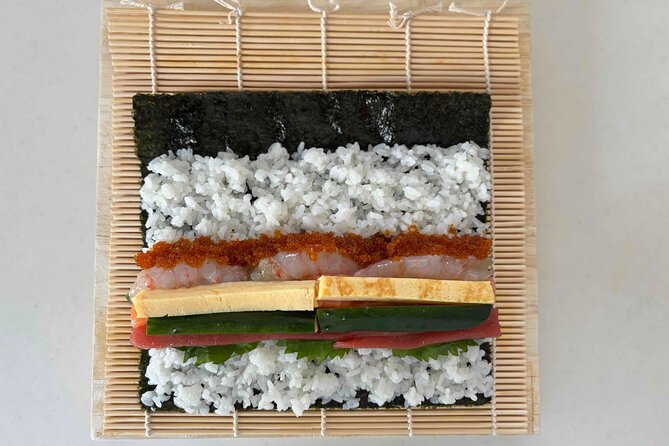
The main task is making seafood sushi rolls. The appeal is not only the ingredients, but the process. You get to shape and assemble the rolls yourself, which gives you a better sense of the care behind a dish that can look simple when it arrives neatly cut on a plate.
The description promises beautiful rolls, and that points to a visual skill as well as a cooking one. The class is a good choice if you like food activities that give you something practical to take home, even if that lesson is mainly the method rather than a printed recipe. Specific seafood selections and roll styles are not provided, so you should not book expecting a fixed list of fish or a particular kind of sushi.
A few more Sapporo tours and experiences worth a look


Cooking crisp tempura from scratch
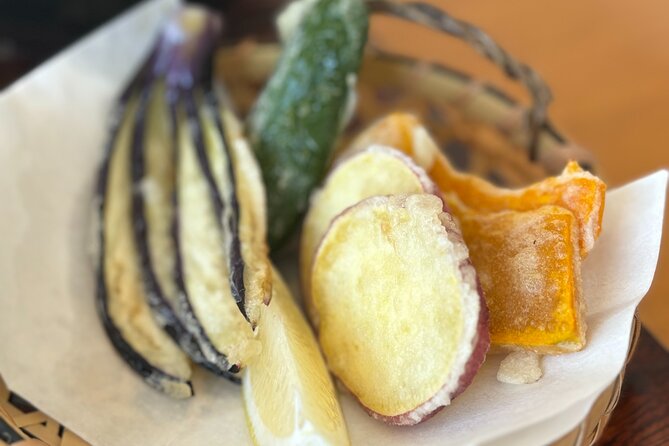
The second major food lesson is tempura. You will cook the pieces yourself and work toward the light, crispy texture that makes good tempura different from heavy fried food.
That is a useful pairing with sushi. Sushi rolling teaches careful assembly and presentation. Tempura adds heat, timing, and texture. Together, the two dishes make the cooking portion feel like a full meal rather than a single demonstration.
The cooking and tasting period runs from 10:15 a.m. to noon. That gives you roughly one hour and 45 minutes for instruction, preparation, cooking, and eating. The exact pace will depend on the small group, but two or three people should mean less waiting than at a large class.
I would not treat this as an advanced chef’s course. The information focuses on basic skills and a relaxed atmosphere, not professional knife work or restaurant-level technique. That is a plus for most visitors. You can enjoy the process without needing strong cooking experience, though the activity may feel too introductory if you already cook Japanese food regularly.
Sitting down to eat what you prepared
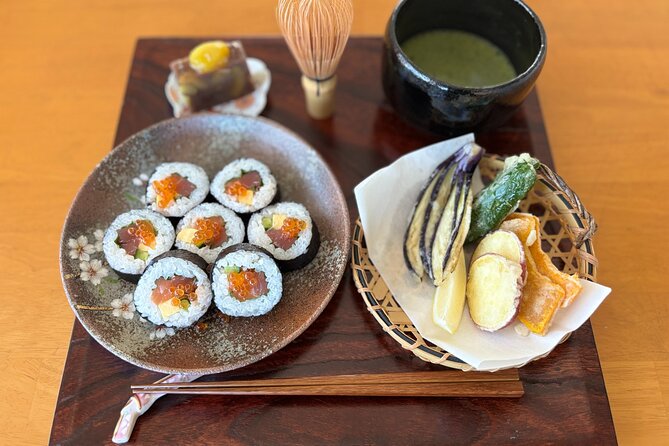
After the cooking, you eat the seafood sushi rolls and tempura together. This shared table time is an important part of the experience. It turns the class into a social meal, rather than a lesson where you leave as soon as the final dish is ready.
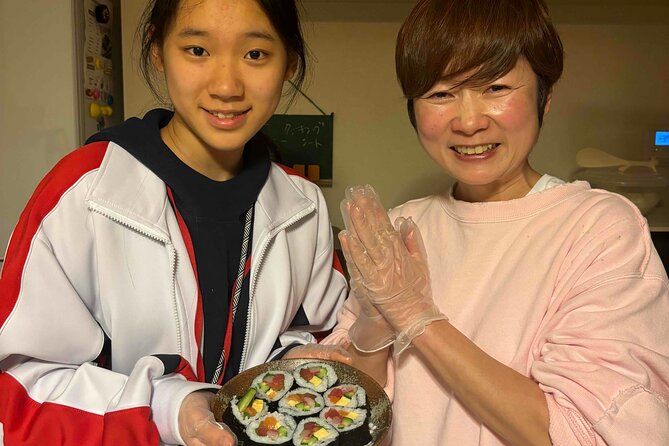
The small group size helps here. With only two or three participants, you should have more room to talk with the host and the other people in the class. One published comment describes the people as friendly and the lesson as interesting, with the participant pleased by both the new skills and the chance to make new friends. That matches the kind of setting this class is designed to provide.
The menu is included in the $97.55 price, along with matcha, Japanese sweets, a rental apron, and a hand towel. You are paying for the instruction, the food, the use of the kitchen, and the cultural portion of the morning. Compared with buying sushi alone, the cost is high. Compared with paying for a private or nearly private cooking lesson and a meal, it is easier to understand.
The activity is described as private, with only your group participating. At the same time, the class information says groups are usually two or three people. That means you should expect an intimate session, but you should confirm the exact group arrangement if having a fully exclusive class is important to you.
A quiet matcha finish from noon to 12:30
The final half-hour shifts away from cooking and toward tea culture. From noon until 12:30 p.m., you will experience matcha with traditional Japanese sweets and learn about the spirit and basic ideas behind Japanese tea culture.
This is a welcome change of pace after the kitchen work. Matcha is not presented as a second full lesson in Japanese cuisine. Instead, it gives you a simple way to understand the calm, attentive side of Japanese hospitality and food traditions.
The tea portion also gives the experience a stronger cultural balance. Many cooking classes focus only on recipes. Here, you get a meal, hands-on preparation, and a small introduction to a different Japanese custom. If you want a formal tea ceremony with detailed ritual, this does not appear to be that. It is a shorter matcha experience attached to the cooking class.
Traditional Japanese sweets are included. The exact type is not specified, so you should think of this as a tasting and cultural introduction rather than a set menu you can plan around.
The Maruyama area adds value to the morning
The studio is around 15 minutes by car from Sapporo Station. It is also within walking distance of Hokkaido Shrine and Maruyama Zoo, and the surrounding area is described as stylish and pleasant.
That makes the class easier to pair with a day in western Sapporo. You can plan the cooking session as a morning activity, then continue sightseeing in the area after it ends at 12:30 p.m. The class itself does not include sightseeing or admission to nearby attractions, but its location gives you more options than a lesson far outside the city.
Do not assume that the activity includes a ride from your hotel. Hotel pickup and drop-off are listed as not included. The meeting point is 26 Chome-2 Odorinishi, Chuo Ward, Sapporo, Hokkaido 064-0820, and the activity ends back there.
The meeting point is near public transportation, but no specific station or route is provided. Give yourself time to find the address, especially for a 10:00 a.m. start. If you are staying near Sapporo Station, the stated 15-minute car journey is a useful guide, but actual travel time can vary.
A few more Sapporo tours and experiences worth a look


How the $97.55 price holds up
At $97.55 per person, this is a premium half-day activity. The cost includes the seafood sushi roll lesson, tempura, the meal you prepare, matcha, traditional sweets, an apron, and a hand towel.
The strongest value comes from the tiny class size. A class of two or three allows a more personal exchange than a large group, and you are not paying for a crowded demonstration where you spend much of the time watching someone else cook. The meal also replaces the cost of a separate lunch, though you should not compare the price directly with an ordinary restaurant meal.
I would book this for the experience, not as a budget food stop. You are paying for access to a home-style kitchen, guided preparation, conversation, and a cultural lesson. If you mainly want to eat high-quality seafood at the lowest possible price, Sapporo has simpler options.
The activity is booked an average of 16 days ahead, which suggests that you should not leave it until the last morning of your trip. The published rating is 5 out of 5 from four reviews, and the clearest praise centers on the friendly people, interesting lesson, new skills, and social connection. That is encouraging, but it is still a small sample, so I would judge the class by its format and your own interests rather than by the score alone.
Timing, clothing, and practical planning
The full experience lasts about two and a half hours:
- 10:00 to 10:15 a.m.: Introduction to the class and Hokkaido food culture
- 10:15 a.m. to noon: Hands-on sushi and tempura preparation, followed by the meal
- Noon to 12:30 p.m.: Matcha and traditional Japanese sweets
An apron and hand towel are provided. You should still wear comfortable clothes suitable for cooking, since the session involves active preparation rather than simply sitting at a counter.
The activity requires good weather according to the booking information. If poor weather causes cancellation, you will be offered a different date or a full refund. You can also cancel for a full refund up to 24 hours before the local start time. Cancellations or changes inside that 24-hour window are not accepted for a refund.
The class begins and ends at the same meeting point. That makes it easy to continue with Hokkaido Shrine or Maruyama Zoo afterward, but you will need to arrange your own transport to the next stop.
Who will enjoy this experience most
I would recommend this class to you if you want more than a restaurant meal and prefer a small, personal activity. It fits couples, solo visitors who enjoy meeting people, and small groups looking for a relaxed morning together.
It is also a good match for anyone curious about everyday Japanese food culture. The residential setting, shared meal, and tea portion give you a different view of Sapporo than a market visit alone. Families may enjoy it too, though the provided information does not specify a minimum age, so check that before booking with children.
You may want to skip it if your schedule is very tight, if you dislike hands-on cooking, or if you only want a formal tea ceremony. The class spends most of its time preparing food, and the matcha segment lasts 30 minutes. You should also think twice if $97.55 feels too high for a meal-based activity.
Should you book Tomoko’s Japanese Cooking?
Book this if you value participation over speed. You will make Hokkaido seafood sushi rolls, cook tempura, eat with a very small group, and finish with matcha and sweets. The nearby Hokkaido Shrine and Maruyama Zoo make the location especially useful for a full morning and afternoon plan.
Skip it if you want a low-cost lunch, a large menu, or a formal tea ceremony. For the right person, the price buys a personal introduction to Japanese home cooking and a friendly social setting. That is the real reason to choose it.
FAQ
How long does the Hokkaido seafood sushi and matcha experience last?
The experience lasts approximately two hours and 30 minutes, from 10:00 a.m. until 12:30 p.m.
What food will I prepare?
You will make seafood sushi rolls using fresh Hokkaido seafood and cook crispy tempura. You will then eat the food you prepared.
Is matcha included?
Yes. The final part of the experience includes matcha and traditional Japanese sweets, along with an introduction to the spirit and basic ideas of Japanese tea culture.
How many people are in the class?
Classes are held in small groups of two to three people. The activity is also described as private, with only your group participating.
Is hotel transportation included?
No. Hotel pickup and drop-off are not included. You should make your own way to 26 Chome-2 Odorinishi, Chuo Ward, Sapporo, where the experience begins and ends.
Can I cancel for a full refund?
Yes. You can cancel at least 24 hours before the local start time for a full refund. Changes or cancellations made less than 24 hours before the start time are not accepted for a refund.
More Sapporo Food Tours in Sapporo
More Sapporo Tours in Sapporo


More tours in Sapporo we've reviewed




Sapporo Food Tours, compared.
 ★ 5.0Sapporo Bar Hopping Food TourFrom $108
 ★ 4.8Authentic Sapporo: Nijo Market Seafood Lunch & History TourFrom $612h 30m
 ★ 5.0Authentic Sapporo: Nijo Market Seafood Lunch & Local History TourFrom $63
 ★ 4.8Eat Like a Local in Sapporo – Private & Custom Food TourFrom $1883 hours
 ★ 4.6Hokkaido Sapporo :Hill of Buddha, Beer Museum & Fish MarketFrom $64
 ★ 5.0Sapporo: Nightlife Bar Hopping Tour with Local GuideFrom $1163 hours
 ★ 4.5Sapporo: Historical Village of Hokkaido and Beer Museum TourFrom $1888h 30m
 ★ 5.0Drift-ice kayaking & steamed and grilled seafood on Okhotsk SeaFrom $184
The lists this tour appears in