
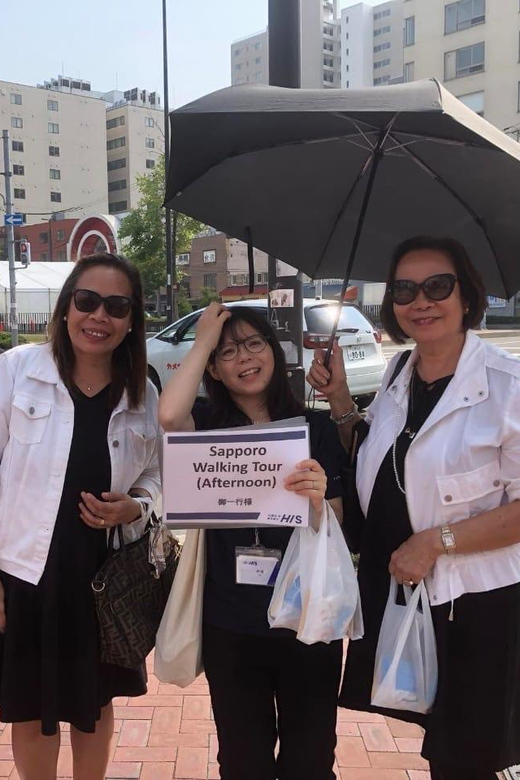
Reviewed · SAPPORO TOURS
Sapporo Walking Tour
Sapporo is easiest to understand on foot, and this tour links the city’s key sights with the practical advice you cannot get from a map. You walk with a Sapporo-based English-speaking guide such as Jessica or Hiro, hear the story behind the buildings, and finish with a useful view from the TV Tower.
In This Article
- Key points
- Why a walking tour works well in Sapporo
- Starting near Sapporo Station
- The Red Brick Office and Sapporo’s early government
- A Hokkaido sweets stop at Kitakaro or Snow Brand Parlor
- The Sapporo Clock Tower in the heart of downtown
- Walking the length and purpose of Odori Park
- Sapporo TV Tower and the city from above
- Afternoon additions: Tanuki Koji and Nijo Fish Market
- Jessica, Hiro, and the value of a small group
- Winter sidewalks, underground routes, and what to wear
- Timing, flexibility, and who should book
- Should you book the Sapporo Walking Tour?
- FAQ
- Where does the Sapporo Walking Tour take place?
- How long does the tour last?
- What sights are included?
- Are Tanuki Koji Shopping Street and Nijo Fish Market included?
- Is the Sapporo TV Tower ticket included?
- Is food included in the price?
- How many people can join the tour?
- Is the tour conducted in English?
- What should I wear or bring?
- What happens if it snows or rains?
- Can I cancel the tour?
I like the small group limit of eight, which should leave room for real questions instead of a guide speaking over a crowd. I also like the sweets stop at Kitakaro, Snow Brand Parlor, or another guide-recommended shop, since it adds an everyday taste of Hokkaido to a landmark-heavy route.
The main consideration is winter weather. Snow can narrow sidewalks, and the group may use underground walkways instead of outdoor paths. Meeting instructions also deserve a careful read, since one participant found the location inside a building rather than outside.
Key points
- A compact introduction to central Sapporo: See Sapporo Station, the Red Brick Office, Clock Tower, Odori Park, TV Tower, and more.
- A real local contact: Ask your English-speaking guide about restaurants and other places worth adding to your stay.
- TV Tower admission included: The observatory gives you a clear sense of how central Sapporo is laid out.
- Afternoon route adds two food-oriented stops: Tanuki Koji Shopping Street and Nijo Fish Market are included on afternoon tours.
- Small groups stay manageable: The tour is limited to eight people and runs even with only one participant.
- Plan for the season: Comfortable shoes are needed year-round, while winter calls for warm clothes and boots.
Why a walking tour works well in Sapporo
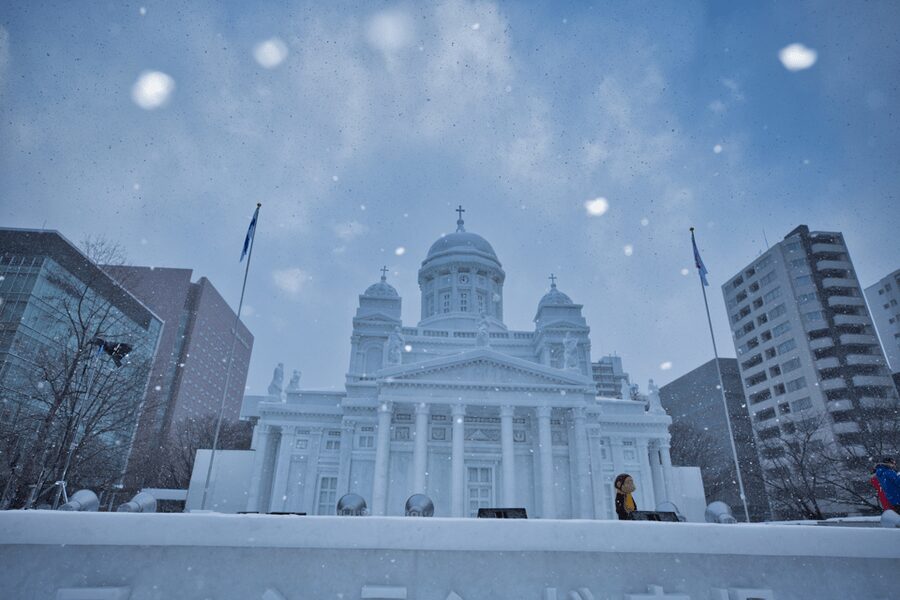
Sapporo has a straightforward central layout, but its wide streets and planned blocks can feel a little impersonal when you first arrive. A guided walk gives those streets a purpose. You move from the station area to historic government buildings, public parks, shopping streets, and the city’s best-known tower.
This is not a specialist architecture tour or a food tour. It is a practical first look at Sapporo. I would use it early in a visit, especially if you want help deciding where to spend the rest of your time.
The guide supplies context as you walk, then answers the questions that tend to matter most after you arrive. Ask about restaurants, local customs, seasonal activities, or which areas deserve a second look. That personal exchange may be more useful than another long list of dates and names.
The advertised price is $58 per person. That is a fair price if you value an English-speaking guide, a small group, and the included TV Tower observatory ticket. It is less attractive if you only want to photograph the outside of the sights and prefer to explore at your own speed.
A few more Sapporo tours and experiences worth a look


Starting near Sapporo Station
Sapporo Station is a sensible place to begin because it is one of the city’s main reference points. Even if your selected option uses a different meeting point, the station belongs on your mental map. It helps you understand how the central area connects.
Your guide can help turn the station from a place you simply pass through into a useful starting marker. From here, the walk introduces the city’s central sights without requiring a separate bus or train transfer between each stop.
The exact meeting point can vary by the option you book. Read those instructions closely. One booking had some confusion because the meeting place was inside a building rather than outside, so allow enough time to find the correct spot and keep your phone available.
The Red Brick Office and Sapporo’s early government
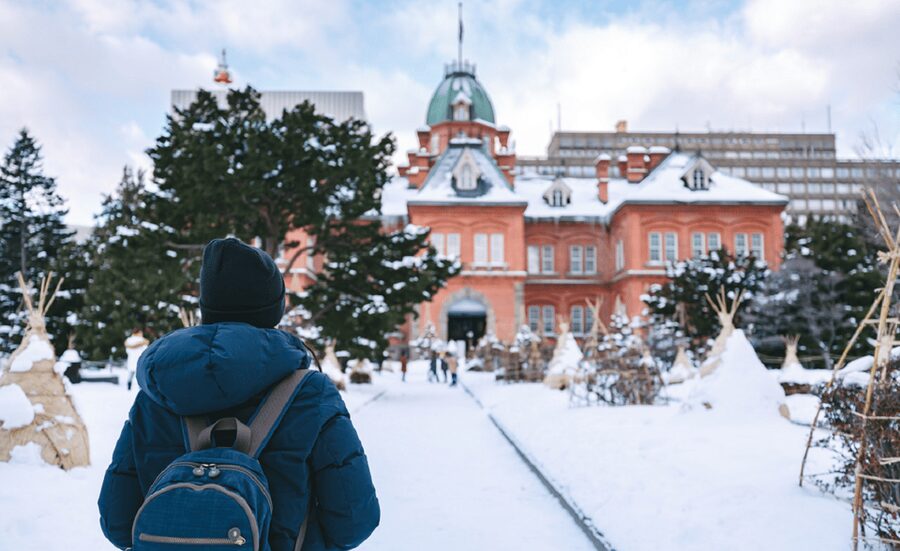
The Former Hokkaido Government Office Building is commonly called the Red Brick Office. Its old-fashioned brick exterior gives the route one of its clearest visual changes from modern central Sapporo.
This stop matters because it connects the present-day city with the development of Hokkaido’s government and administration. Your guide explains the building’s role and the history behind the surrounding area, giving you a reason to look beyond the facade.
It is also a good place to ask questions. If you want more background on Sapporo’s growth, Hokkaido’s regional identity, or the way the city was planned, this is likely one of the most useful points in the walk.
Do not expect a long museum visit to be the focus. The value here is the guide’s explanation and the chance to place the building in the wider story of central Sapporo.
A Hokkaido sweets stop at Kitakaro or Snow Brand Parlor
The sweets stop gives the tour a welcome change of pace. Depending on the route and the guide’s recommendation, you may visit Kitakaro, Snow Brand Parlor, or another sweets shop.
This is not listed as a food tasting with included snacks, so bring money if you want to buy something. Food and drinks are personal expenses, not part of the tour price.
Still, the stop is useful. Sweets are part of the way Hokkaido presents its local produce and food culture, and a shop visit can give you ideas for souvenirs or an easy treat later in your stay. Your guide can also steer you toward a place that fits the day’s conditions.
I like this part because it keeps the walk from becoming a string of civic buildings. You get a small, practical glimpse of local shopping rather than only a lesson in official history.
The Sapporo Clock Tower in the heart of downtown
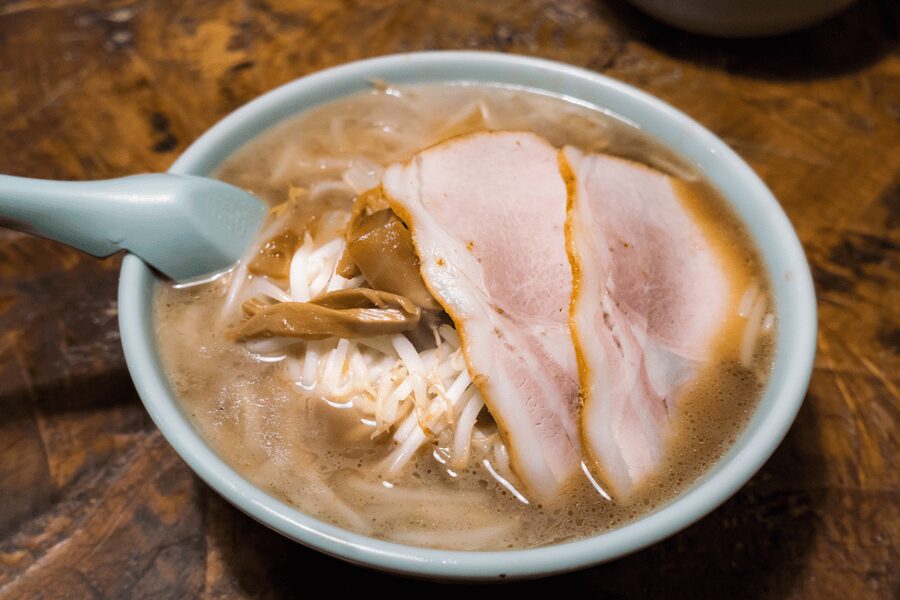
The Sapporo Clock Tower is one of the city’s signature sights, even though its modest size can surprise first-time visitors. It is surrounded by the scale of downtown, so the guide’s explanation helps you understand why this small building matters.
This is the sort of stop where expectations make a difference. If you expect a grand European-style clock tower, you may find the building compact. If you see it as a surviving symbol of Sapporo’s early development, it becomes more interesting.
The tour keeps the visit efficient by linking it with the other central landmarks. You will not need to plan a separate route between the Clock Tower, Odori Park, and the TV Tower. That saves time and helps you see how close these sights are to one another.
Other walking tours we've reviewed in Sapporo



Walking the length and purpose of Odori Park

Odori Park is not just a patch of grass between buildings. It is a long central public space that helps organize downtown Sapporo. Walking through it gives you a break from city blocks and a chance to see how public life fits into the center.
The park changes with the season. In warm weather, the open space is easier to enjoy on foot. In winter, snow and cold become part of the experience, but they also make walking slower and more demanding.
Your guide can point out the park’s place in Sapporo’s civic life and help you get your bearings. I find this kind of orientation especially useful because it lets you return later without wondering which direction leads back to the station or shopping streets.
Bring comfortable shoes. You may be walking on surfaces that feel different from the sidewalks near your hotel, and the tour notes specifically warn that you will be on foot in places you may not be used to walking.
Sapporo TV Tower and the city from above
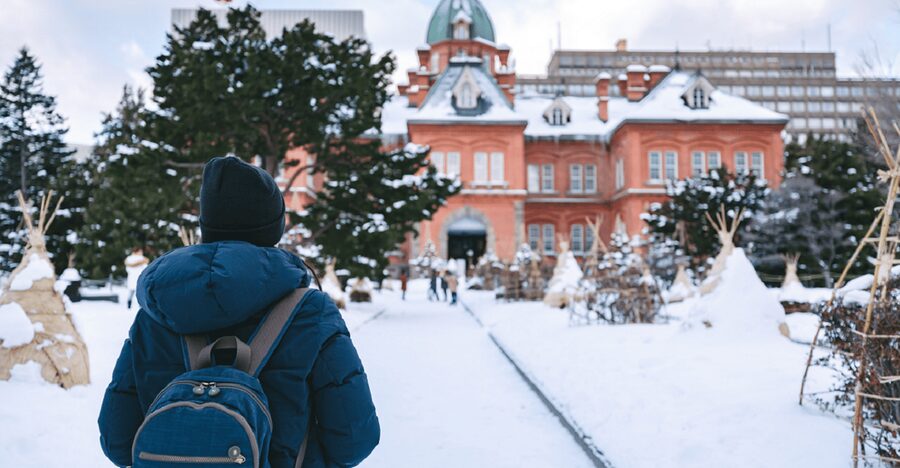
The TV Tower observatory is the clearest payoff of the tour. Admission is included, so you do not need to add that ticket to the $58 price.
From above, the central route makes more sense. Sapporo’s streets, Odori Park, and nearby districts become easier to picture as a connected whole. I like this stop not just for the view, but because it gives you a practical map in your head for the rest of your visit.
The observatory also balances the walking portion. After seeing the city at street level, you get a higher perspective without committing to a separate sightseeing visit.
The tour information does not promise a particular amount of time at the observatory, so treat it as one part of a three-hour route rather than a long tower visit. Your experience may also depend on weather and visibility.
Afternoon additions: Tanuki Koji and Nijo Fish Market

The afternoon tour includes Tanuki Koji Shopping Street and Nijo Fish Market. These stops give the later route a more commercial and food-focused feel than the main civic landmarks.
Tanuki Koji is useful for browsing shops and seeing a different side of downtown. It is the kind of place where you can ask your guide what is worth looking at and what might be better saved for later.
Nijo Fish Market adds a direct connection to Sapporo’s seafood reputation. Food and drinks are not included, so any purchase is up to you. The market stop is best viewed as an introduction and orientation, not a formal tasting program.
Check the option carefully if these places matter to you. They are specifically listed for the afternoon tour, so a morning booking should not be treated as the same route.
Jessica, Hiro, and the value of a small group
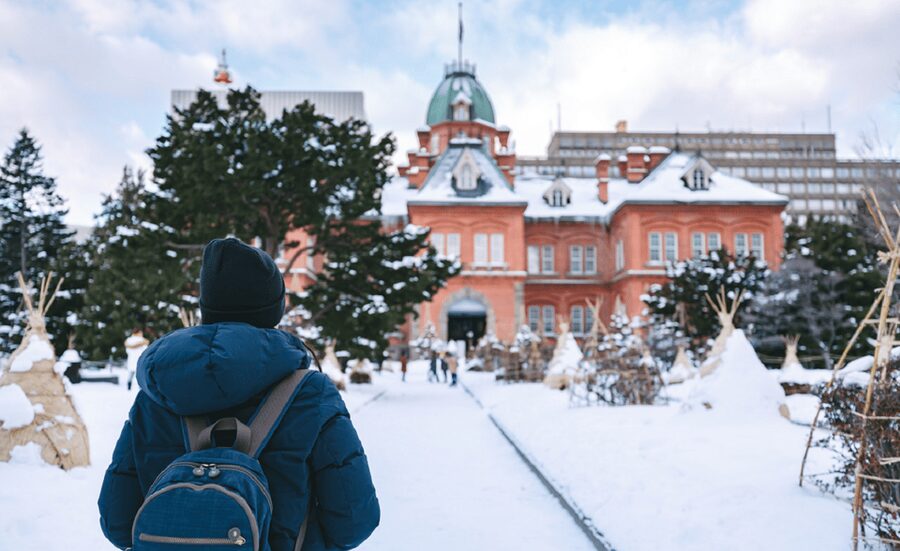
The named guides connected with this experience include Jessica and Hiro. Jessica is described as clear and cheerful in English, with an easy conversational manner. That matters because a walking tour works best when you can ask questions without feeling as if you are interrupting a lecture.
Hiro is also praised for explaining the history of Sapporo’s buildings and making the TV Tower visit worthwhile. The guide you receive depends on the scheduled date, so you should not assume a particular person is guaranteed.
The group limit is eight. That is small enough for the guide to adjust explanations and respond to individual interests. If only one person books, the tour is still confirmed to run, which can turn it into a private-feeling experience without requiring a private-tour price.
The advertised rating is 4.9 from 17 reviews, with repeated praise for friendly guides, clear English, useful history, and a comfortable atmosphere. I would put more weight on those repeated themes than on the number alone. The experience depends heavily on the guide, and the strongest benefit is the conversation.
Winter sidewalks, underground routes, and what to wear
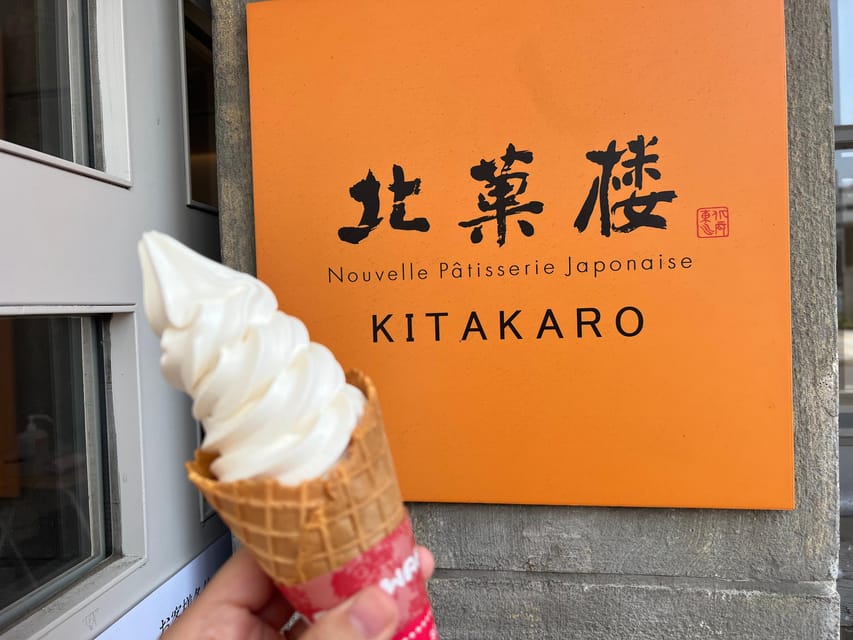
Sapporo’s winter conditions are not a footnote. Snow can make sidewalks narrow, and the tour may use underground walkways for safety instead of following the outdoor route.
That change may reduce the charm of walking past every building, but it is a sensible trade. You still receive the city orientation, though the feel of the tour can be more functional in bad weather.
Wear warm clothes and boots in winter. Comfortable shoes are recommended in every season, and the activity notes also suggest bringing an umbrella and rain shoes when needed. The weather can be wet or snowy, so dress for conditions rather than for the calendar.
The tour continues in rain or snow when weather permits. If you dislike cold-weather walking, book for a milder season or choose the option with timing that best fits your energy and weather forecast.
Timing, flexibility, and who should book
The listed duration ranges from three hours to one day, depending on the option. Check availability for the actual starting time and length before booking. The core sightseeing route is built around a three-hour walking experience, while the exact option may affect the meeting point and included stops.
Free cancellation is available up to 24 hours in advance for a full refund. You can also reserve now and pay later, which helps if your Sapporo schedule is still shifting.
I would recommend this tour to:
- First-time visitors who want a clear introduction to central Sapporo
- Solo visitors who like having a local person to ask about food and sightseeing
- Couples or small groups who prefer conversation over a large coach tour
- People who want the major landmarks explained in one compact outing
- Visitors who want the TV Tower observatory included rather than arranged separately
I would be more cautious if you want a full-day food tour, extensive interior visits, or complete freedom to stop wherever you like. The route is a guided overview, not an open-ended exploration.
Should you book the Sapporo Walking Tour?
Book it if you want to understand central Sapporo quickly, ask a local guide practical questions, and see the city from the TV Tower without managing every detail yourself. The $58 price makes the most sense when you take advantage of the small group and the guide’s local advice.
Choose an afternoon option if Tanuki Koji Shopping Street and Nijo Fish Market are priorities. Choose a time that suits the weather, wear proper shoes, and confirm the meeting point before you leave.
For a first day in Sapporo, this is a useful orientation walk with enough history to add meaning and enough local conversation to help shape the rest of your visit.
FAQ
Where does the Sapporo Walking Tour take place?
The tour takes place in central Sapporo, Hokkaido, Japan. The route includes Sapporo Station, the Red Brick Office, a sweets shop, the Clock Tower, Odori Park, the TV Tower, and selected afternoon stops.
How long does the tour last?
The available options range from three hours to one day. Check availability for the exact duration and starting time of the option you choose.
What sights are included?
The stated route includes Sapporo Station, the Former Hokkaido Government Office Building, Kitakaro or Snow Brand Parlor or another guide-recommended sweets shop, Sapporo Clock Tower, Odori Park, and Sapporo TV Tower.
Are Tanuki Koji Shopping Street and Nijo Fish Market included?
They are included on the afternoon tour only.
Is the Sapporo TV Tower ticket included?
Yes. Admission to the Sapporo TV Tower Observatory is included.
Is food included in the price?
No. Food and drinks are not included, and personal purchases are your responsibility.
How many people can join the tour?
The tour is limited to eight participants. It is also confirmed to run even when only one person books.
Is the tour conducted in English?
Yes. The host or greeter and guide language are English.
What should I wear or bring?
Wear comfortable shoes. In winter, bring warm clothes and boots or other protection from the cold. In wet weather, bring an umbrella and rain shoes if needed.
What happens if it snows or rains?
The tour continues in rain or snow when weather permits. If snow makes sidewalks too narrow, the group may use underground walkways for safety.
Can I cancel the tour?
You can cancel up to 24 hours in advance for a full refund. Reserve-now, pay-later booking is also available.
More Walking Tours in Sapporo
More Sapporo Tours in Sapporo


More tours in Sapporo we've reviewed




Sapporo Tours, compared.
 ★ 5.0Sapporo Bar Hopping Food TourFrom $108
 ★ 5.0Sapporo Private Tour with a Local – Highlights & Hidden GemsFrom $109
 ★ 4.9Sapporo: Sumo Show Experience with Japanese food & PhotoFrom $772 hours
 ★ 5.0Mondo’s most popular plan! Experience making soba noodles and the king of Japanese cuisine, tempura, in Sapporo!From $85
 ★ 5.0【Private Car】Asahiyama Zoo, Blue Pond, Shirahige Falls, Ningle Terrace (from Sapporo)From $465
 ★ 4.0Hokkaido Noboribetsu Lake Toya Tour from SapporoFrom $66
 ★ 5.0Sapporo 6hr Private Tour with Government Licensed GuideFrom $155
 ★ 4.6From Sapporo: Hokkaido Highlights Day TripFrom $64
The lists this tour appears in