
Reviewed · SAPPORO
Wagashi traditional japanese sweets class
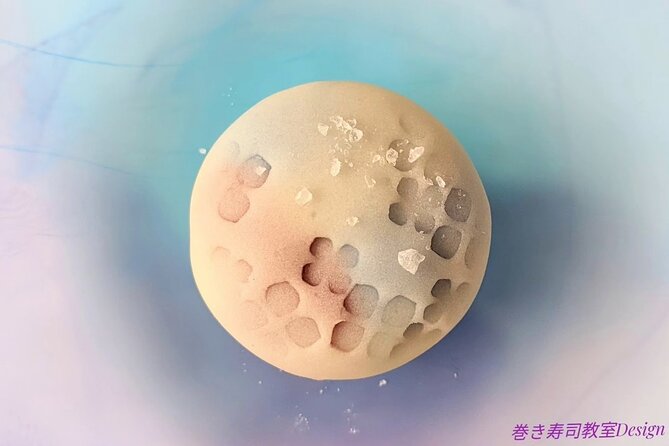
Sapporo’s wagashi class takes you out of the city center and into Yuki’s traditional Japanese home, where you learn to shape nerikiri, one of Japan’s prettiest sweets. I like the personal setting and the chance to see a quieter side of Sapporo. I also like that Yuki serves matcha and explains the cultural meaning behind the sweets, not just the recipe.
In This Article
- Key points to know before booking
- Why wagashi makes a memorable Sapporo activity
- Meeting Yuki at Makomanai Station
- Entering a local home for tea and conversation
- Shaping delicate nerikiri sweets
- Matcha, tasting, and packing your sweets
- What the two-hour schedule feels like
- Is the $59.31 price good value?
- The strongest parts of the experience
- Who should book this class?
- Booking, cancellations, and useful planning tips
- Should you book the Sapporo wagashi class?
- FAQ
- Where does the wagashi class begin?
- Where does the activity finish?
- Is pickup offered?
- How long does the class last?
- What kind of Japanese sweet will I make?
- How many people can join the class?
- Is the class available in English?
- How much does the experience cost?
- Can I cancel for a full refund?
The main consideration is location. You meet at Makomanai Station, well away from central Sapporo, and the class lasts about two hours. Pickup from the station is offered, but you should allow extra time for the trip and confirm the arrangements after booking.
Key points to know before booking
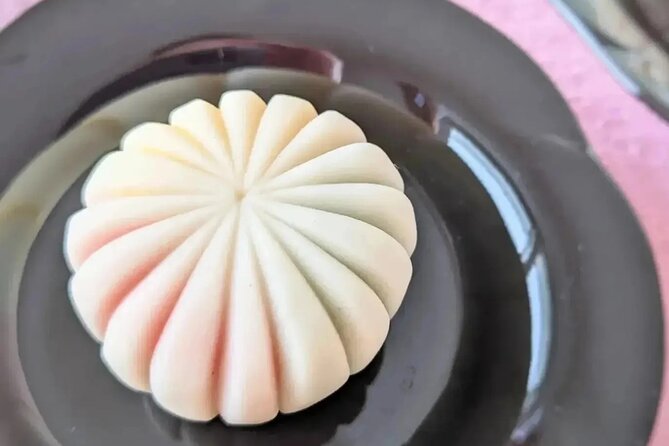
- Make nerikiri by hand: Learn to shape delicate bean-paste sweets with seasonal colors and flower designs.
- Meet Yuki in her home: The class takes place in a cozy local setting rather than a commercial cooking studio.
- Start at Makomanai Station: Pickup is offered, and the activity finishes back at the meeting point.
- Enjoy matcha and conversation: Tea, cultural background, and local Sapporo tips are part of the experience.
- Small-group atmosphere: The class accepts a maximum of 12 people, though the home setting may feel most comfortable for smaller parties.
- Plan for a quieter outing: The suburban location offers a calm break from central Sapporo, but it is not the most convenient choice for a packed sightseeing schedule.
Why wagashi makes a memorable Sapporo activity
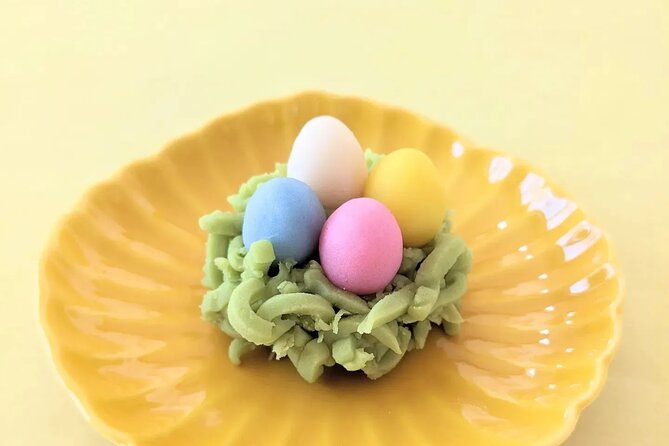
Wagashi is the broad Japanese term for traditional sweets, many of them made with ingredients such as sweet bean paste, rice flour, and agar. These treats are tied to the seasons and are valued as much for their appearance as for their taste.
This class focuses on nerikiri, a refined sweet made from smooth bean paste. The dough is shaped and colored into flowers and other small forms. The finished pieces can look almost too neat to eat, which is part of the fun. You spend time learning to handle the paste carefully, then enjoy the result with tea.
I find this kind of class more rewarding than a quick food tasting because you take part in the work. You see why Japanese sweets require patience and a light touch. A finished sweet may be only a few bites, but making it asks you to pay attention to shape, balance, color, and detail.
The class also gives you a useful bit of cultural context. Wagashi has continued as a Japanese tradition for more than 1,000 years, and its seasonal designs reflect the Japanese habit of noticing flowers, weather, and small changes in nature. You are not simply making a dessert. You are learning why presentation matters so much in Japanese food culture.
If you're still narrowing it down, here are other tours in Sapporo we've reviewed.


Meeting Yuki at Makomanai Station
Your starting point is Makomanai Station in Sapporo’s Minami Ward. This is an important detail when planning your day. The meeting point is not in the central shopping and sightseeing area, so you should not treat the class as a quick stop between Odori Park and Susukino.
Pickup from the station is offered, and this has been especially helpful in cold weather or when you are unfamiliar with the area. Yuki provides meeting details after the booking is confirmed. Since pickup arrangements can depend on availability, contact her promptly if your arrival time or group size changes.
The trip away from central Sapporo is part of the appeal. The class is held in a quieter part of the city, near a river, with mountain scenery along the drive according to the experience details shared by past participants. That setting changes the pace of the outing. You leave behind the city’s shopping streets and spend part of the morning or afternoon in a residential area.
There is also a practical tradeoff. If your Sapporo schedule is tight, the station transfer and time outside the center will take more planning than a class near Odori or Susukino. If you have already seen the main sights, though, this is a pleasant way to give your day a local turn.
The activity ends back at the meeting point. Some participants have been taken back to the station after class, but confirm the exact pickup and return arrangements when you receive your booking confirmation.
Entering a local home for tea and conversation
The class takes place in Yuki’s home, not in a large teaching kitchen. That makes the experience feel personal from the start. You can expect a warm, home-based welcome and a chance to see how a local Japanese person lives.
A serving of hot matcha is part of the visit. It may be presented in Japanese teacups, adding a quiet ceremonial touch before the hands-on work begins. This opening matters because it gives you time to settle in rather than rushing straight to a counter and a printed recipe.
Yuki also spends time talking with you. She has appeared on Japanese television, radio, and in newspapers because of her teaching, but the tone of the class remains informal. Her English is described as clear, and written English instructions may be provided so you can follow the process during and after the class.
This is a good setting for questions. You can ask about wagashi, Japanese customs, Hokkaido, or places to eat in Sapporo. Yuki is also known to offer local restaurant and cafe suggestions away from the most tourist-heavy areas. That advice can be useful if you want your next meal to feel less predictable.
The home setting will not suit everyone. If you prefer a polished studio with wide work surfaces and a formal demonstration area, this class may feel more intimate than expected. For most people choosing a cultural activity, that intimacy is the point.
Shaping delicate nerikiri sweets
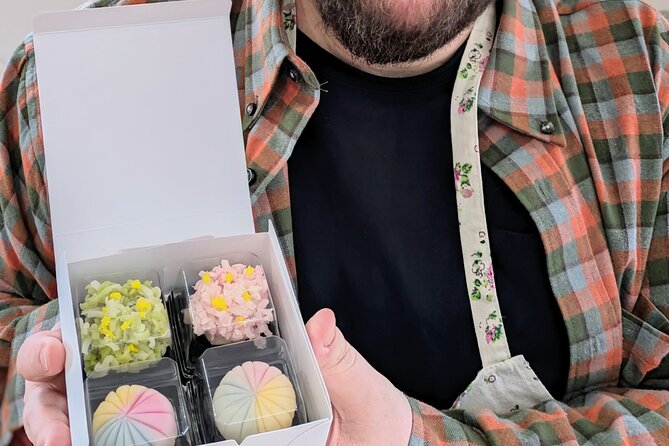
The main lesson centers on making nerikiri. Yuki prepares the materials in advance, then shows you how to form the sweets. The process is delicate and requires more focus than a simple roll-and-cut cooking lesson.
You will likely work on two kinds of sweets, with two of each, based on the class format described in the supplied details. The exact designs may vary with the season and the lesson plan. Expect small, decorative pieces rather than large portions.
The technique is the challenge. You need to shape the sweet paste without flattening its fine details, create an attractive color pattern, and form the outside into a flower or another traditional design. The work is approachable, but it is not entirely effortless. That makes it a good activity for people who enjoy careful crafts as well as food.
Yuki guides you through each stage and demonstrates the techniques clearly. The class is suitable for beginners, since you do not need prior confectionery experience. Still, you should not expect every sweet to look exactly like the teacher’s example on the first try. The pleasure comes from learning how the paste responds and seeing your own design take shape.
Children can also take part. Yuki has taught families and is described as patient with children. Younger children may need help with the fine shaping, so adults should be ready to work alongside them. Older children and teenagers who enjoy Japanese culture, crafts, or cooking should find the class especially engaging.
The sweets are meant to be eaten, not simply displayed. Their sweetness is elegant rather than aggressively sugary, and the bean-paste base gives them a soft, smooth texture. If you usually prefer pastries with crisp crusts or rich chocolate, the taste may be different from what you expect. That is part of the cultural lesson.
Matcha, tasting, and packing your sweets
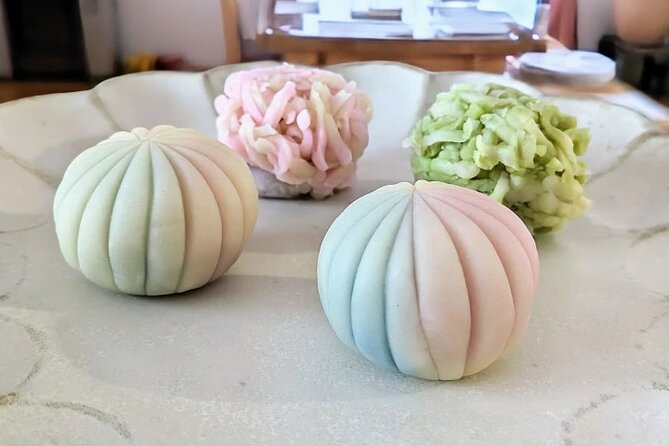
After the shaping is complete, you get to taste what you made with tea. This is when the visual work becomes food. You can compare the different shapes and see how the sweetness pairs with matcha’s more restrained flavor.
The tasting also gives you a natural pause to talk with Yuki. The class is not arranged as a race to finish the recipe. The pace allows for conversation, questions, and a look at the finished sweets before you eat them.
Your creations may be packed in containers for the journey back. That is useful if you want to save some for later, although delicate wagashi should be treated carefully. The sweets are small and attractive enough to make a thoughtful food souvenir, but you should not assume they are designed for a long trip or extended storage.
One appealing detail is that the class can continue after you return home. Written instructions allow you to remember the basic process and try making wagashi again. The ingredients and tools in your own kitchen may differ, so your results may not match the class exactly, but you will leave with a better feel for the method.


What the two-hour schedule feels like
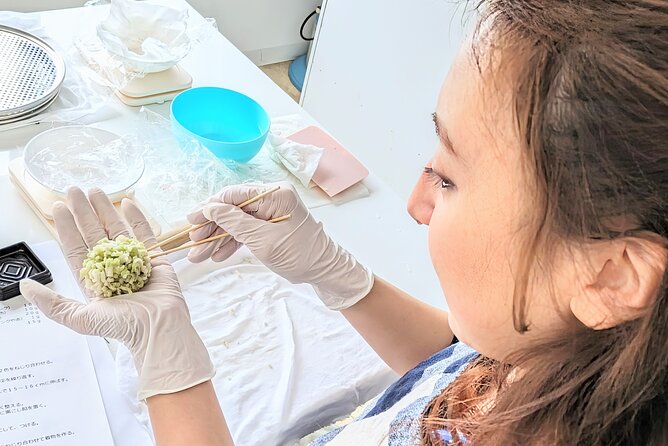
The stated duration is about two hours. That is long enough to include the station meeting, welcome, tea, explanation, shaping lesson, tasting, and conversation without turning the activity into a full-day commitment.
I would plan it as a stand-alone part of your day rather than squeezing it between two timed attractions. The class begins at Makomanai Station, and pickup plus the drive to the home add movement before the hands-on lesson starts. The return to the meeting point also needs to fit into your plans.
The schedule works well in the morning or afternoon. A morning class can give you local food suggestions for lunch. An afternoon class can provide a calm change of pace after sightseeing. The exact start time is set when you book, subject to availability, so check it before building the rest of your day.
A maximum of 12 people is listed. That is smaller than a typical bus excursion, but the home environment means group size may affect how much personal attention you receive and how comfortable the work area feels. Couples, families, and small friend groups are likely to appreciate the setting most.
Group discounts are offered, and large groups can contact the provider directly. If you are arranging a school, family, or corporate group, ask about the setup before assuming the standard booking covers everyone.
Is the $59.31 price good value?
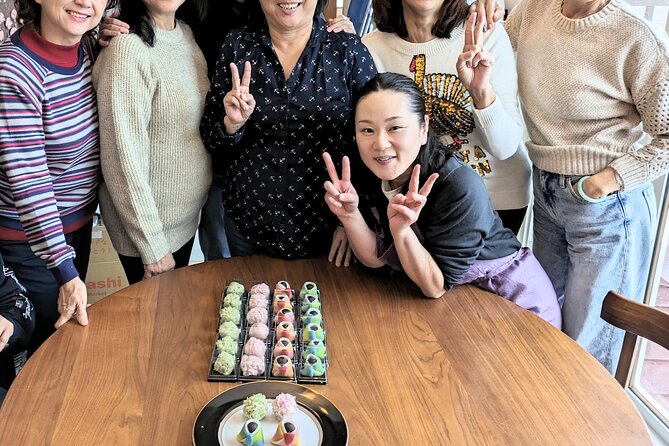
At $59.31 per person, the class costs more than simply buying wagashi from a department-store food hall or confectionery shop. You are paying for instruction, ingredients, tea, transportation assistance from the station, and the private-home setting.
I think the value is strongest if you care about cultural contact and hands-on learning. You receive more than a snack. You learn how a traditional Japanese sweet is shaped, hear about its place in Japanese life, and spend time with a local host who can point you toward other places in Sapporo.
The price is less compelling if your only goal is to taste wagashi. Sapporo has shops where you can buy sweets without committing two hours and traveling to Makomanai. This class makes sense when the process matters as much as the food.
It is also a good choice for a special occasion. A birthday class has been used as a present for a daughter interested in Japanese culture. The small handmade sweets, matcha, and home setting give the outing a personal feel that a standard restaurant meal may not provide.
The class is frequently booked well ahead, with an average booking time of about 46 days in advance. That does not guarantee every date sells out, but it is a useful signal to reserve early if your Sapporo dates are fixed.
The strongest parts of the experience
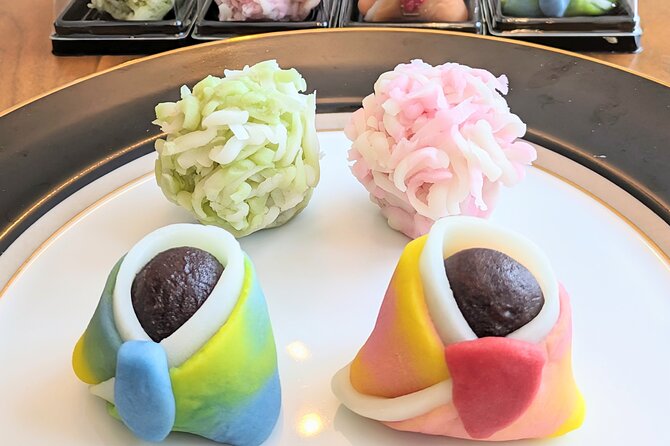
The teaching is the heart of the activity. Yuki is warm, patient, and clear in English, and she prepares the materials before you arrive. That preparation leaves more time for shaping and conversation.
The setting is another major strength. A traditional Japanese home near a river, surrounded by a quieter suburban atmosphere, gives you a side of Sapporo that you will not find in the main shopping districts. The mountain views on the drive can add to the sense of getting away from the center.
Cleanliness is also treated seriously. The class has been praised for its hygiene, which matters when you are working with food in a private home. The organized setup helps beginners relax and focus on the technique.
The local advice is a useful extra. Yuki can suggest cafes, restaurants, and places to visit, including options away from the most visited streets. Ask for those tips during the tea or tasting portion, when there is time for conversation.
The main weakness is convenience. Makomanai is not the obvious choice for a short city-center itinerary, and the experience depends on coordinating pickup details. The class is best for a traveler who has enough time to enjoy the trip out, not someone counting every minute.
Who should book this class?
I would choose this activity if you want a quieter Sapporo experience with direct contact with a local host. It is especially suitable for couples, families with older children, food lovers, and anyone interested in Japanese arts and customs.
It also works well for repeat visitors who have already covered the major city sights. The class gives you a reason to head south and see a more residential side of Sapporo.
Families should consider the ages and patience of their children. The sweets are small and the shaping requires concentration, but Yuki has experience teaching children and can provide a gentle introduction to the craft.
This may not be ideal for someone who wants a fast, central activity or a broad cooking class. The focus is narrow: traditional sweets, especially nerikiri. That narrow focus is a strength if it matches your interests, but it is worth knowing before you book.
The experience provider also offers flower sushi roll classes. Those are described as easier than the wagashi class, so you might consider that option if you want a more straightforward food-making activity. The wagashi class is the better pick for delicate design and traditional confectionery.
Booking, cancellations, and useful planning tips
Confirmation is sent within 48 hours of booking, subject to availability. You receive the meeting details through the booking process, and you should check them carefully because the activity begins at Makomanai Station rather than at a central Sapporo landmark.
The class offers free cancellation if you cancel at least 24 hours before the local start time. Cancellations or changes made less than 24 hours before the start are not accepted for a refund.
Bring a phone with the booking information and allow spare time for the station meeting. If you have a large group, contact the provider before booking so the home setting and group arrangements can be discussed.
I would also keep your schedule light after the class. You may want time to eat or photograph the sweets, ask Yuki for local suggestions, and make the return trip without rushing.
Should you book the Sapporo wagashi class?
Book it if you want a calm, personal activity that combines Japanese food, craft, tea, and local conversation. Yuki’s patient teaching, English instructions, station pickup, and welcoming home make the class approachable, even if you have never made wagashi before.
Skip it if you only want a quick taste of Japanese sweets or if your plans are limited to central Sapporo. The trip to Makomanai is part of the experience, but it also demands time.
For most people with a free two-hour window and an interest in Japanese culture, the $59.31 cost is fair. You leave with handmade sweets, new knowledge of nerikiri, and a more personal connection to Sapporo than a standard food stop can offer.
FAQ
Where does the wagashi class begin?
The activity begins at Makomanai Station in Sapporo’s Minami Ward, Hokkaido, Japan.
Where does the activity finish?
The class ends back at the meeting point.
Is pickup offered?
Yes. Pickup from the station is offered. Confirm the exact arrangements after booking.
How long does the class last?
The experience lasts approximately two hours.
What kind of Japanese sweet will I make?
You will learn to make nerikiri, a delicate and decorative type of traditional Japanese sweet.
How many people can join the class?
The maximum group size is 12 people.
Is the class available in English?
The provided information describes Yuki as speaking English well and giving clear English instructions. Written English instructions may also be available to keep.
How much does the experience cost?
The listed price is $59.31 per person. Group discounts are offered.
Can I cancel for a full refund?
Yes, if you cancel at least 24 hours before the experience start time. Cancellations or changes made less than 24 hours before the start are not refunded.
More tours in Sapporo we've reviewed




Sapporo, compared.
 ★ 5.0Sapporo Bar Hopping Food TourFrom $108
 ★ 4.7Hokkaido Seasonal: Lake Toya & Noboribetsu Jigokudani ValleyFrom $551 day
 ★ 5.0Sapporo Private Tour with a Local – Highlights & Hidden GemsFrom $109
 ★ 4.9Sapporo: Sumo Show Experience with Japanese food & PhotoFrom $772 hours
 ★ 5.0Popular in SapporoExperience authentic hand-made soba at a real soba shop!From $72
 ★ 5.0Mondo’s most popular plan! Experience making soba noodles and the king of Japanese cuisine, tempura, in Sapporo!From $85
 ★ 5.0【Private Car】Asahiyama Zoo, Blue Pond, Shirahige Falls, Ningle Terrace (from Sapporo)From $465
 ★ 4.0Hokkaido Noboribetsu Lake Toya Tour from SapporoFrom $66
The lists this tour appears in