
Sapporo’s best food stories begin at the fish stalls. This private half-day outing takes you to Jogai Market near the Central Wholesale Market and Nijo Market, then adds local sights such as Hokkaido Shrine and the view from JR Tower T38. Emilio, your guide, has lived in Hokkaido since 2017 and shapes the route around your pace and interests.
In This Article
- Key points to know before booking
- Two Sapporo markets, two different food stops
- Emilio’s local approach makes the route flexible
- Hokkaido Shrine brings a calmer change of pace
- Tanukikoji adds everyday shopping to the day
- Nakajima Park and the seasonal Japanese garden
- JR Tower T38 finishes with a city view
- What the $163 group price really buys
- Who will get the most from this half-day tour
- Booking details worth checking
- Should you book Emilio’s Sapporo market tour?
- FAQ
- How long is the Sapporo fish market tour?
- How many people can join the private tour?
- Which markets are included?
- Is food included in the tour price?
- Is public transportation included?
- Which languages does Emilio speak?
I like the mix of raw seafood and everyday Sapporo life. I also like that this is a private tour for up to three people, so you can spend more time on sashimi, local sweets, or photos instead of following a large group. The main consideration is cost: at $163 per group, it offers good value for three people, but less so for a solo visitor, especially since food, drinks, and public transportation are extra.
Key points to know before booking
- Two fish markets: Visit Jogai Market and Nijo Market, with chances to sample seafood at your own expense.
- A private three-person group: Emilio can adjust the pace and focus to suit your interests.
- More than a food walk: The route can include Hokkaido Shrine, Tanukikoji Shopping Street, Nakajima Park or its Japanese garden, and JR Tower T38.
- A local guide since 2017: Emilio adds context, personal favorites, and practical help while you explore.
- Food and transport are separate costs: Budget extra for market purchases, drinks, and getting between stops.
- Flexible booking terms: You can reserve now and pay later, with a full refund available when you cancel at least 24 hours ahead.
Two Sapporo markets, two different food stops
The food heart of this outing is the pair of markets. You visit Jogai Market near Sapporo Central Wholesale Market and Nijo Market, two places where Hokkaido’s strong seafood culture becomes easy to see, smell, and taste.
Jogai Market gives the route a slightly more local, less polished feel. One useful detail from the tour experience is that the wholesale fish market area can feel off the usual tourist path. That is part of its appeal. You are not only looking at neat displays prepared for visitors. You are getting closer to the trade that supplies Sapporo’s kitchens.
You should expect to pay for anything you eat. The tour includes Emilio’s guiding, not seafood, snacks, or drinks. That arrangement gives you control over your spending. You can keep the market visit simple, or choose sashimi and other local specialties if food is the main reason you booked.
Nijo Market is more central and easier to combine with other city sights. It has long been part of Sapporo’s public market life and is a practical stop for sampling seafood without leaving the city center. The contrast between Jogai and Nijo is useful: one feels tied more closely to the wholesale side of the trade, while the other fits neatly into a sightseeing day.
Do not expect a formal tasting menu. This is a market visit with a guide, not a restaurant meal. Emilio can help you understand what you are seeing and point out personal favorites, but your final food choices and bill remain yours.
A few more Sapporo tours and experiences worth a look


Emilio’s local approach makes the route flexible
The tour is led by Emilio Hokkaido, who has lived in the area since 2017. He speaks English, Spanish, and Italian, which makes this a practical choice if you want to discuss food and local customs in one of those languages.
The private format matters more here than it would on a simple landmark walk. Markets work best when you can pause at a stall, ask what something is, or change plans because a certain food catches your eye. With up to three people in your group, you can set a comfortable pace rather than wait for a crowd.
The route also adapts to your interests. You can place more weight on seafood, local culture, photography, or family-friendly sightseeing. That does not mean every listed stop is guaranteed in one fixed order. Hokkaido Shrine, Tanukikoji, Nakajima Park or the Japanese garden, and JR Tower T38 are all named possibilities, so ask Emilio how the day will be arranged when you book.
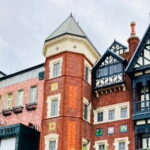
A past outing with Emilio included a wholesale fish market, a forest walk, a temple bakery known for excellent sweets, one of Sapporo’s oldest buildings, and the train station tower. The exact combination may vary, but this gives you a useful sense of the experience: it can reach beyond the basic market circuit and connect food with quieter cultural stops.
Hokkaido Shrine brings a calmer change of pace
After the markets, Hokkaido Shrine offers a very different setting. The shrine is one of Sapporo’s major cultural sights, and a visit here gives you room to slow down after the noise and movement of the food stalls.
The value of this stop is not just the gate or the building. A shrine visit lets you see how Sapporo’s modern city life sits alongside Japanese religious customs. Emilio can explain the local meaning of the place and help you approach it respectfully, especially if this is your first shrine visit in Japan.
The information does not specify how long you spend at Hokkaido Shrine or the exact order of stops. If you care most about the shrine, say so early. If seafood is your priority, you can ask to keep the cultural stop shorter.
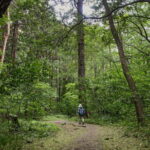
The route can also include a forest walk. That detail is worth noting for families and for anyone who wants a break from urban streets. It adds a quieter side to the day, though you should confirm whether it fits your chosen route and the season.
Tanukikoji adds everyday shopping to the day
Tanukikoji Shopping Street gives you a look at a more ordinary side of Sapporo. It is not a seafood market or shrine visit. Instead, it shows how locals and visitors move through the city for food, shopping, and small purchases.
This stop works well as a bridge between the markets and the city center. You might find souvenirs, snacks, and shops that make Sapporo feel like a lived-in city rather than a string of monuments. For families, it can be an easier place to browse after a focused market visit.
The drawback is that shopping streets are only as useful as your interests. If you are not looking for purchases or city atmosphere, you may prefer more time at the markets or shrine. The private format helps here because you can discuss that tradeoff with Emilio instead of simply accepting a fixed stop.
Nakajima Park and the seasonal Japanese garden
Nakajima Park is another optional part of the route, with the Japanese garden available seasonally. This gives the tour a greener, slower section, but the seasonal note is important. You should not assume the garden will be open or included at every time of year.
This is a good choice if you want photos, a quiet walk, or a break from shopping and food. It also helps balance the tour. Sapporo can be understood through its markets, but parks and gardens show a gentler side of the city.
Keep your expectations practical. The tour is only half a day, and several sights are listed as possible stops. If you try to cover every location in detail, the experience may become a quick look at each place. Ask for a route that matches your top two or three priorities.


JR Tower T38 finishes with a city view
JR Tower Observation Deck T38 is the clearest grand finale on the route. From the top of Sapporo Station’s tower, you get a broad view over the city, which helps you understand how the markets, shopping areas, parks, and shrine fit into the larger urban plan.
This stop also has a useful practical role. After moving through street-level Sapporo, you can look down and get your bearings. The tower is especially appealing if you want photographs or a strong final memory of the city.
An earlier outing with Emilio included the top of the train station tower, along with the market and cultural stops. That combination works well because the view does not require a full separate day. Still, confirm whether the observation deck admission is included. The supplied tour details list only a private guide as included, and do not list entrance fees.
What the $163 group price really buys
The price is $163 for a group of up to three people. For three people, that works out to roughly $54 per person before food, drinks, transportation, or any entrance fees. For a couple, it is about $81.50 each, while a solo visitor pays the full group rate.
That makes this tour easiest to justify for a small group that values private guiding. You are paying for Emilio’s time, route planning, language support, and ability to adjust the day. You are not paying for a meal package or a bundle of admissions.
I see the strongest value for families, couples, or friends who want one local guide to handle several kinds of stops. The route can connect seafood, shopping, religious culture, green space, and a high view without forcing you to plan each piece yourself.
The value is weaker if you only want to browse one market. You can spend less by visiting a market independently, especially if you already know where you want to eat and how to get around. This tour earns its price through the combination of places and personal attention.
Plan a separate budget for food and drinks. Market food prices can vary depending on what you choose, and the tour does not include public transportation. The listing also does not state that admission to the observation deck or other possible paid attractions is covered, so ask before setting your budget.
Who will get the most from this half-day tour
I would look closely at this experience if you fit one of these profiles:
- You want to eat seafood but would like help understanding the market choices.
- You prefer a private guide to a large group.
- You are visiting Sapporo for the first time and want several major areas in one morning or afternoon.
- You are traveling with up to two companions and can share the guide fee.
- You want to combine food with shrines, parks, shopping, and city views.
- You need guiding in English, Spanish, or Italian.
Families may like the adjustable pace and the mix of indoor and outdoor stops. Food-focused visitors should make the markets the main priority and treat the other sights as useful additions.
This may not be the best match if you want a long restaurant meal, a fixed tasting menu, or a detailed visit to every stop. It is also less appealing for anyone who dislikes paying extra for food and local transport.
Booking details worth checking
You can reserve the tour and pay later, which helps if your Sapporo schedule is still shifting. Cancellation is allowed for a full refund up to 24 hours in advance.
Because the route is flexible, contact Emilio with your priorities. Ask whether you will visit both markets, which optional sights fit the half-day timing, whether T38 admission is extra, and how transportation between stops will work.
The tour is private for up to three people, but the supplied details do not give a precise meeting point or exact start time. Confirm those details before booking, especially if you are arranging other reservations around the outing.
Should you book Emilio’s Sapporo market tour?
Book it if you want more than a quick seafood stop. The strongest reason to choose it is the combination of Jogai Market, Nijo Market, and Sapporo sights, all shaped by a local guide who can adjust the route. The wholesale-market visit, forest walk, temple bakery, old building, and tower combination shows how varied the day can be.
Skip it if you are comfortable navigating markets alone or if you want a tour built around a guaranteed meal. For three people, the $163 fee is easier to justify. For one person, compare the price with the value you place on personal guiding.
My practical advice is to make your top priorities clear: seafood, shrine culture, shopping, gardens, or the tower. If you want a flexible introduction to Sapporo with food at its center, this is a smart half-day choice.
FAQ
How long is the Sapporo fish market tour?
It is a half-day tour.
How many people can join the private tour?
The price covers a private group of up to three people.
Which markets are included?
The tour visits Jogai Market near Sapporo Central Wholesale Market and Nijo Market.
Is food included in the tour price?
No. Food and drinks are not included, so you pay separately for anything you choose to eat or drink.
Is public transportation included?
No. Public transportation is not included.
Which languages does Emilio speak?
The tour is available in English, Spanish, and Italian.
More Sapporo Tours in Sapporo
More tours in Sapporo we've reviewed



Sapporo Tours, compared.
 ★ 5.0Sapporo Bar Hopping Food TourFrom $108
 ★ 5.0Sapporo Private Tour with a Local – Highlights & Hidden GemsFrom $109
 ★ 4.9Sapporo: Sumo Show Experience with Japanese food & PhotoFrom $772 hours
 ★ 5.0Mondo’s most popular plan! Experience making soba noodles and the king of Japanese cuisine, tempura, in Sapporo!From $85
 ★ 5.0【Private Car】Asahiyama Zoo, Blue Pond, Shirahige Falls, Ningle Terrace (from Sapporo)From $465
 ★ 4.0Hokkaido Noboribetsu Lake Toya Tour from SapporoFrom $66
 ★ 5.0Sapporo 6hr Private Tour with Government Licensed GuideFrom $155
 ★ 4.6From Sapporo: Hokkaido Highlights Day TripFrom $64
The lists this tour appears in