
Reviewed · OTARU TOURS
1-Day Tour Sapporo: The port city of Otaru & Local Brewery
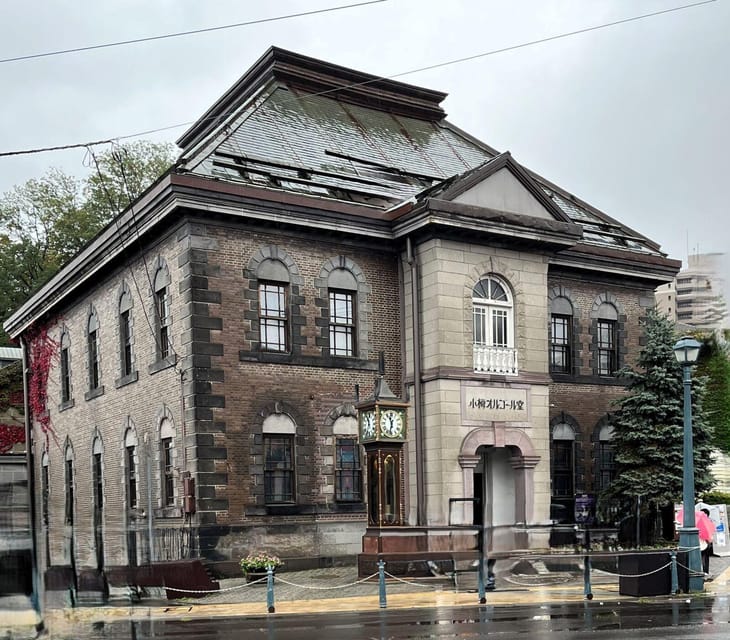
Otaru’s appeal comes from the way old trade warehouses, hands-on craft work, and a working beer hall fit into one easy day. You’ll walk the Otaru Canal, make your way along Sakaimachi Street, and finish beside the water with a drink in a rustic brewery.
In This Article
- Key points to know before you book
- Why Otaru makes a good day trip from Sapporo
- Meeting the guide at Sapporo Station
- Walking the Otaru Canal and its warehouse district
- Lunch and Sakaimachi Street
- Making glassware at the Kitaichi Glass Factory
- Mechanical music at the Otaru Music Box Museum
- The Otaru Steam Clock and its unusual soundtrack
- A beer at Germain Beer Brewery, Warehouse #1
- What the $170 price really covers
- Pace, comfort, and who should book
- Should you book this Otaru day trip?
- FAQ
- Where does the tour meet in Sapporo?
- How long does the tour last?
- Is transportation included?
- Is lunch included in the price?
- Is the glassware activity included?
- Can I make a music box?
- What drink is included at the brewery?
I like the mix of local history and practical activities, especially the chance to make glassware instead of simply looking at shop displays. I also like the relaxed pace noted by Allan, who described the day as leisurely, and the thoughtful conversation provided by guide Scott for Kiely. The main drawback is that lunch and the optional craft activities cost extra, while the walking and standing make this a poor fit for anyone with mobility limits.
Key points to know before you book
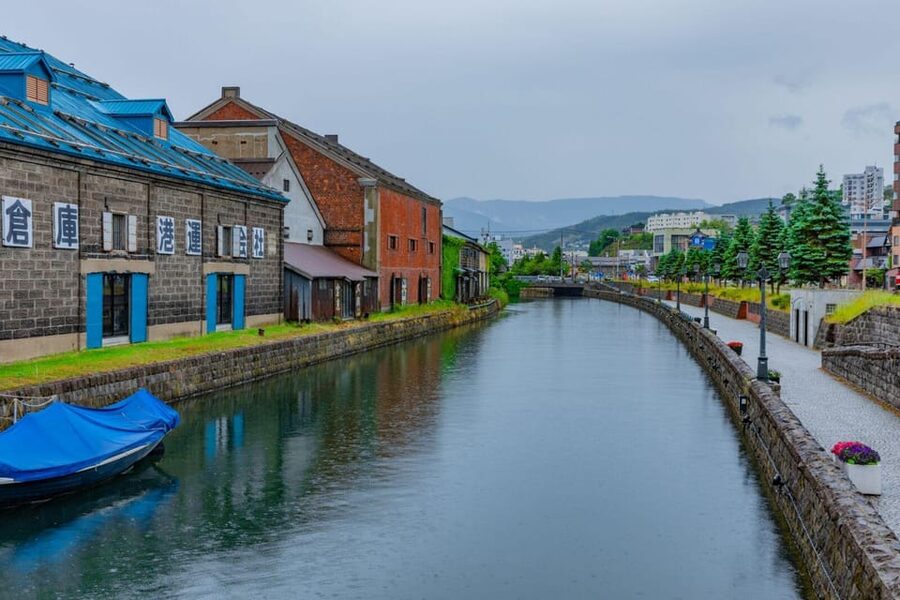
- Otaru Canal first: Begin with brick and stone warehouses linked to Hokkaido’s trading past.
- Glassmaking is hands-on: The Kitaichi Glass Factory lets you create a glassware item, but this activity has an extra fee.
- Music boxes are more than souvenirs: Hear an Aeolian pipe organ and see antique music boxes at the Otaru Music Box Museum.
- The steam clock has a Canadian link: Vancouver gave the clock to Otaru in June 1994, and it whistles hourly.
- Beer beside the canal: End at Germain Beer Brewery, Warehouse #1, with one included alcoholic or non-alcoholic drink.
- Plan for a full day: The tour lasts 510 minutes, begins at 9 a.m., and requires comfortable shoes and warm clothing.
Why Otaru makes a good day trip from Sapporo
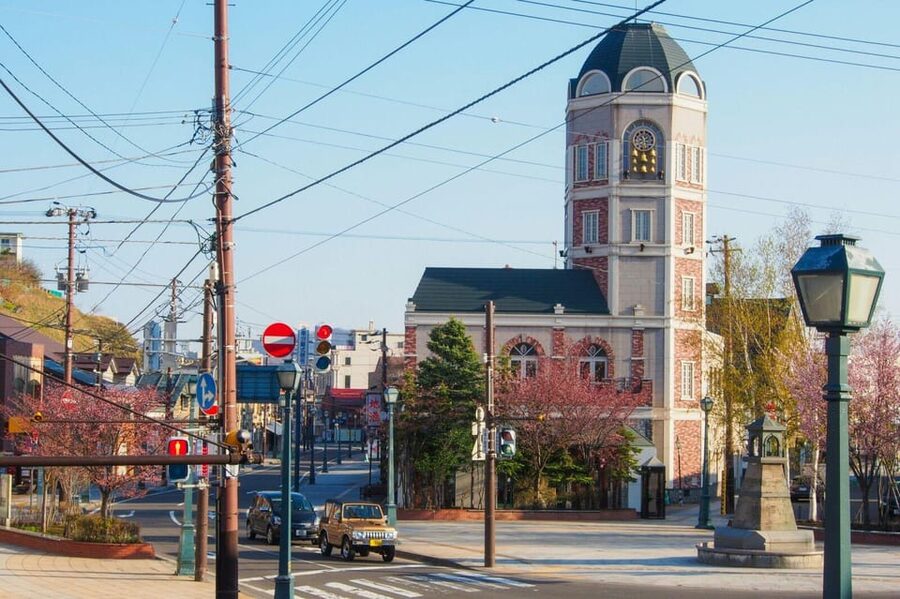
Otaru gives you a different view of Hokkaido. Sapporo is the region’s large modern city, while Otaru developed as a port and trading center during Japan’s Meiji and Taisho periods. Its canal and warehouse district still show that earlier commercial role.
The setting is compact enough to explore on foot, but there is enough variety to keep the day from becoming one long museum visit. You’ll see old brick and stone buildings, browse traditional crafts, listen to mechanical music, and sit down for a local beer.
The tour lasts 510 minutes, or eight and a half hours. That is a serious commitment, but it gives you time to see several of Otaru’s best-known sights without planning separate train connections or admission tickets yourself. Transportation from Sapporo Station to the listed stops is included.
At $170 per person, this is not a budget day trip. The price makes more sense if you value an English-speaking guide, included transportation, admissions, and a drink at the brewery. You will still need to pay for lunch and any glassware or music box activity, so budget beyond the advertised price.
A few more Sapporo tours and experiences worth a look


Meeting the guide at Sapporo Station
The meeting point is in front of MYOMU, the circular white stone structure near the South Exits of Sapporo Station. After leaving the main JR gates, turn left and walk toward the South Exits. The guide wears a Snow Monkey Resorts tour tag.
You need to be there at 9 a.m. This is a busy station, so do not wait inside the wrong part of the building. Look for the white stone structure in the near distance and allow a few minutes to find it.
The tour is conducted in English. Scott guided the August 2025 departure, and his ability to combine sightseeing with broad, worldly conversation was a real part of the day for one participant. The exact guide may vary, but the format suits you if you enjoy asking questions while walking rather than listening to a long speech at every stop.
No group size is specified, so I would not book this expecting a private tour. The advantage of a guided outing is that you can leave the route planning to someone else. The tradeoff is less freedom to linger at one shop or change the order of the day.
Walking the Otaru Canal and its warehouse district
The canal is the natural opening to Otaru. You’ll walk beside the water and see the brick and stone warehouses that once supported the port’s trade. These buildings help explain why Otaru grew quickly during Japan’s industrial expansion.
This stop is best appreciated slowly. Look at the relationship between the canal and the warehouses rather than treating it as a quick photo stop. The canal is a symbol of the city, but it also gives you a clear sense of how goods and commerce shaped Otaru.
The canal area has a pleasing old port character, though it is also one of the city’s most popular places. The tour’s leisurely pace should help you take in the view without rushing from one landmark to the next. Still, you should expect walking on city streets and standing during guided explanations.
Bring a camera, especially if you like architectural details. Warm clothing matters even outside winter because the waterfront can feel cool, and the tour specifically advises you to dress warmly.
Lunch and Sakaimachi Street
After the canal, the route heads toward Sakaimachi Street, where you’ll choose a local eatery for lunch. Lunch is not included, which gives you control over your spending and food choices, but it also means the final cost depends partly on what you order.
The supplied details do not name a specific restaurant or set menu. That is worth keeping in mind if you need a precise dining plan. You can ask the guide for direction once you reach the area, but do not book this tour expecting a prepaid meal.
Sakaimachi Street is a useful pause between the outdoor canal walk and the craft visits. You’ll have time to eat before handling glass or browsing delicate music boxes. Bring water as well, since the day includes walking, indoor visits, and a brewery stop later on.
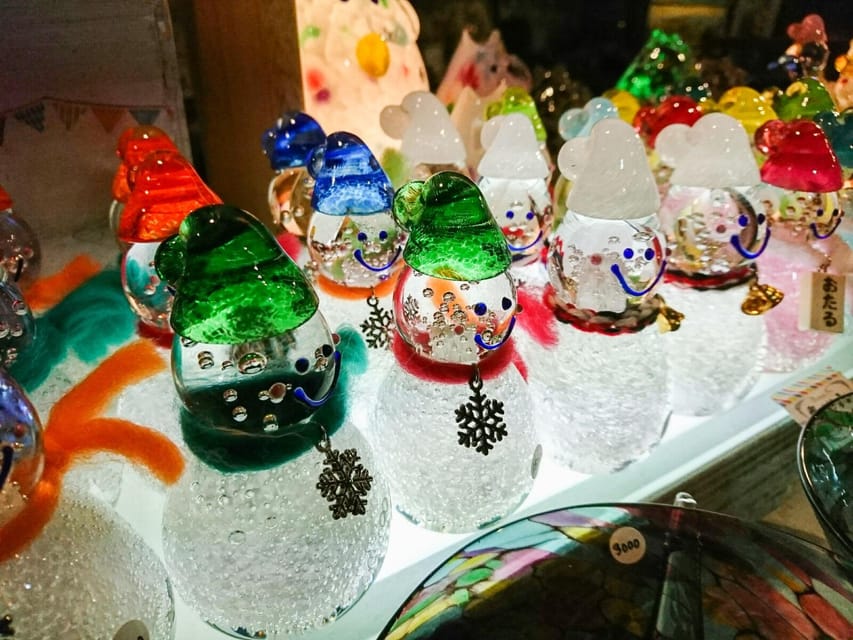
Making glassware at the Kitaichi Glass Factory
The Kitaichi Glass Factory adds a hands-on element that many sightseeing days lack. You’ll learn about the factory and can try making your own glassware product to take home.
The activity is optional and carries an additional fee. That distinction matters. The tour includes admission to the listed attractions, but your personal craft project is not covered by the $170 price.
I like this stop because it turns the glass tradition into something personal. You are not just buying a finished item from a shelf. You get a chance to understand the work through making something yourself, then carry the result home as a reminder of Otaru.
You should also keep your expectations practical. The supplied information does not specify the exact item, the workshop length, or how the finished piece is collected. Ask the guide or staff about timing and delivery before paying for the activity, especially if you have a tight schedule after the tour.
If you prefer browsing to crafting, you can skip the optional workshop and focus on the factory’s background and products. That flexibility helps balance the day for people with different interests.
A few more Sapporo tours and experiences worth a look


Mechanical music at the Otaru Music Box Museum
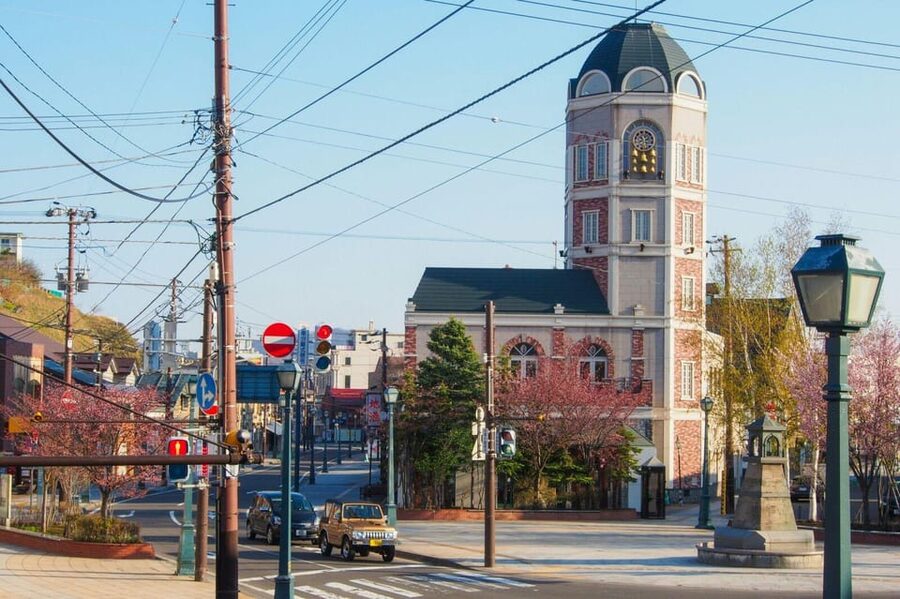
The Otaru Music Box Museum changes the mood from industrial craft to delicate mechanical sound. A highlight is the Aeolian pipe organ, whose music gives the visit a more atmospheric feel than a simple display of souvenirs.
You’ll also see rare local antique music boxes. These objects offer a small but memorable look at older entertainment technology, when music depended on mechanisms rather than an electronic device in every pocket.
There is another optional activity at the Handicraft Studio, where you can make your own music box. Like the glass workshop, it has an additional fee. If you choose both craft activities, the day becomes more active and your total cost rises.
I would pick one project if you want a keepsake without spending too much time or money. Glassware suits you if you prefer a practical object. A music box may be the better choice if you want something decorative and connected to the museum visit.
The museum can also work well for you if the weather turns unpleasant. Much of the day’s walking is outdoors, but this indoor stop offers a quieter break. You still need to follow the group’s timing, so do not assume you can spend as long as you wish in every display area.
The Otaru Steam Clock and its unusual soundtrack
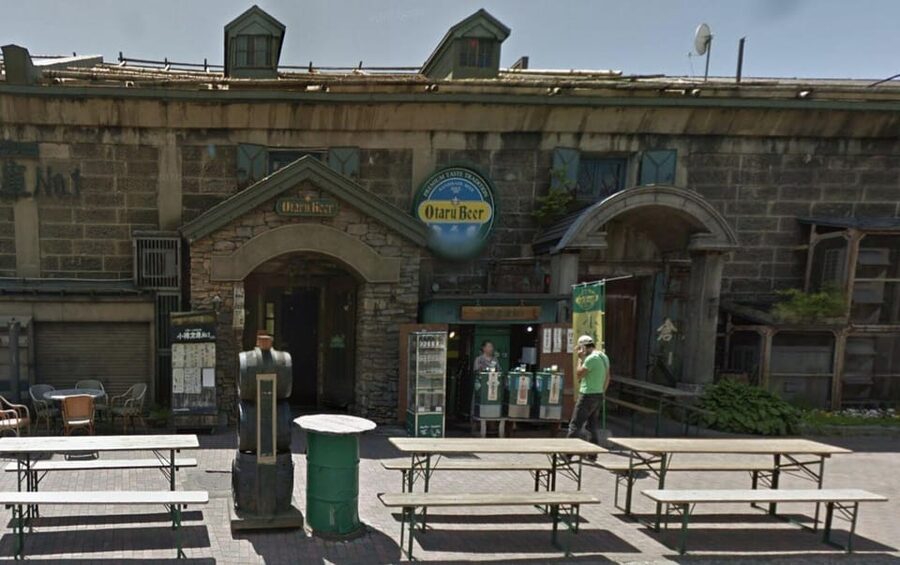
The Otaru Steam Clock is a small stop with an entertaining backstory. Vancouver gave it to Otaru in June 1994, creating a link between two port cities.
The clock uses a boiler to send steam into the mechanism. Its steam whistle sounds hourly to mark the time, while a melody plays every 15 minutes. The melody follows the chimes of Westminster Abbey in London.
Timing affects what you see here. If the group arrives just before the quarter hour or the hour, you may hear the music or whistle. If not, the guide can still explain how the clock works, but you may miss the full performance.
This is a brief landmark, not a major museum visit. That is part of its charm. It gives you a quick, unusual photo stop between larger attractions and adds an international connection to Otaru’s streets.
A beer at Germain Beer Brewery, Warehouse #1
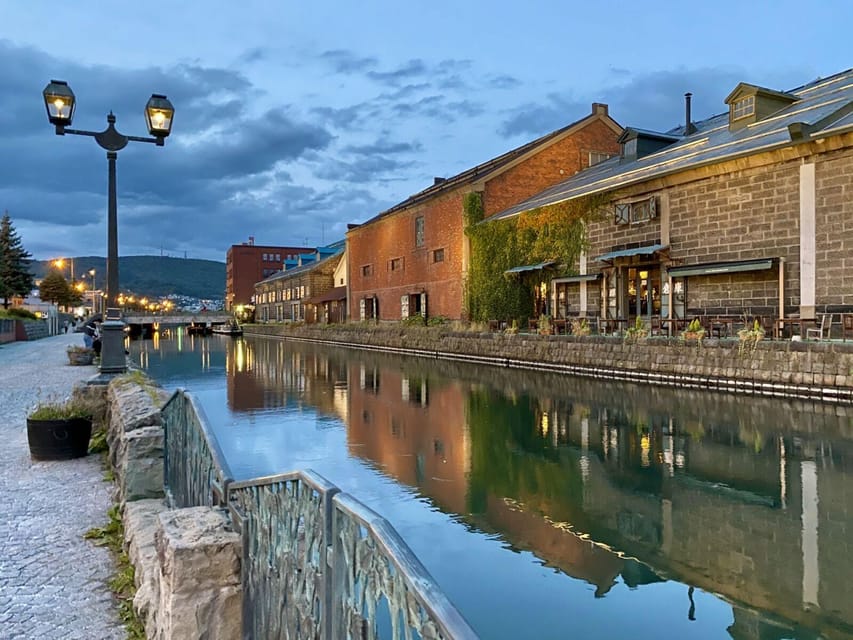
The final stop is Germain Beer Brewery, also called Warehouse #1. It occupies a rustic warehouse along the canal, with a wooden beer hall atmosphere and visible copper tanks.
One alcoholic or non-alcoholic drink is included. That makes the stop useful even if you do not drink beer. The details also mention German-style pretzels and schnitzel, but those food items are not listed as included, so expect to pay separately if you order them.
Ending here is a smart choice. After a day of walking and indoor sightseeing, you can sit down, have a drink, and look back at the canal setting. The copper tanks and old warehouse surroundings give the stop a stronger sense of place than a standard bar.
The brewery is not only about beer. It connects Otaru’s trading and warehouse identity with the city’s current food and drink scene. If you want a full meal here, check the cost before ordering because lunch is already outside the tour price.
What the $170 price really covers
The $170 cost is easiest to judge as a bundled day rather than as a collection of separate tickets. You are paying for:
- An English-speaking guide
- Transportation from Sapporo Station to the listed destinations
- Admission tickets for the attractions on the route
- One alcoholic or non-alcoholic drink at the brewery
You are not paying for lunch, accommodation, or the optional glassware and music box projects. Add those costs if you want the most hands-on version of the day.
For a person who wants to handle every detail independently, the tour may feel expensive. Otaru is accessible from Sapporo, and independent visitors can choose how long to stay at each stop. The guided option earns its price through structure, transport, English explanations, and the convenience of seeing several key places in one day.
The strongest value comes if you have limited time in Hokkaido or do not want to work out the route yourself. It is also a good fit if you want more than a canal photo and prefer a planned introduction to Otaru’s crafts and port identity.
Pace, comfort, and who should book
The leisurely pace is a major plus. Allan’s July 2025 experience describes the tour as relaxed, which suggests the schedule is not designed as a frantic checklist. That matters because the day contains several stops and can easily become tiring if rushed.
You should still wear comfortable shoes. The route includes a canal walk, streets around Sakaimachi, and movement between attractions. Warm clothing is specifically recommended, and a water bottle is sensible.
This tour suits you best if you:
- Have one full day available from Sapporo
- Want an English-speaking guide
- Like a mix of walking, museums, food, and craft activities
- Prefer a planned route to arranging transport and admissions
- Are comfortable paying extra for lunch or optional workshops
It is not suitable for wheelchair users or people with mobility impairments. The stated restrictions are important because the day involves walking and standing, and no accessibility arrangement is provided.
Families and couples may enjoy choosing one craft activity together, while solo visitors may value the guide’s conversation. Scott’s friendly, wide-ranging discussion was especially useful for one participant, so the social side may appeal if you enjoy learning through conversation rather than only reading signs.
Should you book this Otaru day trip?
Book it if you want a well-organized introduction to Otaru with a calm pace, included transport, several admissions, and a drink at the end. The canal, Kitaichi Glass Factory, Music Box Museum, steam clock, and brewery create a varied day instead of repeating the same type of sight.
Think twice if you want a cheap independent outing, a long lunch, or plenty of free time for shopping. The $170 price does not include lunch or either optional craft workshop, and the schedule means you will not control every stop.
For most first-time visitors with only one open day from Sapporo, I see the value in the structure. Go in knowing what is extra, arrive at MYOMU before 9 a.m., wear warm walking clothes, and choose your preferred craft activity before the day starts. The strong five-star rating from the available bookings, along with praise for Scott’s conversation and the easy pace, supports this as a practical choice for a guided Otaru day.
FAQ
Where does the tour meet in Sapporo?
Meet your guide at 9 a.m. in front of MYOMU, the circular white stone structure near the South Exits of Sapporo Station. After leaving the main JR gates, turn left and walk toward the South Exits.
How long does the tour last?
The tour lasts 510 minutes, which is eight and a half hours.
Is transportation included?
Yes. Transportation from Sapporo Station to the listed destinations and activities is included.
Is lunch included in the price?
No. Lunch is not included, and you will choose from the eateries around Sakaimachi Street.
Is the glassware activity included?
No. Making your own glassware at the Kitaichi Glass Factory is optional and has an additional fee.
Can I make a music box?
Yes. You can optionally make a music box at the Handicraft Studio at the Otaru Music Box Museum. This activity has an additional fee.
What drink is included at the brewery?
One alcoholic or non-alcoholic beverage is included at Germain Beer Brewery, Warehouse #1.
More City Tours in Sapporo


More Otaru Tours in Sapporo
More Sapporo Tours in Sapporo


More tours in Sapporo we've reviewed






Otaru Tours, compared.
 ★ 5.0Otaru Rickshaw TourFrom $42
 ★ 3.5Hokkaido Noboribetsu Lake Toya, Otaru Panoramic Tour From SapporoFrom $120
 ★ 4.9Sapporo: Otaru Asarigawa Ski Resort Day Trip with GearFrom $1859 hours
 ★ 5.0[Otaru & Yoichi] Let’s go to Otaru Canal, Sakaimachi Street, Music Box Hall, and Yoichi Nikka Whiskey by private car (arriving and departing from Sapporo)From $372
 ★ 4.4Hokkaido, Sappro, Otaru & Cape Kamui One-day TourFrom $66
 ★ 4.5Otaru 4hr Private Trip with Government-Licensed GuideFrom $108
 ★ 5.0Otaru 6hr Private Trip with Government-Licensed GuideFrom $153
 ★ 5.0Sea Kayaking Tour – Otaru Coastal AdventureFrom $97
The lists this tour appears in