
Reviewed · HAKODATE TOURS
Walk Around Hakodate’s Hidden Spots Guided by Local Residents
Hakodate’s best introduction may be a walk through Motomachi with a local café owner, rather than a fast tour of the headline sights. This two-hour outing links old churches, consulates, a temple, a water-supply pond, and the Chacha Nobori slope while adding local food culture to the story.
In This Article
- Key points
- Why This Motomachi Walk Works
- Starting at a Community Café
- Motomachi Water Supply Pond and Mizumoto Park
- Hakodate St. John’s Church and the Russian Connection
- Chacha Nobori, a Slope With Character
- Hakodate Orthodox Church
- The Old Public Hall of Hakodate Ward
- The Old British Consulate of Hakodate
- Higashi Hongan-ji Temple Completes the Picture
- What the Two-Hour Schedule Really Means
- Is $47.43 Good Value?
- How to Fit It Into Your Hakodate Day
- Who Should Book This Walk?
- Should You Book It?
- FAQ
- Where does the tour begin?
- What time does the tour start?
- Where does the tour end?
- How long does the experience last?
- How many people can join the tour?
- Is food included in the tour price?
- Are admission tickets included?
- Can I cancel or change my booking?
I like the small group limit of 10 and the chance to see places that are not always listed in guidebooks. I also like the optional café meal, which gives the town’s past a taste and smell, not just a string of dates. The main drawback is that the tour is non-refundable, and the price of $47.43 does not include personal expenses or the optional food.
Key points
- Local café setting: Begin at Marutamagoya, a Russian café used by the local community as a place to relax.
- Six historic stops: See the Motomachi Water Supply Pond, churches, consulates, a public hall, and Higashi Hongan-ji Temple.
- A walk beyond the standard checklist: The guide includes small local spots and the Chacha Nobori slope, not only famous buildings.
- Food adds context: An optional meal at the café connects Hakodate’s food culture with its past.
- Compact afternoon plan: The tour begins at 1:00 pm, lasts about two hours, and ends nearby at Marutama Square.
- Small and personal: The group can include no more than 10 people, making questions and conversation easier.
Why This Motomachi Walk Works
Hakodate is a city where a short walk can cross several layers of its past. In Motomachi, Christian churches, a former Russian hospital, Western consulates, and a Buddhist temple sit within the same sightseeing area. That mix is the heart of this experience.
The walk is hosted by the owner of a local Russian café. Her connection to the café matters because the tour is not only about looking at old buildings. It also explains the food culture tied to Hakodate and the way local history can be understood through daily life.
You meet at Marutamagoya, 2-3 Motomachi, at 1:00 pm. The tour ends at Marutama Square, 2-9 Motomachi, so the start and finish are close together. That makes it easy to build the walk into a wider afternoon in Hakodate.
The experience is listed at $47.43 per person. For a two-hour walk, that is not the cheapest way to see Motomachi from the outside. The value comes from the guide’s explanations, the small group, the lesser-known stops, and the option to add a meal tied to local food traditions.
A few more Hakodate tours and experiences worth a look


Starting at a Community Café
The café is more than a meeting point. It is described as a place loved by local people as a spot for relaxation, giving the tour a warmer beginning than a standard street corner pickup.
You can choose the optional café food experience before the walk. The meal is connected to Hakodate’s food culture, so it gives you a useful frame for the buildings and places you will see afterward. You should treat this meal as an extra expense, since personal costs are not included in the tour price.
I like this arrangement because it helps you understand the tour’s main idea. Hakodate’s story is not only found in churches and consulates. It also appears in what people eat and how the town developed around contact with other cultures.
The tour description does not provide the guide’s name, so you should not book expecting a named historical specialist. Instead, expect the café owner herself to lead the walk and explain the local sights in a friendly, personal way.
Motomachi Water Supply Pond and Mizumoto Park
The first listed stop is the Motomachi Water Supply Pond in Mizumoto Park. Admission is free, and about 10 minutes is planned here.
A water-supply site may sound less dramatic than a church or consulate, but it helps explain the practical side of a growing port town. The tour includes buildings and places founded in the 19th century, and this stop broadens the story beyond grand façades.
You will likely spend this part listening rather than sightseeing for a long stretch. Ten minutes is enough for a short explanation and a look around, but not for an extended park visit. That makes the stop a good fit for someone who wants context without turning the entire afternoon into a museum-style outing.
Hakodate St. John’s Church and the Russian Connection
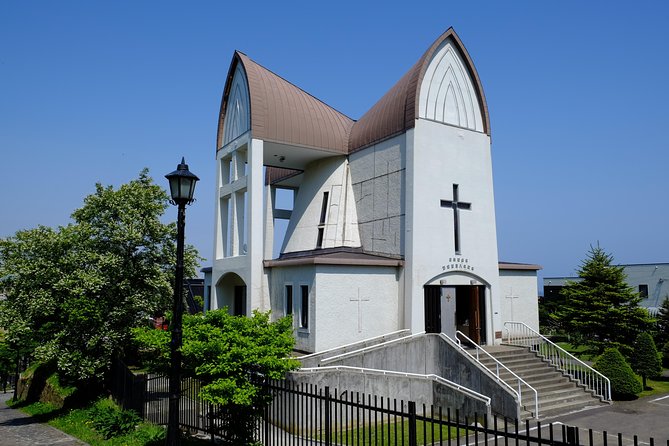
The next stop is Hakodate St. John’s Church, also identified with a former Russian hospital. The planned visit lasts about 10 minutes, with no admission fee listed.
This is one of the tour’s most useful connections. The café host’s Russian background and the former Russian hospital give you a thread to follow as the walk moves through Motomachi. Instead of treating each building as an isolated photo stop, the guide can place it within the town’s wider links to foreign residents, religion, medicine, and food.
The information supplied for the tour does not promise an interior visit, so plan for an exterior explanation and local commentary rather than a full church tour. That is important if you want extended time inside each building. This experience is designed as a moving city walk, with several short stops.
Chacha Nobori, a Slope With Character
Chacha Nobori slope appears between the church stops. It is not assigned a separate time or admission cost, which suggests that it functions as part of the walking route rather than a formal attraction.
Slopes are central to the feel of Motomachi. They change your pace and provide a sense of how the district is arranged. Here, the street itself becomes part of the tour rather than mere space between buildings.
You should wear comfortable shoes and expect some walking on inclines. The tour lasts only about two hours, but a route that includes Motomachi slopes will feel more active than a flat stroll. The compact format is convenient, though you will not have unlimited time to stop for photographs at every point.
Other walking tours we've reviewed in Hakodate

Hakodate Orthodox Church
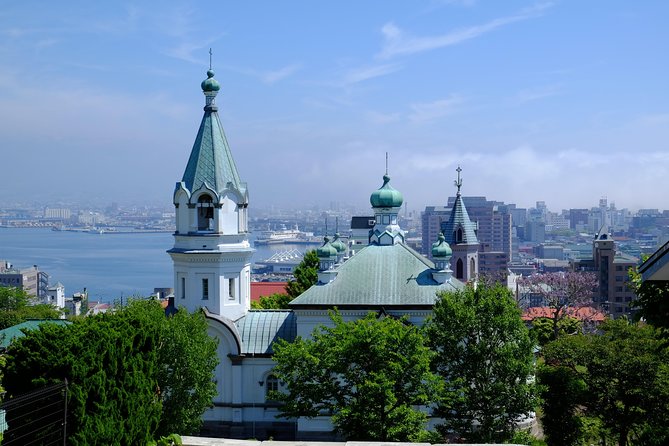
The Hakodate Orthodox Church receives another 10-minute stop. Admission is listed as free.
This church adds another piece to the area’s religious and international story. After seeing St. John’s Church and the former Russian hospital connection, you can better appreciate why Motomachi is known for a concentration of religious and foreign-linked sites.
The strength here is the guide’s explanation. A photograph alone cannot tell you how the church fits into Hakodate’s past, but a local guide can connect the building to the city’s food culture and international history. The tour is especially useful if you prefer a clear overview instead of researching each site separately.
Again, the schedule is brief. You should not expect a detailed architectural lecture or a long interior visit based on the information provided. Think of this as one chapter in a larger walking story.
The Old Public Hall of Hakodate Ward
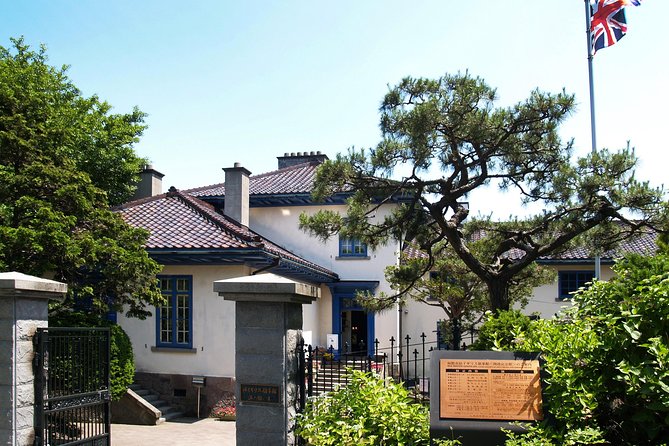
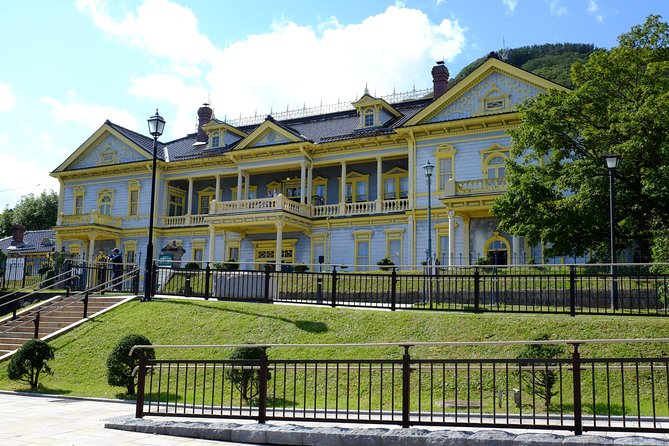
The Old Public Hall of Hakodate Ward is scheduled for about 10 minutes and has no admission ticket included or required for the stop as described.
Its place on the route shifts attention from religion to civic life. The tour moves through buildings linked to public administration, international contact, and community identity. That variety helps you see Motomachi as a district with several functions, not simply a collection of pretty old structures.
I value the short-stop format here because it keeps the walk moving. You get the building’s role and local background without committing half a day to a single site. If you want a careful interior visit, allow extra time before or after the tour on your own, since the guided schedule gives each major stop roughly 10 minutes.
The Old British Consulate of Hakodate
The Old British Consulate is another 10-minute stop. It adds British influence to a route already touching Russian and Christian connections.
This variety is where the tour earns much of its appeal. In a short distance, you see evidence of different foreign relationships alongside local religious and civic places. The guide’s job is to make those links understandable, especially for someone seeing Hakodate for the first time.
The consulate is also a practical sightseeing stop because it sits within the same Motomachi circuit. You avoid spending much of the afternoon moving between distant parts of town. The tour instead builds a coherent walk through one historic area.
Since the admission is described as free, your main expense is the tour itself, plus any food or personal purchases. That keeps the basic outing simple, though the non-refundable booking policy means you should be sure about your schedule before paying.
Higashi Hongan-ji Temple Completes the Picture
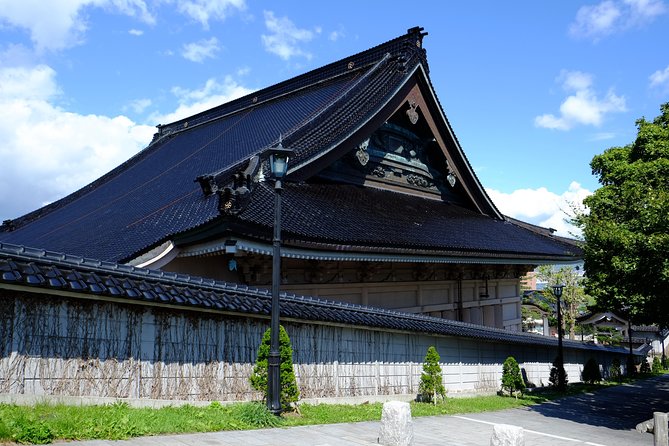
The final listed stop is Ōtani Hongan-ji Hakodate Betsu-in, also called Higashi Hongan-ji Temple. About 10 minutes is planned here.
Ending at a Buddhist temple gives the walk a useful balance. The route has included churches, a former Russian hospital, Western consulates, a public hall, and a temple. Together, these places show how many traditions shaped Hakodate’s Motomachi district.
The temple is also a reminder that the area’s international character did not replace local religious life. It sits within the same historical setting, allowing the guide to compare different institutions and their place in the town.
As with the other stops, the value lies less in the length of the visit than in the explanation. You will not spend a full morning at the temple, but you will leave with a broader sense of how the district developed.
What the Two-Hour Schedule Really Means
The advertised duration is about two hours. Six main stops are listed, several with 10-minute visits, plus the slope and the walking time between locations.
That makes this a focused orientation walk, not a slow architectural study. You will cover a fair amount of Motomachi and hear the basic story of each place. You will also have time to note which buildings deserve a longer return visit.
The group limit is 10 people. That is small enough for a more personal exchange than a large bus tour, while still allowing the experience to run as a scheduled public activity. The single published review describes a friendly guide who showed the local sights and gave a brief history of each one. That matches the format: clear explanations, steady movement, and room for questions.
Most people can participate, and the meeting point is near public transportation. The available information does not specify a particular station, walking distance, or step-free route, so you should check the route details if mobility is a concern. The slopes also make comfortable footwear a sensible choice.
Is $47.43 Good Value?
At $47.43, the cost is reasonable if you want interpretation and local contact, but less compelling if you only plan to photograph the buildings.
Many of the listed stops are free, so you are not paying for entrance tickets. You are paying for a guided route, the local café setting, the owner’s explanation of food culture, and access to small places that may not appear in standard guidebooks.
The optional meal can improve the value for people interested in Hakodate’s food traditions. It is not included, so compare the total cost with your own plans before booking. If you already have a full meal arranged elsewhere, the walk still works without it.
The experience is best for someone who wants a human explanation of Hakodate rather than a list of addresses. It is less suitable for a visitor seeking long interior visits, free time at every stop, or a fully private tour.
How to Fit It Into Your Hakodate Day
The 1:00 pm start makes this easy to place after a morning elsewhere in Hakodate. Since the walk begins and ends in Motomachi, you can continue sightseeing in the same area afterward instead of losing time on a return transfer.
You might also use it as an early way to get oriented. The route introduces several of the district’s key buildings, and you can decide which ones deserve a longer look after the guide finishes.
The nearby finish at Marutama Square is useful. You are not left at a distant final stop, and the tour’s compact route makes it practical to continue your afternoon independently. The tour is booked, on average, 62 days in advance, so planning early is sensible if your Hakodate dates are fixed.
Confirmation is sent within 48 hours of booking, subject to availability. Because the experience cannot be refunded or changed, check your date, start time, and meeting point carefully before completing the reservation.
Who Should Book This Walk?
I would choose this tour if you like history in small portions, local food, and walks that connect familiar sights with less obvious ones. It suits first-time visitors who want a clear introduction to Motomachi without spending hours in formal museums.
It is also a good match for anyone interested in the way Russian, British, Christian, Buddhist, and civic influences appear together in Hakodate. The café connection adds a personal touch that a self-guided map cannot provide.
Families and older participants may appreciate the short stops and small group, though the slopes mean the route is not completely effortless. The supplied information says most people can participate, but it does not give detailed accessibility notes.
I would skip it if your priority is a private guide, a long food tour, or extensive time inside every historic building. The tour offers a broad, friendly introduction rather than a specialist study.
Should You Book It?
Book this walk if you want Hakodate explained by someone rooted in the local community. The strongest reasons are the café beginning, the owner-guide’s personal approach, the small group, and the combination of well-known Motomachi buildings with quieter spots.
The optional meal makes the experience more distinctive, especially if food is part of how you understand a place. Just remember that it costs extra, the tour is non-refundable, and the two-hour schedule keeps every stop short.
For a first afternoon in Hakodate, $47.43 is a fair price for a compact local introduction. You will see the main historic district, hear how its places connect, and finish with a better plan for exploring Motomachi on your own.
FAQ
Where does the tour begin?
The tour begins at Marutamagoya, 2-3 Motomachi, Hakodate, Hokkaido 040-0054, Japan.
What time does the tour start?
The start time is 1:00 pm.
Where does the tour end?
The tour ends at Marutama Square, 2-9 Motomachi, Hakodate, Hokkaido 040-0054, Japan.
How long does the experience last?
The walk lasts approximately two hours.
How many people can join the tour?
The maximum group size is 10 people.
Is food included in the tour price?
The optional café meal is not included. Personal expenses are also not included in the experience.
Are admission tickets included?
The listed stops show free admission, and the experience includes everything necessary for the tour. Personal expenses are not included.
Can I cancel or change my booking?
No. The experience is non-refundable and cannot be changed for any reason.
More Guided Tours in Hakodate


More Walking Tours in Hakodate
More Hakodate Tours in Hakodate


More tours in Hakodate we've reviewed



Hakodate Tours, compared.
 ★ 5.0Hakodate Rickshaw TourFrom $35
 ★ 5.0Hakodate 6hr Private Tour with Government-Licensed GuideFrom $269
 ★ 4.5Hakodate Exploration Tour with Private GuideFrom $407
 ★ 5.0Hakodate 4hr Private Tour with Government-Licensed GuideFrom $221
 ★ 4.4Hakodate: 4-Hour Cultural and Historical Highlights TourFrom $4164 hours
 ★ 5.0Hakodate Highlights Shore Excursion (5h) for Cruise GuestsFrom $5215 hours
 ★ 5.0Time Slip Experience in Hakodate with Custom DressFrom $57
 ★ 5.0Private Full Day Guided Tour In HakodateFrom $370
The lists this tour appears in