
Reviewed · HAKODATE TOURS
Taught by a professional! Making sushi with Hakodate’s Fresh Fish
Hakodate’s cold northern waters supply the main ingredient here: fresh seafood that you shape into your own lunch under the careful eye of a professional female sushi chef. I like the small-group setting, limited to 14 people, and the practical lesson in three kinds of dashi, which gives this more depth than a simple sushi demonstration.
In This Article
- Key points at a glance
- A sushi lesson in Hakodate’s old sightseeing area
- How the professional lesson works
- Fresh seafood from Hokkaido’s cold waters
- Three dashi stocks and your own miso soup
- What the 90 minutes include
- Is $86.82 a fair price?
- The small group makes a difference
- Who will enjoy this most?
- Food allergies and changing ingredients
- What you take home
- Should you book this Hakodate sushi class?
- FAQ
- Where does the sushi-making experience take place?
- What time does the activity start?
- How long does the experience last?
- Does the activity include lunch?
- Who teaches the sushi class?
- Can beginners join?
- What kind of sushi will I make?
- Is miso soup included?
- Is the sushi chef’s hat included?
- What is the minimum age and group size?
- Is transportation included?
- Can I request premium sushi ingredients?
- What happens if I have an allergy?
- Can I cancel for a refund?
I also like that beginners are welcome and that you take home the chef’s cap you wear during class. The main drawback is the firm cancellation policy, and the sushi selection changes with the day’s catch, so you cannot count on a particular fish.
Key points at a glance
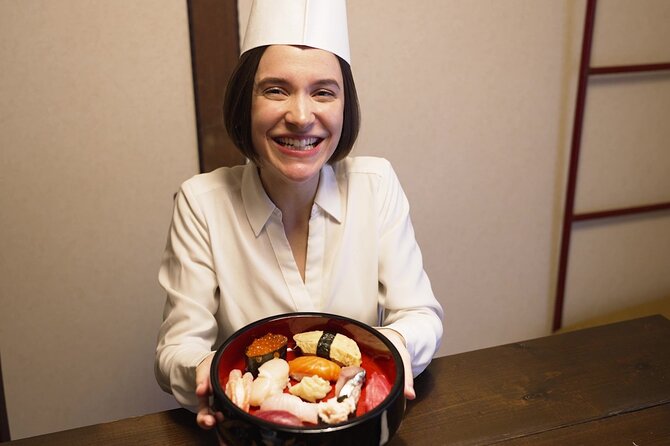
- Fresh Hakodate seafood: Make hand-shaped nigiri with ingredients from Hokkaido’s cold seas.
- A patient professional chef: Learn rice shaping, wasabi placement, and seafood molding step by step.
- Three dashi stocks: Taste each Japanese soup base, then use your favorite for miso soup.
- Lunch included: Your sushi and miso soup form the meal, not just a cooking sample.
- Small class size: A maximum of 14 people allows for personal guidance.
- A useful souvenir: Take home the sushi chef’s hat for future sushi parties.
A sushi lesson in Hakodate’s old sightseeing area
This 90-minute activity begins at noon at Sakura-michi24-1 in Aoyagichō, Hakodate. The class takes place in a very small sushi restaurant, which gives the experience a local, hands-on feel rather than the scale of a large cooking school.
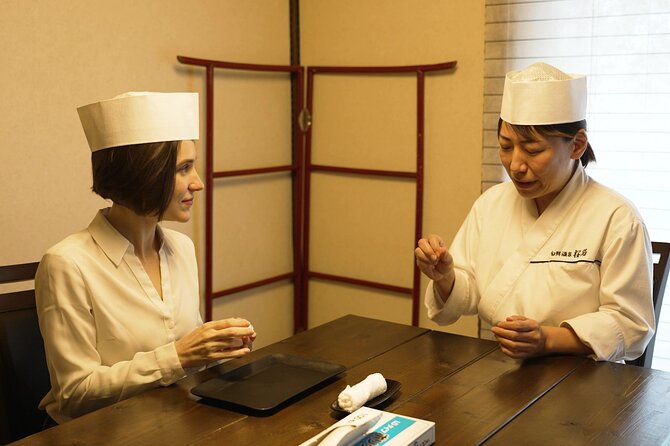
You meet the professional female sushi chef at the restaurant and put on the special sushi cap provided for the lesson. The cap is part of the fun, but it also gives the class a clear sense of occasion. You are not simply watching someone prepare lunch. You are taking part in a compact sushi apprenticeship, with a hat to prove it.
The location is near public transportation and sits in a popular sightseeing area of Hakodate. The listed points associated with the activity include Mount Hakodate, Hakodate, and Hakodate Park, but the cooking experience itself starts and ends at the stated meeting point. There is no transportation included as part of the class, so plan your route to the restaurant separately.
The noon start works well for a day of sightseeing. You can visit other parts of Hakodate in the morning, attend the class for lunch, and continue exploring afterward. Since the activity ends where it starts, you do not need to arrange a pickup or find your way to a second location.
A few more Hakodate tours and experiences worth a look


How the professional lesson works
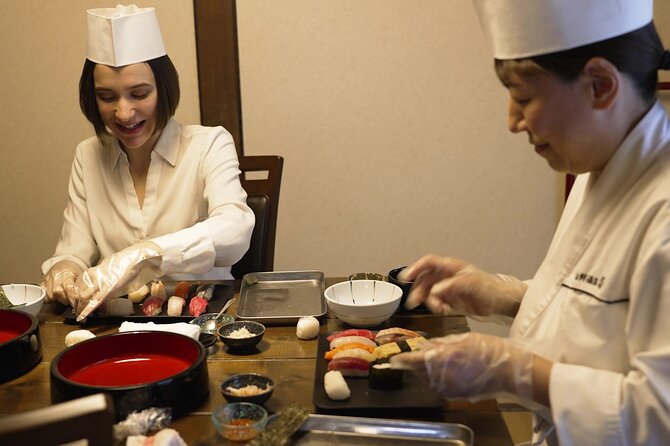
The chef’s teaching is the heart of the experience. You learn how to prepare nigiri, the hand-shaped sushi made by forming seasoned rice and placing seafood on top. The instruction covers the basic size and shape of the rice, the use of wasabi, and the way to mold the seafood into place.
That may sound simple. It is not. Sushi rice must be handled with care, and the proportions matter. Too much pressure makes the rice dense. Too little leaves it loose. The class gives you a chance to learn the feel of the rice instead of merely copying a finished piece.
The chef prepares some of the seafood before you arrive, including cutting the fish into usable pieces. This keeps the class within its 90-minute limit and lets you focus on the parts you can repeat at home. You still take an active role in forming the rice, adding wasabi, and shaping each piece.
A previous participant described being taught the correct rice-ball size, the proper amount of wasabi, and how to mold the fish. Those are exactly the small techniques that make this activity useful. You leave with more than a photograph of attractive sushi. You understand a few of the physical steps behind it.
The class is designed for people with no sushi-making experience. The chef gives a careful demonstration and works through the process step by step. If you are nervous about your first attempt, the small class size should make it easier to ask for help.
Fresh seafood from Hokkaido’s cold waters
Hakodate is a seaside city, and the ingredients connect the meal to its setting. The seafood comes from the cold sea around Hokkaido, giving the class a direct link to the local food culture.
The exact sushi items are not fixed. They depend on the day’s stock, which is worth keeping in mind before you book. If you have your heart set on one particular type of fish, this may not be the right activity for you. If you like the idea of eating what is available at the time, the changing menu is part of the appeal.
The seafood is prepared so you can concentrate on sushi assembly. You are not promised an advanced fish-cutting lesson, and the supplied details do not suggest that you will handle every stage of seafood preparation. Instead, the emphasis is on making nigiri correctly and enjoying the fresh ingredients.
Premium sushi items can be added as an option. If you choose that upgrade, it applies to all participants in the booking, not just one person. Check the available option and its price before paying if premium ingredients matter to you.
Three dashi stocks and your own miso soup
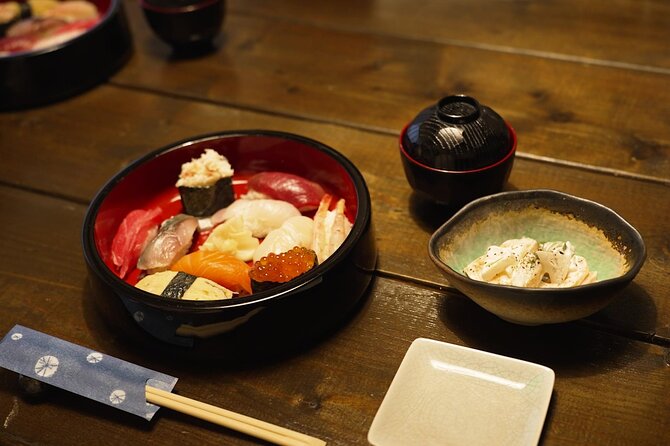
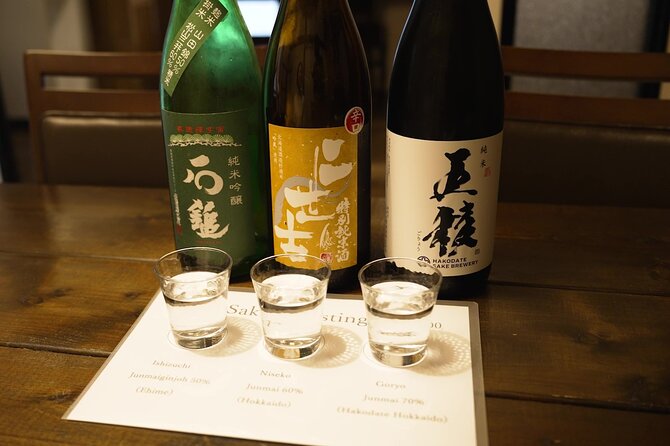
The miso soup portion gives the class a second food lesson. You taste three kinds of dashi, the Japanese soup stocks that provide the base flavor. The chef explains each one and guides you through the tasting.
This is a useful contrast to the sushi work. Sushi teaches you about touch, proportion, and presentation. Dashi teaches you how a soup can gain its character from the stock beneath the miso. You choose the dashi you like best and use it to make your own miso soup.
I especially like this part for visitors who want to understand Japanese food beyond sushi. Miso is familiar to many people, but tasting several dashi stocks side by side helps you notice how much the soup’s flavor depends on its foundation.
The soup also gives the lunch a warm finish. The sushi is fresh and cool, while the miso soup is comforting and hot. Together, they make a proper midday meal rather than a quick sample that leaves you searching for lunch afterward.
What the 90 minutes include
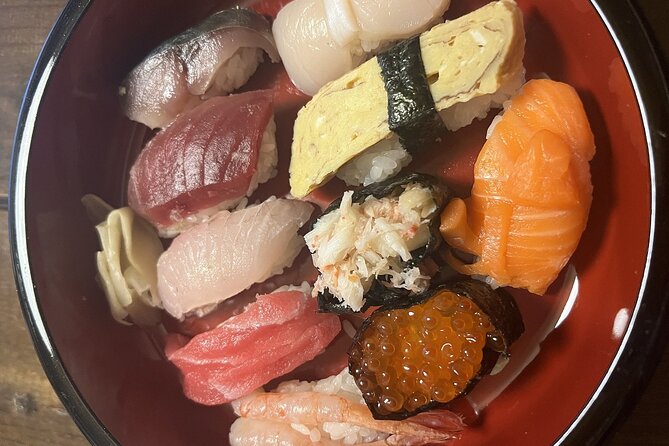
The activity is short enough to fit neatly into a busy Hakodate schedule, but long enough to include instruction, preparation, tasting, and lunch. The exact order may vary, but you can expect the class to cover these main stages:
- Meeting the chef and getting ready for the lesson
- Learning how to handle the sushi rice
- Adding wasabi and shaping the seafood
- Making nigiri under the chef’s direction
- Tasting three dashi stocks
- Choosing one dashi for your miso soup
- Eating the sushi and soup as lunch
- Receiving the sushi chef’s hat as a souvenir
All cooking ingredients and necessary kitchenware are included. You do not need to bring equipment or shop for seafood. Transportation outside the activity and personal expenses are not included.
Because the class ends back at the meeting point, you can leave your afternoon open. The setting near popular Hakodate sights makes it easy to pair the lesson with sightseeing, though you should allow time to reach the restaurant on your own.


Is $86.82 a fair price?
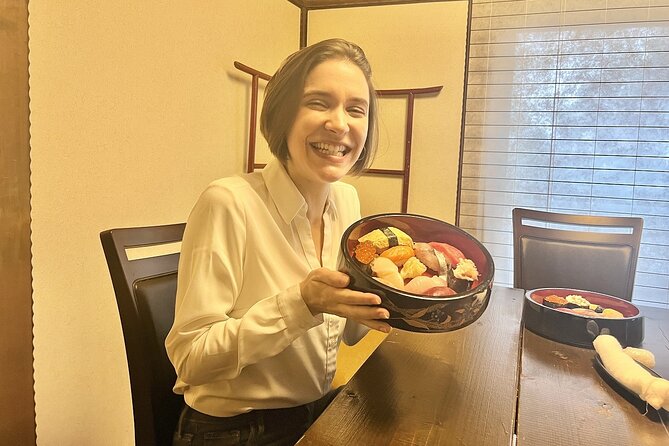
At $86.82 per person, this is not the cheapest lunch in Hakodate. You are paying for more than the food, though. The price includes a professional lesson, all ingredients, kitchenware, a lunch set, the dashi tasting, miso soup preparation, and the chef’s cap.
The value is strongest if you want an activity with a clear local connection. You eat Hokkaido seafood, learn a Japanese kitchen technique, and spend time in a small sushi restaurant. The experience also suits visitors who would rather participate than simply sit down for a meal.
The value is weaker if your main goal is a large sushi lunch or a guaranteed premium selection. The menu changes with the day’s stock, and the class is built around instruction rather than quantity. Premium ingredients are available only as an option, and the supplied details do not state the upgrade price.
For a couple, family, or small group looking for a memorable midday activity, the price can make sense. For a solo diner who only wants sushi, ordering lunch at a restaurant will probably cost less.
The small group makes a difference
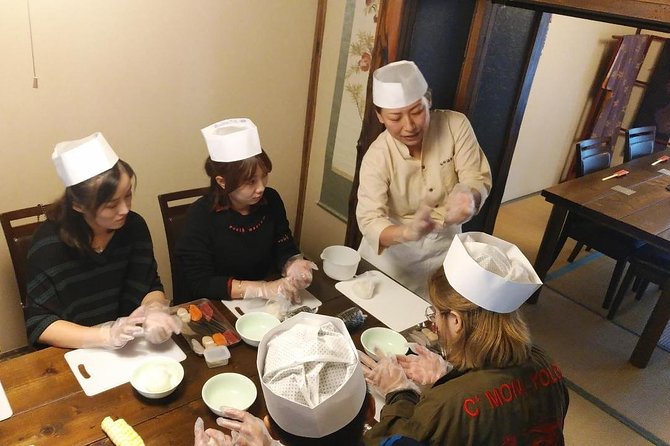
The maximum group size is 14 people. That is not a private lesson, but it is small enough to keep the class focused on the chef’s demonstration and your own attempts.
This matters most when you are shaping the rice. A large class can turn a practical lesson into a struggle to see the instructor or get help. Here, the chef has a better chance of checking your technique and correcting small mistakes.
The available feedback points to a warm and attentive teaching style. The chef is also the restaurant owner, according to the experience details from the class setting, which gives the lesson a direct connection to the place where you eat.
The activity has earned a perfect rating from the three available reviews. The praise centers on the chef’s patience, careful explanations, gracious manner, tasty sushi rice, and the quality of the finished meal. That is a small review sample, so I would not treat it as a guarantee, but the praise is consistent across all three accounts.
Who will enjoy this most?
This is a good pick for first-time sushi makers. You do not need prior cooking experience, and the instruction focuses on basic techniques you can repeat at home.
It also suits families with children aged 6 and older. The chef’s hat adds a playful touch, while the hands-on work gives children something to do beyond sitting through a meal. Parents should still consider the child’s comfort with raw seafood and mention any food restrictions when reserving.
Food-focused visitors will appreciate the dashi tasting. It is a small but worthwhile addition because it introduces a part of Japanese cooking that many visitors might otherwise miss.
Couples can use it as a lunch activity with a souvenir attached. Small groups of friends can make it a shared project, especially if they plan to host a sushi meal after returning home.
This is less suitable for anyone who dislikes seafood, needs a fixed menu, or wants a long professional cooking course. The activity is an introduction to nigiri and dashi, not a full culinary program.
Food allergies and changing ingredients
Tell the provider about allergies or foods you cannot eat in the reservation form. This is important because the sushi contents change according to the day’s stock.
The supplied information does not promise that every dietary request can be met, so you should provide clear details before the reservation is confirmed. Do not wait until the class begins. The experience is centered on seafood, sushi rice, wasabi, dashi, and miso soup, so anyone with concerns should check in advance.
Confirmation is sent within 48 hours of booking, subject to availability. Since the class is limited to 14 participants and is booked on average 14 days ahead, I would avoid leaving it until the last moment if the noon slot is important to your schedule.
The cancellation terms are strict. The experience is non-refundable and cannot be changed for any reason. If the minimum number of participants is not reached and the provider cancels, you will be offered another date or experience, or receive a full refund. That is very different from changing your plans voluntarily, so book only when your Hakodate schedule is firm.
What you take home
The most obvious souvenir is the sushi chef’s hat. You wear it during the class and take it home afterward. It is a light, practical reminder of the experience and an easy prop for a sushi night with friends.
The more useful souvenir is the method. You learn how to make a correctly sized rice ball, apply wasabi, and mold the seafood. You also learn how to compare dashi stocks and use one to make miso soup.
The class is not presented as a recipe workshop with a large printed manual, so do not expect a full restaurant formula. Still, the hands-on practice gives you a better chance of recreating the meal than watching a chef prepare sushi from behind a counter.
You can treat the cap as part of a future home sushi party. The experience itself encourages that idea, and the techniques are simple enough to become a fun project after your return.
Should you book this Hakodate sushi class?
Book it if you want a personal, food-centered activity that combines fresh Hokkaido seafood, a professional lesson, lunch, and a small souvenir. It is especially worthwhile for beginners, families with children aged 6 or older, couples, and anyone curious about the role of dashi in Japanese cooking.
Think twice if you need a fixed sushi menu, want a large meal, or may have to cancel. The ingredients depend on the day’s stock, premium items cost extra, and the booking is non-refundable.
For most visitors with a firm Hakodate itinerary, I would consider this a good use of a lunchtime. You get to make the food, understand a little more about how it is prepared, and finish with a warm bowl of miso soup rather than another ordinary restaurant meal.
FAQ
Where does the sushi-making experience take place?
It takes place at Sakura-michi24-1, Aoyagichō, Hakodate, Hokkaido 040-0044, Japan.
What time does the activity start?
The scheduled start time is 12:00 pm.
How long does the experience last?
The activity lasts approximately 1 hour and 30 minutes.
Does the activity include lunch?
Yes. A lunch set is included, consisting of the sushi you make and your miso soup preparation.
Who teaches the sushi class?
A professional female sushi chef teaches the class. The experience also describes the restaurant owner as the instructor.
Can beginners join?
Yes. The chef provides careful, step-by-step instruction, and people with no previous sushi-making experience can take part.
What kind of sushi will I make?
You will make nigiri, or hand-shaped sushi. The seafood items vary according to the day’s stock.
Is miso soup included?
Yes. You taste three kinds of dashi and use the one you prefer to make your own miso soup.
Is the sushi chef’s hat included?
Yes. You receive the sushi chef’s hat worn during the experience as a souvenir.
What is the minimum age and group size?
Participants must be at least 6 years old. The activity allows a maximum of 14 travelers.
Is transportation included?
No. Transportation not included in the course and personal expenses are excluded. The activity ends back at the meeting point.
Can I request premium sushi ingredients?
Yes. Premium ingredients are available as an option. If you select them, the option applies to all participants in the booking.
What happens if I have an allergy?
You should mention allergies or foods you cannot eat in the reservation form. The sushi contents vary according to the day’s stock.
Can I cancel for a refund?
No. The experience is non-refundable and cannot be changed for any reason. If the provider cancels because the minimum number of participants is not reached, you will be offered another date or experience, or receive a full refund.
More Hakodate Tours in Hakodate
More tours in Hakodate we've reviewed



Hakodate Tours, compared.
 ★ 5.0Hakodate Rickshaw TourFrom $35
 ★ 5.0Hakodate 6hr Private Tour with Government-Licensed GuideFrom $269
 ★ 4.5Hakodate Exploration Tour with Private GuideFrom $407
 ★ 5.0Hakodate 4hr Private Tour with Government-Licensed GuideFrom $221
 ★ 4.4Hakodate: 4-Hour Cultural and Historical Highlights TourFrom $4164 hours
 ★ 5.0Hakodate Highlights Shore Excursion (5h) for Cruise GuestsFrom $5215 hours
 ★ 5.0Time Slip Experience in Hakodate with Custom DressFrom $57
 ★ 5.0Private Full Day Guided Tour In HakodateFrom $370
The lists this tour appears in