This article contains affiliate links. If you make a purchase through these links, I may earn a small commission at no extra cost to you.
In This Article
- Cape Kamui — The Main Event
- Shimamui Coast and That Water
- Cape Ogon — Sunset Central
- Snorkeling and Diving in Shakotan
- The Uni. Oh, the Uni.
- The Coastal Drive
- Getting to Shakotan from Sapporo
- By rental car (recommended)
- By bus
- By tour
- Best Time to Visit
- Combining Shakotan with Otaru and Yoichi
- What Most Guides Won’t Tell You
- Is Shakotan Worth the Drive?
The first time I drove around the bend past Furubira and the coastline dropped away into that impossible blue, I actually pulled over. Not for a photo. Just to stare. Hokkaido has no shortage of pretty scenery, but the Shakotan Peninsula is something else entirely — raw, wind-battered cliffs plunging into water so clear and blue it has its own name: Shakotan Blue.
Most people visiting Hokkaido stick to Sapporo, maybe a day trip to Otaru. And honestly, I get it. Getting out to Shakotan takes effort — there’s no train, the bus is slow, and you’re looking at a solid 2.5-hour drive from Sapporo. But if you’ve got a rental car and even half a day to spare, this peninsula has the most dramatic coastline in Hokkaido. Possibly in all of Japan.
Cape Kamui — The Main Event
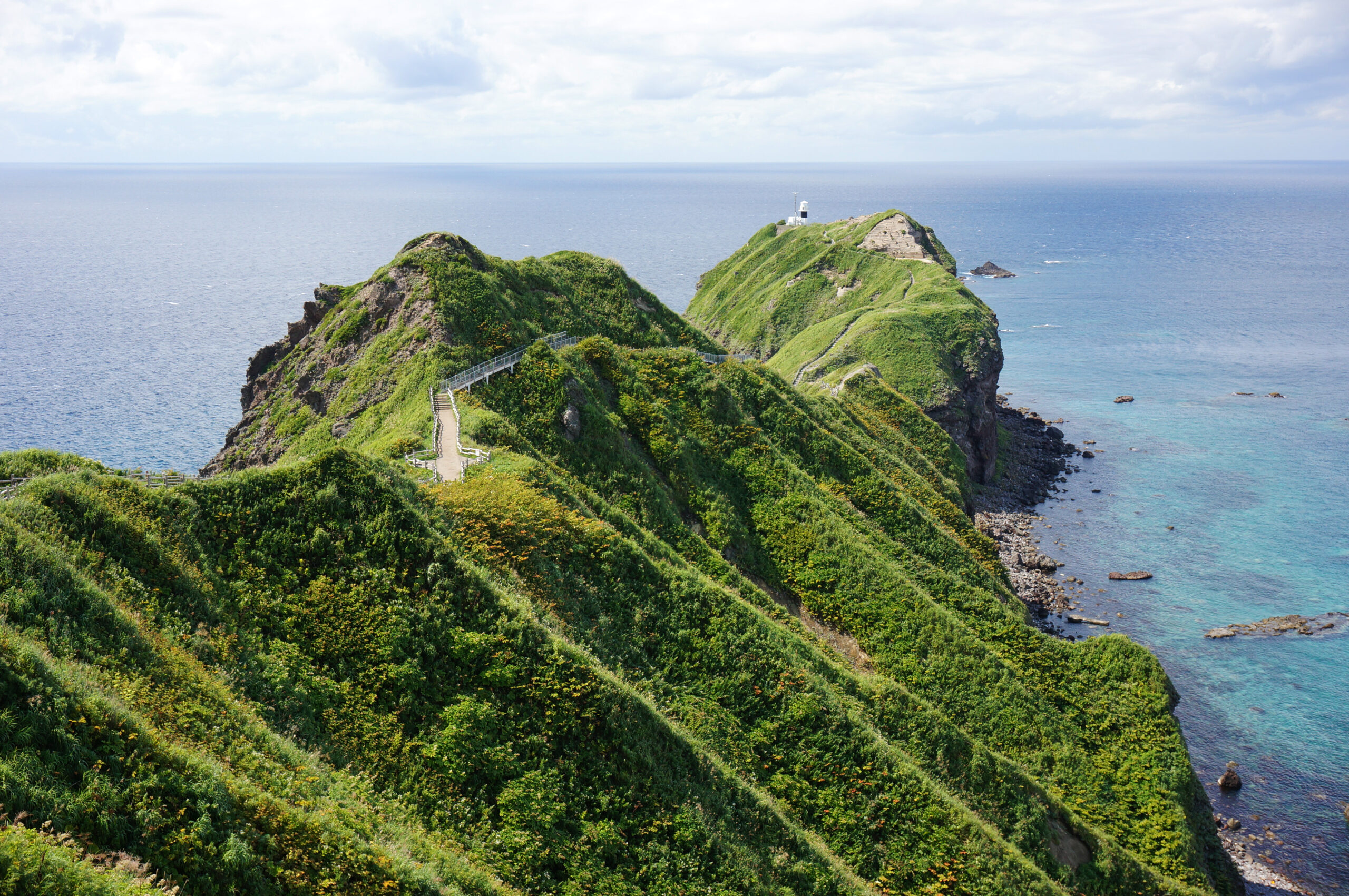
Cape Kamui (神威岬) is the headliner, and for good reason. A narrow finger of land juts out into the Sea of Japan, ending at a lighthouse perched above sheer cliffs. The views from the tip are the kind that make you feel genuinely small.
To get there, you walk Charenka’s Path — a 770-metre trail that runs along the ridge to the cape’s tip. Takes about 20 minutes one way, and some sections are steep enough that you’ll feel it in your legs. There are metal railings and steps along the exposed bits, but it’s not exactly a boardwalk stroll. On a windy day (and it’s almost always windy), hold onto your hat. Literally.
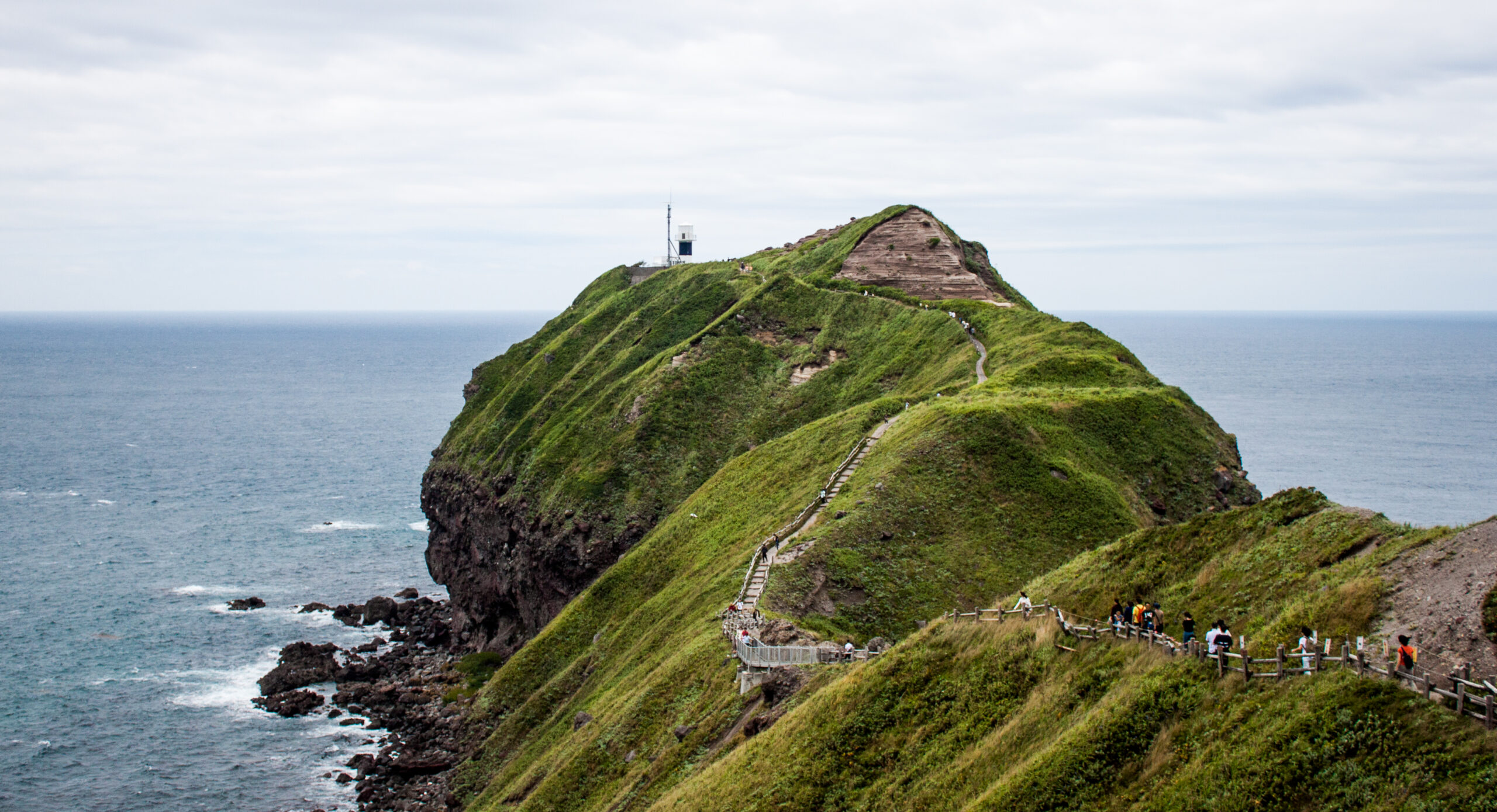
At the entrance, you’ll pass the Nyonin Kinsei gate — a historical marker from the days when women were forbidden from entering the cape. The legend goes that an Ainu chief’s daughter, Charenka, threw herself into the sea after her lover didn’t return from a voyage, and her spirit turned the waters around the cape treacherous for any ship carrying women. It’s just a legend now, obviously, and everyone is welcome. But the story adds a certain weight to the walk.
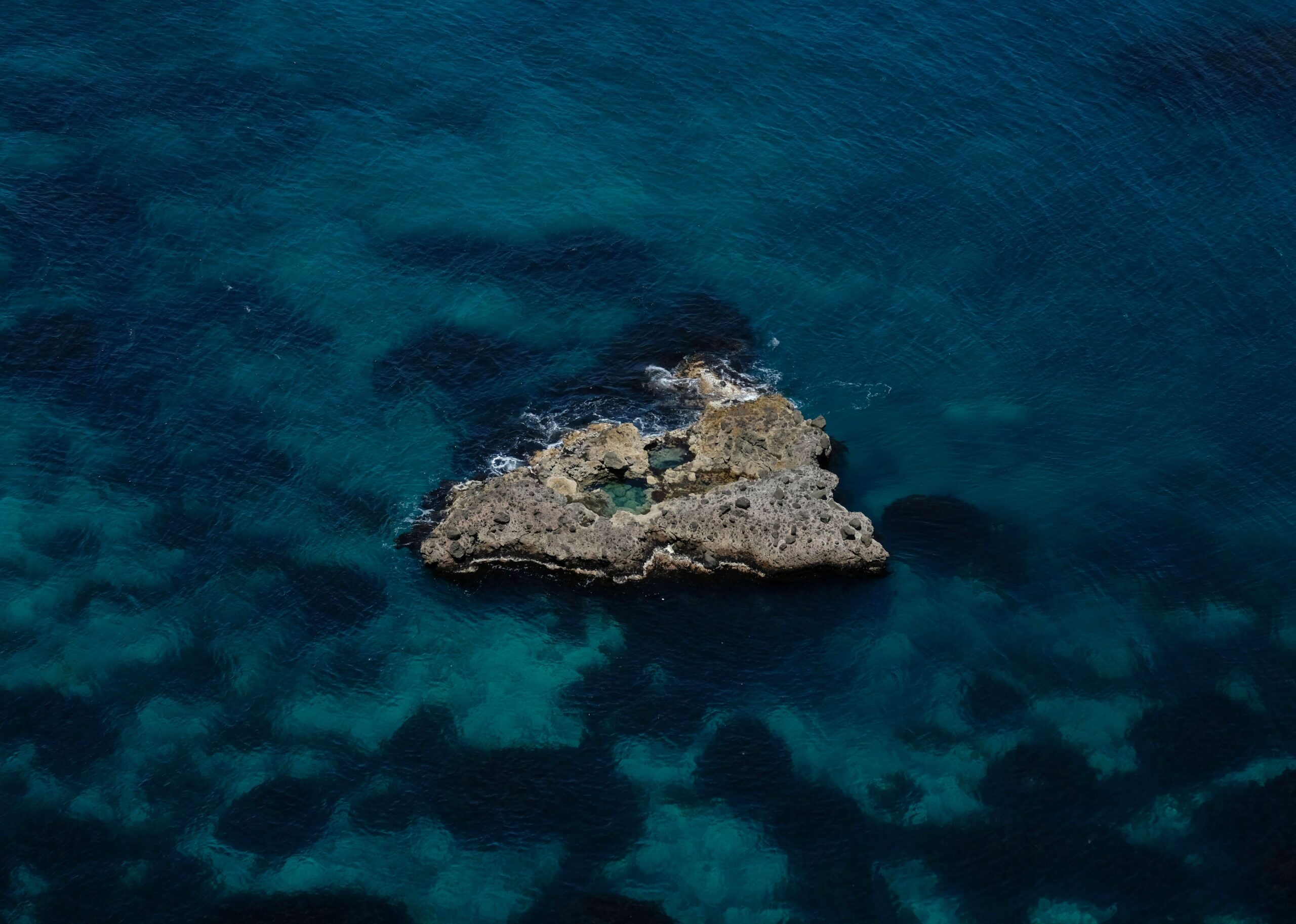
From the tip, you can see the Kamui Rock standing alone in the sea — a pillar of stone that’s supposedly Charenka herself. On a clear day, the water below shifts between deep cobalt and an almost tropical turquoise. It looks like it belongs in Okinawa, not on the west coast of Hokkaido.
Shimamui Coast and That Water
About 10 minutes by car from Cape Kamui, the Shimamui Coast (島武意海岸) was selected as one of Japan’s 100 Most Beautiful Beaches. I know lists like that can feel meaningless, but in this case they got it right.
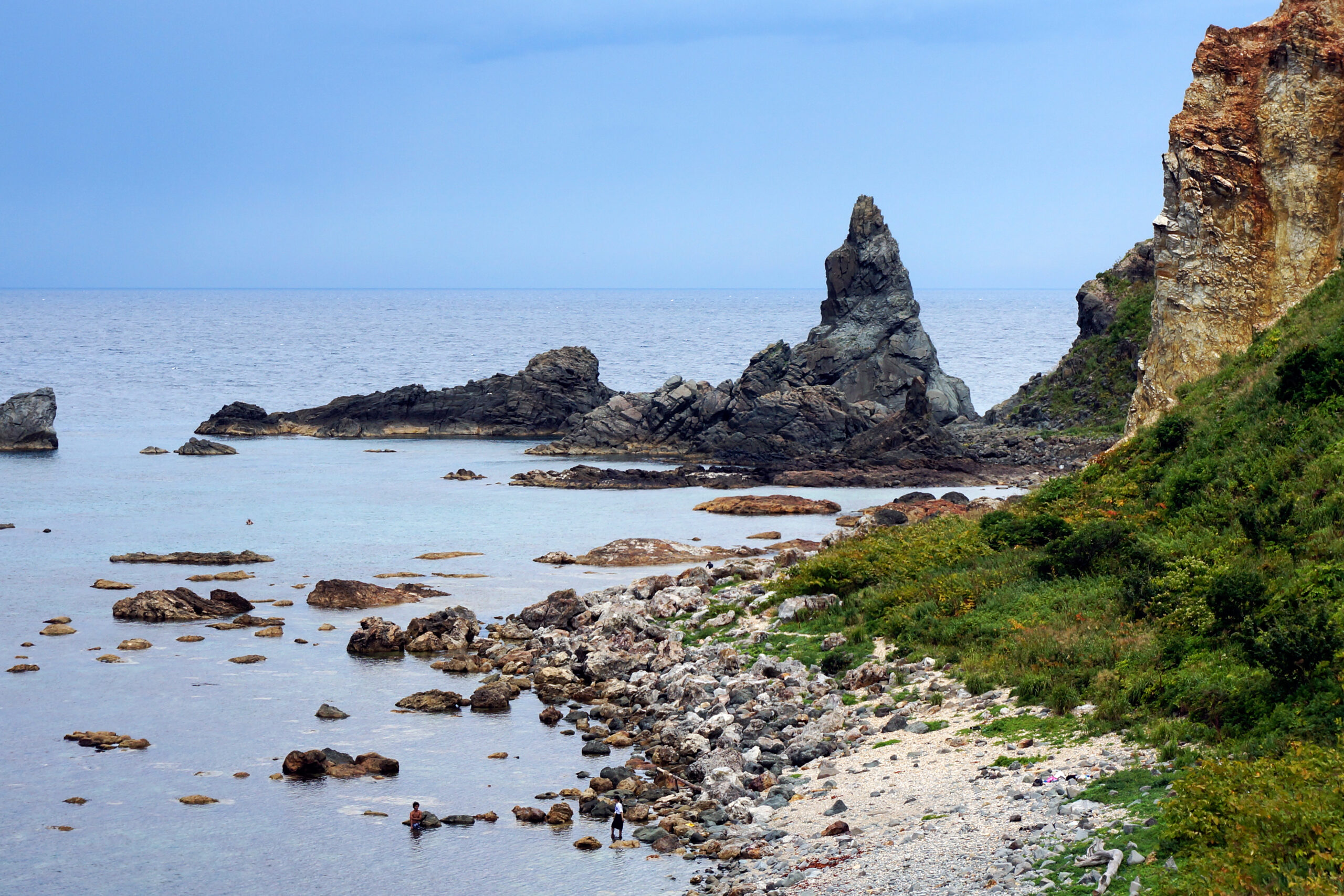
You walk through a short, dark tunnel carved into the rock, and then the coast just opens up in front of you. Turquoise water, jagged rocks, and you can see straight down to the ocean floor from the observation deck above. The clarity is almost unsettling — it doesn’t look like the Sea of Japan should be this transparent.
There’s a steep set of steps leading down to the actual beach if you want to get closer to the water. Fair warning: the steps are rough and getting back up is a workout. But standing at water level, watching the waves roll over those rocks in that colour, is worth the effort. If you’re into photography, this is your spot. Morning light is best before the sun gets too high.
Cape Ogon — Sunset Central
If you can manage to stick around until evening, Cape Ogon (黄金岬) is where you want to be. The name means “golden cape,” and the story is that schools of herring used to gather around the point, their scales flashing gold in the setting sun. Whether or not you buy the herring story, the sunsets here are genuinely spectacular.
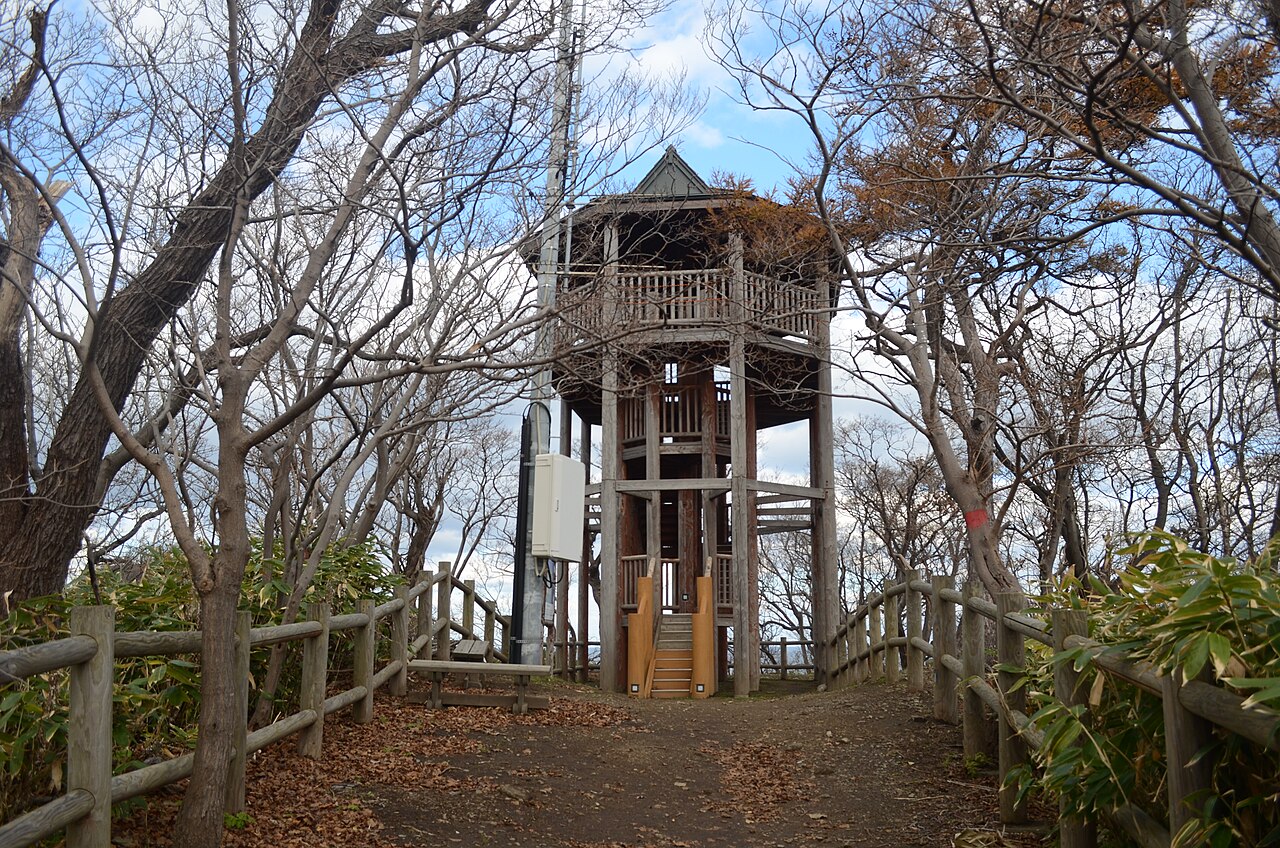
The observation deck sits about 30 metres above sea level, and on a clear evening the entire sky turns that deep orange-to-crimson gradient over the Sea of Japan. It’s about a 20-minute drive from Cape Kamui (or 20 minutes from Cape Shakotan going the other direction). Most day-trippers have already headed back to Sapporo by this time, so you might have the place nearly to yourself.
Snorkeling and Diving in Shakotan
Here’s something that surprises people: the Shakotan Peninsula is Hokkaido’s only designated marine park, and the snorkeling here is some of the best in Japan. Not Okinawa-warm, obviously — we’re talking northern Pacific water, so you’ll want a wetsuit — but the visibility is extraordinary.
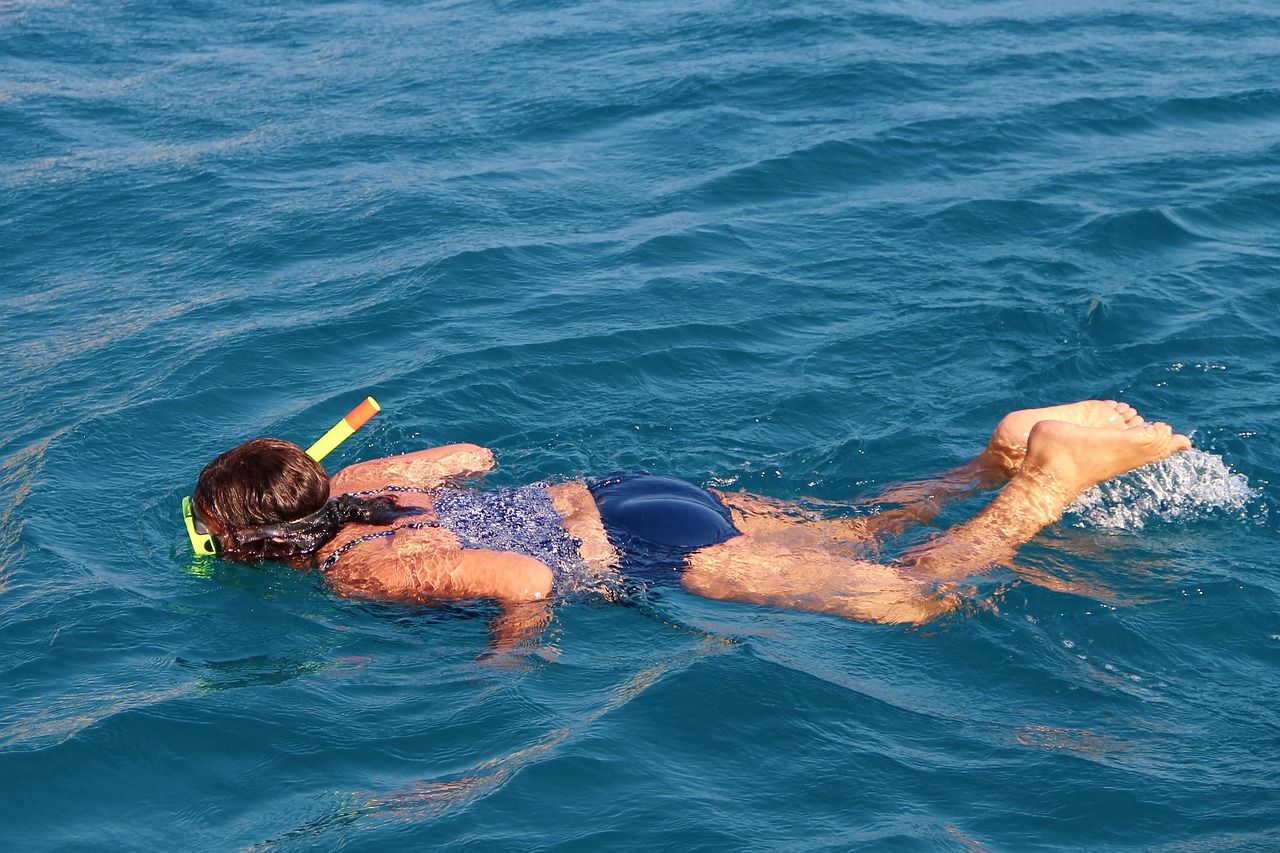
The Shakotan Underwater Park near Bikuni is the main spot. Several local operators run guided snorkeling tours during summer (roughly June through September). If you’re feeling braver, night snorkeling tours let you see bioluminescent plankton — tiny organisms that light up the water like stars. I haven’t tried the night tour myself but everyone I’ve talked to says it’s unforgettable.
For the less adventurous, there are glass-bottom boat tours from Bikuni Port that take you over the reefs without getting wet. Good option if you’re travelling with kids or just don’t fancy the cold water. The water clarity means you can actually see plenty from above.
If you’re interested in more outdoor activities, check out the hiking guide and the broader things to do in Hokkaido page for ideas beyond Shakotan.
The Uni. Oh, the Uni.
You cannot visit the Shakotan Peninsula between June and August without eating uni (sea urchin). This is not optional. Shakotan uni is famous across Japan, and eating it here — fresh from the morning catch, piled onto a bowl of rice as uni-don — is a different experience from anything you’ll get in a Tokyo restaurant.
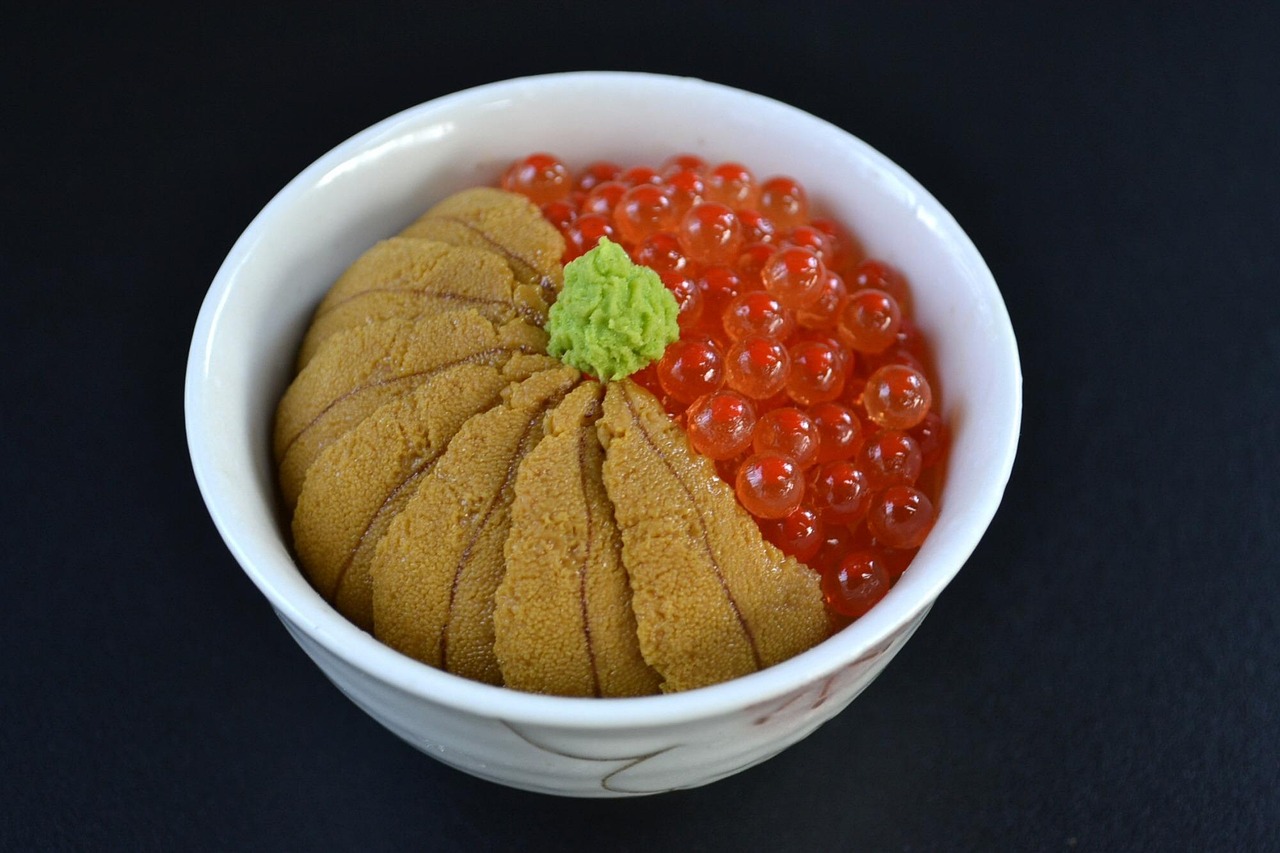
The season runs roughly June to August, with July and August being peak. Several restaurants along the main road through Bikuni and near Cape Kamui serve it. Expect to pay around 3,000-4,000 yen for a uni-don bowl, which sounds steep until you see the portion size. The uni is sweet, creamy, and melts on your tongue. No bitterness, no weird aftertaste — just clean ocean flavour.
Beyond uni, the whole peninsula is great for fresh seafood. Squid, salmon, grilled scallops — the roadside restaurants might look unassuming, but the fish was probably in the ocean a few hours before it hit your plate.
The Coastal Drive
Honestly, the drive itself is half the reason to come. Route 229 hugs the coastline almost the entire way around the peninsula, and the scenery is relentless. Every bend reveals another cove, another cliff, another stretch of that impossible blue water.
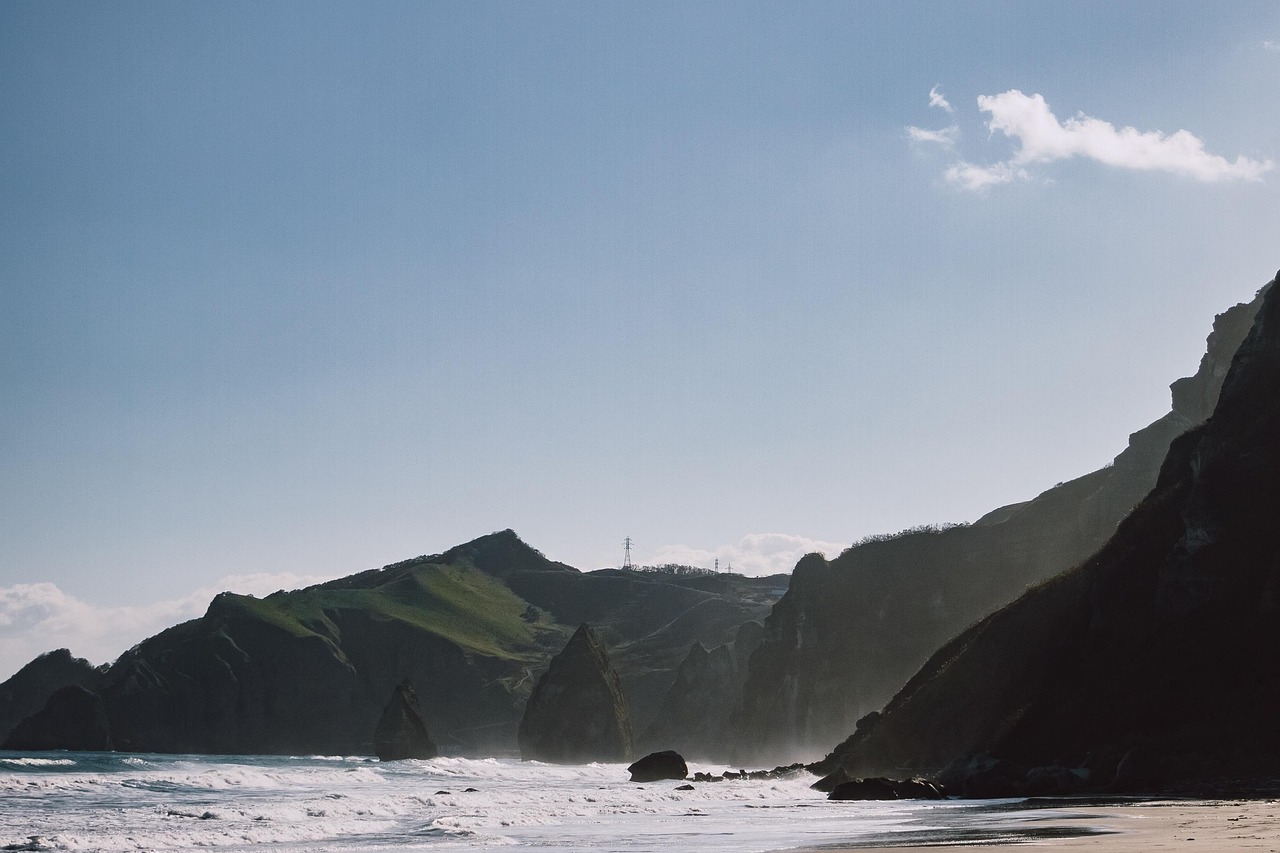
From Otaru, head west along the coast. You’ll pass through small fishing villages — Yoichi (worth a stop for the Nikka Whisky Distillery), Furubira, and then the landscape starts getting serious as you approach the peninsula proper. The road is well-maintained but narrow in places, with some tight switchbacks on the cape section. Nothing scary if you’re comfortable with Japanese mountain roads, but not ideal for a first-time-in-Japan driver.
If you’ve got the whole day, I’d suggest a loop: drive the north coast to Cape Kamui, then continue around to Shimamui Coast and Cape Ogon, coming back via the south coast. The full circuit from Otaru and back takes about 4-5 hours of driving time, plus however long you spend stopping — which will be often.
This drive pairs perfectly with a Hokkaido road trip. If you’re planning one, the Hokkaido road trip guide covers the essentials, and the car rental guide will help with the logistics.
Getting to Shakotan from Sapporo
Let’s be straight about this: Shakotan is not easy to reach without a car. There’s no train anywhere near the peninsula. Here are your options:
By rental car (recommended)
About 2 to 2.5 hours from Sapporo to Cape Kamui via the expressway to Otaru and then Route 229 along the coast. This is by far the best option. You control your schedule, you can stop at viewpoints along the way, and you can actually reach all three capes plus Shimamui Coast in one day. The road from Otaru to Shakotan is scenic enough that the drive itself feels like part of the trip.
By bus
Take a JR train from Sapporo to Otaru Station (about 30-40 minutes, covered by JR Pass). From Otaru Bus Terminal, Hokkaido Chuo Bus runs a seasonal service to Shakotan from around April 15 to September 30. The bus to Cape Kamui takes roughly 2.5 to 3 hours one way. Buses are infrequent — we’re talking a few per day — so check the timetable carefully and plan around it. Miss the last bus back and you’re stuck.
By tour
A few operators run day tours from Sapporo that include Cape Kamui and sometimes Shimamui Coast. These are convenient but rushed — you typically get 30-40 minutes at each stop, which honestly isn’t enough for Cape Kamui given the walk time. Check platforms like Klook or Viator for current offerings.
Best Time to Visit
The short answer: June through September. This is when the water hits peak Shakotan Blue, the walking trails are fully open, the summer weather cooperates, and — critically — the uni is in season.
July and August are prime time. The water colour is at its most intense, every restaurant is serving fresh uni, and the snorkeling operators are all running. It’s also the busiest period, especially weekends and during Obon (mid-August). Cape Kamui’s parking lot can fill up by late morning on peak days.
June and September are quieter and still beautiful. The water colour might not be quite as electric, and some of the seasonal activities wind down in September, but you’ll have more space and the views are still excellent. The cape trails are open from mid-April through November, roughly, but the full Shakotan experience really needs summer.
Winter? The capes close, the roads can be treacherous, and there’s not much reason to make the drive. Save Shakotan for when you can actually see the blue. For help planning around the seasons, the best time to visit Hokkaido guide breaks it all down.
Combining Shakotan with Otaru and Yoichi
Since you’re driving through Otaru and Yoichi anyway, it’d be a waste not to stop. Here’s how I’d structure a full day:
Morning: Leave Sapporo early (7-8 AM). Drive straight to Cape Kamui — get there before the crowds. Walk Charenka’s Path, take your time.
Late morning: Drive to Shimamui Coast (10 minutes). Walk the tunnel, take in the view, maybe go down to the beach.
Lunch: Find a uni-don spot near Bikuni. This is non-negotiable between June and August.
Afternoon: Drive the south coast to Cape Ogon if time allows. Or head back east toward Yoichi for the Nikka Whisky Distillery (free tours, free tastings, gorgeous grounds).
Late afternoon: Stop in Otaru on the way back. Walk the canal, grab some sushi on Sushiya-dori, pick up LeTAO cheesecake for the drive home.
This makes for a long but incredibly satisfying day. You’re covering some of the best scenery, food, and culture that western Hokkaido has to offer, all in one loop. Check the Otaru day trip guide for specific recommendations in town.
What Most Guides Won’t Tell You
A few things I wish I’d known before my first visit:
The wind at Cape Kamui is no joke. Even on a calm day in Sapporo, the exposed headland catches serious gusts. Bring a light jacket even in July. Hats will blow off. I watched three people chase theirs.
Phone signal is patchy. Once you’re on the peninsula itself, don’t rely on Google Maps updating in real-time. Download offline maps before you leave Otaru.
The road between Cape Kamui and Cape Shakotan has almost no guardrails in places and drops straight to the ocean. Beautiful? Absolutely. Relaxing to drive? Not always. Take it slow.
Toilets are available at Cape Kamui’s parking area and at Shimamui Coast, but they’re basic. Between those points, options are limited.
If you’re visiting on a weekend in July or August, arrive at Cape Kamui before 9 AM. The parking lot is small and it fills up. Once it’s full, you’re waiting for someone to leave.
Despite the dramatic coastline, this isn’t really a swimming beach area. The currents around the capes are strong and the water is cold. Stick to designated snorkeling areas with a guide if you want to get in.
Is Shakotan Worth the Drive?
I’ll put it this way: I’ve driven thousands of kilometres around Hokkaido. The stretch of coast between Otaru and the tip of Cape Kamui is the single most beautiful drive I’ve done on this island. It rivals the Amalfi Coast, Big Sur, the Great Ocean Road — and it gets a fraction of the tourists.
Yes, it takes half a day to get there and back. Yes, you need a car to do it properly. But this is the kind of place that makes you remember why you came to Hokkaido in the first place — not for the tourist checklist, but for the moments where the landscape just floors you and you forget you’re supposed to be taking a photo.
Bring a full tank of petrol, some downloaded podcasts for the drive, and an empty stomach for the uni. You won’t regret it.