
This article contains affiliate links. If you book through these links, I earn a small commission at no extra cost to you.
In This Article
- Do You Actually Need a Car in Hokkaido?
- Picking Up a Rental at New Chitose Airport
- Rental Companies Worth Knowing
- How Much Does It Actually Cost?
- Insurance: Don’t Skip It
- You Need an International Driving Permit
- Driving on the Left (and Other Road Rules)
- Expressways and Toll Roads
- ETC Cards
- Road Trip Routes That Make It All Worth It
- Gas Stations and Fueling Up
- Parking
- Michi-no-Eki: Your Best Friends on the Road
- Winter Driving in Hokkaido
- GPS, Navigation, and Map Codes
- Wildlife on the Roads
- When Trains Are the Better Call
- Practical Details at a Glance
I spent my first three days in Hokkaido on trains. Big mistake. Not because the trains are bad — JR Hokkaido runs a solid network — but because I kept staring out the window at roads disappearing into mountains and thinking, “I should be on that one.”
Hokkaido is not Tokyo. It is not Osaka. You can not hop between attractions on a subway here. The island makes up over 20% of Japan’s total land mass, and driving from the northernmost city (Wakkanai) to the southernmost (Hakodate) covers more than 600 kilometers. That is roughly Amsterdam to Berlin. Most of the best stuff — trailheads, coastal lookouts, onsen towns with twelve people in them — sits nowhere near a train station.
So yes, you probably need a car. But renting one in Hokkaido has its own learning curve, and winter driving here will test you. This is everything I wish someone had told me before I picked up my first rental at New Chitose Airport.
Do You Actually Need a Car in Hokkaido?
Depends entirely on your itinerary. If you are staying in Sapporo and doing day trips to Otaru, the trains handle that fine. The Hokkaido Rail Pass covers most major routes and the JR network connects Sapporo, Asahikawa, Hakodate, and Noboribetsu without issues.
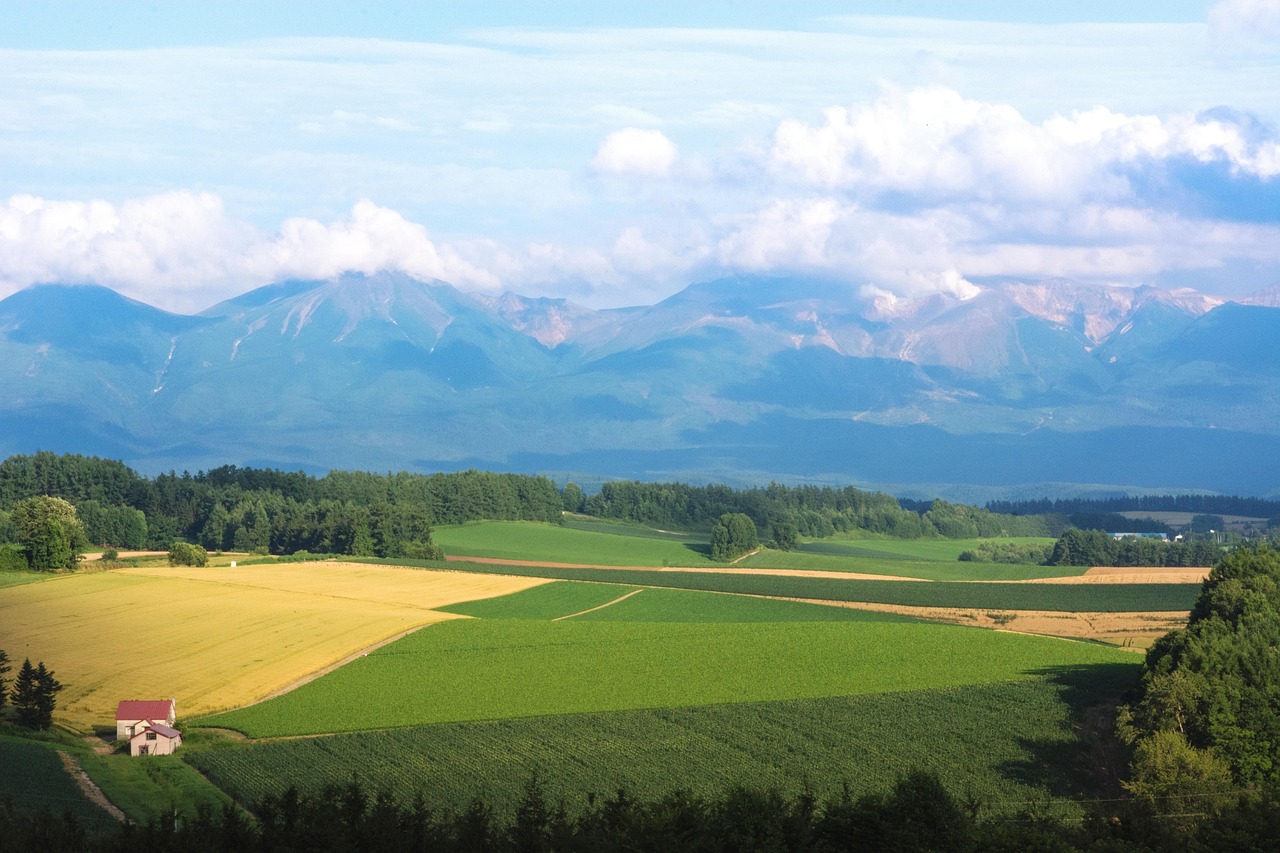
But here is where it falls apart. Want to drive between Furano and Biei, stopping at every flower field and cheese farm? Car. Want to reach trailheads in Daisetsuzan National Park? Car. Trying to see eastern Hokkaido — Shiretoko, Akan, Kushiro Marshlands? Absolutely car. Public transport out east runs maybe a few times per day, and some spots have no bus service at all.
The rule I use: if more than half your trip is outside Sapporo and you are visiting places that are not on the JR main line, rent a car. You will waste less time waiting for connections and see twice as much.
Picking Up a Rental at New Chitose Airport
Almost everyone picks up their car at New Chitose Airport, and the process is smoother than you would expect. Here is how it works.
After you land, head to the rental car counter on the first floor. If you are arriving on a domestic flight, the counters are in the domestic terminal. International arrivals have their own counters in the international terminal. You don’t go directly to the car — that would be too easy. Instead, you check in at the counter, then take a free shuttle bus to the rental company’s lot in Chitose City. The bus stop is right outside the terminal exit. The whole thing takes maybe 20-30 minutes from landing to sitting in your car.
Book online in advance. Always. Walk-up rates are higher, and during summer (July-August) or ski season (December-February), cars sell out completely. I have seen people stranded at the airport because they assumed they could just show up.
Rental Companies Worth Knowing
Every major Japanese rental company operates in Hokkaido, and the pricing is surprisingly similar across all of them. The real differences come down to English support, vehicle selection, and how smooth the pickup process is.
Toyota Rent a Car — The biggest network in Japan. Largest vehicle selection, solid English website, and their cars tend to be newer. Slightly pricier than some competitors but the process is the most foreigner-friendly. Good hybrid options.
Nippon Rent-A-Car — Another major player with good English support. They sometimes run discount coupons for foreign visitors (MATCHA, the travel site, has published a 10% off code in the past). Wide network across Hokkaido.
Times Car Rental — Reliable, often slightly cheaper than Toyota and Nippon. English website works fine. Good pick if you want a basic compact without paying the Toyota premium.
ORIX Rent-A-Car — You might recognize the name from the Buffaloes baseball team. Competitive pricing, especially for longer rentals. Some people book through Rakuten Travel and select ORIX — the interface is a bit clunky but the savings can be real.
OTS (Okinawa Tourist Service) — Despite the name, they operate in Hokkaido too. Popular with foreign tourists because their English support is particularly good. Often the cheapest option for standard cars.
Budget Rent a Car — The international brand operates here. Nothing special, nothing terrible. Sometimes useful if you have a corporate account or loyalty membership.
JR Hokkaido Rent a Car — Worth mentioning because you can combine it with a JR Pass for discounted rates. If you are doing a mixed rail-and-driving trip, this combo can save money.
How Much Does It Actually Cost?
Expect to pay roughly 5,000-8,000 yen per day for a compact car (kei car or small sedan) during regular season. Summer and winter peak periods push that to 7,000-12,000 yen. A mid-size car or minivan runs 8,000-15,000 yen per day depending on season.
What catches people off guard is the extras. Insurance adds 1,000-2,000 yen per day (take it — more on that below). An ETC card for expressway tolls runs about 300 yen. GPS is usually included. Some companies charge a drop-off fee if you return the car to a different location than where you picked it up, though same-prefecture drops within Hokkaido are often free.
Insurance: Don’t Skip It
Japanese rental cars come with basic liability insurance included in the base rate. But that basic coverage leaves you on the hook for a “non-operation charge” (NOC) if the car gets damaged — typically 20,000-50,000 yen even for minor stuff like a scratched bumper. Given that deer, icy roads, and tight parking lots all exist in Hokkaido, the NOC waiver is worth the extra 1,000-2,000 yen per day.
Some credit cards offer rental car insurance that covers Japan. Check yours before you leave home. But even with credit card coverage, having the local waiver means you can hand the keys back without stress if something happens. Dealing with an insurance claim internationally while on holiday is nobody’s idea of fun.
You Need an International Driving Permit
This is the one thing you absolutely must sort out before your trip. Japan requires an International Driving Permit (IDP) from drivers with non-Japanese licenses. Get it in your home country — in the US, AAA offices issue them for about $20. Takes maybe 15 minutes.
Important: the IDP is not a standalone license. You need to carry both your IDP and your regular driver’s license. The rental company will check both at pickup, and police will ask for both if you get stopped.
Some countries (Switzerland, Germany, France, and a few others under the Geneva Convention) are eligible for a license translation instead of an IDP. Check with your local Japanese embassy or consulate before your trip — the rules depend on which international driving convention your country signed.
Driving on the Left (and Other Road Rules)
Japan drives on the left. If you are from the UK, Australia, or Singapore, you are already fine. If you are from North America or continental Europe, it takes about an hour to stop feeling weird. By day two, it is automatic. Roundabouts are rare in Hokkaido, which helps.
The stuff that trips people up is not the side of the road. It is these three things:
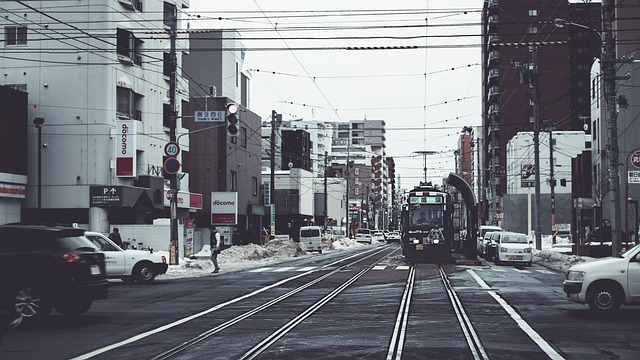
You must stop at every railroad crossing. Full stop. Even if the barriers are up and no train is coming. This is the law in Japan, and it is one of the only countries in the world that enforces it. The car in front of you will stop. You will stop. Don’t honk.
No turning on red lights. Ever. Americans and Canadians — forget everything you know about right-on-red. In Japan, red means stop and wait, regardless of direction. Some intersections have green arrow signals that allow specific turns, but if the light is red and there is no arrow, you sit.
Speed limits feel slow. Regular roads: 60 km/h unless posted otherwise. Expressways: usually 80 km/h, sometimes 100 km/h on sections where the signs are blank. Coming from countries where highway speeds hit 120+, this takes patience. But when a deer jumps onto the road at dusk — and it will eventually — you will understand why.
Expressways and Toll Roads
Hokkaido’s expressway network is well maintained and dramatically cuts travel time. The catch? Tolls are expensive. The 130-kilometer drive from Sapporo to Asahikawa takes under 90 minutes on the expressway but costs 3,980 yen. The 280-kilometer stretch from Onuma Koen (near Hakodate) to Sapporo runs about 6,540 yen.
A few free expressways exist too — the Asahikawa-Monbetsu Expressway and Fukagawa-Rumoi Expressway, for example. Check routes on the NEXCO website to see which sections are free.
ETC Cards
Get one. Every rental company offers them for about 300 yen, and the ETC toll is charged automatically when you drive through the ETC lane at toll gates. You get a small discount on every toll compared to paying cash. Over a week of driving in Hokkaido, the savings add up to way more than 300 yen.
The ETC gates are clearly marked. If for some reason you don’t have an ETC card, look for the manned gates — they have green signs without “ETC” on them. Take the ticket when you enter the expressway, hand it to the attendant when you exit, and pay with cash or credit card.
If you are doing a lot of highway driving, look into the Hokkaido Expressway Pass (HEP). It is a flat-rate pass available to foreign visitors that gives you unlimited expressway use for a set number of days. The savings are significant if you are covering long distances.
Road Trip Routes That Make It All Worth It
Half the reason to rent a car in Hokkaido is the driving itself. These are the routes where you will keep pulling over to take photos.
Sapporo to Furano and Biei: About 2.5 hours via the expressway to Asahikawa, then south. The stretch between Furano and Biei is the postcard Hokkaido — rolling hills, lavender fields in summer, patchwork farmland. Stop at Farm Tomita, Shikisai-no-Oka, and any Michi-no-Eki you pass.
Sapporo to Niseko via Nakayama Pass: About 2 hours on regular roads. The pass itself has great views of Mt. Yotei on clear days. In winter, this road can get dicey — check conditions before heading out.
Sapporo to Lake Toya and Lake Shikotsu: A full day loop. Lake Toya is about 2 hours south of Sapporo via the expressway, and Lake Shikotsu sits roughly between them. Both volcanic caldera lakes are worth the drive.
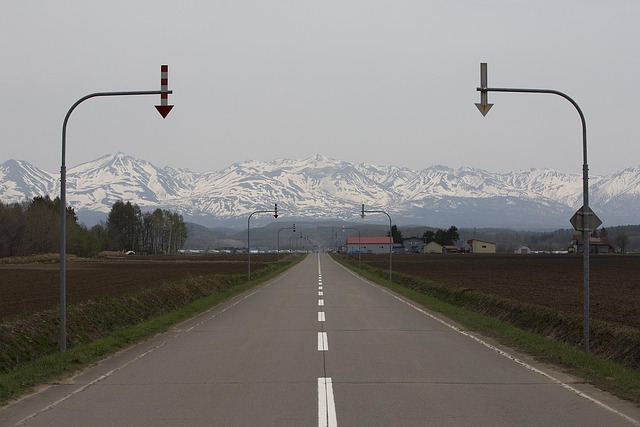
Eastern Hokkaido circuit: This is the big one. Asahikawa to Abashiri to Shiretoko to Akan to Kushiro and back. Budget at least 3-4 days. Distances are huge out here and public transport is nearly nonexistent. The Shiretoko Pass connecting Utoro and Rausu is one of the most spectacular drives I have done anywhere — but it is closed in winter, which turns a 30-minute crossing into a 120-kilometer detour.
For a more relaxed pace, the Hokkaido road trip guide breaks down multi-day itineraries by region.
Gas Stations and Fueling Up
Two types of gas stations in Hokkaido: staffed (full service) and self-service (called “serufu”). At a staffed station, an attendant fills your tank. You just need three words: “regyura, mantan, kurejitto kaado de” — which gets you a full tank of regular gas paid by credit card. If you want to pay cash, swap the last word: “genkin de.”
Self-service stations are cheaper but the machines rarely have English menus. You choose payment method first, then fuel type, then amount. If you get stuck, there is usually a staff member somewhere on site who can help.
The pump colors are consistent across Japan:
- Red — Regular gasoline (“regyura”). This is what 95% of rental cars use.
- Yellow — Hi-Octane (“hai-oku”). You don’t need this unless specifically told otherwise.
- Green — Diesel (“keiyu”). Wrong choice for most rentals. Check your rental agreement if unsure.
One thing to watch: gas stations outside the cities close early. Some rural stations only open a few hours on certain days. Don’t wait until the tank is nearly empty — fill up whenever you pass through a town. Running out of gas on a mountain road with no cell signal is a real risk out here, not a hypothetical one.
Parking
In Sapporo, Asahikawa, and Hakodate, expect to pay for parking. Look for lots with “最大料金” (maximum daily rate) displayed on the sign — these cap your total cost for a 12 or 24 hour period, so you won’t return to a surprise bill. Rates vary by area, but Sapporo city center runs roughly 800-1,500 yen per day.
At tourist attractions and national parks, parking is usually 500 yen. Shiretoko Five Lakes, Lake Shikotsu, and popular trailheads all charge around that.
Outside the cities? Parking is overwhelmingly free. Michi-no-Eki (roadside stations), convenience stores, and most rural attractions have free lots. Don’t park on the side of the road to take photos even though you will see locals doing it — it can be illegal depending on the location and it is dangerous in areas with poor visibility.
Michi-no-Eki: Your Best Friends on the Road
Hokkaido has 129 Michi-no-Eki (roadside stations), and they are genuinely useful — not just glorified rest stops. Every single one has free 24-hour parking and toilets. Most have free wifi. Eighty-four of them have staffed information desks.
But the real draw is the food. Each Michi-no-Eki showcases local specialties — fresh seafood, soft serve ice cream in flavors you didn’t know existed (lavender, melon, corn), grilled meat from local farms. They also sell produce and regional souvenirs. The one in Biei is particularly good for a lunch stop. Some even have hot springs attached.
A few Michi-no-Eki allow overnight parking for campervans — Otofuke is one, though you need to book online in advance and the reservation system is Japanese only. The roadside station in Bifuka has its own accommodation and a nice onsen.
Winter Driving in Hokkaido
This deserves its own section because Hokkaido winter driving is a fundamentally different experience from summer driving. Even locals avoid long-distance winter drives when they can.
Every rental car in Hokkaido comes with studless winter tires from November through April — that is standard. Some companies offer free tire chains as an add-on. Take them. They are extra insurance for mountain passes.
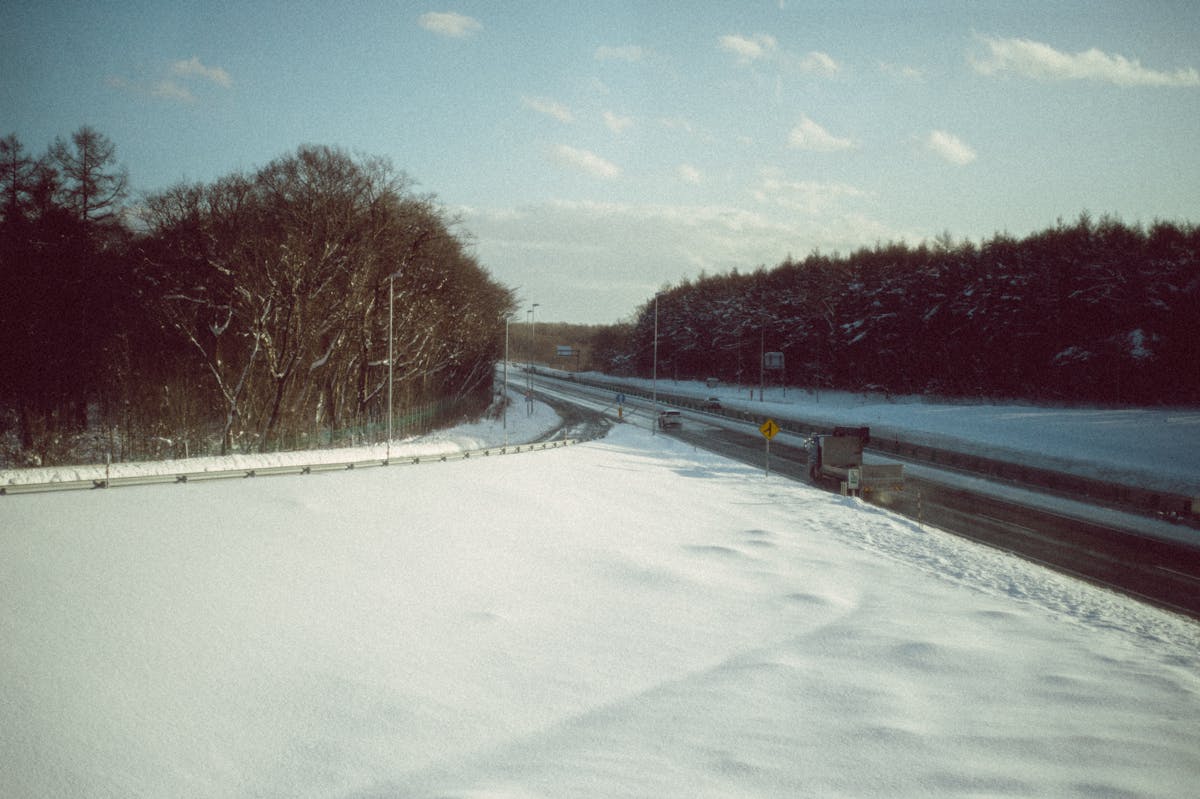
The dangers are real. Roads are not cleared of snow in Hokkaido — the snow gets packed down instead, so you are driving on compacted ice most of the time. Add deer that are more active at dawn and dusk, sudden blizzards on mountain passes, and the fact that your braking distance triples on ice, and you understand why this is not beginner territory.
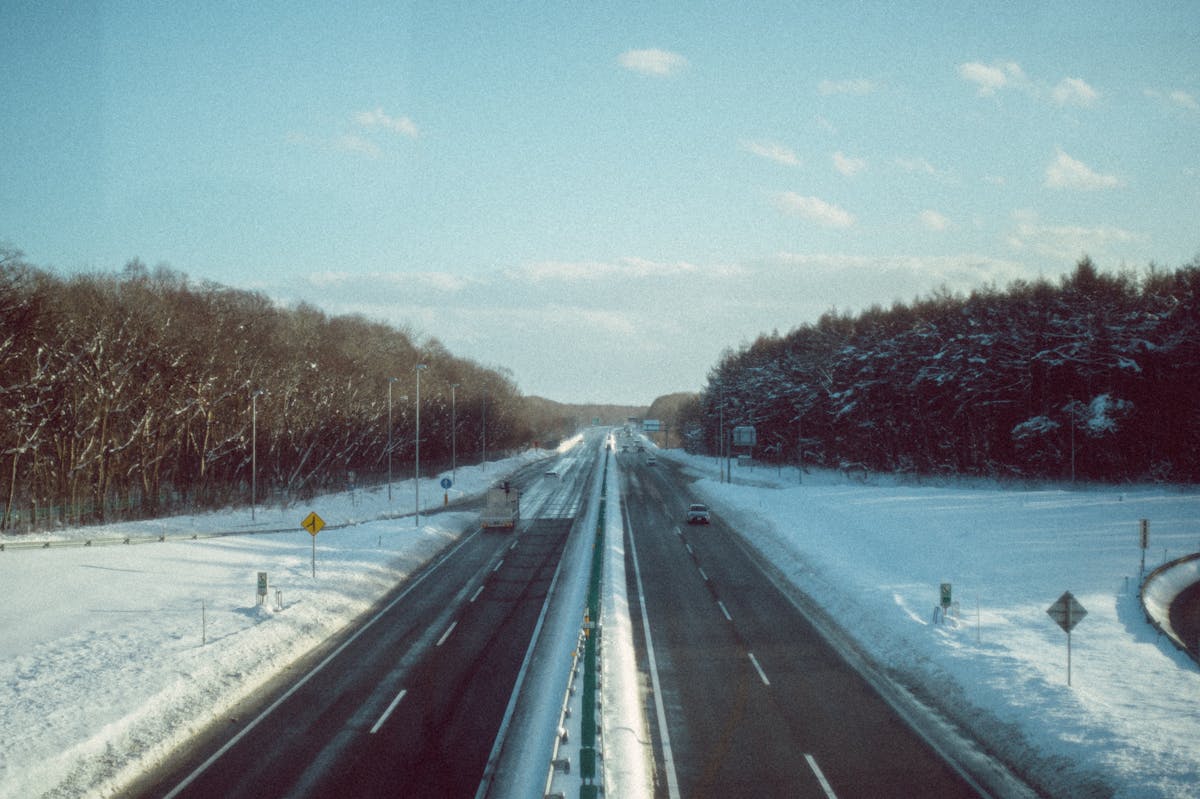
Weather changes fast between regions and elevations. The Karikachi Pass connecting Kamikawa and Tokachi can go from blue sky to whiteout blizzard in minutes. Check weather not just at your starting point and destination, but every town along your route. And plan to arrive before sunset — getting caught in a blizzard after dark is genuinely dangerous.
Signs to know in winter:
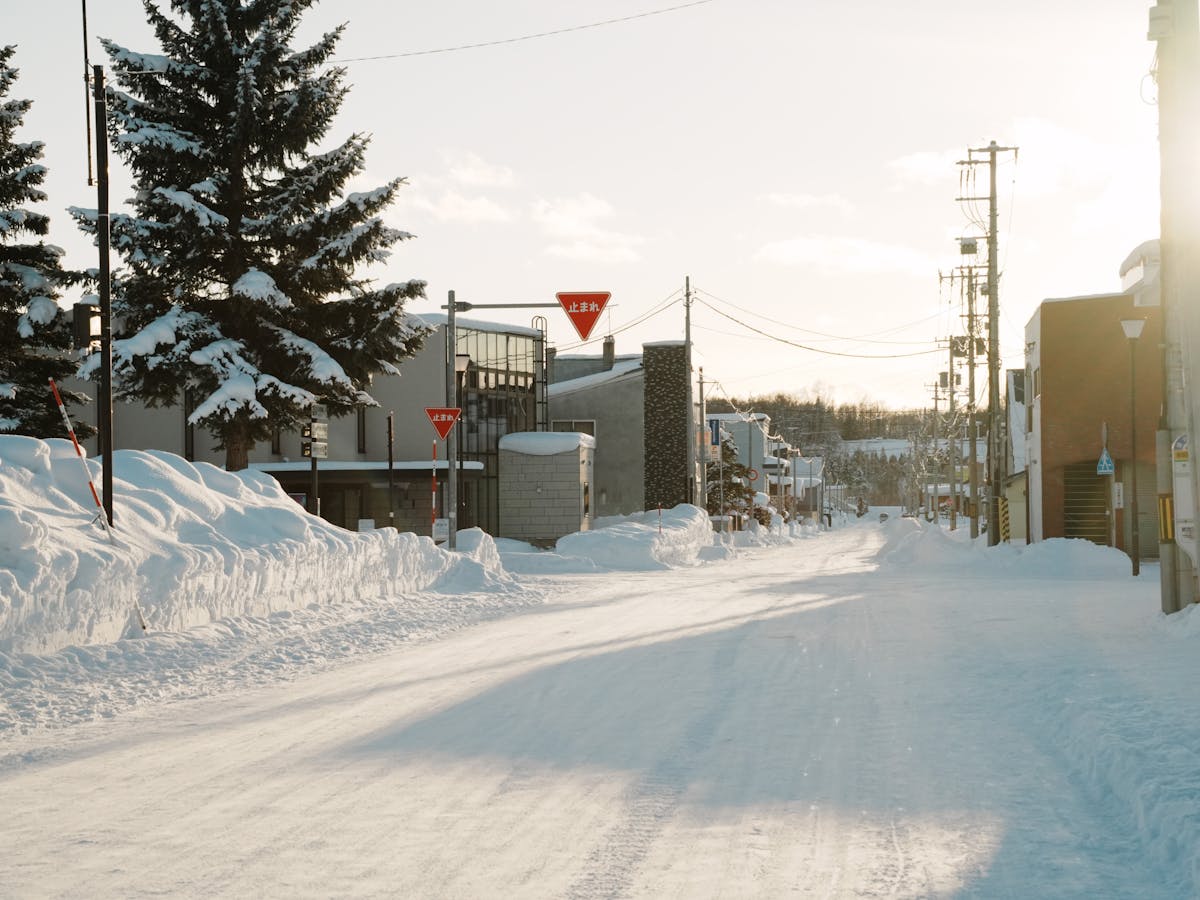
- Downward-facing arrows along road edges — these mark where the road actually is when everything is buried in snow
- Blue signs with 停止線 — these indicate where to stop at traffic lights, because the painted road lines are invisible under snow
Many mountain passes and forest roads close entirely from late November through April or May. The Shiretoko Pass is the most notable example. Check road closures on the Hokkaido Regional Development Bureau website before planning winter routes.
My honest advice: if you have no experience driving on snow and ice, don’t make Hokkaido your first attempt. Use trains and buses for winter trips, or join a guided tour. The views are just as good from the passenger seat.
GPS, Navigation, and Map Codes
Every rental car comes with a built-in GPS that supports English. The staff at the rental shop can switch the language for you if it is in Japanese. But honestly? Google Maps on your phone will do a better job most of the time. Just make sure you have a travel SIM or pocket WiFi with data, plus a phone mount and charging cable.
One genuinely useful tip: if you are using the car’s GPS, search by phone number rather than by name or address. Japanese GPS systems are finicky with English address input, but phone numbers work reliably. Every hotel, restaurant, and attraction in Japan has a phone number listed.
There is also a Japan-specific system called Map Codes — numerical codes that pinpoint exact locations. You can look up a Map Code for any destination by pasting the address from Google Maps into mapion.co.jp. Enter the code into the car GPS and it takes you straight there. This is particularly useful for places that don’t have a phone number, like trailheads or viewpoints.
One warning from local guides: GPS sometimes suggests bizarre routes. The drive from Furano to Tomamu, which should be a straightforward one-hour trip on paved roads, occasionally gets routed over the Ikutora Pass — a dangerous gravel mountain road. If your GPS suggests something that looks wrong, trust your gut and check the map.
Wildlife on the Roads
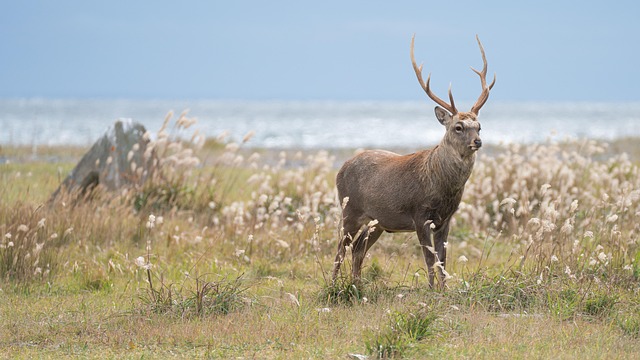
Hokkaido’s wildlife is one of the best reasons to drive here and one of the biggest hazards. Deer are the main concern — there were 4,009 deer-related car accidents across Hokkaido in 2021, many resulting in serious injuries. Nearly 40% of those happened in late autumn when stags come down from the mountains looking for mates. Dawn and dusk are peak danger times.
Deer travel in groups. If you see one on the side of the road, slow down and assume there are more nearby. In forested areas and around blind curves, drop your speed. The difference between hitting a deer at 60 km/h and 40 km/h can be the difference between a dented bumper and a totaled car.
Foxes are common too, especially in tourist areas. Some have been fed by visitors and now approach cars expecting food. Don’t feed them — it makes them associate cars with food, which gets them killed on the road. Foxes in Hokkaido also carry the Echinococcosis parasite, so keep your distance.
In Shiretoko, brown bears occasionally approach vehicles. Stay in your car. This is not a petting zoo.
When Trains Are the Better Call
I said you probably need a car, but that is not universal. These situations favor trains and buses:
- Sapporo-only trips: The subway and bus system handles the city well. Parking in central Sapporo is expensive and unnecessary.
- Sapporo to Hakodate: The Hokuto Limited Express is comfortable, scenic, and takes about 3.5 hours. Driving takes 4-5 hours and costs more in gas and tolls.
- Winter without snow driving experience: Seriously. Take the train.
- Solo travelers on a budget: Car rental, gas, tolls, and parking add up fast for one person. The Hokkaido Rail Pass might be cheaper overall.
The sweet spot is a combination: train for the big city-to-city legs, rental car for 2-3 days of regional exploring. JR Hokkaido Rent a Car offers packages specifically for this kind of mixed trip.
Practical Details at a Glance
Minimum age: 18 (but most rental companies require 20+)
Side of road: Left
Speed limits: 60 km/h regular roads, 80-100 km/h expressways
Rental cost: ~5,000-12,000 yen/day depending on car size and season
Gas price: ~165-180 yen/liter for regular
Expressway tolls: Sapporo-Asahikawa ~3,980 yen, Hakodate-Sapporo ~6,540 yen
ETC card rental: ~300 yen
Insurance (NOC waiver): ~1,000-2,000 yen/day (recommended)
Winter tires: Standard November-April (no extra charge)
Hokkaido rewards driving more than almost anywhere else in Japan. The roads are well-maintained, traffic outside Sapporo is light, and every turn seems to open up another view of mountains or coast or farmland that you wouldn’t have found from a train window. Just respect the weather, watch for deer, and fill up your tank before the gas stations close for the night.
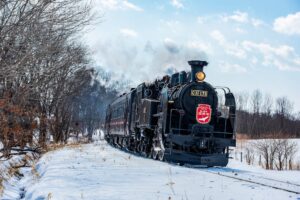 Getting AroundGetting Around Hokkaido: Trains, Buses, Cars, and What Actually WorksThis article contains affiliate links. If you book through them, I earn a small commission at no extra cost to…
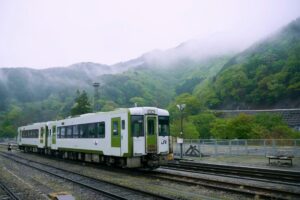 Getting AroundBest JR Pass Routes in Hokkaido: Get Your Money’s WorthThe JR Hokkaido Rail Pass is not automatically worth buying — it depends entirely on your route. If you stay…
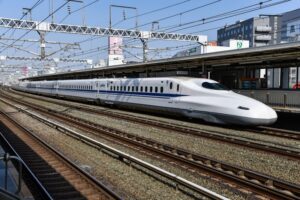 Getting AroundIs the JR Hokkaido Rail Pass Worth It? A Practical CalculatorThe JR Hokkaido Rail Pass gives you unlimited travel on all JR Hokkaido trains — limited express, rapid, and local…