
This article contains affiliate links. If you book through these links, I earn a small commission at no extra cost to you.
In This Article
- Sapporo: More Than Just a Stopover
- The Food — Honestly the Main Reason to Come
- Sapporo Miso Ramen
- Soup Curry
- Seafood
- Hokkaido Dairy, Whisky, and Beer
- Skiing and Winter Sports
- Hakodate: The City That Earned Its Reputation
- Otaru: The Day Trip Everyone Does (For Good Reason)
- Furano and Biei: Central Hokkaido’s Countryside
- Hot Springs and Onsen Towns
- Noboribetsu
- Jozankei
- Lake Toya Onsen
- Nature and National Parks
- Daisetsuzan National Park
- Shiretoko Peninsula — UNESCO World Heritage
- Seasonal Highlights You Should Not Miss
- Sapporo Snow Festival (February)
- Lavender Season (Late June to Early August)
- Autumn Foliage (September to October)
- Summer (June to August)
- Day Trips from Sapporo
- Getting Around Hokkaido
- Cultural Experiences
- What I Would Skip (Or At Least Not Prioritise)
- Practical Tips
I first went to Hokkaido because someone told me the ramen was better there. That was it. No grand plan, no research binder, just a train ticket and a vague sense that I should eat more noodles. That was four trips ago. I keep going back, and every time I think I have seen enough, Hokkaido proves me wrong.
The island is massive. Like, genuinely enormous — roughly the size of Austria. Most visitors see Sapporo, maybe Otaru, maybe Niseko if they ski. But there is a whole other Hokkaido beyond the tourist circuit, and it is the one that keeps pulling me north.
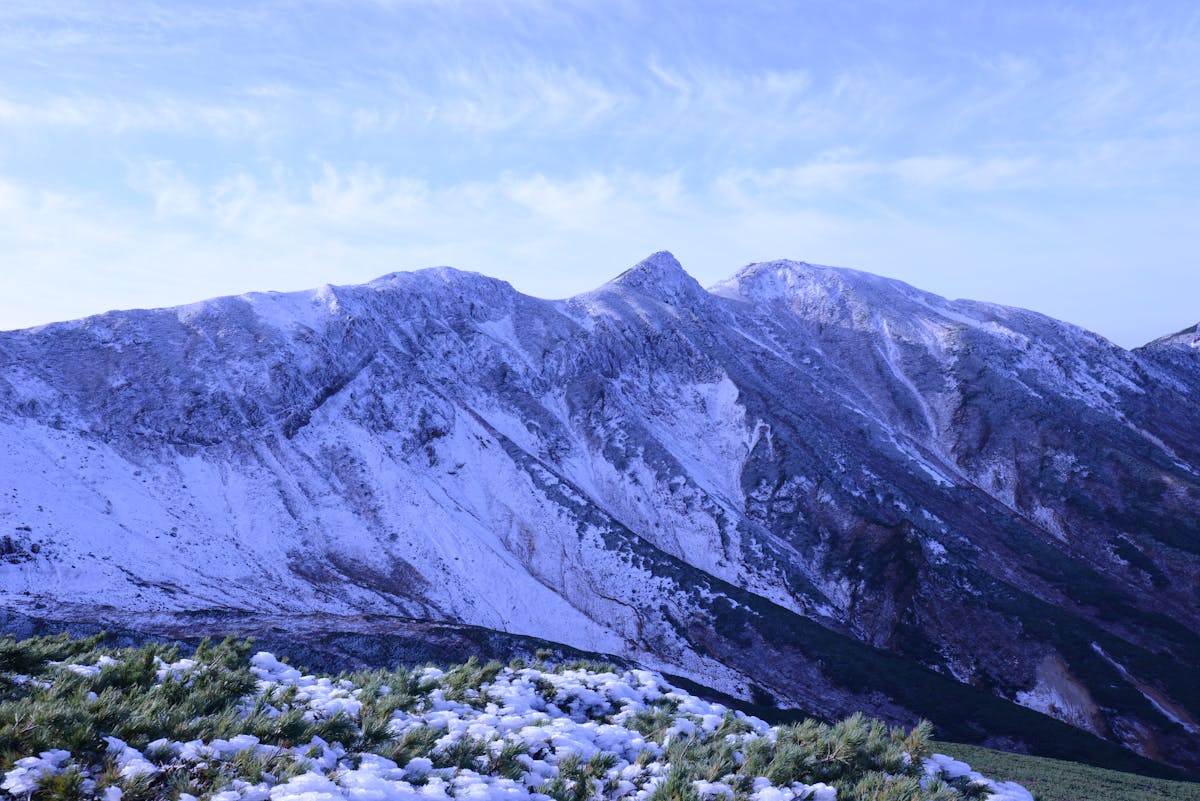
This is everything I think is worth doing in Hokkaido, arranged roughly by category rather than geography. Some of it is well-known. Some of it is stuff I stumbled into by accident and cannot stop talking about. I have also noted the things I think are overrated — because not everything lives up to the hype, and you probably do not have unlimited time.
If you are planning your first trip, check the month-by-month breakdown of when to visit before anything else. Hokkaido is a completely different place in January versus July.
Sapporo: More Than Just a Stopover
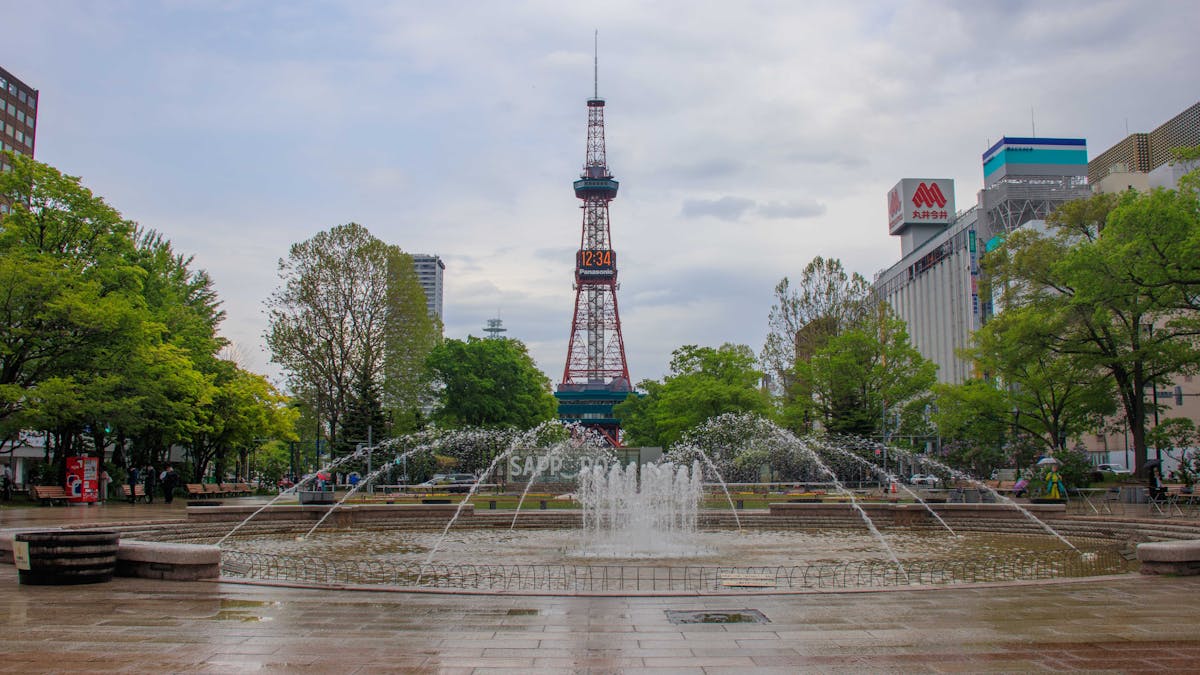
Most people treat Sapporo as a base and immediately leave for the countryside. I did the same my first time. That was a mistake. Sapporo is one of the most underrated cities in Japan, and it deserves at least two full days.
The full Sapporo guide is here, but the highlights: Odori Park stretching through the city centre like a spine, the TV Tower that is more charming than it has any right to be, and Susukino — Sapporo’s entertainment district where the neon signs are stacked six stories high and the restaurants stay open until the small hours.
Take the ropeway up Mount Moiwa at dusk. The night view from the top competes with Hakodate’s (more on that later), and there are fewer people. The observation deck has heated indoor seating, which matters a lot when it is minus 8 outside.
Nijo Market in central Sapporo is the place for seafood breakfast. The crab legs are expensive — expect to pay around 3,000-5,000 yen for a portion — but they crack them fresh in front of you and you eat standing up in the cold morning air. It is the kind of thing that sounds uncomfortable and ends up being one of your best meals.
The Food — Honestly the Main Reason to Come
I realize that heading sounds dramatic, but I stand by it. Hokkaido’s food scene is genuinely in a different league from the rest of Japan, and Japan’s food scene is already extraordinary. The dairy is richer (Hokkaido produces most of Japan’s milk), the seafood is fresher (surrounded by cold, nutrient-dense water), and the local dishes have a heaviness that makes sense once you experience a Hokkaido winter.
Sapporo Miso Ramen
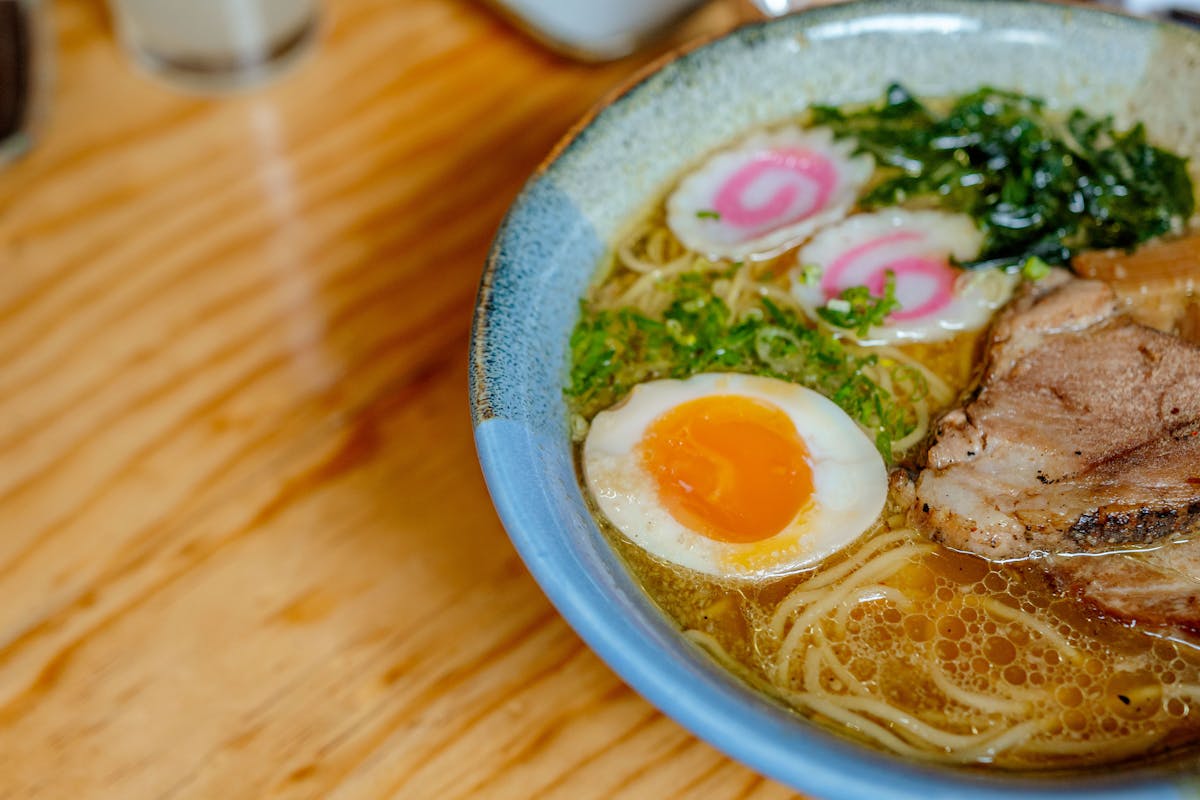
Sapporo is the birthplace of miso ramen. The broth is thick, salty, and loaded with butter and corn — which sounds strange until you try it. I have got a full list of the best ramen shops in Sapporo, but if you only hit one, make it Sumire in Nakano-shima. The original location has been serving since 1964, and the queue is long but moves fast. A bowl runs about 900-1,100 yen depending on toppings.
Ramen Yokocho (Ramen Alley) in Susukino is the famous tourist spot — 17 tiny shops crammed into a narrow alley. Some of them are genuinely good. Some are coasting on foot traffic. Avoid the ones with English menus posted outside the door (a reliable tell in most Japanese food alleys). The original Yokocho burned down and was rebuilt, so do not expect history — expect ramen.
Soup Curry
This is Sapporo’s other signature dish and it is the one that converts people. Soup curry is exactly what it sounds like — a light, aromatic curry broth served with a separate plate of rice and loaded with roasted vegetables, chicken, or pork. It is not like any curry you have had before. The spice level is customisable at most shops (I go level 3 out of 5 — anything above that and I lose the flavour in favour of just burning).
Suage+ in Sapporo is the one I keep going back to. Garaku is the famous one that always has a queue. Both are good. Neither is bad. Budget about 1,200-1,500 yen per person.
Seafood
Cold water means good seafood. Hokkaido’s uni (sea urchin) is the standard against which all other uni in Japan is measured. The scallops from Saroma are ridiculously sweet. And the crab — king crab, snow crab, hairy crab — is everywhere from October through March. I have written a full Hokkaido seafood guide covering what is in season when and where to eat it.
If you want the full seafood market experience, Hakodate Morning Market is better than Sapporo’s. Open from 5am, about 250 stalls, and the ikura (salmon roe) don-buri there is absurd — the rice disappears under a mountain of glistening orange eggs. Around 2,000-3,000 yen for a good bowl.
Hokkaido Dairy, Whisky, and Beer
The craft beer scene is surprisingly good. Sapporo Beer is the obvious one (the brewery museum has a paid tasting at the end that is worth doing), but smaller breweries like North Island Beer and Otaru Beer are making interesting stuff.
The Furano wine and cheese are worth trying if you are in the area. And the Hokkaido food guide covers 20 dishes you should try. Do not miss the soft-serve ice cream — it is made with the local milk and you will taste the difference immediately. Literally every roadside stop sells it. Budget around 350-400 yen per cone.
For whisky lovers, the Nikka Yoichi Distillery is a genuine pilgrimage. Founded in 1934 by Masataka Taketsuru (who learned distilling in Scotland), it is set in a town that could pass for the Scottish Highlands if you squint. The tour is free. The tasting at the end is free. The bottles in the gift shop are not free and they sell out fast.
Skiing and Winter Sports
Hokkaido gets absurd amounts of snow. Niseko regularly records 15+ metres of snowfall per season, and the powder is so consistently dry and light that Australians and Europeans have been building entire vacation communities around it. The ski resort comparison guide covers which one to pick, but here is the short version:
Niseko is the most famous and the most international. Four interconnected resorts (Annupuri, Village, Grand Hirafu, Hanazono), English everywhere, and genuine world-class powder. It is also the most expensive by far — lift passes run around 7,500 yen per day and accommodation in peak season can hit 40,000+ yen per night for anything decent. Worth it if powder is your priority. Overpriced if you just want to ski casually.
Furano is where Japanese families go. Less crowded, cheaper, and the snow is nearly as good. The town has more character than Niseko’s resort villages, and you can combine skiing with the Furano and Biei sightseeing route if you are there outside peak winter.
Rusutsu is the one nobody talks about. Three mountains, consistent powder, almost no crowds on weekdays. I went on a Thursday in February and had entire runs to myself. The resort hotel is showing its age, but the skiing is excellent.
Beyond downhill, there is backcountry skiing in Daisetsuzan, cross-country trails around Tokachi, and snowshoeing basically everywhere. The winter guide covers all of it.
Hakodate: The City That Earned Its Reputation
Hakodate is at the southern tip of Hokkaido and it feels like a different country from Sapporo. Western-influenced architecture from the Meiji era, steep streets running down to the harbour, and a morning market that has been operating since the 1940s. The full Hakodate guide is here.
The night view from Mount Hakodate is famous for a reason. You take the ropeway up (1,800 yen return) and look down at the city spread across a narrow strip of land between two bays. The shape is distinctive — like a waist pinched between two bodies of water — and when the lights come on at dusk, I understand why it is ranked among Japan’s top three night views. Go 30 minutes before sunset to watch the transition.
Goryokaku is the star-shaped Edo-era fortress. In spring it fills with cherry blossoms. In winter it is lit up. From the observation tower (900 yen) you can see the entire star from above. It was built in the 1860s and was the site of the last battle of the Boshin War. The history is interesting. The view is better.
Hakodate is about four hours from Sapporo by train, or you can fly into Hakodate Airport directly. It is worth at least one full day, preferably two.
Otaru: The Day Trip Everyone Does (For Good Reason)
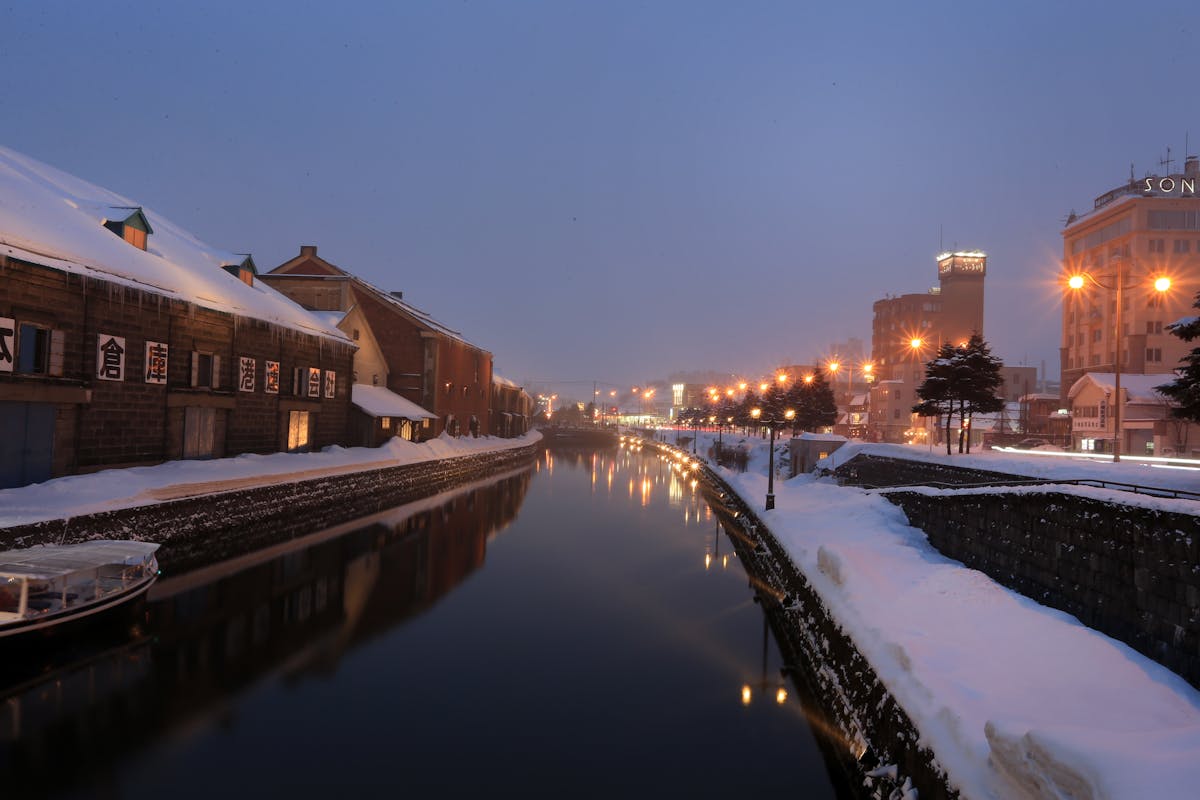
Otaru is 30 minutes from Sapporo by train and it is the most popular day trip for a reason. The canal district with its old stone warehouses, the sushi street (Sushi-ya Dori) where shops compete for your attention with elaborate displays of the day’s catch, and the music box museum that is far more interesting than it sounds.
The sushi in Otaru is excellent but overpriced on the main tourist street. Walk two blocks back from the canal and prices drop by about 30%. Otaru is also known for glasswork — the LeTAO double fromage cheesecake shop has a permanent queue and the cheesecake is worth it (around 800 yen for a slice).
Come in February for the Snow Light Path festival, when the canal is lined with snow lanterns and candles. It is smaller and quieter than Sapporo Snow Festival and some people prefer it.
Furano and Biei: Central Hokkaido’s Countryside
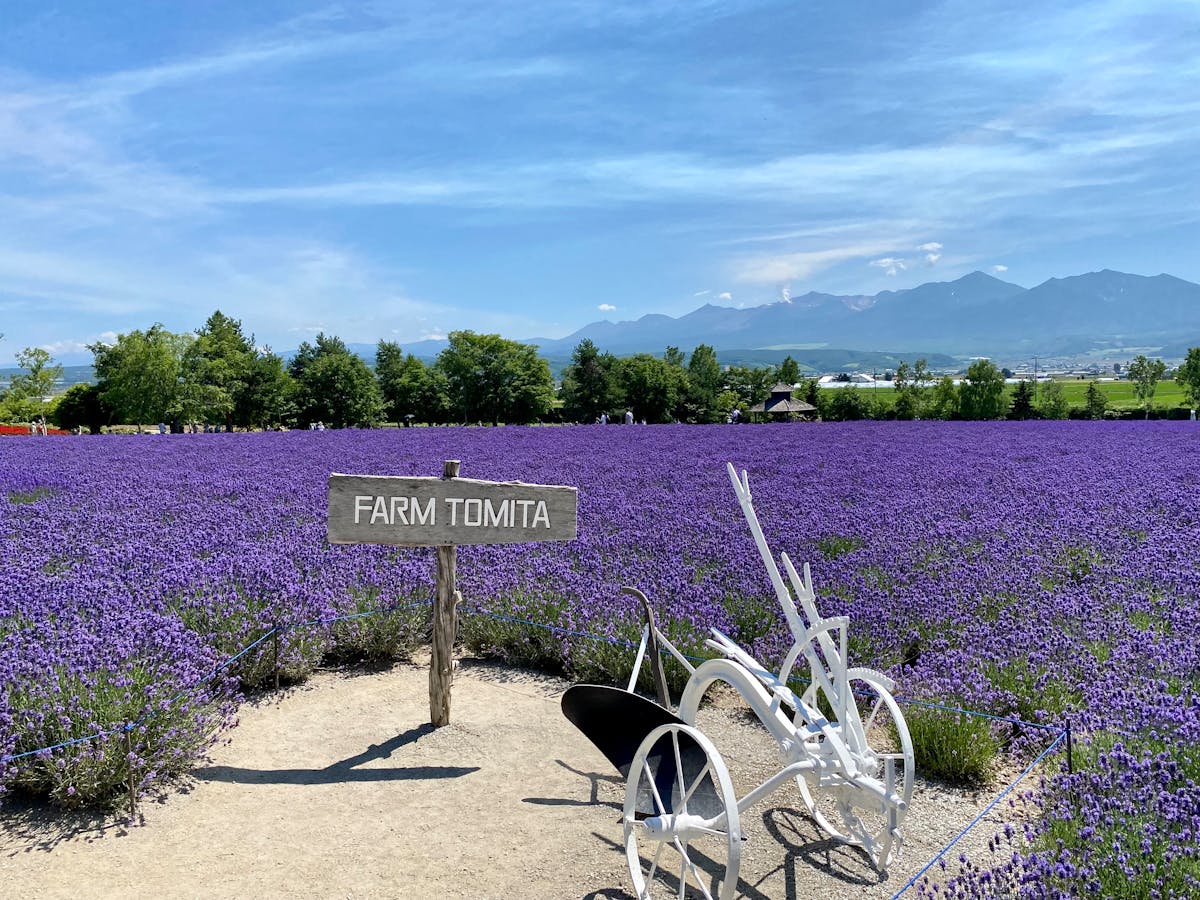
If you come between late June and early August, the Furano and Biei area is non-negotiable. Farm Tomita’s lavender fields are the poster image of Hokkaido summer — row after row of purple stretching toward the mountains. It is free to visit, which is nice since everything around it is trying to sell you lavender ice cream (buy it anyway, it is good, around 300 yen).
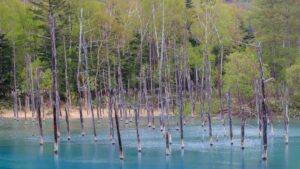
Biei’s rolling hills look like Windows desktop wallpapers. The Blue Pond (Shirogane Blue Pond) is that surreal turquoise body of water you have seen on Instagram — it is caused by aluminium hydroxide particles in the water and it changes colour with the seasons and weather. In winter they light it up at night.
You need a car for this area. Buses exist but they are infrequent and do not connect the highlights efficiently. The road trip guide covers rental logistics.
Hot Springs and Onsen Towns
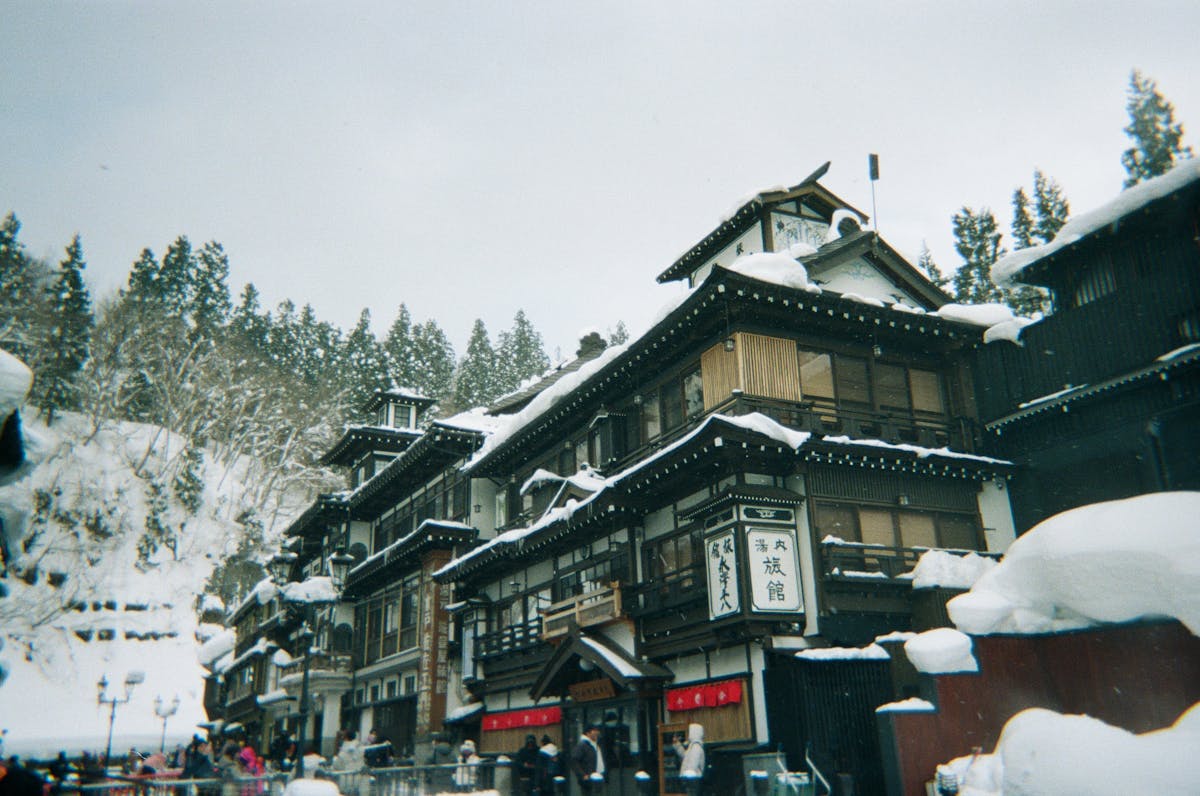
Hokkaido has some of the best onsen (hot springs) in Japan, and soaking in an outdoor rotenburo while snow falls on your head is one of those experiences that sounds like a cliche until you actually do it. My Hokkaido onsen guide ranks 12 of the best.
Noboribetsu
Noboribetsu is the big one. Jigokudani (Hell Valley) is a volcanic crater where steam vents hiss from the ground and the smell of sulphur hits you before you see anything. The onsen water comes in multiple types depending on which spring feeds it — some milky white, some clear, some iron-red. Dai-ichi Takimotokan has a massive bathing complex with over 30 pools if you want to try everything in one go. Day-use entry runs about 2,250 yen.
Jozankei
Jozankei is only 50 minutes from central Sapporo by bus and it sits in a river valley surrounded by forest. In autumn, the leaves turn and the whole valley goes red and orange. The free foot baths along the river are a good way to test the waters before committing to a full soak. Several ryokan (traditional inns) offer day-use bathing from around 1,500 yen.
Lake Toya Onsen
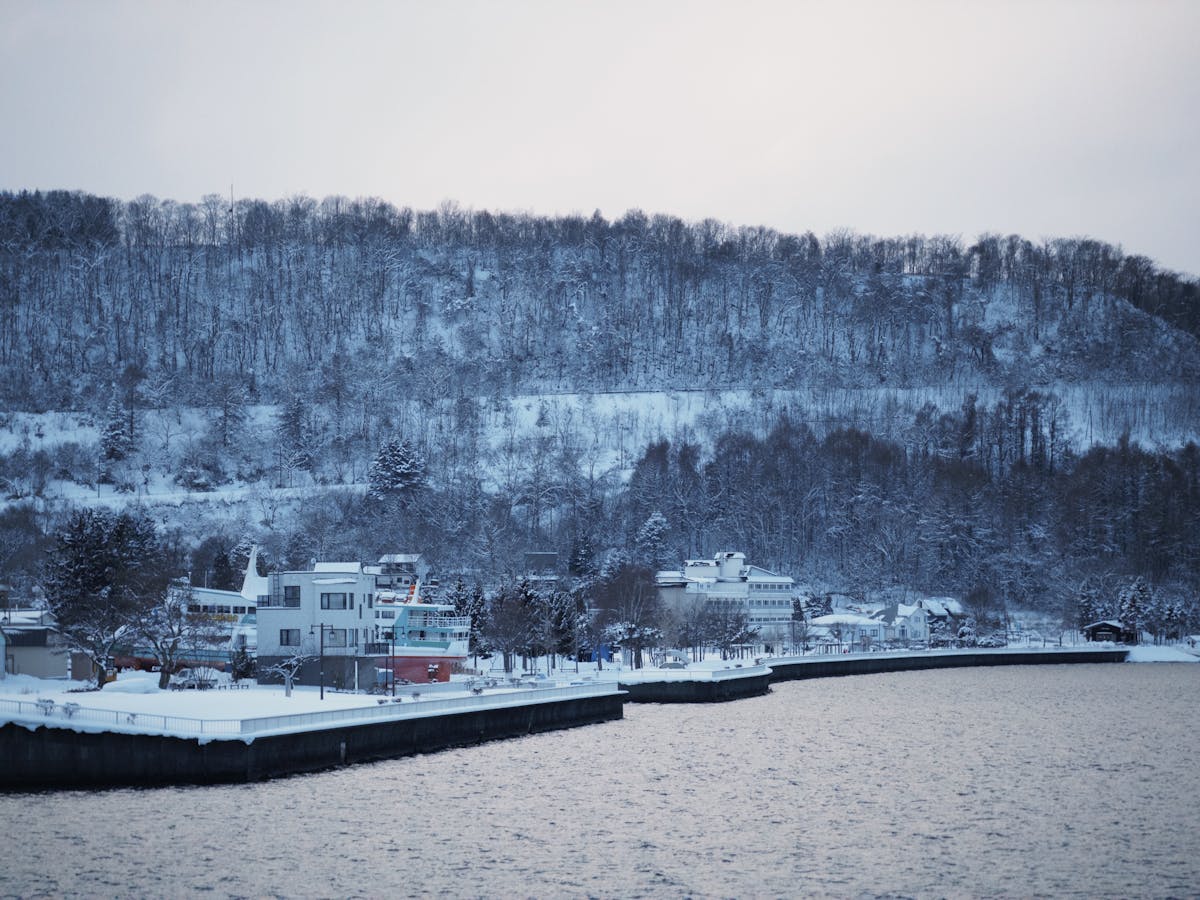
The Lake Toya area combines onsen with a caldera lake and volcano views. The lake never freezes because of geothermal activity, and from April to October there are nightly fireworks over the water (free, around 20 minutes). The Toya-Usu area was the site of the 2008 G8 Summit, and the Windsor Hotel up on the hill still trades on that fact. Across the lake, Showa Shinzan is a small mountain that literally did not exist before 1943 — it grew out of a wheat field during volcanic activity.
Nature and National Parks
Daisetsuzan National Park
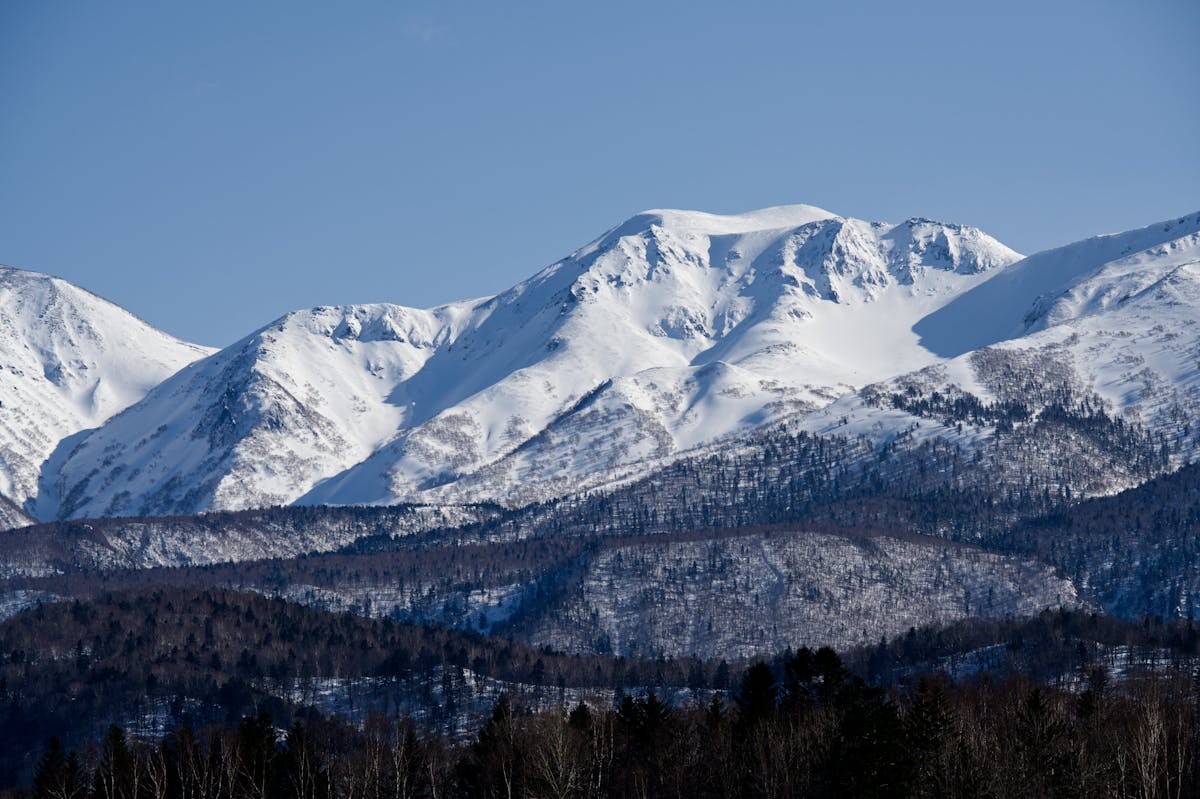
Daisetsuzan is Japan’s largest national park and it feels genuinely wild. Asahi-dake (2,291m) is Hokkaido’s highest peak and the ropeway takes you to the 1,600m level where you can hike through alpine terrain, volcanic steam vents, and wildflower meadows in summer. The autumn colours here start in mid-September — weeks before anywhere else in Japan — and the autumn guide has the full colour calendar.
Sounkyo Gorge on the eastern side has dramatic cliff faces, waterfalls (Ginga and Ryusei are the famous pair), and an ice festival in winter with illuminated ice structures. It is touristy but the gorge itself is impressive. The cycling path through the gorge is one of the best in Hokkaido.
For serious hikers, the Daisetsuzan Grand Traverse is a multi-day route across the park. You need proper gear, hut reservations, and bear awareness. Brown bears are common in Daisetsuzan — carry a bear bell and do not be quiet.
Shiretoko Peninsula — UNESCO World Heritage
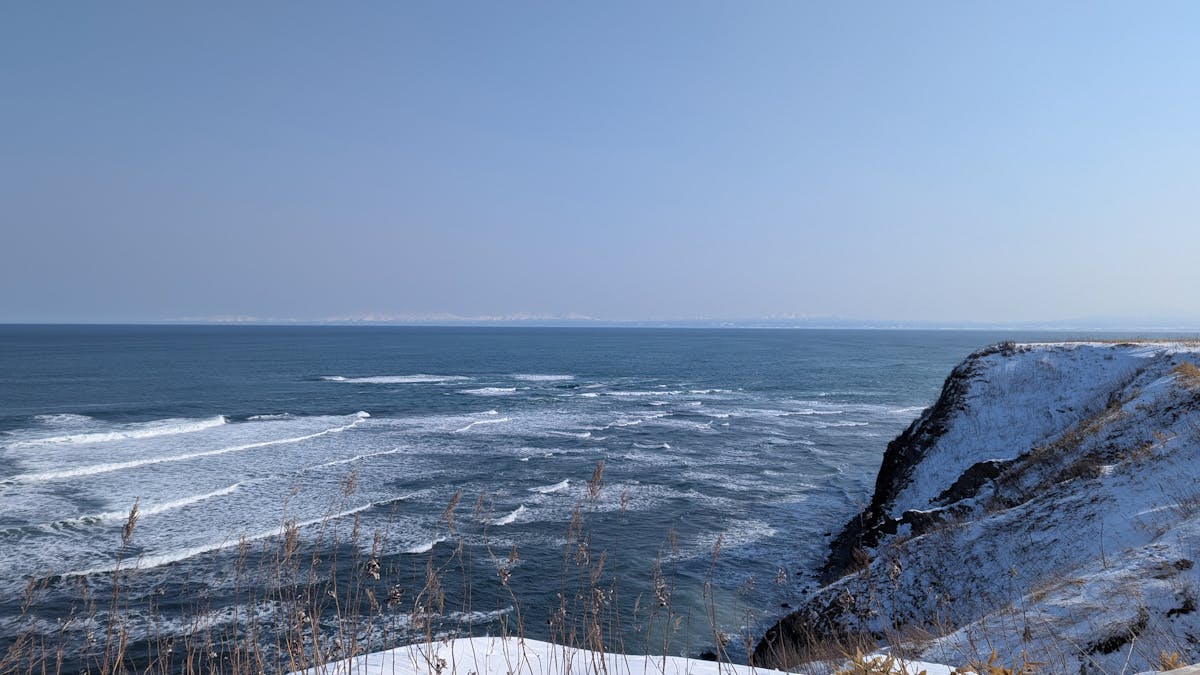
Shiretoko is as remote as Japan gets. A UNESCO World Heritage site on the northeastern tip of Hokkaido, it is home to one of the densest brown bear populations in the world. The eastern Hokkaido guide covers how to get there and what to expect.
In summer, boat tours from Utoro cruise along the coast past waterfalls, sea caves, and bears fishing on the shore. Kamuiwakka Hot Falls is a river of naturally heated water you can climb (shoes with grip — the rocks are slippery). Shiretoko Five Lakes is a well-maintained boardwalk through forest with bear-country viewing platforms.
In winter, the drift ice arrives from the Sea of Okhotsk. You can walk on it with a guided tour from Utoro — they give you drysuits and you literally walk (and sometimes float) on the frozen sea. It sounds gimmicky. It is not. The ice extends to the horizon and the silence is extraordinary. About 6,000 yen for a 90-minute tour.
Getting to Shiretoko takes effort. It is about 5-6 hours by car from Sapporo, or you fly to Memanbetsu Airport and drive from there (about 2 hours). But that remoteness is the point.
Seasonal Highlights You Should Not Miss
Sapporo Snow Festival (February)
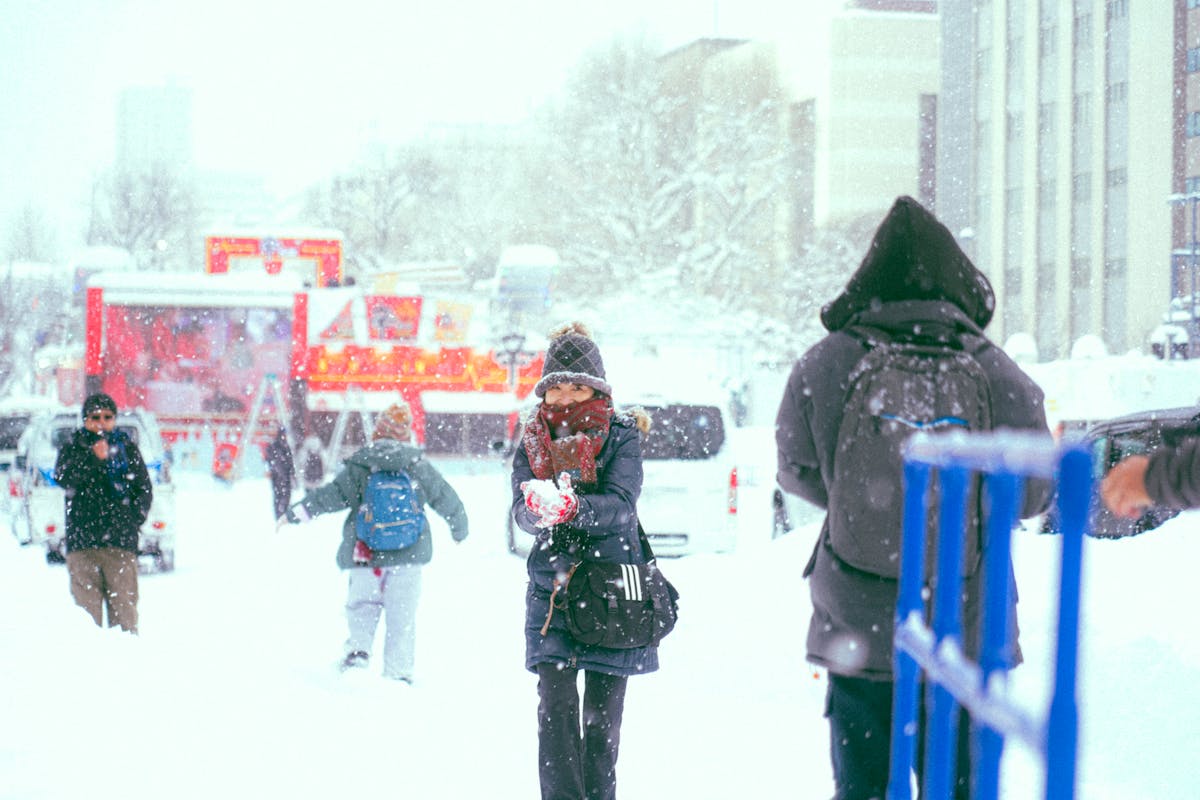
The Sapporo Snow Festival runs for about a week in early February. The main site is Odori Park, where enormous snow and ice sculptures are built by teams from around the world — some are three or four stories tall. The Susukino ice sculpture area has illuminated ice carvings and an ice bar where they serve drinks in ice glasses.
The Tsudome site has snow slides and activities for kids but it is out of the way. The real action is Odori. Go at night for the illuminations but also during the day to see the carving detail. The festival is free. Hotels in Sapporo book out weeks in advance and prices double, so plan ahead.
Lavender Season (Late June to Early August)
Already covered in the Furano section above, but worth repeating: if you are coming in summer, time it for the lavender. Peak bloom is usually mid to late July. Farm Tomita is the most famous field but Choei Lavender Garden and Hinode Park are alternatives with fewer crowds.
Autumn Foliage (September to October)
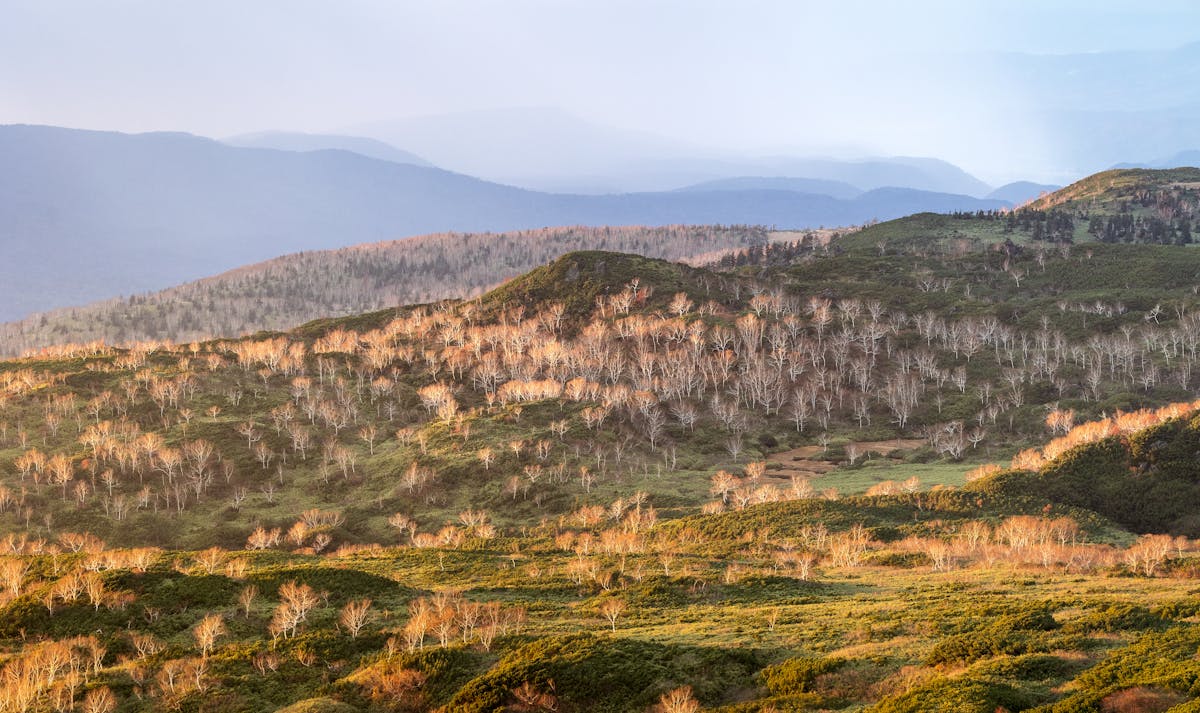
Hokkaido’s autumn colours peak earlier than the rest of Japan — Daisetsuzan starts turning in mid-September, central Hokkaido by early October, and Hakodate by late October. Jozankei and Lake Shikotsu are two of the best spots near Sapporo for autumn foliage.
Lake Shikotsu runs a light-up event in autumn that reflects off the water. It is about 50 minutes from Sapporo and far less crowded than Jozankei.
Summer (June to August)
While the rest of Japan melts in 35-degree heat and suffocating humidity, Hokkaido sits comfortably in the mid-twenties. The summer guide covers hiking, cycling, camping, and festivals. It is genuinely the best escape from a Tokyo summer — even Japanese people head north in droves.
Day Trips from Sapporo
Sapporo is the obvious base for exploring Hokkaido, and the full day trips guide covers 15 options. The best ones:
Otaru — 30 minutes by train. Canal, sushi, glass shops. Already covered above.
Noboribetsu — 70 minutes by JR. Hell Valley, onsen, slightly sulphurous air.
Jozankei — 50 minutes by bus. Onsen in a forested river valley.
Lake Shikotsu — 50 minutes by car. A caldera lake with absurdly clear water. You can kayak, dive, or just stare at it. The clarity is like nothing I have seen in Japan.
Asahiyama Zoo — About 2 hours by train to Asahikawa, then a bus. The penguin walk in winter (December to March) is the main draw — penguins waddle in a parade past the visitors. It is extremely cute and extremely cold. The zoo overall is well-designed but it is a full-day commitment from Sapporo.
Getting Around Hokkaido
This is where Hokkaido trips either work or fall apart. The island is enormous and public transport outside Sapporo is limited. Your three options:
Rent a car. This is the best option for most itineraries, especially outside Sapporo. Japanese roads are well-maintained, traffic is light outside cities, and you will access places that trains and buses simply do not reach. The road trip guide covers rental companies, costs (expect 5,000-8,000 yen per day for a compact), and winter driving tips. In winter, get a 4WD. The roads are ploughed regularly but can be icy.
JR trains. The Hokkaido Rail Pass covers the major JR routes: Sapporo to Hakodate, Sapporo to Asahikawa, Sapporo to Obihiro/Kushiro. It is good value if you are doing a point-to-point trip along the rail lines. But it will not get you to Shiretoko, most onsen towns, or anywhere in between stations.
Buses. Intercity buses connect most major destinations and are cheaper than trains. Sapporo to Furano, Sapporo to Noboribetsu, and Sapporo to Hakodate all have regular bus services. The downside is frequency — some routes only run a few times per day.
Cultural Experiences
Hokkaido has its own cultural identity separate from mainland Japan, largely due to the Ainu — the indigenous people who lived here long before Japanese settlement. The Upopoy National Ainu Museum in Shiraoi (about 65 minutes from Sapporo by JR) opened in 2020 and it is genuinely well done. The museum covers Ainu history, language, and traditions, and the outdoor area has reconstructed traditional buildings and live performances. Entry is 1,200 yen and you could easily spend 2-3 hours.
At various festivals throughout the year, you can see traditional Ainu dance and music. The Marimo Festival in Akan (October) is one of the most significant.
Beyond Ainu culture, Hokkaido’s frontier history gives it a different feel from the rest of Japan. The buildings are newer, the streets are wider (planned on a grid in Sapporo rather than the organic tangles of Kyoto), and there is an openness to the landscape that feels more like Montana than Honshu.
What I Would Skip (Or At Least Not Prioritise)
Not everything in Hokkaido is worth your limited time. Here is what I think is overrated:
Sapporo Beer Museum — The museum itself is free but honestly boring. A lot of old photographs and marketing materials. The paid tasting at the end (around 500 yen for three small glasses) is the only worthwhile part. If you are not specifically into beer history, skip the museum and just go to the beer garden next door.
Clock Tower — Sapporo’s most famous landmark is also its biggest disappointment. It is a small wooden building surrounded by office towers. There is literally nothing to do there except take a photo and feel underwhelmed. The running joke in Japan is that it is the most disappointing tourist attraction in the country.
Shiroi Koibito Park — It is a theme park built around a cookie factory. If you have kids, fine. Otherwise, just buy the cookies at the airport like everyone else.
Practical Tips
Cash: Many places in rural Hokkaido are still cash-only. 7-Eleven ATMs accept international cards. Carry at least 10,000-20,000 yen when leaving Sapporo.
Language: Outside Sapporo and Niseko, English is limited. Google Translate with the camera function gets you through most restaurant menus. Learn basic Japanese greetings — they go a long way.
Connectivity: Rent a pocket WiFi from the airport or grab a SIM card. Coverage is good in towns but patchy in remote areas like Shiretoko and Daisetsuzan.
Bear safety: Brown bears are real in Hokkaido, especially in national parks. Carry a bear bell when hiking, do not hike alone in bear country, and store food properly at campsites. Bear encounters are rare but they happen.
Budget: Hokkaido is moderately priced by Japan standards. A reasonable daily budget is 12,000-18,000 yen covering accommodation (budget to mid-range), transport, and food. Niseko in ski season blows this apart — budget 30,000+ yen per day there.
Hokkaido is the kind of place that rewards return visits. Every season changes it completely, every corner of the island has something different, and the further you go from Sapporo, the more it opens up. I started coming for the ramen. I keep coming back for everything else.
 Things to DoDrift Ice in Hokkaido: Icebreaker Cruises, Ice Walking, and the Best Way to See ItThis article contains affiliate links. If you book through them, I earn a small commission at no extra cost to…
 Things to DoHokkaido Photography Spots: Where to Get the Best ShotsThis article contains affiliate links. If you book through them, I earn a small commission at no extra cost to…
 Things to DoCycling in Hokkaido: Routes, Rentals, and What to ExpectThis article contains affiliate links. If you book through these links, I earn a small commission at no extra cost…