
Reviewed · OTARU TOURS
Otaru: Private Guided Walking Tour with Local Guide
Otaru’s best feature is how much of its story fits into a walk. A private, nationally licensed guide can connect the canal, seafood market, glass shops, and music boxes into one clear picture of a port city that once helped drive Hokkaido’s trade. You can request your own route, or let the guide plan the day.
In This Article
- Key points to know before you book
- Why a private walk works well in Otaru
- Starting at the Otaru Canal
- Reading Otaru through its port history
- Fresh seafood at Sankaku Market
- Music boxes and Otaru souvenirs
- Building a route around your interests
- What the national guide license adds
- Cost, timing, and practical tradeoffs
- Cruise stop or dedicated Otaru visit?
- Who should book this Otaru walk?
- Should you book it?
- FAQ
- How long does the Otaru private walking tour last?
- What sights are included in the walking tour?
- Is the tour private?
- Which languages are available?
- Is hotel pickup included?
- Are food and drinks included in the price?
- Are entrance fees and transportation included?
- Is the tour wheelchair accessible?
- Can I cancel for a full refund?
I like the private format, which gives you room to stop for questions, adjust the pace, and focus on food, history, shopping, or local life. I also like the chance to meet guides such as Tracy or Katsuko, both named in past bookings, while the national guide certification adds a useful level of historical and cultural training.
The main consideration is value. At $106 per person, the cost can make sense for a small private group that wants context and personal attention, but food, entry fees, and transportation during the tour are extra. One four-hour booking also found Otaru less compelling as a special trip when arriving by cruise ship, so your expectations matter.
Key points to know before you book

- Otaru Canal anchors the walk: The city’s famous waterfront route offers an easy starting point for understanding Otaru’s port past.
- Sankaku Market adds real local flavor: Fresh seafood is available at this historic market, founded in 1957, but meals are not included.
- Kitaichi Glass links shopping with industry: The company’s glasswork reflects Otaru’s former fishing trade, not just souvenir culture.
- The Music Box Museum suits gift hunters: Its brick-clad main building has a nostalgic feel and makes a practical stop for souvenirs.
- You control the itinerary: Choose four or six hours and request interests, restaurants, sweet shops, or particular sights.
- Plan for extra costs: Transportation, food, drinks, and entrance fees are not part of the tour price.
Why a private walk works well in Otaru
Otaru is compact enough to explore on foot, yet its sights can feel disconnected if you simply follow a map from one shop to the next. A local guide gives the streets a thread. The canal becomes part of the city’s trading story, the glass shops connect to fishing, and the food market shows how Otaru still functions as a port city and holiday destination.
A private group also changes the pace. You can spend longer at a place that interests you, shorten a shopping stop, or ask for a restaurant or sweet shop that fits your taste. That is more useful than a fixed group tour if your party includes people with different priorities.
The tour lasts four or six hours. Four hours is enough for a focused introduction to the major sights, especially if you want the canal, market, and one or two shopping stops. Choose six hours if you want a slower walk, more food stops, extra history, or a route built around personal requests.
Your guide can meet you in a hotel lobby, outside Otaru Station, or at another requested address. Pickup is on foot if your accommodation is within a reasonable distance, so confirm the meeting point and plan comfortable shoes. Transportation used during the tour is not included.
A few more Otaru tours and experiences worth a look


Starting at the Otaru Canal
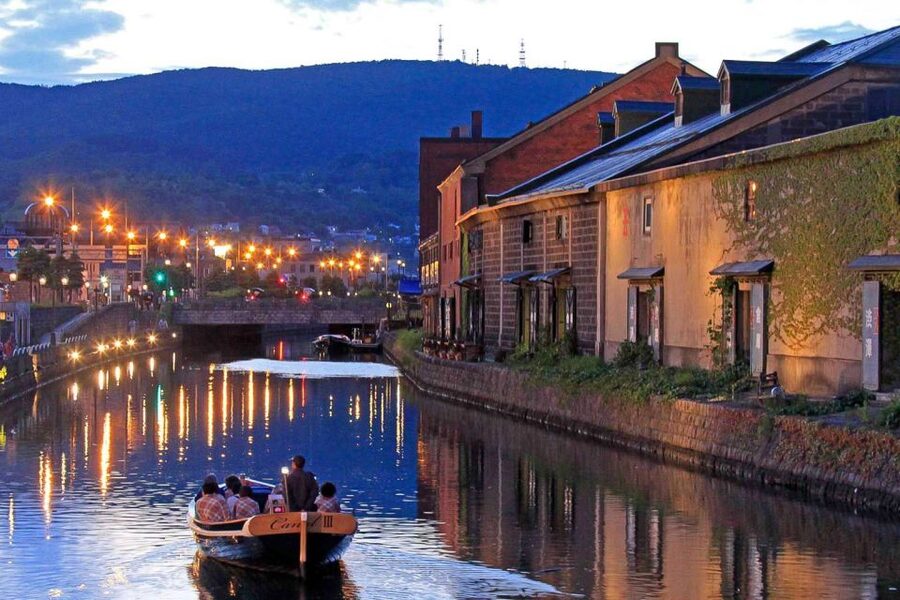
The canal is the natural first chapter. It runs through central Otaru and remains the city’s most recognized sightseeing area. A walk along its footpath lets you see the waterway at an unhurried pace, while your guide explains why this strip of waterfront matters.
The canal is also where the difference between a guided and unguided visit becomes clear. Without context, you may see a pleasant path beside old-looking buildings. With a licensed guide, you can ask how the port shaped the town, why the warehouses matter, and how Otaru developed into a popular destination in Hokkaido.
Keep your camera ready, but do not treat the canal as a quick photo stop. The value is in the connection between the waterfront and the rest of the route. If your guide has planned a history-focused walk, this is likely to be the place where the wider story begins.
The canal itself is not an admission-based attraction, which helps keep the basic walk affordable. Still, you should expect a sightseeing area rather than a quiet wilderness path. Your guide can help you spend the right amount of time here instead of letting the most famous view take over the whole day.
Reading Otaru through its port history
Otaru’s identity is tied to commerce, fishing, and the sea. That background gives purpose to several stops that could otherwise seem like ordinary shopping attractions.
Kitaichi Glass is a good example. You will see glasswork created in Otaru and learn about the company’s history and its role in the city’s fishing industry. This is more useful than simply browsing attractive objects because it explains why glass became important in a working port.
The visit can appeal to shoppers, but you do not need to buy anything for it to be worthwhile. Look closely at the workmanship, ask how the company fits into Otaru’s past, and consider the stop as a piece of industrial and cultural history. If you are mainly interested in architecture or food, tell your guide in advance so the glass portion receives the right amount of time.
A private guide is especially helpful here because the balance between explanation and shopping is personal. Some people want to examine the craft. Others want a short introduction before moving on. A fixed group may not give you that choice.
Fresh seafood at Sankaku Market
Otaru Sankaku Ichiba brings the route down to everyday food. The triangular market was established in 1957 and is known for fresh seafood. It is a practical stop if you want to see where local ingredients are sold and perhaps build a meal into your walking day.
Food is not included in the $106 price, so budget separately for anything you eat or drink. That is both a drawback and a benefit. You pay for what you choose, rather than for a set meal that may not suit your appetite, but the final cost can rise if you arrive hungry and order freely.
Ask your guide for help with the market if seafood choices feel unfamiliar. The tour promises introductions to local restaurants and sweet shops as well, so you can shape this part around a full meal, a small taste, or simply a look at the market.
Timing matters. A six-hour route gives you more breathing room for food, while a four-hour route may require a shorter market visit if you also want the canal, glass shops, and music boxes. Tell the guide whether eating is a main goal or just a pleasant break.
Music boxes and Otaru souvenirs
The Otaru Music Box Museum offers a different mood from the market. Its brick-clad main building has a nostalgic atmosphere, and the collection gives you a chance to find a small souvenir with a clear connection to the city.
This stop works well for families, collectors, and anyone who wants a gift that is easy to carry. It can also be a good pause after walking outdoors. The building itself adds interest, so you are not limited to shopping alone.
Entrance fees are not included, and the supplied information does not specify the price of admission. Ask your guide about current costs if you want to enter, especially if your group is watching its budget.
The private format again helps. You can browse at your own pace rather than being hurried along with a larger group. On the other hand, if music boxes and shopping do not interest you, request a shorter stop or ask for another local shop or historical site instead.
Other walking tours we've reviewed in Otaru

Building a route around your interests
The strongest reason to book this experience is not a fixed list of stops. It is the ability to set the emphasis.
You can ask for a route that focuses on:
- Otaru’s history and port development
- Seafood, restaurants, and sweet shops
- Glasswork and local craftsmanship
- Music boxes and souvenirs
- The canal and major sightseeing areas
- A broad first look at the city
The experience is described as customizable, and the local team communicates with you before the tour to confirm the details. Use that contact well. Explain your walking pace, food interests, shopping plans, accessibility needs, and must-see locations before the day begins.
If you do not know what to request, let the guide plan the itinerary. That is a sensible choice for a first visit. A licensed local guide can shape a route that covers the main places without making you spend too much time deciding where to go next.
Past bookings included guides named Tracy and Katsuko. Tracy was praised for clear English, cheerfulness, and taking a group to the major sites. Katsuko was described as providing a lovely day around Otaru. Guide availability is not guaranteed until a guide contacts you, so do not treat a particular name as promised for your date.
What the national guide license adds
All guides hold Japan’s nationally licensed Tour Guide-Interpreter certification. The qualification requires knowledge of Japanese culture and history, which matters when you want more than directions between attractions.
You can ask why a building matters, how a local industry shaped Otaru, or what a food market says about the area. English and Japanese are available. The guide’s ability to explain cultural details in English is especially useful if you are visiting Japan for the first time and want a clearer link between what you see and the country’s past.
That license does not guarantee that every guide will match your style. Some people prefer long historical explanations. Others want a fast walk with practical tips. Share your preference before the tour, then reinforce it at the start.
The strongest guide experience will come from active conversation. Bring questions. Ask for recommendations within your route. Tell the guide when you want to stop, move on, eat, or shop.
Cost, timing, and practical tradeoffs
The price is $106 per person. For a private four to six-hour outing with a licensed local guide, that can be fair value when you are traveling with family or friends and want individual attention. The calculation is less attractive for one person or for a visitor who only wants to stroll the canal and browse independently.
Remember the extra costs:
- Food and drinks
- Entrance fees
- Public or private transportation used during the tour
If your route stays on foot and you keep the paid stops limited, the additional spending may be modest. If you add meals, admissions, or vehicle travel, plan for a higher total.
You can reserve now and pay later, which helps if your Hokkaido schedule is still changing. Cancellation is free up to 24 hours before the start for a full refund. The experience runs rain or shine, so bring suitable clothing and shoes. A private walk is pleasant in good weather, but you should not expect weather-related cancellation to reshape the plan automatically.
The tour is listed as wheelchair accessible. Because the experience involves walking and can be customized, discuss your needs with the local team before the date. Confirm the pickup location and any transportation requirements in advance.
Cruise stop or dedicated Otaru visit?
One past booking came from a cruise passenger and found that Otaru did not justify a special visit. That is a useful warning, not a universal verdict.
If you have only a short port call, a private tour can help you cover the canal, market, and selected shops without wasting time on route planning. The guide can meet you at a requested location and keep the day focused.
If Otaru is one part of a longer Hokkaido trip, you will have more time to appreciate the connections between the waterfront, food, and local craft. The six-hour option makes more sense when you want the city to be a substantial part of your day rather than a quick checklist.
Your decision should depend on how much you enjoy guided context. If you mainly want photographs and independent shopping, you may not need four to six hours with a guide. If you want to understand what you are seeing and have a local person adjust the day around you, the private format earns its keep.
Who should book this Otaru walk?
I would recommend it to first-time visitors who want a clear introduction without joining a large group. It also suits families, couples, and friends who disagree about food, shopping, and history because the route can change as the day goes on.
Food-focused visitors should request extra time at Sankaku Ichiba and ask for restaurant suggestions. Craft shoppers should prioritize Kitaichi Glass and the Music Box Museum. History fans should ask the guide to explain Otaru’s port and fishing connections in greater detail.
The tour may be less suitable if you want a low-cost, independent walk or if you have only enough time for one short attraction. The four-hour minimum is a real commitment, and the price does not include meals, admission, or transport.
Should you book it?
Book this tour if you want Otaru explained, not merely photographed. The private route, nationally licensed guide, and choice between four and six hours give you useful control, while the canal, seafood market, glasswork, and music boxes create a well-rounded introduction.
I would choose the six-hour version for a relaxed day with food and shopping. Choose four hours for a sharper first look. Before paying, send clear interests and mobility notes, confirm the meeting point, and remember that your guide is not confirmed until the local team contacts you.
For a small group that values personal attention, $106 per person is a reasonable way to turn a compact sightseeing day into a more meaningful visit. For independent walkers and short-stay cruise passengers, the value is more conditional.
FAQ
How long does the Otaru private walking tour last?
You can choose a four-hour or six-hour tour. Starting times depend on availability.
What sights are included in the walking tour?
The suggested route includes Otaru Canal, Otaru Sankaku Ichiba, Otaru Music Box Museum, and Kitaichi Glass. The itinerary can be customized.
Is the tour private?
Yes. The tour is for a private group, with a personalized walking route and a local guide.
Which languages are available?
Live guiding is available in English and Japanese.
Is hotel pickup included?
Pickup is included on foot if your accommodation is within a reasonable distance. The guide can also meet you in a hotel lobby, outside Otaru Station, or at a requested pickup address.
Are food and drinks included in the price?
No. Food and drinks are not included, so you pay separately for anything you choose at the market, restaurants, or sweet shops.
Are entrance fees and transportation included?
No. Entrance fees and any public or private transportation used during the tour are extra.
Is the tour wheelchair accessible?
Yes, the experience is listed as wheelchair accessible. Contact the local team before the tour to discuss your specific needs and route preferences.
Can I cancel for a full refund?
Yes. You can cancel up to 24 hours before the start of the tour for a full refund. The booking is not confirmed until a guide contacts you.
More Guided Tours in Otaru

More Walking Tours in Otaru
More Otaru Tours in Otaru


More tours in Otaru we've reviewed


Otaru Tours, compared.
 ★ 5.0Otaru Rickshaw TourFrom $42
 ★ 3.5Hokkaido Noboribetsu Lake Toya, Otaru Panoramic Tour From SapporoFrom $120
 ★ 4.9Sapporo: Otaru Asarigawa Ski Resort Day Trip with GearFrom $1859 hours
 ★ 4.4Hokkaido, Sappro, Otaru & Cape Kamui One-day TourFrom $66
 ★ 5.0[Otaru & Yoichi] Let’s go to Otaru Canal, Sakaimachi Street, Music Box Hall, and Yoichi Nikka Whiskey by private car (arriving and departing from Sapporo)From $372
 ★ 4.5Otaru 4hr Private Trip with Government-Licensed GuideFrom $108
 ★ 5.0Otaru 6hr Private Trip with Government-Licensed GuideFrom $153
 ★ 4.8From Sapporo: Private Day Trip to OtaruFrom $1916 hours
The lists this tour appears in