
Reviewed · OTARU TOURS
From Sapporo: Otaru 7hr Private Tour with Licensed Guide
Otaru’s appeal is its old port-town character: stone warehouses, a preserved canal, and historic buildings now serving as cafes and shops. This private tour lets you choose three or four sights, rather than follow a fixed route.
In This Article
- Key points at a glance
- Why Otaru works so well as a private day trip
- Building your three or four stops
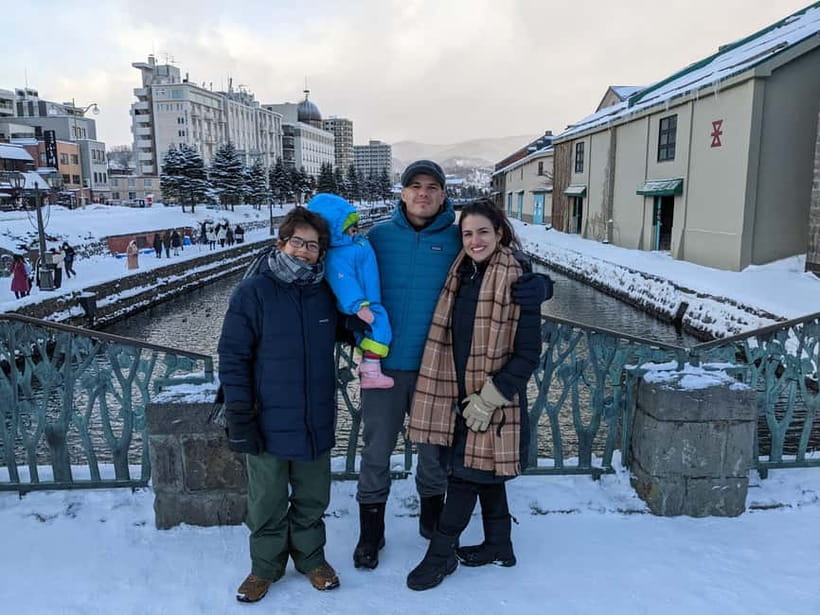
- Otaru Canal and the old stone warehouses
- Otaru Art Base for a quieter cultural stop
- Sakaimachi Street, cafes, and shops
- Tanaka Sake Brewing Kikkogura
- Tenguyama Ropeway Ski Museum
- What the private guide adds
- Getting around without a private car
- Is $187 per person good value?
- Who should book this Otaru tour?
- Should you book it?
- FAQ
- How long is the Otaru private tour?
- What sights can I choose?
- Is the tour private?
- Is transportation included?
- Where do I meet the guide?
- Is lunch included?
- Are entrance fees included?
- What languages does the guide speak?
- Can I cancel for a refund?
I like the freedom to shape the day and the chance to work with a guide who knows Otaru well. Roy Aoki, a former director of the Otaru City Museum, may be available, though a specific guide is not guaranteed. The main catch is that this is a walking tour without a private vehicle, so you pay separately for trains, buses, or taxis between stops.
Key points at a glance
- Choose three or four Otaru sights: Build your day around the canal, art, shopping, sake, or the mountain ropeway.
- Private English-speaking guidance: You get a guide for your own group rather than joining a mixed tour.
- Roy Aoki may be your guide: His former role at the Otaru City Museum gives him a strong connection to Otaru’s past.
- Seven hours allows a slower pace: You have time for several stops, though travel between them uses part of the day.
- Bring Japanese yen: Transport, entry fees, lunch, and personal purchases are not included.
- Good for travelers who dislike fixed routes: You can tell the guide your preferred sights after booking.
Why Otaru works so well as a private day trip
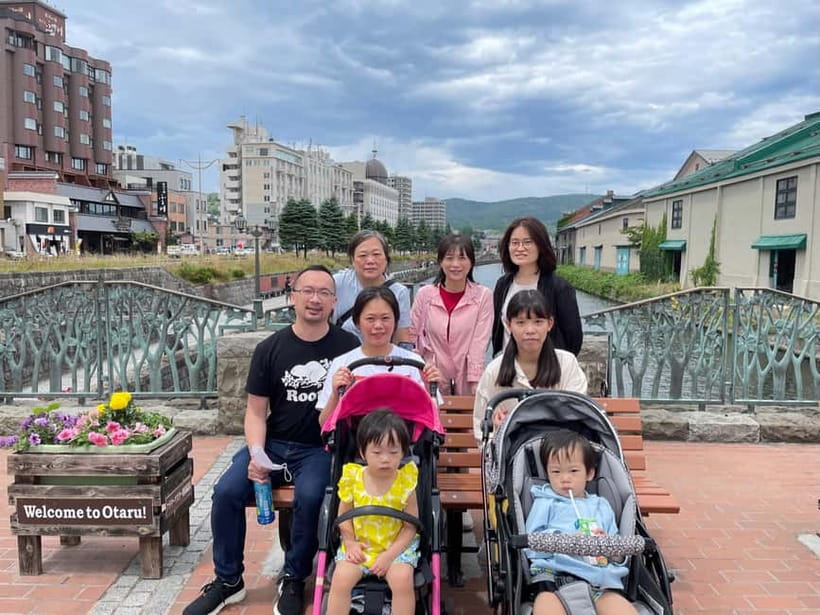
Otaru is compact enough to explore on foot, yet varied enough to fill a full day. Its identity comes from its former role as a port and trading center, visible in the stone warehouses and canal that remain central to the townscape.
The old buildings are not preserved as empty museum pieces alone. Many now hold cafes, restaurants, and shops. That gives the historic center a useful, lived-in feel. You can look at architecture, stop for a drink, browse local goods, and keep moving without turning the day into a string of formal museum visits.
A private format matters here because Otaru offers several different moods. You may want a classic canal walk, a closer look at art, time on Sakaimachi Street, or a more local stop such as a sake brewery. A guide can help you choose three or four that fit your interests and the time available.
The seven-hour length is generous, but do not mistake it for seven hours of nonstop sightseeing. You meet on foot within the designated Sapporo area, and the tour itself uses walking. Public transport or local taxis may be needed between sites, so transfers and ticket lines take part of your day.
A few more Otaru tours and experiences worth a look

Building your three or four stops
You need to tell the guide which sights you want after booking. That conversation is important. Do not simply pick four names without considering distance, opening hours, weather, and how much time you want for lunch or shopping.
The listed choices are:
- Otaru Canal
- Otaru Art Base
- Otaru Sakaimachi Street
- Tanaka Sake Brewing Kikkogura
- Otaru Tenguyama Ropeway Ski Museum
With only three or four stops, every choice shapes the day. The canal and Sakaimachi Street provide the classic Otaru experience. The art base and sake brewery add indoor and cultural depth. Tenguyama offers a different setting and may require more transfer time.
Your guide can help avoid an awkward plan. For example, a day built around the canal, Sakaimachi Street, and the art base keeps the focus on the historic center. Adding Tanaka Sake Brewing Kikkogura may suit you better if local food and drink interest you more than another shopping stop.
Otaru Canal and the old stone warehouses
The canal is the natural first choice for many people. Its preserved waterfront and old stone warehouses explain much of Otaru’s nostalgic mood without requiring a long explanation. This is the place to slow down, look at the masonry, and notice how the waterway connects the town to its port past.
A guide can give the canal context that a quick photo stop cannot. You can ask why the warehouses were built as they were, how the waterfront was used, and what changed as Otaru developed. The supplied information does not promise a particular talk or route, so the quality of the explanation will depend on your guide and your questions.
The canal area can also be the most familiar part of the experience. If you have already seen it independently, use your limited choices for places that add something new. If it is your first visit, it is hard to justify skipping it.
The old warehouses are also practical landmarks. They help you understand why Otaru feels different from a modern shopping district. The stone exteriors, nearby water, and restored interiors make the town’s past easy to see while you walk.
Otaru Art Base for a quieter cultural stop
Otaru Art Base gives the day a break from streets and shop windows. It is one of the listed sights where you can focus on art and restored historic spaces rather than simply passing through the old center.
The guide entry fee is covered for sights listed in the tour choices, but you should confirm the details with your guide after the booking is finalized. Other entrance fees are not generally included, and the terms specifically warn that guide entry is covered only for the listed locations.
This stop suits you if you want a more focused indoor visit or if rain, snow, or cold makes a long outdoor walk less appealing. It also gives your guide a chance to connect Otaru’s buildings and port economy with its artistic life.
Do not expect to see every collection or spend unlimited time here. Choosing the art base uses one of your three or four stops. Ask the guide how long to allow and what part best matches your interests.
Sakaimachi Street, cafes, and shops
Sakaimachi Street is the most flexible choice. Historic buildings line a shopping area filled with cafes and stores, making it easy to combine architecture with food and browsing.
I like this stop for people who want some freedom during a guided day. You can learn about the street, then pause at a cafe or shop without needing a separate shopping excursion. The restored buildings are part of the experience, not just decoration around modern businesses.
The drawback is that shopping time can expand quickly. If you spend too long browsing, you may rush the art base or brewery later. Set a limit before you start, especially if you also want Tenguyama.
This is also the place to discuss lunch with the guide. Lunch is not included, and the plan does not promise a restaurant reservation. The guide may suggest a suitable place, but you should treat the meal as an extra expense and ask about timing when the itinerary is arranged.
A few more Otaru tours and experiences worth a look


Tanaka Sake Brewing Kikkogura
Tanaka Sake Brewing Kikkogura adds a local production angle to the day. Instead of seeing only old streets and commercial buildings, you can visit a sake brewing site and learn about a traditional drink tied to Japanese food culture.
The experience is a good match for you if you enjoy seeing how local products are made. It can also be useful for visitors who want a stop with a clear purpose rather than more general sightseeing.
Do not assume tastings, purchases, or entry arrangements are included. The provided details identify the brewery as a selectable sight, but do not promise a specific tasting program. Ask your guide what is available on your date and budget for personal purchases.
Because this stop may be away from the canal and shopping streets, transport can affect the rhythm of your day. A taxi or public transport may be needed, and you pay those costs yourself in Japanese yen.
Tenguyama Ropeway Ski Museum
Otaru Tenguyama Ropeway Ski Museum gives you the most different setting on the list. It moves the day beyond the waterfront and into Otaru’s mountain side, with a focus on ropeway and ski-related sights.
This choice is especially appealing if you want a change from historic streets and indoor galleries. It may also be the best pick for you if the weather supports views and you enjoy mountain attractions.
The tradeoff is time and transport. A mountain stop can use more of the seven-hour schedule than a second site in the central area. Weather may also affect how rewarding it feels, and the information provided does not promise clear views or a particular ropeway operating condition.
Ask the guide to explain the transport plan before committing to this option. The ropeway and museum may be sensible additions, but they should fit around your other three choices rather than be added casually.
What the private guide adds
The strongest reason to book this format is the guide, not simply the ability to tick off sights. A local guide can help you understand why Otaru’s warehouses, canal, shops, and cultural sites belong in the same story.
Roy Aoki is a particularly interesting possible guide. He is identified as a former director of the Otaru City Museum and has longstanding ties to the area. If he leads your day, you may get a level of historical context that is difficult to gain from signs alone.
Roy is not guaranteed, so book this tour for the private format and local guidance rather than for one named person. After booking, your guide should contact you, usually within seven days, to discuss the plan. This is your chance to state your priorities clearly.
Tell the guide if you care most about architecture, art, sake, food, shopping, or mountain views. Also explain your walking comfort and how much free time you want. A private guide can adjust the emphasis, but only if you communicate what matters to you.
The guide speaks English or Japanese. The experience is for a private group, and different tour groups cannot be combined. That gives you a more personal day and makes the pace easier to manage than a large group outing.
Getting around without a private car
The wording can be easy to misunderstand. This is described as a walking day tour, but it does not include a private vehicle. You meet the guide on foot within a designated Sapporo area, then public transport or local taxis may be used to transfer between sites.
The exact transport plan and cost are discussed after the reservation is finalized. Keep Japanese yen with you for these fares. Transportation is not included in the $187 per person price, and neither are lunch, entrance fees, or personal expenses.
That arrangement is not automatically a weakness. Trains and taxis can be a sensible way to connect Otaru sights, and avoiding a private car keeps the tour focused on walking through the town. Still, the extra cost makes the final price higher than the advertised amount.
Ask these questions early:
- Which three or four sights fit together efficiently?
- Which transfers require public transport or a taxi?
- How much extra cash should you carry for transport and lunch?
- Are any entrance fees due for your chosen stops?
- How much walking is expected?
The tour is listed as wheelchair accessible, but the itinerary may still involve sidewalks, station transfers, and movement between historic buildings. If accessibility is important for your group, discuss the exact route with the guide before the date.
Is $187 per person good value?
At $187 per person, this is not a budget way to see Otaru. You are paying for a seven-hour private tour with a licensed local English-speaking guide, not for transport, meals, or a package of all admissions.
The value improves if you are traveling as a small private group and want advice tailored to your interests. You avoid the limits of a fixed group route and can spend more time on the places that matter to you. The guide’s local knowledge may also save you from building an inefficient plan.
The value is weaker if you only want a quick canal walk and a little shopping. Otaru’s central sights can be explored independently, and the separate cost of trains, taxis, meals, and entry fees must be added to the headline price.
I would consider it a worthwhile splurge for a first visit, a short Hokkaido stay, or anyone who wants history explained in English. It is less compelling for repeat visitors who already know the canal area and prefer to set their own pace.
Who should book this Otaru tour?
This experience suits you if you want to see Otaru in one organized day but do not want a rigid sightseeing script. It works well for couples, families, and private groups with different interests, since the guide can help choose a mix of cultural, shopping, food, and mountain stops.
It is also a good fit if you value personal conversation. You can ask questions as they arise and adjust the emphasis during the day, rather than waiting for a scheduled explanation.
You may want to skip it if you need a private vehicle, dislike walking, or want every expense covered in advance. The tour requires some planning and cash handling. It also depends on the guide contacting you and confirming the exact itinerary.
The free cancellation policy allows a full refund when you cancel at least 24 hours ahead. Changes made less than 24 hours before the start time are not accepted, so check your schedule before the final day.
Should you book it?
Book this tour if you want an informed, private introduction to Otaru and are happy to pay extra for flexibility. Start with the canal and Sakaimachi Street if it is your first visit, then choose the art base or sake brewery for more depth. Add Tenguyama only if the weather, transport, and timing make sense.
Before paying, understand the real cost: $187 per person plus transport, lunch, admissions not covered, and shopping. If that suits your budget, the private format and the possible guidance of Roy Aoki make this a strong choice for travelers who want more than a quick photo at the canal.
FAQ
How long is the Otaru private tour?
The tour lasts seven hours. Starting times depend on availability.
What sights can I choose?
You can choose three or four sights from Otaru Canal, Otaru Art Base, Otaru Sakaimachi Street, Tanaka Sake Brewing Kikkogura, and Otaru Tenguyama Ropeway Ski Museum.
Is the tour private?
Yes. It is offered as a private group experience, and multiple tour groups cannot be combined.
Is transportation included?
No. This is a walking tour without a private vehicle. Public transportation or local taxis may be used between sites, and you pay those costs separately.
Where do I meet the guide?
Pickup is included on foot within a designated area of Sapporo. The exact meeting details are arranged with the guide.
Is lunch included?
No. Lunch is not included, so you should budget for your own meal.
Are entrance fees included?
Entrance fees are not generally included. Guide entry fees are covered only for sights listed among the selectable tour locations. Confirm costs for your chosen stops with the guide.
What languages does the guide speak?
The tour offers live guidance in English and Japanese.
Can I cancel for a refund?
You can cancel up to 24 hours in advance for a full refund. Changes made less than 24 hours before the start time are not accepted.
More Guided Tours in Otaru
More Otaru Tours in Otaru
More Sapporo Tours in Otaru
More tours in Otaru we've reviewed


Otaru Tours, compared.
 ★ 5.0Otaru Rickshaw TourFrom $42
 ★ 3.5Hokkaido Noboribetsu Lake Toya, Otaru Panoramic Tour From SapporoFrom $120
 ★ 4.9Sapporo: Otaru Asarigawa Ski Resort Day Trip with GearFrom $1859 hours
 ★ 5.0[Otaru & Yoichi] Let’s go to Otaru Canal, Sakaimachi Street, Music Box Hall, and Yoichi Nikka Whiskey by private car (arriving and departing from Sapporo)From $372
 ★ 4.4Hokkaido, Sappro, Otaru & Cape Kamui One-day TourFrom $66
 ★ 4.5Otaru 4hr Private Trip with Government-Licensed GuideFrom $108
 ★ 5.0Otaru 6hr Private Trip with Government-Licensed GuideFrom $153
 ★ 4.8From Sapporo: Private Day Trip to OtaruFrom $1916 hours
The lists this tour appears in