This article contains affiliate links. If you book through them, I earn a small commission at no extra cost to you.
In This Article
- Lake Akan and the Town of Akankohan
- Marimo: The Strange Green Moss Balls
- The Bokke Mud Pools
- Ainu Kotan: The Real Deal
- Lake Mashu: Japan’s Clearest Lake (When You Can See It)
- Visitors Cannot Reach the Water
- Lake Kussharo: The Biggest Caldera Lake
- Mount Iozan and Kawayu Onsen
- Wildlife: Cranes, Eagles, and Everything Else
- Getting There: You Probably Need a Car
- Getting to Eastern Hokkaido
- Best Time to Visit
- Where to Stay
- How Many Days Do You Need?
- Practical Information
I pulled into Akankohan at dusk after three hours of driving from Kushiro Airport through some of the emptiest roads I have ever seen. No convenience stores. No traffic lights. Just birch forests, frozen marshland, and the occasional road sign in Japanese that I could not read. And then the lake appeared below, dark blue against white mountains, steam rising from the hot spring hotels along the shore. I turned off the engine and sat there for a minute. Eastern Hokkaido does that to you.
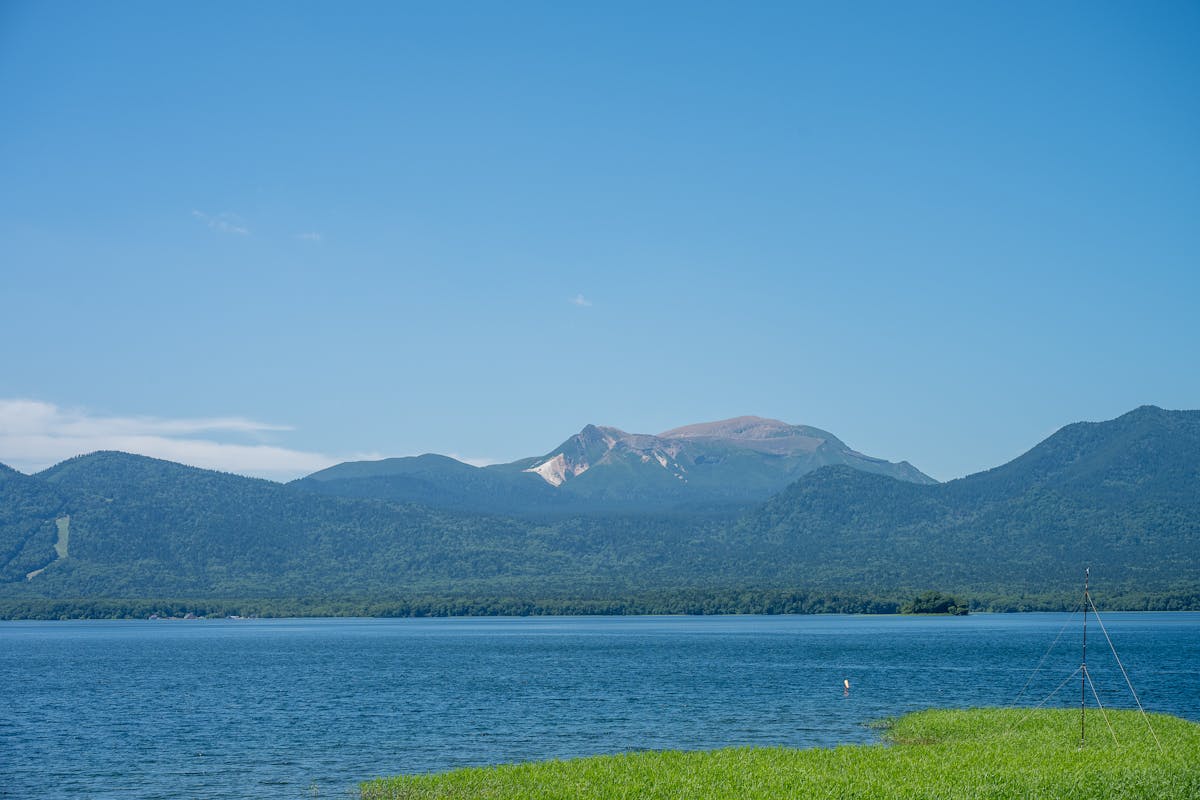
Lake Akan, Lake Mashu, and Lake Kussharo sit inside the same massive volcanic caldera system in eastern Hokkaido. Together they form the core of Akan-Mashu National Park — a place most international visitors skip entirely because it is genuinely hard to reach without a car. That is exactly what makes it good. If you want the side of Hokkaido that feels wild and unhurried and nothing like Sapporo or Niseko, this is it.
I spent four days driving between the three lakes, soaking in onsen, watching cranes, and learning more about Ainu culture than I expected. Here is everything I wish I had known before going.
Lake Akan and the Town of Akankohan
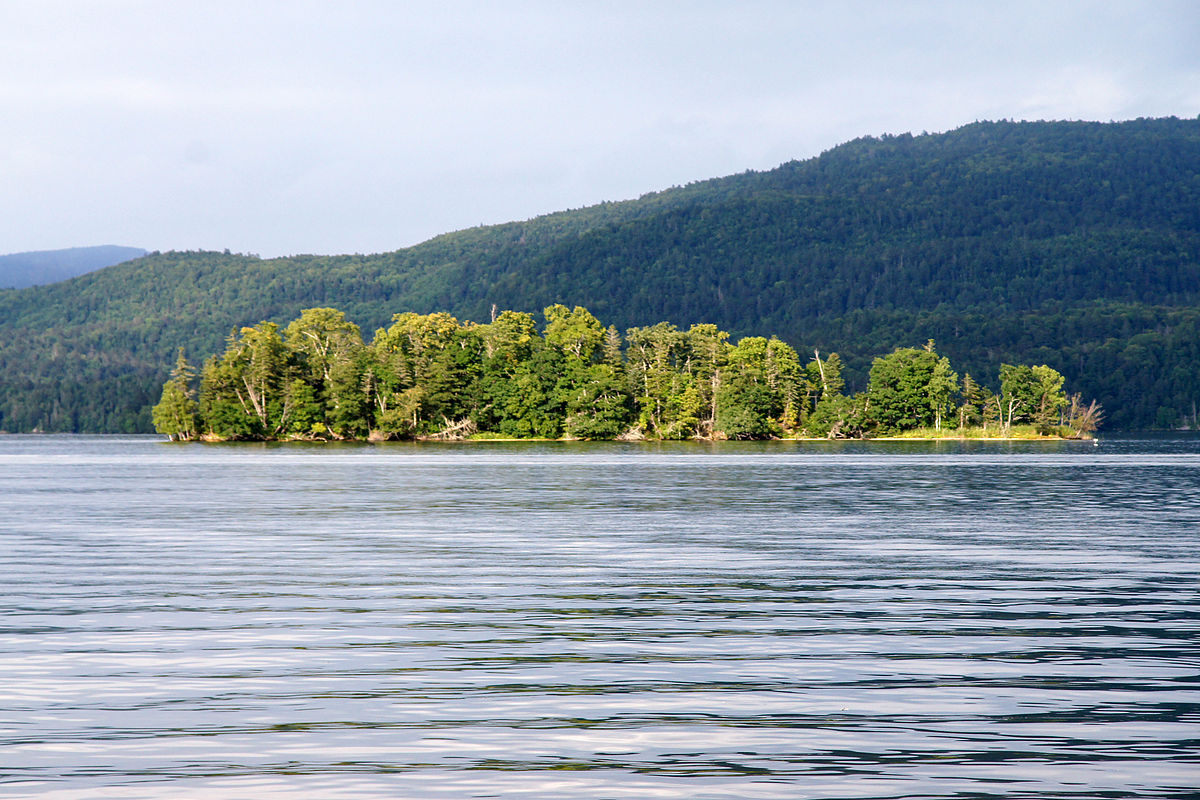
Lake Akan is a crater lake formed by volcanic eruptions thousands of years ago. It is about 75 kilometers north of central Kushiro, and the only settlement on its shore is Akankohan — a compact hot spring town with maybe a dozen ryokan and hotels, a handful of restaurants, and one main street. It is small. You can walk end to end in fifteen minutes.
But do not let the size fool you. Akankohan punches well above its weight. The geothermal activity below ground feeds natural hot spring baths in almost every hotel, several of which open their baths to day visitors for 500 to 1,500 yen. Some have rotenburo — outdoor baths — on upper floors with direct views of the lake. Sitting in 42-degree water while looking at Mount Oakan covered in snow is one of those experiences that sounds cliched until you actually do it.
Marimo: The Strange Green Moss Balls
Lake Akan is famous for marimo — spherical colonies of algae that grow naturally on the lake bottom. Left alone for centuries, they can reach the size of soccer balls. They are designated a National Special Natural Monument, and Lake Akan is one of only a few places in the world where they grow this large.
You cannot see them in the wild without diving, but the Marimo Exhibition Center on one of the lake’s islands has tanks where you can watch them up close. The sightseeing boat cruise (85 minutes, roughly 2,000 yen) stops at the island and gives you time inside the center. Honestly, the marimo themselves are not going to change your life. They are green balls. But the boat ride across the lake with Oakan and Meakan framing the horizon is worth the ticket alone.
The town leans hard into the marimo brand — you will find marimo-shaped chocolates, marimo keychains, and marimo plush toys in every other shop. It is a bit much, but I will admit I bought the chocolate.
The Bokke Mud Pools
At the eastern end of town, walking trails lead through the forest and along the lakeshore to the bokke — bubbling volcanic mud pools that remind you the ground beneath your feet is far from settled. The trails start next to the Akankohan Visitor Center (free entry, open 9:00 to 17:00, closed Tuesdays) where you can pick up maps and learn about the park’s wildlife. The walk to the bokke takes about twenty minutes each way and is flat and easy. In winter, the steam rising off the mud against the frozen forest is genuinely eerie.
Ainu Kotan: The Real Deal
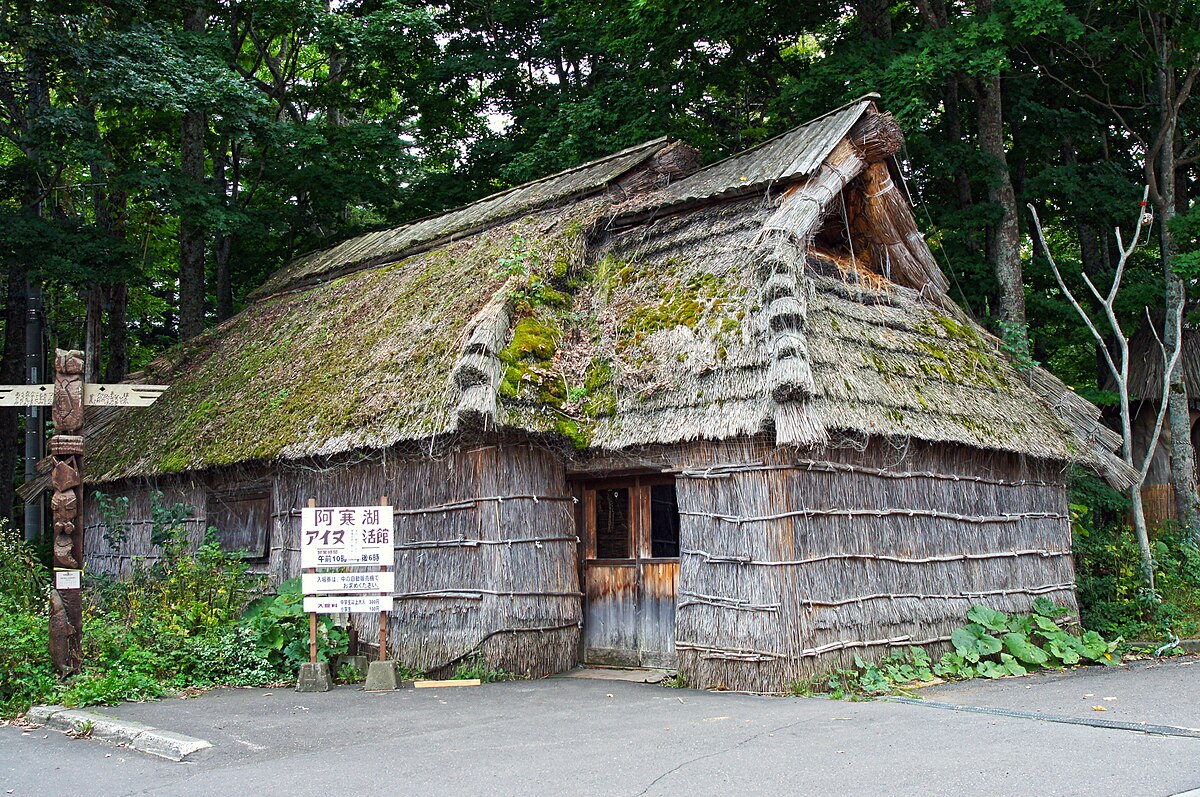
I have been to a few “cultural villages” in Japan that felt like museum pieces. Ainu Kotan in Akankohan is not one of them. Yes, there is a single street lined with souvenir shops selling Ainu handicrafts — carved wooden bears, embroidered textiles, handmade jewelry. But the people running these shops are Ainu families who live here. The woodcarving is done on site. The knowledge is real.
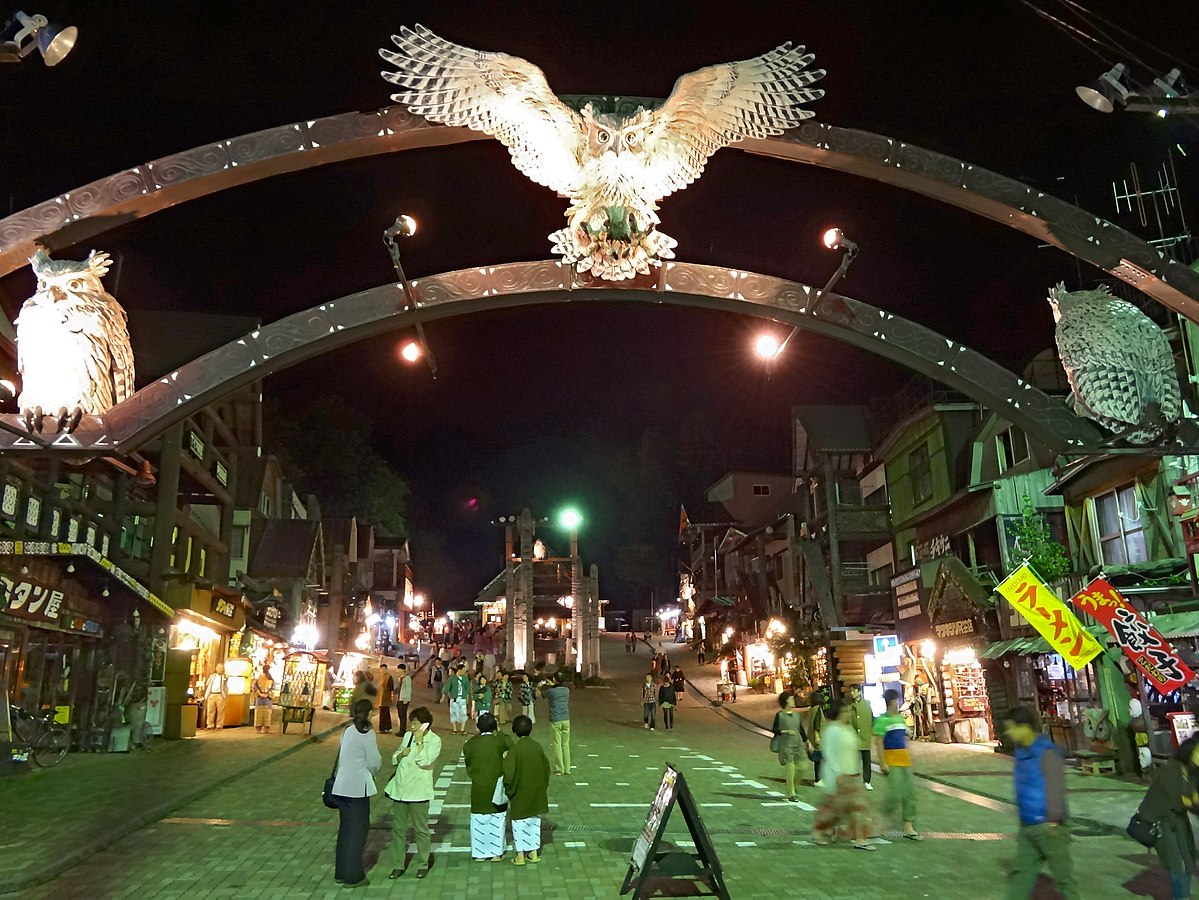
At the end of the street stands the Onne Cise museum about Ainu art and tradition, where you can try cultural experiences firsthand. Next door, the Ikor theater stages traditional Ainu performances — a fire ceremony with chanting and dance that gave me actual chills. Performances run on most days for 1,500 to 2,200 yen (in winter, evenings only on weekdays). Go to the evening show if you can. The firelight makes it.
The Ainu are the indigenous people of Hokkaido, and their history in Japan is complicated and often painful. This is not the place for a full history lesson, but I will say that spending time at Ainu Kotan changed how I think about the island. If you want to go deeper, the National Ainu Museum (Upopoy) near Shiraoi is the main cultural center, but Ainu Kotan has an intimacy that a big museum cannot replicate.
Lake Mashu: Japan’s Clearest Lake (When You Can See It)
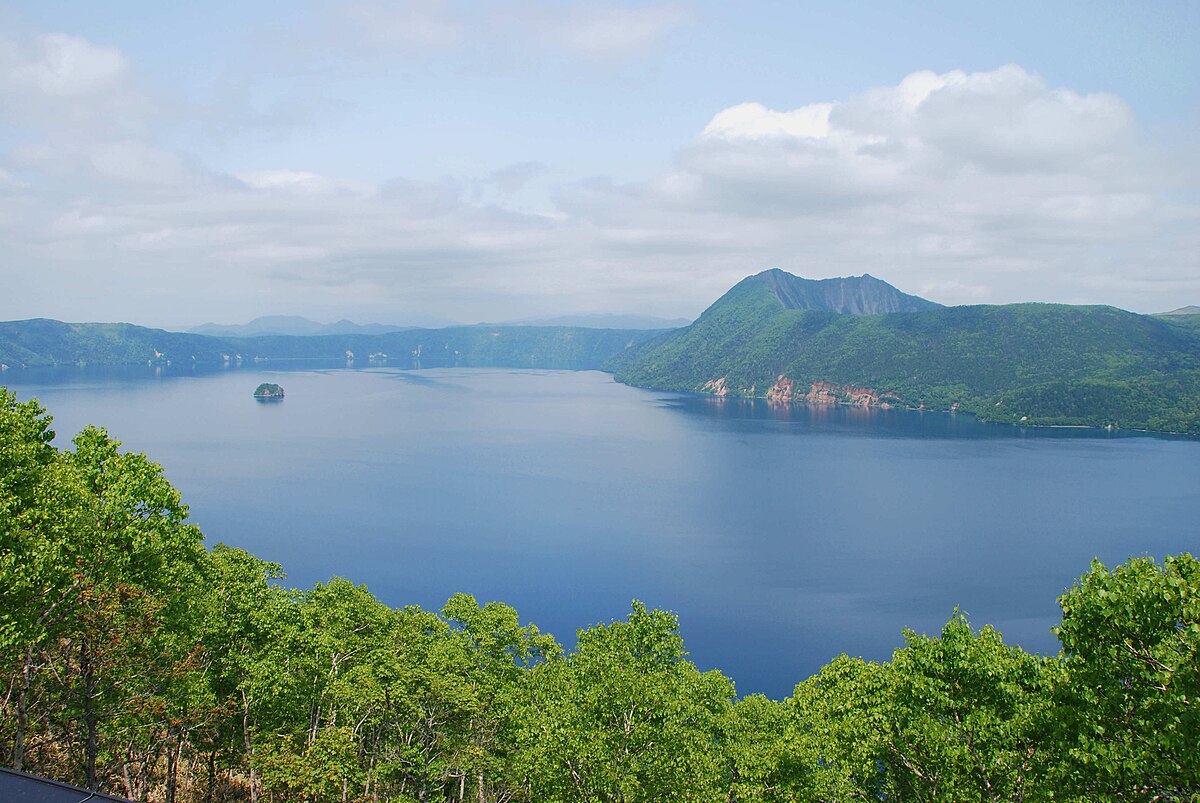
Lake Mashu competes for the title of clearest lake in the world. Visibility through the water reaches 30 to 40 meters. It is a caldera lake with steep walls dropping 200 meters to the water surface, no rivers flowing in or out, and a maximum depth of 211 meters. Many people consider it the most beautiful lake in Japan. I would not argue.
But here is the thing they do not put on the postcards: Lake Mashu is famously, frequently, infuriatingly blanketed in fog. I drove out there twice. The first time, I could not see more than ten meters past the railing at the observation deck. Total white-out. The second morning I went early, before 8 AM, and got a twenty-minute window of clarity before the clouds rolled back in. If you are lucky, the lake is breathtaking. If you are not lucky, you are staring at a wall of grey mist and wondering why you drove an hour for this.
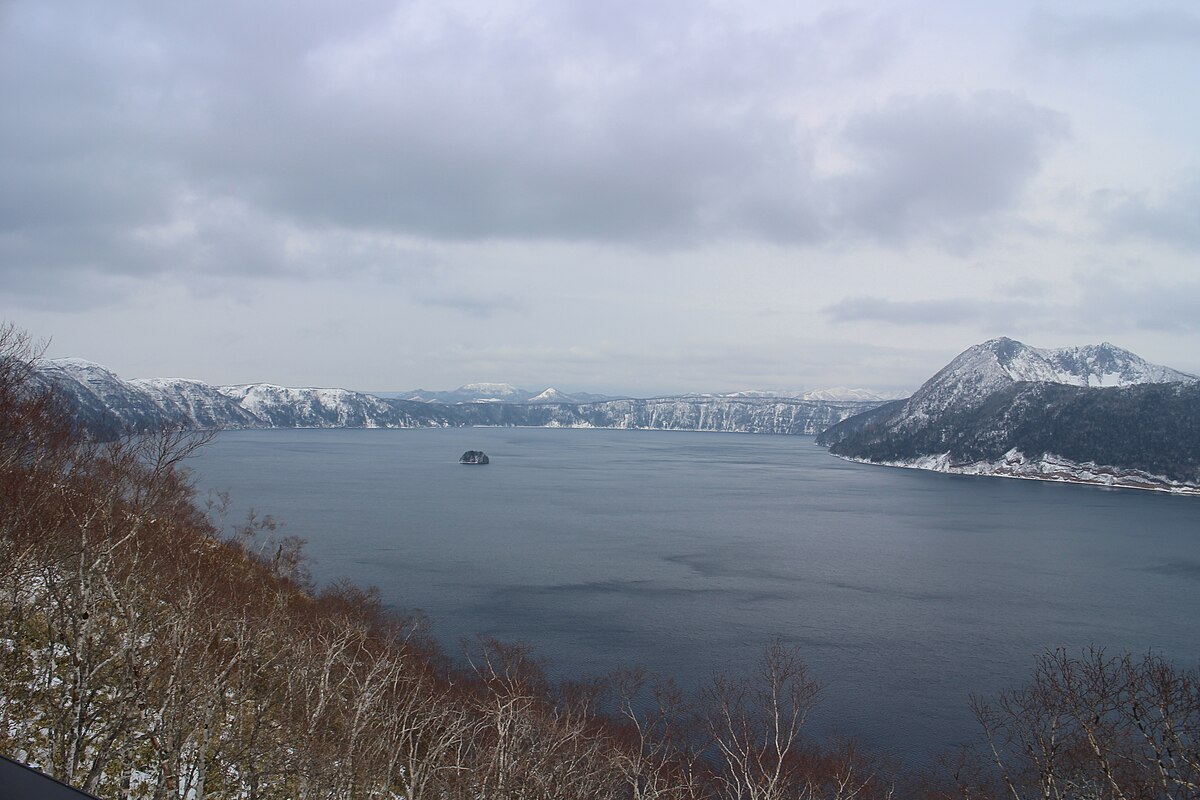
There are two observation decks. Observation Deck Number 3 sits on the western rim and has free parking, unobstructed views, and basically no facilities. Observation Deck Number 1 is five minutes south by car, has a paid parking lot (500 yen, which also covers parking at Mount Iozan nearby), multiple viewing platforms, toilets, and a shopping area with food stalls serving Hokkaido specialties. An observation deck number 2 used to exist between them but is now closed.
For hikers, a trail runs from Observation Deck Number 1 along the caldera rim to the summit of Mount Mashudake — about seven kilometers each way, taking 2.5 to 3 hours one direction. The trail goes through forest and grassland with views that justify every step. But it is a commitment, and you need decent footwear.
Visitors Cannot Reach the Water
One thing that surprised me: you cannot go down to Lake Mashu itself. There is no access road, no shoreline path. You see it only from the observation decks above. This is part of what keeps it so pristine, but it also means your visit is essentially looking at the lake from a distance, taking photos, and leaving. Budget 30 to 60 minutes unless you are doing the hiking trail.
Lake Kussharo: The Biggest Caldera Lake
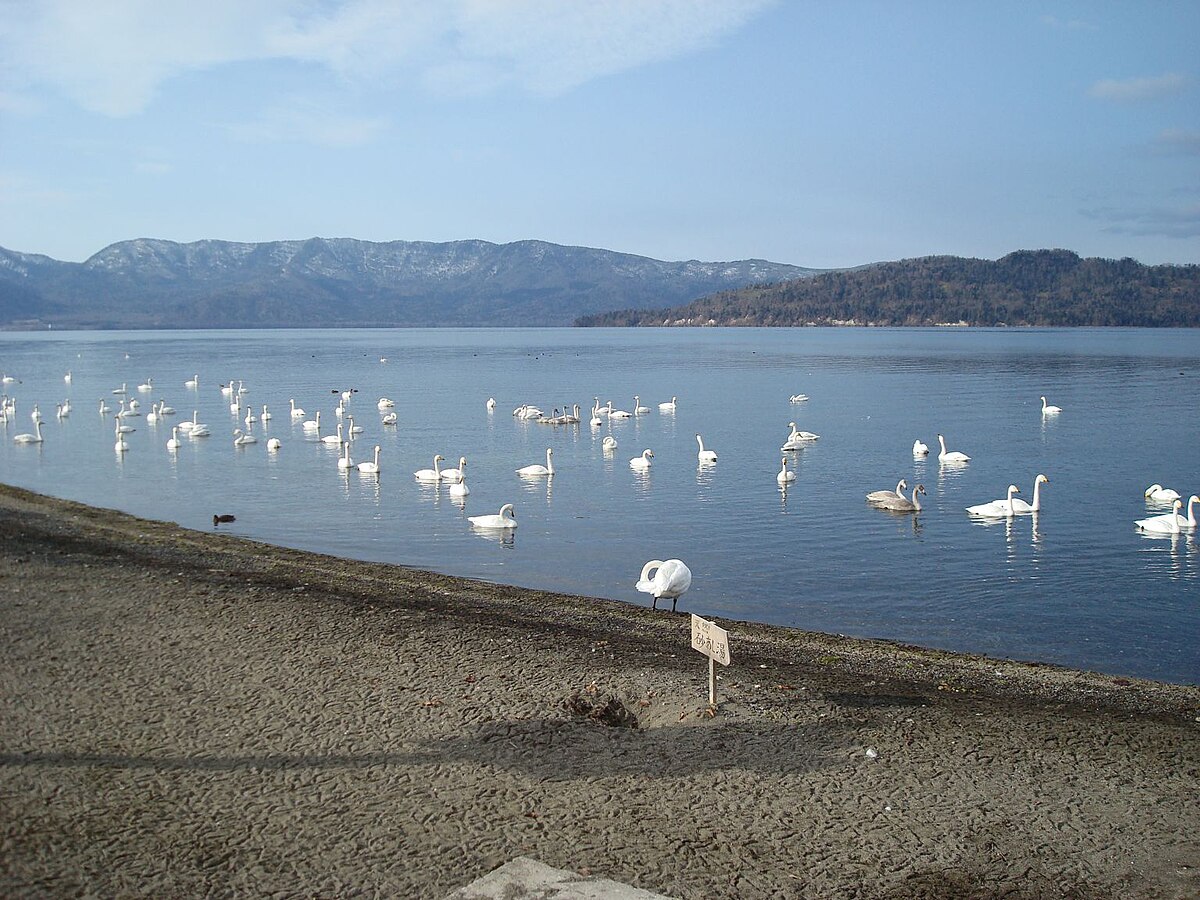
Lake Kussharo is the third lake in the national park and the largest caldera lake in Japan. It does not get the attention that Akan and Mashu do, which is a shame because it has something genuinely unique: free natural hot spring sand baths right on the lakeshore.
At Sunayu, on the eastern shore, you can literally dig into the sand and hot spring water seeps up. In winter, whooper swans gather here by the hundreds, drawn by the warm water that keeps this section of the lake from freezing. Watching swans glide through steam at sunrise while you soak your feet in sand that is somehow 40 degrees — that is the kind of weird, wonderful thing that only happens in Hokkaido.
Kotan Onsen on the southern shore is another free lakeside hot spring, though it is more basic — stone pools right at the water’s edge with a simple screen for privacy. It is co-ed and you need to bring your own towel. Not for everyone, but the setting is spectacular.
Mount Iozan and Kawayu Onsen
Between Lake Mashu and Lake Kussharo sits Mount Iozan (also called Atosanupuri in Ainu), an active volcano that still vents sulfurous gas from bright yellow fumaroles. You can walk right up to the venting areas on a boardwalk — the smell of sulfur is overpowering and the ground is hot enough that steam rises from cracks in the rock. It costs nothing to visit (parking is covered by the 500-yen Lake Mashu ticket). Takes maybe 20 minutes to walk around.
Nearby Kawayu Onsen is a small hot spring town that feels frozen in the 1970s, and I mean that in the best possible way. Some of the ryokan are dated, but the water quality is excellent — it is strongly acidic, fed by Mount Iozan’s geothermal activity. The town also has a free public foot bath near the main intersection. If you have time, staying a night at Kawayu puts you close to both Lake Mashu and Lake Kussharo without backtracking.
Wildlife: Cranes, Eagles, and Everything Else
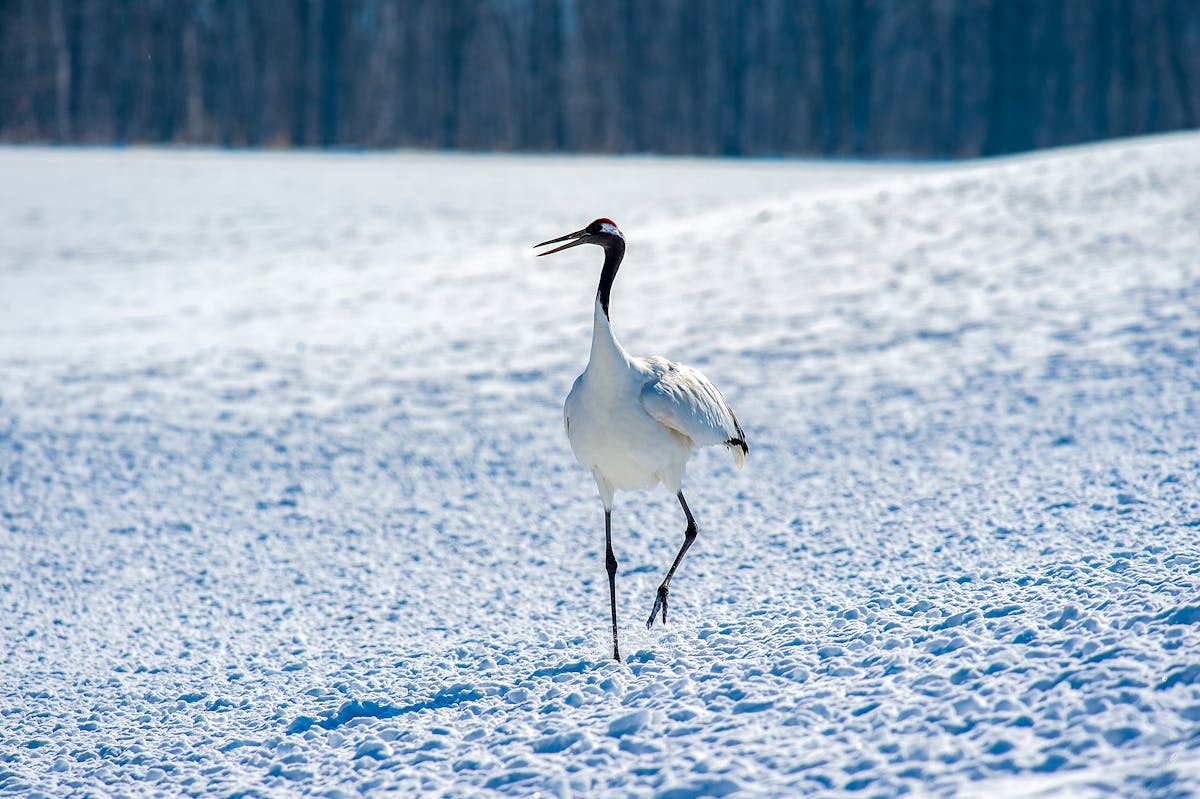
Eastern Hokkaido is wildlife territory. The Akan International Crane Center sits between Kushiro Airport and Lake Akan, about 30 minutes south of the lake, and is one of the best places to see red-crowned cranes — Japan’s largest bird, standing 150 centimeters tall. In winter, cranes gather at feeding stations and you can photograph them dancing in the snow from just meters away. The center itself is a research facility with exhibits on crane conservation.
Beyond cranes, the area supports Steller’s sea eagles (around the coast near Rausu, a few hours north), red foxes everywhere, Hokkaido deer that wander across roads without a care in the world, and occasionally brown bears — though you are unlikely to see one unless you go looking with a guide. The winter months are actually the best for wildlife because animals concentrate around food sources and the white landscape makes them easy to spot.
Getting There: You Probably Need a Car
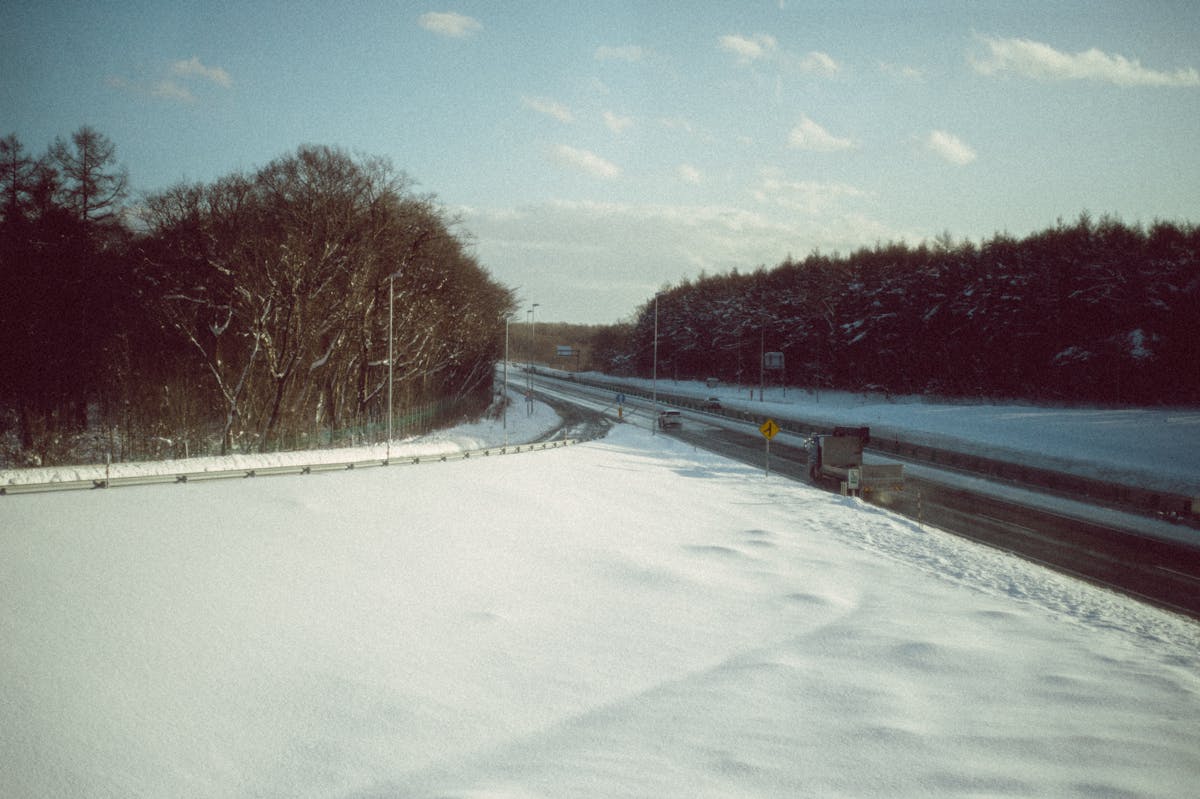
I am going to be honest: public transport to the Akan-Mashu area is poor. Akan Bus runs 3 to 4 buses per day between Kushiro and Lake Akan (120 minutes, 2,750 yen one way), stopping at Kushiro Airport and the Akan International Crane Center along the way. One additional bus runs only between the airport and Lake Akan (75 minutes, 2,190 yen one way). And that is basically it. There is no direct public transportation between Lake Akan and the other two lakes.
For Lake Mashu, highly infrequent buses run between Mashu Station (on the JR Senmo Line) and Observation Deck Number 1 (20 minutes, 570 yen one way). But “highly infrequent” is generous — check schedules carefully because missing a bus means waiting hours.
The realistic answer is to rent a car. Lake Akan is about 90 minutes from central Kushiro by car, and the other lakes are about an hour from Akan. All three lakes plus Kawayu Onsen and Mount Iozan can be covered in a comfortable two or three-day road trip loop. Kushiro Airport has rental car agencies right outside the terminal.
Getting to Eastern Hokkaido
Most people fly into Kushiro Tancho Airport. ANA and JAL run daily flights from Tokyo Haneda (about 1 hour 40 minutes). Peach Aviation sometimes runs seasonal budget flights. From Kushiro, it is a straight shot north to Lake Akan.
Alternatively, you can fly into Memanbetsu Airport near Abashiri and approach from the north. This works well if you are combining the lakes with Shiretoko or the drift ice at Abashiri. From Memanbetsu, Lake Akan is about two hours south through some gorgeous mountain scenery.
If you are already in Hokkaido, the JR Senmo Line connects Kushiro to Abashiri via Mashu Station and Kawayu Onsen Station, running along one of the most scenic rail routes in Japan. The train is slow but the views of marshland, lakes, and frozen rivers are worth it. From Mashu Station, though, you still need a bus or taxi to actually reach the lakes.
Best Time to Visit
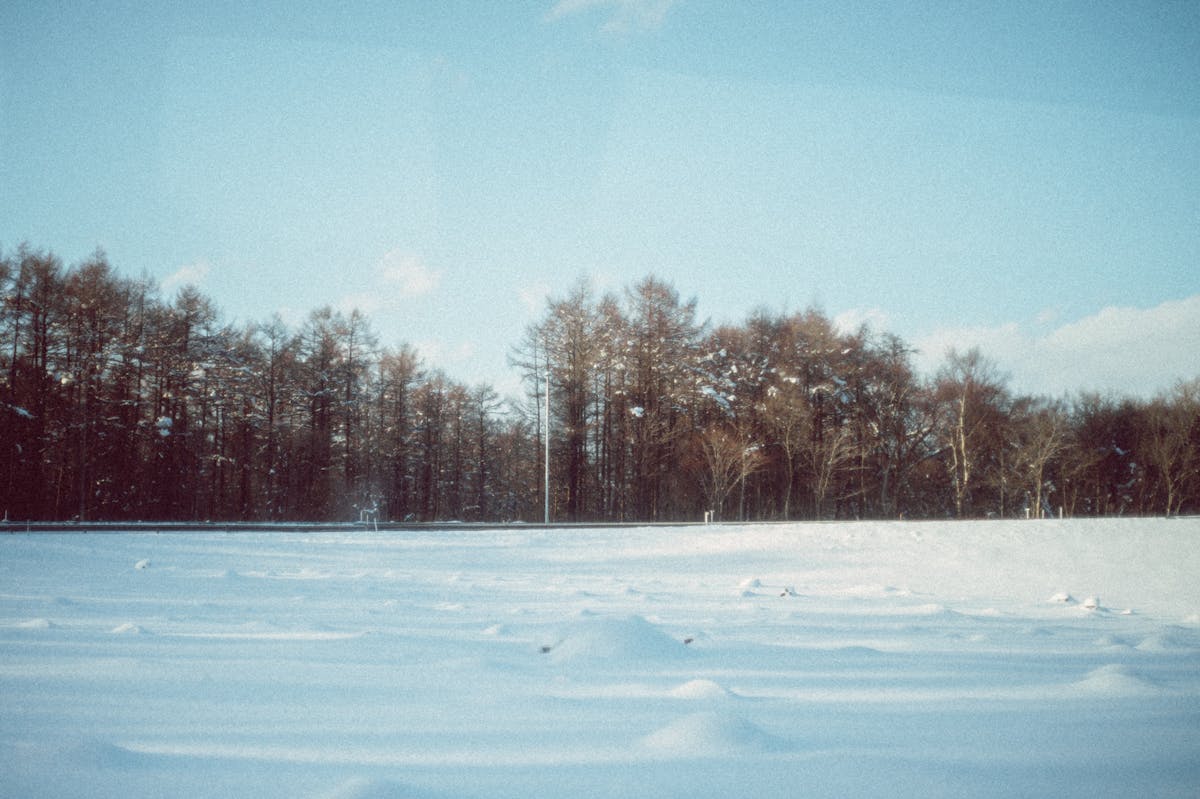
Each season offers something different, and I would not call any of them bad. But they are very different trips.
Winter (December to March) is when eastern Hokkaido really shines, in my opinion. The lakes freeze (except Mashu, which stays liquid), the cranes come out, the swans gather at Kussharo, and the onsen feel ten times better when the air temperature is minus 15. Temperatures drop to minus 20 or 30 at night in the Mashu area. It is genuinely cold — pack accordingly. Lake Akan hosts ice festivals in winter, and you can walk on the frozen lake surface.
Summer (June to August) is comfortable — 20 to 25 degrees — and the hiking is excellent. Meakan and Oakan are both climbable in half a day and offer some of the best volcanic scenery in Japan. The marimo boat cruise runs regularly. Downside: mosquitoes near the lakes can be intense, and Lake Mashu’s fog is arguably worse in summer.
Autumn (September to October) brings stunning foliage around the lakes. The mountains turn red and orange and the reflection on the water is photographer heaven. Crowds are thin. This is probably the sweet spot for most visitors.
Spring (April to May) is the shoulder season. Snow lingers into April at these elevations, and some facilities may still be closed. By late May things open up, but it is not as dramatic as winter or autumn.
Where to Stay
Your main options are Akankohan (on Lake Akan) or Kawayu Onsen (between Mashu and Kussharo). Akankohan has more hotels and better dining options. Kawayu is quieter and puts you closer to Mashu and Kussharo.
In Akankohan, most hotels are large ryokan with onsen facilities. Prices range from around 8,000 yen per person for a basic room with shared bath to 25,000+ yen for a lakeside room with private rotenburo and kaiseki dinner. The higher-floor rooms with lake views are worth the upgrade if your budget allows it — watching sunrise over Akan from a hot bath is the kind of thing that stays with you.
Budget travelers: there is no hostel in Akankohan as far as I could find. The cheapest option is a basic room at one of the older ryokan. Consider staying in Kushiro (more options, including business hotels from 5,000 yen) and day-tripping to the lakes, though that adds a lot of driving.
How Many Days Do You Need?
Two days is the minimum if you are driving. Day one: Kushiro Airport to Lake Akan (stop at the crane center), explore Akankohan, Ainu Kotan, and the bokke trails. Stay overnight. Day two: drive to Lake Mashu (early morning for the best fog-free odds), then Mount Iozan, Lake Kussharo, and back to Kushiro or onward to Abashiri.
Three days is better. It lets you add a full morning at Kussharo for the swans and sand onsen, a night at Kawayu Onsen, and time to revisit Mashu if the fog ruined your first attempt. Four days gives you room for the Meakan hike and a more relaxed pace overall.
If you are doing a larger eastern Hokkaido road trip — combining this with Shiretoko Peninsula, Abashiri, or the Notsuke Peninsula — the Akan-Mashu area fits naturally as a two-night stop in the middle of the loop.
Practical Information
| Detail | Information |
|---|---|
| Kushiro Airport to Lake Akan | 75 min by car, 75-120 min by bus (2,190-2,750 yen) |
| Lake Akan to Lake Mashu | ~60 min by car, no direct bus |
| Lake Akan to Lake Kussharo | ~60 min by car, no direct bus |
| Marimo boat cruise | 85 min, ~2,000 yen |
| Ainu Kotan performance | 1,500-2,200 yen, check schedule for winter weekday shows |
| Lake Mashu parking | 500 yen (Deck 1, includes Iozan), free (Deck 3) |
| Onsen day visits | 500-1,500 yen at most Akankohan hotels |
| Visitor Center | Free, 9:00-17:00, closed Tuesdays |
I left the Akan-Mashu area thinking it was one of the most underrated corners of Japan. Not because it is unknown — Japanese tourists have been coming here for decades. But for international visitors, it barely registers. The combination of volcanic landscapes, indigenous culture, world-class onsen, and genuine wilderness is hard to match anywhere else on the island. Yes, you need a car. Yes, the fog at Mashu might defeat you. But that is kind of the point. Eastern Hokkaido does not make it easy, and that is what makes it worth the drive.