This article contains affiliate links. If you book through one of them, I earn a small commission at no extra cost to you.
In This Article
- When Can You Actually Camp in Hokkaido?
- The Campgrounds Worth Driving To
- Lake Shikotsu Area
- Shiretoko Peninsula
- Shari and the Eastern Interior
- Near Lake Onneto (Akan Area)
- Furano and Kamikawa Area
- Tsuru-no-sato (Crane Village)
- Car Camping vs. Tent-Only
- Glamping: For When You Want the Views Without the Suffering
- Bears: The Part Nobody Wants to Think About
- What to Bring (And What You Can Skip)
- Costs: What Camping in Hokkaido Actually Runs
- Rules About Fires, Noise, and Trash
- Wild Camping: Technically Possible, Not Officially Encouraged
- Putting It All Together: A Camping Route
I slept about three hours the first night I camped in Hokkaido. Not because the ground was uncomfortable or the tent was wrong — it was the silence. Total, crushing silence broken only by what I was 90% sure was a deer and 10% sure was a bear. That uncertainty is half the fun of camping up here, and the other half is waking up to scenery that makes you forget about the rough night entirely.
Hokkaido is Japan’s last frontier for camping. Over 300 campgrounds spread across an island the size of Austria, many of them dirt cheap or completely free. Most don’t even require reservations. You just show up, pay your few hundred yen at the reception hut, and pick a patch of grass. Coming from the overcrowded, fully-booked-three-months-ahead camping scene around Tokyo, it felt almost too easy.
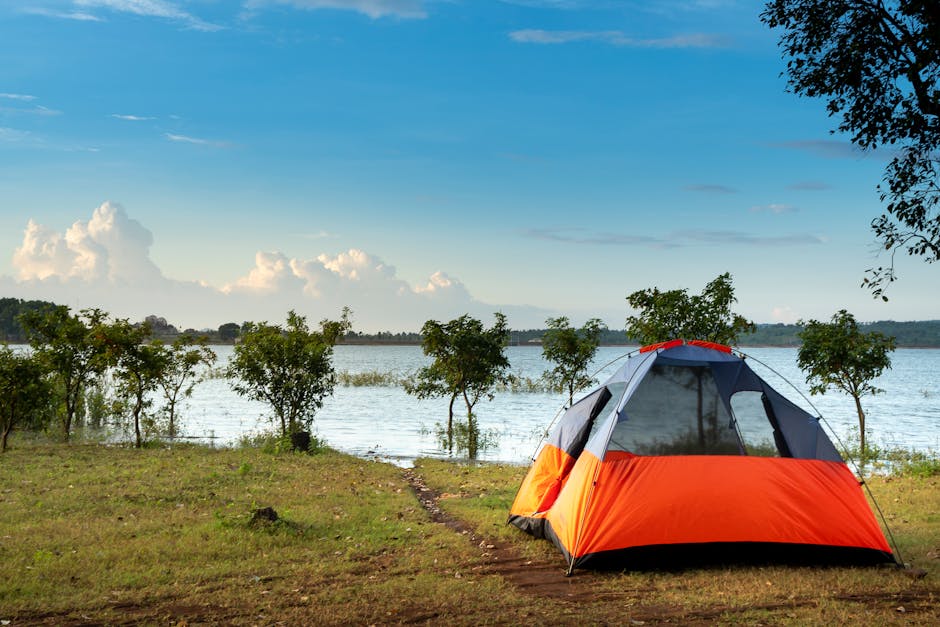
But there are things you need to know before you roll up with a tent and high hopes. Bear country rules apply here. Campground facilities are basic — we’re talking a covered sink and squat toilets, maybe. And the season is short. Get the timing wrong and you’ll find gates locked and grass knee-high.
Here’s everything I’ve figured out about camping in Hokkaido, including the specific campgrounds worth driving to and the ones you can skip.
When Can You Actually Camp in Hokkaido?
The short answer: mid-June through September. That’s it. Some sites open as early as late April, but unless you’re packing winter-grade gear, June to September is the realistic window.
July and August are peak season. Schools are out, families are driving up from Sapporo, and popular spots like the auto campgrounds near Furano can get crowded. The weather sits around 20-25°C during the day, dropping to 10-15°C at night. Compared to the rest of Japan sweating through 35°C humidity, Hokkaido camping in summer is absurdly comfortable.
September is my pick if you can swing it. Fewer people, autumn colours starting to creep in, and the temperature is still manageable with a decent sleeping bag. By October most campgrounds close up for the winter.
There are a handful of year-round sites — Jozankei has one for winter camping — but that’s a whole different game requiring serious cold-weather gear and a tolerance for waking up to frozen condensation inside your tent.
The best general advice: plan your Hokkaido summer trip around camping rather than the other way around. If you’re visiting during the best months, you’ll have a dozen campgrounds to choose from in any direction.
The Campgrounds Worth Driving To
Lake Shikotsu Area
Lake Shikotsu is only about an hour south of Sapporo, and the camping here is some of the best in Hokkaido. The lake water is absurdly clear — second clearest in Japan after Lake Mashu — and there are two main campgrounds on its shores.
Bifue Campground sits on the west side of the lake. It’s a managed site with designated spots, decent toilets, and lake access right from your tent. Expect to pay around 1,000 yen per person per night. The views across the water to Mt. Eniwa are the main draw, especially at sunrise when mist rolls off the surface.
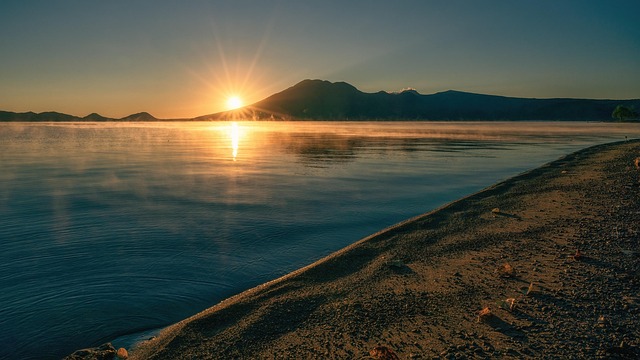
Morappu Campground is on the south shore and more popular with families. It’s got a bigger area, kayak rentals, and swan boats. Slightly more infrastructure, slightly less wilderness feeling. If you’re camping with kids, Morappu is the better pick. Bifue is better for couples or solo campers who want it quieter.
Both campgrounds are close to onsen, which is the unwritten rule of Hokkaido camping: you camp for the experience, and you bathe at the nearest hot spring to recover from it.
Shiretoko Peninsula
If you’re doing the eastern Hokkaido loop, camping in Shiretoko is the move. The Shiretoko National Campground (Kokusetsu Shiretoko Yaei-jo) costs just 500 yen per person per night and is only a 25-minute drive from the Iwaobetsu trailhead for Mt. Rausu.
Fair warning: the toilets here are on the smellier side compared to other Hokkaido campgrounds. And it gets noisy in the evenings because it draws both hikers and casual tourists. But at 500 yen a night with an onsen (Yuhidai Hot Spring) within walking distance, it’s hard to complain.
This is also bear country, and I mean genuinely. Shiretoko has one of the densest brown bear populations in Japan. Store food in your car, not your tent. The campground has bear-proof bins and staff who take it seriously.
Shari and the Eastern Interior
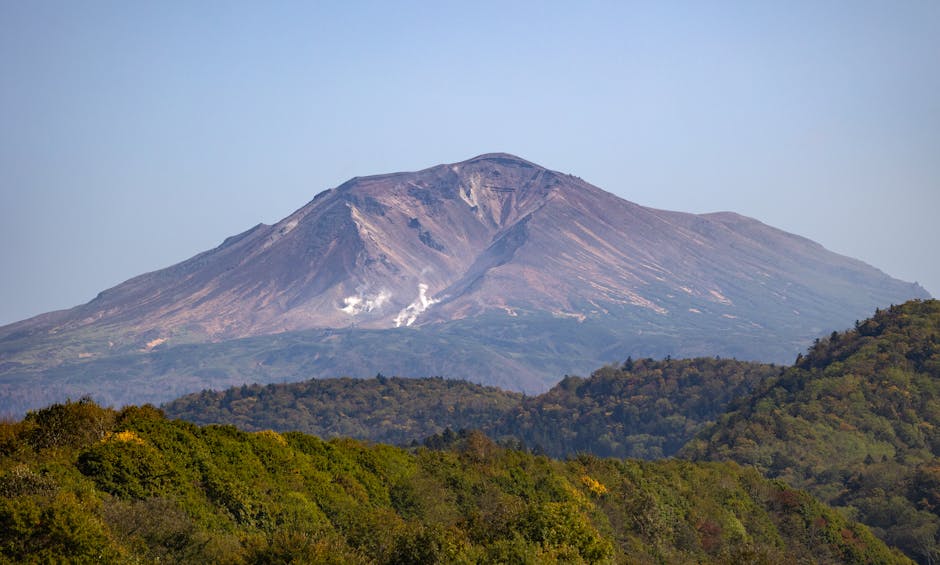
Less famous but honestly just as good: Soyokaze Campground near Shari town. This one is about 35 minutes from the Mt. Shari trailhead. The campground is open grass fields with street lamps along a small road — you can pull up, drop your gear, then park 100 metres away.
Cost is 500 yen per person. There’s a supermarket 5 minutes away by car (closed Sundays, annoyingly) and a really nice hot spring called Papas Land about 25 minutes’ drive away. The name is terrible but the onsen is good.
The downside? It’s surrounded by farmland. Depending on the wind, you’ll get occasional whiffs of manure. The street lamps also mean it never gets fully dark — good for safety, bad for stargazing. Although if you drive literally two minutes down the road into the surrounding farmland, the stars are incredible. I caught the Perseid meteor shower totally by accident one August night just driving back from the onsen.
Near Lake Onneto (Akan Area)
My favourite campsite of everywhere I’ve been in Hokkaido: Onneto Campground, right next to Mt. Meakan’s trailhead. Unlike most Hokkaido campgrounds that clear-cut a field for tents, Onneto keeps its forest. You’re camping in actual woods, surrounded by old trees, and the quiet is the real kind — not the “everyone’s gone to sleep” kind but the “nobody else is here” kind.
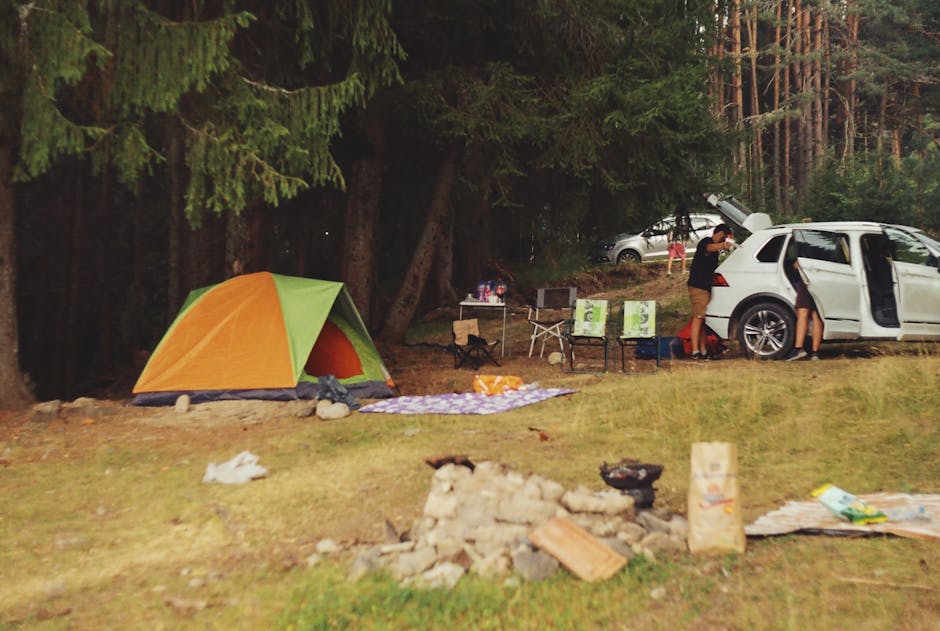
It costs 1,000 yen per person, and the reception building doubles as a cafe with some nice hiking gear for sale. They supposedly have a shower too, though I didn’t try it. The nearest grocery store is up to an hour away, which is probably why it stays so peaceful — only people who actually planned ahead end up here.
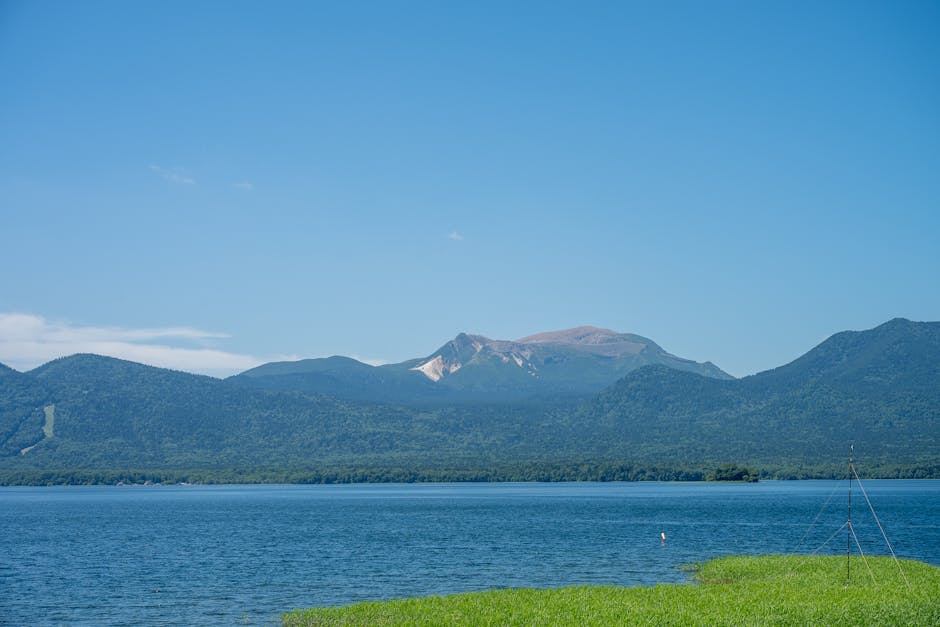
If you’re hiking in Hokkaido, camping at Onneto the night before a Mt. Meakan ascent is perfect. Early morning start, no driving, and Lake Onneto itself changes colour depending on the light and angle. Some mornings it’s deep blue, other times almost emerald.
Furano and Kamikawa Area
The Furano and Biei area has a ton of campgrounds, partly because tourism infrastructure here is well-developed and partly because the scenery basically demands you sleep outside in it.
Yamabe Nature Park Taiyo no Sato Campground in Furano City is a solid base. The area around Kamifurano also has Hinode Park Auto Campground, which gets good reviews for families. Down near Minamifurano, Lake Kanayama Lakeside Campground combines auto camping with lakeside views.
Prices in this area run from 500-700 yen for basic tent sites up to 3,500-4,000 yen for auto camping sites where you can park right next to your tent. If you’re doing a Hokkaido road trip, the Kamikawa campgrounds are well-positioned for day trips in every direction.
Tsuru-no-sato (Crane Village)
A large open field campground that’s easy to get into last-minute. You can pay extra to drive your car right onto the field next to your tent, or save money and just haul your gear from the parking area on the edge. It was a bit over 1,000 yen per person — the most expensive of the basic campgrounds I stayed at.
Nearby there’s an onsen at Hotel Taito, and the campground gives you discount coupons. The name “Tsuru-no-sato” means “Village of the Crane,” and they’re not kidding — I spotted two Japanese cranes with a chick on the drive out the next morning.
Car Camping vs. Tent-Only
Most Hokkaido camping trips involve a car. The distances between anything out here make renting a car basically non-negotiable, and once you have one, car camping opens up a lot of options.
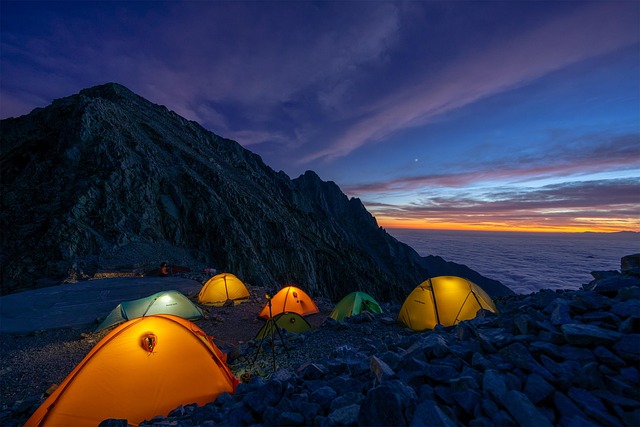
Auto campgrounds let you park directly beside your tent. They cost more (1,500-4,000 yen per site) but the convenience of having your car right there — for storing food away from bears, for running the heater when it gets cold at 3am, for not carrying everything 200 metres from a parking lot — is worth it for most people.
Regular tent sites require you to park in a lot and carry your stuff to a designated spot. Cheaper (300-1,000 yen per person) and often more scenic, since they’re set back from roads. The Onneto and Shiretoko campgrounds fall into this category.
A few campgrounds like Kiyosato Auto Camping Ground near Shari require advance reservations and fill up fast in July-August. But most of the basic tent sites operate on a first-come basis. In over a week of camping across Hokkaido in peak July, I never failed to find a spot.
Glamping: For When You Want the Views Without the Suffering
Not everyone wants to sleep on the ground, and Hokkaido has some legitimate glamping options if your budget allows.
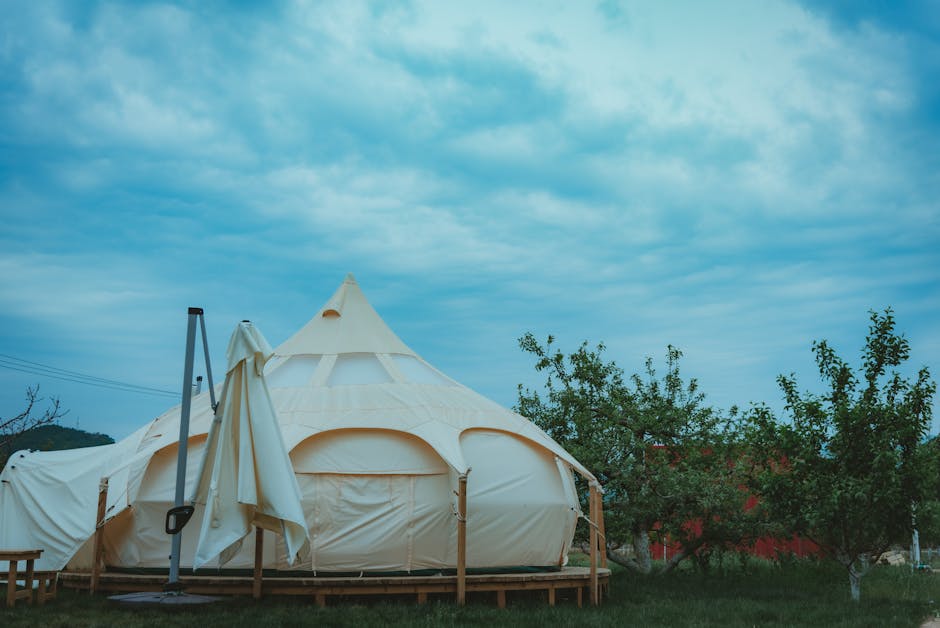
Hoshino Resorts Tomamu runs glamping experiences at their resort between Furano and Obihiro. It’s the high-end option — big canvas tents, real beds, chef-prepared meals. Expect to pay 30,000+ yen per person per night. Is it camping? Barely. Is it a nice experience if you’ve got the budget? Sure.
Snow Peak Tokachi is another upscale option in the Tokachi area. Snow Peak makes some of the best camping gear in Japan (and charges accordingly), so their glamping facility is well-designed if predictably expensive.
For something more middle-ground, Rusutsu Camp Village near the Rusutsu resort area offers a camping experience with rental equipment and some infrastructure, without going full luxury. Campinglines Hokkaido rents campervans if you’d rather skip tents entirely and drive-sleep your way around the island.
Honestly, unless you’re specifically after the glamping experience, Hokkaido’s regular campgrounds are comfortable enough in summer that you don’t need to spend the extra money. A 1,000 yen tent site with a nearby onsen beats a 30,000 yen glamping tent for my money.
Bears: The Part Nobody Wants to Think About
Hokkaido has brown bears. Roughly 10,000 of them. They’re not the giant grizzlies of Alaska, but they’re big enough that you absolutely do not want to meet one at your campsite at 2am.
The practical rules are straightforward:
- Store all food in your car, not in your tent. Not next to your tent. In your car with the doors closed.
- Cook away from where you sleep. If the campground has a designated cooking area, use it.
- No scented products in the tent — this includes toothpaste, deodorant, and that melon-scented bug spray you bought at the conbini.
- Bear bells are useful for hiking but unnecessary at established campgrounds. The bears know the campgrounds are there and generally avoid them.
- Bear spray is available at outdoor shops in Sapporo if you’re going into backcountry areas around Shiretoko or Daisetsuzan.
In years of people camping across Hokkaido, serious bear incidents at established campgrounds are extremely rare. The campground staff take it seriously, many sites have electric fences or bear-proof containers, and the bears have learned that campgrounds mean humans. Doesn’t mean you should be careless, but don’t let bear anxiety stop you from camping entirely. Just follow the rules and you’ll be fine.
What to Bring (And What You Can Skip)
If you’re flying into Hokkaido for a camping trip, you’re probably not bringing your own tent. The good news is that rental options exist, though they’re less common than you might hope.
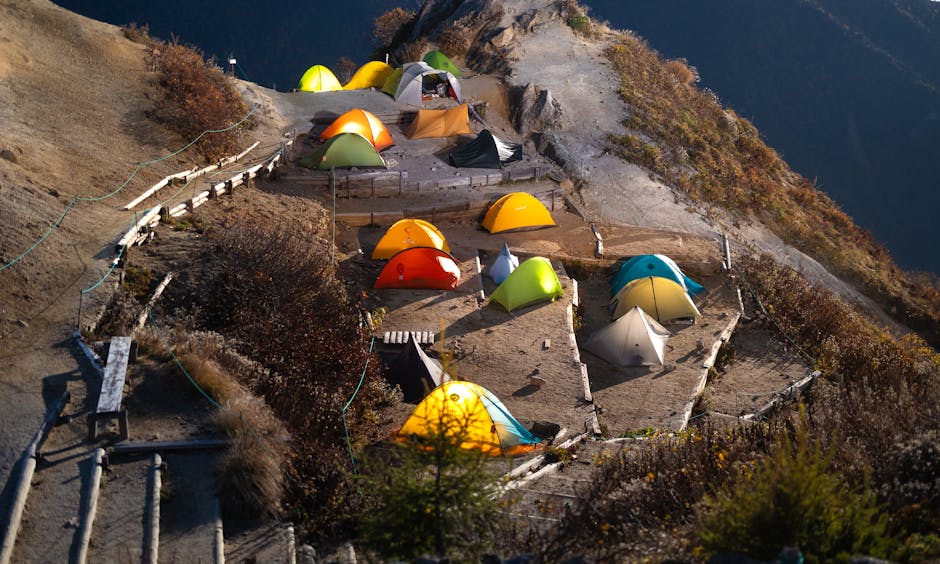
Gear rental: Some auto campgrounds rent tents and basic equipment. Hinata Rental is a nationwide service that delivers rental camping gear to affiliated campgrounds — you pick it up on site and return it when you leave. It’s the most practical option for tourists. A few shops in Sapporo also rent gear, but availability varies.
Buying gear in Japan: If you plan to camp multiple nights, buying a cheap tent at a home centre (like Homac or DCM) might be cheaper than renting. A basic 2-person tent runs 5,000-8,000 yen. Sleeping bags start around 3,000 yen. Mont-bell and Snow Peak stores in Sapporo have higher-end options if you want gear that lasts.
What you actually need, besides shelter:
- A sleeping mat or pad. The ground in Hokkaido is cold even in July. Skip this and you’ll regret it by midnight.
- A headlamp. Many campgrounds have no lighting at all.
- Insect repellent. The mosquitoes near lakes are aggressive.
- Garbage bags. Most campgrounds make you take your rubbish with you. Pack it out and dump it at the nearest convenience store.
- A cooler if you’re car camping. Hokkaido’s fresh seafood and dairy are half the reason to be here — cook it at camp. Check our Hokkaido food guide for what to look for at the supermarket.
What you can skip: fancy camping chairs (sit on a log), a camp stove if you’re near a town (conbini onigiri and cup noodles work fine), and anything marketed as “glamping essentials.” Keep it simple. Check the Hokkaido packing list for the full rundown.
Costs: What Camping in Hokkaido Actually Runs
This is where Hokkaido camping really shines. It’s cheap.
- Free campgrounds: 0 yen (yes, they exist — check the HokkaidoWilds.org free campground map)
- Basic tent sites: 300-500 yen
- Standard campgrounds: 500-1,000 yen
- Auto camp sites: 1,500-4,000 yen per site (not per person)
- Nearby onsen: 500-800 yen per visit
For context, the cheapest business hotel in a Hokkaido city runs 5,000-7,000 yen per night. A week of camping at 500-1,000 yen a night saves you serious money, which you can put toward the things actually worth spending on — food, activities, and the occasional ryokan splurge.
The biggest hidden cost is the car rental, but you need that for Hokkaido anyway. Campground fees themselves are almost negligible.
Rules About Fires, Noise, and Trash
Japanese campground etiquette is strict, and people follow it. A few things that catch foreign campers off guard:
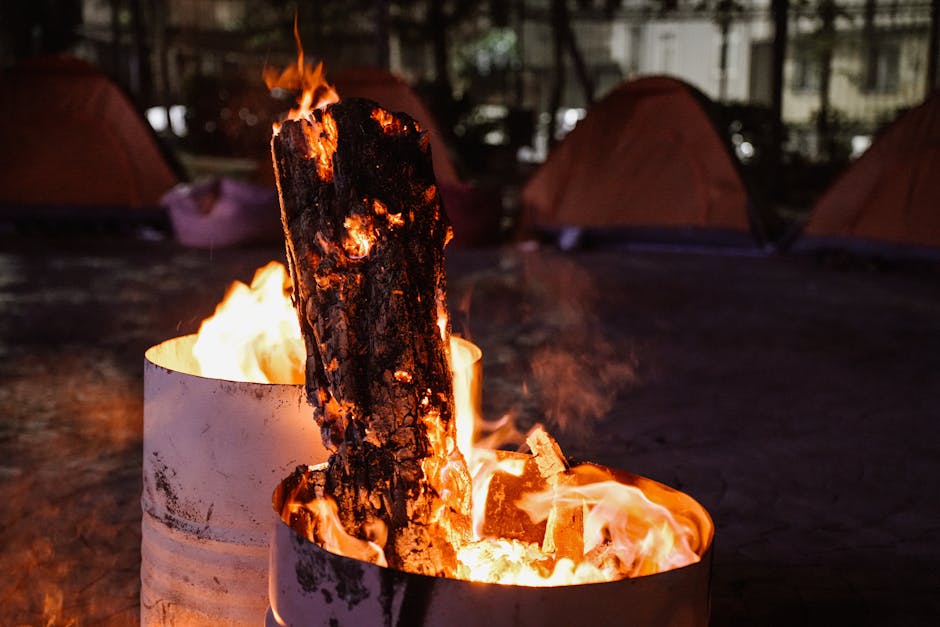
Fires: Open ground fires are banned at nearly every campground. If you want a campfire, you need a raised fire pit or metal fire table (available to rent at some auto campgrounds). Charcoal BBQ is usually allowed in designated areas. The Japanese take fire safety in dry grassland extremely seriously, for good reason.
Noise: Quiet hours start at 10pm at most campgrounds, and people actually observe them. Generators are typically banned overnight. Music should be kept to your immediate group. This is one of the things I love about camping in Japan — the baseline politeness means your neighbour isn’t going to start blasting speakers at midnight.
Trash: Many Hokkaido campgrounds have no rubbish bins at all. You carry everything out. Separate your garbage into burnables and recyclables (the same sorting system as everywhere else in Japan). Convenience stores and some rest stops (michi-no-eki) accept garbage. Never leave trash at the campsite. Not even “biodegradable” food waste — bears.
Check-in/Check-out: Auto campgrounds typically have set times (check-in 1pm-6pm, check-out by 10-11am). Basic tent sites are more relaxed — some you can roll up to anytime. The reception hut might close at 5pm, but you can often pay in the morning.
Wild Camping: Technically Possible, Not Officially Encouraged
Japan has an unwritten acceptance of wild camping that confuses a lot of visitors. There’s no law explicitly allowing it, and if you ask officially, the answer is always “no, you can’t camp here.” But in practice, people camp in parks, beside rivers, at roadside rest stops (michi-no-eki), and on beaches across Hokkaido with zero pushback.
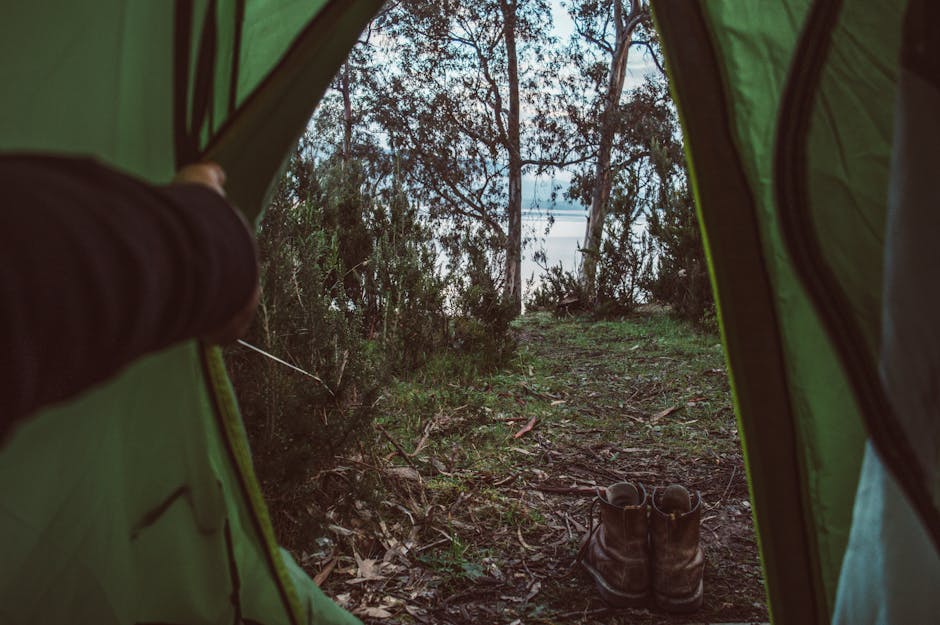
The culture here is one of respectful tolerance. If you’re clearly a traveler, you’ve set up late, you’re clean and quiet, and you pack up early — nobody is going to bother you. Michi-no-eki rest stops have toilets and sometimes water, making them popular emergency camping spots for cyclists and road trippers.
That said, with campgrounds this cheap, there’s not much reason to wild camp unless you’re cycle touring or got caught out by distance and daylight. A managed campground at 500 yen gives you a toilet, a water tap, and the security of being somewhere you’re explicitly welcome.
Putting It All Together: A Camping Route
If you’ve got a week and a rental car (grab one from one of these companies), here’s a route that hits the best campgrounds:
Day 1-2: Lake Shikotsu (Bifue or Morappu campground). Easy drive from Chitose airport. Kayak, hike Mt. Tarumae, soak at the onsen.
Day 3-4: Drive east to the Akan area. Camp at Onneto if you want forest immersion, or Tsuru-no-sato if you want easier access. Hike Mt. Meakan. Watch for cranes.
Day 5-6: Continue to Shiretoko. Camp at the Shiretoko National Campground. Hit the trailhead early, spot bears from a safe distance at the Rausu side, soak at Yuhidai onsen.
Day 7: Drive back west through Shari (stop at Soyokaze if you need one more night) toward Asahikawa or Sapporo.
Total campground costs for the week: roughly 4,000-6,000 yen. That’s less than a single night at most hotels.
Camping in Hokkaido isn’t about roughing it. The campgrounds are clean, the scenery does all the heavy lifting, and the onsen at the end of each day makes everything better. Bring a decent sleeping bag, keep your food locked up, and don’t expect Wi-Fi. That’s really all there is to it.