This article contains affiliate links. If you book through them, I earn a small commission at no extra cost to you.
In This Article
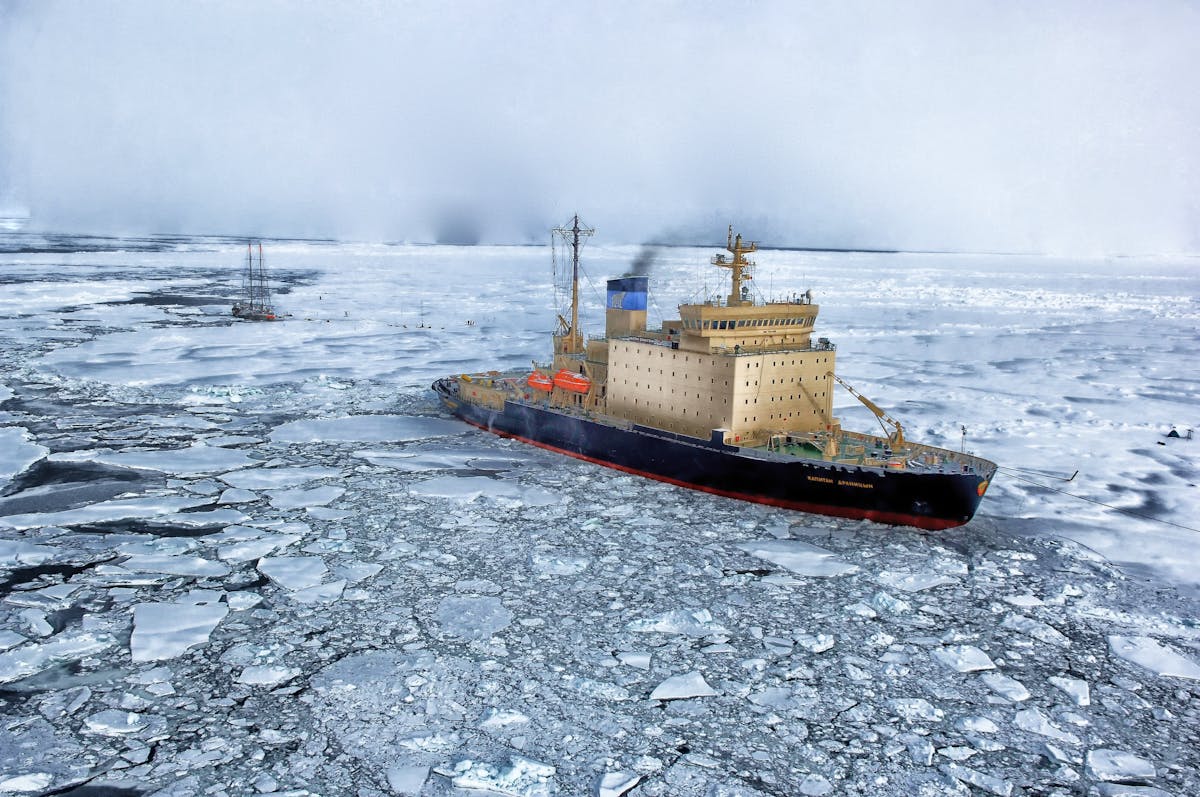
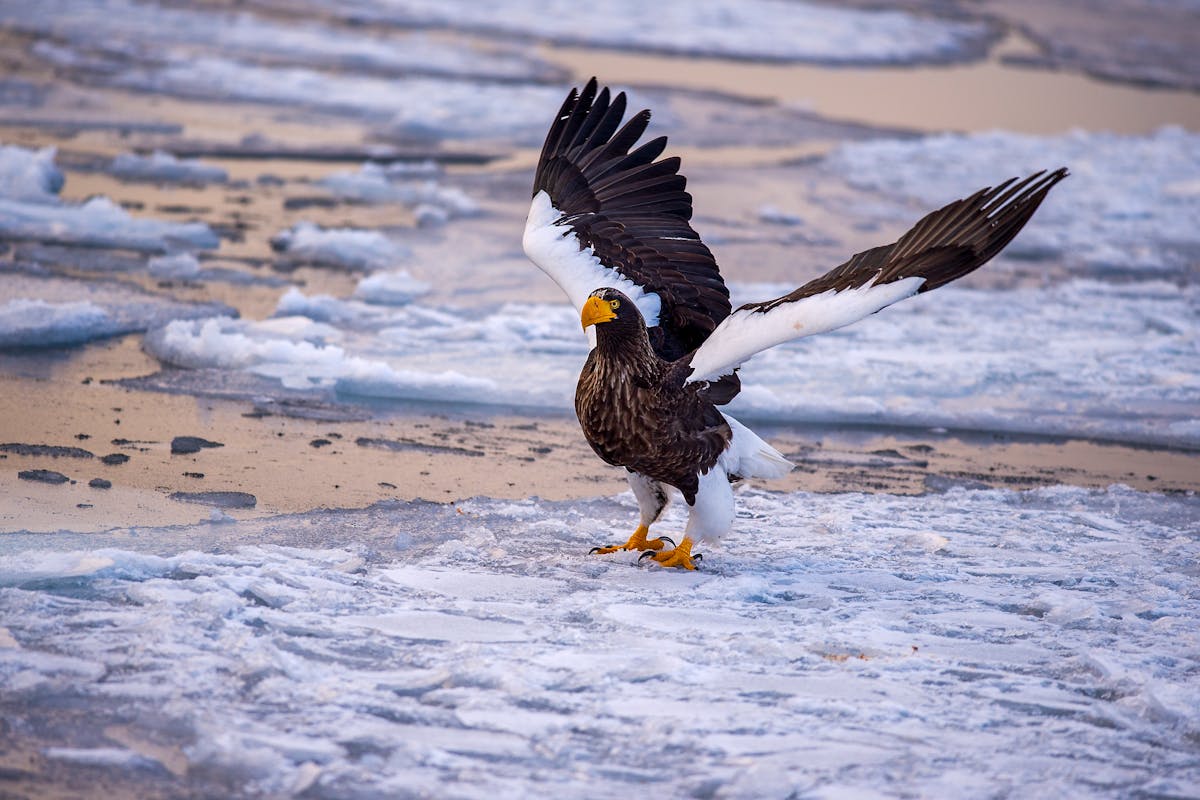
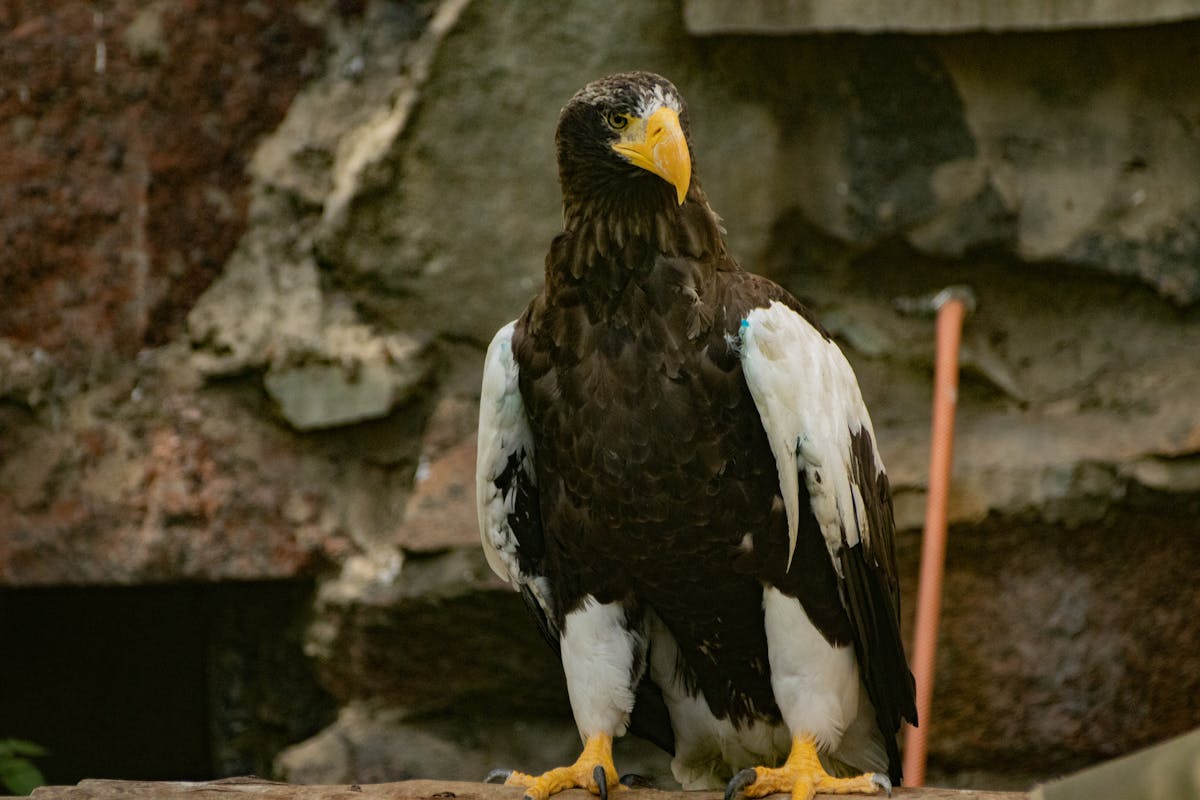
The first time I saw drift ice off Hokkaido’s eastern coast, it didn’t look real. From the deck of the Aurora icebreaker, the Sea of Okhotsk stretched out white in every direction, broken only by the dark lines where the ship had just carved through. A Steller’s sea eagle sat on a chunk of ice about thirty metres away, completely unbothered by a boatload of tourists pointing cameras at it.
That’s drift ice season in Hokkaido — one of the most surreal winter experiences you can have in Japan, and one that most visitors never hear about.
What Drift Ice Actually Is (and Where It Comes From)
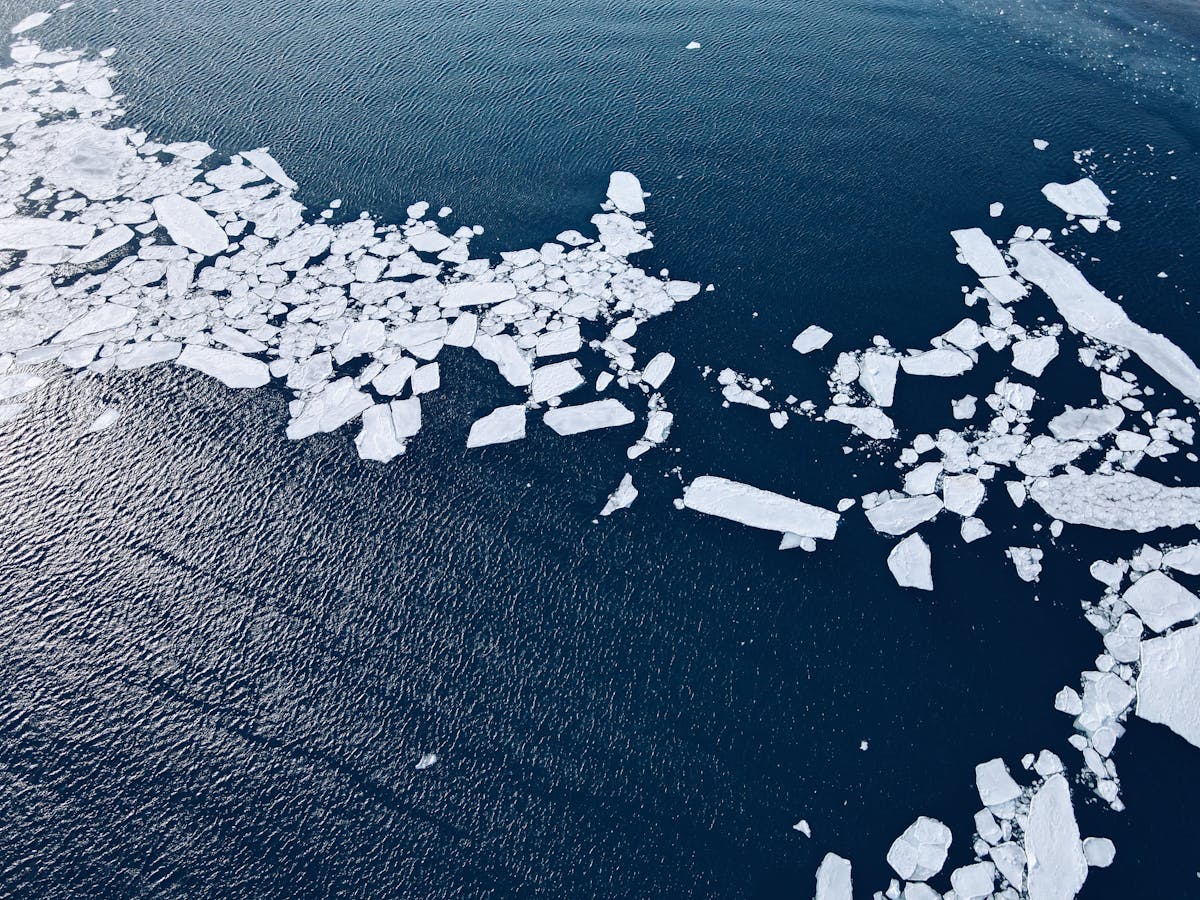
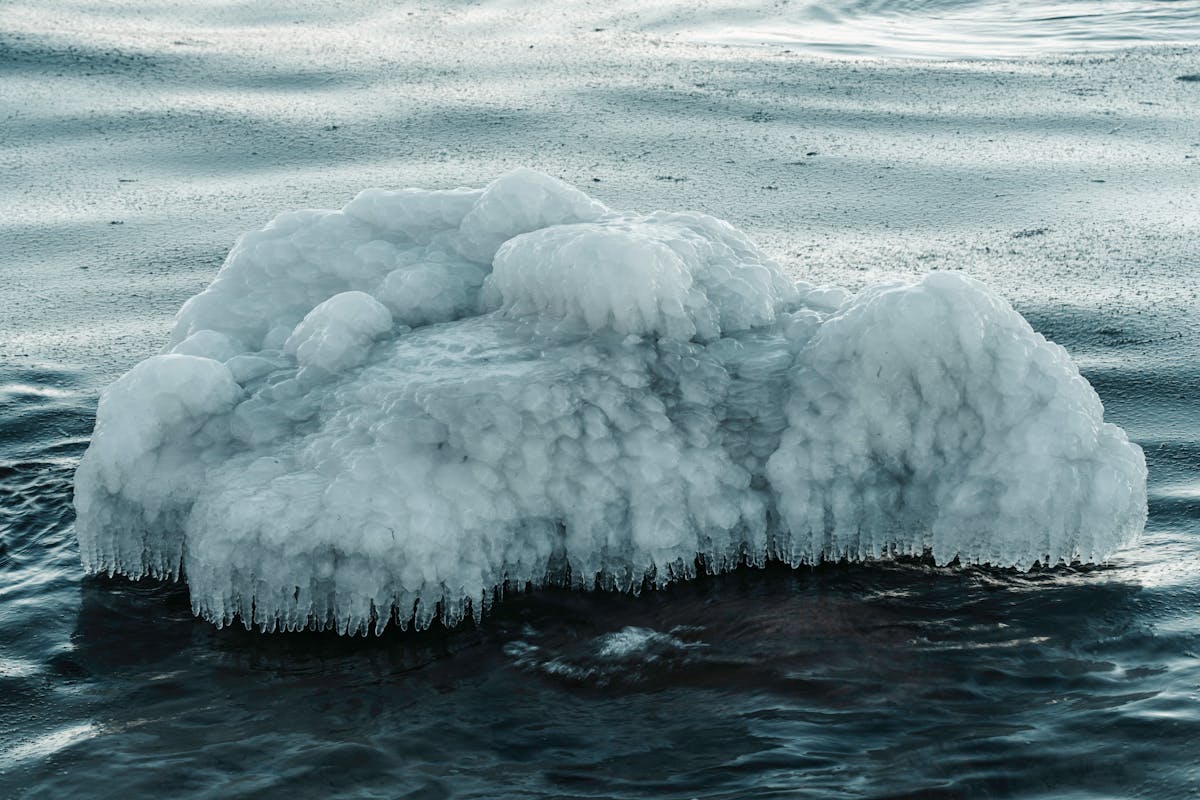
Drift ice — called ryuhyo in Japanese — isn’t frozen seawater. It starts as freshwater, up on Russia’s Amur River, which forms the border between China and Russia. The Amur is the world’s tenth longest river, and when winter hits, the surface freezes. As temperatures keep dropping, Siberian winds push that frozen water southward through the Sea of Okhotsk.
Over about 1,000 kilometres, the ice drifts south and eventually hits Hokkaido’s eastern coastline. The shores around Abashiri, Monbetsu, and the Shiretoko Peninsula mark the southernmost point in the Northern Hemisphere where the ocean freezes like this.
Formal observation of drift ice arrival in Japan started back in 1892, when local weather offices in Abashiri began tracking when the ice showed up each year to warn ships. By the 1950s, Japan’s Coast Guard was running patrols across the Okhotsk Sea, and in 1957 they added aerial surveys. The Ice Information Center was established in 1970 to monitor it all properly.
The ice brings with it a load of plankton from the nutrient-rich Amur River waters, which kicks off an entire food chain. That plankton feeds everything from clione (sea angels — tiny, eerie, beautiful creatures) to the fish that attract Steller’s sea eagles. So the ice isn’t just a spectacle — it’s an entire ecosystem drifting into town.
When to Go
Drift ice typically arrives along Hokkaido’s coast from late January into early February. Peak season runs from mid-February to early March. The Aurora icebreaker season operates from roughly January 20 to March 31, though early January sailings are often more of a scenic cruise than an ice-breaking experience because the floes haven’t fully arrived yet.
Here’s the thing nobody tells you upfront: ice isn’t guaranteed. Wind and current conditions shift it around constantly. You might arrive and find the harbour completely packed with ice — so much that the boats can’t even leave the dock. Or you might arrive and the ice is ten kilometres offshore, out of reach. I’ve talked to people who went in peak February and saw nothing but open water. That’s just how it works.
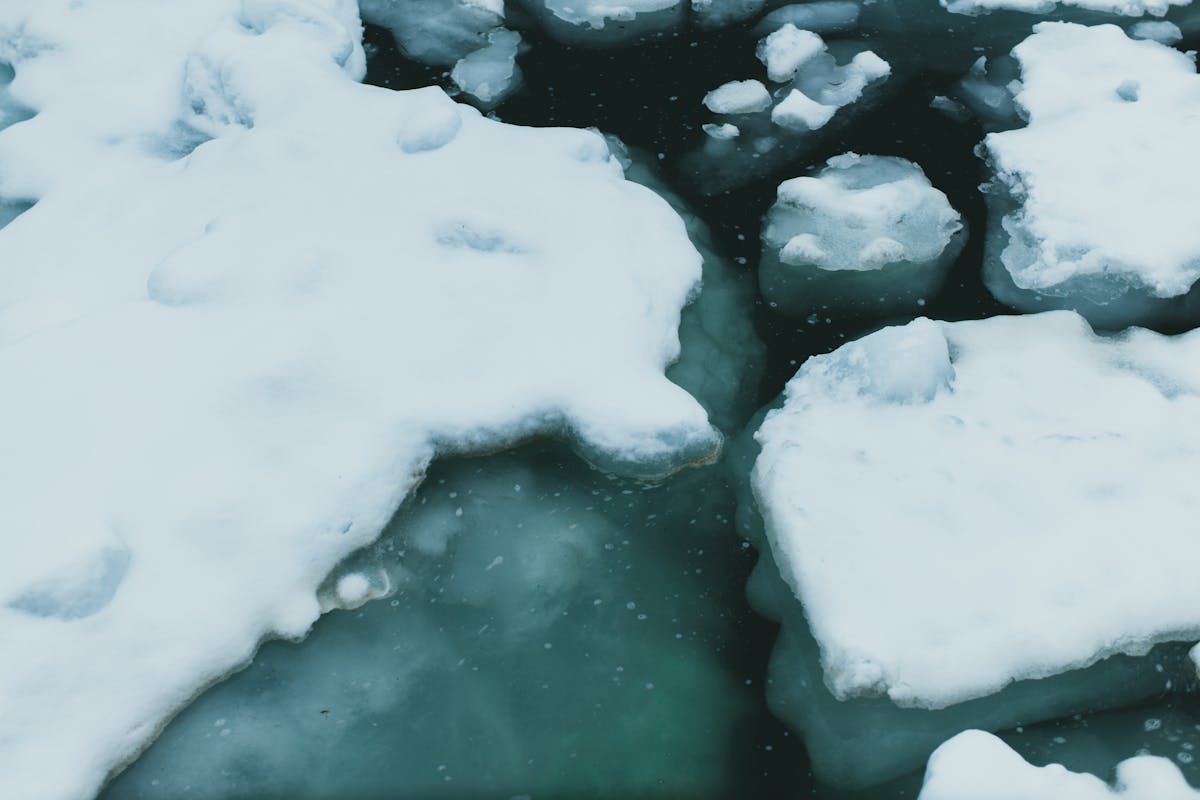
If the ice isn’t there for your icebreaker cruise, the Aurora still sails — they’ll take you on a scenic cruise out to Cape Notoro instead. You still get on the water, you just don’t get the dramatic ice-crunching. So it’s worth going regardless, but manage your expectations. For the best odds, aim for the second and third weeks of February.
And a word on climate: the drift ice has been arriving later and thinner in recent years. Some locals worry it won’t come at all within a few decades. If this is on your list, don’t put it off indefinitely. Check the best time to visit Hokkaido for more on seasonal planning.
The Aurora Icebreaker Cruise from Abashiri
This is the main event for most visitors. The Aurora is a purpose-built sightseeing icebreaker that departs from the Ryuhyo-Kaido Abashiri roadside station (basically a terminal with parking, coin lockers, and a gift shop). There are actually two ships: the larger Aurora and the smaller Aurora III.
The cruise takes about one hour. The ship rides up onto the ice and uses its own weight to crack through — you can feel it in the deck plates under your feet, this deep grinding vibration as the bow rises and drops. It’s loud. Chunks of ice tumble along the side of the hull, and if you’re on the open deck (which you should be, despite the cold), you can look straight down at the ice fracturing.
Aurora Icebreaker — Quick Facts
- Season: Approximately January 20 to March 31 (2 to 6 sailings per day depending on date)
- Duration: About 60 minutes
- Cost: ¥5,000 for adults, ¥2,500 for children
- Boarding: Roadside Station Ryuhyo-Kaido Abashiri, 4-5-1 Minami 3 Johigashi, Abashiri
- Booking: Online reservations fill up fast — book on the official Aurora website well in advance
- Walk-ins: The ship holds 450 people, so walk-ins sometimes work, but it’s risky for a trip this remote
- Arrive: At least 20 minutes before departure
The ship has heated cabins on three levels, but honestly the best spot is up on the open deck. Yes, it’s freezing. But that’s where you feel the ice breaking and get the wide-angle photos. The top deck gives you the best views of the ice field stretching to the horizon.
Keep your eyes open for wildlife. Steller’s sea eagles regularly sit on the ice floes, and you might spot seals too. The eagles are enormous — if you’ve never seen one in person, the size of that yellow beak alone is startling. Check out the Hokkaido wildlife guide for more on where to find them.
One tip from travellers who’ve done it: the online reservation slots fill up fast and the website may say “fully booked,” but the 450-person capacity means walk-in seats are sometimes available. Still, Abashiri is a long way to go for a gamble. Book ahead if you can, and if the website is sold out, try Klook as they sometimes have allocated seats.
Garinko II from Monbetsu
Abashiri gets most of the attention, but Monbetsu (about 100 kilometres further up the coast) has its own icebreaker: the Garinko II. It’s a different ship with a different mechanism — instead of riding up on the ice and crushing it with weight, the Garinko uses large Archimedean screw drills at the bow to chew through the ice.
The Garinko is a smaller, more intimate experience. Fewer tourists, shorter lines, and Monbetsu itself is a quieter town. The downside is that Monbetsu is even harder to reach than Abashiri — there’s no train, so you’re looking at a bus or rental car.
If you’re choosing between the two: the Aurora is the classic, well-oiled tourist experience with better transport access. The Garinko is for people who want something a bit rougher around the edges. Both break ice. Both are worth it. If you’re planning a broader eastern Hokkaido road trip, you could realistically hit both on different days.
Drift Ice Walking Tours
This is the one that really gets your heart going. Instead of watching the ice from a ship, you put on a drysuit and walk directly onto the drift ice. And yes, you can fall through — that’s what the drysuit is for.
Drift ice walking tours operate primarily from Utoro, on the Shiretoko Peninsula side. Companies like Shinra and LANTOKO run guided walks where you suit up in full drysuits, strap on ice cleats, and walk out onto the floes. Guides test the ice ahead of you, and the groups are kept small. Tours run about 90 minutes and cost around ¥6,000.
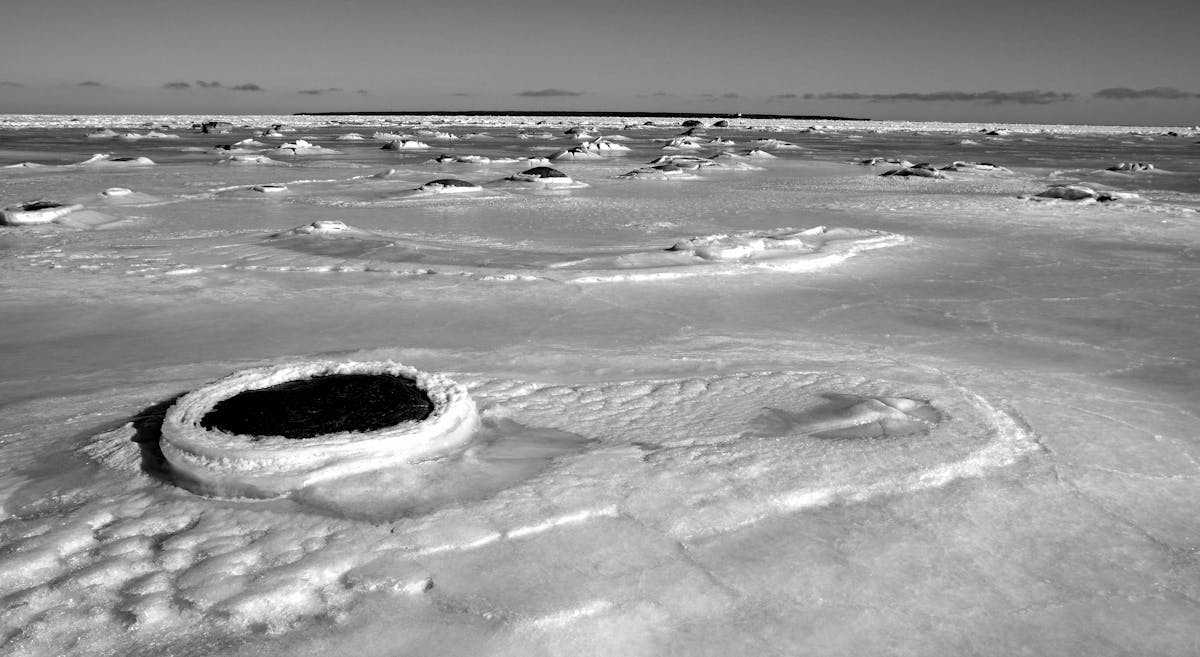
The experience is hard to describe. You’re standing on ice that’s floating on the ocean. It shifts under your feet. Sometimes a gap opens up and you can see dark water underneath. If you’re lucky (or unlucky, depending on how you feel about cold water), you’ll get to dip into the sea between the ice — the drysuit keeps you afloat and dry, but the shock of being in the Sea of Okhotsk in February is… memorable.
One travel writer who did the walk from Utoro described the bus ride there as almost as good as the activity — following the Shiretoko National Highway north with drift ice visible as far as the eye can see on one side and snow-capped mountains on the other. The Shiretoko Peninsula is worth the trip on its own, and drift ice walking is the best reason to visit in winter.
A practical note: tours get cancelled when ice conditions are poor. The ice needs to be close to shore and thick enough to support people. Again, February is your best bet. Book in advance through the tour companies directly, or look for packages on Viator that combine transport from Sapporo.
The Okhotsk Sea Ice Museum
Sitting on Mount Tento in Abashiri, the Okhotsk Ryuhyo Museum is worth a stop even if you’re not a museum person. The main draw is the -15°C cold room where you can touch actual drift ice and watch the famous wet-towel-freeze demonstration (swing a wet towel in the air and it goes stiff in about ten seconds). They also have tanks with clione — those translucent, wing-flapping sea angels that drift in with the ice.
The observatory terrace upstairs gives you a 360-degree panorama over the Sea of Okhotsk and the Shiretoko mountain range. On a clear day, it’s a genuinely impressive view. Hours are 9:00-16:30 in winter (May to October it’s open until 18:00), and it’s open year-round.
Pair this with the Abashiri Prison Museum on the same mountain. It’s an open-air complex of original Meiji-era buildings — including a remarkable radial cell block — that tells the story of how prisoners built the roads that opened up Hokkaido’s interior. Eight buildings are designated Important Cultural Properties. Adults ¥1,500, open 9:00-17:00 (last entry 16:00). It sounds grim, but it’s actually fascinating and well done. You can learn more about the area in the Abashiri travel guide.
What to Wear
Eastern Hokkaido in February is brutally cold. Temperatures regularly hit -10°C to -15°C, and on the open water with wind chill, it feels much worse. This isn’t Sapporo-level cold — this is a different league.
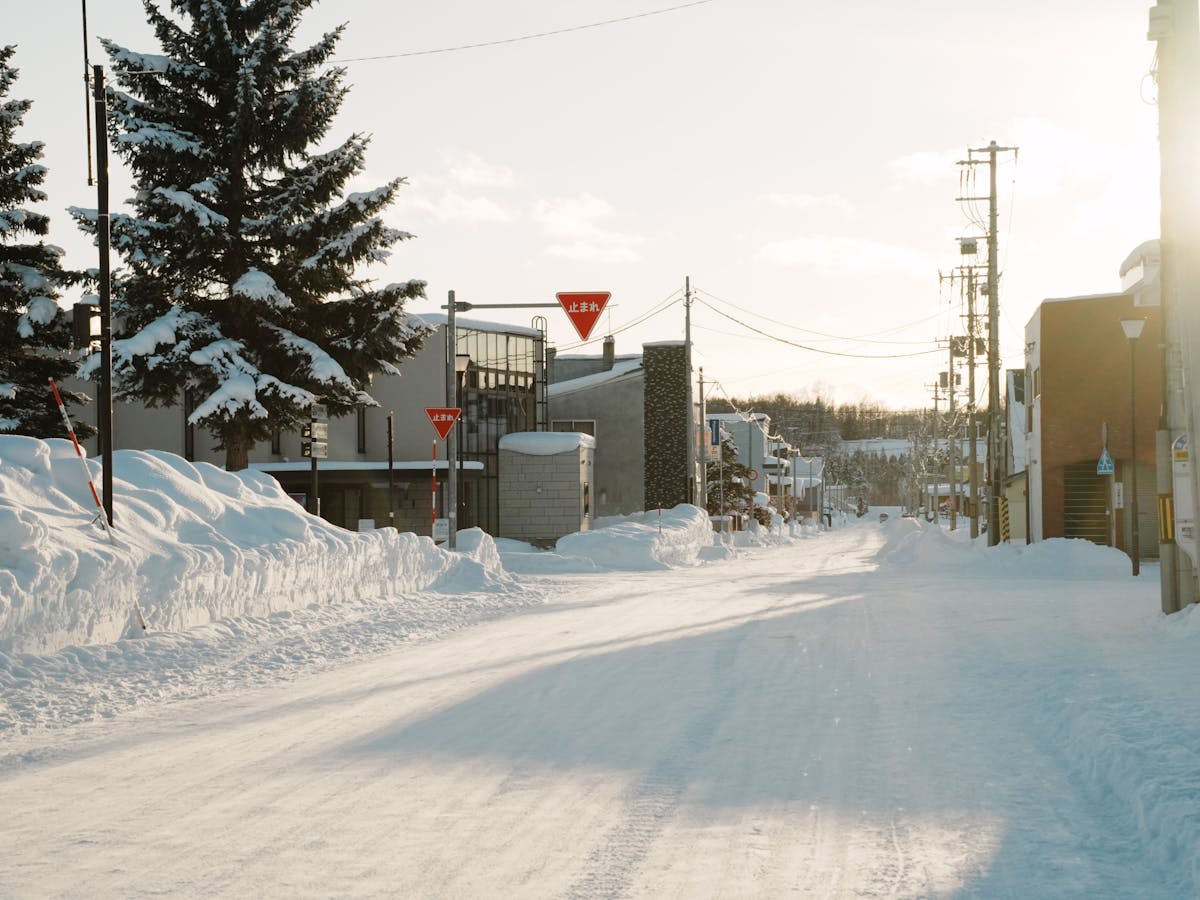
For the icebreaker cruise, layer up. Thermal base layer, fleece or down mid-layer, windproof outer shell. Bring a warm hat that covers your ears, proper winter gloves (not fashion gloves), and a neck gaiter or scarf. Your face will be the part that suffers most on the deck. Hand warmers in your pockets help a lot.
For drift ice walking, the tour companies provide drysuits that go over your regular clothes. But you’ll still want warm layers underneath. Bring waterproof boots or the companies will provide them.
If you’re visiting Hokkaido from elsewhere in Japan, check the winter in Hokkaido guide for a full packing list. Don’t underestimate eastern Hokkaido in winter. I’ve seen tourists show up in sneakers and a light jacket. They lasted about four minutes on the Aurora’s deck.
What Else to Do in the Area
You’ve come all the way to eastern Hokkaido, so don’t just do the ice and leave. Here’s what’s nearby:
Abashiri Prison Museum — Already mentioned, but worth emphasizing. Plan 1.5 to 2 hours. The life-size figures in the cells are weirdly compelling, and the history of how convict labour built Hokkaido’s road network is something most visitors know nothing about.
Shiretoko Peninsula — A UNESCO World Heritage Site and one of the wildest places in Japan. In winter, the drift ice is the draw, but the scenery alone is reason enough. The Kamuiwakka hot waterfall is closed in winter, but the Shiretoko Five Lakes have a winter walking trail (guided only, reservations required). See the Shiretoko guide for the full picture.
Lake Shikotsu Ice Festival — Not in eastern Hokkaido (it’s near Chitose, south of Sapporo), but if you’re building a winter Hokkaido itinerary, this festival runs late January through mid-February. Massive ice sculptures lit up at night. It’s on the way if you’re flying into New Chitose Airport.
JR Ryuhyo Monogatari train — A seasonal sightseeing train that runs along the coast between Abashiri and Shiretoko-Shari from late January to early March. You watch the drift ice from the train window while sipping hot drinks. It’s not as dramatic as the icebreaker, but it’s a lovely, low-effort way to see the ice if mobility is a concern. The Hokkaido rail pass covers it.
For broader trip planning, the things to do in Hokkaido guide covers activities across the whole island, and the photography spots guide has tips for getting the best shots of ice and wildlife.
Getting to Abashiri in Winter
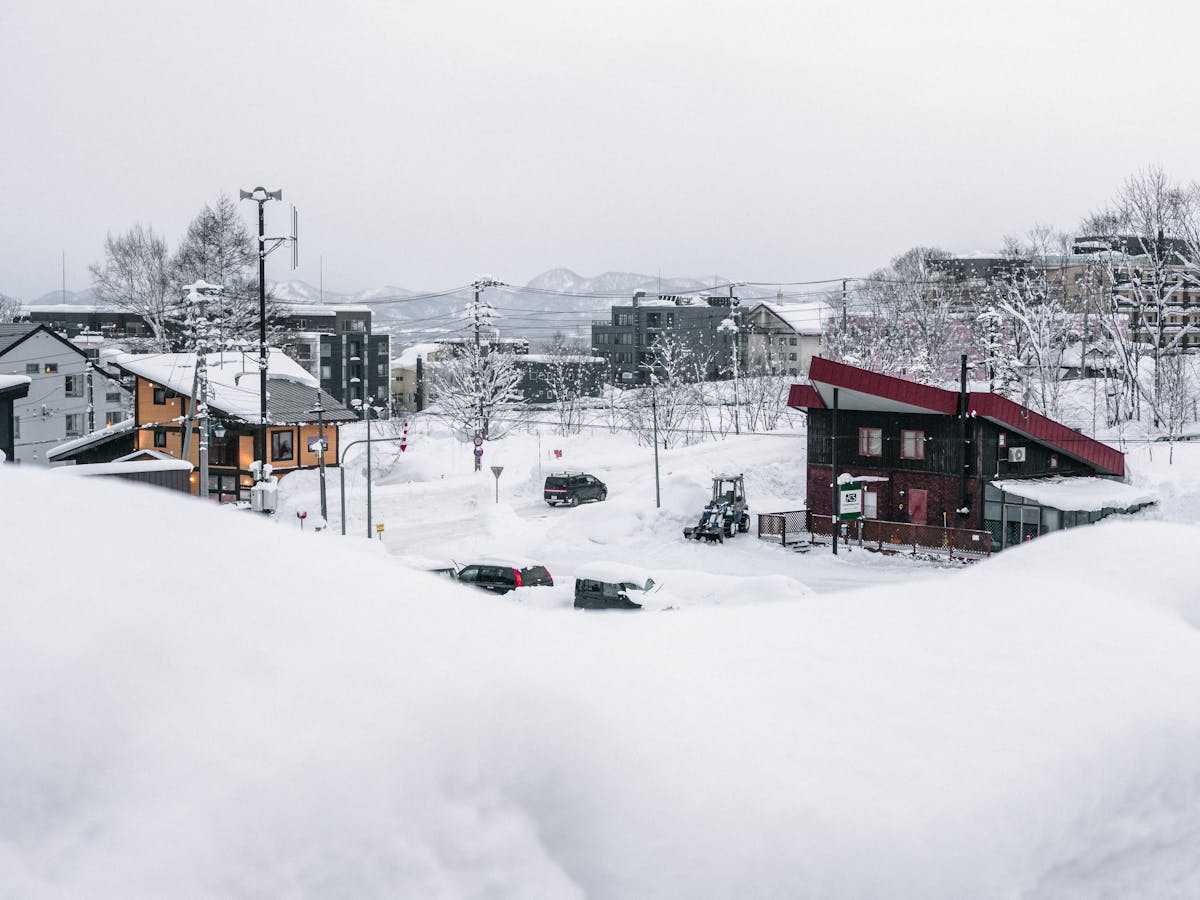
This is the part that stops a lot of people. Abashiri is remote. It’s on the northeastern coast of Hokkaido, about 350 kilometres from Sapporo. In winter, that distance feels even longer.
By train: JR Hokkaido runs the Okhotsk limited express from Sapporo to Abashiri. It takes about 5.5 hours and runs through some spectacular winter scenery. The Hokkaido rail pass covers this route and is well worth it if you’re doing multiple legs.
By car: Driving from Sapporo takes 4 to 5 hours on expressways and national routes, but winter driving in Hokkaido is not for the faint-hearted. Snow, ice, low visibility, and roads that close during storms. If you’re going to drive, rent a car with studded tyres (all winter rentals in Hokkaido come with them) and check road conditions before you leave. The car rental guide has specifics.
By air: Memanbetsu Airport is the closest airport to Abashiri, about 42 minutes by bus. There are direct flights from Tokyo (Haneda) and seasonal flights from other domestic airports. This is actually the fastest option from the main island — you can be in Abashiri the same day you leave Tokyo.
Tour buses: The East Hokkaido Express Bus network connects major winter tourism spots including Abashiri, Utoro, Akan, and Kushiro. These are seasonal buses specifically for tourists and they’re a solid option if you don’t want to drive or deal with trains. Check routes ahead of time as they change each season.
Is It Worth the Trip?
Honestly? Yes, but with caveats. If you only have a few days in Hokkaido and want guaranteed snow fun, Niseko or Sapporo are safer bets. The drift ice experience depends heavily on timing and weather. You could make the 5.5-hour train journey to Abashiri and find the ice has blown offshore.
But if you have a week in Hokkaido and want something genuinely different — something most foreign tourists never experience — this is it. The combination of the icebreaker cruise, ice walking, Steller’s sea eagles, and the raw emptiness of eastern Hokkaido in winter adds up to something you won’t find anywhere else in Japan. Or, really, anywhere else that’s this accessible. You’re not chartering a boat to the Arctic — you’re catching a train from Sapporo.
Build it into a longer eastern Hokkaido itinerary with Shiretoko, Akan, and Kushiro, and the trip justifies itself regardless of ice conditions. There’s enough to see and do in the region that drift ice becomes the highlight rather than the only reason you came.