This article contains affiliate links. If you book through them, I earn a small commission at no extra cost to you.
In This Article
I’ll be straight with you: I went to Hoshino Resorts Tomamu expecting a polished resort experience, and that’s exactly what I got. But whether that’s a good thing depends entirely on what you’re after. Tomamu is a massive, self-contained resort complex deep in central Hokkaido, about 90 minutes south of Sapporo by train. It’s got skiing, an indoor beach, a famous cloud-viewing terrace, and a winter ice village. It’s also got resort prices, a two-night minimum stay, and the kind of controlled atmosphere that can feel either impressive or slightly sterile, depending on your tolerance for that sort of thing.
Here’s what I think you actually need to know before booking.
Where Tomamu Is (and Why That Matters)
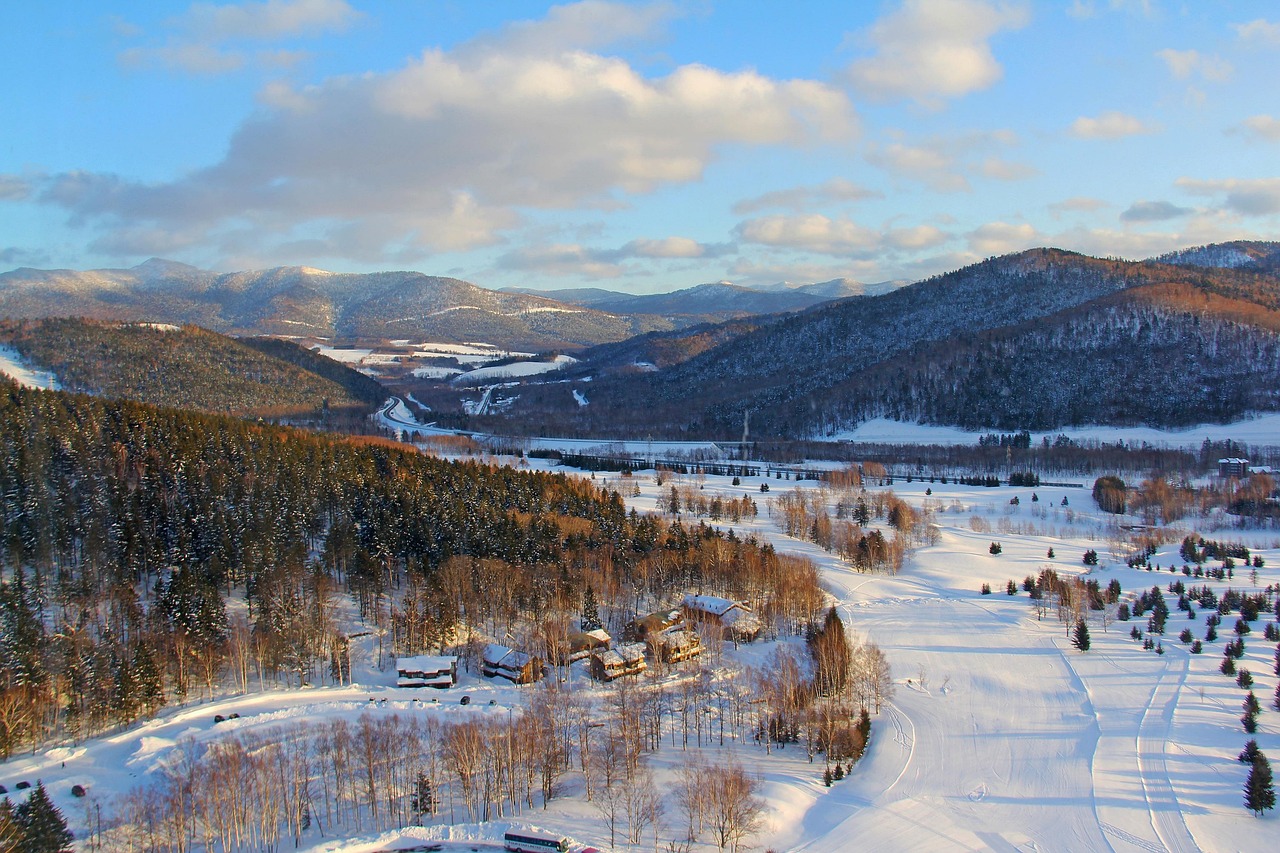
Tomamu sits in the Shimukappu area of central Hokkaido, roughly two hours from Sapporo and about an hour from the touristy part of Furano. If your plan involves lavender fields and melon farms, this isn’t a convenient base. It’s genuinely remote, surrounded by mountains and not much else. There’s no town nearby. No convenience stores outside the resort (though they have their own, and yes, it’s overpriced). No bars. No nightlife whatsoever.
That isolation is either the whole appeal or a dealbreaker. If you want a contained resort where everything’s handled for you, Tomamu does that extremely well. If you’d rather explore Hokkaido’s towns, eat at local ramen shops, and wander around freely, you’ll feel trapped here pretty fast.
The Unkai Terrace and the Sea of Clouds
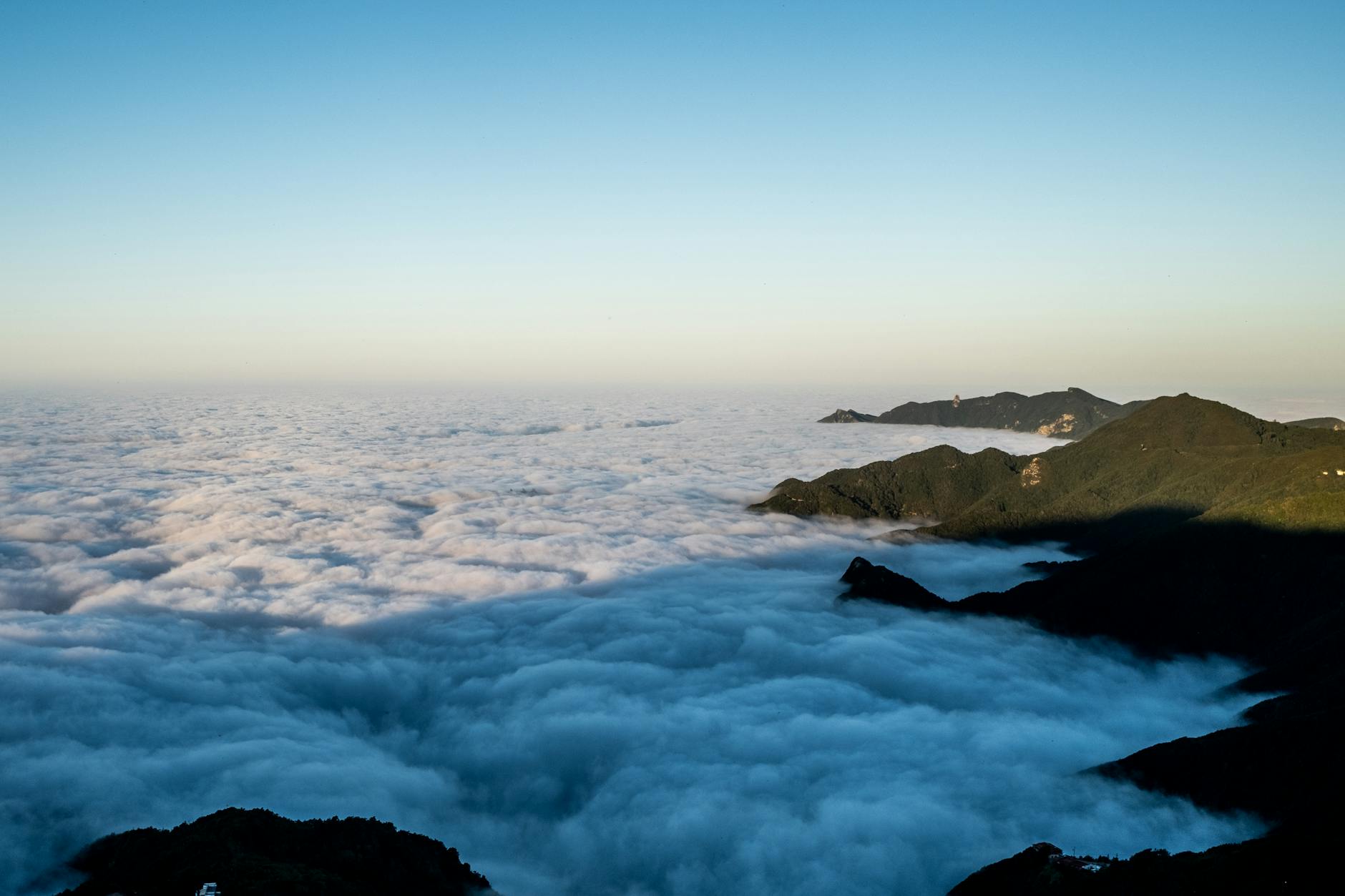
This is the thing most people come for, and I need to set expectations right away. The Unkai Terrace operates from mid-May through October. You ride a gondola up to a viewing platform at around 1,088 meters, where on the right morning, a thick blanket of clouds fills the valley below and the mountain peaks stick out like islands. Photos of it are spectacular.
The catch: it happens maybe 30-40% of mornings during peak season (roughly June through September). The gondola starts running at around 5:00 AM, and you need to be up and out the door before that to get a good spot. Some mornings you ride up and see nothing but grey fog. Other mornings the clouds burn off before you reach the top. It’s genuinely unpredictable.
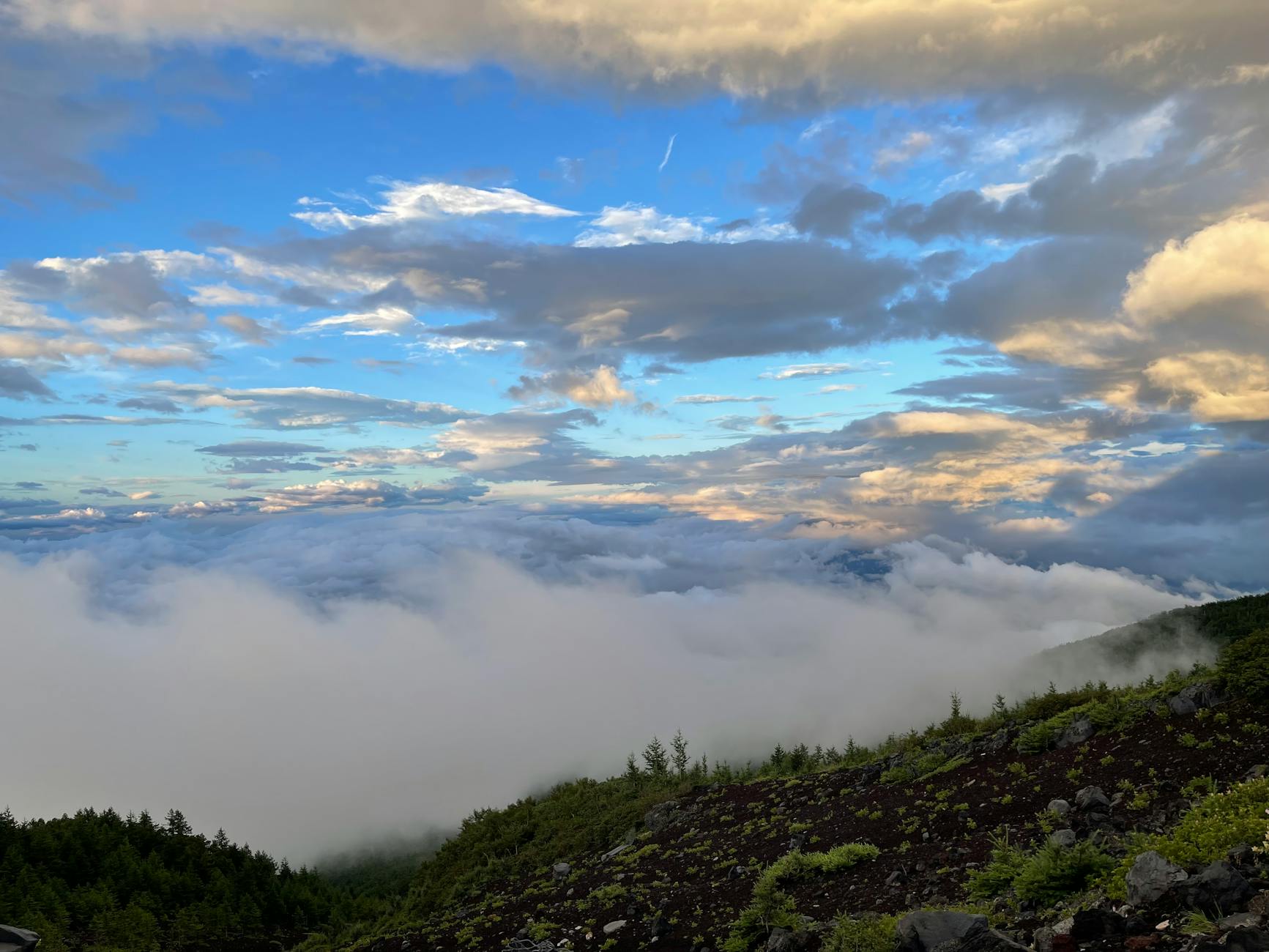
One family I read about stayed two nights and caught it once. Another couple stayed three nights and never saw it at all. The resort posts daily cloud forecasts, but they’re more like educated guesses than guarantees. If you’re coming specifically for this, plan at least two mornings of attempts and accept that you might not get lucky.
When it does appear though, it’s genuinely striking. About fifty people, all dead silent, watching the clouds roll through the valley at sunrise. No regrets about the early alarm that day. The terrace also has a series of observation decks and a “cloud walk” platform that extends over the edge, if you’re into that sort of thing. There’s a cafe up there too, so you can grab coffee while you wait. On mornings when the clouds don’t cooperate, at least you’ve got a nice mountain view and an overpriced latte.
Skiing at Tomamu
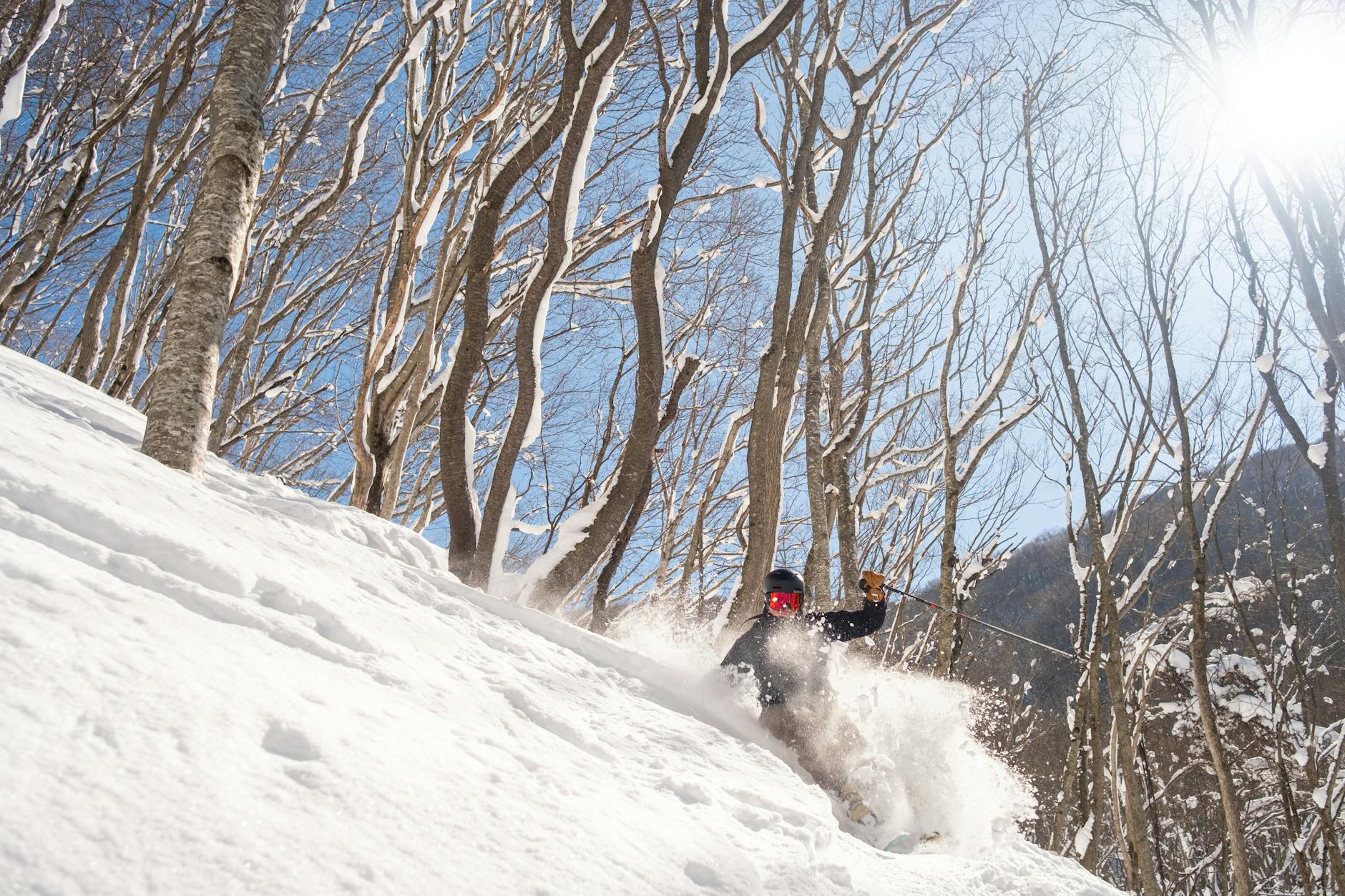
Tomamu covers two mountains and has a decent spread of terrain. The runs lean beginner-to-intermediate, making it one of the more family-friendly ski resorts in Hokkaido. There’s a well-maintained terrain park and sanctioned tree skiing within the resort boundaries, which is where more advanced riders spend most of their time.
The powder can be excellent, especially in January and February. Central Hokkaido gets serious snowfall, and Tomamu benefits from that. But here’s the thing: the resort faces south. On days without fresh snow, the existing coverage degrades faster than at north-facing resorts. Two or three days after the last dump, conditions get crusty. That south-facing aspect isn’t great for snow preservation, though the cold temperatures do help somewhat.
The lifts and gondola are old. They work but they’re slow, and they’ve got a very low threshold for going on wind hold. I’ve seen reports of the gondola shutting down mid-morning on days that didn’t seem particularly windy. If you’re a serious skier who wants consistent conditions and efficient lift systems, Niseko or Furano will serve you better. But if you’re traveling with kids or mixed-ability groups, Tomamu’s combination of gentle slopes, lessons in English, and off-mountain activities makes it hard to beat.
Night skiing’s available too. There’s a kids’ snow park with lessons and sledding, plus other snow activities like snowmobiling, snow rafting, snowshoeing, and even curling. The resort’s also close enough to other central Hokkaido ski areas that you could do a multi-resort trip if you’ve got a rental car.
Mina Mina Beach (The Indoor Wave Pool)
This is a full-sized indoor wave pool, heated to 30 degrees Celsius, open year-round. In winter, there’s something genuinely surreal about swimming in warm water while watching snow pile up against the glass walls. It’s huge, the waves are decent, and it’s free for resort guests. The pool area is designed to look like a tropical beach, which feels absurd when you walked through a snowstorm to get there. But absurd in a fun way.
For families with young kids, this alone could justify the stay. Parents seem to park themselves here for hours while kids go back and forth between the pool and the connected play areas. It’s not a luxury spa experience, but as a resort amenity it’s pretty impressive. The pool also stays open fairly late, so it works as an after-skiing wind-down. There are also hot spring baths (Kirin no Yu) and spa facilities if you want something more relaxing. The onsen has both indoor and outdoor baths, and the outdoor section during snowfall is one of those classic Hokkaido onsen moments.
The Ice Village
Open roughly December through mid-March, the Ice Village is a collection of domes built entirely from snow and ice. Inside you’ll find an ice bar, an ice chapel (yes, people actually get married in it), a ramen spot that serves bowls in ice dishes, an ice slide, and a skating rink. It’s free for resort guests and costs 600 yen for outside visitors.
Is it cheesy? A little bit. Is it also genuinely cool to walk through ice corridors and drink something out of an ice glass while it’s minus fifteen outside? Yes. The kids going down the ice slide looked like they were having the time of their lives. If you’re visiting Tomamu in winter, it’s worth an evening stroll through. Don’t skip the ice rink either, even if you’re terrible at skating. Something about skating surrounded by ice domes at night just works.
Summer at Tomamu
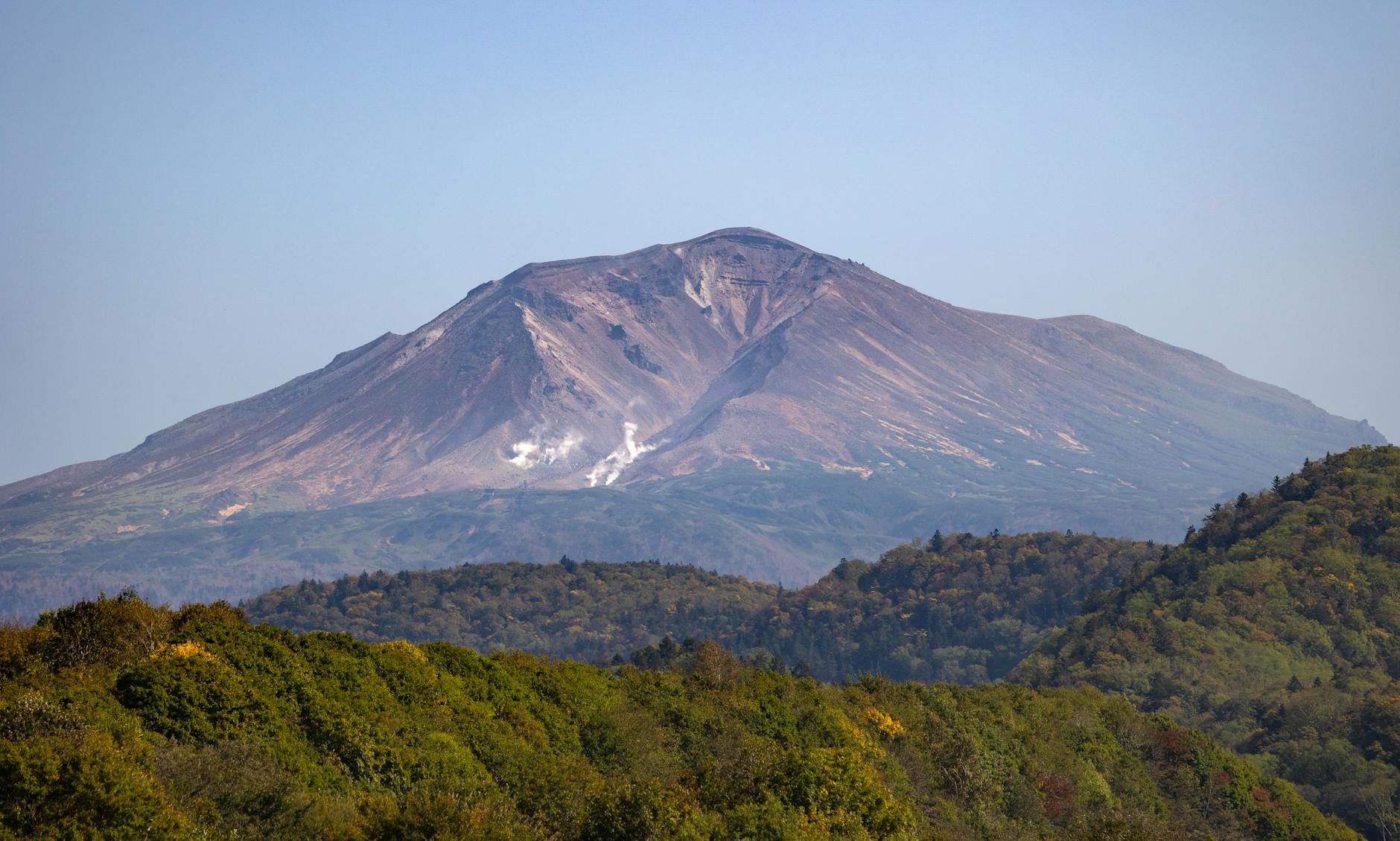
Tomamu in summer is a completely different animal. The ski slopes become hiking trails, and the resort shifts to outdoor activities: rafting, horseback riding, hot air balloon rides, fishing, cart and buggy courses, a farm with animals, and tennis courts. The Unkai Terrace is the headline attraction during summer months.
Summer’s also when the resort feels most alive. The green is intense after months of white, and the temperature is noticeably cooler than Tokyo or Osaka. If you’re looking for things to do in Hokkaido during summer that aren’t in a city, Tomamu packs a lot into one location. Free popsicles in the lobby during summer are a nice touch, especially if you’ve got kids who need bribing after a long check-in line.
That said, it’s still a resort. Everything’s organized, everything has a time slot, and the whole experience is more structured than going out on your own to explore. If that bothers you, rent a car and explore the countryside instead.
The Tower vs RISONARE: Which One to Book
Tomamu has two accommodation towers, and they’re quite different.
Tomamu The Tower is the more affordable option. Rooms are standard hotel size, clean but a little worn in places. It’s closer to the outdoor areas, the courtyard, and the free lounge. One reviewer noted a stain on the wall and found the room somewhat dated but perfectly functional. You’re not here for the room anyway.
RISONARE Tomamu is the premium option. All rooms are over 100 square meters, with jet baths and saunas. It’s more expensive and sits a bit farther from the main activity areas, so you’ll rely more on the shuttle bus (which runs every 15 minutes, thankfully). If budget allows, RISONARE’s the clear upgrade, especially for families who want space to spread out. They’ve also got the children’s amenities that The Tower sometimes lacks, like kids’ toothbrushes in the lobby.
There’s also Club Med Tomamu, a separate all-inclusive option on the same mountain. It comes with meals, ski passes, group lessons, and the kind of everything-handled-for-you setup that works well for families who don’t want to make any decisions. Less Japanese culture, more international resort feel. If you’ve got the budget for it and want zero decision fatigue, it’s an option worth considering.
Booking tip: The resort requires a minimum two-night stay. At first this seems annoying, but there’s genuinely enough to fill two full days. Trying to cram everything into one night would be frustrating.
Eating at Tomamu
Since there’s nothing within walking distance outside the resort, you’re eating at the resort restaurants. There are several options ranging from buffet-style to sit-down Japanese and Western food. The quality’s decent but priced like you’d expect from a captive audience. Budget-conscious travelers should know that meals add up fast here.
The breakfast buffets are popular but crowded. If you’re getting up early for the Unkai Terrace, you’ll want breakfast afterwards, which means hitting the buffet at peak time. Plan around that or you’ll be standing in line when you’d rather be napping. The resort convenience store sells basics but at marked-up prices. If you’re staying in a RISONARE room with a kitchenette, buying supplies in Sapporo before you come isn’t a bad idea. Stock up on snacks and drinks at a konbini near the station and save yourself the resort markup.
For dinner, there are multiple restaurants ranging from yakiniku and buffets to more upscale options. Expect to pay more than you would in Sapporo or Furano for comparable quality. That’s the trade-off for a resort with no competition within walking distance. A couple eating dinner here nightly for two nights will feel it in the wallet. The buffet restaurants handle allergies and dietary restrictions reasonably well by Japanese standards, which matters if you’re traveling with kids who have food sensitivities.
Getting to Tomamu
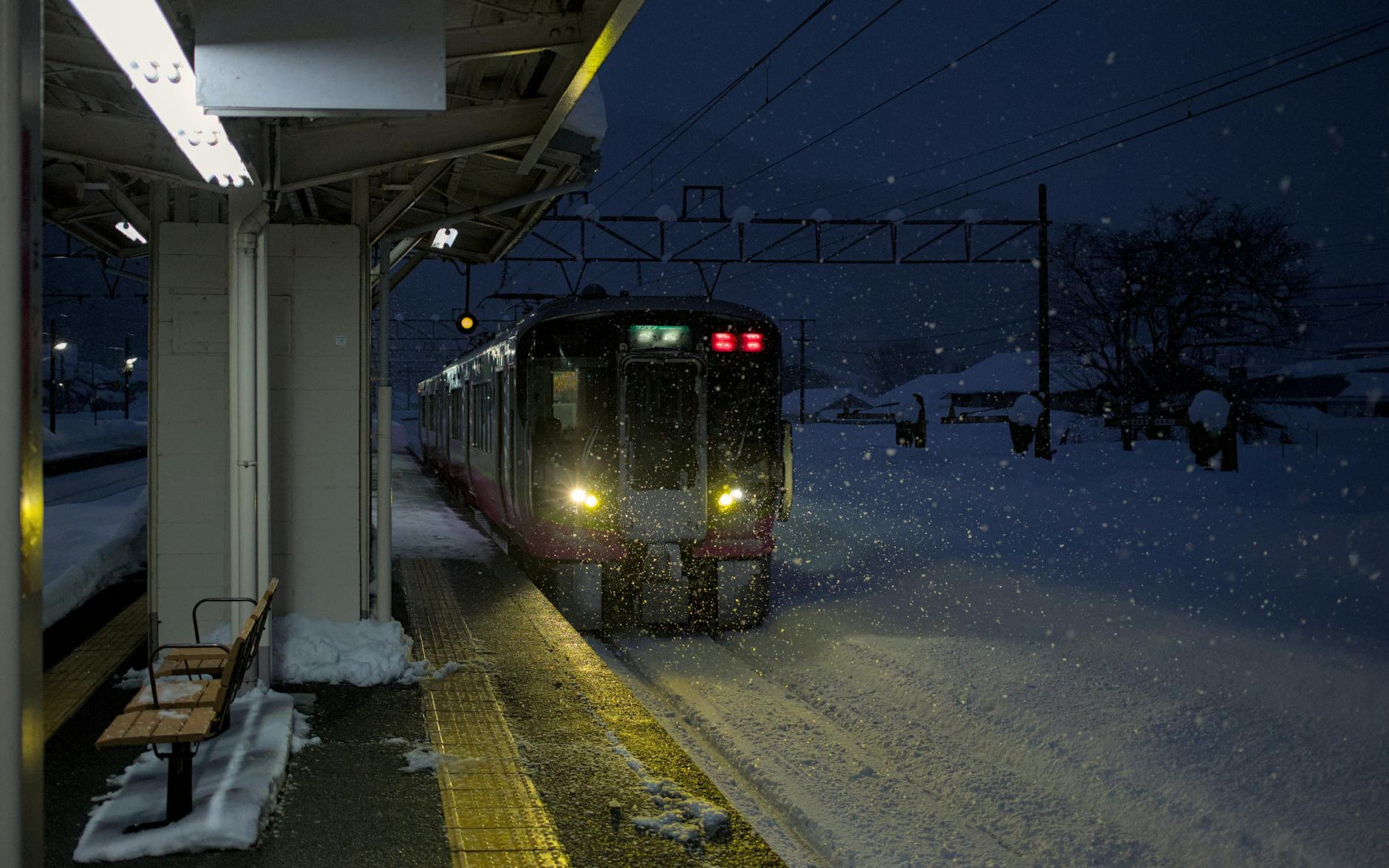
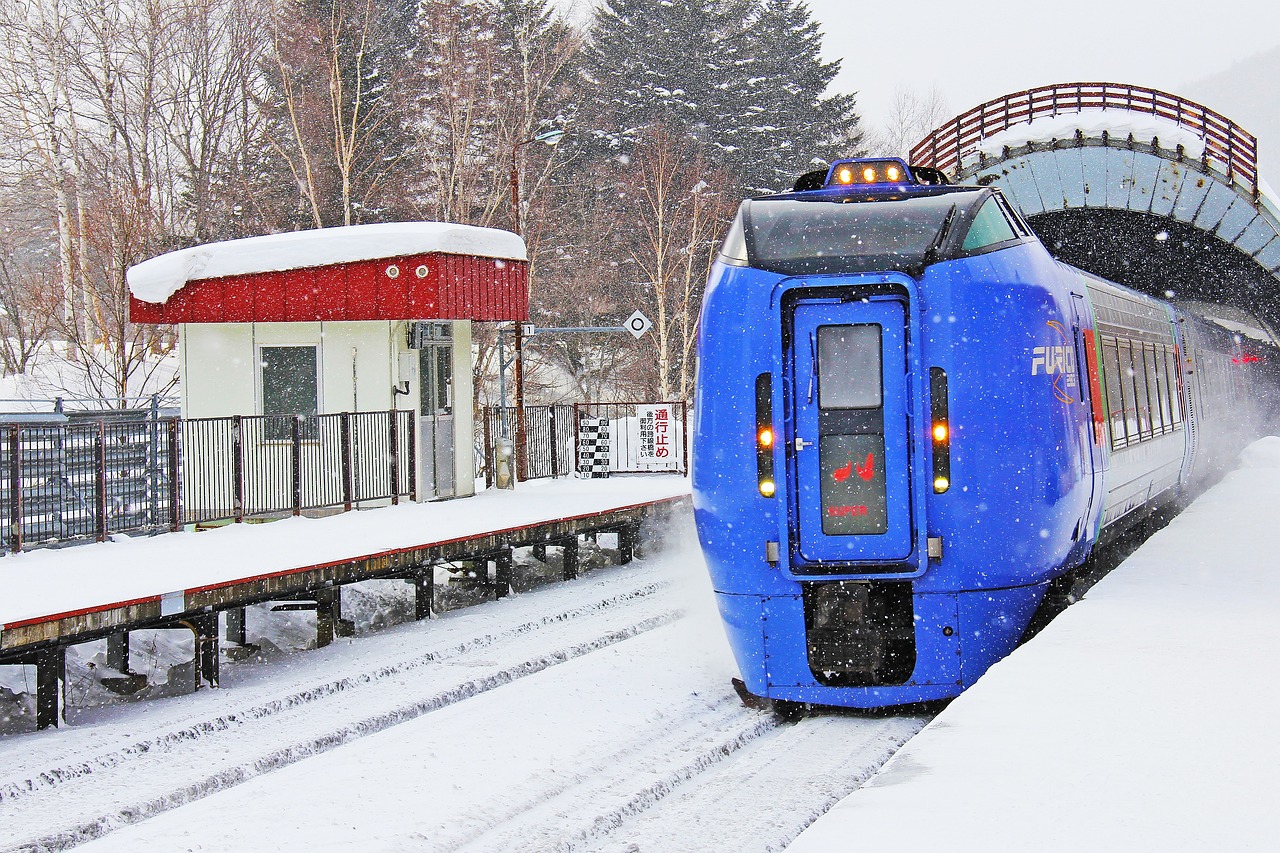
By train: JR limited express trains run from Sapporo to Tomamu Station every 2-3 hours. The ride takes about 100 minutes and costs around 5,880 yen one way. It’s fully covered by the Japan Rail Pass and Hokkaido Rail Pass, though seat reservations are mandatory. From Shin-Chitose Airport, you’ll transfer at Minami-Chitose Station. A free resort shuttle meets trains at Tomamu Station.
By ski bus: During winter, direct ski buses connect Tomamu to Shin-Chitose Airport (about 120 minutes, roughly 6,000 yen one way, reservations required, departures every couple hours). Less frequent buses also run to central Sapporo, Niseko, Rusutsu, Furano, and Asahikawa.
By car: About 2 hours from Sapporo via the Doto Expressway. Parking at the resort is free for guests. Renting a car gives you flexibility to explore Furano and Biei as side trips, which I’d recommend if you’re driving. It also means you can stop at the Sahoro area or check out Shintoku town’s horse ranches on the way. Winter driving in central Hokkaido is no joke though. If you haven’t driven on snow before, take the train and don’t risk it. The roads between Sapporo and Tomamu can be genuinely icy, especially the mountain passes.
So Is Tomamu Worth It?
Here’s my honest take: Tomamu’s expensive, resort-style, and deliberately isolated. If you’re a couple or solo traveler who prefers discovering local spots, eating at family-run restaurants, and wandering without a schedule, skip it. Spend the money in Furano or spread it across several nights in different towns.
But if you’re traveling with kids, or you want a hassle-free winter sports experience, or you’re specifically chasing the sea of clouds, Tomamu does what it does very well. The facilities are genuinely impressive. The ski terrain works for families. And on the morning the clouds actually show up at Unkai Terrace, you won’t care what it cost.
The two-night minimum makes more sense than it seems. Day one: settle in, explore, hit the pool and ice village (or summer activities). Day two: early morning cloud chase, ski or hike, then relax. You’ll use both days. You might even wish for a third. If you’re building a larger Hokkaido itinerary, Tomamu works well as a two-night stop between Sapporo and eastern Hokkaido destinations.
For the best time to visit: winter (December through February) for skiing and the ice village, or early summer (June-July) for the highest chance at the sea of clouds plus green-season activities. Either way, check the weather forecast and pack layers. And set that alarm the night before. Even if the clouds don’t show, watching sunrise from 1,088 meters with a hot coffee is a pretty decent way to start a Hokkaido morning.