
This article contains affiliate links. If you book through these links, I earn a small commission at no extra cost to you.
In This Article
- The Skiing (Because We Have to Talk About It)
- What Happens When the Snow Melts
- Rafting the Shiribetsu River
- Hiking Mt. Yotei and Beyond
- Cycling Through the Countryside
- Golf with a Volcano View
- The Onsen Situation
- Understanding the Village Areas
- The Food Scene
- Getting to Niseko from Sapporo
- Where to Stay (and How to Not Overpay)
- Making the Most of Your Time
- The Honest Cost Breakdown
- When to Visit
- Practical Tips I Wish I Had Known
I first went to Niseko in February, chasing the same thing everyone chases — powder. And sure, the snow was absurd. But what caught me off guard was a conversation at a tiny bar in Hirafu with an Australian guy who had lived there for six years. “You should see this place in August,” he said. “It is a completely different town.” I did not believe him. A ski town in summer? That sounded like visiting a beach resort in winter. But he was right, and coming back in summer changed the way I think about this part of Hokkaido entirely.
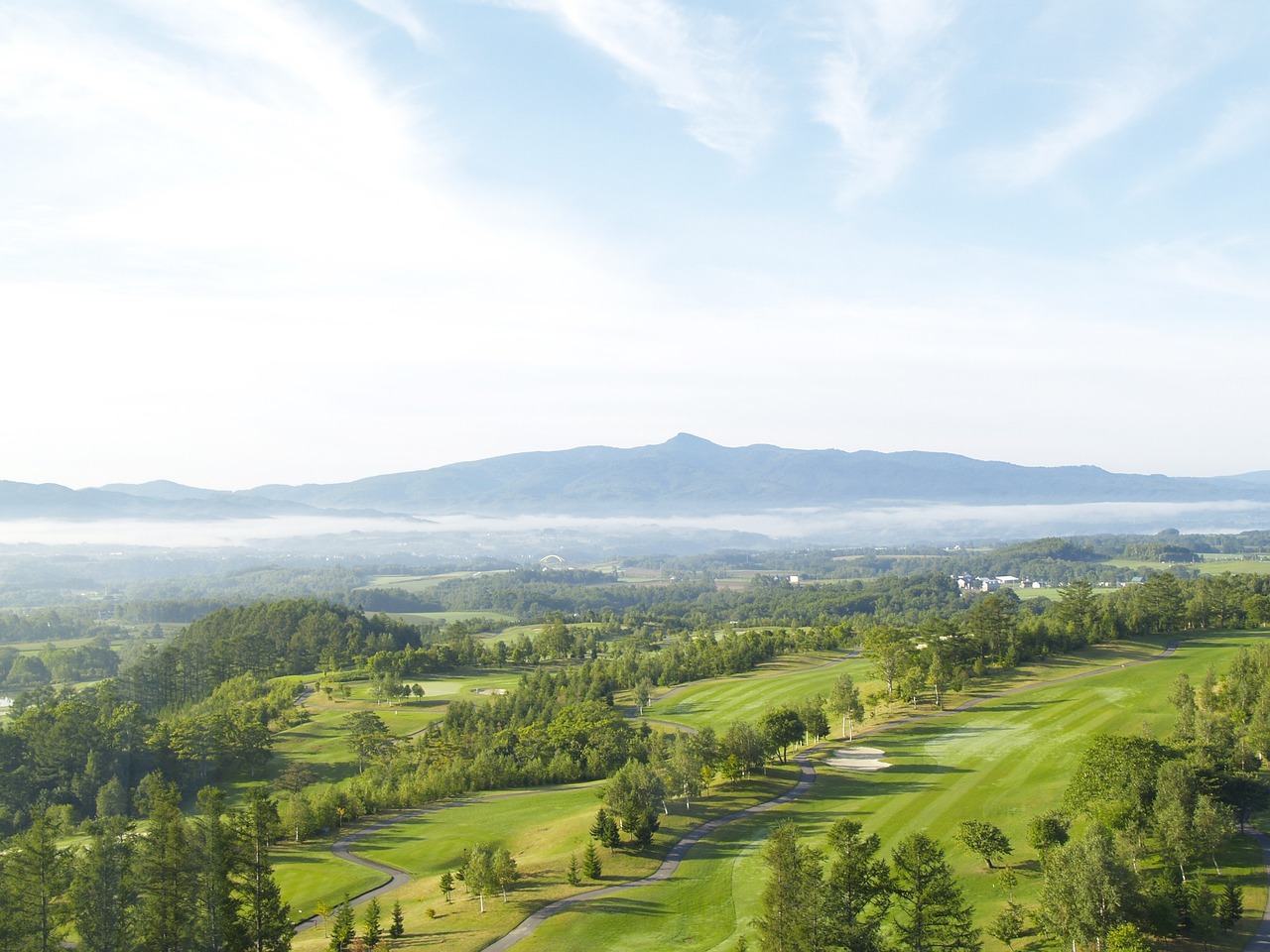
Niseko sits in southwestern Hokkaido, about two hours from Sapporo by car. Most visitors know it as Japan’s premier ski destination, and during winter the population swells with Australians, Singaporeans, and increasingly Chinese tourists who have discovered what locals have known forever: the snow here is lighter and drier than almost anywhere else on earth. Around 14 to 15 metres fall every season. But that reputation has overshadowed everything else Niseko does well, and there is a lot.
This guide covers what I wish someone had told me before my first visit — both winter and the rest of the year. If you are only coming for skiing, I have got a more focused breakdown in my Hokkaido ski resorts guide. This one is about the full picture.
The Skiing (Because We Have to Talk About It)
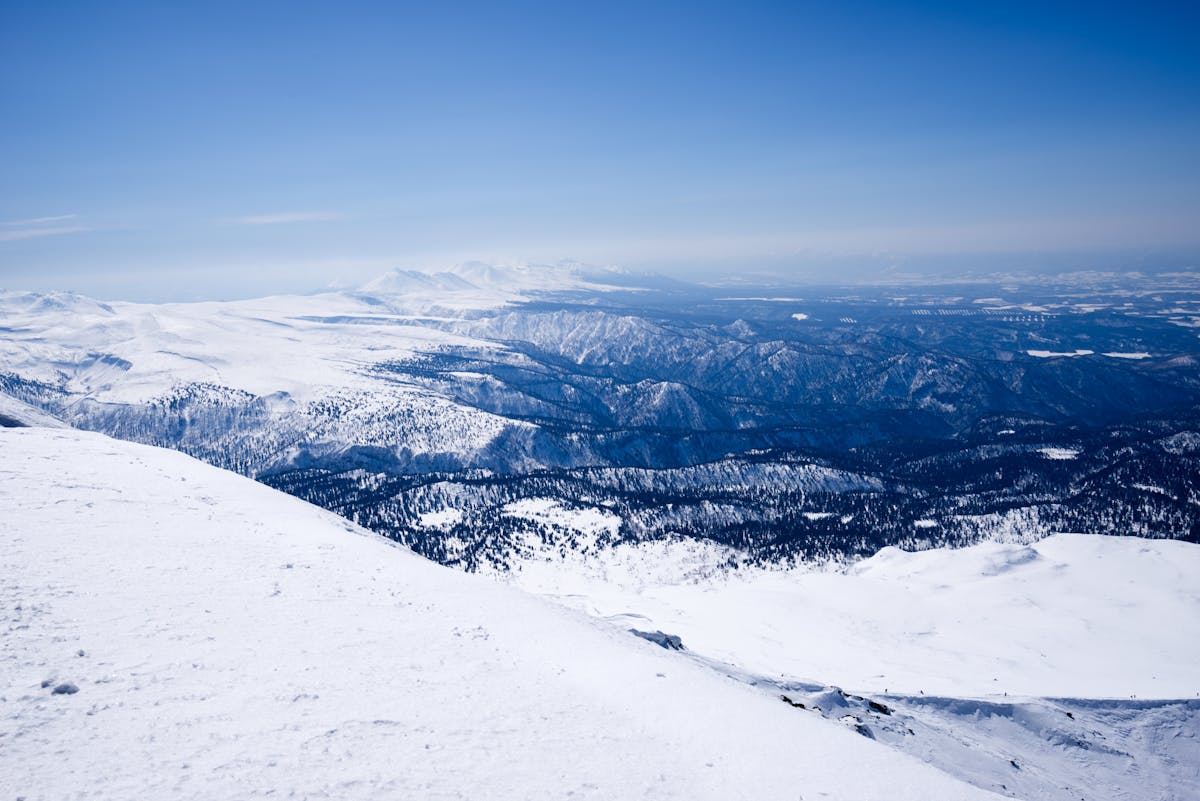
Niseko United is actually four interconnected resorts on Mt. Niseko Annupuri: Grand Hirafu, Hanazono, Niseko Village, and Annupuri. One all-mountain pass covers all four, and you can ski between them. Grand Hirafu is the biggest and busiest, with the most nightlife and restaurants. Annupuri is quieter, with shorter lift lines. Hanazono got a major upgrade and now has some of the best terrain parks. Niseko Village sits in between and connects to a luxury hotel zone.
The snow really is different here. Hokkaido’s powder is famously dry — it is created by cold Siberian air picking up moisture over the Sea of Japan and dumping it over the mountains. The result is this light, cold-smoke powder that does not stick together. If you have only skied in Europe, the difference is immediately obvious. You will understand why people fly 10 hours for this.
A full-day all-mountain pass costs around ¥7,800 (roughly $52 USD). Half-day passes start around ¥5,500. Compared to European or North American resorts, that is reasonable. The real expense in Niseko is everything else. More on that later.
For a deeper dive into the resort specifics, lift pass options, and how Niseko compares to Furano and Rusutsu, check my full ski resorts breakdown.
What Happens When the Snow Melts
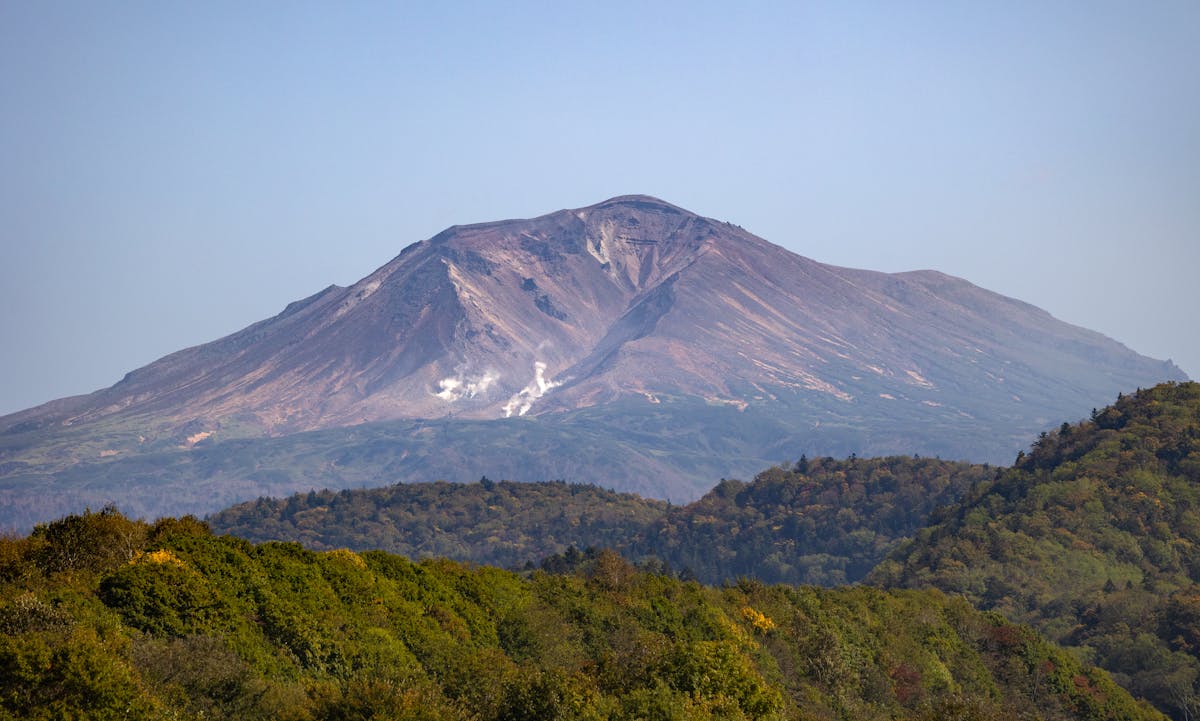
Here is where it gets interesting. By late May, the snow is gone and the whole landscape flips. The ski slopes become hiking trails. The cold river that runs through town becomes one of Hokkaido’s best rafting spots. And the temperatures? While the rest of Japan is suffering through 35 degrees of humidity and rainy season, Niseko sits around 20-25 degrees with clean mountain air. That is the real secret — Niseko in summer is a weather refuge.
The green season officially runs from about late April through October, though June through September is the sweet spot. Locals say July and August are actually busier for domestic Japanese tourists escaping the heat than many people realize, though it is nothing compared to the winter crowds.
Rafting the Shiribetsu River
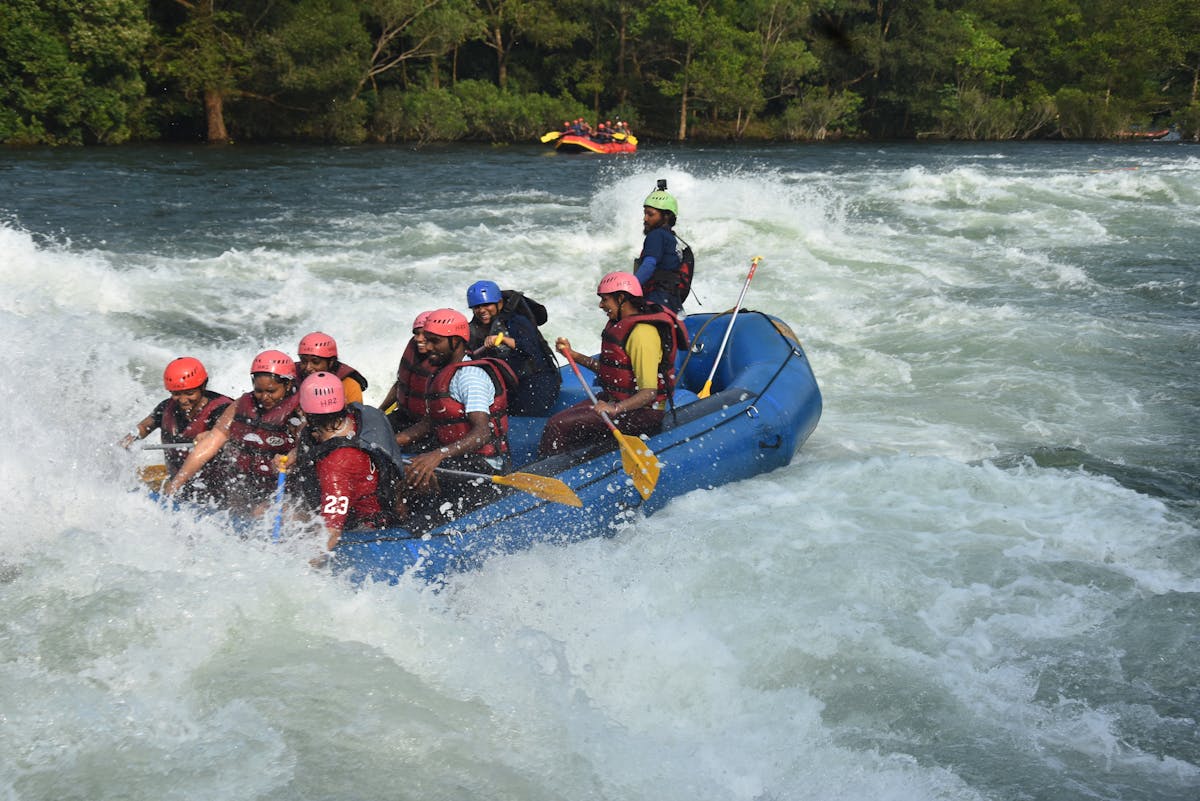
This surprised me the most. The Shiribetsu River, which flows right through the Niseko area, is considered one of the best rafting rivers in Asia. That is not marketing hype — the water is genuinely clean (you can see the riverbed through Class II and III rapids) and the alpine scenery around you is gorgeous.
Spring rafting (April to May) is more intense because of snowmelt raising water levels. By summer it calms down, which makes it better for families. Several operators run trips, typically costing ¥5,000-6,000 per person for a half-day session. NAC (Niseko Adventure Centre) is the most established operator and they have been running trips for decades.
If you are into other water sports, the Shakotan Peninsula is about an hour’s drive north and has incredible sea kayaking — the water there has this absurd turquoise colour that locals call “Shakotan blue.” Worth the day trip if you have a car. For more summer activity ideas across the island, my Hokkaido summer guide has the full rundown.
Hiking Mt. Yotei and Beyond
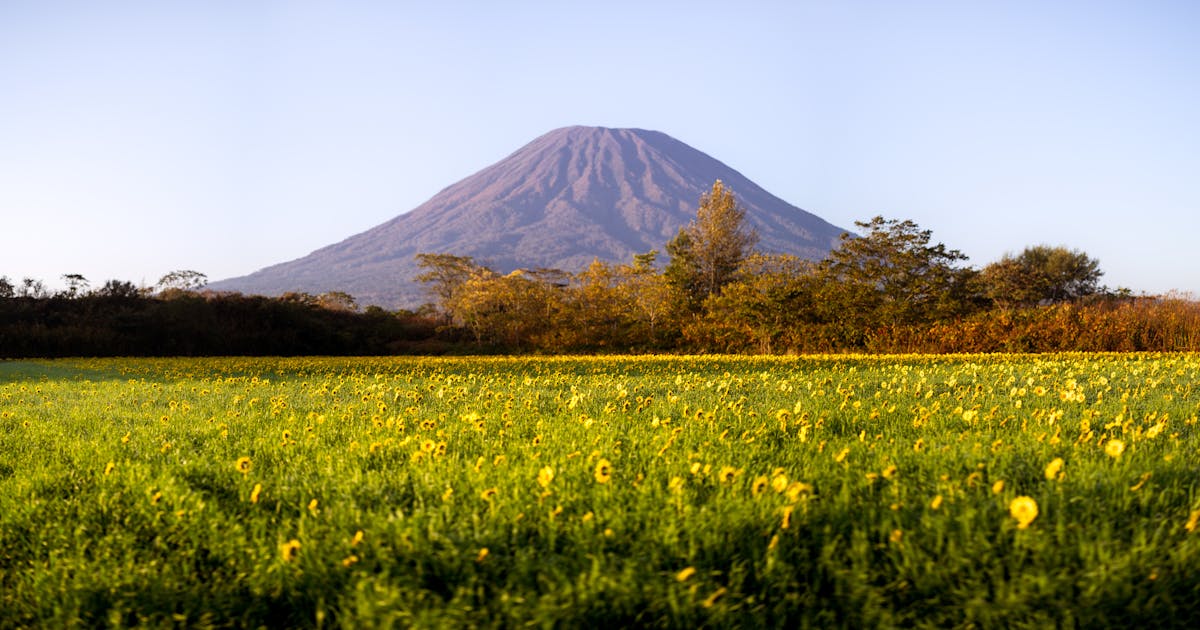
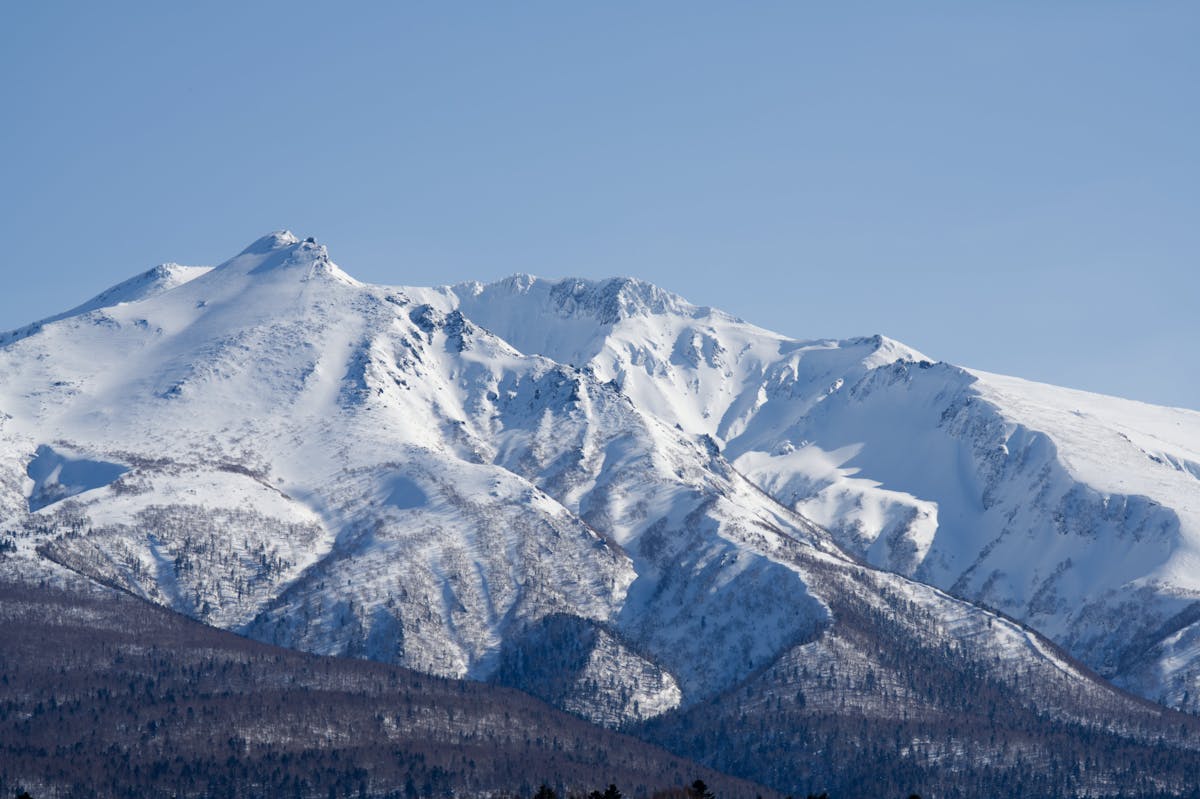
Mt. Yotei dominates the Niseko skyline. At 1,898 metres, it is a near-perfect conical volcano that locals call “Ezo Fuji” because it looks so much like Mt. Fuji. And unlike Fuji, you will not be queuing behind 300 people in a single-file line.
The hike takes 4-6 hours up and about 3-4 down, depending on your fitness and which trailhead you start from. Kutchan side is the most popular. It is steep and sustained — there is no gentle warm-up section, you are going uphill from the start. The trail winds through birch and conifer forest before opening up above the treeline, and the caldera at the top has a small crater lake. On clear days, the 360-degree view from the summit takes in the entire Niseko range, the Sea of Japan, and on exceptional days, the Shakotan Peninsula.
Be honest with yourself about fitness here. This is not a casual Sunday stroll — it is a proper mountain hike with about 1,500 metres of elevation gain. Bring plenty of water (there is none on the trail), rain gear regardless of forecast, and bear bells. Yes, bears. This is Hokkaido. My Hokkaido hiking guide covers trail prep and bear safety in detail.
For easier walks, the trails around Niseko Village and the Five Lakes area offer gentler options with still-impressive views of Yotei. The Shinsen Numa (God Fairy Marsh) boardwalk trail is a flat 40-minute loop through wetlands that is especially beautiful in autumn.
Cycling Through the Countryside
Niseko has become a surprisingly good cycling destination. The quiet farm roads winding between potato fields, dairy farms, and small villages with Mt. Yotei always in the background — it is the kind of riding where you keep stopping to take photos.
Road cyclists can tackle the popular loop around Mt. Yotei (about 60km), which is mostly flat to rolling with one significant hill. Mountain bikers have access to downhill trails on Mt. Niseko Annupuri via the gondola in summer — the same lifts that carry skiers in winter take bikes up in the green season. Several shops in Hirafu rent bikes for ¥3,000-5,000 per day.
The riding here is worlds apart from cycling in Sapporo or Tokyo. Barely any cars, clean air, mountain views in every direction. If cycling is your thing at all, bring your shoes — or check my Hokkaido cycling guide for route options across the island.
Golf with a Volcano View
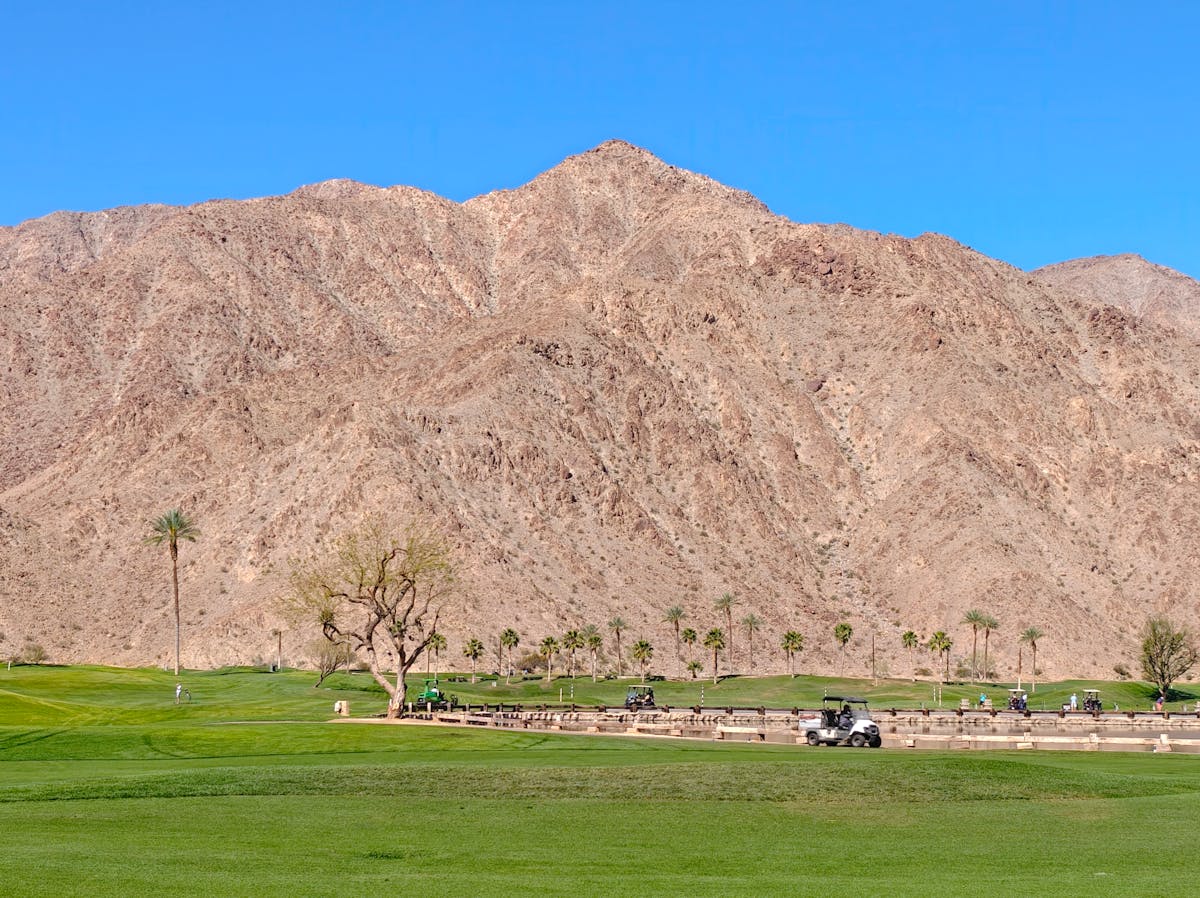
I do not golf, so I will keep this brief. But even I can appreciate the Niseko Village Golf Course, which won Japan’s Best Golf Course at the World Golf Awards. An 18-hole Arnold Palmer-designed course with Mt. Yotei looming behind every shot. Green fees run around ¥12,000-18,000 depending on season and time. There are a couple of other courses in the area too, including Niseko Golf Course (public) and Hanazono Golf.
The season runs June through October. Book ahead in August — that is peak domestic tourism season.
The Onsen Situation
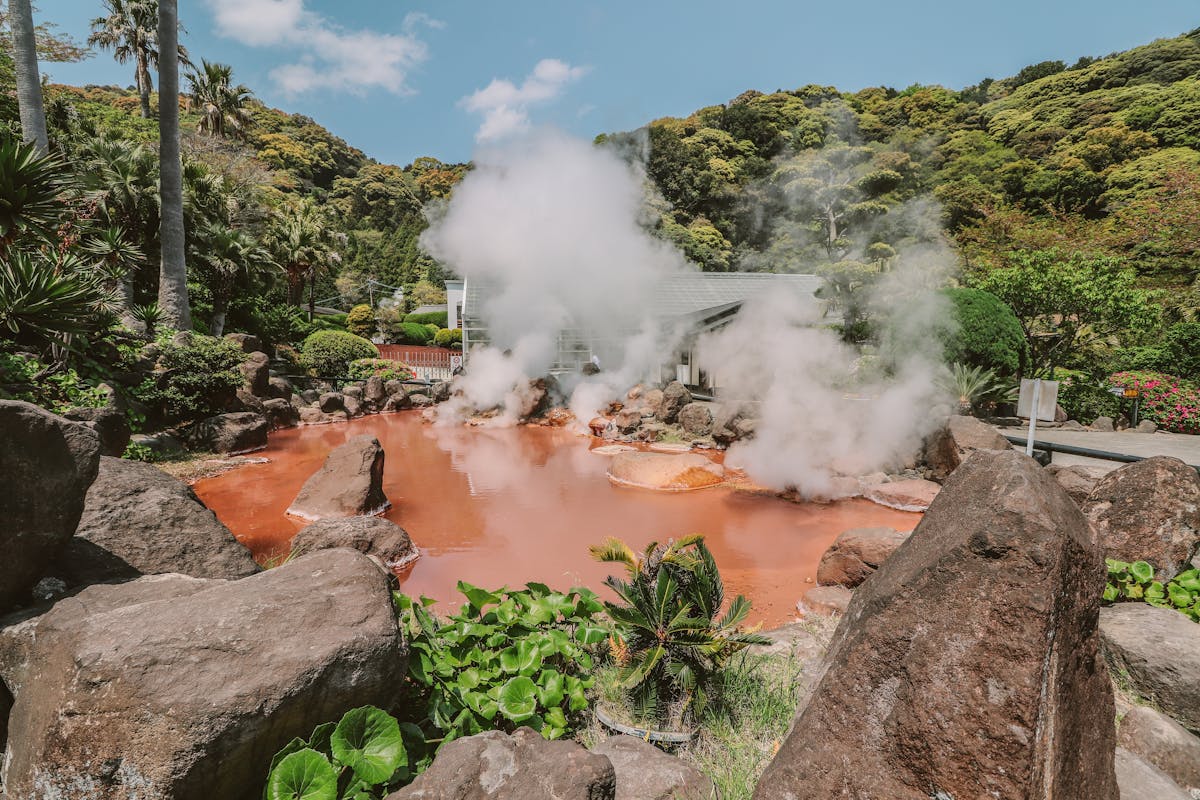
Niseko is one of Hokkaido’s most geothermally active areas, which means there are hot springs scattered everywhere. The tourist ones in the resort hotels are fine but predictable. The ones worth seeking out are a bit further afield.
Goshiki Onsen is my favourite. It sits at the base of a hiking trail on the north side of Mt. Niseko Annupuri, and the building looks like it has not changed since the 1970s — because it probably has not. The water has a milky, sulphurous colour and the outdoor bath faces directly into the forest. Entry is around ¥800. After a hike, this place is absolute heaven.
Yukichichibu Onsen is more remote, about 20 minutes’ drive from Hirafu. It is known for its mud baths and forest setting. The facilities are basic, which is part of the appeal — it feels like you have stumbled onto something secret rather than walking into a tourist attraction.
Makkari Onsen has what might be the best view of Mt. Yotei from any bath in the area. The indoor bath faces a large window directly framing the mountain. Entry around ¥500. It is in Makkari village, south of Niseko proper.
Kyogoku Onsen pairs well with a visit to Fukidashi Park, where spring water from Mt. Yotei literally gushes out of the ground. Fill your bottles (it is free), then soak next door. For a wider look at Hokkaido’s hot spring scene, my best onsen in Hokkaido guide has the complete breakdown.
Understanding the Village Areas
One thing that confused me at first: “Niseko” is not one single town. It is a collection of villages and resort areas spread across a valley, and the character of each one is pretty different.
Hirafu is the main event. This is where most of the restaurants, bars, and accommodation are concentrated. During winter it has a distinctly international feel — signs in English and Chinese, Australian-run pizza joints, craft cocktail bars. Some people love this, others find it feels “too foreign” for Japan. Honest take: it is convenient, lively, and if you are a first-timer, staying here makes life easy. But do not expect a traditional Japanese village experience.
Niseko Village is the luxury end. Centred around the Hilton and a few high-end condo developments, it is quieter and more polished than Hirafu. The Green Leaf and Hilton hotels are the anchors. Good for families and people who want ski-in/ski-out without the bar scene.
Annupuri is the quiet option. Fewer restaurants, fewer crowds, access to the least-busy lifts. If you are a confident skier who does not need nightlife, Annupuri gives you shorter queues and a more local feel.
Hanazono got a major facelift. The Park Hyatt Niseko opened here, there is a gondola-accessible terrain park, and the area is positioning itself as the premium alternative to Hirafu. In summer, this is where you will find the adventure centre with ziplines and tree trekking.
For detailed accommodation advice on where to base yourself, see my where to stay in Niseko guide.
The Food Scene
Niseko’s food scene punches above what you would expect from a ski town, partly because Hokkaido’s ingredients are some of the best in Japan and partly because the international crowd has attracted serious chefs.
Dairy. Hokkaido produces over half of Japan’s milk, and the Niseko area is right in the middle of dairy country. Milk Kobo in Niseko Village is a local institution — their soft-serve ice cream has a creaminess that is genuinely different from anything you will get elsewhere. The cheese tarts and cream puffs are worth the stop too. My Hokkaido dairy guide goes deeper on the farm visits and specialty products.
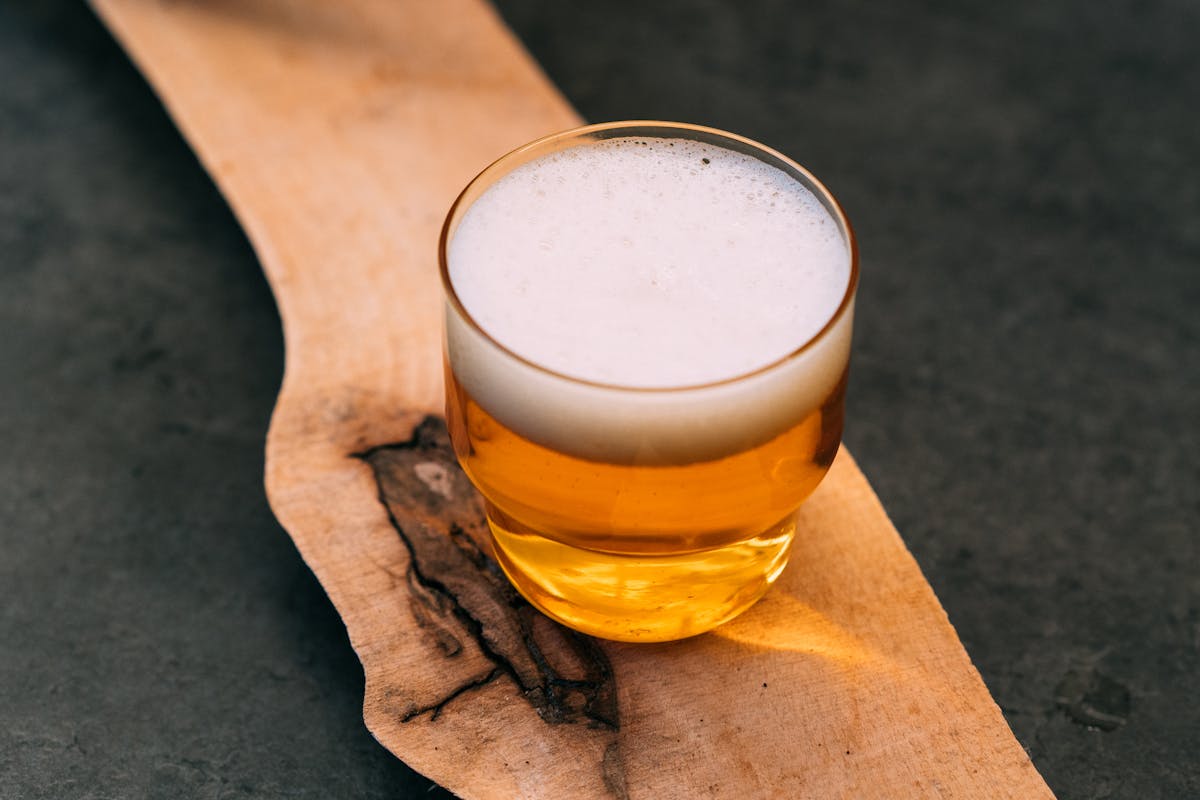
Craft beer. Niseko Brewing (in Kutchan) and the breweries around the area have been growing steadily. The local water — which filters through Mt. Yotei’s volcanic rock — makes genuinely good beer. The pale ales and wheat beers are the standouts. Check out my Hokkaido craft beer guide for tasting notes and brewery visits.
Ramen. Hokkaido is ramen country, and while Niseko is not Sapporo (which has its own miso ramen tradition), you can still get excellent bowls. Expect to pay ¥900-1,400 at most places. A few Hirafu ramen spots have English menus and queues out the door in winter — the food is decent but you are paying a premium for the location.
The cost warning. Niseko is the most expensive place to eat in Hokkaido, and it is not close. A meal that would cost ¥1,200 in Sapporo will cost ¥2,000-2,500 in Hirafu during winter. Wine by the glass starts at ¥1,000-1,400. Some visitors get around this by staying in places with kitchens and cooking from the local supermarket — the ingredients here are excellent, so this is actually a great strategy. The Kutchan MaxValu supermarket is the go-to for grocery runs.
Getting to Niseko from Sapporo
Most people arrive via New Chitose Airport (Sapporo), which is about 100km south of Niseko. You have several options, and the right one depends on your group size and confidence driving in snow.
Rental car (my recommendation): About 2 hours from the airport, or 90 minutes from Sapporo city. Winter driving requires snow tires, which all rental companies include for free November through March. The highway is well-maintained even after heavy snowfall — just do not rush. Having a car also lets you hit the outlying onsen, explore neighbouring Rusutsu, and make grocery runs. My Hokkaido car rental guide covers costs and tips.
Bus: Chuo Bus runs a direct service from New Chitose Airport to Niseko resorts. About 2.5-3 hours, around ¥4,500 return. Also buses from Sapporo station. This is the cheapest option and perfectly fine if you are staying in one resort area. Book ahead in peak season.
Train + bus combo: JR train from Sapporo to Kutchan station (about 2 hours, one transfer at Otaru), then a local bus to your resort. Not the fastest, but the train ride through Otaru along the coast is scenic.
Private transfer/taxi: About ¥25,000-30,000 from the airport. Makes sense for groups of 3-4 splitting the cost. Door-to-door convenience, especially with ski gear.
For the full transport breakdown including how to get from Sapporo to Niseko, I have written a separate guide.
Where to Stay (and How to Not Overpay)
Accommodation in Niseko is expensive. I will not sugarcoat it. Peak winter rates (late December through February) are the highest in Hokkaido, driven heavily by international demand. A basic hotel room in Hirafu can easily hit ¥25,000-40,000 per night in peak season.
Some strategies that actually work:
Stay in Kutchan. The town next door has normal Hokkaido prices — hotels and guesthouses for ¥6,000-10,000/night — and it is only a 10-15 minute drive or bus ride to the slopes. You lose walkable nightlife but gain a functioning Japanese town with convenience stores, local restaurants, and human-scale prices.
Book early or late season. November and late March/early April have great snow but significantly lower prices and thinner crowds. Early December is also good value.
Rent a condo or chalet. Groups of 4-6 can split multi-bedroom units for much less per person than hotels, and you get a kitchen (which saves a fortune on meals). Country Resort Niseko and various property management companies list options.
Summer rates are a fraction of winter. The same room that costs ¥35,000 in January might be ¥8,000 in July. If you are on a budget and flexible on timing, summer Niseko is dramatically better value.
I have covered accommodation options in detail in my where to stay in Niseko guide, including specific recommendations by area.
Making the Most of Your Time
If you have three days in winter, you have enough for two full days on the mountain and one day for an onsen tour and eating around Hirafu. Four or five days is the sweet spot — you can explore all four resort areas, take a rest day, and maybe drive to Rusutsu for a change of scenery.
In summer, I would say four days minimum. There is a lot of ground to cover: a day for Mt. Yotei (if you are fit enough), a day for rafting and cycling, and at least one day just exploring the villages, eating well, and hitting an onsen or two. You could easily fill a week between Niseko, a day trip to Shakotan, and a drive to Furano for the lavender fields.
A broader itinerary that includes Niseko as part of a wider Hokkaido trip makes a lot of sense. My Sapporo travel guide covers the capital, and you can easily pair a few days in Sapporo with 3-4 days in Niseko. Check my things to do in Hokkaido guide for the full island overview.
The Honest Cost Breakdown
Daily budget guide for Niseko (per person, winter):
| Category | Budget | Mid-Range | Splurge |
|---|---|---|---|
| Accommodation | ¥6,000-10,000 (Kutchan guesthouse) | ¥15,000-25,000 (Hirafu hotel) | ¥40,000+ (Ski-in/out condo) |
| Lift pass | ¥5,500 (half day) | ¥7,800 (full day) | ¥7,800 (full day) |
| Food | ¥2,000-3,000 (conbini + one meal out) | ¥5,000-8,000 (restaurant meals) | ¥10,000+ (dinner + drinks) |
| Transport | ¥500 (bus) | ¥2,000 (rental car share) | ¥5,000 (taxi) |
| Daily total | ¥14,000-19,000 | ¥30,000-43,000 | ¥63,000+ |
Summer rates: cut accommodation by 50-70%. No lift pass. Activities ¥5,000-6,000 per half day.
Niseko is the most expensive destination I have covered in Hokkaido. That is the honest truth. But it is expensive for a reason — the snow is world-class, the summer activities are genuinely good, and the food and drink options are better than any other ski resort area in Japan. You can manage costs by staying in Kutchan, cooking some meals, and visiting in shoulder season.
When to Visit
December-February: Peak powder season. January is the snowiest month. Crowds and prices are highest over Christmas/New Year and Chinese New Year. Early December and late February offer great snow with fewer people.
March-April: Spring skiing. Warmer, longer days, softer snow. Good for beginners. Prices drop. Some years you can ski in a t-shirt by late March.
June-August: Green season. Hiking, rafting, cycling, golf. Temperatures 20-25 degrees. Sunflower fields bloom in late July. Domestic tourists in August, but still far quieter than winter.
September-October: Autumn colours. The forests around Niseko turn red and gold, and the hiking is at its best. Coolest shoulder season with the fewest tourists.
April-May and November: Shoulder mud season. Not much happening. Some businesses close between seasons. Skip unless you specifically want quiet and do not mind limited dining options.
Practical Tips I Wish I Had Known
Cash is still king in many places. Some smaller restaurants and all the older onsen only take cash. The 7-Eleven ATMs in Kutchan and Hirafu accept international cards. Do not assume card payment everywhere.
Download the Niseko app. It has real-time lift status, snow conditions, dining options, and event listings. It is the best single resource for what is happening on any given day.
English is widely spoken. Niseko is one of the most English-friendly places in Hokkaido. Many restaurants have English menus. Some shops are entirely staffed by Australians on working holidays. This is great for convenience but means it does not always feel like “real Japan” — if cultural immersion matters to you, spend some time in Kutchan town or drive out to Makkari village.
Bring layers even in summer. Mountain weather shifts fast. I have had sunny mornings turn to chilly rain by afternoon in July. A light waterproof jacket saves the day.
If you are renting gear, do it in town. Rental shops on Hirafu’s main street are more expensive than places in Kutchan. Rhythm Japan is well-regarded for both ski and summer sport rentals.
For more general trip planning, my Sapporo travel guide is the natural companion piece, since most Niseko trips start and end there.
 DestinationsShakotan Peninsula: Hokkaido’s Most Dramatic CoastlineThis article contains affiliate links. If you make a purchase through these links, I may earn a small commission at…
 DestinationsTomamu Resort: Sea of Clouds, Skiing, and Whether It Is Worth the HypeThis article contains affiliate links. If you book through them, I earn a small commission at no extra cost to…
 DestinationsLake Akan and Lake Mashu: Hokkaido Volcanic Lakes and Ainu HeartlandThis article contains affiliate links. If you book through them, I earn a small commission at no extra cost to…