This article contains affiliate links. If you book through these links, I earn a small commission at no extra cost to you.
In This Article
- Kushiro Marshland — Japan’s Largest Wetland
- Kushiro Marsh Observatory
- Hosooka Observatory and Boardwalk
- Canoeing the Kushiro River
- The Red-Crowned Cranes (Tancho)
- Where to See the Cranes
- Washo Market and Kushiro’s Seafood Scene
- Fisherman’s Wharf MOO
- Lake Akan and the Ainu Village
- Lake Akan Ainu Kotan
- Lake Mashu — The Clearest Lake You Might Not See
- The Norokko and SL Winter Wetland Trains
- Getting to Kushiro
- Best Time to Visit Kushiro
- How Long to Spend in Kushiro
- Where the Money Goes
The train from Sapporo takes about four hours, and somewhere around the halfway mark the scenery shifts. The tidy suburbs and farm plots give way to something wilder — flat, open marshland stretching to the horizon, broken only by thin rivers that catch the light. That is when you know you are getting close to Kushiro.
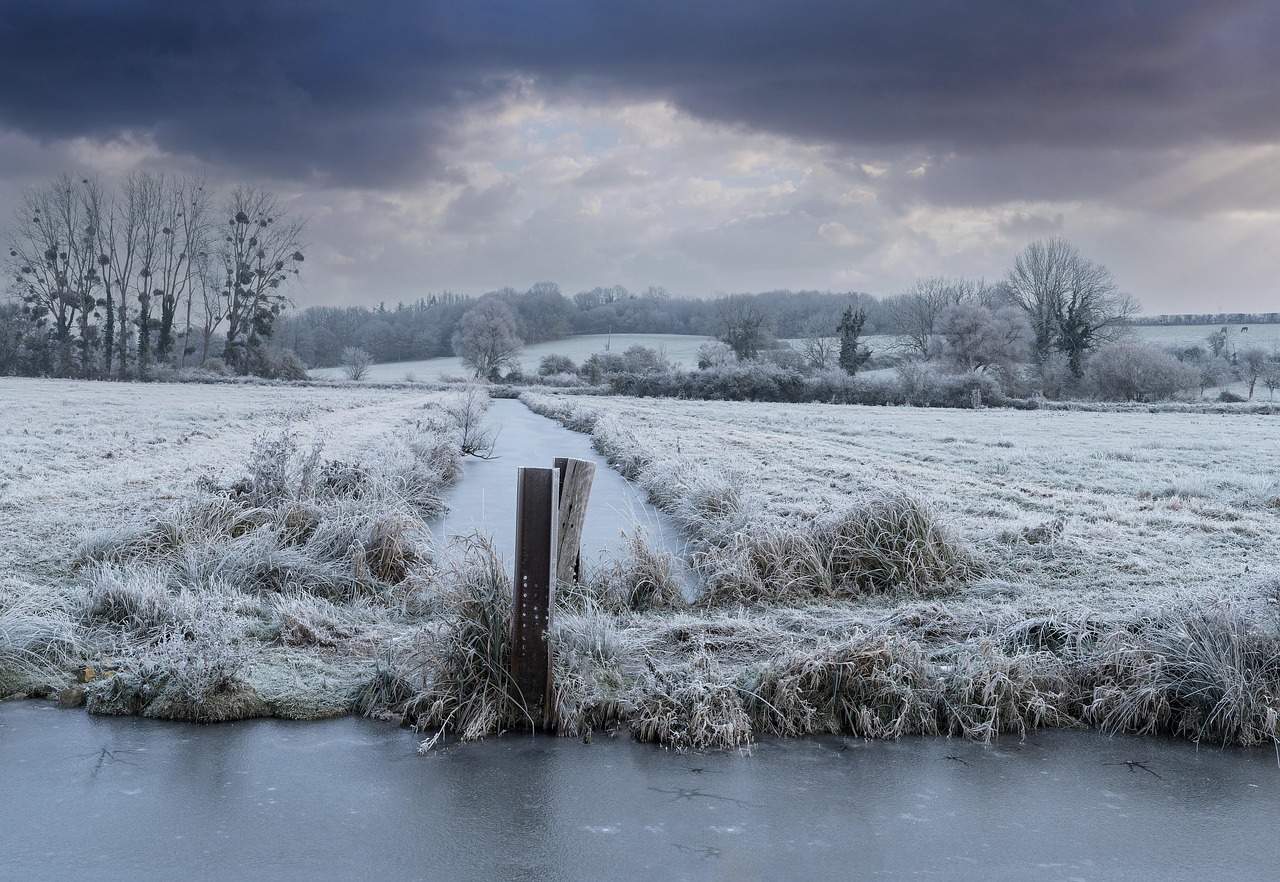
I will be honest with you: Kushiro city itself is not going to win any beauty contests. It is a mid-sized port town that peaked during the fishing boom and has not quite figured out its next act. But the surrounding area? That is a completely different story. Within an hour of Kushiro Station, you have got Japan’s largest wetland, volcanic crater lakes so clear they look fake, and some of the best wildlife viewing in the entire country.
Kushiro is the gateway to eastern Hokkaido, and if you skip it, you are missing a side of Japan that most visitors never see.
Kushiro Marshland — Japan’s Largest Wetland
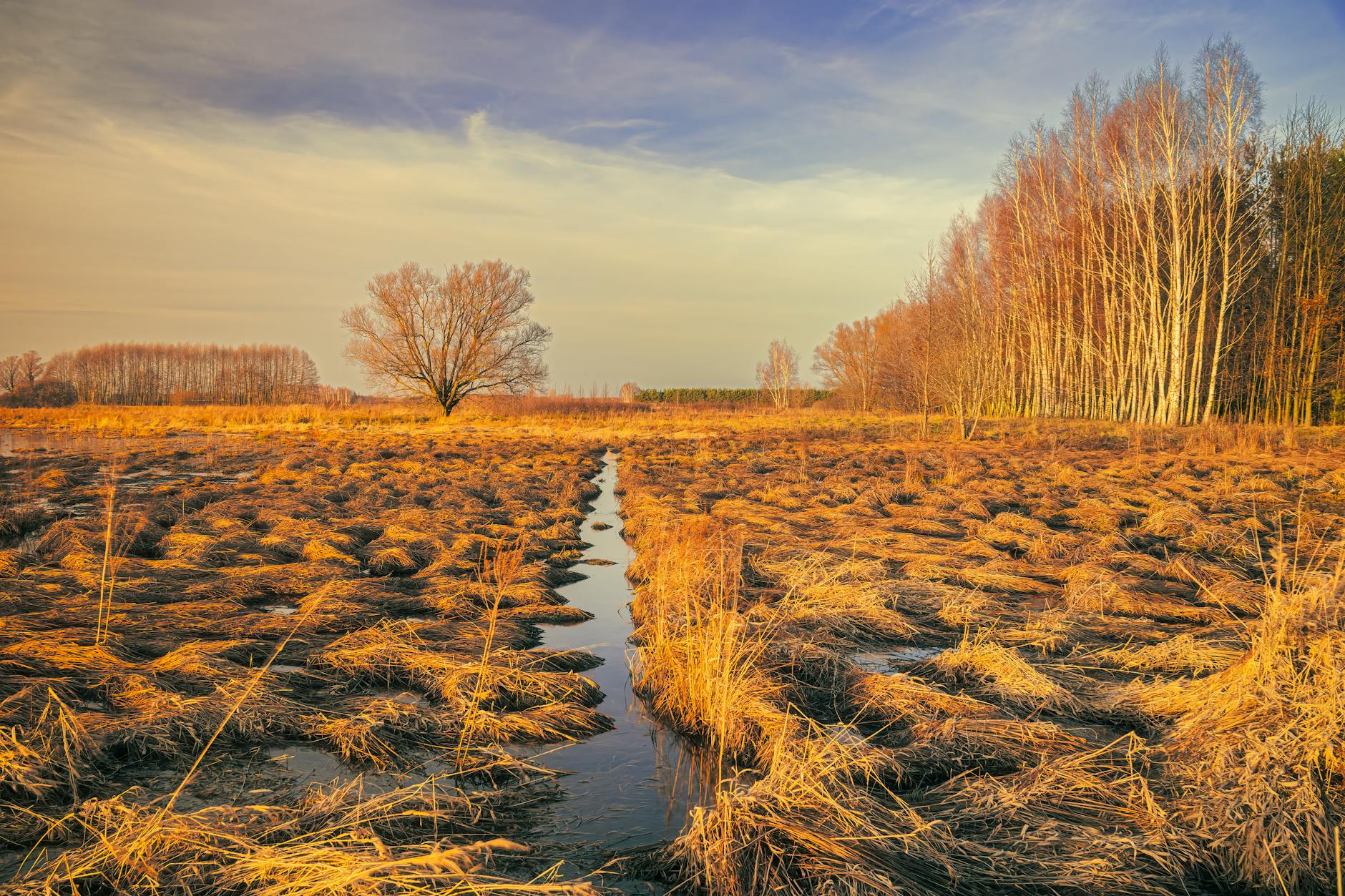
Kushiro Shitsugen (kushiro marshland) is the single biggest reason most people come here. Covering about 269 square kilometres, it was designated as Japan’s first Ramsar wetland site back in 1980, and later became a national park. To put the size in perspective, the whole thing is about three times bigger than the city of Kushiro itself.
The marshland sits in a wide, flat basin fed by the Kushiro River, and it supports an ecosystem you won’t find anywhere else in Japan. Sika deer wander through the reeds. Red foxes hunt along the riverbanks. And in winter, the mist rises off the water at dawn in a way that makes the whole place look prehistoric.
There are several ways to experience the marshland, and which one works best depends on how much time you have and what season you’re visiting.
Kushiro Marsh Observatory
The closest viewpoint to the city, and the easiest to reach. A bus from Kushiro Station costs about ¥690 and takes around 40 minutes. The observatory itself has a rooftop deck with a panoramic view across the marsh and out toward the city. On clear days the scale of the wetland really hits you — it just goes on and on.
There’s also a satellite observatory about a kilometre along a wooden boardwalk trail. Budget about 90 minutes if you want to do both, longer in winter when the boardwalk gets icy and slow. A small rest house near the main building serves soup curry, which is a decent option for lunch. Opening hours are 9:00 to 17:00 from October through March.
Hosooka Observatory and Boardwalk
On the opposite side of the marsh from the main observatory. This one is closer to the actual wetland surface, and the boardwalk takes you right out over the reeds. Better for feeling like you’re actually in the marshland rather than looking down at it from a distance. Harder to reach without a car though.
Canoeing the Kushiro River
Probably the best way to experience the marshland if you’re visiting between May and October. Several outfitters in the area run guided canoe trips down the Kushiro River. The standard course takes about 90 minutes and puts you at eye level with the reeds, the birds, and — if you’re lucky — the deer that come to drink at the water’s edge. It’s quiet in a way that the observatories can’t match.
Prices run roughly ¥8,000 to ¥12,000 per person depending on the course length and the operator. Book ahead in peak summer (July-August). If you’re planning your Hokkaido road trip, this is one of those stops worth building your itinerary around.
The Red-Crowned Cranes (Tancho)
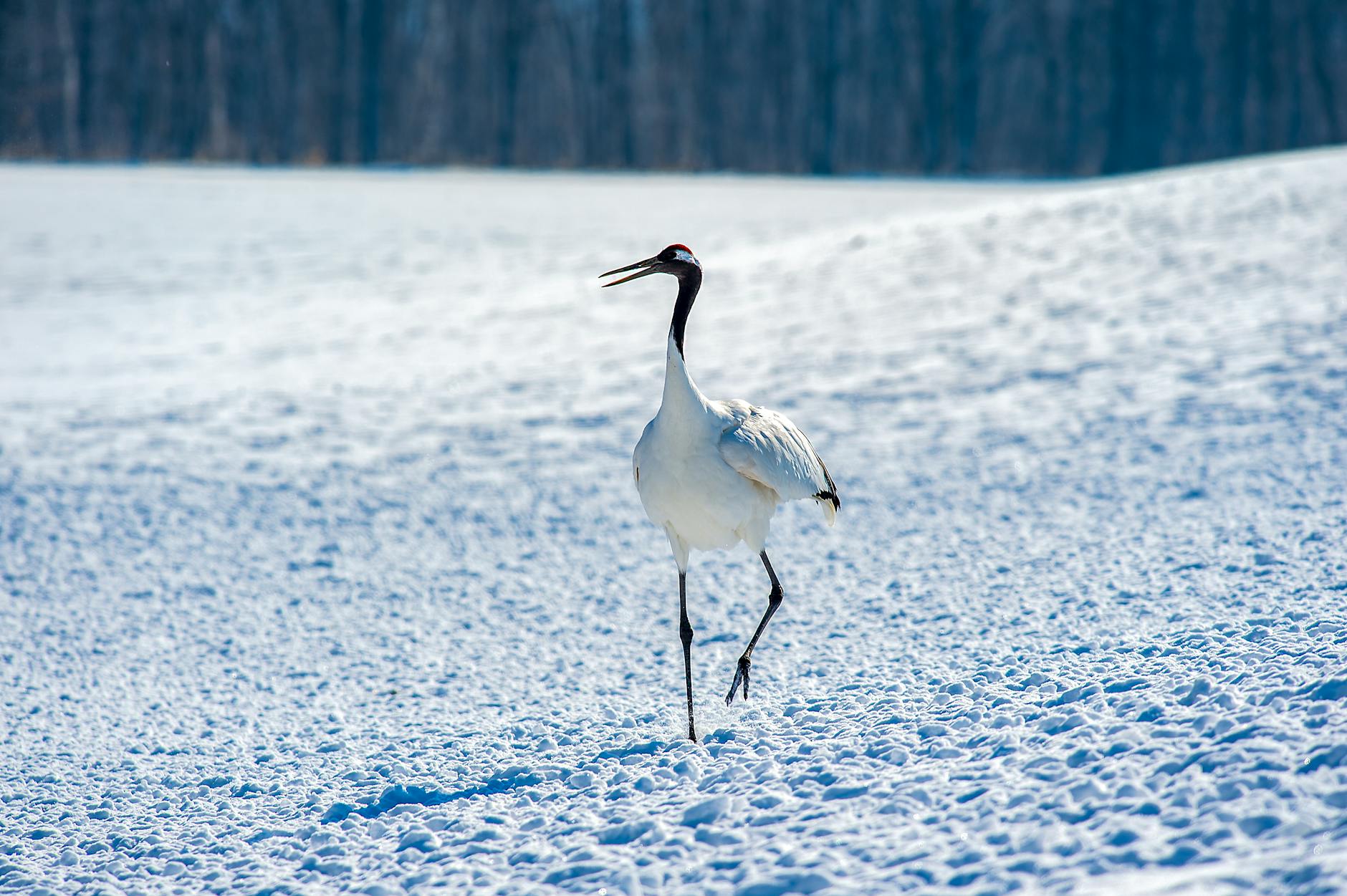
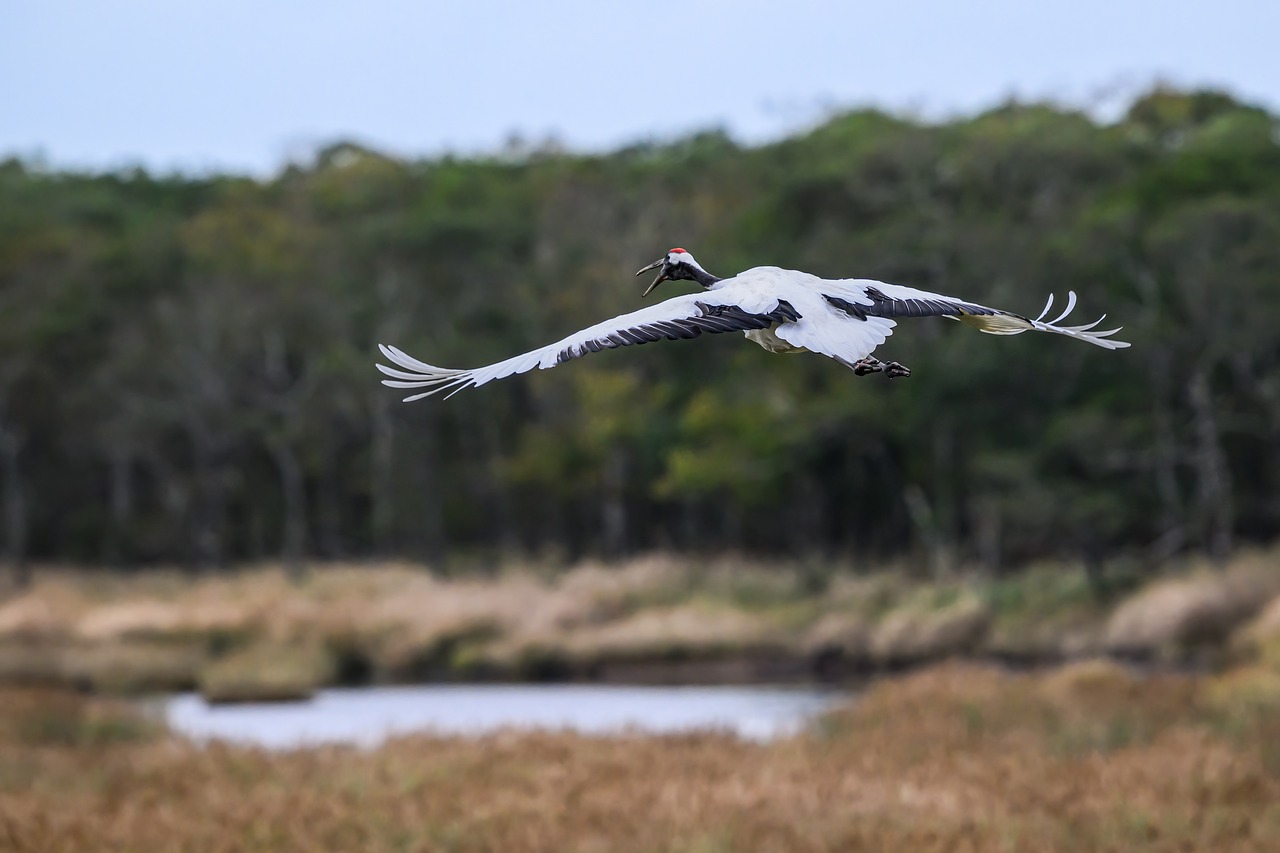
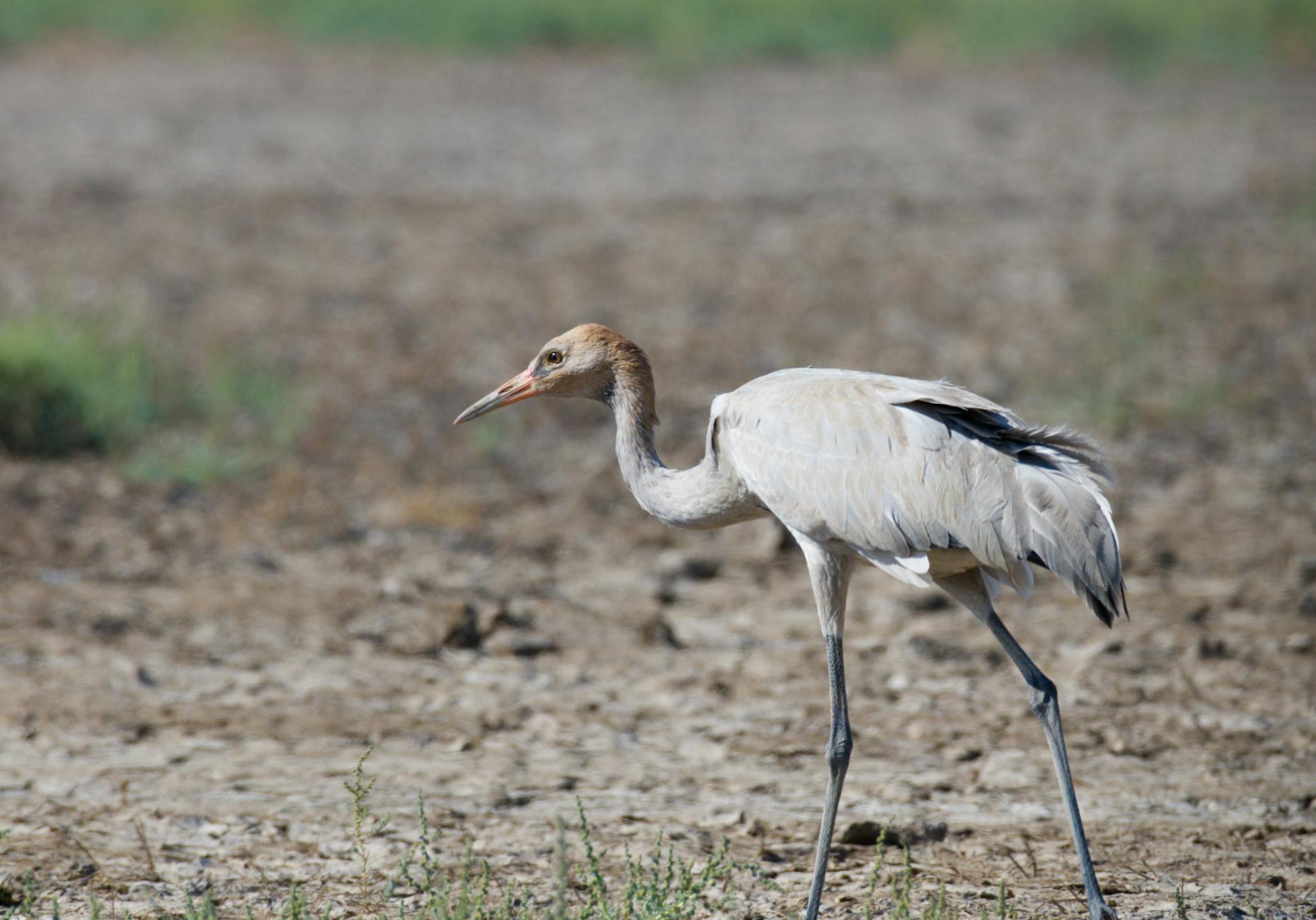
If the marshland is Kushiro’s headline, the tancho (red-crowned cranes) are its soul. These birds stand about 150cm tall, with that striking red patch on the crown that gives them their name. In Japanese culture, they’re symbols of luck and longevity, and for a while it looked like they might not have much of either — the population crashed to around 33 individuals in the early 1950s.
Conservation efforts brought them back. Today roughly 1,900 red-crowned cranes live in eastern Hokkaido, and winter is hands-down the best time to see them. The cranes gather at feeding stations from December through March, and watching them dance in the snow against a backdrop of frozen marsh is one of those experiences that earns all the hype it gets.
Where to See the Cranes
Tsurui-Ito Tancho Sanctuary — Run by the Wild Bird Society of Japan, this is the most popular viewing spot. It’s in Tsurui Village, about 30 minutes north of Kushiro by car. During winter, dozens of cranes show up daily for the morning feeding around 8:30-9:00. The facility is free and has a warm observation room, which you will appreciate when it is -15 degrees outside. A bus from Kushiro Station runs here, though the schedule is infrequent so check the Akan Bus timetable before planning.
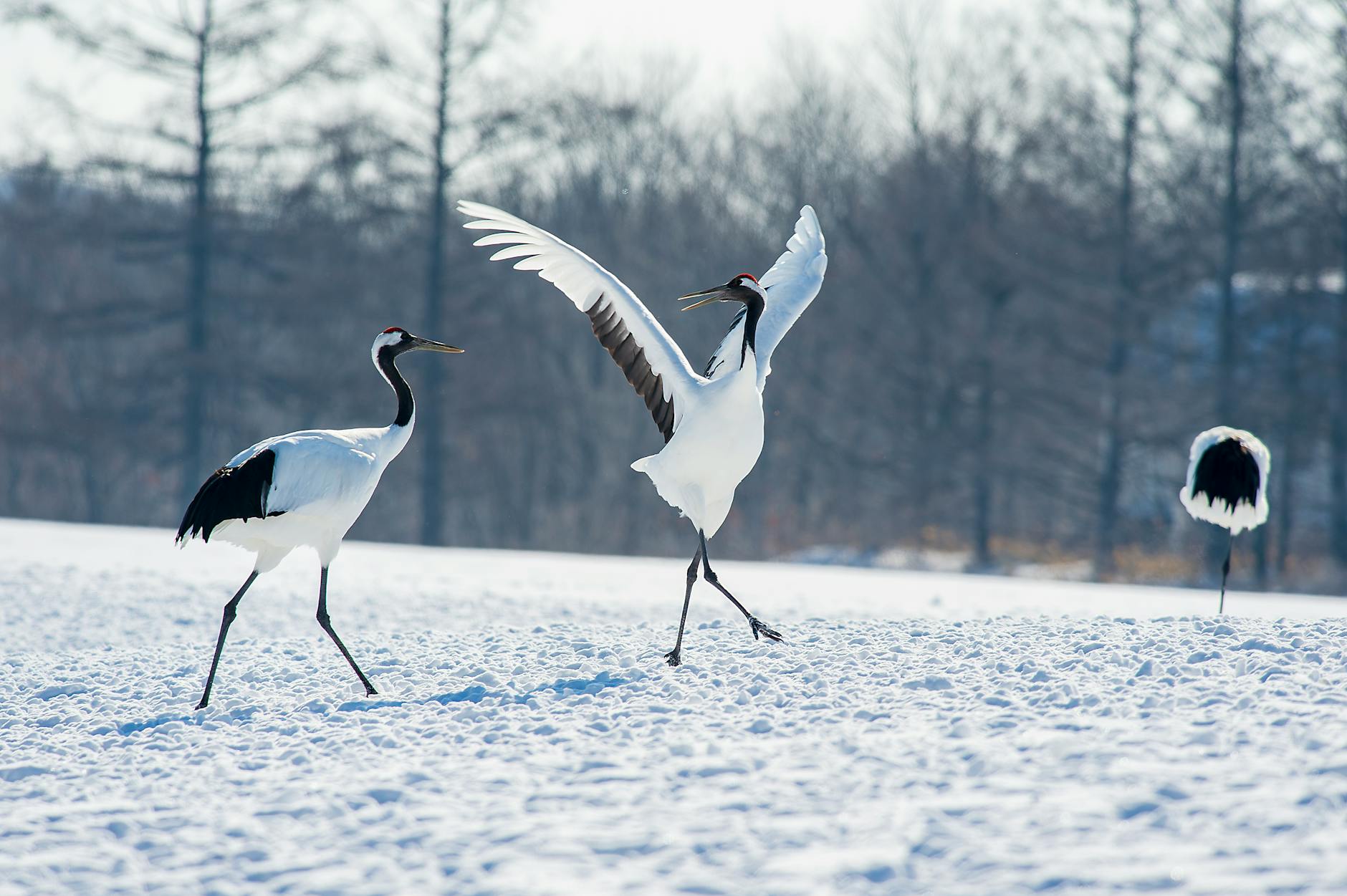
Akan International Crane Center — In the Akan area northwest of Kushiro. This one has a feeding site (the Branch Red-crowned Crane Observation Center) where you can sometimes see hundreds of birds at once. Admission to the center is ¥480. There’s also the adjacent Tancho Crane Natural Park where you can see cranes year-round, which is handy if you’re visiting outside winter. Bus fare from Kushiro Airport to the crane park stop is ¥200.
Tsurumidai — A feeding station that tends to be less crowded than the Ito Sanctuary. Run by a local farmer who started feeding the cranes in the 1960s. Simpler setup but sometimes you get just as many birds with fewer photographers jostling for position.
Outside of winter, you can still spot cranes in the marshland, especially between April and September when they’re nesting. They’re harder to find without the feeding stations drawing them in, but if you’re driving through the area you will occasionally see them standing in the fields along the road. The things to do in Hokkaido are honestly endless if you enjoy wildlife.
Washo Market and Kushiro’s Seafood Scene
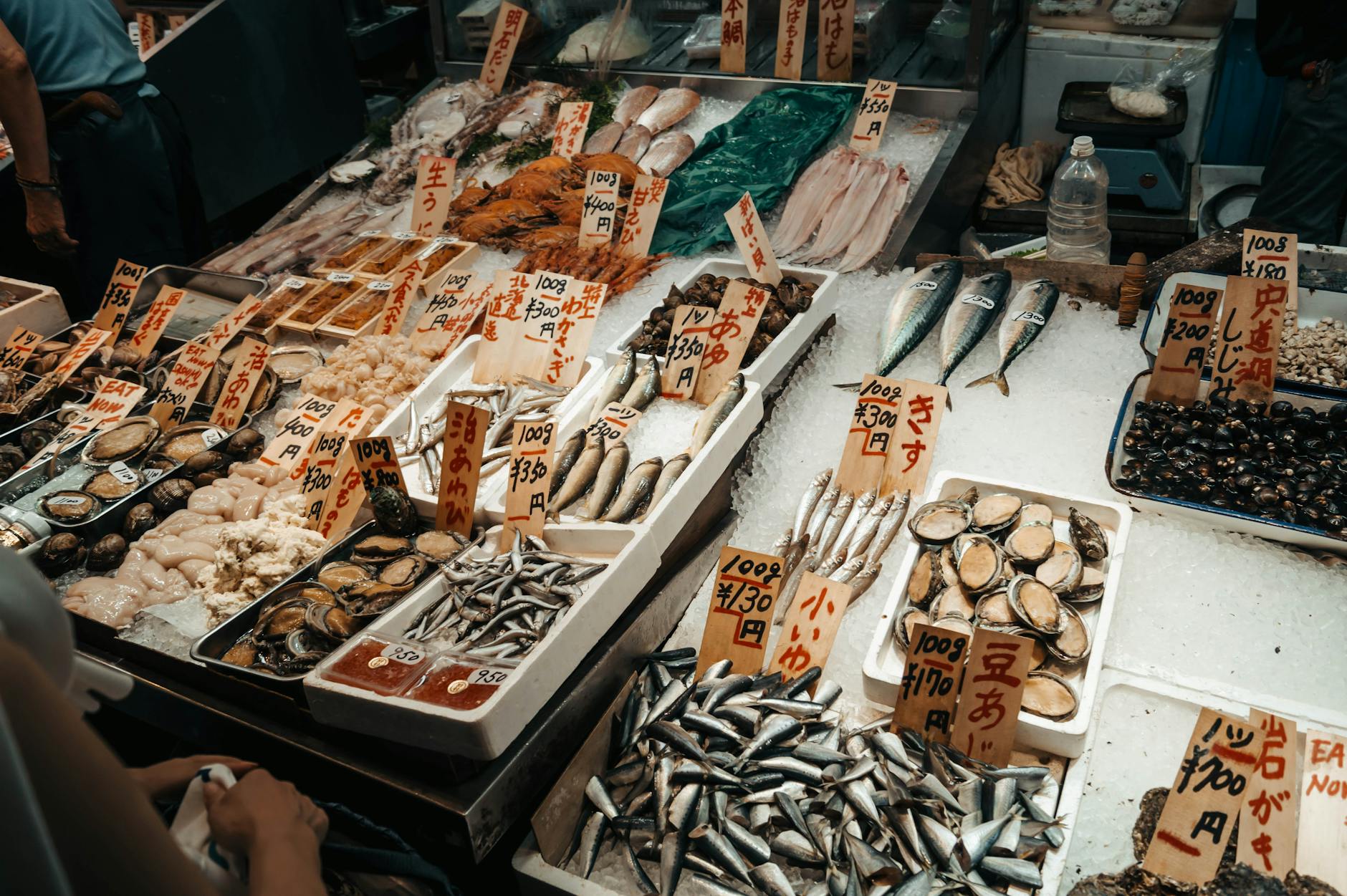
Kushiro has one of the largest annual seafood catches in Japan, and the place to experience that is Washo Market (Kushiro Washo Ichiba). It’s less than a five-minute walk from JR Kushiro Station, and it has been running since 1954.
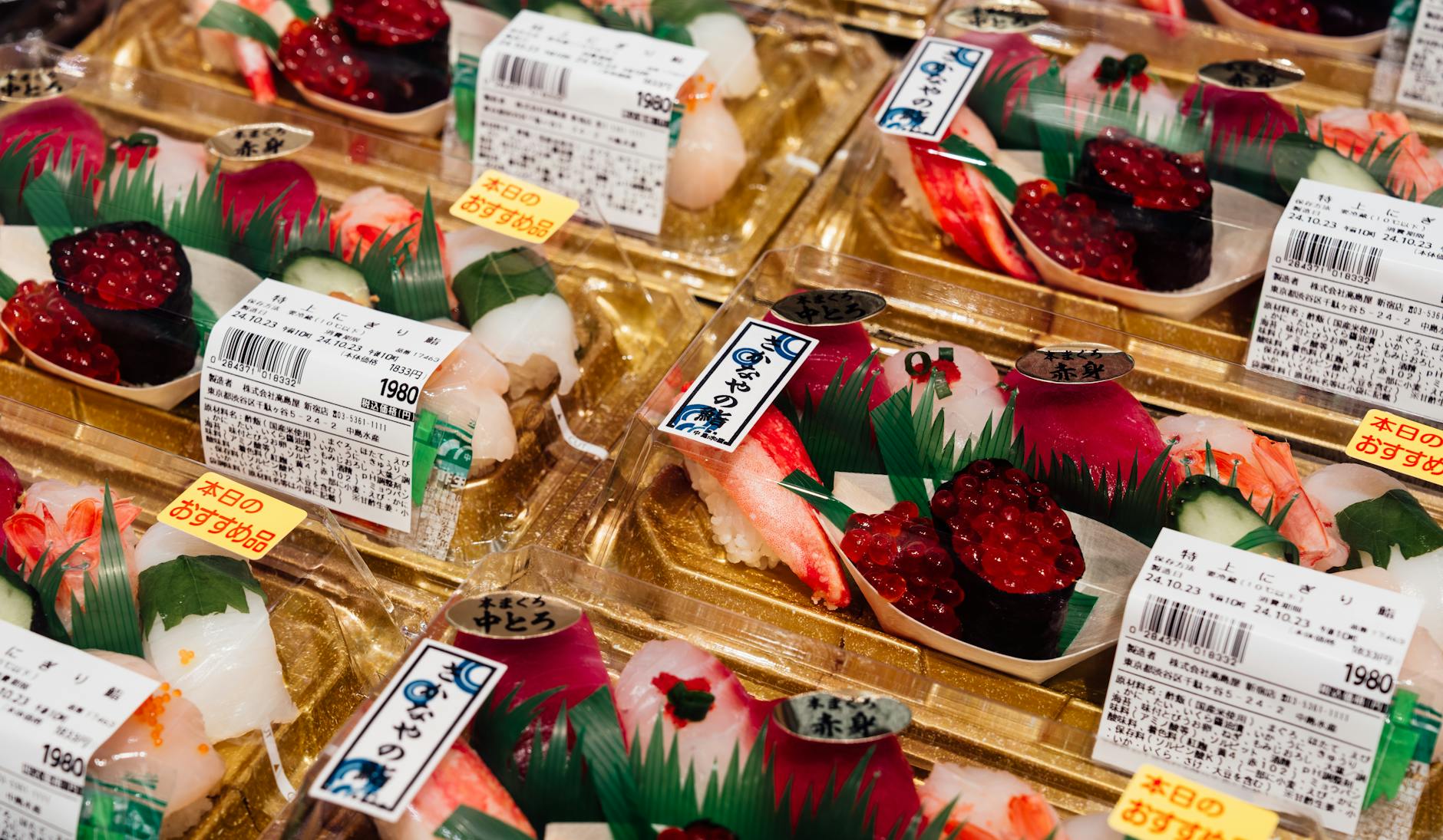
The thing to get here is katte-don — Washo Market’s signature dish. You buy a bowl of plain rice from one of the rice vendors (around ¥200), then walk around to different stalls and pick whatever sashimi toppings you want. Salmon, crab, uni, ikura, scallops — you point, they slice, they pile it on your rice. The final bowl typically costs ¥1,500 to ¥2,500 depending on how fancy you go with the toppings.
It’s a gimmick, sure. But it’s a good gimmick. You end up with a custom seafood bowl that’s fresher than anything you’d get in Sapporo, at prices that would make a Tokyo kaisen-don shop blush. The market has around 60 stalls, and apart from the katte-don vendors there are places selling dried fish, kelp, dairy products, and Hokkaido snacks.
For more on the seafood scene across the island, the Hokkaido seafood guide covers what to eat where. And if you want the full food picture, the Hokkaido food guide breaks down all the regional dishes worth tracking down.
Fisherman’s Wharf MOO
Right on the waterfront, this commercial complex has restaurants, souvenir shops, and an indoor botanical garden (the EGG, which is free). The rooftop offers views over the port. It’s honestly nothing amazing as a destination in itself, but if you’re killing time between buses or trains, it’s a reasonable spot to grab a meal or pick up some last-minute omiyage. The sunset from the wharf area is genuinely good though — Kushiro’s sunsets are supposedly rated among the top three in the world by sailors, and while I think that’s a stretch, the colours over the port on a clear evening are worth catching.
Lake Akan and the Ainu Village
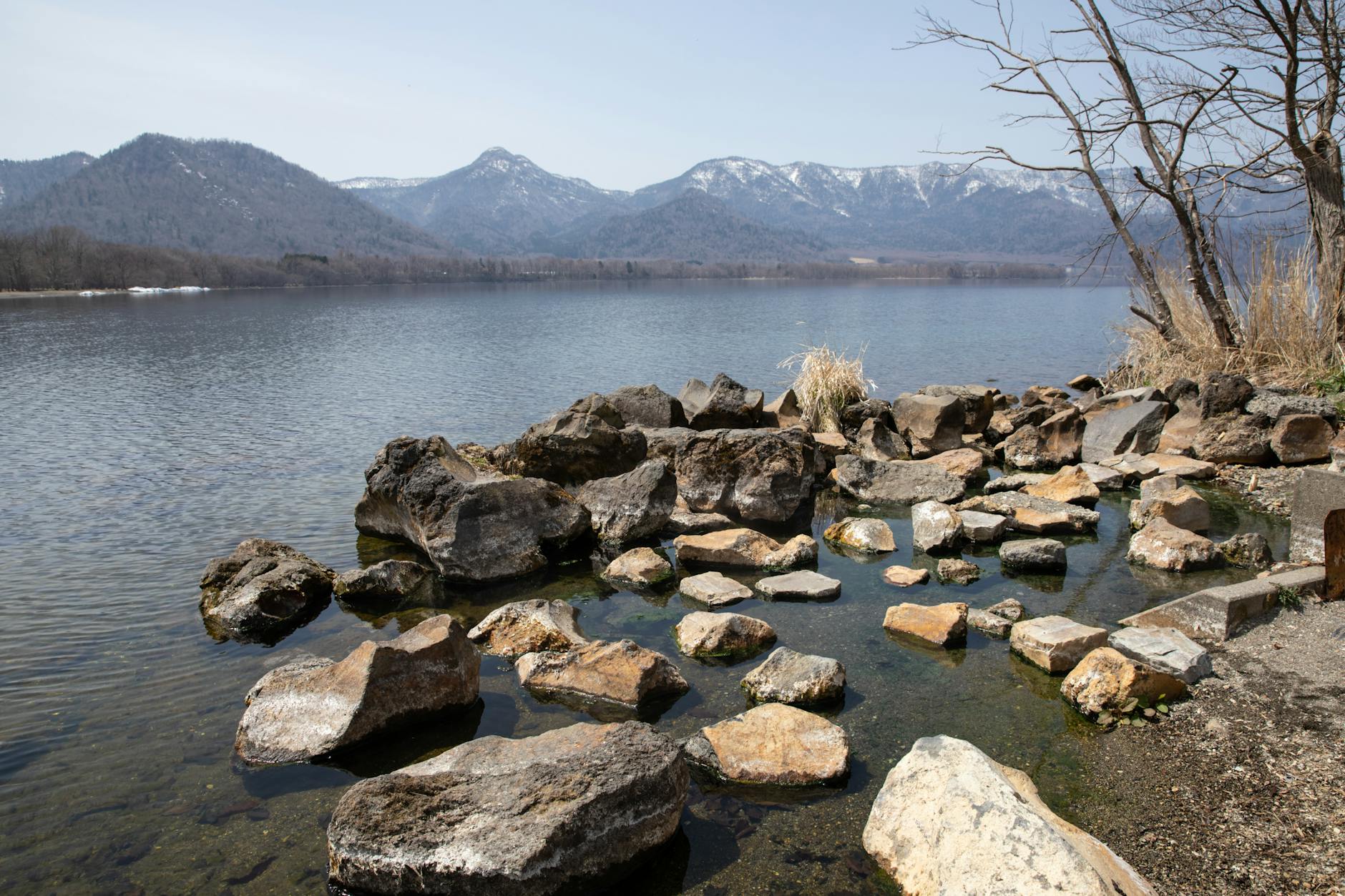
About 90 minutes northwest of Kushiro city by bus, Lake Akan is a volcanic crater lake inside Akan-Mashu National Park. The lake itself is famous for marimo — spherical moss balls that grow on the lake floor and can reach the size of a baseball over decades. They’re protected, so you can’t take them, but the Akan Marimo Exhibition and Observation Center lets you see them up close.
Boat cruises on Lake Akan run roughly ¥2,000 and include a stop at Churui Island where the marimo exhibit is located. The lake freezes in winter, which opens up ice fishing and snowmobile tours.
Lake Akan Ainu Kotan
On the southern shore of Lake Akan sits one of the largest Ainu settlements in Hokkaido. The Ainu Kotan (village) has about 120 residents and around 30 craft shops selling traditional woodcarving and embroidery. There’s a performance theatre (the Onne Chise) that hosts traditional Ainu music and dance shows, usually at set times during the day — check the schedule when you arrive.
This is probably the most accessible introduction to Ainu culture in Hokkaido, though I’d say the new Upopoy museum in Shiraoi is more comprehensive if you’re really interested in the subject. The Kotan is more of a living cultural village than a museum, which gives it a different feel. Some of the woodcarving is genuinely beautiful, and the prices are reasonable for handmade work.
If you’re exploring the wider region, Abashiri is reachable from here and makes a good next stop heading further east along the coast.
Lake Mashu — The Clearest Lake You Might Not See
Lake Mashu is one of the clearest lakes in the world, with visibility measured at over 40 metres. It sits inside a steep-walled caldera with no inlet or outlet rivers, which is part of why the water stays so pristine. On a good day, the deep indigo surface reflecting the crater walls is genuinely stunning.
The catch? Kushiro is one of the foggiest places in Japan — over 100 days of fog per year — and Lake Mashu gets its share. There’s a running joke that the lake is “cursed” and that seeing it clearly brings bad luck (a convenient legend that makes the frequent fog feel intentional). The first and third observation decks offer slightly different perspectives, with the first being more popular and the third less crowded.
Lake Mashu is about 90 minutes from Kushiro by car, or you can take the JR Senmo Line to Mashu Station and then a bus (seasonal, and the schedule is tight). Honestly, having a rental car makes this whole area so much easier. The bus connections exist but they’re infrequent and you spend more time waiting than exploring.
The Norokko and SL Winter Wetland Trains
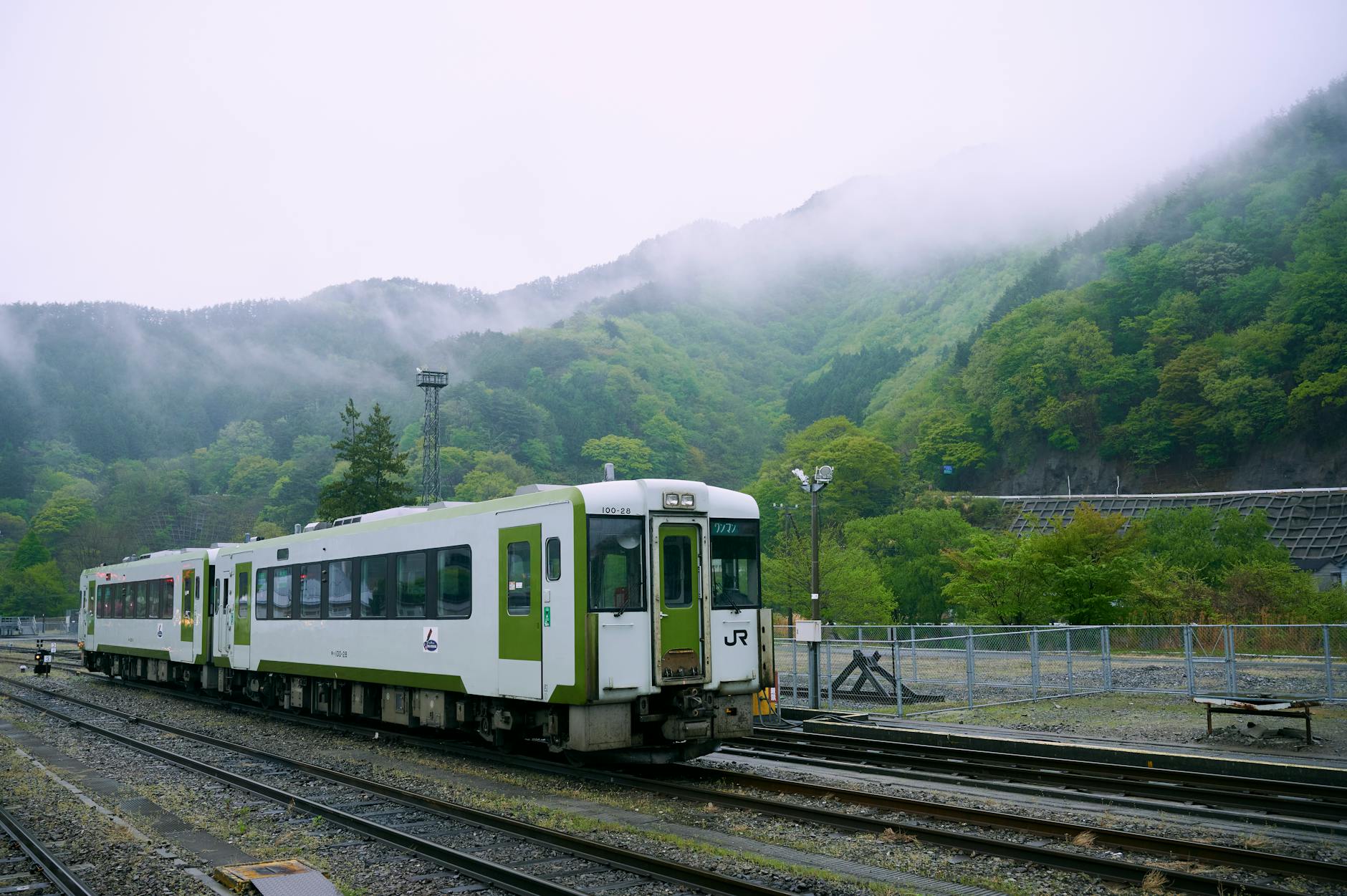
Two seasonal trains run through the Kushiro Marshland, and either one is worth building part of your trip around.
The Kushiro Shitsugen Norokko Train runs from late April to early October. “Norokko” comes from “noroi” (slow) — it crawls through the marshland at about 30 km/h with open-air viewing cars. The route runs between Kushiro and Toro stations (about 50 minutes each way), and the whole thing is covered by the Hokkaido Rail Pass if you have one. Reserve a seat because the open cars fill up fast in summer.
The SL Winter Wetland Train (SL Fuyu-no-Shitsugen) runs on select days from January to March. This is a steam locomotive pulling old-style coaches through the frozen marshland. It’s atmospheric as hell — the steam, the snow, the silence when the train stops at a signal. Runs between Kushiro and Shibecha stations. Again, covered by rail pass but reservations are essential.
One thing worth noting is that the Norokko schedule and the local bus connections don’t always line up neatly. If you’re trying to combine the train ride with a bus trip to one of the observatories, plan the timing carefully or you’ll waste hours waiting at small stations with nothing around them.
Getting to Kushiro
From Sapporo by train: The JR Super Ozora limited express takes about 4 hours. Runs several times daily. Covered by the Hokkaido Rail Pass. The scenery gets good after Obihiro — wide plains, river valleys, and if you’re lucky, crane sightings from the window.
By air: Kushiro Airport (Tancho Kushiro Airport) has domestic flights from Tokyo Haneda (about 1.5 hours). The airport is only 17km from central Kushiro, and the bus takes about 25 minutes. If you’re coming from outside Hokkaido and don’t want the Sapporo detour, flying direct saves significant time.
By car: About 4 to 4.5 hours from Sapporo via the Doto Expressway. If you’re doing a broader road trip around Hokkaido, Kushiro fits naturally into an eastern Hokkaido circuit that includes Akan, Mashu, Abashiri, and Shiretoko.
Getting around Kushiro: The city itself is walkable if you’re sticking to the station-market-wharf area. For the marshland, cranes, and lakes, you really need either a rental car or careful bus planning. Akan Bus operates most of the regional routes, but services can be as infrequent as 2-3 buses per day on some routes. Check timetables at Kushiro Station bus terminal when you arrive — the online information is not always current.
Best Time to Visit Kushiro
Winter (December to March) is the most popular season for good reason. The crane feeding stations are active, the SL Winter Wetland Train runs, and the frozen marshland has a stark, beautiful quality. Temperatures drop to -15 degrees Celsius or lower. Pack properly. Winter in Hokkaido requires real cold-weather gear, not just a puffy jacket over a t-shirt.
Summer (June to September) brings the Norokko Train, canoeing on the Kushiro River, and lush green marshland. Be warned: this is peak fog season. Kushiro averages over 100 foggy days a year and many of them fall in summer. Lake Mashu visibility is a coin toss. On the upside, temperatures rarely top 25 degrees, making it one of the coolest places in Japan during the brutal August heat elsewhere.
Shoulder seasons — May and October to November — are quieter. You lose the seasonal trains but gain emptier trails and lower prices. The autumn colours around Lake Akan in October are worth seeing.
For the full breakdown on timing, the best time to visit Hokkaido guide covers the whole island season by season. And for hot spring lovers, several onsen are within reach of the Akan area — check the best onsen in Hokkaido guide for details.
How Long to Spend in Kushiro
Two days is the minimum to see the marshland and the cranes without rushing. Three days lets you add Lake Akan and the Ainu village comfortably. If you want Lake Mashu and the Norokko/SL train as well, four days gives you breathing room.
Most people pass through Kushiro as part of a larger eastern Hokkaido circuit. A common route: Sapporo to Kushiro (marshland, cranes) to Akan/Mashu to Abashiri (drift ice in winter) to Shiretoko and loop back. That takes about 5 to 7 days with a rental car, which is the best way to do the east coast without losing your mind to bus schedules.
| Duration | What You Can Cover |
|---|---|
| 1 day | Washo Market, Fisherman’s Wharf, one marshland viewpoint |
| 2 days | Add crane viewing, second marshland viewpoint or canoe trip |
| 3 days | Add Lake Akan, Ainu Kotan, Norokko/SL train |
| 4+ days | Add Lake Mashu, Lake Kussharo, full eastern Hokkaido loop |
Where the Money Goes
Kushiro is not an expensive destination by Japanese standards. Budget travellers can get by on ¥8,000 to ¥10,000 per day outside of accommodation.
| Item | Approximate Cost |
|---|---|
| Katte-don at Washo Market | ¥1,500 to ¥2,500 |
| Kushiro Marsh Observatory bus (round trip) | ¥1,380 |
| Akan International Crane Center | ¥480 |
| Lake Akan boat cruise | around ¥2,000 |
| Canoe tour (90 min) | ¥8,000 to ¥12,000 |
| Sapporo to Kushiro train (unreserved) | around ¥9,000 |
| Budget hotel/guesthouse | ¥4,000 to ¥7,000/night |
If you’re working with a tighter budget, the Hokkaido activities guide has plenty of free and cheap options across the island.
Kushiro is not the kind of place that makes top-10 Japan lists, and that’s exactly what makes it worth visiting. The tourists have not found it yet, not really. The cranes still outnumber the photographers most mornings. The marshland is still quiet enough that you can hear the river moving through the reeds. Go before that changes.