This article contains affiliate links. If you book through them, I earn a small commission at no extra cost to you.
In This Article
- Why Hokkaido Is Different
- The Rivers You Should Know
- Shiribetsu River
- Akan River
- Chitose River
- Tokachi River System
- What You’ll Actually Catch
- Fly Fishing: The Main Event
- Ice Fishing: Hokkaido’s Winter Tradition
- Sea Fishing
- Guided Trips vs Going Alone
- Fishing Licenses and Rules
- Best Seasons
- Bears: The Thing Nobody Talks About Enough
- Gear and What to Bring
- Getting There and Getting Around
- Costs
The first trout I caught in Hokkaido came on a Tuesday afternoon in September, about thirty minutes after I’d convinced myself the river was empty. I was wading knee-deep in the Shiribetsu River, a couple hours south of Sapporo, and the fish hit a dry fly so hard I almost dropped the rod. A fat rainbow, maybe 35cm, furious and wild in a way that farm-stocked trout never are.
That was three trips ago. I keep going back.
Hokkaido is Japan’s northernmost main island, and it’s nothing like the rest of the country when it comes to fishing. Where Honshu is crowded and heavily regulated, Hokkaido is wild. Five million people spread across an island the size of Austria, and almost two million of them live in Sapporo. The rest is mountains, forests, volcanic rivers, and fish. Lots of fish.
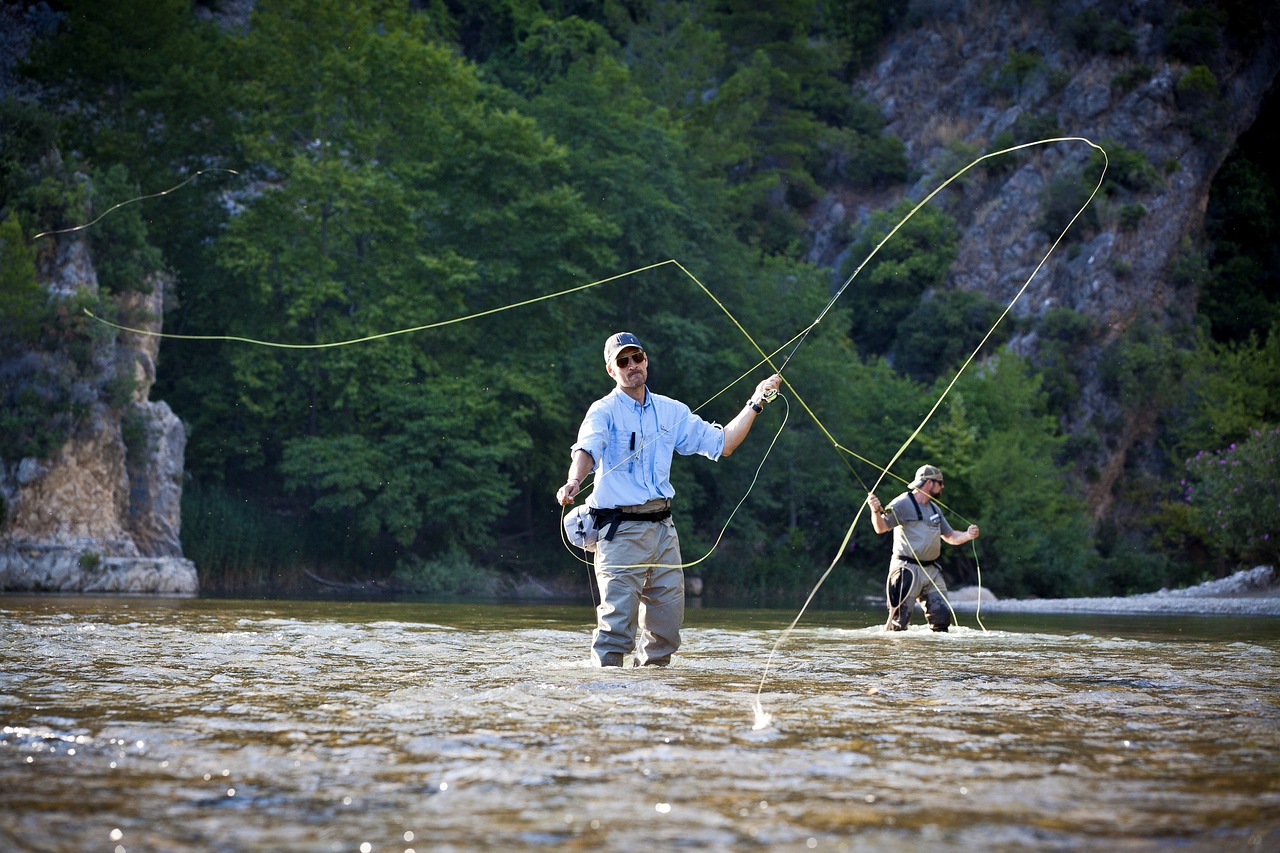
This guide covers everything I’ve figured out over multiple trips: where to fish, what you’ll catch, when to go, and the stuff that nobody tells you until you’re already there with the wrong gear.
Why Hokkaido Is Different
Most people come to Japan for temples and ramen. The anglers who make it to Hokkaido come for one reason: wild trout in rivers that don’t feel like Japan at all. The landscape here looks more like Montana or New Zealand — broad gravel rivers cutting through birch forests, volcanic peaks in the background, and almost nobody around.
The cold climate means Hokkaido supports species that can’t survive further south. Rainbow trout, brown trout, Dolly Varden char, white-spotted char (iwana), yamame, and — if you’re lucky and in the right river at the right time — the Ito, or Japanese huchen, one of the rarest freshwater fish in the world. Add in seasonal salmon runs and winter wakasagi ice fishing, and you’ve got year-round fishing that covers every style.
The flip side? Hokkaido is bear country. Ussuri brown bears are everywhere, and they fish the same rivers you do. Signs warn you at every trailhead, and this is not the Japanese tendency toward over-caution — people get attacked here. More on that below.
The Rivers You Should Know
Shiribetsu River
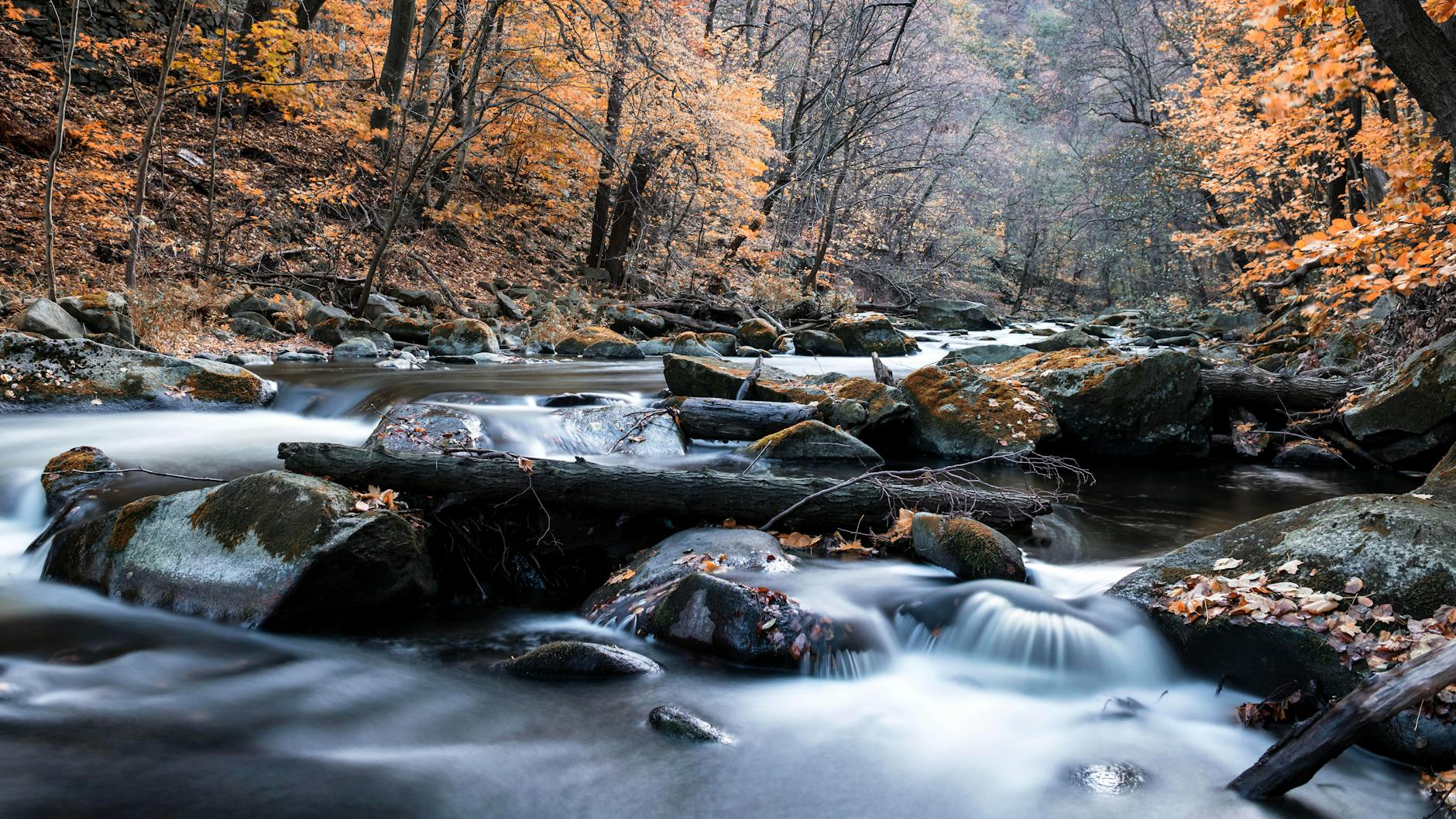
This is probably the most famous trout river in Hokkaido, and for good reason. It flows through the Niseko area, which means it’s relatively accessible if you’re based in that part of the island. The upper sections hold good-sized rainbow trout and the occasional brown. The Shiribetsu is wadeable in summer and early fall, with a mix of riffles, pools, and pocket water that’s perfect for dry fly fishing.
One thing worth knowing: the river gets pressure from guided fishing operations based in Niseko, especially the catch-and-release sections. If you want solitude, hike further upstream than feels comfortable. The best pools are always the ones that require effort to reach.
If you’re exploring the Niseko area, check out the Hokkaido road trip guide for driving routes and logistics.
Akan River
The Akan River flows out of Lake Akan in eastern Hokkaido, at the foot of Meakan-dake volcano. It runs 98 kilometers south to the Pacific, and the upper sections are designated catch-and-release — that’s where the biggest rainbow trout live. The fish here get fat on nutrient-rich water; one local angler said he didn’t like fishing the Akan because the trout were “too fat.” That’s a complaint I can live with.
The upper river also has hot springs that bubble along the banks, which keeps parts of the water warmer than you’d expect. Bears are very common here — Akan-Mashu National Park is prime bear habitat, and you’ll see warning signs everywhere. Fish with a partner if possible, carry a bear bell, and don’t go at dawn or dusk alone.
Eastern Hokkaido is stunning country beyond the fishing. The eastern Hokkaido guide covers the whole region.
Chitose River
Just south of Sapporo and running through the town of Chitose (where the airport is), this is the most accessible trout river for anyone flying in. The Chitose is clear, shallow, and holds rainbow trout plus the occasional brown. It’s not wilderness — you’re fishing within earshot of traffic in some sections — but the trout don’t seem to care.
The river is also famous for its autumn salmon run. In September and October, massive chum salmon push up the Chitose to spawn, and you can watch them from bridges and observation points near the Chitose Aquarium. You can’t fish for the spawning salmon in most sections (regulations are strict), but it’s worth seeing even if you’re just passing through on the way to Sapporo.
Tokachi River System
The Tokachi flows through central Hokkaido and drains a massive watershed. It’s a bigger, broader river than the Shiribetsu or Akan — more suited to spin fishing and streamer work than delicate dry fly presentations. The rainbow trout here can be genuinely big, 50cm and up in the right spots. The tributaries of the Tokachi are often better than the main stem for fly fishing, with smaller water and more structure.
Getting to the Tokachi usually means renting a car. Public transport won’t get you to the put-in points.
What You’ll Actually Catch
The species list in Hokkaido is surprisingly long for a place most people don’t associate with fishing.
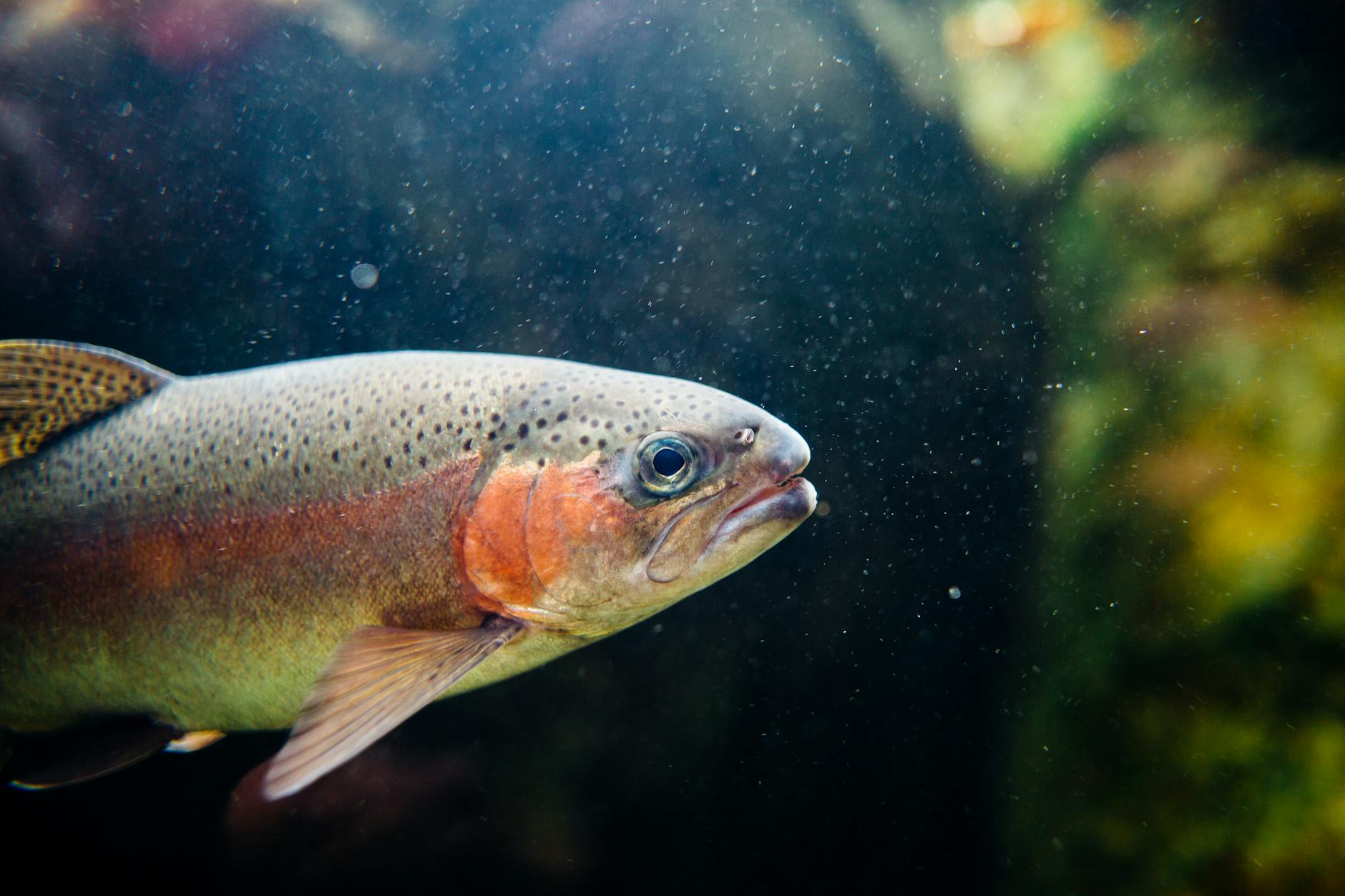
Rainbow trout (niji-masu) are the bread and butter. They’re in almost every river and they fight hard. Introduced originally, they’ve gone fully wild in many watersheds. Sizes range from 20cm dinks in the lower rivers to 50cm+ bruisers in the C&R sections of the Akan and Shiribetsu.
Yamame are native cherry trout — beautiful fish with dark parr marks that look almost painted on. They’re smaller, rarely over 30cm, and spookier than rainbows. Catching yamame on a dry fly is one of those “Japan-specific” fishing experiences that you can’t really get anywhere else.
Iwana (white-spotted char) live in the colder headwaters. They’re not fussy eaters, but getting to them means hiking into mountain streams, which in Hokkaido means navigating bear territory. The fish are gorgeous — dark bodies with white spots and orange fins in spawning season.
Brown trout were introduced later and are less common, but they’re in the Shiribetsu and a few other rivers. They tend to be bigger and moodier than rainbows.
Ito (Japanese huchen) — the holy grail. These are massive salmonids, reaching over a meter in rare cases, and they’re critically endangered. Catching one is a once-in-a-lifetime event, and they’re only in a handful of rivers in eastern Hokkaido. Many anglers spend years trying and never land one. If you do encounter one, handle it with extreme care and release it immediately.
Salmon run in autumn. Chum salmon are the most common, with pink salmon in some rivers too. The fishing regulations around salmon are complicated and vary by river — some sections allow it, some are strictly observation-only. Check locally before you cast.
Fly Fishing: The Main Event
Hokkaido’s reputation among international anglers is built almost entirely on fly fishing. The rivers here suit it perfectly — clear water, gravel bottoms, visible fish, and enough insect hatches in summer to make dry fly fishing productive from June through September.
A 5-weight rod covers most situations. Bring a 6-weight if you’re targeting bigger fish in the Tokachi or chasing salmon. Waders are essential — the water stays cold even in August, and you’ll be wading waist-deep in some spots.
Tenkara is also huge here. This traditional Japanese fly fishing method uses a long, flexible rod with no reel — just a line tied directly to the rod tip. It was invented in Japan for mountain stream fishing, and Hokkaido’s headwaters are where it feels most natural. Several activity operators in the Niseko and Tokachi areas offer tenkara experiences for beginners.
Best months for fly fishing: June through October. July and August are peak for dry flies. September and October bring bigger fish but cooler weather and shorter days.
Ice Fishing: Hokkaido’s Winter Tradition
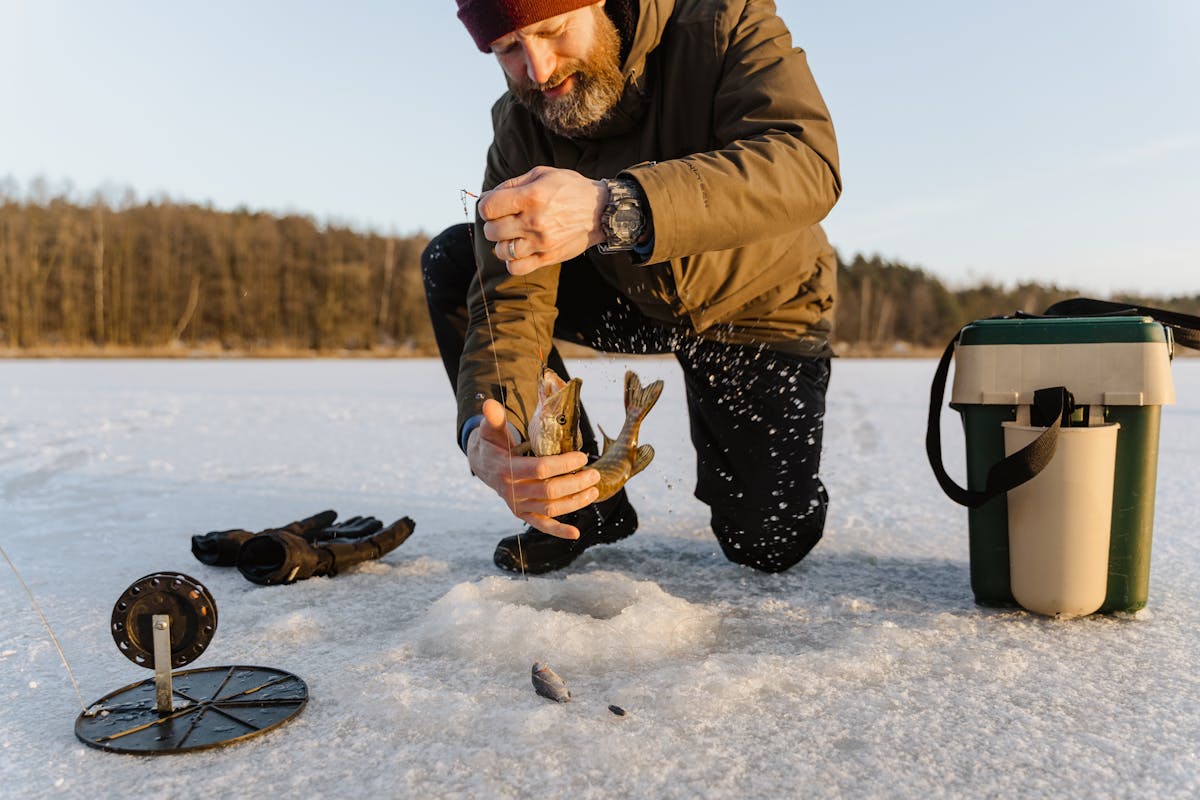
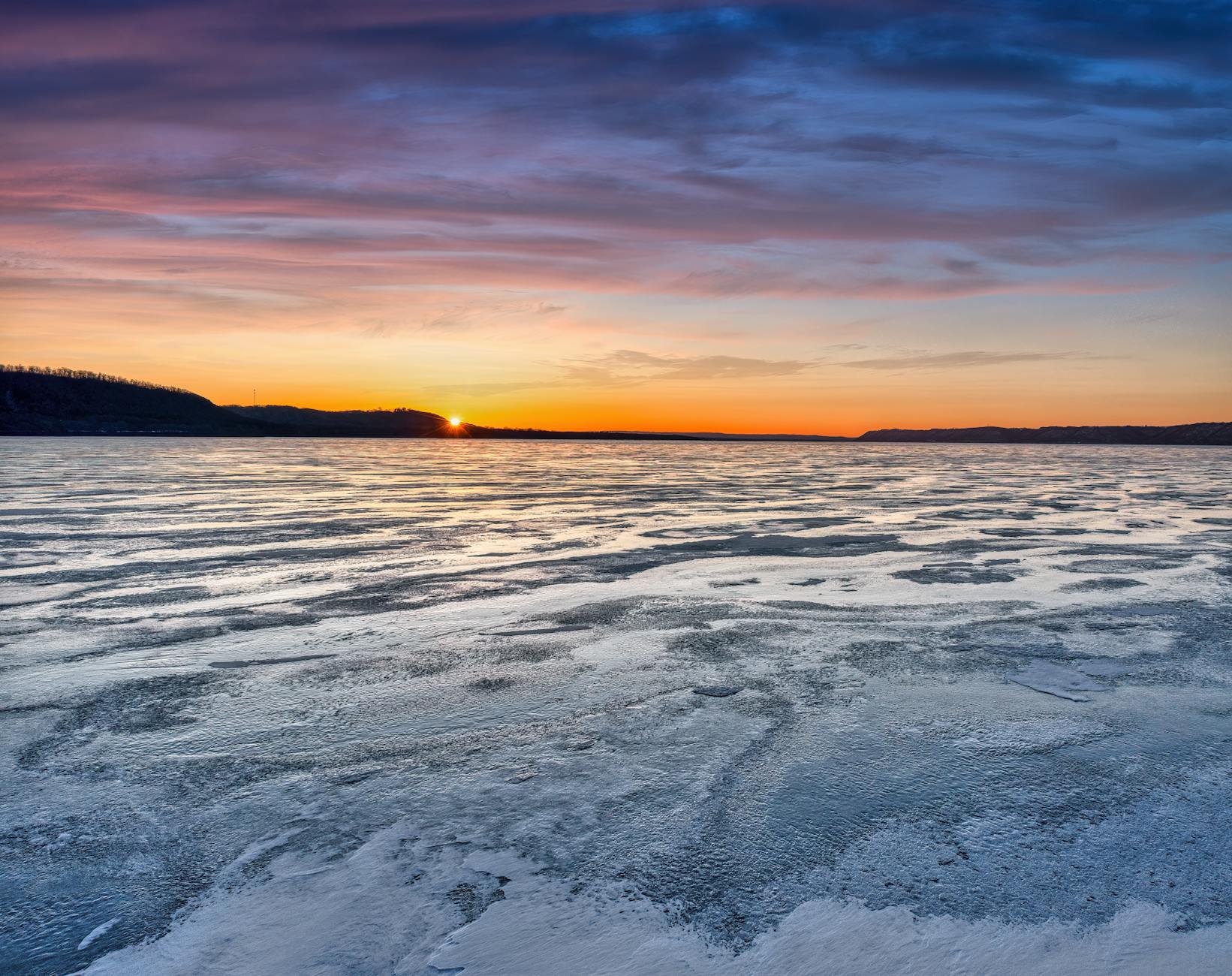
When the rivers freeze, Hokkaido switches to ice fishing — specifically, wakasagi fishing. Wakasagi are tiny smelt, maybe 10cm long, and you catch them through holes drilled in frozen lakes using miniature rods and hooks smaller than your fingernail. It’s not exactly adrenaline-pumping, but it’s one of those Hokkaido winter experiences that everyone should try once.
The most popular spot near Sapporo is the Barato River area, where several commercial operations set up heated tents on the ice and provide all equipment. You drill a hole, drop a tiny jig, and wait. The fish come in schools, so you’ll either catch nothing for twenty minutes or pull up five in a row. Most places will tempura-fry your catch on the spot — that alone is worth the trip.
Costs: Commercial wakasagi operations charge around ¥2,000-3,500 per person for equipment rental and ice access. Heated tent setups cost more, around ¥3,500-5,000. The Barato River spots are about 30-40 minutes north of Sapporo by car.
Lake Shikotsu also has ice fishing options in severe winters, though it’s less commercial than Barato. See the Lake Shikotsu guide for more on that area.
Season runs from roughly January through mid-March, depending on ice conditions. Some lakes further north open in December.
Sea Fishing
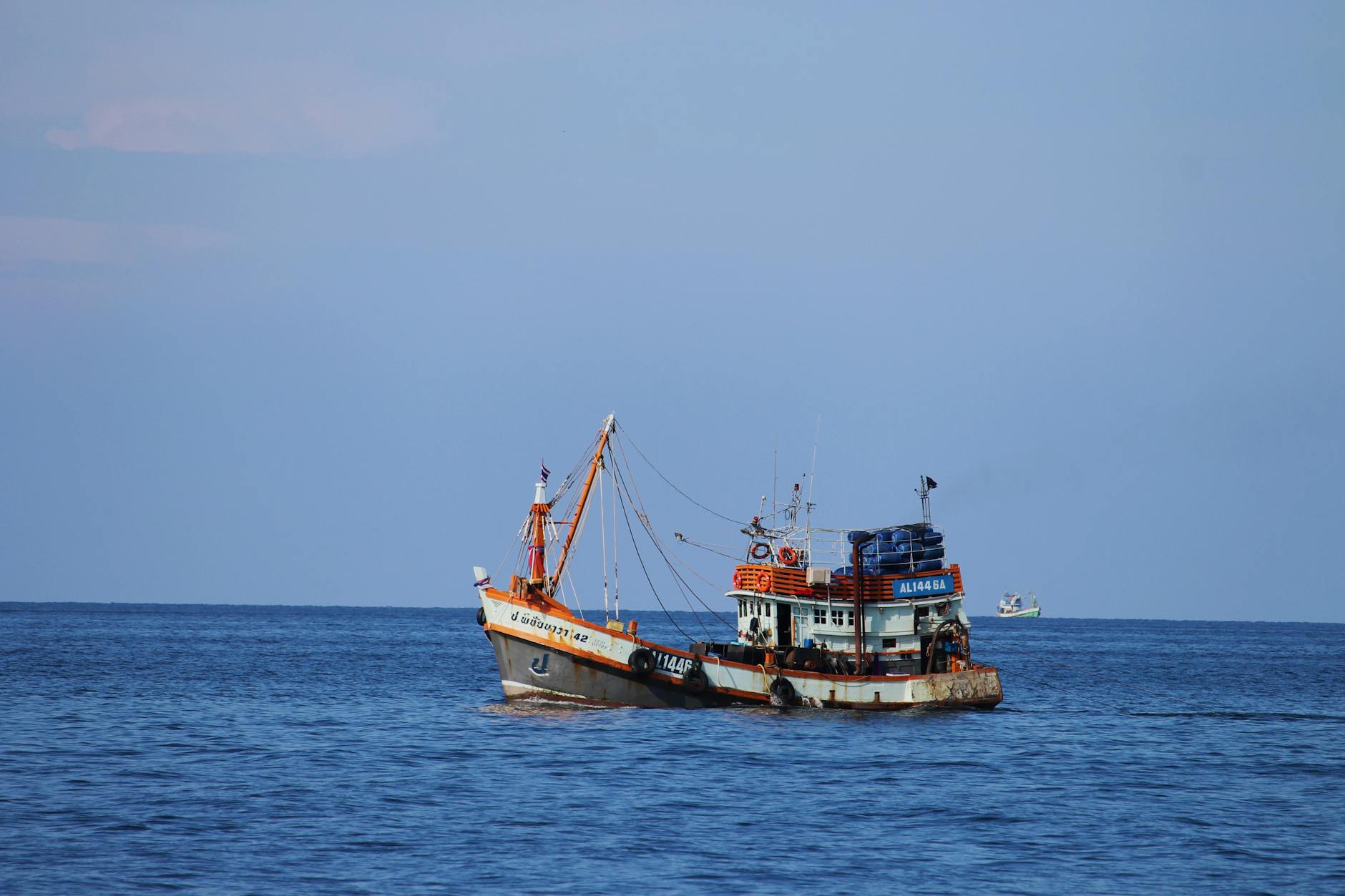
Hokkaido is an island, and the ocean fishing is seriously underrated. Most visitors focus on freshwater, but charter boats run out of ports on every coast, targeting everything from squid to yellowtail to massive halibut.
The northern coast around Wakkanai and Rishiri Island is known for kelp-bed fishing — rockfish, flounder, and seasonal squid. The Pacific side (Kushiro, Nemuro) has better offshore options for bigger fish. Charter prices vary wildly, from ¥8,000 per person for a shared boat to ¥50,000+ for a private charter.
Honestly, unless you’re a dedicated sea angler, the freshwater fishing is the real draw. But if you find yourself on the coast with a free afternoon, it’s worth asking around at the local port.
Guided Trips vs Going Alone
This is the question everyone asks, and the honest answer is: it depends on your experience level and how much time you have.
Go guided if: you’ve never fished in Japan before, you don’t speak Japanese, you want to fish the best water without spending days scouting, or you’re targeting Ito. A good guide knows which rivers are fishing well this week, where the bears have been spotted, and which access roads are washed out. That information alone is worth the fee.
Go solo if: you’ve fished before and you’re comfortable reading water, you have a car, and you don’t mind some trial and error. Many of Hokkaido’s rivers are accessible from roads, and the fishing pressure is low enough that you don’t need to be on the “secret spots” to catch fish. Buy a fishing license (more on that below), grab a map, and explore.
Guided fly fishing trips in Hokkaido typically cost ¥30,000-50,000 per day for one angler, including transport from your hotel. Two anglers sharing a guide brings it down to maybe ¥20,000-35,000 each. Companies like Niseko Fly Fishing and Hokkaido Angler are the most established English-speaking operations.
If you’re planning a self-guided trip, a rental car is non-negotiable. The car rental guide covers everything from booking to navigation. And a broader road trip itinerary can help you combine fishing with other stops.
Fishing Licenses and Rules
Japan’s fishing regulations are confusing even for Japanese anglers, so don’t feel bad if this section makes your head spin.
River fishing permits: Most rivers in Hokkaido are managed by local fishing cooperatives (gyokyou). You need a permit for each river or river system, and they’re typically sold at nearby convenience stores, tackle shops, or gas stations. Daily permits run ¥1,000-1,500. Season permits are ¥5,000-10,000. The permit is usually a paper slip — keep it on you while fishing.
Catch and release sections: Some rivers (like the upper Akan) have designated C&R zones. These are marked with signs, usually in Japanese only. If you’re not sure, ask locally or go with a guide the first time. Fines for killing fish in C&R zones are steep.
Salmon regulations: Salmon fishing is heavily regulated and varies by river and season. Some rivers have specific windows (usually September-November) where salmon fishing is allowed in certain sections. Others are completely closed. The regulations change yearly. A guide is the safest bet if you want to target salmon.
No fishing license needed for: ocean fishing from shore, ice fishing on most commercial lakes (the operator handles permits), and some stocked ponds.
Best Seasons
Hokkaido has four distinct fishing seasons, and each one offers something different.
Spring (April-May): Rivers open after snowmelt. Water is high and cold. Trout are hungry after winter but the conditions can be tough — murky water, fast flows. Nymphing beats dry fly work. The upside: fewer people and the fish haven’t been pressured all year. Timing your Hokkaido trip around late May gives you the tail end of cherry blossoms AND fishable rivers.
Summer (June-August): Prime time. Rivers drop and clear, insect hatches bring fish to the surface, and the weather is warm enough that wading feels good rather than punishing. July and August are the best dry fly months. The downside: this is also peak tourist season for Hokkaido generally, so accommodation fills up fast, especially around Niseko and Furano. Summer in Hokkaido covers a lot more than fishing if you’re bringing non-anglers along.
Autumn (September-October): My favorite. The fish are bigger, the foliage turns, the salmon run starts, and the summer crowds thin out. Water temperatures drop and the trout feed aggressively before winter. The bears are also feeding aggressively before winter, so be extra cautious. October is when the mountains are at their most beautiful — worth the trip even if you don’t catch anything.
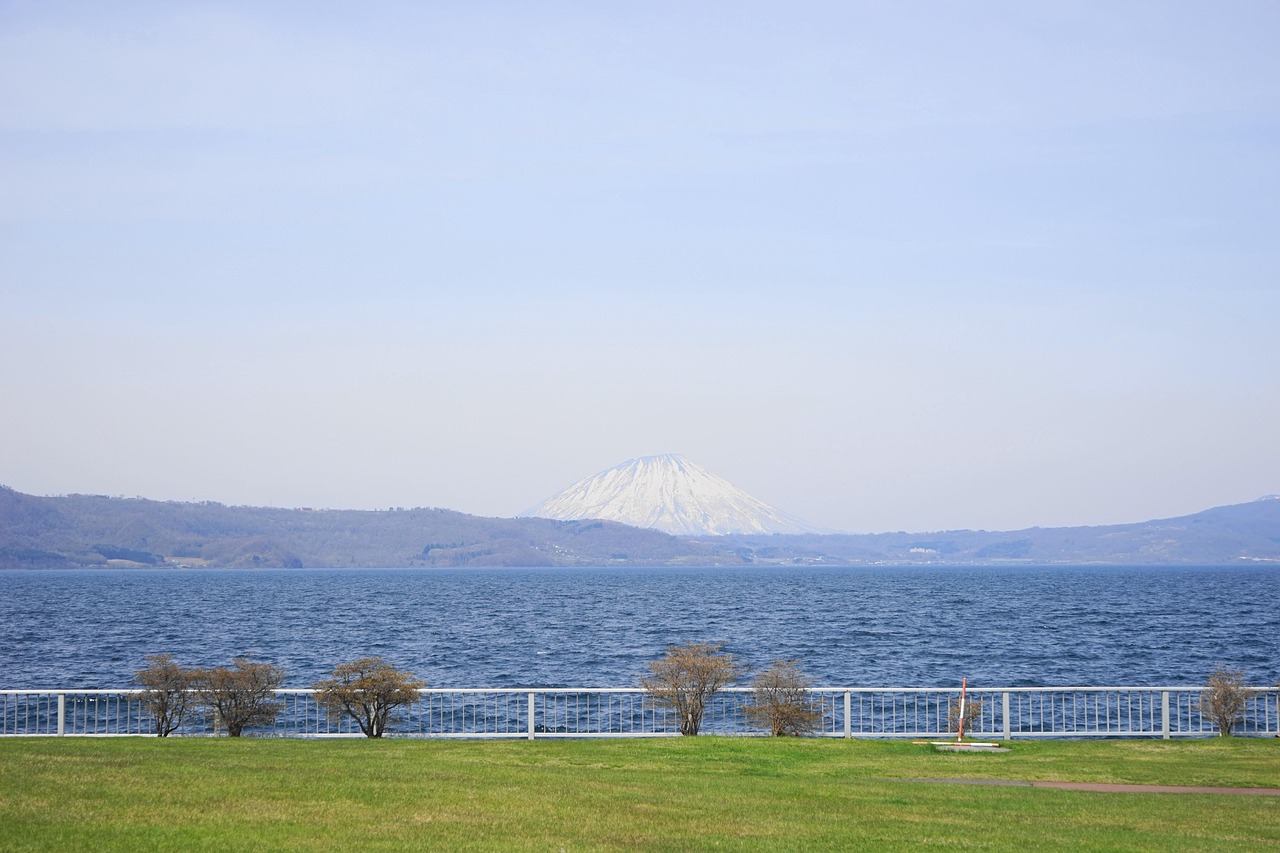
Winter (December-March): River fishing is mostly done, but ice fishing takes over. Wakasagi on the frozen lakes, plus some hardy anglers fish the tailwaters below dams that stay open. Lake Toya never freezes (volcanic heat) so shore fishing continues year-round there, though catches are slow in midwinter.
Bears: The Thing Nobody Talks About Enough
I’m giving this its own section because it matters more than most fishing guides let on.
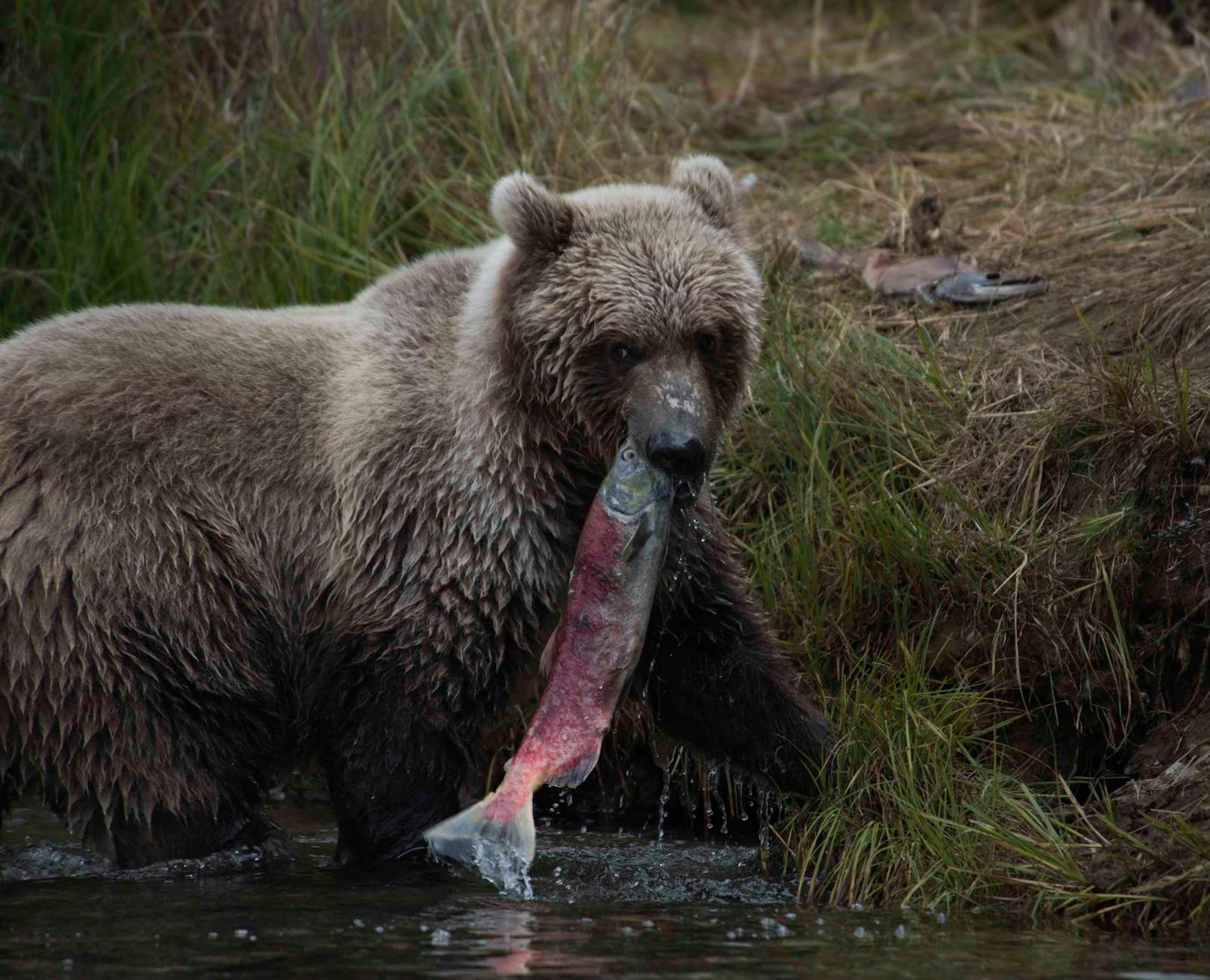
Hokkaido has an estimated 10,000+ Ussuri brown bears. They’re big — males weigh 200-400kg — and they eat salmon from the same rivers you’re fishing. Bear encounters while fishing in Hokkaido are not rare. They happen regularly, especially on the Akan River, Shiretoko Peninsula rivers, and remote tributaries of the Tokachi.
Bear bells help. Making noise helps. Fishing with a partner helps more than anything. A ranger at Akan told one angler that bears had dragged a deer onto the grounds of a nearby onsen and were eating it in broad daylight. The onsen closed for the day. That’s the reality of fishing in bear country.
Practical advice: carry bear spray if you can get it (hard to buy in Japan — bring from home or buy from a guide), don’t fish at dawn or dusk when bears are most active, and if you see one, back away slowly. Don’t run. Don’t leave fish guts on the bank.
None of this should stop you from fishing. But go in with eyes open.
Gear and What to Bring
You can buy tackle in Hokkaido — there are good fishing shops in Sapporo, Chitose, and most towns near popular rivers. But if you have specific preferences, bring your own.
Fly fishing: 5-weight rod, floating line, a selection of dry flies (elk hair caddis, Adams, stimulators work well), nymphs (pheasant tail, hare’s ear), and streamers for big water. Japanese fly patterns are worth picking up locally — they’re designed for these exact rivers.
Spin fishing: ultralight setup with small spoons and spinners. Trout here respond well to hardware.
Waders: breathable chest waders with felt-sole boots. The riverbeds are slippery volcanic rock and rubber soles are dangerous. Some C&R sections have banned felt soles (to prevent invasive species transfer) — check before you go.
Other essentials: bear bell, polarized sunglasses (you’re sight-fishing a lot of the time), rain gear (Hokkaido weather changes fast), and insect repellent for the summer months. The mosquitoes near the rivers are savage in July.
Getting There and Getting Around
New Chitose Airport (near Sapporo) is the main gateway. Direct flights from Tokyo take 90 minutes. From the airport, the Chitose River is literally 15 minutes away — you could theoretically fish the same day you land.
For everything beyond the Chitose River, you need a car. Period. The rivers worth fishing are not on bus routes, and taxis to remote put-in points would cost a fortune. The car rental guide has everything on booking and driving in Hokkaido. A broad road trip route that includes fishing stops in eastern Hokkaido is worth mapping out if you have a week or more.
If you’re coming from Sapporo, the Shiribetsu River (Niseko area) is about 2 hours by car. The Akan River in eastern Hokkaido is 4-5 hours from Sapporo, or you can fly to Kushiro and drive from there. That eastern stretch also puts you near eastern Hokkaido’s other attractions — Shiretoko, Akan-Mashu National Park, and some of the emptiest coastline in Japan.
Costs
Fishing in Hokkaido doesn’t have to be expensive, but it can be if you go guided.
| Item | Cost |
|---|---|
| River permit (daily) | ¥1,000-1,500 |
| River permit (season) | ¥5,000-10,000 |
| Guided fly fishing (1 day, 1 person) | ¥30,000-50,000 |
| Guided fly fishing (1 day, 2 people) | ¥20,000-35,000 per person |
| Wakasagi ice fishing (commercial) | ¥2,000-5,000 |
| Sea fishing charter (shared boat) | ¥8,000-15,000 |
| Car rental (per day) | ¥5,000-8,000 |
| Tackle shop flies (per dozen) | ¥1,500-3,000 |
A week of self-guided fishing — car rental, permits for three rivers, accommodation in business hotels, and food — runs about ¥100,000-150,000 total, excluding flights. Add ¥30,000-50,000 if you want one or two guided days mixed in. That’s roughly comparable to a fishing trip in New Zealand, and cheaper than most guided operations in Alaska.
For general trip planning and budget breakdowns, the best time to visit Hokkaido page covers seasonal pricing fluctuations.
Hokkaido doesn’t get talked about enough as a fishing destination. The rivers are clean, the fish are wild, and you can wade for hours without seeing another person. It’s not easy — you need a car, you need to deal with bears and Japanese-only signage and confusing permit systems. But if you’re the kind of angler who’d rather figure things out on your own than be handed a fish on a guided tour, this place will get under your skin the same way it got under mine.