
Reviewed · SHIRETOKO & WILDLIFE TOURS
4.5 hours Snowshoe hike in Shiretoko five lakes
Shiretoko’s Five Lakes become a different place in winter. Snow covers the forest, the lakes freeze solid enough for guided snowshoe walks, and the coast may be edged with drift ice. You get a quiet view of the Shiretoko mountain range, far from the usual summer paths.
In This Article
- Key points at a glance
- Why winter changes Shiretoko Five Lakes
- The frozen lake crossing
- Forest tracks and the chance of wildlife
- Along the coast toward the drift ice
- The pace, group size, and physical effort
- What the price of $54.20 means
- Meeting in Utoro
- English support and the guide’s role
- Weather, clothing, and sensible expectations
- Who should book this snowshoe walk?
- Should you book it?
- FAQ
- Where does the snowshoe tour start?
- Where does the activity finish?
- Is pickup available?
- How much does the experience cost?
- How long does the tour last?
- How many people can join the group?
- What level of fitness is needed?
- Can I see wildlife?
- Can I see drift ice?
- What happens if bad weather cancels the tour?
I like two things here: the chance to walk directly over the frozen lakes, and the small group size of eight or fewer. The guide also adds value by pointing out animal tracks and explaining the wildlife. The main caution is that the scenery depends heavily on weather, and the tour details give different duration figures, so confirm the exact schedule before paying.
Key points at a glance
- Walk on frozen Five Lakes: This winter route is possible only during the severe cold season.
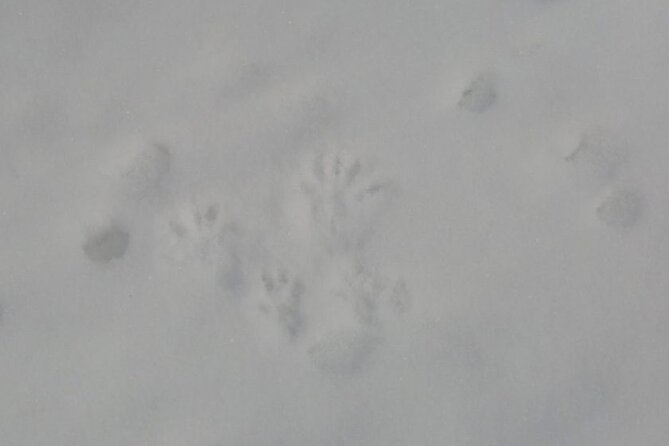
- Look for wildlife tracks: Your guide helps you notice signs that are easy to miss in fresh snow.
- See drift ice from the coast: The walk may include coastal views toward the frozen sea.
- Small groups of eight: A compact group makes a quiet nature walk easier to manage.
- Moderate fitness required: Snowshoeing on snow and ice is active, not a simple sightseeing stroll.
- Flexible weather policy: Poor conditions can lead to a new date or a full refund.
Why winter changes Shiretoko Five Lakes
From spring through autumn, Shiretoko Goko is known for its five lakes, forest paths, and views toward the mountains. In the middle of winter, snow and ice close off the scene and create a rare route across the lake surfaces themselves.
That is the central reason to choose this outing. You are not simply looking at a frozen lake from a platform. With snowshoes, you can cross the white surface under the supervision of a guide. The experience is tied to a short seasonal window, which gives it more character than a standard park walk.
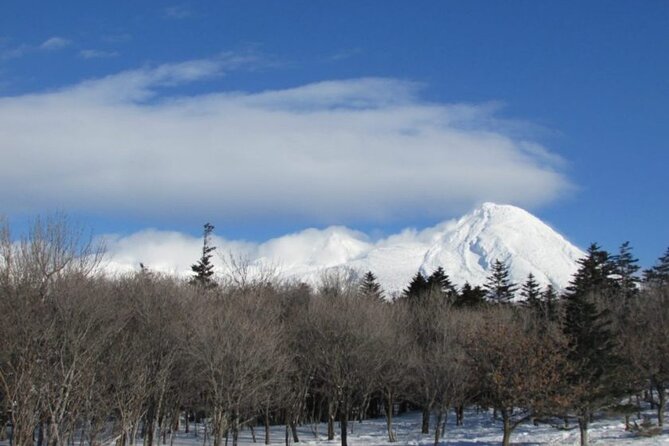
The setting can be striking on a clear day. The silvery mountains rise against a blue sky, while the sea beyond the forest may carry broad fields of drift ice. Shiretoko is one of the better places in Japan to see this combination of heavy snow, wild forest, mountains, and frozen sea in one outing.
Still, keep your expectations realistic. Winter scenery is weather-dependent. Cloud, snowfall, wind, or poor visibility can soften the mountain views and make the coast less dramatic. The appeal is the setting and the season, not a guaranteed postcard sky.
A few more Hokkaido tours and experiences worth a look


The frozen lake crossing
The Five Lakes section is the heart of the activity. Once snow covers the usual paths, the frozen lake surfaces offer a route that is unavailable during warmer months. That unusual access is what separates this walk from an ordinary snowshoe outing in a park.
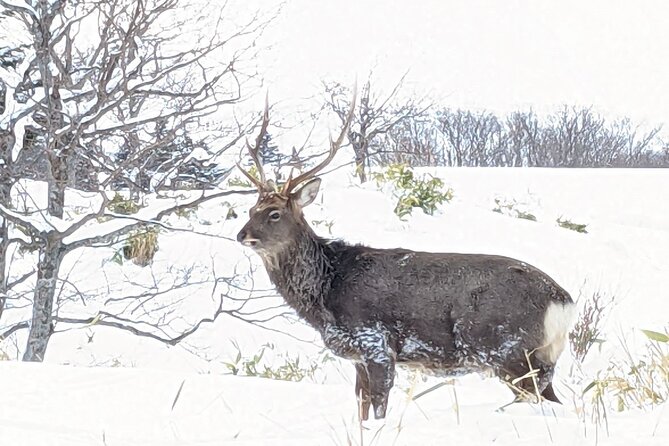
You can expect the guide to set the pace and explain what you are seeing as the group moves. Tracks in the snow may reveal the presence of wild animals, and the guide can help you read these marks in context. You might see an animal itself, but that is a possibility rather than a promise.
The supplied information describes the walk as a snowshoe hike, and it requires moderate physical fitness. Snowshoes make deep snow easier to cross, but they do not remove the effort. You still need to lift your feet, keep your balance, and walk for a sustained period in winter conditions.
The surface of a frozen lake can look flat and simple, yet the experience is not the same as walking on a cleared road. Snow depth and footing can vary. Follow the guide closely, stay with the group, and avoid treating the open white space as an invitation to wander off.
One useful point is the limited access. Only a small number of people are allowed to walk in this winter area. A maximum group of eight keeps the outing more personal and should reduce the feeling of a large organized procession.
Forest tracks and the chance of wildlife
The forest around the lakes adds another layer to the walk. Snow preserves signs of movement, so you may see animal tracks crossing or following the route. This is often more rewarding than simply hoping to spot a large animal in the distance.
Your guide can help you distinguish the idea of wildlife from the reality of wildlife. Tracks may be the only evidence you find, and that is normal. If you are lucky, you could see animals during the walk, but no responsible nature outing can guarantee a sighting.
This is where the guide matters most. A person who knows the area can direct your attention to small details and explain why a set of tracks is worth noticing. Picchio Shiretoko has guides named Keke and Yuka who speak good English, according to the supplied tour information. Because that comment covers several Picchio activities, including Shiretoko Goko Trekking, confirm who will lead your chosen departure and what language support will be available.
I would choose this tour for the chance to learn how to look, not just for the hope of taking a wildlife photograph. The animal encounter may be brief or absent. The tracks, silence, and winter forest are part of the experience too.
Along the coast toward the drift ice
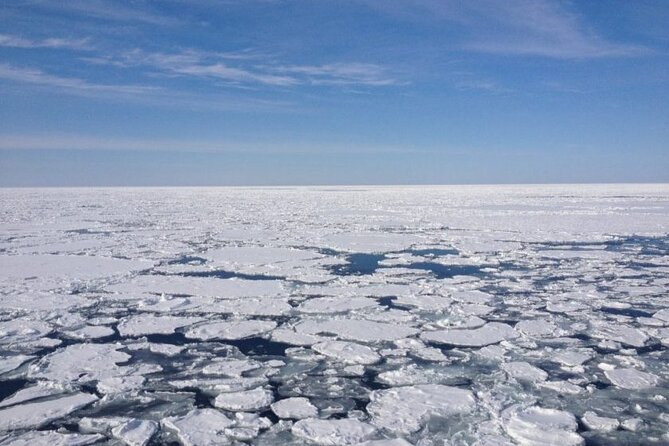
The route also goes along the coast, giving you a second type of scenery after the lakes and forest. From here, you may see drift ice covering the sea beyond the horizon during the drift ice season.
Drift ice is a major part of winter Shiretoko. It gives the coast a broad, stark appearance and changes with weather and sea conditions. Seeing it from land during a snowshoe walk feels more connected to the place than viewing it only from a town lookout, though the exact amount of ice will vary.
The coast can also make the walk feel more exposed. Wind and cold may be stronger beside the sea than in the forest. Dress for winter conditions and expect the weather to shape the mood of the outing.
The contrast between the frozen lakes and the sea ice is a real strength. One part of the route brings you into a quiet inland world. The coastal section opens the view and gives you a sense of Shiretoko’s larger setting.
The pace, group size, and physical effort
The maximum group size is eight people. That is a good fit for a guided nature walk because the guide can keep the group together without the outing becoming crowded. It also gives you a better chance to hear explanations about tracks, scenery, and conditions.
The activity requires moderate fitness. You do not need to approach it as a technical mountaineering trip based on the supplied details, but you should be comfortable walking in snow for the full duration. Snowshoeing can feel tiring even when the route is not steep.
The published information is inconsistent about timing. The experience title describes a 4.5-hour snowshoe hike, while the tour summary says about three hours. A separate experience mentioned in the supplied material was a shorter 1.5-hour guided walk that visited only two lakes, but that is not necessarily the same winter departure.
This matters when you plan transport, meals, and other activities in Shiretoko. Ask Picchio Shiretoko to confirm the total time, including any preparation, transfers, or return to the meeting point. Do not rely on the title alone.
A few more Hokkaido tours and experiences worth a look


What the price of $54.20 means
At $54.20 per person, this is reasonably priced if you want guided access to a seasonal route rather than a self-guided walk. The value comes from the guide, the snowshoe experience, the small group, and the chance to cover frozen lake surfaces that are not available in the warmer months.
The price is less attractive if you mainly want a quick look at one or two lakes. A short 1.5-hour Five Lakes walk can cover only two lakes, and the supplied information indicates that those two lakes may not feel especially impressive on their own. If your priority is broad mountain and coastal scenery, the snowshoe route has a stronger case.
You should also consider the cost of a missed weather day. This is an outdoor experience in a severe winter setting, so clear conditions are not guaranteed. The free cancellation policy allows a full refund when you cancel at least 24 hours before the start time. If the operator cancels because of poor weather, you can receive a different date or a full refund.
The tour is booked an average of 77 days ahead, which suggests that advance planning is sensible during the short winter season. Availability is still subject to confirmation within 48 hours of booking, so leave room in your schedule if possible.
Meeting in Utoro
The start and finish point is Roadside Rest Area Utoro-Shiretoku, at 186-8 Utoronishi, Shari, Shari District, Hokkaido 099-4354. The activity returns to this same meeting point.
Pickup is offered, and the meeting point is near public transportation. The supplied details do not explain the pickup radius, pickup times, or which transport stops are covered. Confirm those specifics before booking if you are staying outside central Utoro.
Returning to the starting point is useful in winter. You do not need to arrange a separate vehicle at the end of a snowshoe walk, and you can plan the rest of your day from a known location. If you are driving, check the local winter road conditions before setting out.
Because the walk takes place in a cold environment, build in a little time before departure. You will want to arrive with your clothing, footwear, and personal items ready rather than rushing from another activity.
English support and the guide’s role
A good guide can make this outing much better. The walk itself may be quiet and beautiful, but the details are easy to miss without someone who knows the terrain and wildlife.
Keke and Yuka are named as English-speaking Picchio guides, and the supplied information describes them as friendly and able to provide extensive wildlife information. Since the same comment covers a collection of Picchio activities, treat this as useful evidence about the provider’s guide team, not a guarantee that one of those two people will lead your booking.
If English support matters to you, ask in advance. You should also ask what is included in the guide service, such as snowshoes or other equipment, because the supplied details do not spell out the equipment list.
The strongest part of the guiding is likely to be interpretation. A set of tracks, a frozen lake edge, or a distant patch of drift ice becomes more meaningful when you understand what you are seeing. Without that context, the walk may still be scenic, but it becomes more like a silent winter hike.
Weather, clothing, and sensible expectations
Poor weather can cancel the activity. In that case, you will be offered another date or a full refund. That policy is reassuring, but it does not change the need to plan for winter conditions.
Wear clothing suited to snow and cold. The supplied information does not provide a required clothing list, so ask the operator what they recommend and what equipment they provide. You should expect to spend time outdoors on snow, ice, and the coast, where conditions may feel colder than the temperature suggests.
Keep your camera ready, but do not make photography your only goal. The best views depend on clear skies, and wildlife sightings are uncertain. You may get the mountains, drift ice, and tracks in one outing, or you may get a quieter scene shaped by cloud and snow.
The walk is better suited to someone who enjoys natural settings and changing conditions than to someone seeking a tightly timed sightseeing stop. The less you demand from the weather, the more you are likely to appreciate the experience.
Who should book this snowshoe walk?
I would recommend it to you if you want a seasonal Shiretoko experience that is impossible during most of the year. The frozen lake crossing, coastal drift ice, and wildlife signs give the outing a clear sense of place.
It is also a good choice if you prefer a small group. Eight people or fewer is a manageable size, especially when the route includes wildlife interpretation and winter footing.
You may want to skip it if you dislike cold-weather activity, have difficulty walking in snow, or need a fixed end time. The moderate fitness requirement is important, and the conflicting duration information makes it wise to confirm the schedule before you commit.
If you are comparing this with a short Five Lakes walk, ask what you value most. The shorter option may be enough for a quick look at two lakes. This snowshoe outing offers more seasonal character, but its payoff depends on weather, fitness, and your interest in the coast and winter wildlife.
Should you book it?
Book this experience if walking across frozen Five Lakes sounds more appealing than simply viewing them, and if you want a guide to help read the winter forest. At $54.20, the small group and unusual access make good value for an active nature outing.
Before booking, confirm the actual duration, pickup details, equipment, and guide language. If the forecast is poor, use the flexible cancellation terms or accept a new date. For a winter visit to Shiretoko, this is a strong choice when you want quiet scenery, drift ice, and a real walk rather than a quick photo stop.
FAQ
Where does the snowshoe tour start?
The tour starts at Roadside Rest Area Utoro-Shiretoku, 186-8 Utoronishi, Shari, Shari District, Hokkaido 099-4354, Japan.
Where does the activity finish?
The activity ends back at the same meeting point, Roadside Rest Area Utoro-Shiretoku.
Is pickup available?
Yes, pickup is offered. The provided information does not state the pickup area or exact pickup times, so confirm those details before booking.
How much does the experience cost?
The listed price is $54.20 per person.
How long does the tour last?
The information gives an approximate duration of three hours, while the experience title describes a 4.5-hour snowshoe hike. Confirm the exact duration with Picchio Shiretoko before booking.
How many people can join the group?
The activity has a maximum of eight participants.
What level of fitness is needed?
You should have a moderate level of physical fitness because the experience involves a snowshoe walk in winter conditions.
Can I see wildlife?
You can see tracks of wild animals, and you may see animals if conditions are favorable. Wildlife sightings are not guaranteed.
Can I see drift ice?
The route includes the coastal side, where you can see drift ice during the drift ice season. The amount visible depends on seasonal and weather conditions.
What happens if bad weather cancels the tour?
If poor weather causes the operator to cancel the activity, you will be offered a different date or a full refund. You can also cancel for a full refund if you do so at least 24 hours before the experience start time.
More Hiking & Trekking Tours in Hokkaido

More Snowshoe & Winter Tours in Hokkaido
More Shiretoko & Wildlife Tours in Hokkaido


More tours in Hokkaido we've reviewed


Shiretoko & Wildlife Tours, compared.
 ★ 5.03hours Nature Guided Tour in Shiretoko Five LakesFrom $52
 ★ 5.03.5hours Primeval Forest Snowshoe hike and Wildlife Watching TourFrom $55
 ★ 5.03 hours Snowshoe hike to “Furepe fall” and Wildlife WatchingFrom $44
 ★ 4.5Wildlife Night Drive in Shiretoko national parkFrom $35
 ★ 5.0Furepe Waterfall Nature WalkFrom $36
 ★ 3.52hours Drift ice walk guided tour in Shiretoko National ParkFrom $54
 ★ 5.0Private Snow Shoe Tour in Shiretoko National ParkFrom $233
The lists this tour appears in