This article contains affiliate links. If you book through these links, I earn a small commission at no extra cost to you.
In This Article
I was sitting alone at a ramen counter in Sapporo at 11pm on a Tuesday, watching the cook pull noodles behind a cloud of steam, when it hit me that I hadn’t spoken English to anyone in three days. And I was fine with it. Better than fine, actually. Hokkaido has this way of making solo travel feel less like a compromise and more like the whole point.
Japan gets recommended for solo travel constantly, and for good reason. But Hokkaido is different from Tokyo or Kyoto. It’s bigger, emptier, and harder to wing. The train network thins out once you leave Sapporo. English signage drops off sharply outside the main cities. And if you’re driving the eastern coast in winter, you might go two hours without passing another car.
None of that should stop you. It just means you need to plan a bit more carefully than you would on Honshu. Here’s what I’ve learned about doing Hokkaido alone.
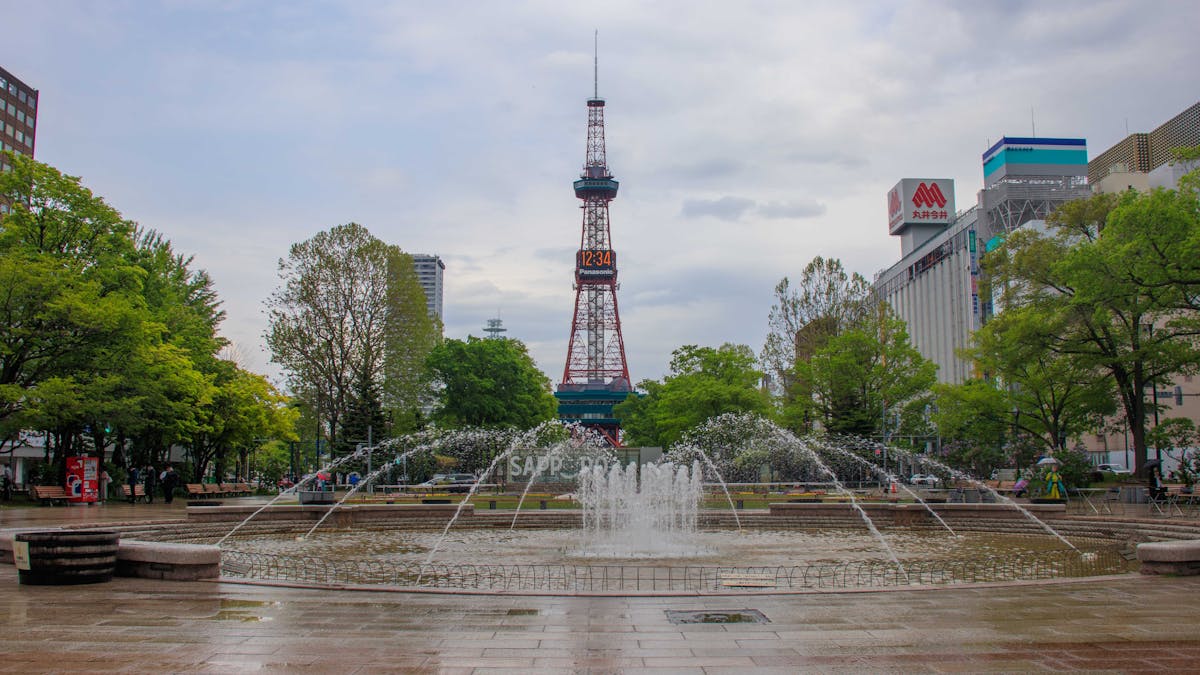
Is Hokkaido Safe for Solo Travellers?
Short answer: yes, extremely. Japan consistently ranks as one of the safest countries in the world, and Hokkaido is no exception. Crime rates are low. You can leave a bag on a train seat and it’ll still be there when you come back. Convenience stores are open 24 hours and they’re everywhere, even in smaller towns.
The risks in Hokkaido are more practical than personal. Winter driving conditions can be serious if you’re not used to snow and ice. Wildlife is a real consideration in the backcountry — Hokkaido has brown bears, and you should carry a bear bell if you’re hiking in rural areas. And if your phone dies in a town with no English speakers and no train station, you’ll feel pretty stuck.
For solo female travellers specifically, Hokkaido is about as safe as it gets. The adventure tour company Adventure Hokkaido notes that many of their solo bookings come from women, and the main concern is usually logistics, not safety. Trains and buses have women-only options on some routes. Hotels are staffed 24 hours. And the biggest danger in Susukino’s entertainment district is overpaying for drinks, not anything more sinister.
That said, I’d recommend downloading offline maps and having a pocket WiFi or local SIM sorted before you arrive. Being unable to Google Translate your way out of a situation is the closest thing to a safety issue you’ll face here.
Eating Alone (the Best Part)
If there’s one thing Japan does better than almost any country on earth, it’s making it normal to eat alone. And Hokkaido, with its food culture, might be the best place in Japan to do it.
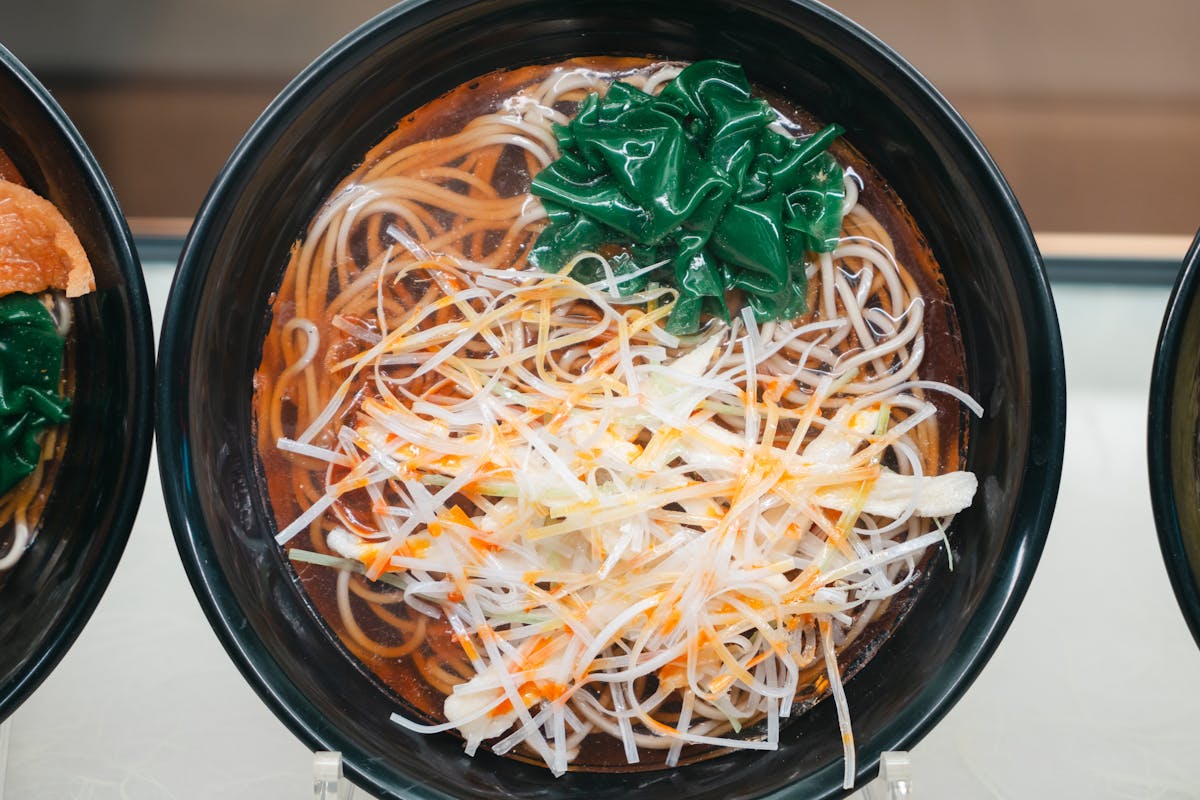
Ramen counters. Sapporo’s ramen scene is built for solo diners. Most shops have counter seating facing the kitchen, and many use ticket machines where you order before sitting down. No awkward waiter interactions, no feeling like you’re taking up a table for two. Just sit, eat, leave. Ramen Yokocho in Susukino has a row of tiny shops, each seating maybe eight people. Nobody cares that you’re alone — half the people there are.
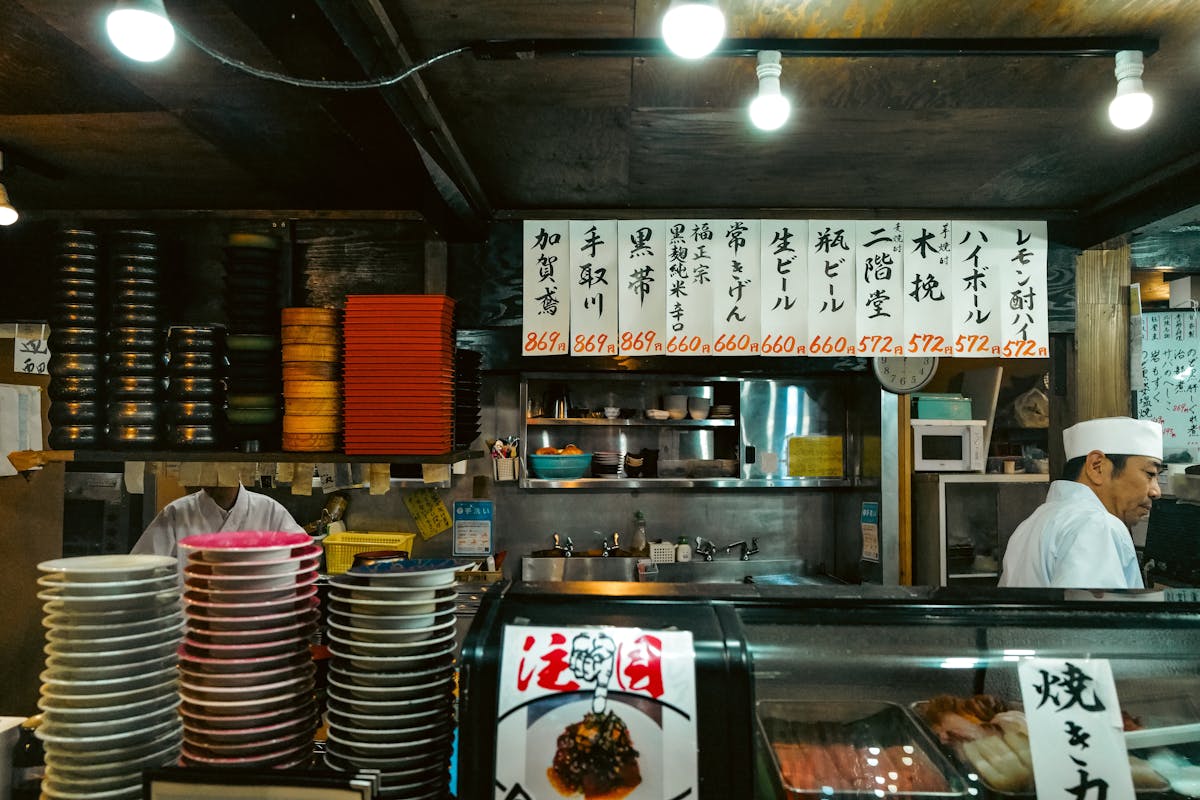
Conveyor belt sushi. Kaiten-zushi is perfect for one. Grab a seat, take what looks good off the belt, stack your plates. In Sapporo, Nemuro Hanamaru near the station usually has a queue, but it moves fast. The seafood in Hokkaido is pulled from cold northern waters, and you’ll notice the difference from what you get further south. Uni (sea urchin) from Hokkaido is a different thing entirely.
Izakayas. This is where solo travel gets slightly trickier. Izakayas are designed for groups, and sitting at a four-person table alone can feel awkward. But most izakayas in Sapporo have counter seating too, and once you’ve ordered a beer and some edamame, nobody gives you a second look. Point at the picture menu if your Japanese is limited. The staff are used to it.
Morning markets. Nijo Market in Sapporo opens early and has counters where you can eat fresh seafood bowls (kaisendon) for breakfast. Hakodate’s morning market is even bigger. Both are solo-friendly because you’re eating at stalls, not sit-down restaurants.
I should mention the convenience store factor. Japan’s combini culture — 7-Eleven, Lawson, Seicomart (Hokkaido’s own chain) — means you’re never more than a few minutes from a cheap, decent meal. Onigiri for yen120, a bento box for yen500. Late at night when everything else is closed, this is your safety net.
Where to Stay Solo
Hokkaido has the full range, but some options work much better for solo travellers than others.
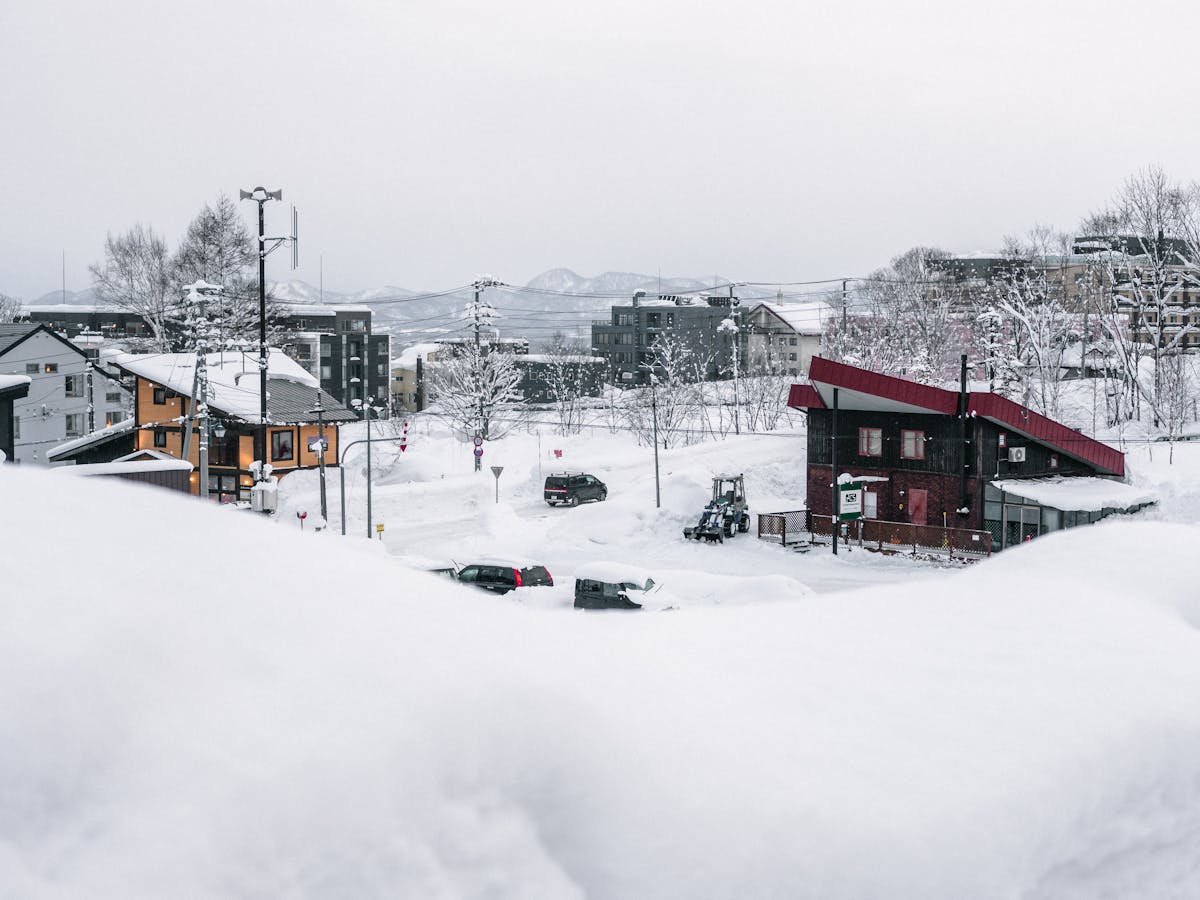
Business hotels (best value for solo). Japan’s business hotel chains — Toyoko Inn, Dormy Inn, Route Inn, APA — are purpose-built for single occupancy. Rooms are small (maybe 12 square metres) but clean, with everything you need: private bathroom, WiFi, TV, a desk. Dormy Inn locations usually have an onsen bath on the top floor, which is a huge bonus after a day of walking. Expect to pay yen5,000-8,000 per night in Sapporo, less in smaller cities. Check the budget guide for current pricing.
Hostels (for meeting people). If loneliness is your concern, a hostel solves it fast. Waya Hostel in Sapporo gets mentioned constantly — it has a bar downstairs where locals and travellers mix, and the staff actively help people connect. Sapporo also has a few other good options in the Chuo-ku area. Outside Sapporo, hostels are rarer, but guesthouses in towns like Furano, Otaru, and Hakodate serve the same function.
Capsule hotels. Sapporo has several capsule hotels, mostly near Susukino. They’re cheap (yen2,500-4,000) and actually quite comfortable if you don’t mind the shared facilities. Some are men-only, some have separate floors for women. Good for a night or two, but the lack of personal space wears thin after that.
Ryokan and onsen hotels. Here’s where solo travel gets expensive. Most ryokan price per person with dinner and breakfast included, and single occupancy often costs 70-80% of the double rate. A room that costs yen15,000 per person for a couple might cost yen12,000 for one person — not a great deal. But the experience of a traditional Japanese inn with a private hot spring bath is hard to beat. If your budget allows one splurge, make it a ryokan night in Noboribetsu or Jozankei.
Getting Around Hokkaido Solo
This is the biggest decision you’ll make, and it shapes your entire trip.
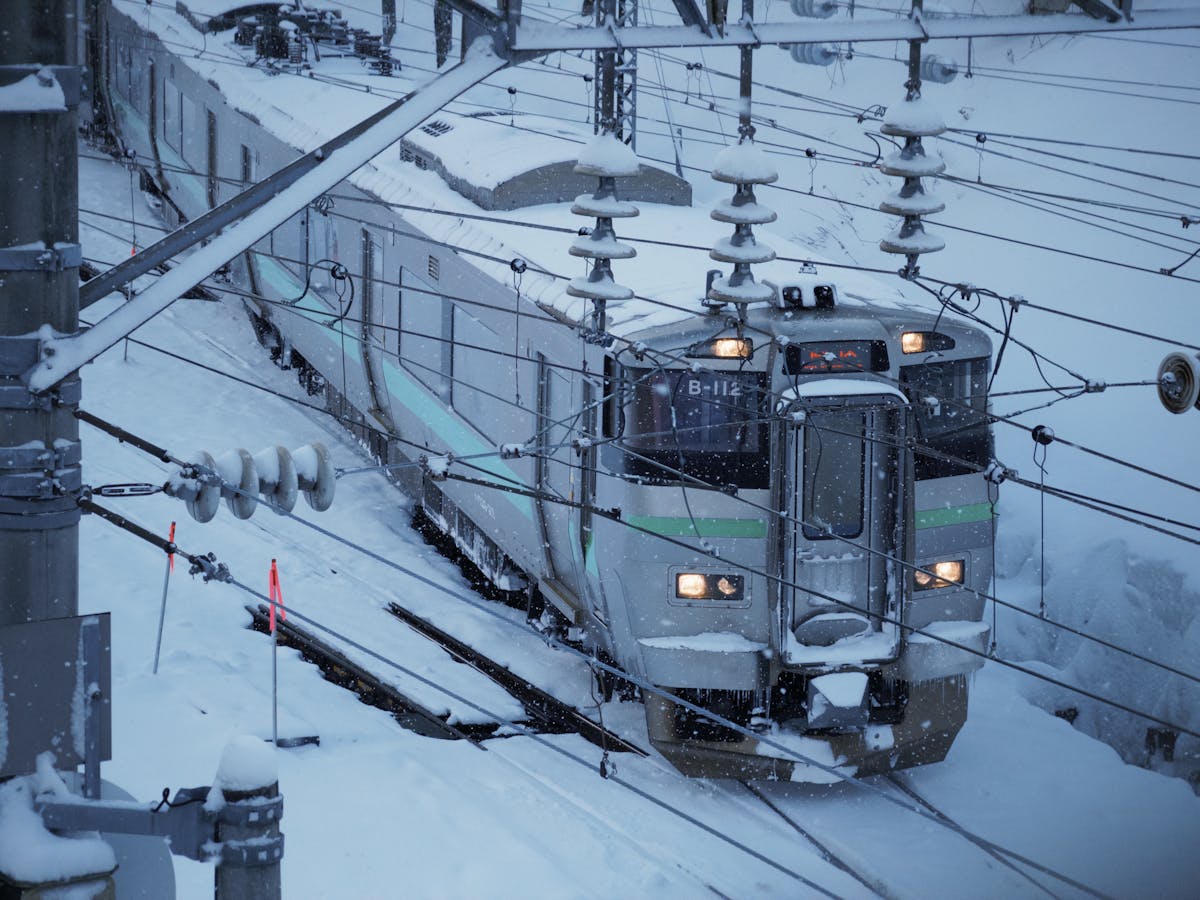
JR Hokkaido trains. The Hokkaido Rail Pass is the default choice for solo travellers who don’t want to drive. A 5-day pass costs yen19,000 and covers all JR Hokkaido lines, including limited express trains between Sapporo, Hakodate, Asahikawa, and Obihiro. It’s good value if you’re moving between cities.
The catch: the network doesn’t reach everywhere. The Shakotan Peninsula, much of the Tokachi region, and the eastern coast between Abashiri and Nemuro have limited or no rail service. Buses exist but run infrequently. If you want to see those areas, you’ll need a car or a very patient attitude toward bus schedules.
Renting a car solo. A compact car rental costs around yen5,000-7,000 per day from major agencies in Sapporo. Gas is around yen170/litre. Hokkaido’s roads are wide, well-maintained, and mostly empty outside city centres. An international driving permit is required.
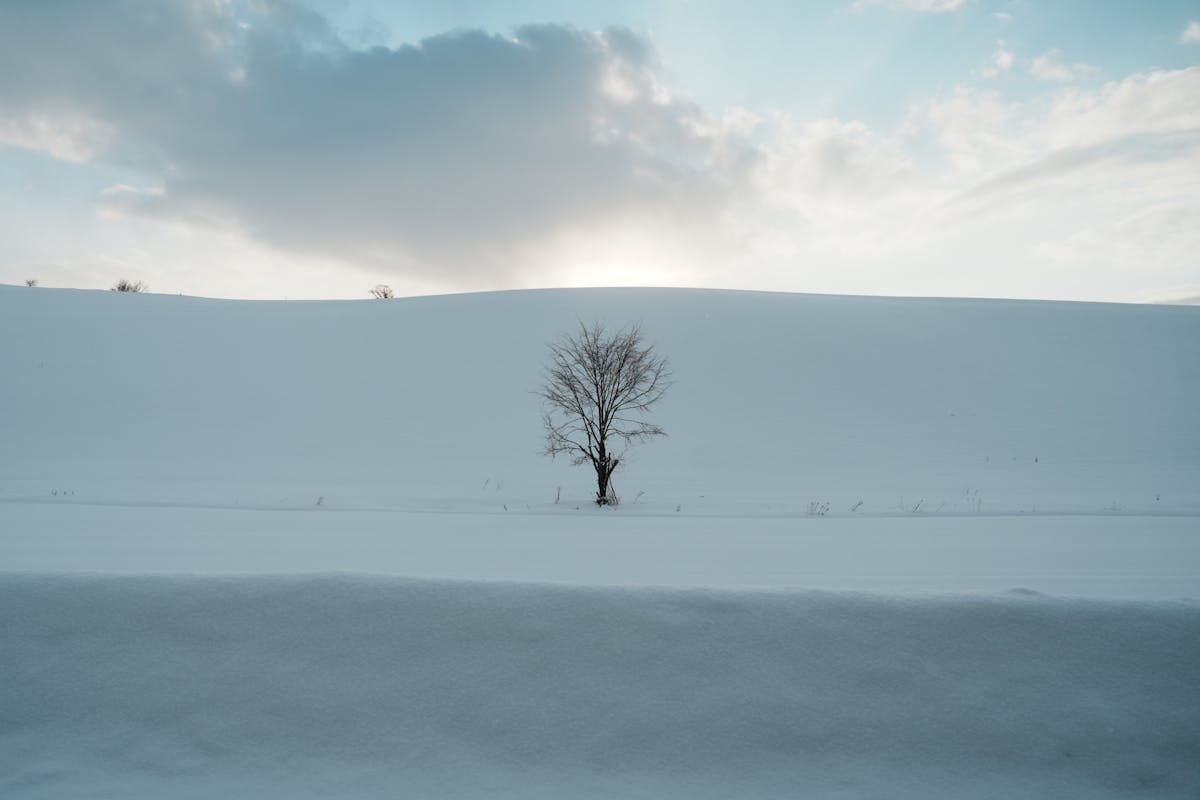
Solo driving in Hokkaido is both the best and worst way to travel, depending on your personality. The freedom is genuine — you can stop at any roadside onsen, chase the coast, explore farming towns that buses don’t reach. But the distances are real. Sapporo to Wakkanai is 320km. Sapporo to Kushiro is 310km. That’s a lot of hours behind the wheel with nobody to split the driving. I’ll be honest: long drives in eastern Hokkaido in January, with nothing but white fields and the occasional farm building, can feel isolating in a way that’s not always romantic.
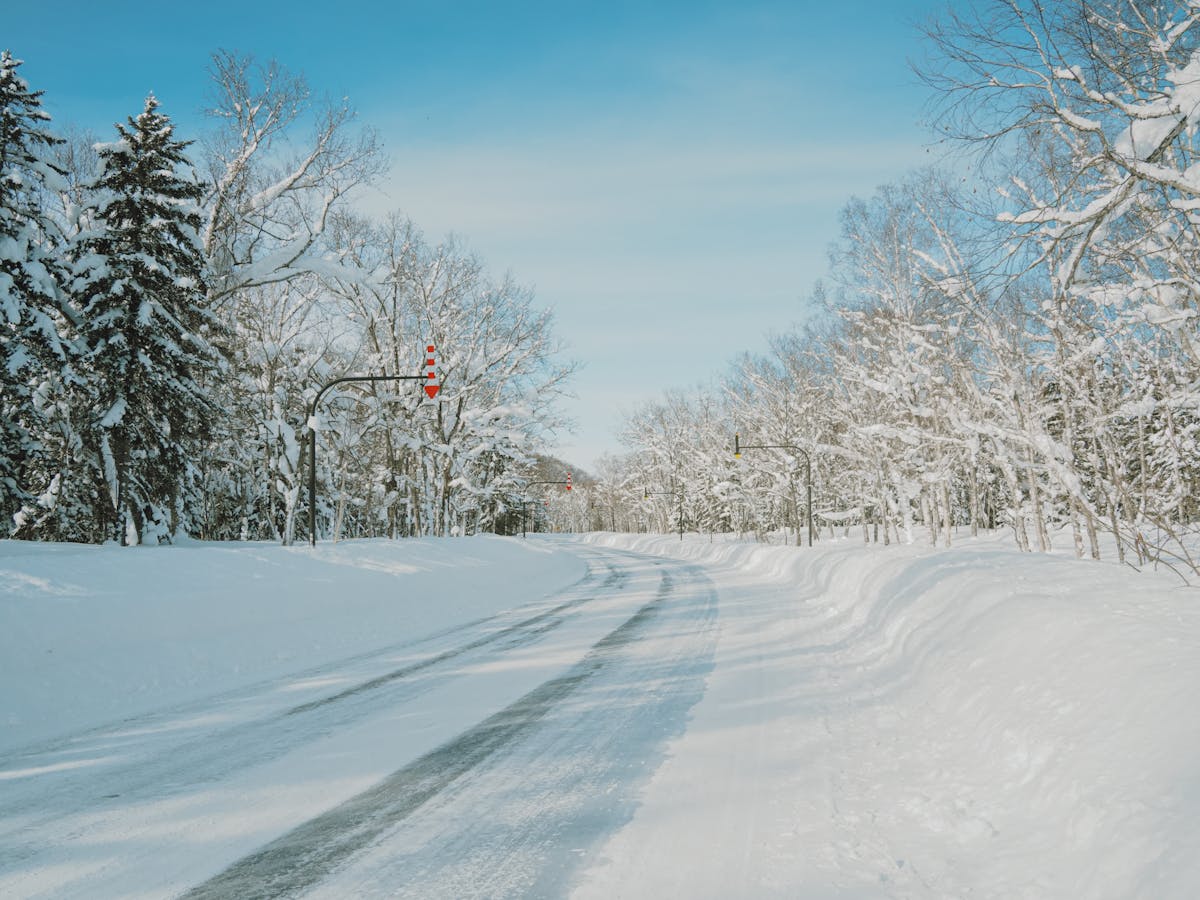
My recommendation: Train for the main corridor (Sapporo-Otaru-Hakodate-Asahikawa), car rental for 2-3 days if you want to explore the countryside. Don’t try to drive the entire island unless you have at least 10 days and genuinely enjoy long solo drives.
Sapporo itself is easy to navigate without a car. The subway covers the main areas, and a one-day pass costs yen830. The streetcar line runs through the southern part of the city. Walking works for most of downtown.
A Practical Solo Itinerary
If you have 7-10 days, here’s a route that works well alone and doesn’t require a car for most of it.
Days 1-3: Sapporo. Sapporo is the easiest city in Hokkaido for solo travellers. It’s walkable, the food scene is incredible, and there’s enough to fill three days without rushing. Hit the ramen joints, walk through Odori Park, explore the Sapporo Beer Museum (yen500 for the tasting set), and spend an evening in Susukino. If you’re there in February, the Snow Festival is worth planning around.
Day 4: Day trip to Otaru. Just 30 minutes by train from Sapporo. Otaru’s canal district is touristy but the sushi street (Sushi-ya Yokocho) is legit. The glass workshops and music box museum are pleasant solo activities. You can easily do Otaru in half a day and be back in Sapporo for dinner.
Days 5-6: Hakodate. The train from Sapporo takes about 3.5 hours. Hakodate’s night view from Mount Hakodate is famous, and the morning market is one of the best in Hokkaido. The Motomachi neighbourhood has Western-style architecture from the port’s trading history. Two nights is enough.
Days 7-8: Asahikawa and surroundings. Train from Sapporo, about 1.5 hours. Asahikawa is the gateway to Daisetsuzan National Park. The Asahiyama Zoo is surprisingly good. If you rent a car for one day from here, you can reach Biei’s rolling hills and the Blue Pond, both stunning in any season.
Days 9-10 (optional extension): Furano in summer/autumn for the lavender fields and farm country, or Noboribetsu for a proper onsen town experience. Both are solo-friendly.
If you’re on a shorter trip — say 4-5 days — stick to Sapporo plus one side trip. Trying to see everything in Hokkaido is a mistake even for groups. For solo travellers, the slower pace actually works better.
Meeting People
Hokkaido isn’t Southeast Asia. You won’t stumble into backpacker bars full of other solo travellers every night. The social infrastructure for meeting people exists, but you have to look for it.
Hostels. Already mentioned, but worth repeating. A hostel common area in the evening is the easiest place to meet other travellers. Waya Hostel and a few others in Sapporo actively foster this. Outside Sapporo, guesthouses play the same role.
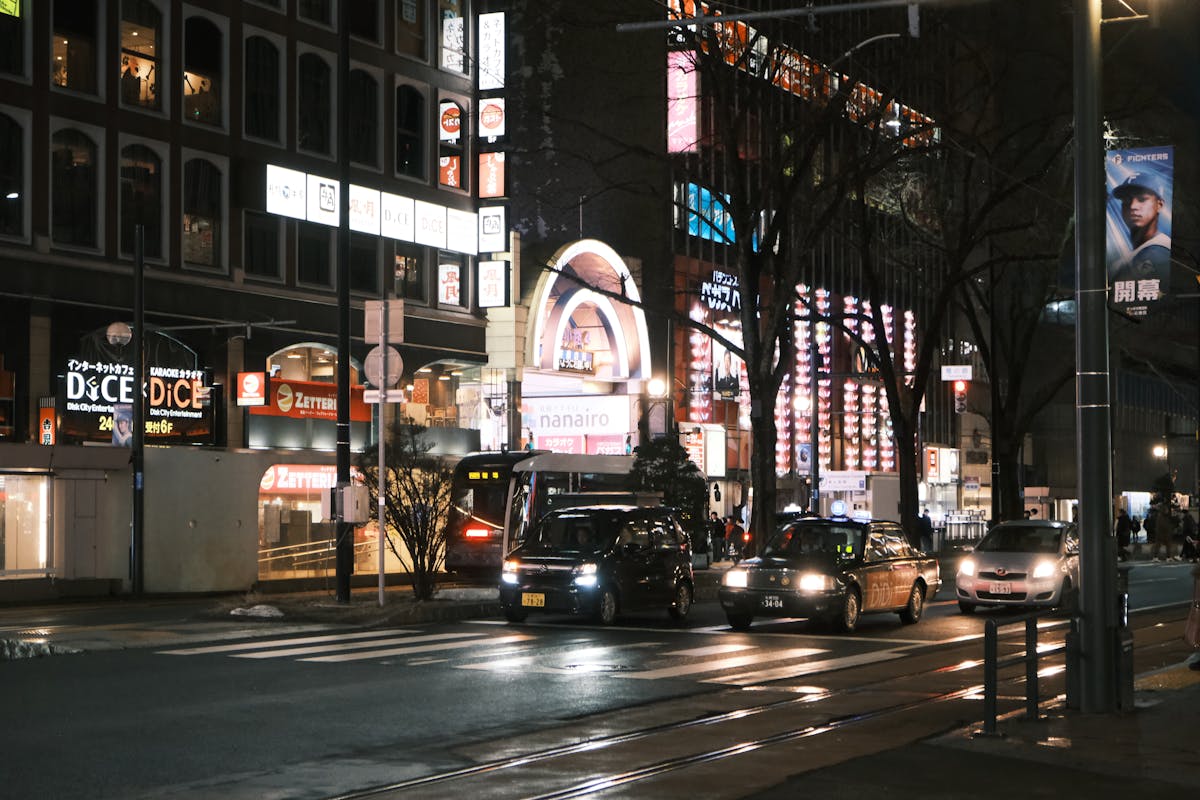
Bars. Sapporo’s bar scene is concentrated in Susukino, and many small bars (especially in the upper floors of buildings) are designed for solo drinking. The bartender-customer dynamic in Japanese bars is different from the West — bartenders actually talk to you, and introducing solo customers to each other is considered part of the job. Look for bars with 6-10 seats, not large ones.
Tours and activities. Joining a day tour is probably the most reliable way to meet people outside Sapporo. Tour groups in Hokkaido tend to be small (6-12 people) and include a mix of nationalities. Adventure Hokkaido runs multi-day hiking tours where many participants are solo. The guide Zac, originally from Chicago, has noted that many of their bookings come from people travelling alone.
But I want to be honest about this: if you’re extroverted and need social contact daily, Hokkaido solo might test you. Outside Sapporo, you can go days without a proper conversation in English. Small towns shut down by 9pm. The beauty of Hokkaido is closely tied to its emptiness, and that emptiness applies to the social scene too.
The Language Barrier
It’s real, and it’s bigger in Hokkaido than in Tokyo or Osaka. In Sapporo’s tourist areas, you’ll find some English signage and occasionally English-speaking staff. Step outside Sapporo and the English drops off fast.
What helps:
Google Translate’s camera mode is genuinely useful for menus. Point your phone at the Japanese text and it gives you a rough translation in real time. It’s not perfect — “fried garbage” probably means “fried chicken” — but it gets you close enough.
Learn a handful of phrases: sumimasen (excuse me), kore kudasai (this one please), ikura desu ka (how much?), eigo menu arimasu ka (do you have an English menu?). You don’t need to be fluent. Just showing you’ve made an effort changes how people respond to you.
Train stations and bus stops have romanised names, so navigation is manageable even without Japanese. Hotels usually have at least one person who speaks basic English. And in a real emergency, dialling 110 (police) or 119 (fire/ambulance) will eventually connect you with someone who can help.
The language barrier is inconvenient, not dangerous. Worst case, you spend five minutes pointing at pictures and gesturing. Japanese people are generally patient with foreign visitors who are trying.
Staying Connected
Don’t arrive without a plan for internet access. A pocket WiFi rental or eSIM is not optional for solo travellers — it’s your map, translator, restaurant finder, and emergency communication all in one device.
eSIM (simplest). If your phone supports eSIM, buy one before you leave. Ubigi and Airalo both offer Japan plans starting around yen1,500 for a week. Activate it on the plane and you’ll have data the moment you land. Coverage in Hokkaido is good in cities and along main roads, patchy in mountain areas.
Pocket WiFi (most reliable). Rent one at New Chitose Airport. Companies like Japan Wireless and WiFi Rental Japan have counters in the arrivals hall. Around yen800-1,000 per day with unlimited data. The advantage over eSIM: pocket WiFi works on any phone and you can connect multiple devices. The disadvantage: one more thing to charge every night.
Free WiFi. It exists — in convenience stores, stations, hotels — but it’s spotty and unreliable for navigation. Don’t count on it as your primary internet source.
What Solo Travel in Hokkaido Actually Costs
Japan’s reputation as expensive is slightly outdated, especially with the yen’s weakness in recent years. Hokkaido is cheaper than Tokyo for most things. Here’s a realistic daily budget for one person:
Budget solo (yen8,000-12,000/day, roughly $55-80 USD): Hostel dorm (yen3,000), convenience store breakfast (yen300), ramen lunch (yen900), supermarket dinner or cheap izakaya (yen1,500), subway day pass (yen830), one attraction (yen500-1,000).
Comfortable solo (yen15,000-22,000/day, roughly $100-150 USD): Business hotel single (yen6,000-8,000), cafe breakfast (yen600), restaurant lunch (yen1,200), izakaya dinner with drinks (yen3,000-4,000), transport (yen1,000-2,000), attractions and activities (yen1,000-2,000).
Treating yourself (yen30,000+/day, roughly $200+ USD): Ryokan with meals, taxi rides, sushi omakase, private onsen experiences.
The biggest cost variable for solo travellers is transport. A JR Hokkaido Rail Pass (5 days, yen19,000) works out to yen3,800/day, which is cheaper than buying individual tickets if you’re taking more than one long-distance train. Car rental plus gas will run yen7,000-10,000/day depending on the car and distances. Neither is cheap, but both are cheaper than they’d be in most European countries.
Onsen Etiquette for Solo Visitors
Hot springs are one of the best things about Hokkaido, and they’re perfectly suited to doing alone. In fact, onsen is inherently a solo activity — you can’t talk much when you’re soaking in 42-degree water.
The basics: you bathe nude, you wash thoroughly before entering the bath, you don’t put your towel in the water, and you’re generally quiet. Most onsen separate by gender, so being solo isn’t unusual at all — everyone’s in there alone, in a sense. Check the full onsen etiquette guide for details.
The tattoo question comes up a lot. Many traditional onsen in Hokkaido still ban tattoos. Noboribetsu’s public baths are strict about this. Your options: cover small tattoos with skin-coloured patches (sold at pharmacies), seek out tattoo-friendly facilities (the number is growing), or book a ryokan with a private bath where nobody checks. Some Dormy Inn hotel onsen are more relaxed about enforcement too.
Solo onsen tip: Hokkaido’s roadside onsen — called “higaeri” or day-trip baths — are scattered across the countryside and typically cost yen400-800. They’re less crowded than famous resort onsen and more authentic. If you’re driving through eastern Hokkaido, stop at one. You’ll probably be the only non-local there.
The Honest Downsides
I don’t want to oversell this. Solo travel in Hokkaido has real drawbacks that most guides skim over.
Loneliness hits differently here. Hokkaido is not a social destination outside Sapporo. If you’re in Abashiri in November and it gets dark at 4pm and the one restaurant near your hotel closes at 8pm, you’re spending the evening alone in a small room. That’s fine for some people. For others it’s miserable. Know yourself before you book.
Costs don’t split. A taxi from New Chitose Airport to Sapporo costs around yen21,500-27,900. A ryokan charges near-double rates. Car rental makes more sense for two people than one. Solo travel in Hokkaido is definitely more expensive per person than travelling with a partner.
Limited nightlife outside Sapporo. If you’re the type who likes to go out every evening, Sapporo’s Susukino district delivers. Everywhere else? Expect quiet evenings. Hakodate has some bars near the bay area. Asahikawa has a small drinking district. But towns like Furano, Biei, and Kushiro mostly close up after dinner.
Weather can trap you. Winter storms in Hokkaido cancel trains and close roads. If you’re on a tight schedule with non-refundable bookings, a blizzard can wreck your plans. Build buffer days into your itinerary. This matters more for solo travellers because there’s nobody to brainstorm solutions with when things go sideways.
All that said — the upsides outweigh the downsides for most people. You eat what you want, go where you want, change plans on the fly. In a place as beautiful and safe as Hokkaido, that freedom is worth the trade-offs.
Pack a good book, download some podcasts, and lean into the quiet. Hokkaido rewards people who are comfortable with their own company.