This article contains affiliate links. If you book through them, I earn a small commission at no extra cost to you.
In This Article
- Why Hokkaido Works for a Honeymoon
- Otaru — the One Place Everyone Gets Right
- Hakodate at Night
- Lake Toya and the Quiet Side of Hokkaido
- Furano and Biei in Summer
- Onsen Towns for Couples
- Jozankei
- Noboribetsu
- Lake Toya Onsen
- The Ryokan Experience
- A 7-Day Hokkaido Honeymoon Itinerary
- Best Season for a Hokkaido Honeymoon
- Budget Considerations
- What to Skip
My wife and I almost skipped Hokkaido entirely. Our original plan was the usual Tokyo-Kyoto-Osaka triangle, maybe a day trip to Nara. But a friend who’d spent her honeymoon in Sapporo kept sending us photos of empty snow-covered streets, steaming outdoor baths, and this one shot of the two of them walking along a canal lit by gas lamps. We changed our flights three weeks before the wedding.
That was the best travel decision we ever made. And if you’re planning a honeymoon in Hokkaido right now, you’re already ahead of most couples who default to Bali or the Maldives without even considering Japan’s north.
Here’s what I’d do differently, what surprised us, and where to spend your money for maximum romantic impact.
Why Hokkaido Works for a Honeymoon
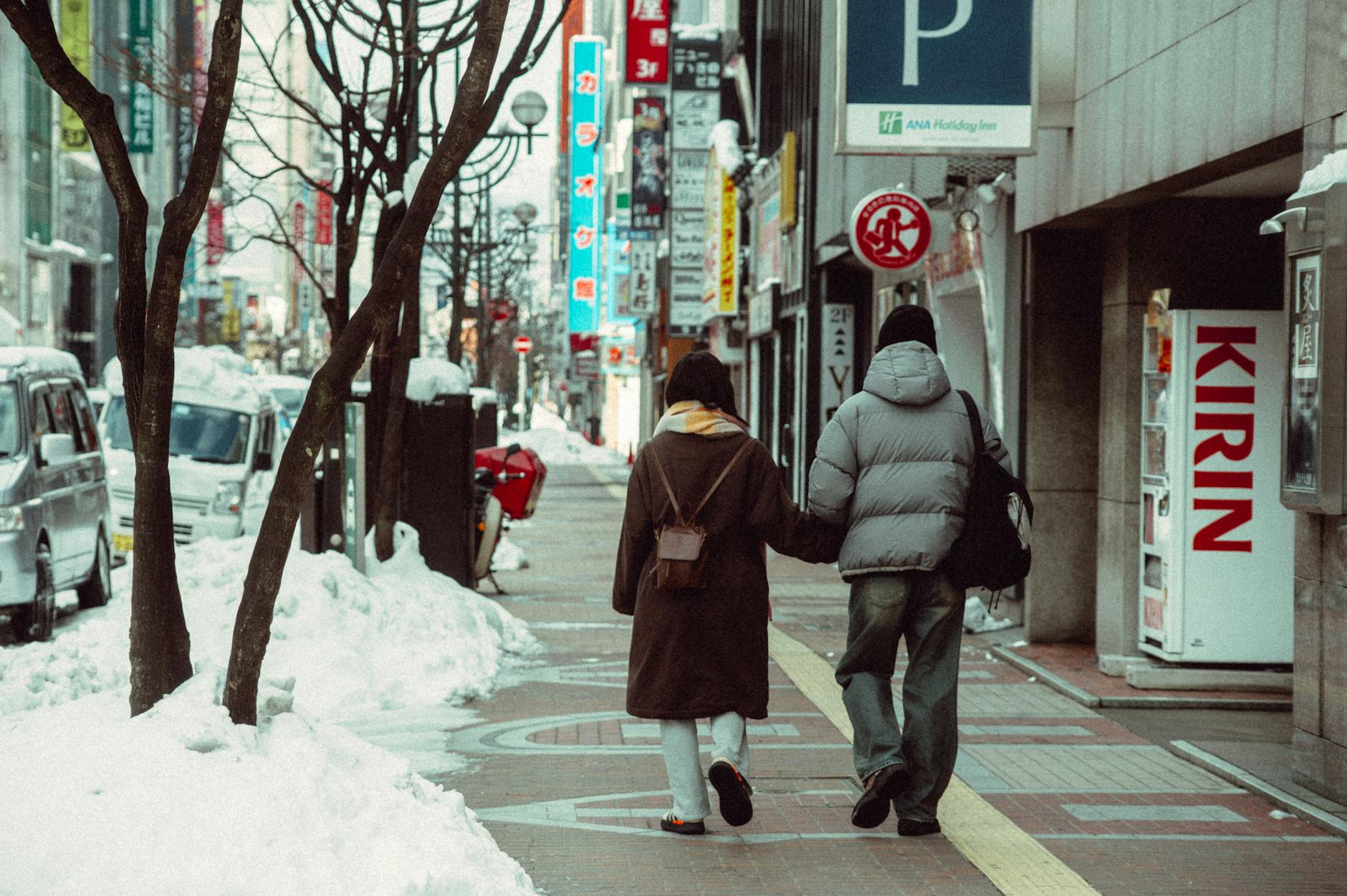
Hokkaido doesn’t try to be romantic. It just is. The pace is slower than mainland Japan. The tourist density is a fraction of Kyoto or Tokyo. And the scenery changes so dramatically between seasons that you could visit four times and have four different honeymoons.
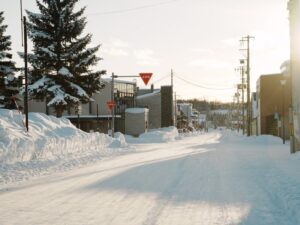
Winter means powder snow, private onsen baths with steam curling into freezing air, and the kind of quiet that only deep snow creates. Summer brings lavender fields in Furano, green mountains, and long twilight evenings. Spring has cherry blossoms that arrive late (early May, not April like the rest of Japan), and autumn turns the whole island copper and gold.
The food is better here than almost anywhere else in Japan, which is saying something. Fresh seafood from the morning markets, Hokkaido milk that tastes different from anything you’ve had before, and ramen that’ll ruin all other ramen for you.
But the real reason Hokkaido works for honeymooners? Space. You can drive twenty minutes outside any city and have a lake, a mountain, or a hot spring town almost entirely to yourselves. That doesn’t happen in Hakone or Okinawa.
Otaru — the One Place Everyone Gets Right
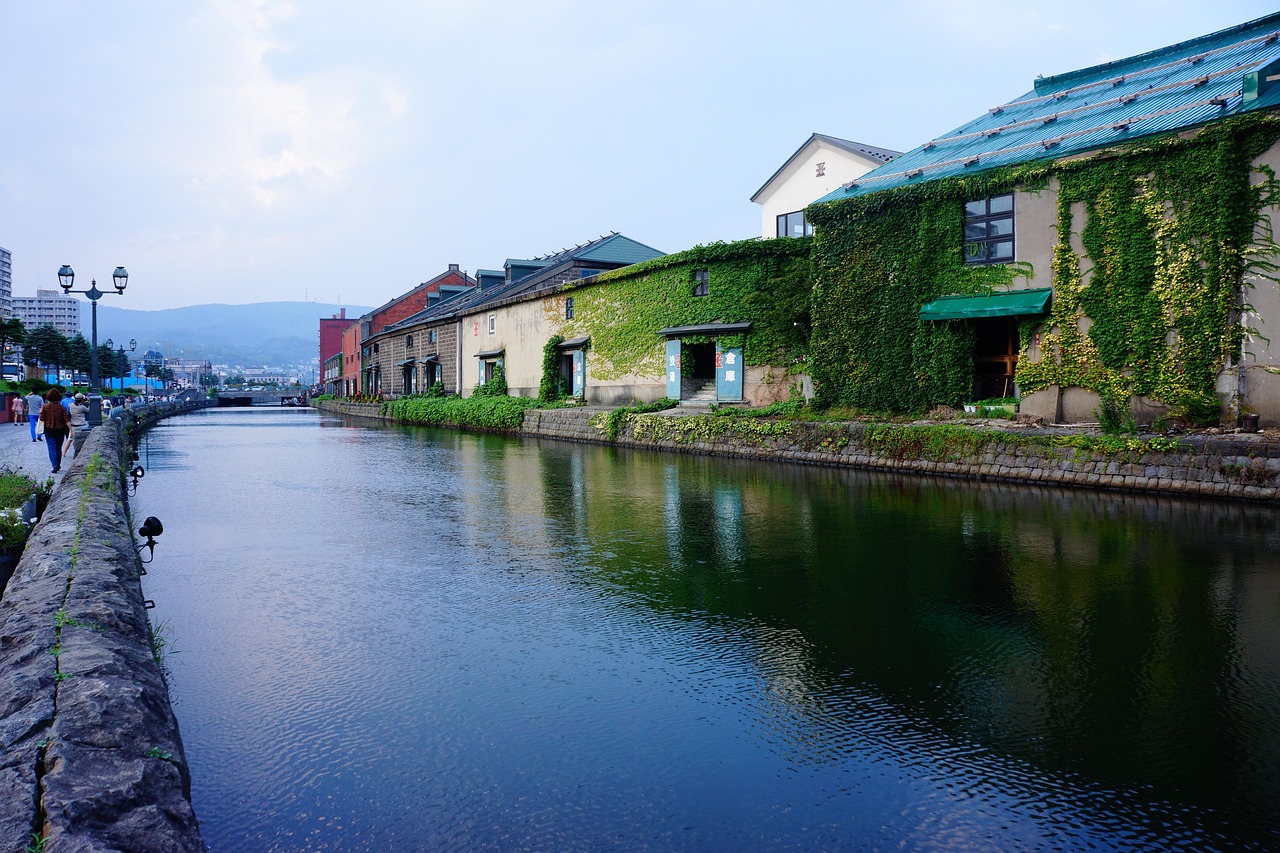
I’ll say it plainly: if you only have one night outside Sapporo, spend it in Otaru. Every honeymoon couple I’ve talked to who went there says the same thing.
The canal district is the obvious draw. Stone warehouses from the 1920s line both sides, most of them converted into restaurants, glass shops, and small galleries. Sixty-three gas lamps light up at dusk, and the whole scene looks like it belongs in a European period drama. In a survey of 105 Hokkaido residents conducted by Enmusubi Daigaku, 69.5% named the Otaru Canal as their top date spot recommendation — that’s not tourist hype, that’s locals telling you where they’d actually go.
Stay for dinner. The sushi in Otaru pulls from some of the best fishing waters in Hokkaido, and the prices are noticeably lower than Sapporo. Afterwards, walk the canal. Don’t rush it. The later you go, the fewer people, and by 9pm in winter it’s genuinely peaceful.
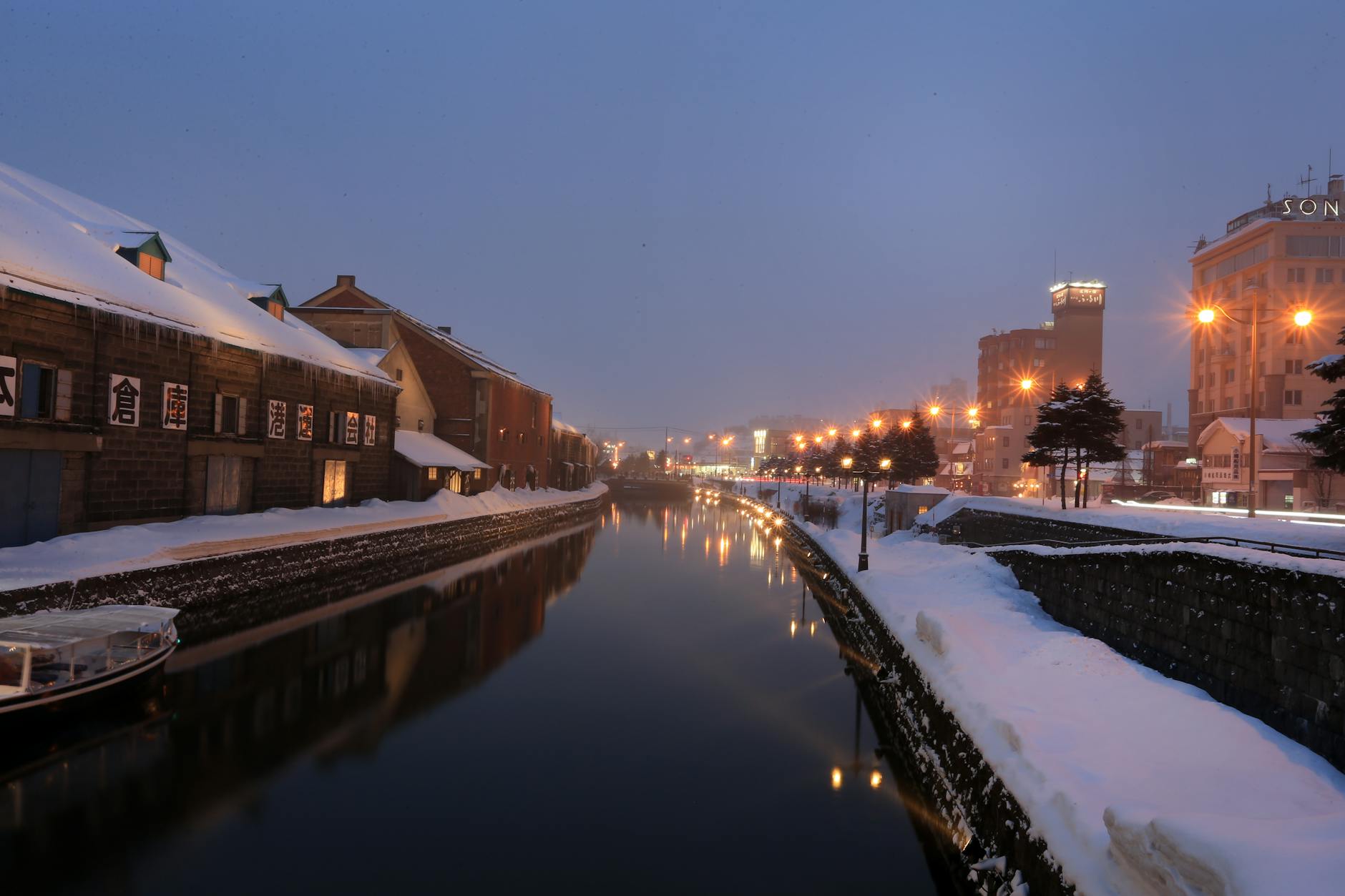
If you’re visiting in February, the Otaru Snow Light Path Festival transforms the entire canal district. Hundreds of hand-built snow lanterns and candle-bearing snow sculptures line the waterways after dark. It runs for about ten days in mid-February, overlapping with the Sapporo Snow Festival. Plan your trip around those dates and you get both.
One thing to know: it gets properly cold on winter nights here. We’re talking minus 10 or colder. But honestly, that’s part of it. Bundled up, holding hands, breath visible in the lamplight — it’s the kind of cheesy-but-real romantic moment that doesn’t require any effort to manufacture.
Hakodate at Night
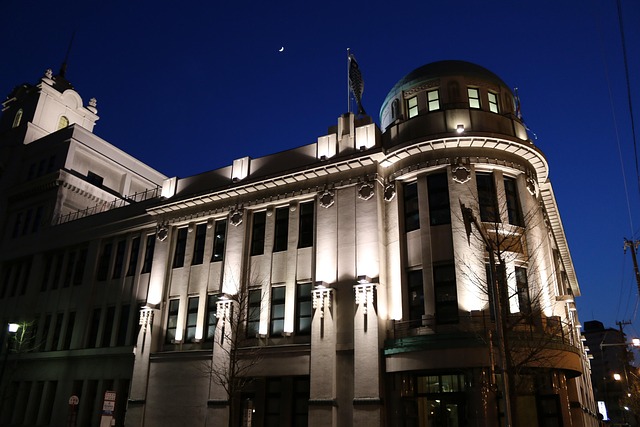
The Hakodate night view from the top of Mt. Hakodate is consistently ranked as one of Japan’s three best night views, and after seeing it I understand why. The city sits on a narrow peninsula, so the lights fan out in an hourglass shape between two dark stretches of ocean. It’s genuinely striking in a way that most “famous views” aren’t.
The cable car runs until 10pm most of the year (9pm in winter, extended to 10pm in peak seasons). My advice: go after 8pm. The organised tour groups have left by then, and you can actually find a spot at the railing instead of photographing the backs of other people’s heads.
Hakodate also has Goryokaku, a star-shaped Western-style fortress from 1866, surrounded by approximately 1,530 cherry trees. In spring it’s spectacular from the observation tower. Even outside cherry blossom season, the Goryokaku Tower gives you that geometric aerial view that looks like something from a design textbook. Admission is around 900 yen.
The Kanemori Red Brick Warehouse area is worth an hour of wandering. It’s commercial, sure, but the harbour setting and the old architecture give it a different feel from the rest of Japan’s waterfront developments. Good place for an evening beer before dinner.
Lake Toya and the Quiet Side of Hokkaido
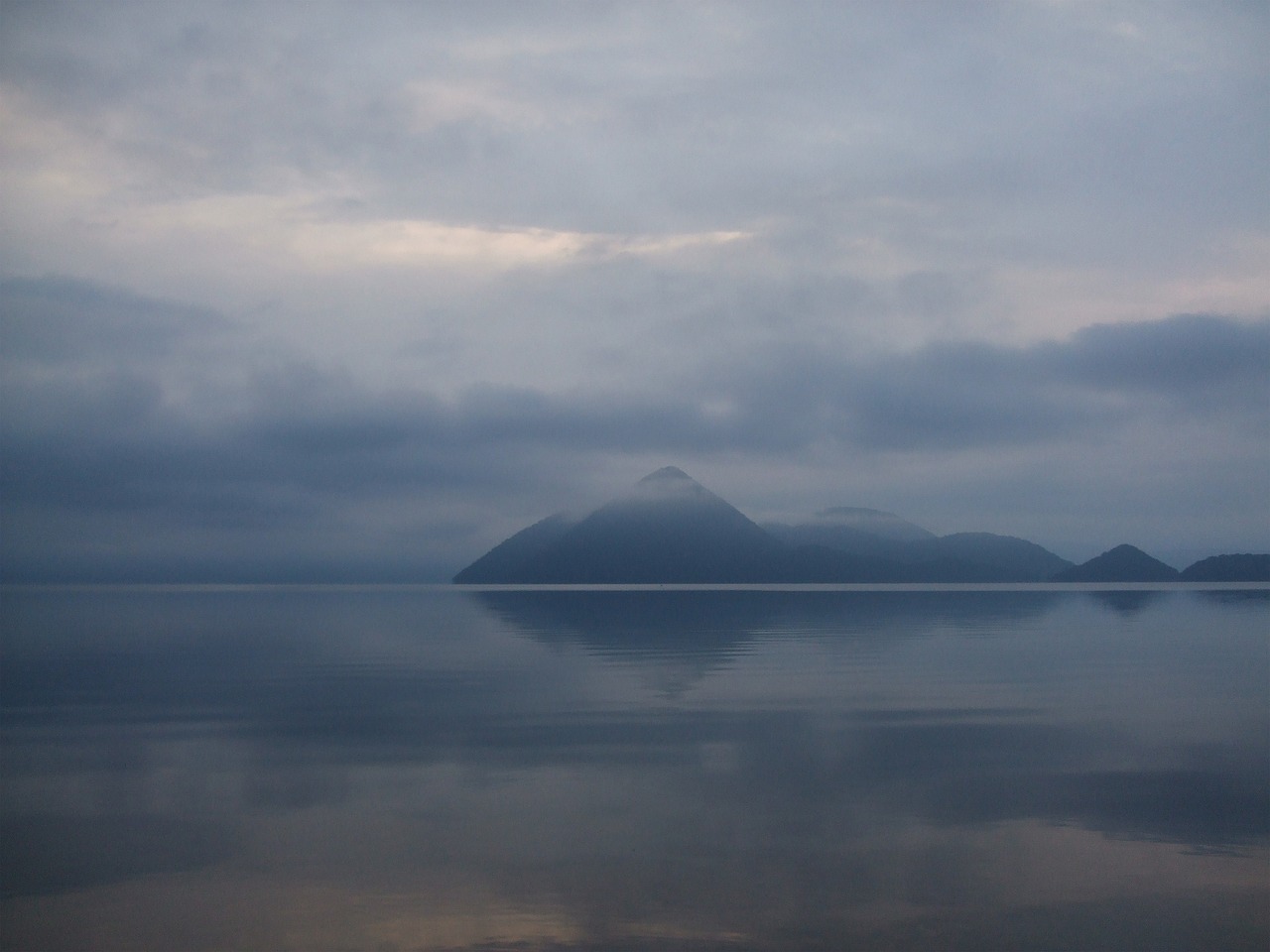
If Otaru is the date spot and Hakodate is the viewpoint, Lake Toya is where you go to actually slow down. It’s a caldera lake about two hours south of Sapporo by car, and it stays ice-free all year — which matters because the lakeside onsen hotels keep running even in the dead of winter.
The lake itself is beautiful in a quiet, undramatic way. No towering peaks, no dramatic cliffs. Just a wide expanse of still water with a forested island in the middle and mountains fading into the distance. On a clear day you can see Mt. Yotei (Hokkaido’s Mt. Fuji) from the shore, its symmetrical cone reflected in the water.
For honeymooners, the draw here is the onsen hotels. Several of them have rooms with private outdoor baths facing the lake. That’s the experience you’re paying for — soaking in hot water with your partner, looking out at the lake, nobody else around. The Toya Sun Palace and The Lake View Toya Nonokaze Resort are popular picks, but honestly, most of the lakefront properties deliver on that same basic promise.
Lake Toya runs fireworks shows over the water from late April through October, every night at 8:45pm. Twenty minutes of fireworks reflected in the lake, visible from your hotel room balcony or the lakeshore. It’s free, it’s nightly, and most visitors from outside Hokkaido have no idea it exists.
Furano and Biei in Summer
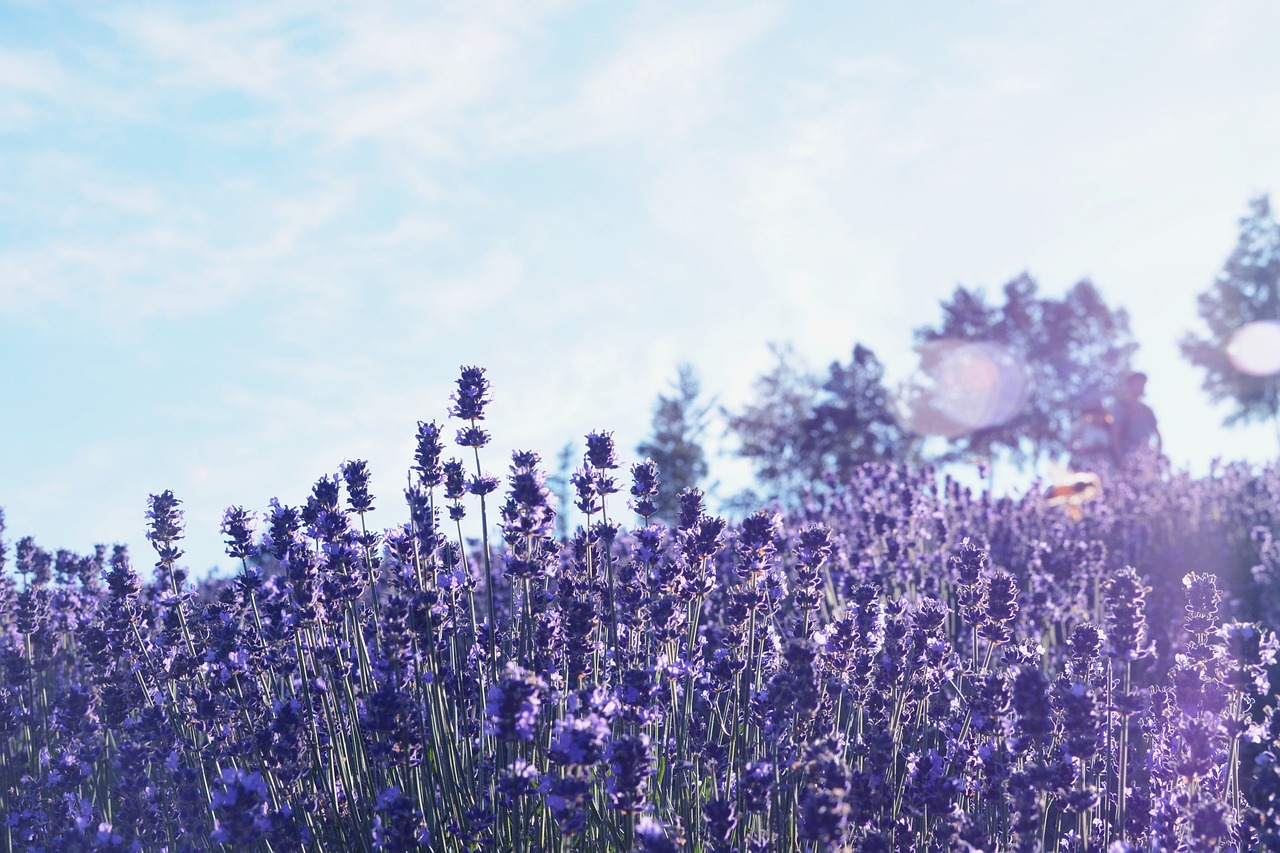
A summer honeymoon in Hokkaido has a completely different character, and Furano and Biei are the reason why. From mid-July, the lavender fields at Farm Tomita bloom in rolling purple stripes across the hillsides. It’s one of those views that actually looks as good in person as it does in the photos.
Farm Tomita is free to enter. Go on a weekday morning if you can — by afternoon on weekends, the paths between the flower fields get genuinely congested. The lavender soft-serve ice cream sold on-site is worth the queue. There’s also a smaller, less-known lavender field called Lavender East about four kilometres away from the main farm that barely gets any visitors.
Biei, about thirty minutes north of Furano, has the patchwork hills — rolling farmland in stripes of green, gold, and brown that look like a quilt laid over the landscape. The Blue Pond (Shirogane Blue Pond) is legitimately blue, not just marketing. It’s an artificial pond created by a volcanic mudflow dam, and the dead birch trees standing in turquoise water make for probably the most photographed scene in Hokkaido after the lavender.
For a honeymoon, I’d rent a car and spend two or three days drifting between these spots. There’s something about driving through Biei’s rolling hills with no particular schedule that captures what a honeymoon should feel like — unhurried, a little aimless, genuinely relaxed.
Onsen Towns for Couples
Hokkaido has some of the best onsen (hot springs) in Japan, and several of them are specifically well-suited for couples.
Jozankei
Jozankei sits in a mountain valley about 50 minutes from central Sapporo by bus. It’s close enough for a day trip but far enough to feel like you’ve left the city behind. The gorge turns vivid orange and red in autumn — genuinely one of the best fall foliage spots on the island. In winter, the snow piles up on the valley walls and the steam from the baths rises against a white backdrop.
Several ryokan here offer private bath rentals by the hour if you’re not staying overnight. Expect to pay around 2,000-4,000 yen per couple for a 45-60 minute private bath session. If you’re staying the night, look for rooms with “kashikiri” (private) outdoor baths. Jozankei Tsuruga Resort Spa Mori no Uta is the high-end pick, with private open-air baths in some rooms and good kaiseki (multi-course Japanese dinner).
Noboribetsu
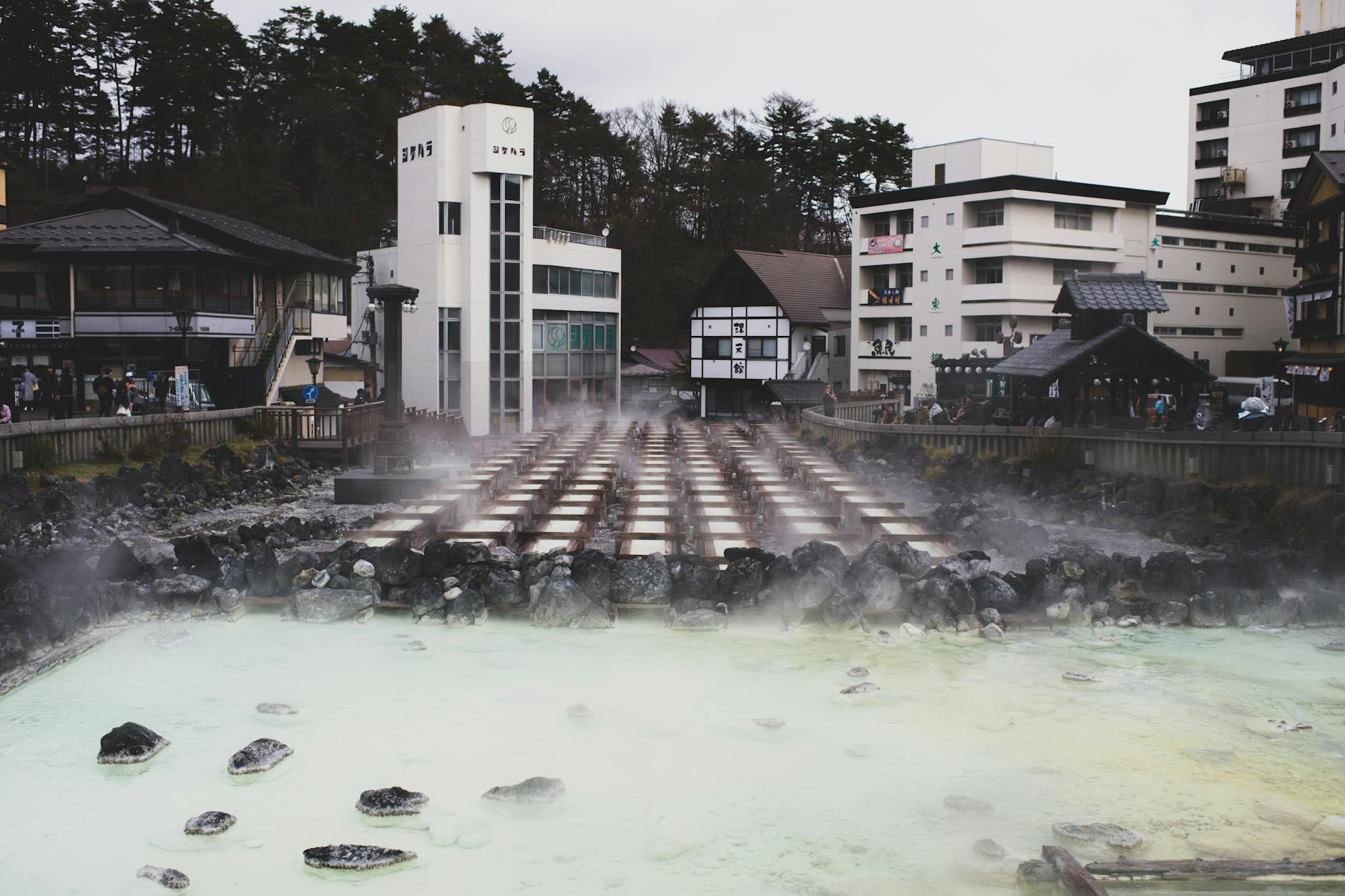
Noboribetsu is Hokkaido’s most famous onsen town, and for good reason — the Hell Valley (Jigokudani) is a volcanic crater where steam seeps from the earth across a landscape of orange and grey rock. The sulphur smell hits you before you see it. It’s strange and beautiful in equal measure.
The town itself is touristy in a way that Jozankei isn’t. But the quality of the water is exceptional — eleven different spring types feed the various baths here. Dai-ichi Takimotokan has a massive bathing complex with over thirty different pools of varying temperatures and mineral compositions. It’s not intimate, but it’s an experience. For something more private, look at the smaller ryokan properties slightly outside the main strip.
Lake Toya Onsen
Already mentioned above, but worth repeating: the combination of lake views plus private outdoor bath plus nightly fireworks makes Lake Toya hard to beat for an onsen honeymoon experience. The water here is sodium chloride-based, which leaves your skin feeling soft. Most hotels offer both gender-separated public baths and private options.
The Ryokan Experience
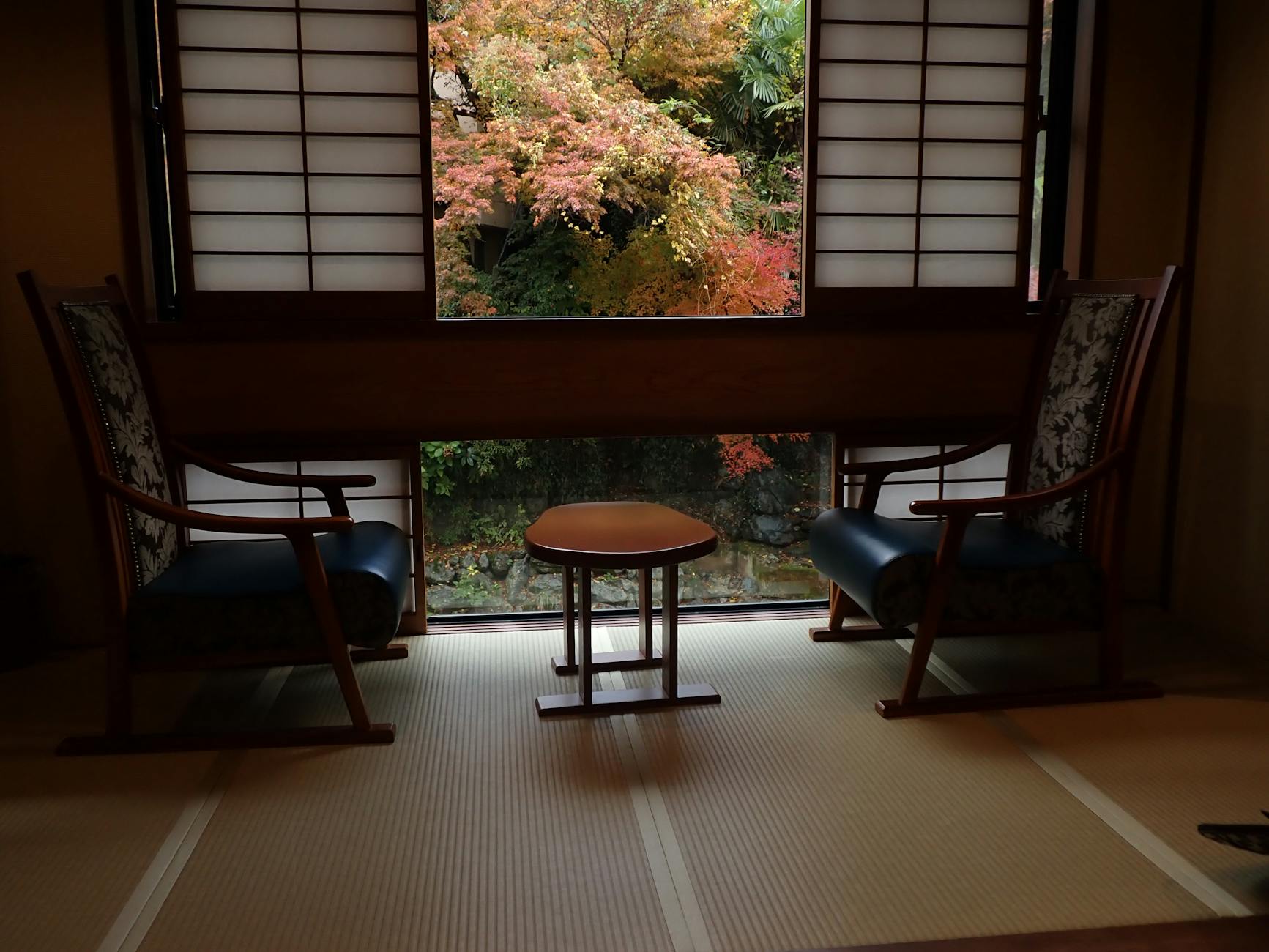
If there’s one thing I’d tell every honeymooning couple to do in Hokkaido, it’s to spend at least one night in a proper ryokan. Not a hotel that happens to have a hot spring. A real ryokan, with tatami rooms, futon bedding laid out while you’re at dinner, and a multi-course kaiseki meal served in your room or a private dining area.
The ritual of it is the point. You arrive, change into yukata robes, soak in the bath before dinner, eat an absurd number of small beautiful dishes over two hours, then walk back to your room where the futon has magically appeared. It’s a pace of living that modern life basically never offers, and on a honeymoon it feels like a gift.
Budget-wise, expect to pay 25,000-50,000 yen per person per night for a mid-range to upscale ryokan with dinner and breakfast included. That sounds steep until you factor in that dinner alone would cost 10,000-15,000 yen at a comparable restaurant, and breakfast is included too. The best ryokan in Hokkaido use local Hokkaido ingredients — fresh crab, sea urchin in season, Hokkaido wagyu beef, vegetables from nearby farms.
Book directly with the ryokan when possible. Booking.com and other platforms often show higher rates because of commission, and direct bookings sometimes get room upgrades or small extras.
A 7-Day Hokkaido Honeymoon Itinerary
This is roughly what I’d plan if I were doing it again. Adjust based on your season and interests, but the pacing is intentionally relaxed — it’s a honeymoon, not a race.
Days 1-2: Sapporo
Fly into New Chitose Airport, train to Sapporo (37 minutes). Day one: walk Odori Park, explore Tanukikoji shopping arcade, ramen for dinner in Susukino. Day two: Nijo Market for fresh seafood breakfast, Shiroi Koibito Park if you like chocolate factory tours, evening at Sapporo Beer Garden.
Day 3: Otaru
Train to Otaru (32 minutes from Sapporo). Sushi lunch on Sushi Street, walk the canal, browse the glass workshops on Sakaimachi Street. Stay overnight for the evening canal atmosphere.
Day 4: Niseko or Jozankei
Option A (winter): Drive or bus to Niseko for a ski day or just the mountain scenery and onsen. Option B (any season): Bus to Jozankei for a night in an onsen ryokan. Either way, this is your slow-down day.
Day 5: Lake Toya
Drive or bus to Lake Toya. Check into a lakefront onsen hotel. Afternoon walk along the lakeshore sculpture park. Evening fireworks from your room (April-October) or just the quiet winter lake view. Private bath time.
Day 6: Hakodate
Drive south to Hakodate (about 3 hours from Lake Toya). Morning market for seafood donburi. Walk around the Motomachi district and the old foreign consulate area. Evening cable car up Mt. Hakodate for the night view.
Day 7: Hakodate and Departure
Morning at Goryokaku. If you have time, the Kanemori warehouse area for souvenirs. Fly out from Hakodate Airport, or train back to Sapporo/New Chitose (about 3.5 hours by Hokuto limited express).
For summer honeymoons, swap Day 4 for Furano/Biei and spend two nights there instead. The lavender fields and patchwork hills deserve more than a rushed afternoon.
Best Season for a Hokkaido Honeymoon
Both winter and summer have strong cases. Here’s how I’d break it down:
Winter (December-February) is the classic romantic choice. Snow transforms everything. Outdoor onsen baths become magical when surrounded by snow. The Sapporo Snow Festival (early February) and Otaru Snow Light Path Festival give you built-in events. Downsides: driving can be difficult (rent a 4WD or stick to trains), it gets dark by 4:30pm, and some attractions in more rural areas close for the season.
Flights to Sapporo in winter are often cheaper than summer, and accommodation outside festival weeks is reasonable. Budget roughly 150,000-250,000 yen per person for a week including flights from Tokyo, mid-range accommodation, food, and transport.
Summer (July-August) brings the lavender, the green hills, and long daylight hours. It’s Hokkaido’s busiest tourism season, especially in Furano, but still nothing like the crowds in Kyoto. The weather is pleasant — mid-20s Celsius, rarely humid compared to mainland Japan. This is the time for driving, cycling, and hiking. Downsides: accommodation prices peak, and you lose the onsen-in-snow magic.
Shoulder seasons are underrated. Late September through mid-October delivers stunning autumn colours, especially in Jozankei and around Lake Toya. Late May through mid-June has cherry blossoms (yes, that late) and spring wildflowers without the summer crowds. Both periods offer lower prices and fewer tourists.
Budget Considerations
A Hokkaido honeymoon isn’t cheap, but it’s not unreasonable either. Here’s what we actually spent per person for seven nights:
| Category | Budget Range (per person) |
|---|---|
| Flights (Tokyo-Sapporo return) | 15,000-35,000 yen |
| Accommodation (mix of hotels + 1 ryokan) | 70,000-150,000 yen |
| Food | 35,000-60,000 yen |
| Transport within Hokkaido | 15,000-30,000 yen |
| Activities and entrance fees | 5,000-15,000 yen |
| Total per person | 140,000-290,000 yen |
The biggest variable is accommodation. You can stay in clean, comfortable business hotels for 6,000-8,000 yen per night, or you can spend 40,000+ per person at a luxury ryokan with private bath and kaiseki dinner. For a honeymoon, I’d say splurge on one or two nights at a nice ryokan and keep the rest moderate.
A Japan Rail Pass isn’t usually worth it for Hokkaido alone unless you’re also travelling to/from Tokyo by bullet train. Within Hokkaido, individual train tickets or a rental car (about 5,000-8,000 yen per day) are more practical. Car hire gives you the freedom to stop at random viewpoints and hot spring towns that trains don’t reach — and in Hokkaido, some of the best spots are off the main rail lines.
What to Skip
Not everything in Hokkaido is honeymoon material. A few things I’d skip or deprioritise:
Asahiyama Zoo — it’s a great zoo, genuinely, with clever “behavioural exhibitions” and a famous penguin walk in winter. But it’s a zoo. Unless you’re both animal lovers, it’s a lot of travel time (two hours each way from Sapporo) for something that doesn’t exactly scream romance.
Sapporo TV Tower/Clock Tower — tourists feel obligated to visit these. The clock tower in particular is often called the most disappointing attraction in Hokkaido. It’s a small building dwarfed by office blocks. Walk past it, take a photo if you want, but don’t build your day around it.
Overly packed itineraries — the biggest mistake I see couples make is trying to hit every city in seven days. Hokkaido is the size of Ireland. Pick three or four places, spend real time in each, and actually relax. You can always come back.
If you’re looking for more couple-specific activity ideas across Hokkaido, I’ve written a separate guide focused on that. This honeymoon guide leans more toward the luxury and relaxation end — the couples guide covers more active experiences like skiing, cycling, and hiking together.
Also check out our full guide to things to do across Hokkaido if you want to build a custom itinerary beyond the romantic highlights.
Hokkaido gave us the best week of our lives, and we weren’t even trying very hard. We just showed up, soaked in some baths, ate well, walked slowly, and let the place do the rest. That’s the whole trick, really. Just go.