This article contains affiliate links. If you make a purchase through these links, I earn a small commission at no extra cost to you.
In This Article
- What Exactly Is Jingisukan?
- How Lamb Became Hokkaido’s Obsession
- Raw vs. Marinated: The Great Debate
- Lamb vs. Mutton — What’s on Your Plate
- How to Eat Jingisukan Properly
- Where to Eat Jingisukan in Sapporo
- Daruma
- Sapporo Beer Garden
- Tsukisamu Jingisukan
- Hitsujikainomise ‘Itadakimasu’
- Hige no Ushi
- Korega Jingisukan
- Arata Naru Bondz
- Jingisukan Outside Sapporo
- How Jingisukan Differs from Yakiniku
- Tabehoudai (All-You-Can-Eat) — Worth It?
- Practical Stuff
The first time I had jingisukan, I almost didn’t order it. “Lamb BBQ?” I thought, sitting in a smoky Susukino restaurant, staring at a menu I could barely read. “In Japan?” It seemed wrong somehow. Japan is supposed to be sushi, ramen, wagyu. Not lamb on a helmet-shaped grill.
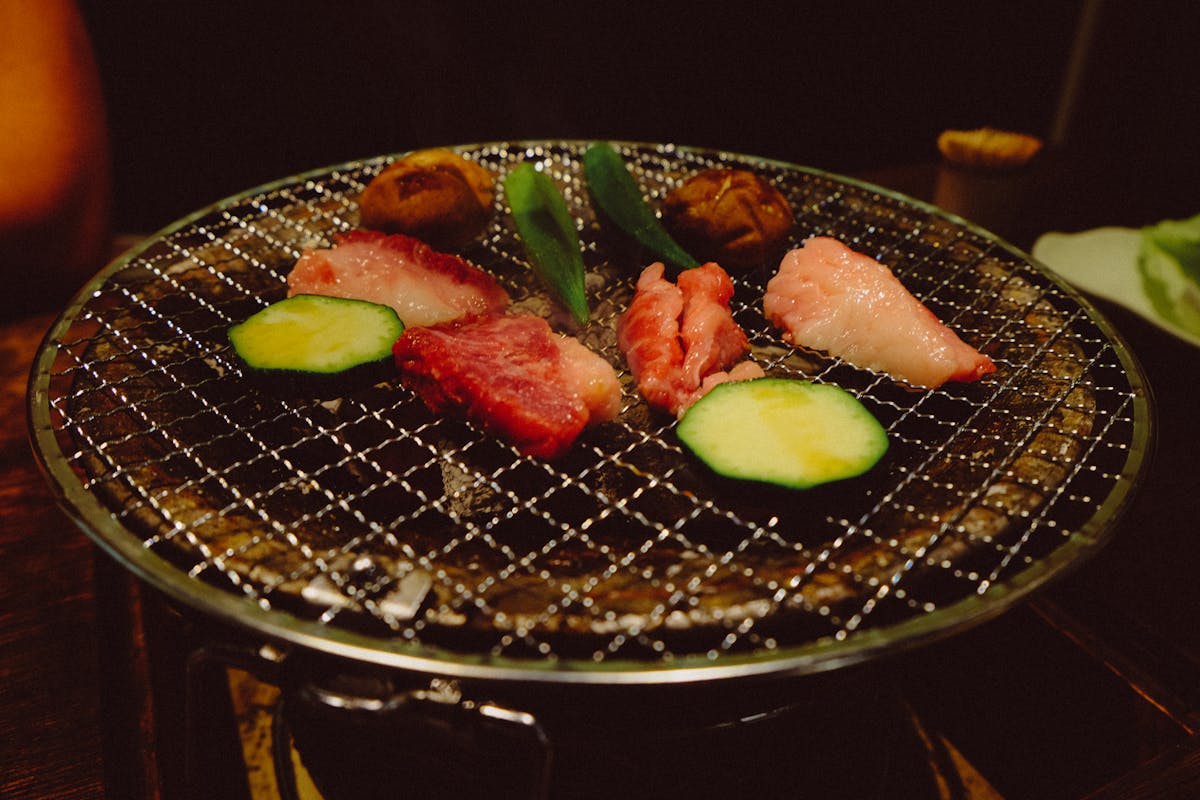
That was a mistake I’m glad someone at my table corrected. Twenty minutes later I was hunched over a dome of searing iron, flipping slices of lamb with chopsticks, watching fat drip down into a pile of bean sprouts that were soaking up every drop. It was messy and smoky and genuinely one of the best meals I’ve had in Hokkaido.
Jingisukan is Hokkaido’s thing. Not Tokyo’s, not Osaka’s — Hokkaido’s. And if you skip it because you came for seafood, you’re missing what locals actually eat when they’re celebrating, drinking with friends, or just having a good Tuesday night.
What Exactly Is Jingisukan?
Strip away the fancy descriptions and it’s this: thinly sliced lamb or mutton, grilled on a convex iron plate shaped like a soldier’s helmet, with vegetables arranged in the trough around the edge to catch the rendered fat. You dip the cooked meat in a sweet-savory sauce (or the meat comes pre-marinated, depending on where you eat), and you do this with a cold beer in your other hand.
That’s it. The magic is in the simplicity.
The dome shape isn’t just for looks. Fat runs down the curved surface and bastes the vegetables below — onions, kabocha pumpkin, bean sprouts, cabbage, peppers. The vegetables end up tasting better than the meat sometimes, especially those bean sprouts. They soak up lamb fat and become something completely different from what you’d get in a stir-fry.
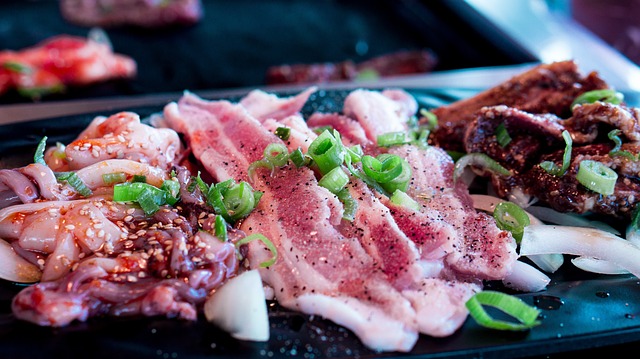
The name “jingisukan” is the Japanese pronunciation of Genghis Khan. The Mongol emperor never ate this dish (he was dead about 700 years before it was invented), but the connection is symbolic: lamb is associated with Mongolia, and the domed grill supposedly looks like a Mongol warrior’s helmet. It’s a stretch, but the name stuck.
How Lamb Became Hokkaido’s Obsession
Here’s something most visitors don’t know: Japan barely eats lamb. Walk into a supermarket in Tokyo or Osaka and you’ll struggle to find it. But in Hokkaido, lamb is a staple. The reason goes back to the early 1900s.
During the Taisho era, the Japanese government set up sheep ranches across the country to produce wool domestically — two in Hokkaido (Takikawa and Tsukisamu in Sapporo), plus a few more in Iwate, Ehime, and Kumamoto. When synthetic fibers arrived in the mid-20th century and killed demand for wool, the ranches had a problem: lots of sheep, no one buying the fleece.
So people started eating them instead.
By the 1950s, commercial bottled jingisukan sauce had appeared in Hokkaido shops, and the dish went from a practical solution to a legitimate regional specialty. In 2004, jingisukan was officially designated a Hokkaido Heritage item. Today it sits alongside miso ramen, soup curry, and seafood as one of the defining tastes of the island.
The other ranches around Japan eventually closed. Hokkaido’s didn’t. That’s why jingisukan is a Hokkaido thing and nowhere else — the sheep farming tradition stayed alive here and became part of the food culture in a way that didn’t happen on the mainland.
Raw vs. Marinated: The Great Debate
Every jingisukan restaurant falls into one of two camps, and locals have strong opinions about which is better.
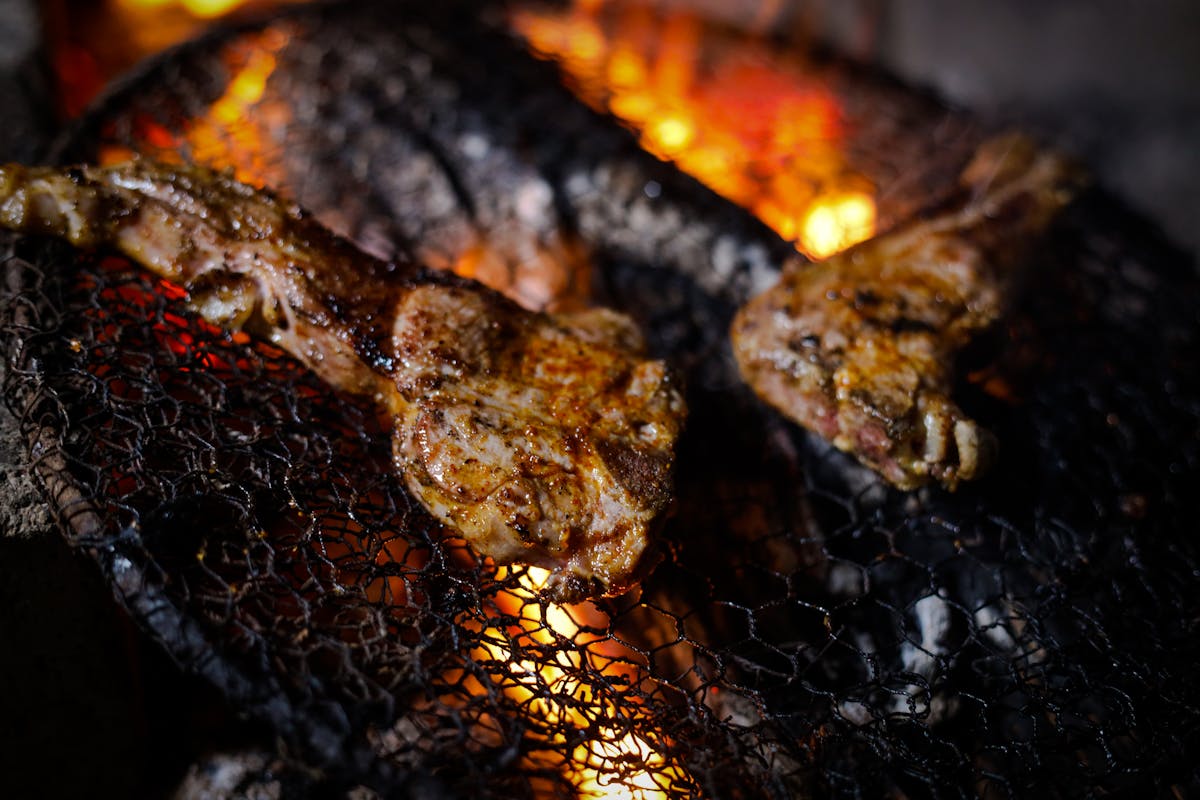
Sapporo style (raw lamb, dipping sauce after): The meat arrives unseasoned, you grill it yourself, then dip it in a tare sauce. Each restaurant makes its own — usually soy-based with garlic, ginger, apple or onion sweetness, sometimes a bit of sesame. This style lets you taste the actual lamb flavor more clearly. Restaurants like Daruma and Korega Jingisukan in Susukino do this approach.
Takikawa style (pre-marinated): The lamb soaks in a marinade before it hits the grill — typically soy sauce, ginger, onion, mixed spices. The meat comes out more tender and the flavors are already built in. This originated in Takikawa city, about 90 minutes north of Sapporo. If you’ve never had lamb before and you’re nervous about the “gamey” taste people warn you about, marinated is a safer entry point.
My honest take? I prefer raw with dipping sauce because you get more control. But I’ve had incredible marinated jingisukan in Asahikawa that changed my mind temporarily. Try both if you can.
Lamb vs. Mutton — What’s on Your Plate
Most jingisukan restaurants offer both, and the difference matters more than you’d think.
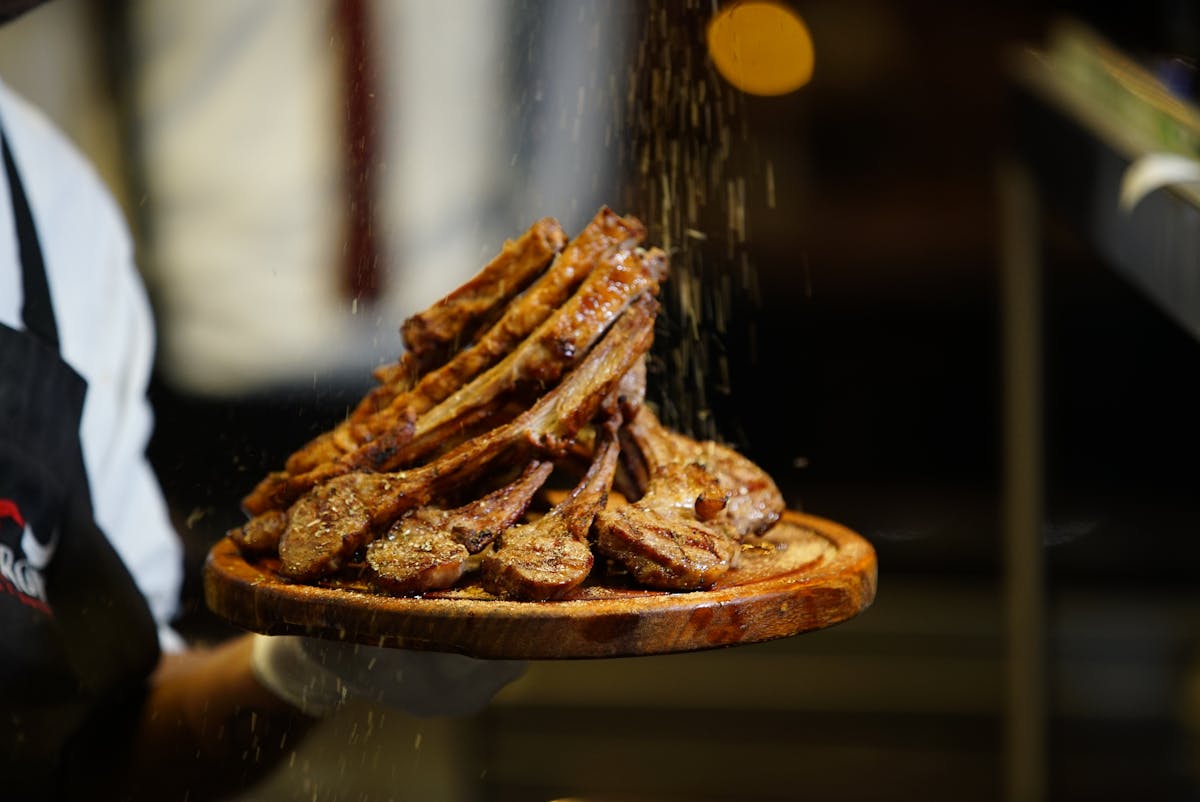
Lamb (ramu): From sheep under one year old. Softer, milder, less “sheepy.” This is what most first-timers should order. Lamb shoulder is the classic jingisukan cut — enough fat running through it to stay juicy on the grill without being overwhelming.
Mutton (maton): From adult sheep. Stronger, gamier, more intense flavor. Locals who grew up eating jingisukan often prefer mutton because they think lamb tastes like nothing. Places like Tsukisamu Jingisukan — that time-honored spot established in 1953 — are famous specifically for their charcoal-grilled mutton with a secret dipping sauce.
There’s also Suffolk lamb, a premium breed raised in Hokkaido. It’s rarer and more expensive, but restaurants that serve it — like Jingisukan Hitsujikainomise ‘Itadakimasu’ in Sapporo, where the owner actually started herding sheep himself to supply his restaurant — consider it the best lamb in Japan. If you see Suffolk on a menu, it’s worth the extra cost.
Most of the lamb and mutton served in jingisukan restaurants is imported from New Zealand and Australia. Don’t let that put you off — it’s standard practice and the quality is consistent. Hokkaido-raised sheep are a small fraction of what’s available, which is exactly why Suffolk commands a premium.
How to Eat Jingisukan Properly
You’ll figure it out quickly, but a few things aren’t obvious if it’s your first time.
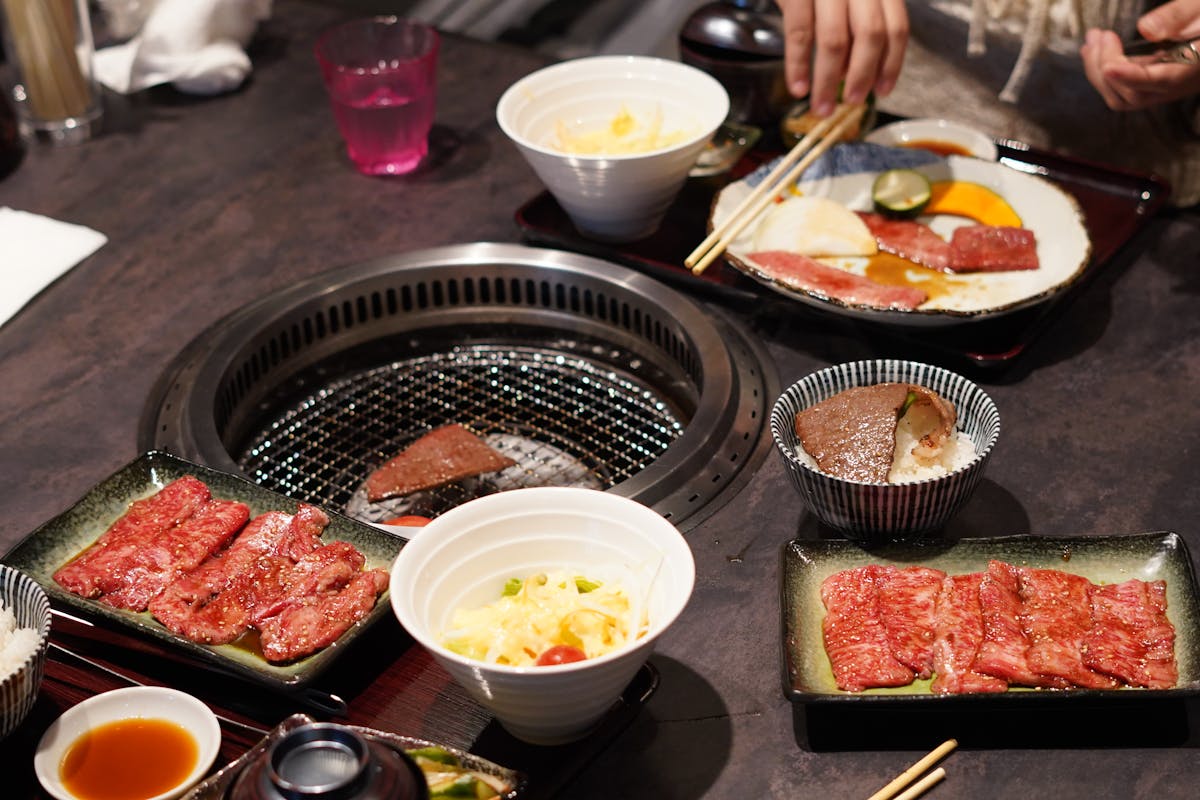
Grease the dome first. Some restaurants give you a lump of lard (or lamb fat) to rub across the hot grill before cooking. This prevents sticking and adds flavor. If they don’t provide it, don’t worry — skip straight to the meat.
Vegetables go in the trough, meat goes on the dome. Load the lower ring with onions, cabbage, kabocha, bean sprouts, and whatever else they give you. Place lamb slices on the raised center. The fat drips down and flavors everything below.
Don’t overcook the lamb. Thin slices need maybe 30-60 seconds per side. The biggest mistake I see people make is treating it like a well-done steak. Lamb shoulder cooked medium with a bit of pink in the center is infinitely better than grey, chewy rubber. If you’re eating raw-style (not pre-marinated), dip it quickly in the tare sauce after grilling.
Finish with noodles. A lot of restaurants offer udon or ramen noodles that you cook in the leftover sauce and drippings at the end of the meal. This is the best part. All that concentrated lamb flavor, the caramelized sauce bits, the fat — it turns into the richest noodle dish you’ll eat in Hokkaido, and that’s saying something in a place famous for its ramen.
Beer is mandatory. I don’t make the rules. Jingisukan and cold draft beer is one of Hokkaido’s sacred combinations, right up there with Sapporo Classic and literally any occasion. Sapporo Classic (the one you can only get in Hokkaido) is the standard pairing.
Where to Eat Jingisukan in Sapporo
Sapporo has hundreds of jingisukan restaurants. These are the ones that keep coming up in local recommendations, not tourist-trap lists.
Daruma
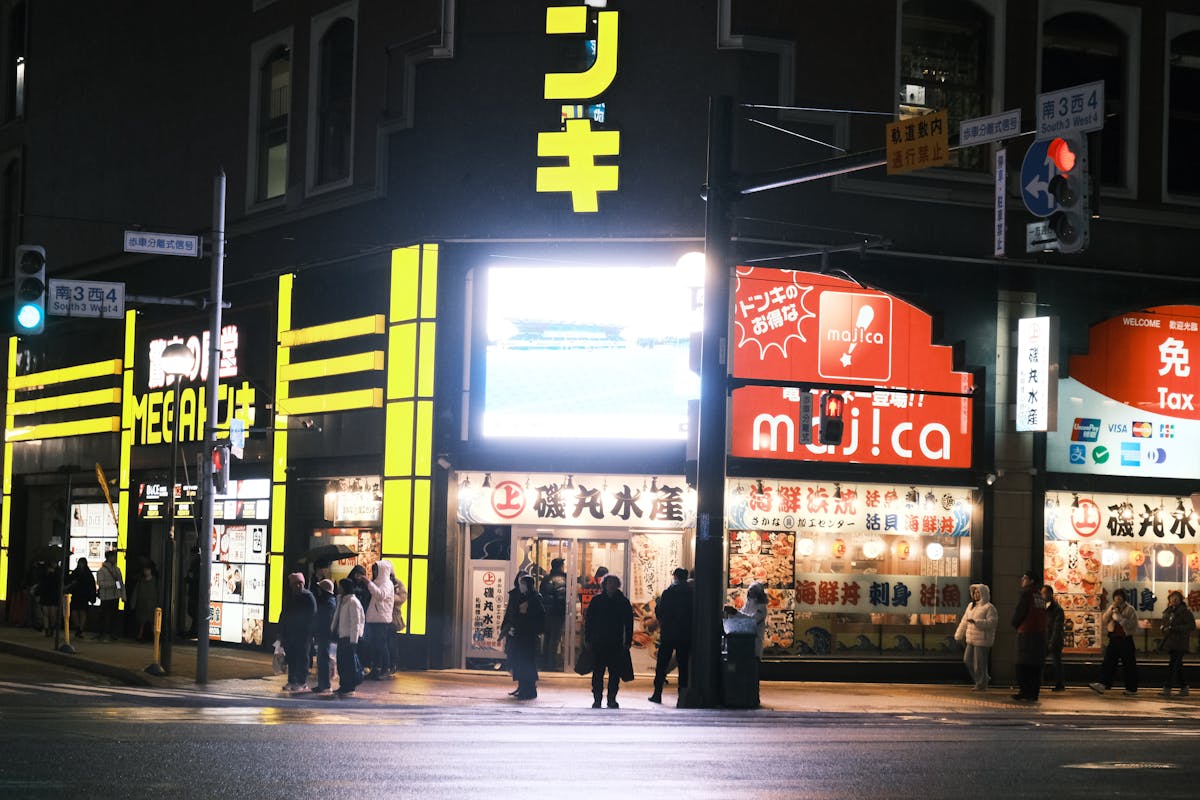
The one everyone talks about. Daruma has been serving jingisukan in Susukino since 1954 and there’s almost always a queue. They do raw-style with their own dipping sauce. The portions are generous, the meat quality is consistent, and the atmosphere is cramped, loud, and smoky in exactly the right way. Multiple locations in Susukino — the main branch on Nishi 4-chome is the original.
Expect to pay around 1,500-2,500 yen per person depending on how much you eat.
Sapporo Beer Garden
This is the big experience — all-you-can-eat jingisukan inside the historic Sapporo Beer Museum building in Higashi-ku. The Kessel Hall with its copper brewing kettles is the room to request. The tabehoudai (all-you-can-eat) course runs about 100 minutes and includes lamb, mutton, vegetables, and of course unlimited Sapporo draft beer for an additional charge.
Is it the best jingisukan in the city? Honestly, no. The meat quality is standard, not premium. But as a total package — the atmosphere, the beer, the history, the sheer volume of lamb you can consume — it’s worth going once. Budget around 3,500-5,000 yen per person with beer. It’s a popular spot for tourists and locals alike, especially during summer when the beer garden is packed.
Tsukisamu Jingisukan
Established in 1953 in Toyohira-ku. This is the old-school option. They specialize in mutton grilled over charcoal, and their secret sauce recipe hasn’t changed in decades. It’s the kind of place that doesn’t try to be trendy. Closed Wednesdays and the third Tuesday of each month.
Hitsujikainomise ‘Itadakimasu’
In Chuo-ku, near Susukino. What makes this place unusual is the owner literally started herding sheep so he could serve purebred Hokkaido Suffolk lamb. That’s commitment. The quality reflects it — this is some of the best lamb you’ll eat anywhere in Hokkaido. Open year-round, no regular holidays. Prices are higher than standard jingisukan joints because of the premium Hokkaido Suffolk, but the quality difference is noticeable.
Hige no Ushi
Chuo-ku, Minami 3-jo Nishi 5-chome. They do both traditional jingisukan and more creative preparations. The thick-cut fresh lamb steak is their signature — different from the typical thin slices, and it basically melts. Worth trying if you want something beyond the standard format. Closed only during New Year.
Korega Jingisukan
Four minutes from Exit 5 of Susukino Station. The name literally translates to “This is Jingisukan” — bold claim, but regulars back it up. Counter and table seating works for solo diners or groups. Their special course includes three kinds of meat (kelp-seasoned jingisukan, shoulder loin, and mutton) plus snacks, salad, rice balls, and an all-you-can-drink option. Even Sapporo locals who’ve tried every jingisukan place in the city rate this highly.
Arata Naru Bondz
An interesting twist on the formula: instead of grilling the meat yourself, each table gets a dedicated staff member who grills it for you and chats while they cook. The concept is “family-run jingisukan restaurant” and the staff are genuinely entertaining. If you’re the type who stresses about overcooking expensive lamb (fair), this takes the pressure off entirely.
Jingisukan Outside Sapporo
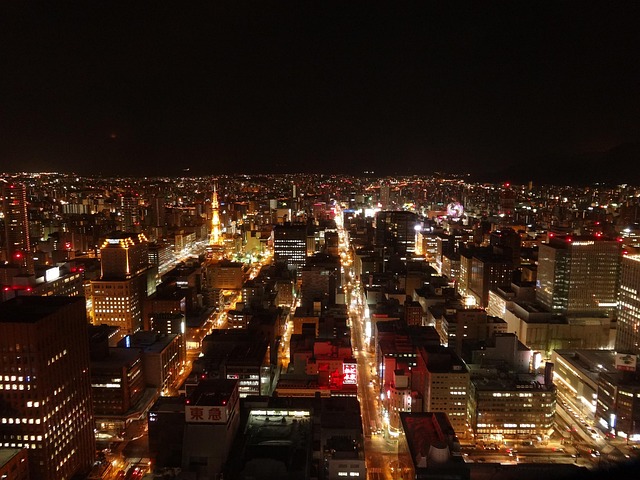
Sapporo gets the most attention, but jingisukan exists across Hokkaido. A few worth knowing about:
Asahikawa has Daikokuya, a famous jingisukan restaurant that uses charcoal fire and a secret sauce. Their 5-Chome branch is the one to visit. Asahikawa’s jingisukan scene is smaller than Sapporo’s but arguably more authentic — fewer tourists, more regulars.
Otaru has Kitatogarashi, where the house soy sauce and vegetable-based dipping sauce pairs specifically with fresh lamb. They’re the main jingisukan name in Otaru’s restaurant scene.
Hakodate has Temujin, a chain with branches across Hokkaido, including one near Yunokawa onsen. Reliable quality and a good option if you’re doing the southern Hokkaido route.
Outdoor beer gardens during summer are peak jingisukan. From June through August, parks and rooftops across Hokkaido set up temporary jingisukan stations. Odori Park in central Sapporo runs the biggest one during the Sapporo Summer Festival in July-August. Grilling lamb outdoors with a cold beer on a warm Hokkaido summer night is one of those experiences that sounds overhyped until you actually do it.
For a different angle entirely, the ski resort town of Tomamu (Hoshino Resorts) has “Hokkaido Jingisukan KING” inside the resort — good if you’re there for winter sports and don’t want to travel for a proper jingisukan meal.
How Jingisukan Differs from Yakiniku
People ask this a lot, especially if they’ve had yakiniku (Japanese BBQ) before. The comparison makes sense — both involve grilling meat at your table. But there are real differences.
Yakiniku uses a flat or slightly concave grill. Jingisukan uses that distinctive dome. Yakiniku is primarily beef (and pork, and offal). Jingisukan is exclusively lamb and mutton. Yakiniku restaurants exist everywhere in Japan. Jingisukan is concentrated in Hokkaido.
The sauce philosophy is different too. Yakiniku tare tends to be thicker, sweeter, more similar to a teriyaki-type sauce. Jingisukan tare is lighter, fruitier — apple, ginger, garlic, soy. It’s designed to complement lamb specifically rather than overpower it.
Price-wise, jingisukan is typically cheaper than yakiniku because lamb costs less than Japanese beef. An all-you-can-eat jingisukan course runs 2,500-3,500 yen at most places. A comparable yakiniku tabehoudai with decent beef would be 4,000-6,000 yen.
Tabehoudai (All-You-Can-Eat) — Worth It?
Almost every jingisukan restaurant offers tabehoudai, usually for 90-100 minutes. The standard price range is 2,500-3,500 yen for lamb and vegetables. Add another 1,000-1,500 yen for nomihoudai (all-you-can-drink beer and other drinks).
Is it worth it? If you’re hungry and want to properly experience jingisukan — yes. Two people ordering a la carte can easily spend the same amount and eat less. The tabehoudai format also takes the stress out of ordering in Japanese. Point at the all-you-can-eat option, and they just keep bringing meat.
The exception: if you’re eating at a place known for premium or Suffolk lamb, order a la carte. Tabehoudai at upscale restaurants uses their standard cuts, not the good stuff. You’re better off paying per plate and getting the quality that makes the restaurant special.
Practical Stuff
Price range: 1,500-2,500 yen per person a la carte, 2,500-3,500 yen for all-you-can-eat, 4,000-5,500 yen with all-you-can-drink
Where to find it: Susukino has the highest concentration. Also along Tanukikoji shopping arcade and near Sapporo Station.
Reservations: Big-name places like Daruma don’t take them — just queue. Others accept reservations via phone or Tabelog.
Smoke warning: You will smell like lamb smoke afterward. Don’t wear your nicest clothes. Some restaurants provide plastic bags for your jacket.
Lunch options: Most jingisukan restaurants open for dinner only (17:00-23:00). Sapporo Beer Garden opens for lunch on weekends and holidays.
Vegetarian options? I’ll be honest — there basically aren’t any. Jingisukan is fundamentally about grilling meat. The vegetables are cooked in lamb fat. If you’re vegetarian, this isn’t the Hokkaido food experience for you. Try soup curry instead — plenty of veggie-friendly options there.
For budget travelers: jingisukan is actually one of the cheapest proper meals in Sapporo. An all-you-can-eat dinner with beer for under 4,000 yen is hard to beat. Compare that to a decent sushi meal (easily 5,000+ yen) or crab (8,000+ yen). If you’re watching spending, jingisukan is your friend.
Getting there: From central Sapporo, the Susukino jingisukan strip is walkable from Susukino Station (Namboku Line) or a 15-minute walk from Sapporo Station. The Beer Garden is a bus ride or taxi from Sapporo Station — about 10 minutes by car, longer by bus.
Summer visitors: Check if the Odori Park beer garden is running during your visit. Outdoor jingisukan in the park with thousands of other people grilling at the same time is uniquely Sapporo. The atmosphere alone is worth the trip, even if the beer garden meat isn’t going to win any awards for quality.
One last thing. Jingisukan is a social meal. It’s best with a group — friends, family, the random people next to you at the counter who start giving you grilling advice after your second beer. Don’t overthink the ordering or the technique. Just put lamb on the grill, eat it, drink beer, and enjoy one of the few food experiences in Japan that feels genuinely relaxed and unpretentious.