This article contains affiliate links. If you book through them, I earn a small commission at no extra cost to you.
In This Article
- How Hokkaido’s Climate Works (The Short Version)
- January: The Deep Freeze
- February: Snow Festival Season
- March: The In-Between Month
- April: Spring Finally Arrives (Sort Of)
- May: The Sweet Spot
- June: Pre-Summer (Without the Rain)
- July: Lavender and Festivals
- August: Peak Summer
- September: Early Autumn
- October: Peak Autumn Colours
- November: The Quiet Month
- December: Winter Returns
- Month-by-Month Quick Reference
- So When Should You Actually Go?
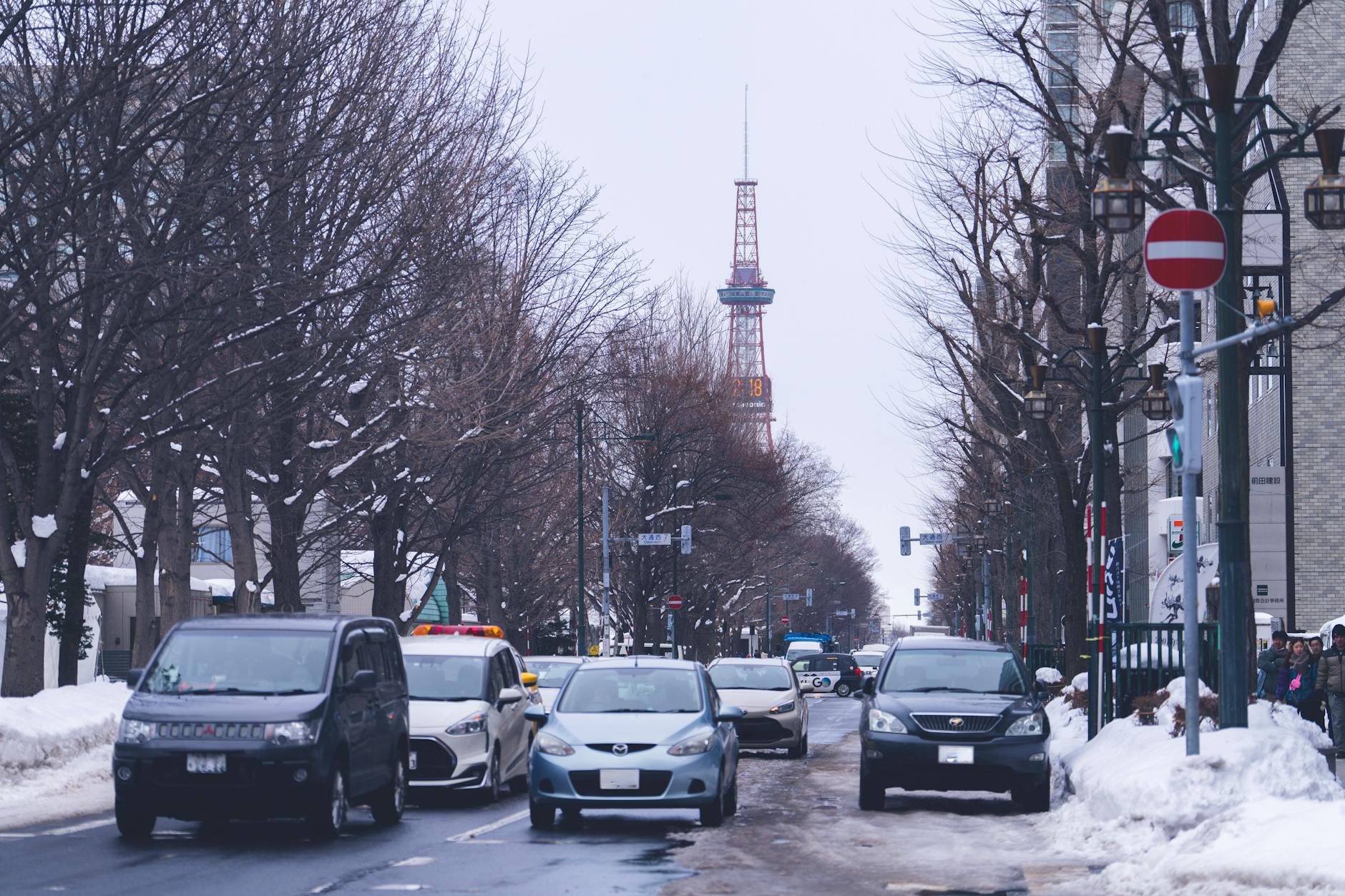
I landed in Sapporo in February once wearing a jacket I thought was “warm enough.” It was not. By the time I walked from the station to my hotel — maybe seven minutes — my face hurt and my phone had died from the cold. Hokkaido weather is no joke, and it caught me completely off guard because I had assumed “Japan = mild winters.” Wrong.
The thing about Hokkaido is that it operates on a completely different climate system from the rest of Japan. While Tokyo sweats through 35C humidity in August, Sapporo sits at a comfortable 22C. While Osaka has cherry blossoms in late March, Hokkaido is still buried under snow. It is practically a different country when it comes to weather, and planning your trip around the wrong assumptions will mess up your entire experience.
Here is what each month actually looks like, with real temperatures, what to pack, and whether it is worth visiting. I will be honest about the months that are not great too — because some of them really are not.
How Hokkaido’s Climate Works (The Short Version)
Hokkaido sits between 41 and 45 degrees north latitude — roughly the same as Barcelona or Chicago. But it is surrounded by cold ocean currents and sits southeast of Siberia, which means the winters are far more brutal than its latitude suggests. The Sea of Okhotsk to the north sends cold air and even drift ice down the northeast coast between January and March.
Unlike the rest of Japan, Hokkaido skips the rainy season (tsuyu) that drenches Honshu in June and early July. Summer rainfall is moderate and spread across the season, not concentrated into weeks of constant drizzle. Annual precipitation runs 800-1,200mm — well below Japan’s national average. Typhoons rarely make it this far north, though they occasionally clip the island in September.
The interior is mountainous, including the volcanic Daisetsuzan range where Mount Asahi (2,291m) is the highest peak. Temperatures in these inland areas are more extreme than the coasts — colder in winter, a bit warmer in summer. The southeast coast, influenced by cold ocean currents, stays cool even in summer, with fog rolling in regularly.
January: The Deep Freeze
January is the coldest month. Full stop. Average temperatures in Sapporo hover around -4C to -1C, but that is the average — nighttime regularly drops to -10C, and during cold snaps it will hit -15C in the city. Inland areas like Asahikawa are even more extreme. The Kamikawa Basin around Asahikawa routinely sees -20C, and the all-time record for Japan was set there at -41C (though that was back in 1902, before you ask).
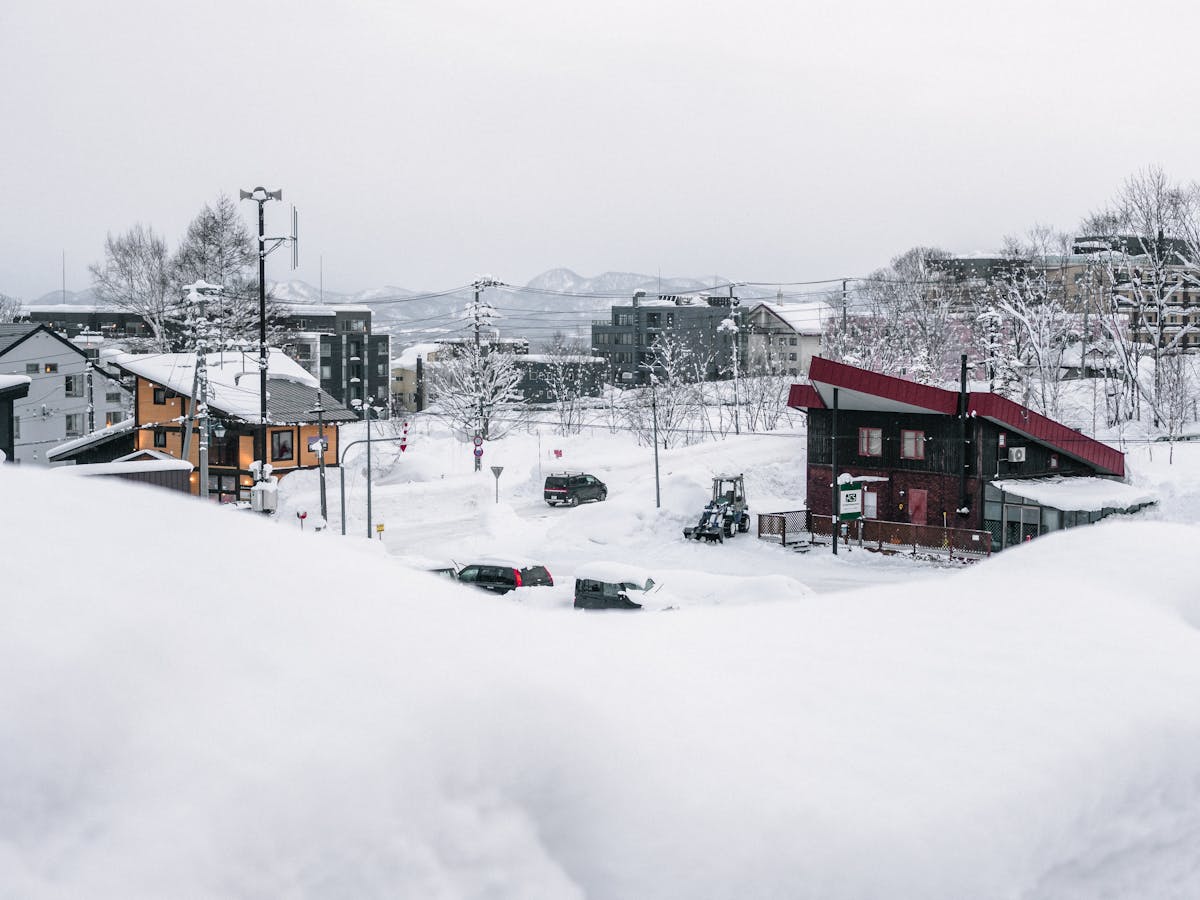
Snowfall is relentless. Sapporo averages about 5 metres of cumulative snowfall through the winter, and January gets the heaviest share. The city has an impressive snow removal operation — trucks run through the night clearing main roads — but side streets can be slippery and piled high. Walking takes longer than you would expect because pavements are often icy.
But here is the thing: January is actually brilliant if you are into winter activities. The ski resorts are in prime condition. Sapporo has a cosy, snow-covered atmosphere that is genuinely beautiful. And the cold keeps tourist numbers down, so you will have shorter queues everywhere.
What to pack: Thermal base layers (top and bottom), fleece mid-layer, waterproof insulated outer jacket, waterproof boots with good grip, hand warmers, neck gaiter or balaclava. Your Hokkaido packing list matters more in January than any other month. Do not cheap out on gloves — your hands will suffer.
February: Snow Festival Season
Still bitterly cold. Temperatures are nearly identical to January — maybe half a degree warmer on average, which you will not notice. Sapporo averages around -3C to 0C during the day, dropping to -8C or colder at night.
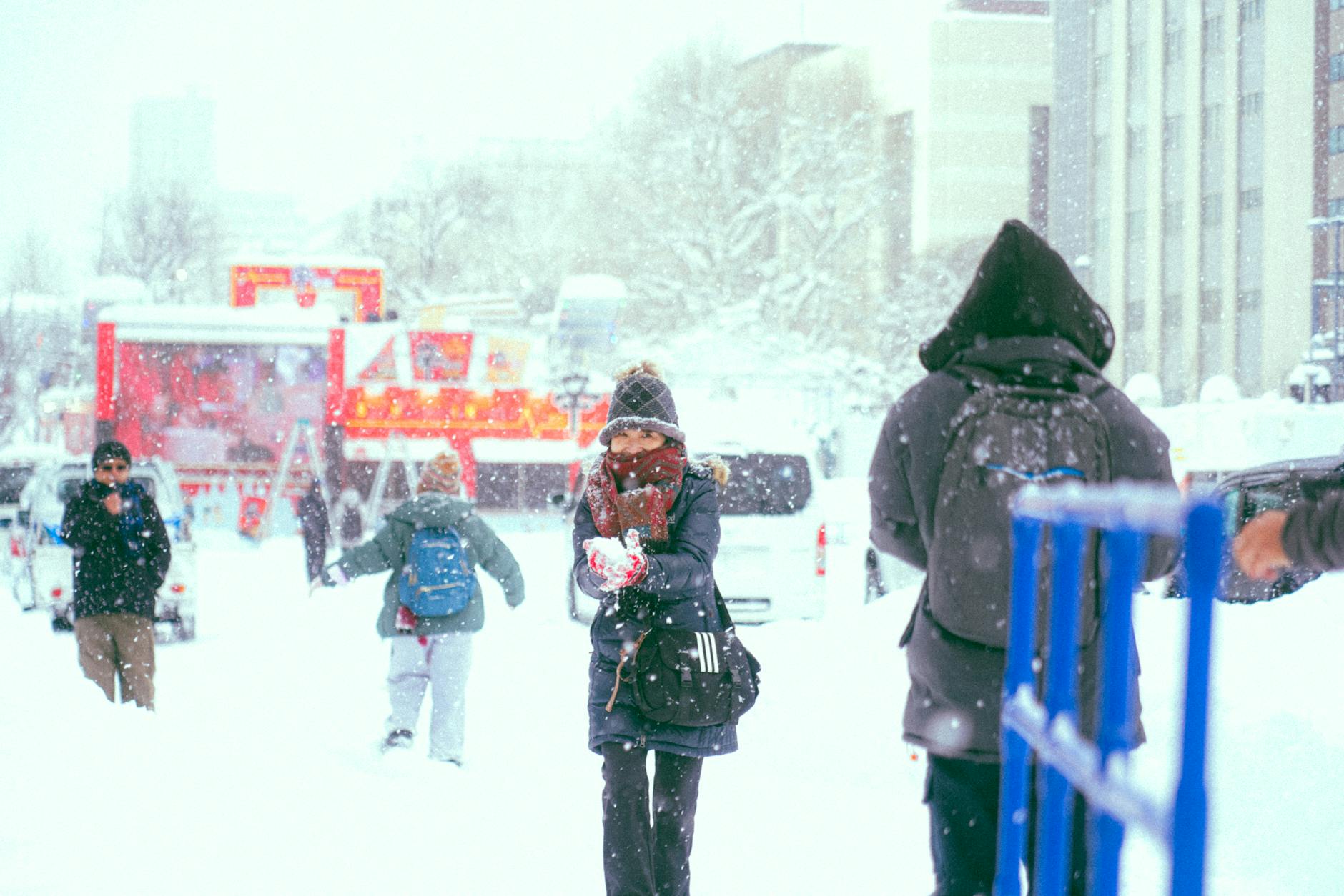
February is when the Sapporo Snow Festival takes over Odori Park and Susukino. It runs for about a week in early February and draws around 2 million visitors. The snow and ice sculptures are genuinely impressive — some are the size of buildings. Hotel prices spike during the festival though, sometimes doubling, so book months ahead if you are planning around it.
The northeast coast around Abashiri starts seeing drift ice from the Sea of Okhotsk. You can take an icebreaker cruise ship (the Aurora) to get out into it, which is a surreal experience. The ice typically arrives in late January and sticks around through early March, but February is the most reliable month to see it.
Winter in Hokkaido is honestly at its most atmospheric in February. Yes, it is freezing. But the snow is at its deepest, the festivals are running, and the ski conditions are some of the best in the world. Hakodate is slightly warmer on the southern tip — expect -2C to 2C there.
March: The In-Between Month
March is honestly my least favourite month to visit Hokkaido. It is stuck between seasons — still cold enough to be uncomfortable (0C to 5C most days) but the snow is getting old. It is slushy, dirty, and the fresh powder that makes January and February magical is mostly gone. The ski resorts are still open and some people swear by spring skiing, but the conditions are noticeably worse than peak season.
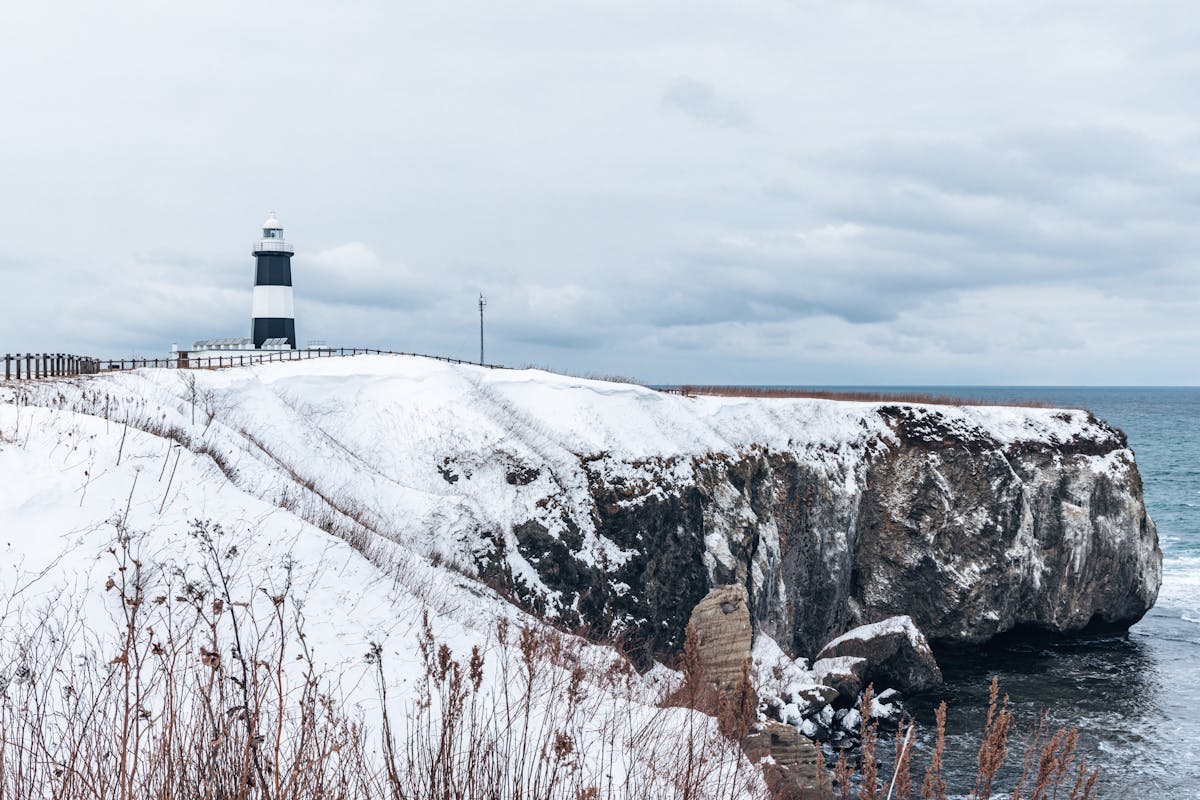
That said, March has a couple of things going for it. Prices drop after the Snow Festival rush. The drift ice is still visible at Abashiri in early March. And the days are getting noticeably longer — by late March you are getting 12 hours of daylight, compared to about 9 hours in December.
Late March in most of Japan means cherry blossom season. Not in Hokkaido. You will be waiting another month for that. If you are coming in March expecting spring, you will be disappointed.
What to pack: Same winter gear as January/February. Maybe swap the balaclava for a lighter scarf by late March, but do not pack away the thermals yet.
April: Spring Finally Arrives (Sort Of)
Early April still has a winter feel. Snow lingers on the ground in most areas, temperatures sit around 3-10C, and the mountains are still white. But something shifts around mid-April — the air changes, the days feel longer, and you start seeing bare ground for the first time in months.
Hokkaido spring is a delayed affair compared to the rest of Japan. When Tokyo’s cherry blossoms are already falling, Hokkaido’s have not even started. The cherry blossoms typically arrive in Hakodate around late April, then work their way north to Sapporo in early May. This lag is actually an advantage if you have already missed the blossoms further south — you get a second chance up here.
Hiking trails in the mountains are still closed or snow-covered in April. The hot spring towns like Noboribetsu and Jozankei are a good bet this time of year — the contrast of soaking in steaming outdoor baths while patches of snow surround you is one of those experiences that sticks with you.
What to pack: Layers are key. Daytime might reach 12C in sunshine, but mornings and evenings drop to near freezing. A medium-weight jacket, warm sweater, and something windproof. Keep the thermal base layers in your bag just in case.
May: The Sweet Spot
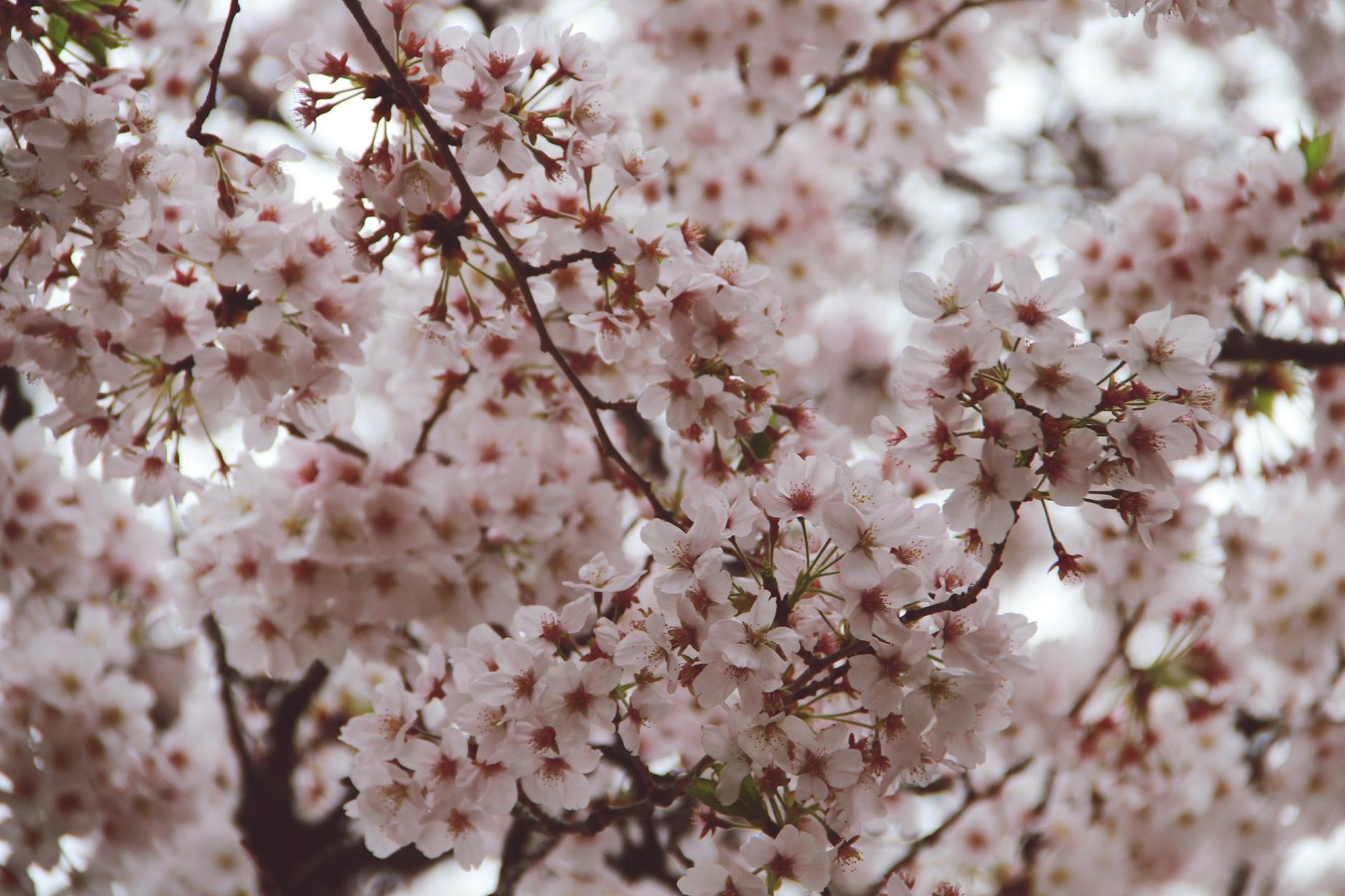
May might be the most underrated month to visit Hokkaido. Temperatures range from 8C to 18C — cool enough that you are comfortable walking all day, warm enough that you do not need heavy winter gear. Cherry blossoms are in full swing through the first half of the month, coinciding with Golden Week (Japan’s multi-day holiday in early May).
The catch: Golden Week brings domestic tourists in huge numbers. Hotel prices jump, popular day trips from Sapporo get crowded, and trains fill up. If you can visit in the second half of May after Golden Week, you will get better weather than early May, lower prices, and fewer crowds. That is the real sweet spot.
The landscape is transforming. Trees are green again, flowers are blooming in parks, and you can start doing outdoor activities without freezing. Furano and Biei start looking incredible even before the lavender season — the patchwork hills of farmland are bright green and photogenic.
What to pack: Light layers. A medium jacket for mornings and evenings, t-shirts for daytime. Rain jacket just in case. You can finally leave the thermals at home.
June: Pre-Summer (Without the Rain)
While the rest of Japan enters the miserable tsuyu rainy season in June — weeks of grey skies and constant drizzle — Hokkaido sits it out. This is one of the island’s biggest weather advantages. June days are long (sunrise before 4am, sunset after 7pm), temperatures are a pleasant 14-22C, and while there is some rain, it is nothing like the sustained monsoon conditions further south.
June is when outdoor activities really open up. Hiking trails in the interior become accessible. Cycling is beautiful. The wildflowers start appearing in Furano and Biei, with early-blooming varieties filling the fields before the main lavender season.
Sea fog is a thing on the southeast coast, especially around Kushiro and the eastern Hokkaido coast. If you are planning to visit eastern Hokkaido, expect some foggy mornings and cooler temperatures than the west side. Kushiro can sit at 12-15C while Sapporo is at 20C.
What to pack: Light layers plus a rain jacket. Sunscreen — June sun is strong and the days are incredibly long. Comfortable walking shoes for hiking.
July: Lavender and Festivals
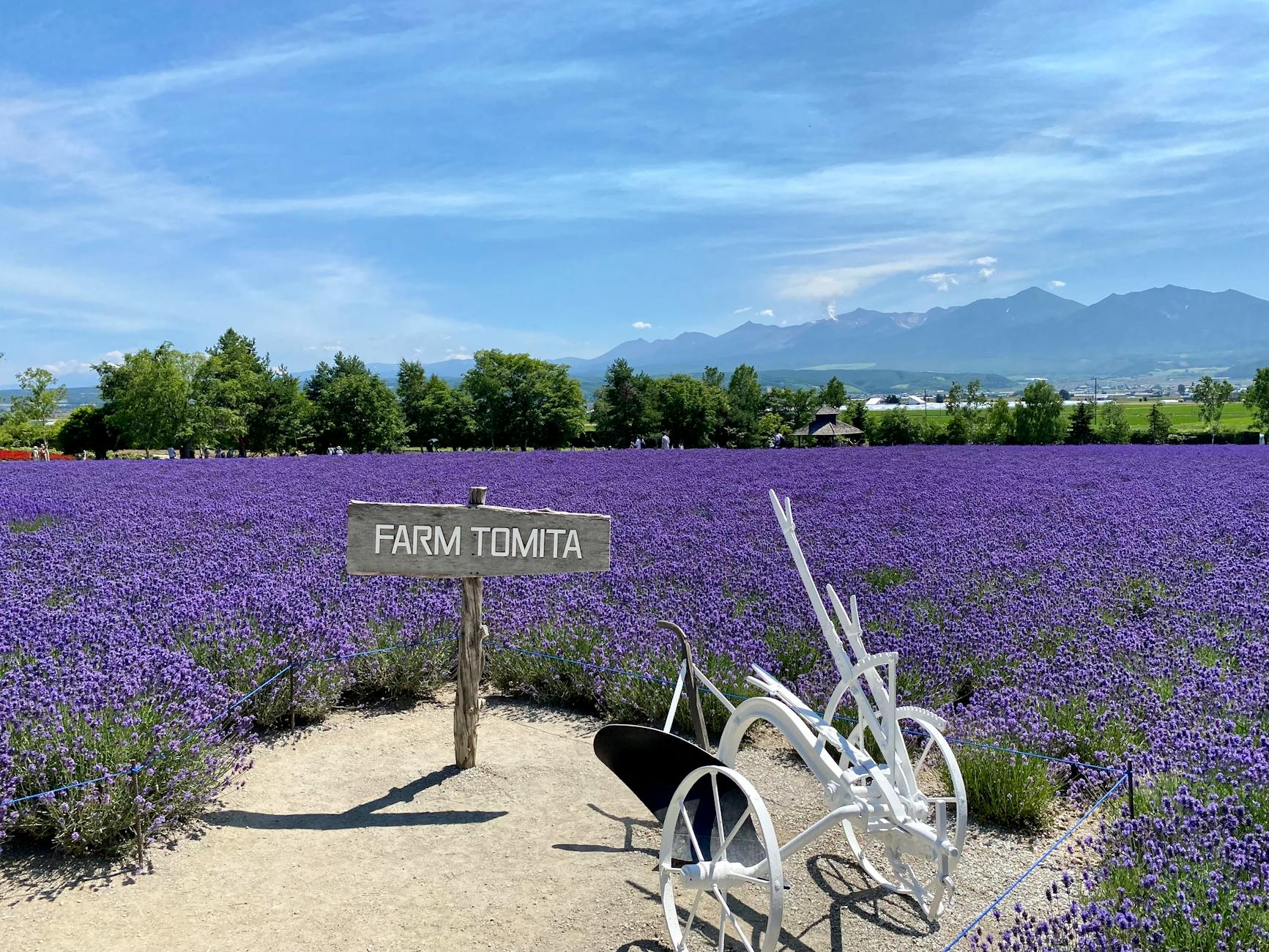
July is when Hokkaido summer hits full stride. Temperatures reach 20-26C in most areas — warm enough to feel like summer but without the suffocating humidity that makes Tokyo, Osaka, and Kyoto almost unbearable. Some days nudge 28C or even 30C in inland areas, but 25C is more typical, and evenings cool down to 15-18C. You will actually want a light jacket after dark.
Mid-July is peak lavender season in Furano. Farm Tomita is the most famous spot, and it gets absolutely packed — arrive before 8am if you want photos without crowds. But the whole Kamifurano-Furano-Biei area is covered in flower fields, and the smaller farms are much quieter. The lavender is best from roughly July 10-25, depending on the year.
The Sapporo Beer Garden opens for the season, and outdoor festivals pop up across the island. This is also the month when campgrounds fill up with domestic tourists — Hokkaido is where Japanese people escape the mainland heat.
What to pack: Summer clothes, but keep a light jacket for evenings. Sunscreen, sunglasses, hat. Insect repellent if you are heading to rural areas or hiking — the bugs come out in July. Rain is possible but usually brief afternoon showers, not all-day affairs.
August: Peak Summer
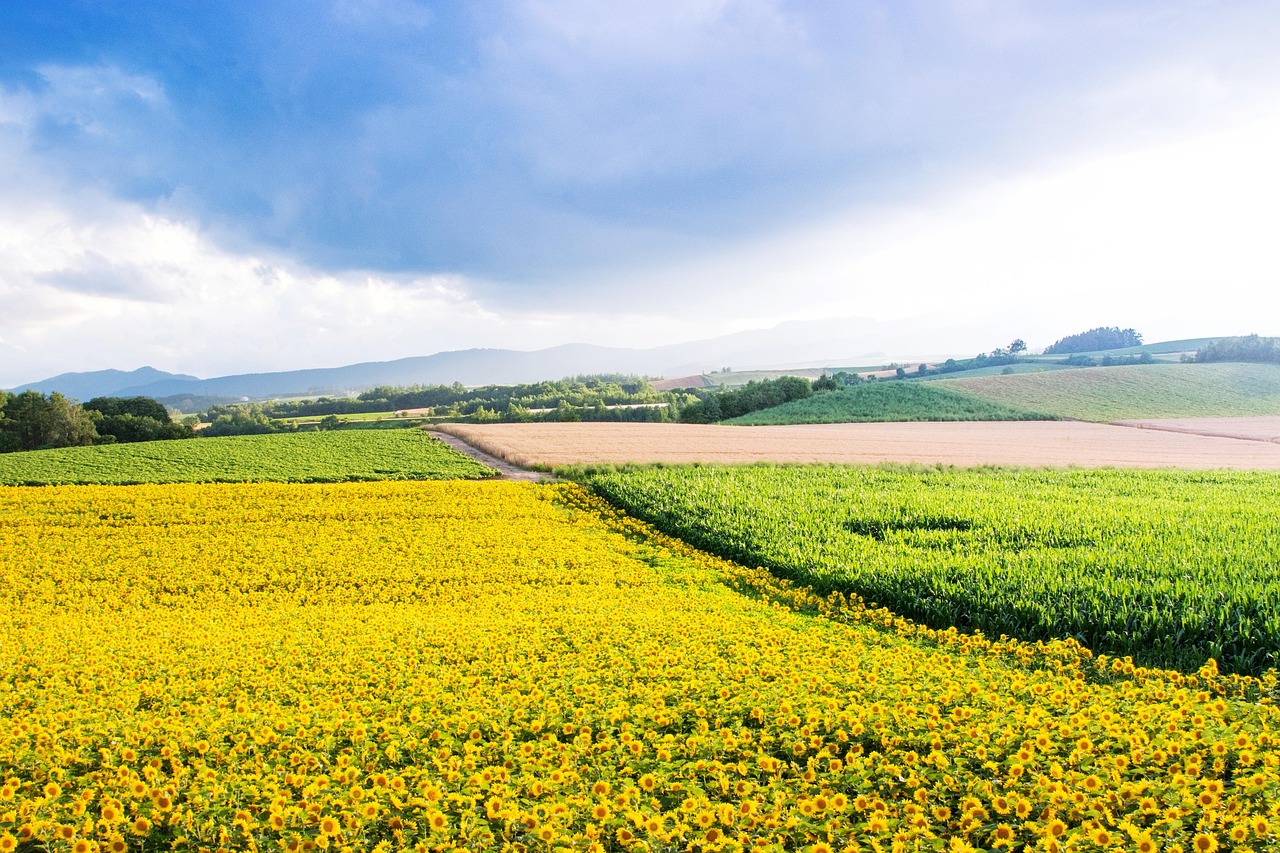
August is the warmest month, with averages of 21-27C across most of the island. Sapporo’s average high is about 26C, which feels downright cool compared to Tokyo’s 34C. That temperature gap is why so many Japanese tourists flock here — Hokkaido is the only place in the country where you can comfortably walk around outside in August.
Rainfall picks up in August — it is actually the wettest month, averaging about 130-160mm depending on location. But it tends to come as afternoon thundershowers rather than all-day rain. Morning weather is usually clear.
The sunflower fields around Biei and Kitaryu are at their peak. The Obon holiday in mid-August is Japan’s second-biggest travel period (after New Year), so expect crowds and high prices for about a week around August 13-16. After Obon, things calm down quickly.
The southeast coast stays noticeably cooler. Kushiro and the eastern Hokkaido coast might only reach 17-20C even in August, and fog is still common. Pack a jacket if you are heading east.
September: Early Autumn
September starts as a continuation of summer — 18-23C, comfortable, still green — and ends with the first real hints of autumn. By late September, the trees in Daisetsuzan National Park are already turning red and gold. Hokkaido gets autumn colours before anywhere else in Japan, and the contrast with the still-green lowlands is stunning.
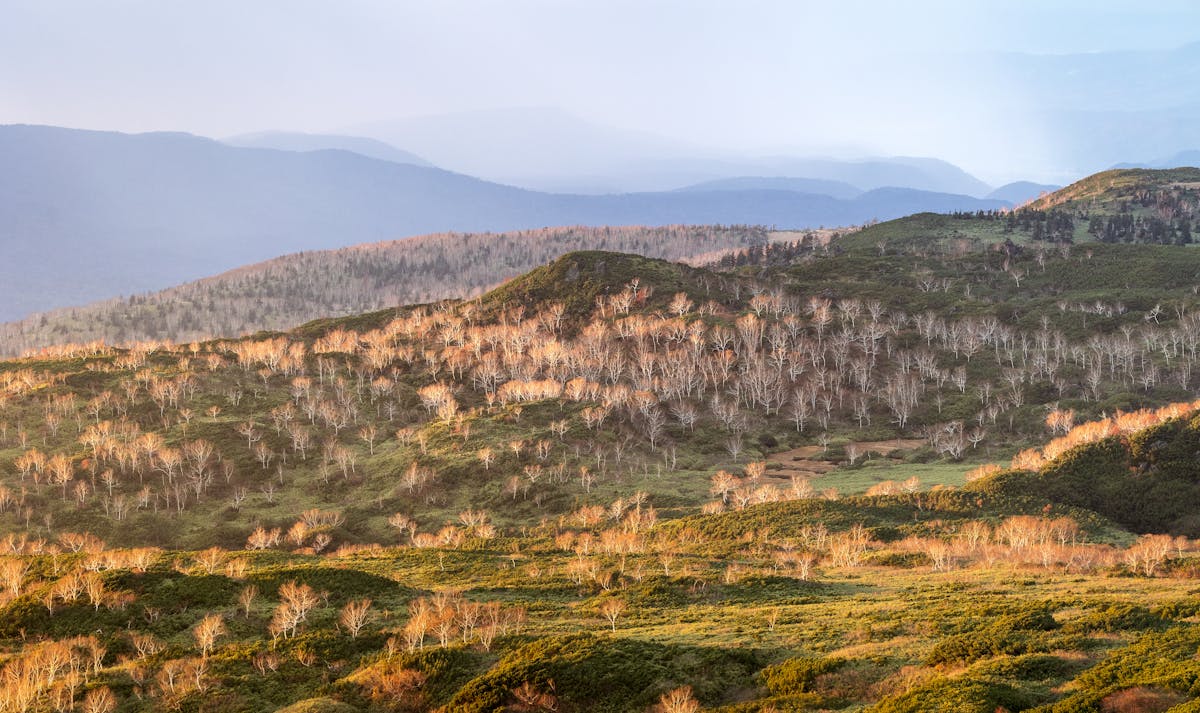
This is one of the best months for hiking. The summer crowds thin out, the weather is stable, and the mountain trails are at their best. Autumn in Hokkaido has a quality of light that is hard to describe — something about the angle of the sun and the dry air that makes everything look sharper.
September is also when the occasional typhoon can clip Hokkaido. It is rare — maybe one or two per year make it this far north, and they are usually weakened significantly by the time they arrive. But it is worth watching the forecast if you are visiting in the first half of the month.
What to pack: Layers again. September mornings can be chilly (8-12C) while afternoons are still warm (18-22C). A medium jacket, sweater, and rain gear. If you are hiking in the mountains, add warm layers — temperatures at elevation are 5-10C cooler than Sapporo.
October: Peak Autumn Colours
The autumn colour show moves down from the mountains through October. By mid-October, Sapporo’s parks are blazing with red and yellow maples. The Biei area is spectacular. Jozankei gorge near Sapporo is one of the best spots — the red maples reflecting in the river are genuinely photogenic, not just guidebook hype.
Temperatures drop through the month: early October sits around 10-17C, but by late October you are looking at 5-12C. The first frost usually hits inland areas in mid-October. It is sweater weather, shifting to jacket weather by month’s end.
October is a great month for food tourism. The autumn salmon run is on, and places like the Sapporo Central Wholesale Market and Hakodate Morning Market are at their peak. New-season rice, potatoes, corn, and dairy products are being harvested across Hokkaido’s farms. If you care about food at all, October is hard to beat.
Tourist numbers are moderate — busier than November but nothing like summer peaks or Snow Festival. Hotels are reasonably priced, and you will not fight crowds at most attractions.
November: The Quiet Month
November is another in-between month, like March. The autumn colours have mostly dropped by mid-November, but the ski season has not started yet (or just barely has). Temperatures range from 1C to 8C, and it is grey more often than not. The first serious snowfalls usually arrive in November — Sapporo gets its first snow around early to mid-November, though it often melts and re-falls a few times before sticking.
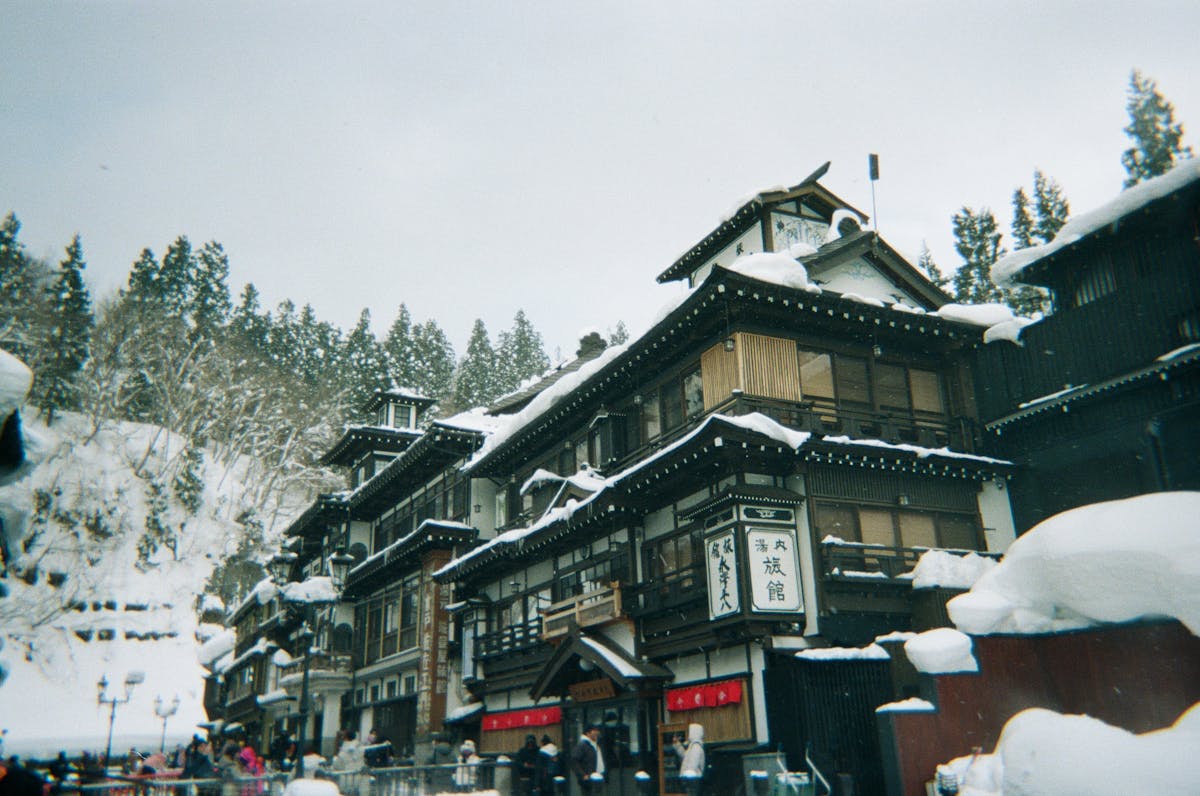
If you do not mind quiet and grey, November has its advantages. Prices are at their lowest. You will have onsen towns nearly to yourself. The food is excellent — it is crab season, and restaurants start serving winter specialties.
But I will not pretend November is exciting. The landscape looks bare, the days are short (sunset by 4pm), and outdoor activities are limited. It is a good month for eating your way through Sapporo, soaking in hot springs, and enjoying the calm before the winter storm. Not much else.
What to pack: Winter jacket, warm layers, waterproof boots (the slush starts). Umbrella or rain gear for mixed precipitation. It is not as cold as January, but the damp cold can feel worse.
December: Winter Returns
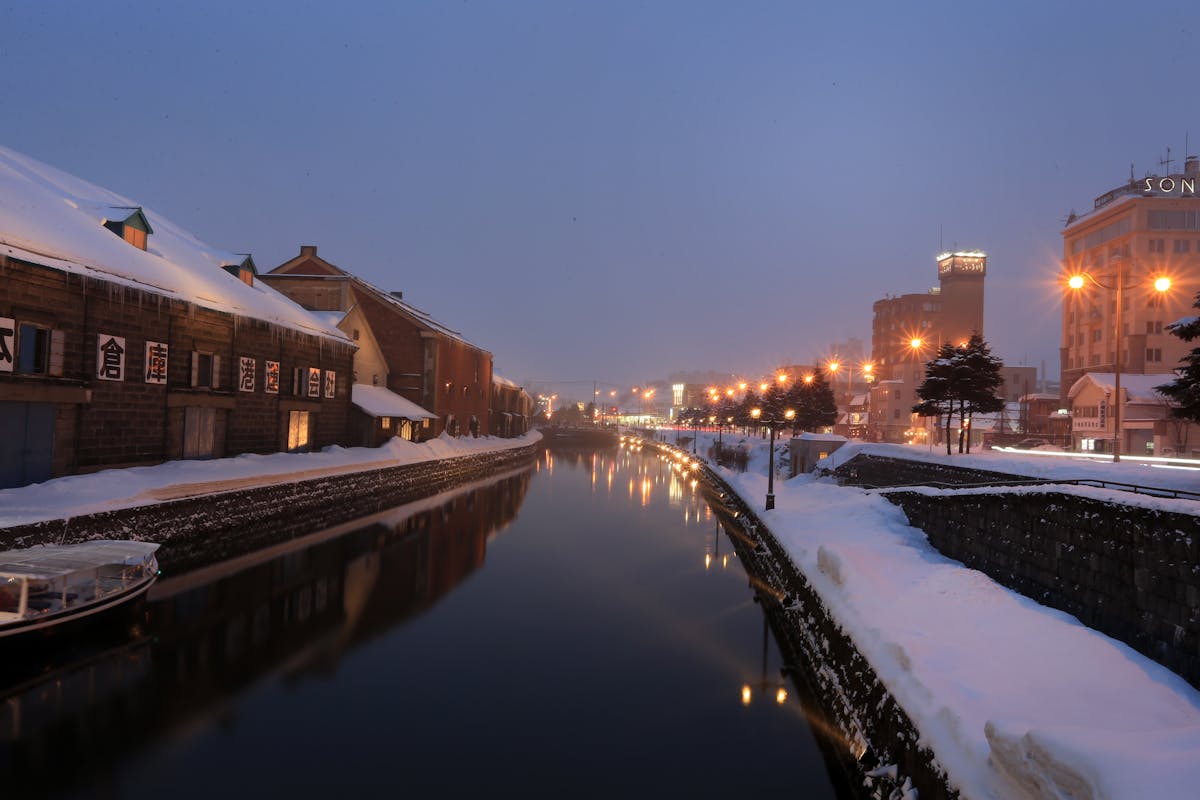
By December, winter has properly arrived. Temperatures average -2C to 3C in Sapporo, and the snow is accumulating fast. Most ski resorts open in the first or second week of December, and by Christmas the powder conditions are excellent. Driving becomes more challenging — winter tyres are mandatory and some mountain passes close.
The Otaru area runs its Christmas and candle light events through December, and the canal looks absolutely magical covered in snow with the old warehouses lit up. Sapporo has Christmas markets and illumination events too. The winter atmosphere starts building, and if you enjoy cold-weather travel, it is a genuinely atmospheric month.
Late December (around New Year) is another peak travel period for domestic tourists. Expect higher hotel prices from about December 28 through January 3. Outside of that window, December is a solid choice — great snow, festive atmosphere, and not as brutally cold as January or February yet.
What to pack: Full winter kit. Same as January — thermals, insulated waterproof jacket, warm boots with grip, gloves, hat, scarf. The cold is real from December onwards.
Month-by-Month Quick Reference
| Month | Avg Temp Range | Snow/Rain | Best For | Crowds |
|---|---|---|---|---|
| January | -7C to -1C | Heavy snow | Skiing, powder snow, quiet city exploring | Low-Medium |
| February | -6C to 0C | Heavy snow | Snow Festival, drift ice, skiing | High (festival week) |
| March | -2C to 5C | Snow tapering | Budget travel, spring skiing | Low |
| April | 3C to 11C | Mixed | Cherry blossoms (late), onsen | Low-Medium |
| May | 8C to 18C | Light rain | Cherry blossoms, outdoor activities | High (Golden Week) |
| June | 14C to 22C | Moderate rain | Hiking, cycling, no rainy season | Low |
| July | 18C to 26C | Occasional showers | Lavender, festivals, camping | High |
| August | 19C to 27C | Afternoon storms | Sunflowers, outdoor activities, cool escape | High (Obon) |
| September | 14C to 22C | Moderate rain | Hiking, early autumn colours | Medium |
| October | 6C to 16C | Light rain | Peak autumn foliage, food season | Medium |
| November | 1C to 8C | First snow | Crab season, onsen, budget deals | Low |
| December | -3C to 3C | Heavy snow starting | Ski season opens, Christmas events | Medium-High (year end) |
So When Should You Actually Go?
It depends entirely on what you want. But I will give you my honest ranking:
For first-timers: July or September. Comfortable weather, easy travel, plenty to do. July gives you lavender and festivals. September gives you early autumn and hiking without summer crowds.
For skiing: January or February. The powder is legendary for a reason. February adds the Snow Festival if you want a bonus.
For avoiding crowds: June or late May (after Golden Week). Surprisingly good weather, long days, and the whole island feels empty compared to peak seasons.
Best overall value: November or March. Not the prettiest months, but prices are rock bottom and you will have popular attractions to yourself.
Months I would skip: March, unless you are specifically here for spring skiing. The slush is not fun. November is fine but dull. I would rather come in December when the snow is fresh and the festive atmosphere has kicked in.
Whatever month you choose, check the Hokkaido packing list and plan around the weather — it makes a bigger difference here than almost anywhere else in Japan.