This article contains affiliate links. If you book through them, I earn a small commission at no extra cost to you.
In This Article
- What Hakodate Morning Market Actually Is
- What to Eat (The Actual Good Stuff)
- Ikura Don (Salmon Roe Bowl)
- Uni (Sea Urchin)
- Live Squid Fishing (Ika-tsuri)
- Crab
- Melon and Fruit
- What to Skip
- The Best Restaurants and Stalls
- How the Market Is Laid Out
- Practical Details
- Opening Hours
- Getting There
- Prices to Budget For
- Tips That Actually Help
- Is It Worth It?
I almost skipped Hakodate Morning Market. Somebody on Reddit had called it a tourist trap, and honestly, after hitting a few overhyped markets in Japan, I was ready to believe them. But the train from Sapporo had dropped me at Hakodate Station the night before, the market was a two-minute walk away, and my hotel breakfast didn’t start until 7:30. So I dragged myself out at 6am.
I’m glad I did. Not because everything in the market is amazing — some of it absolutely isn’t — but because the stuff that’s good is really, genuinely good, and knowing the difference beforehand changes the whole experience.
What Hakodate Morning Market Actually Is
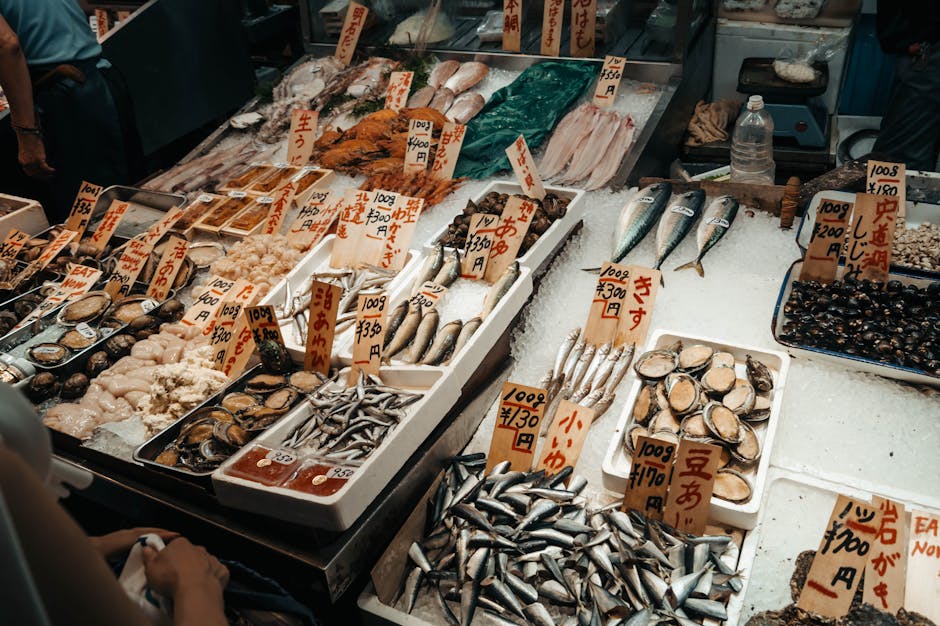
Hakodate Asaichi (literally “morning market”) sprawls across several city blocks right next to JR Hakodate Station. We’re talking roughly 250 shops and stalls, though the number fluctuates depending on who you ask and what day it is. The market started after World War II when the local government gave fishermen a place to sell their catch instead of dealing on the black market. It’s been running every morning since.
The layout breaks down into a few distinct areas. There’s Donburi Yokocho Market, which is basically an alley packed with tiny rice bowl restaurants. Then there’s Ekini Market, the indoor section where you’ll find the famous live squid fishing. Hakodate Asaichi Hiroba is another enclosed building. And then there are the street-side stalls along three main roads: Asaichi Odori (the main drag from the station), Asaichi Nakadori (the market’s spine), and Tomoe Dori (heavy on eateries).
If you’re coming from a trip through Sapporo, Hakodate already feels different. Our Hakodate travel guide covers the rest of the city, but the morning market deserves its own deep dive. Smaller, slower, more fishing-town than big-city. The market reflects that.
What to Eat (The Actual Good Stuff)
Ikura Don (Salmon Roe Bowl)
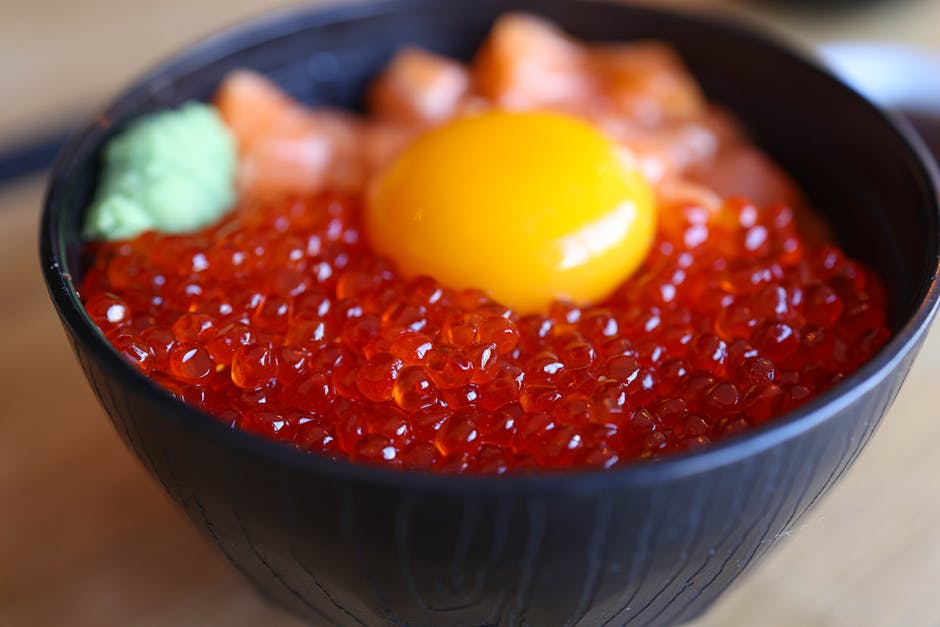
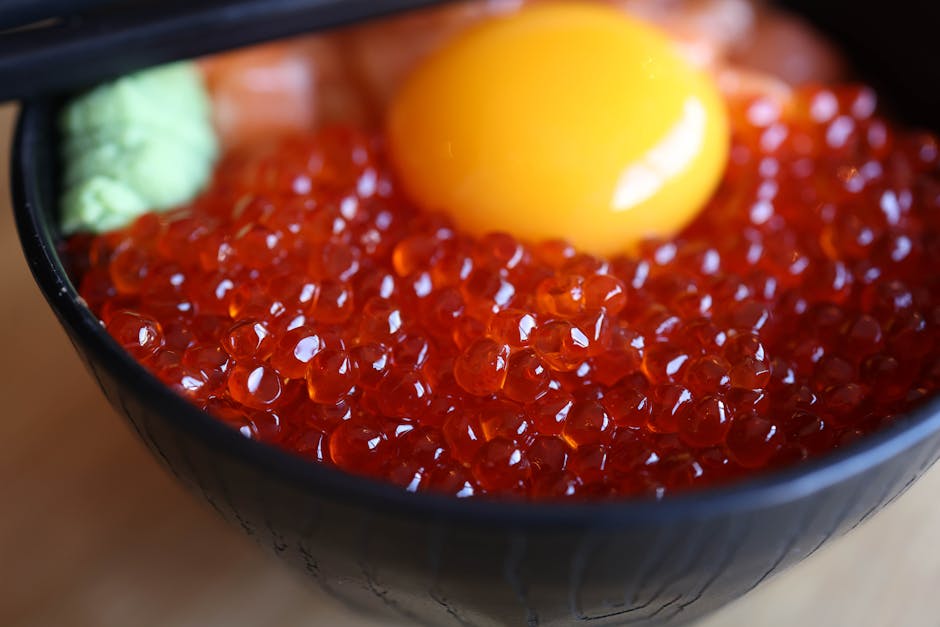
This is the single best thing to eat at the market, full stop. Hokkaido salmon roe is bigger and richer than what you’ll find further south, and when it’s fresh, each egg pops individually in your mouth with this clean, briny sweetness. A bowl of rice topped with a generous heap of ikura runs around ¥2,000-2,500 at most Donburi Yokocho restaurants. Some places charge more, and honestly, unless you’re getting it as part of a combination bowl, the standalone ikura don is usually the better deal.
I had mine at one of the smaller stalls in Donburi Yokocho and it was exactly what I wanted at 7am. Just rice, roe, a bit of wasabi, and pickles on the side. Simple. The autumn season (September through November) is peak ikura time when the salmon are running, but it’s available year-round.
Uni (Sea Urchin)
Hakodate uni is famous across Japan, and for good reason. The sea urchin here is sweeter and creamier than what I’ve had in Tokyo, with less of that iodine punch that turns some people off. If you’ve tried uni before and hated it, Hakodate might actually change your mind. Maybe.
A uni don runs ¥2,500-4,000 depending on the season and the shop. Summer (June through August) is prime uni season in Hokkaido. The combination uni-ikura bowls around ¥3,000 are popular, and they’re a reasonable way to try both without committing to two full bowls. The Hokkaido seafood guide covers more on seasonal availability if you want to time your trip right.
Live Squid Fishing (Ika-tsuri)
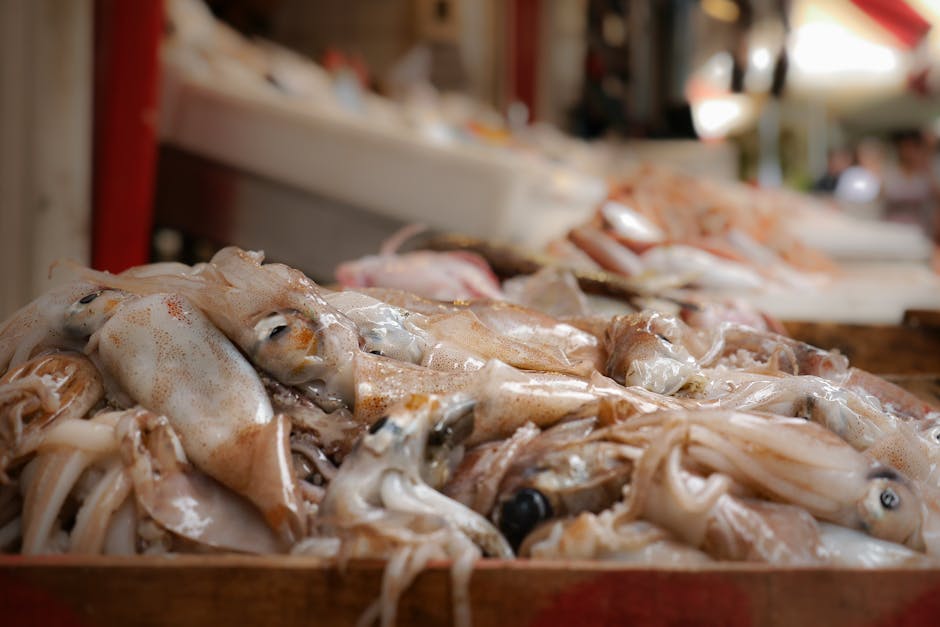
This is the market’s signature activity and, yes, it’s touristy. You hook a live squid out of a tank, hand it to the chef standing right there, and they slice it into sashimi while you watch. The whole thing takes maybe three minutes from tank to plate. Price varies by the day’s catch — anywhere from ¥800 to ¥1,500 depending on squid supply.
The technique matters more than you’d think. You want to loop the hook around the squid’s hood to reduce stress on it. A stressed squid produces tougher meat. Also, go for the darker-colored ones — as they age in the tank they become more transparent and less flavorful. The staff at Ekini Market will show you the technique, and honestly it’s worth doing at least once even if it feels a bit gimmicky.
If squid sashimi isn’t your thing, you can still find excellent squid in other forms. The ikaman (squid ink steamed buns) are a Hakodate original — the bun is dyed jet black with squid ink and filled with seasoned squid and vegetables. Around ¥300-400 each and genuinely good, not just a novelty.
Crab
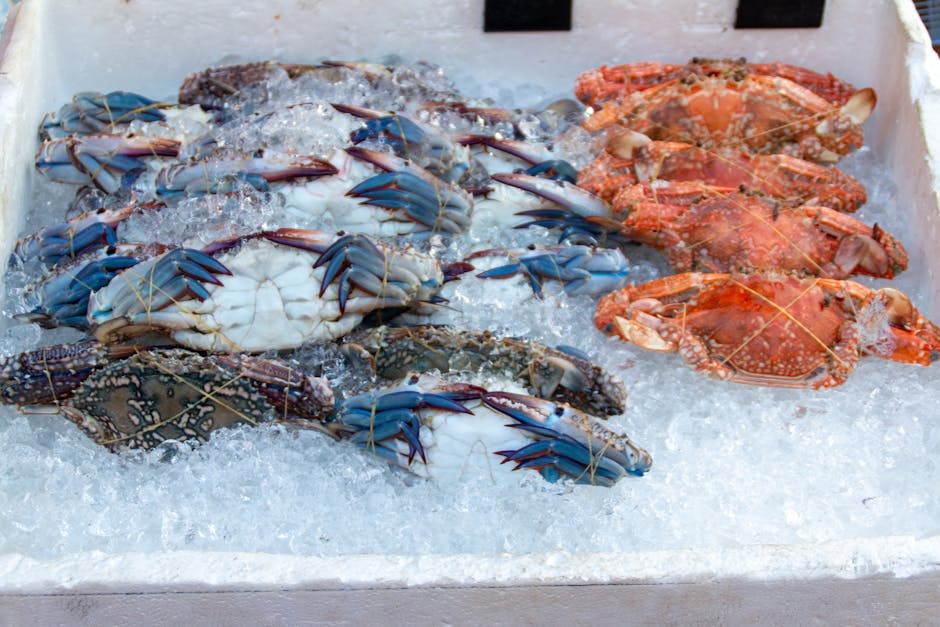
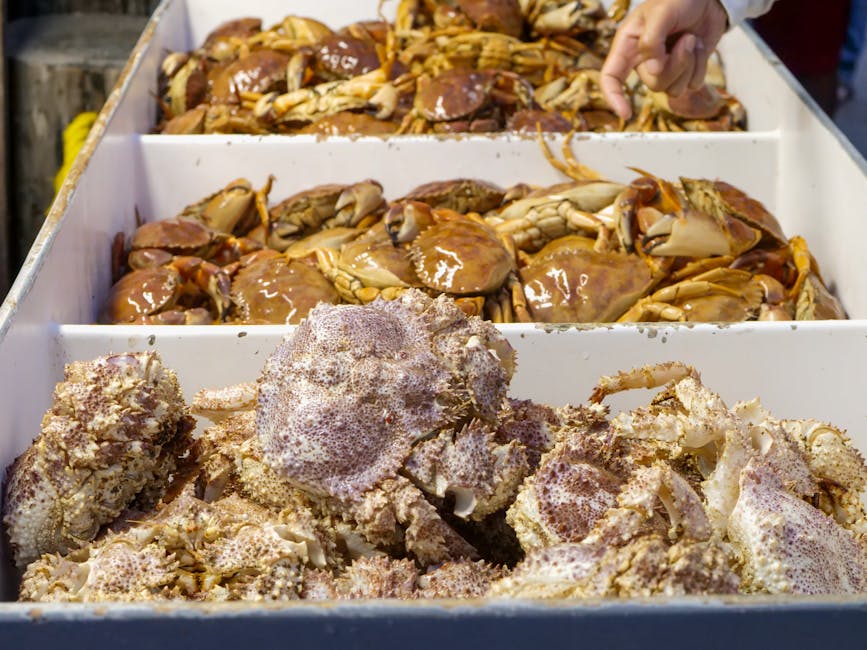
You’ll see crabs everywhere — hairy crab (kegani), snow crab (zuwaigani), and king crab (tarabagani). Hairy crab is the local specialty and, when in season, it’s the one to go for. The meat is sweeter and more delicate than king crab, though you get less of it. A whole hairy crab to eat on the spot runs ¥3,000-5,000 depending on size and season.
Fair warning: the crab stalls are where the tourist-trap energy is strongest. Some vendors are aggressive with the sales pitch, and prices aren’t always posted clearly. Ask the price before you commit to anything. The stalls that have prices written on signs tend to be more straightforward than the ones where someone’s calling out to you from the aisle. That’s a general rule for any Hokkaido food experience, really.
Melon and Fruit
Yubari melon is Hokkaido’s other famous food export, and a few stalls in the market sell slices during summer months. A slice runs about ¥300-500. It’s good, it’s sweet, and if you haven’t tried Hokkaido melon before, the market is a low-commitment way to see what the fuss is about. Japanese persimmon (kaki) is excellent in autumn too. The fruit stalls are scattered around, mostly along Tomoe Dori and the side alleys.
What to Skip
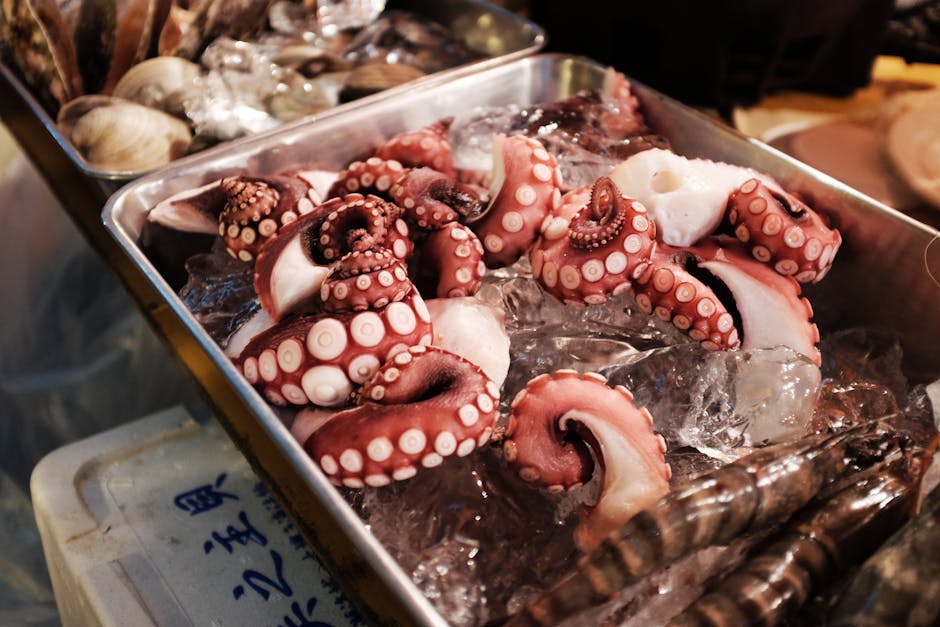
Let’s be honest about this. Some stalls are overpriced and they know exactly what they’re doing.
The pre-made seafood boxes near the station entrance are mediocre and marked up. They’re targeting people who don’t want to walk further into the market. Walk further into the market.
Some of the dried seafood gift shops charge Tokyo prices for what you can find cheaper at the supermarket. If you want to bring back dried scallops or kelp, compare prices at a Don Quijote or local supermarket first. The ika glass (a drinking glass literally made of dried squid) is an amusing novelty — around ¥500 — but it’s a conversation piece, not a culinary experience.
The combination “premium” donburi bowls at some tourist-facing restaurants that pile on seven or eight different toppings for ¥4,000+ are rarely worth it. You end up with tiny amounts of everything and nothing tastes as good as it would on its own. Pick one or two toppings and let them shine.
That Reddit poster calling the whole market a tourist trap wasn’t completely wrong, but they weren’t right either. The market has touristy corners and genuinely excellent food. Knowing which is which is the whole game.
The Best Restaurants and Stalls
Kikuyo Shokudo — Operating since 1956 on Asaichi Nakadori, this is probably the market’s most well-known restaurant. Long-established, consistent, no surprises. The set meals with grilled fish and rice are solid. Gets busy after 8am.
Sushi no Sensho — Tucked inside Donburi Yokocho Market. Good sushi at morning market prices. The counter seating means you’re watching your food being made, which is half the fun.
The squid ink bun stalls — Multiple vendors sell ikaman, but the ones closer to the Ekini Market entrance tend to be freshly made. The kaniman (crab buns) are the other variety worth trying if you spot them.
For serious Hokkaido seafood, the Donburi Yokocho restaurants are your best bet. They’re small, competitive with each other, and the turnover keeps things fresh. Just avoid the ones with exclusively English menus plastered on the outside — that’s usually a sign they’ve pivoted from quality to volume.
How the Market Is Laid Out
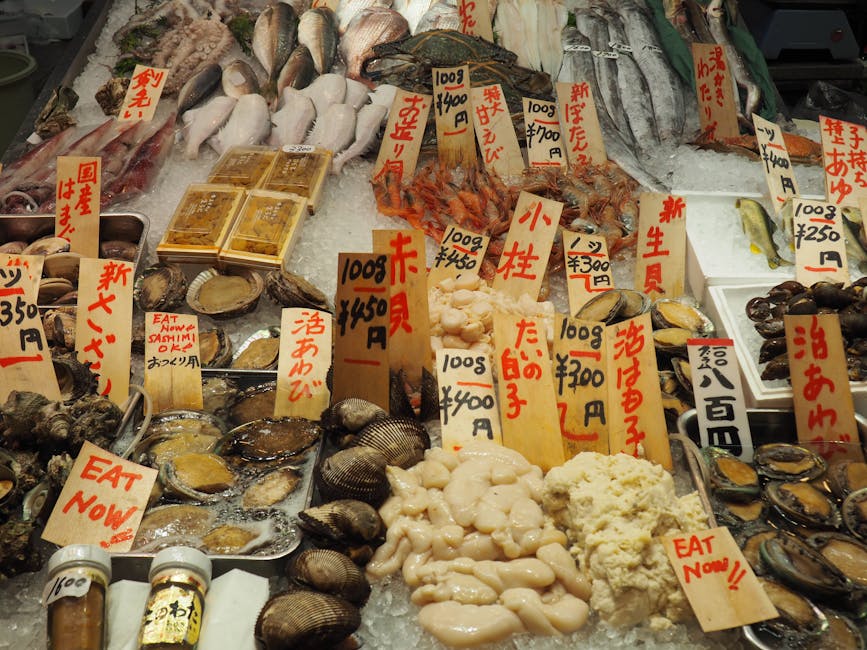
The market is more organized than it first appears. Stalls selling similar products cluster together, so all the crab vendors are in one area, the dried goods in another, and the restaurants grouped along Donburi Yokocho and Tomoe Dori.
Head to the Information Counter in the food court off Asaichi Odori Street first thing. They speak English and hand out a vendor map that makes the whole place less overwhelming. Without the map, you’ll probably walk in circles. With it, you can be strategic about what you want to try and where to find it.
Asaichi Odori is the roughly 150-meter street stretching from the station to the market’s main entrance. Along this stretch you’ll see the entrances to Donburi Yokocho, Ekini Market, and Hakodate Asaichi Hiroba. You’ll also spot a Lucky Pierrot (Hakodate’s famous local burger chain) right near the station — resist the urge to fill up there first.
A solid route: start at the information counter, walk through Donburi Yokocho to scope out breakfast options, loop through Ekini Market to see the squid fishing, then work your way down Asaichi Nakadori and finish at the outdoor stalls along Tomoe Dori.
Practical Details
Opening Hours
The market opens at 5:00am from January through April, and 6:00am from May through December. Most shops close around 2:00pm, though some start packing up earlier. Individual shops set their own schedules, so don’t expect every single stall to be open at any given moment. The peak hours are roughly 7:00-10:00am. After 11:00am, some of the best stalls have already sold out of their morning stock.
Best time to visit: Get there between 6:30-7:30am. Early enough to beat the tour groups, late enough that everything’s open. On weekdays it’s noticeably quieter than weekends.
Getting There
The market is literally a 2-minute walk from JR Hakodate Station’s west exit. Turn right (southwest) as you come out and you’re there. If you’re staying anywhere near the station or the waterfront, you can walk.
From Sapporo, the Hokuto Limited Express takes about 3 hours 36 minutes and costs ¥9,240. There’s also the Sapporo-Hakodate New Star Express bus at ¥4,550, but it takes over 5 hours. A Hokkaido Rail Pass covers the train and makes the trip essentially free if you’re doing other rail travel. Driving from Sapporo takes about 4 hours.
If you’re traveling Hokkaido on a budget, staying near Hakodate Station puts you within walking distance of both the morning market and the waterfront area, which means you can skip taxis entirely.
Prices to Budget For
| Item | Price Range |
|---|---|
| Ikura don | ¥2,000-2,500 |
| Uni don | ¥2,500-4,000 |
| Uni-ikura combination bowl | ~¥3,000 |
| Live squid fishing + sashimi | ¥800-1,500 |
| Ikaman (squid ink bun) | ¥300-400 |
| Whole hairy crab | ¥3,000-5,000 |
| Yubari melon slice | ¥300-500 |
| Set meal at Kikuyo Shokudo | ¥1,200-1,800 |
Budget about ¥2,000-3,500 for a solid breakfast with one main bowl and a side item or two. You could spend more on crab, obviously, but you don’t need to.
Tips That Actually Help
Bring cash. Some stalls take cards now, but plenty still don’t, especially the smaller outdoor vendors. There’s a 7-Eleven ATM near the station if you need to withdraw.
Skip your hotel breakfast. The entire point is eating at the market, so show up hungry. If you’re staying in Hakodate near the station, most hotels are close enough that you can walk back for coffee afterward.
The vendors are friendly even without much English. Pointing works fine. Prices are usually displayed, and if they’re not, just ask before ordering. Most stalls have a few laminated photo menus these days.
Is It Worth It?
Hakodate Morning Market isn’t Tsukiji (now Toyosu) in Tokyo. It’s smaller, less chaotic, and more approachable. It also has less selection. But the quality of the seafood — particularly the ikura, uni, and squid — is consistently excellent, because the catch comes from the waters right off southern Hokkaido.
Is there tourist-trap energy? In parts, yes. But that’s true of literally every food market in Japan that gets any tourist traffic. The market is still a working retail market where locals shop. You’ll see office workers eating quick donburi at 7am, fishmongers chatting with regular customers, and grandmas inspecting dried kelp with the kind of intensity that suggests they’ve been doing it for decades.
If you’re already in Hakodate — and if you’re doing any kind of Hokkaido itinerary, you should be — the morning market is a must. Just don’t expect a pure, untouched local experience. Go for the food, not the atmosphere, and you’ll have a great time.
After the market, Hakodate’s waterfront and the red brick warehouse district are a 10-minute walk away. Mount Hakodate is worth the trip for the view, especially around sunset. And if you’re timing your Hokkaido visit for autumn, you get peak ikura season and the fall colors on Mount Hakodate simultaneously. Hard to beat that.
One last thing: if you’re heading to Sapporo next, don’t bother trying to replicate the morning market experience at Nijo Market. It’s fine, but it’s not this. Try the Sapporo ramen scene instead — different city, different strength.