This article contains affiliate links. If you book through them, I earn a small commission at no extra cost to you.
In This Article
- Why Bother Going to Abashiri?
- The Drift Ice (Ryuhyo) — Abashiri’s Main Event
- The Aurora Icebreaker Cruise
- Drift Ice Walking
- Abashiri Prison Museum
- Okhotsk Sea Ice Museum (Ryuhyo-kan)
- Museum of Northern Peoples
- The Lakes Around Abashiri
- Lake Abashiri
- Lake Tofutsu-ko
- Lake Notoro-ko and Lake Saroma-ko
- What to Eat in Abashiri
- Crab
- Salmon and Salmon Roe
- Sea Urchin (Uni)
- Other Local Food
- How to Get to Abashiri
- By Train from Sapporo
- By Air
- By Car
- Best Time to Visit Abashiri
- Where to Stay
- How Many Days in Abashiri?
- Money and Practical Tips
- What to Skip
- Combining Abashiri with Eastern Hokkaido
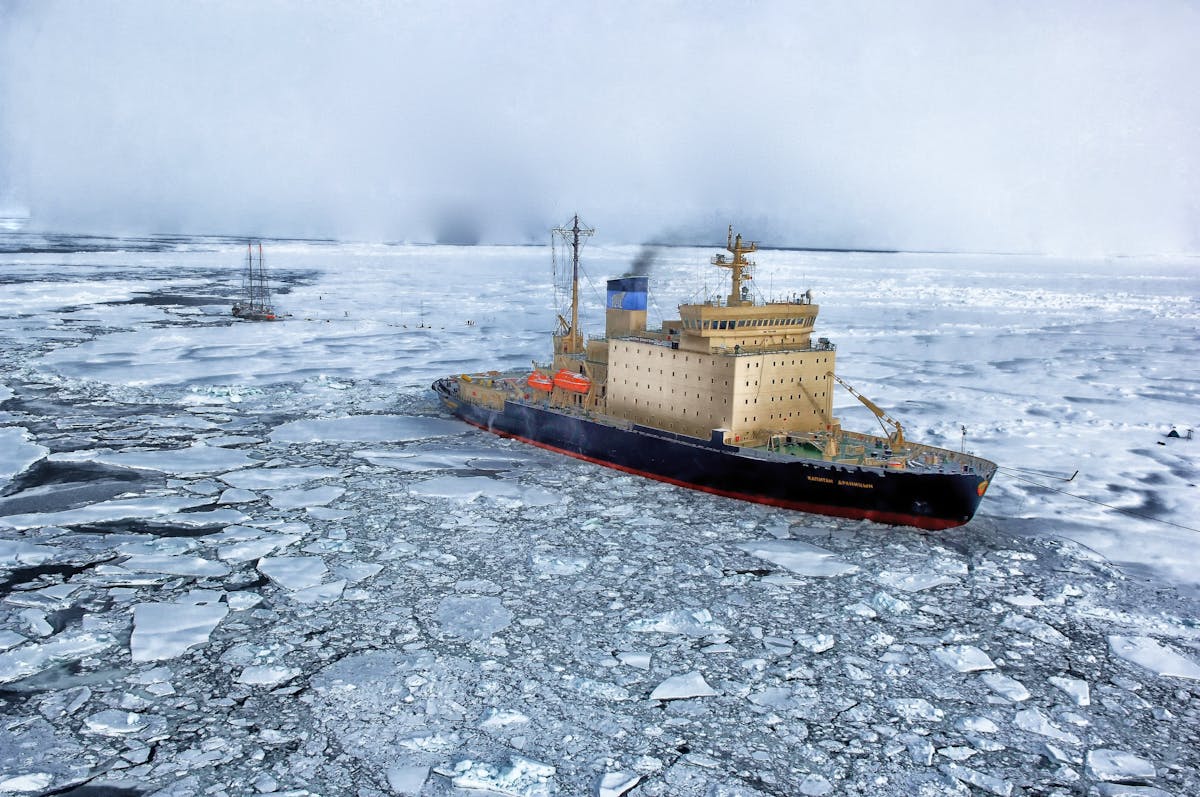
The ice was so thick that the ship just stopped. Not gently, not with a slow deceleration — it hit a wall of white and ground to a halt, engines still roaring. Everyone on the deck lurched forward, grabbed the railings, and then started laughing. That was my first ten minutes in Abashiri, standing on the deck of an icebreaker ship in the middle of the frozen Sea of Okhotsk, thinking this might be the most surreal place I’ve visited in Japan.
Abashiri sits on the northeastern coast of Hokkaido, population about 32,000, and for most of the year it’s a quiet fishing town that doesn’t make anyone’s travel shortlist. But between January and March, when drift ice from the Amur River in Russia floats down and blankets the entire sea, it turns into one of the most unusual winter destinations in the country. And even outside of drift ice season, there’s a surprisingly good prison museum, lakes worth visiting, and some of the freshest seafood in Hokkaido — at prices well below what you’d pay in Sapporo.
Why Bother Going to Abashiri?
Honest answer: if you’re only in Hokkaido for a few days and you’re sticking to the greatest hits — Sapporo, Niseko skiing, maybe Otaru — then Abashiri is probably too far out of the way. It takes over five hours by train from Sapporo, and the town itself is small enough that you can see the main sights in a day or two.
But if you’re spending a week or more in Hokkaido and you want something genuinely different from the usual tourist trail, Abashiri delivers. The drift ice experience is something you can’t get anywhere else in Japan. The prison museum is genuinely excellent — not a gimmick. And the whole eastern Hokkaido region around it, including Shiretoko and Kushiro, is the wildest, emptiest part of the island. It’s the kind of place where you drive for an hour without seeing another car.
The Drift Ice (Ryuhyo) — Abashiri’s Main Event
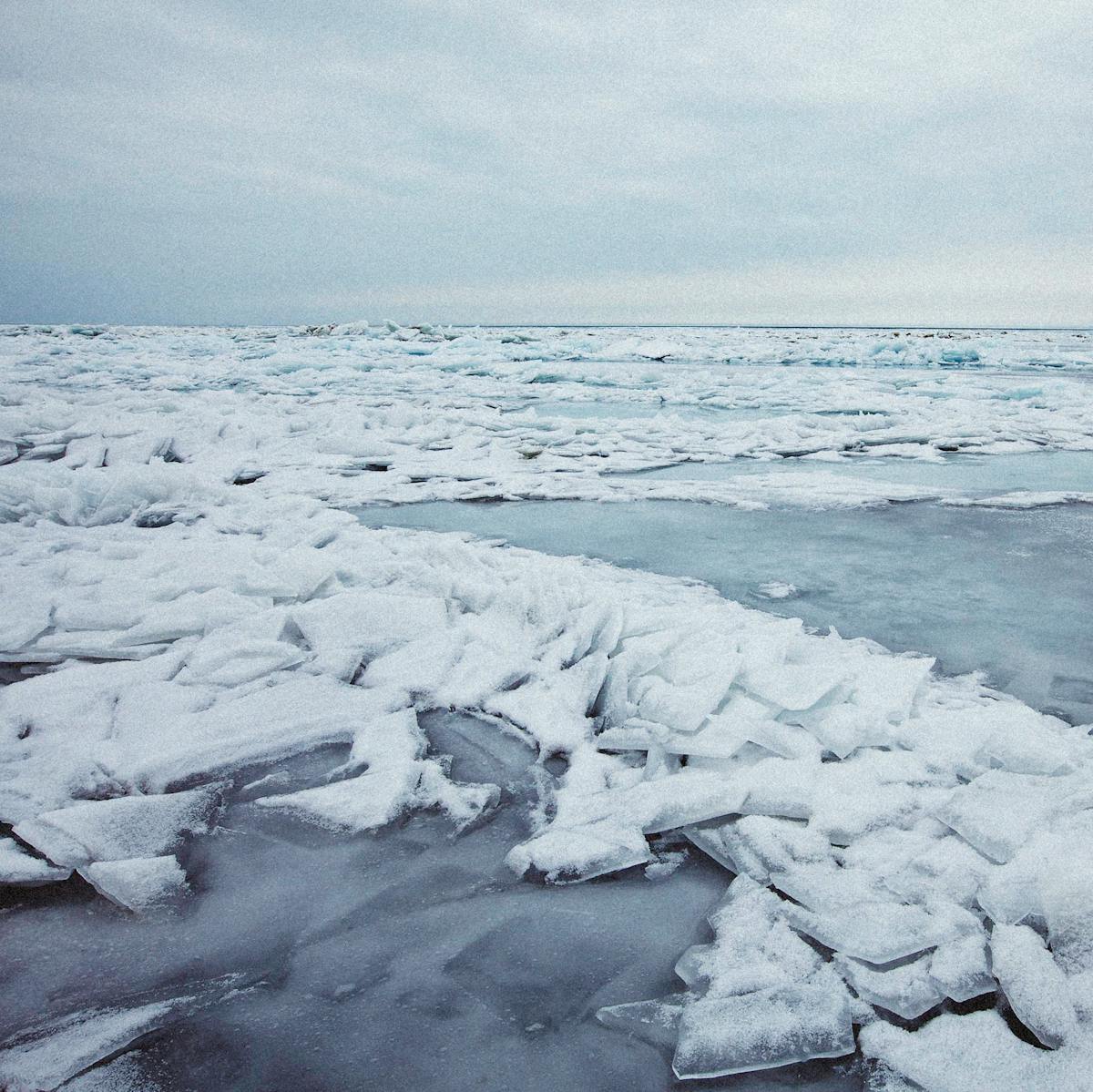
Every winter, ice forms in the Sea of Okhotsk near the mouth of the Amur River, which flows between Russia and China. Ocean currents push that ice south until it reaches the Hokkaido coast, usually arriving around mid-January and lingering until late March. When the ice arrives, the sea transforms from dark water into an endless white plain that stretches to the horizon.
Abashiri is one of the southernmost points in the world where you can see drift ice. The phenomenon happens because the Sea of Okhotsk is relatively shallow, and the massive freshwater inflow from the Amur River lowers the salinity enough for ice to form more easily. It’s a genuinely rare natural event — only a handful of places on Earth see anything like it.
One weird side effect of the drift ice: when it arrives, the amount of sea vapor drops, which means fewer clouds form. So Abashiri in February actually gets more sunny days than you’d expect. The contrast between white ice, white mountains, and bright blue sky is striking.
The Aurora Icebreaker Cruise
This is the big-ticket experience. The Aurora is a sightseeing icebreaker that sails from Abashiri Port into the drift ice field. The cruise takes about an hour, and the ship literally plows through sheets of ice while you stand on the observation deck and watch it crack apart below you. Tickets cost around ¥3,500 per adult.
A few things to know before you book: the ship runs from late January through early April, but whether it actually sails on any given day depends on whether the ice has arrived. Some years the ice comes late. Some years it’s thin. The best odds are in February. Book in advance if you’re going during peak season — it sells out, especially on weekends.
You’ll want to dress properly for this. The observation deck is open and the wind off the ice is brutal. Layer up, bring a hat that covers your ears, and wear gloves you can still operate a camera with. I saw multiple people give up after five minutes and retreat inside because they’d underestimated the cold.
Aurora Icebreaker Cruise: Late January to early April. About 1 hour. ¥3,500 per adult. Departs from Abashiri Port (Michi no Eki). Multiple sailings per day, but book ahead for February weekends. Dress warm — the deck is open and windswept.
Drift Ice Walking
If standing on a ship isn’t close enough, you can actually walk on the drift ice. Guided drift ice walks run from around February through mid-March in the Utoro area (closer to Shiretoko, about 1.5 hours from Abashiri by car). You wear a dry suit and walk — sometimes stumble — across the ice with a guide. Some tours let you dip into the water between the ice floes.
I’ll be honest: it’s more of a novelty than a profound experience. You walk around on ice for 90 minutes in a bulky suit. But if you’ve come all this way for the drift ice, it does make a good story. And the photos are genuinely impressive.
Abashiri Prison Museum
This caught me off guard. I expected a tourist trap — some mannequins behind bars, a gift shop selling handcuffs, that sort of thing. Instead, it’s a genuinely fascinating open-air museum spread across a forested hillside, with actual prison buildings relocated from the original Abashiri Prison.
The prison opened in 1892, and its reputation was fearsome. It held serious offenders and political prisoners, and conditions were harsh even by the standards of the time. The Hokkaido winters alone would have been brutal for inmates doing forced labor. There’s a famous story about prisoners being used to build roads through Hokkaido’s interior — many didn’t survive the work. Without those roads, Hokkaido’s development would have looked very different.
The museum has more than a dozen original buildings, including the main five-wing prison block (a radial design so guards could see down all corridors from a central point), the bathhouse, the chapel, and the warden’s quarters. Life-size mannequins show daily routines. You can sit in a cell. The exhibits have English signage, though it’s sometimes limited.
Plan at least two hours here, more if you’re into history. The grounds are large and hilly. In winter, the paths can be icy — wear proper shoes. Admission is ¥1,500 for adults.
If you mention “Abashiri” to a Japanese person, the first word they’ll say is “keimusho” — prison. It has the same cultural association as Alcatraz does in America. The museum leans into this with good humor while still treating the history seriously.
Abashiri Prison Museum (Kangoku): ¥1,500 adult admission. Open year-round. Allow 2+ hours. About 10 minutes by car from central Abashiri. The paths are hilly and slippery in winter, so watch your footing. English signage available but not comprehensive.
Okhotsk Sea Ice Museum (Ryuhyo-kan)
Located on Mount Tento, the Okhotsk Sea Ice Museum is a small but well-done museum about — you guessed it — sea ice. The main draw is the -16°C freezing room where they hand you a wet towel and you watch it freeze solid in about 30 seconds. It’s a fun gimmick that kids love.
There’s also a widescreen film about the drift ice (with English subtitles) and exhibits explaining the science behind how the ice forms and travels. The observation deck on the roof gives you a decent panoramic view of the city and the sea beyond it.
Is it worth a special trip? Probably not on its own. But it’s right next to the prison museum on Mount Tento, so you can easily combine them. Budget about 30-45 minutes here. Admission is around ¥770.
Museum of Northern Peoples
This one flies under the radar but it’s actually quite good. The Museum of Northern Peoples covers the cultures of indigenous groups from the northern hemisphere — Ainu (Hokkaido’s indigenous people), Inuit, Sami, and various Siberian peoples. The exhibits compare how different groups in similar climates developed different solutions for the same problems: keeping warm, hunting, building shelter.
It’s small — you can see everything in about 45 minutes — and it won’t blow your mind. But if you have any interest in anthropology or indigenous cultures, it’s worth stopping in. It’s also on Mount Tento near the other museums, so it’s easy to add to your circuit.
The Lakes Around Abashiri
Abashiri sits within Abashiri Quasi-National Park, and the area has four notable lakes. Thirty-five percent of the land in the city boundaries is forest, and about half of that is untouched. It’s not the kind of place that screams “national park” at you, but if you’re driving around, the landscape is quietly impressive.
Lake Abashiri
Right next to the city, Lake Abashiri is where the Abashiri River meets a freshwater lake before flowing out to the Sea of Okhotsk. It’s pleasant for a walk in summer but honestly not a destination in itself. In winter it freezes over and people go fishing on the ice — which is much more interesting to watch than to actually do (smelt fishing involves a lot of sitting still in the cold).
Lake Tofutsu-ko
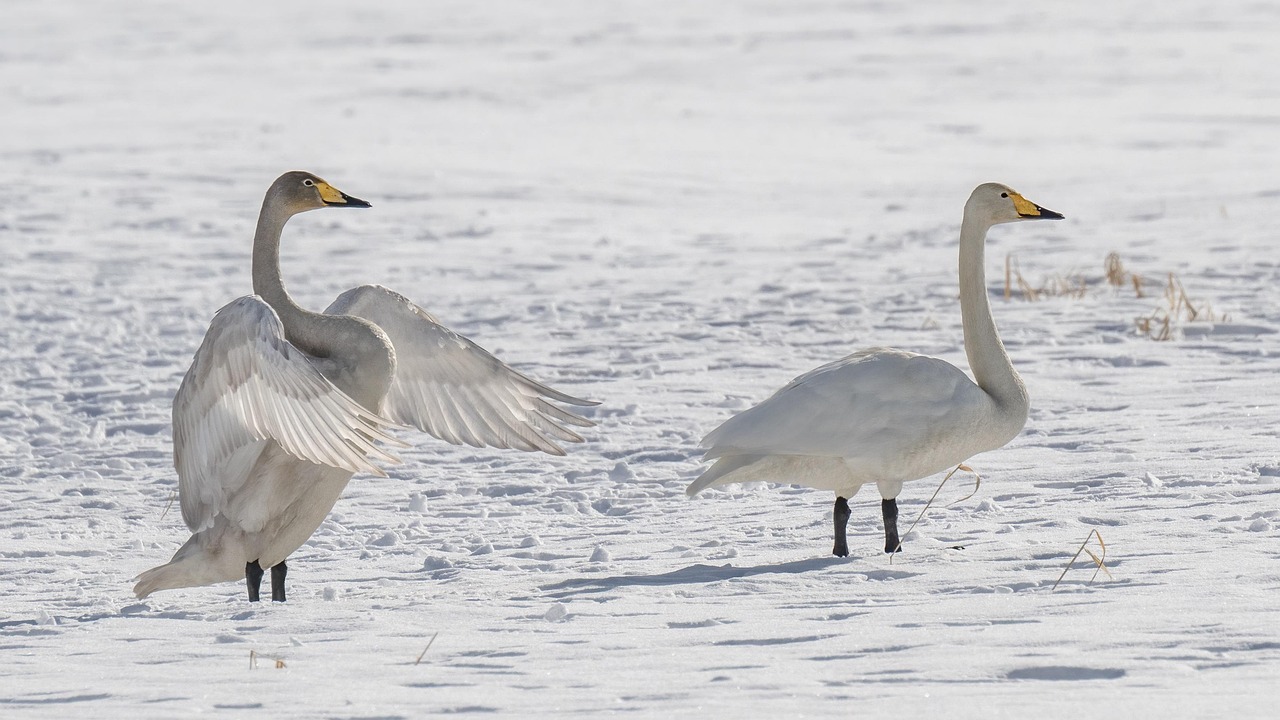
About 20 minutes from central Abashiri, Lake Tofutsu is a Ramsar-listed wetland that’s famous for its whooper swan population in winter. If you visit between November and March, you’ll see dozens of these massive white birds on and around the lake. It’s free, it’s usually quiet, and on a clear day with fresh snow on the ground and swans drifting across still water, it’s genuinely beautiful.
Lake Notoro-ko and Lake Saroma-ko
Lake Notoro-ko is known for a strange phenomenon: in autumn, coral weed turns the surface a vivid red. It happens around September and October and looks slightly surreal in photos. Lake Saroma-ko, further west, is one of Japan’s largest lakes and is separated from the sea by a thin sandbar. Both are worth a stop if you’re driving the coast, but neither is worth a major detour.
What to Eat in Abashiri
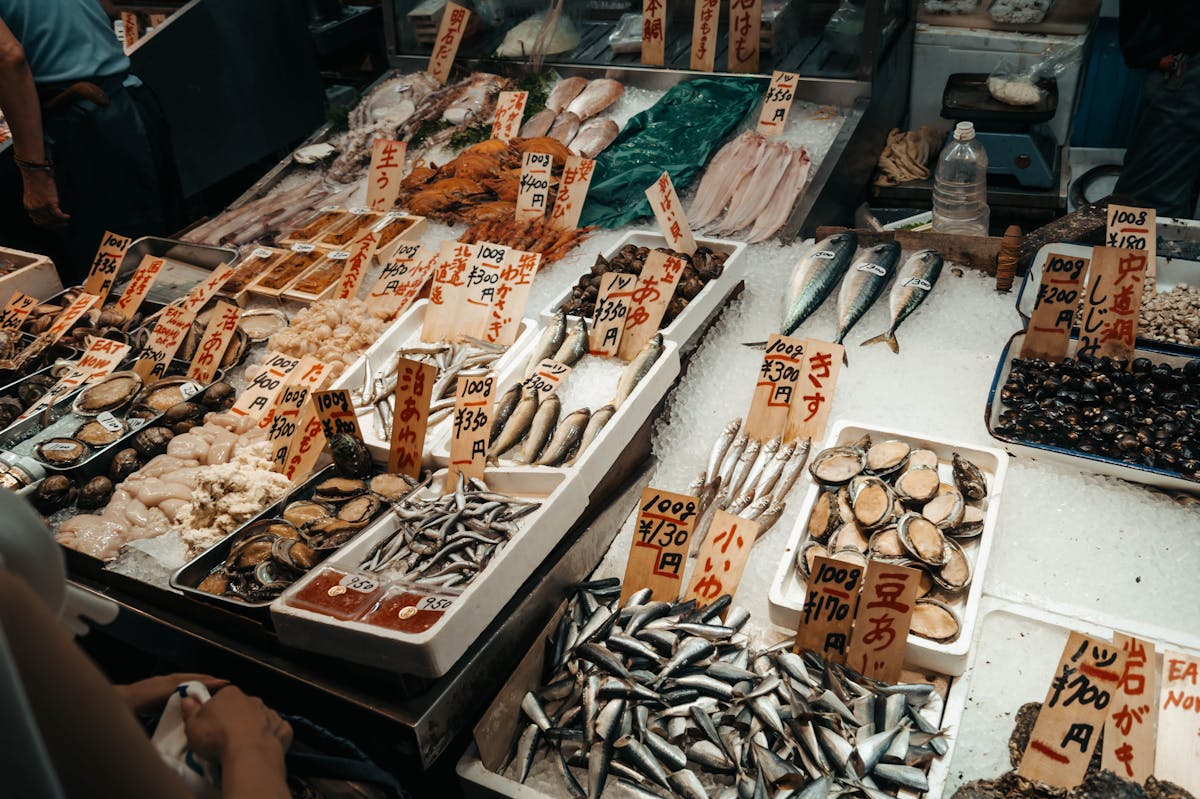
Abashiri is a working fishing port, and the seafood shows it. The fish here doesn’t arrive on a truck from somewhere else — it comes off a boat in the morning and ends up on your plate by lunch. Prices are noticeably lower than in Sapporo or Hakodate, and the quality is at least as good.
Crab
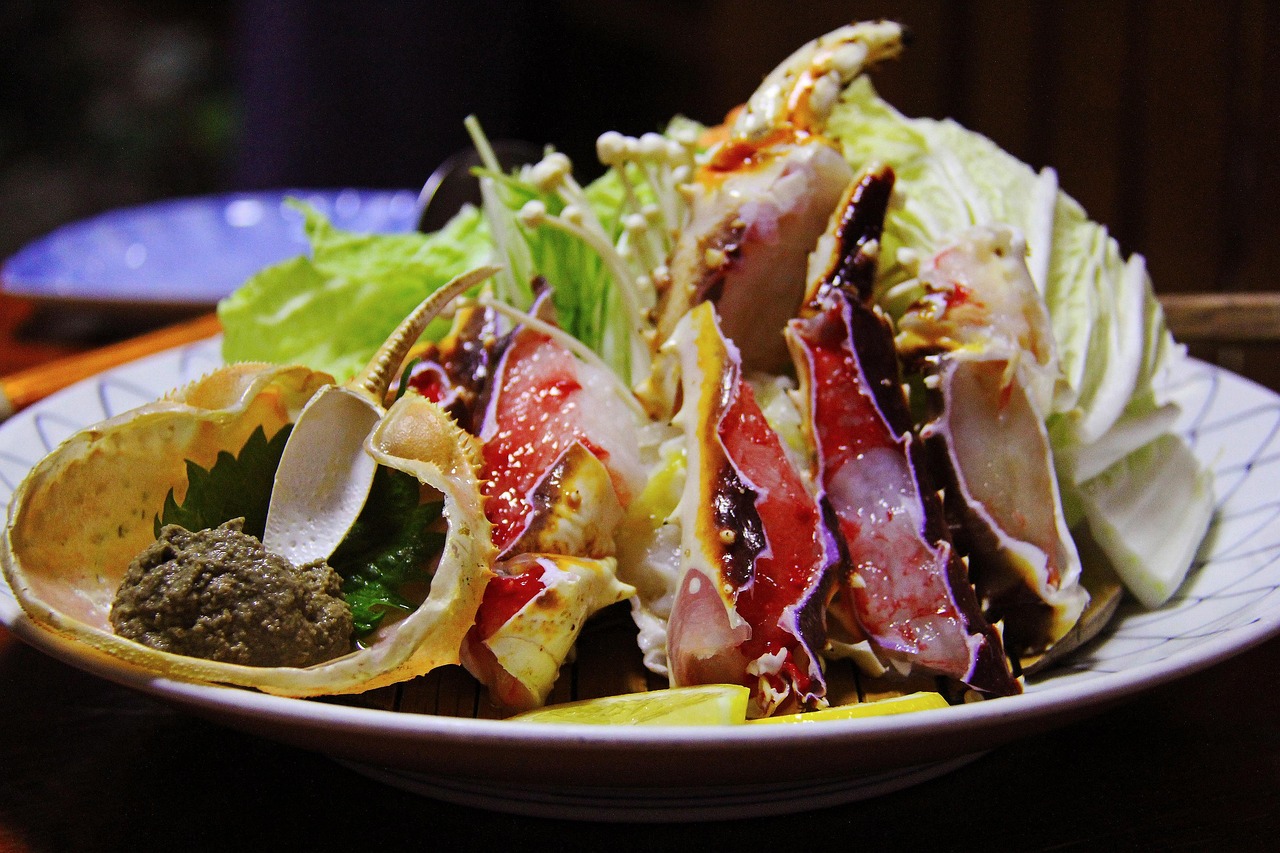
Hokkaido is crab country, and Abashiri is no exception. You’ll find snow crab (zuwaigani) and horsehair crab (kegani) on most menus. The horsehair crab is smaller but the flavor is more concentrated — locals prefer it. Expect to pay ¥3,000-6,000 for a crab dish at a local restaurant, compared to ¥5,000-10,000+ for similar quality in Sapporo’s tourist areas.
Salmon and Salmon Roe
The autumn salmon run (September-November) is a major event in eastern Hokkaido. During the season, salmon roe (ikura) is everywhere — piled on rice bowls, served in sushi, sold in jars at the market. The ikura-don (salmon roe rice bowl) in Abashiri during autumn is one of the best things I’ve eaten in Hokkaido. The roe practically pops when you bite into it.
Sea Urchin (Uni)
If you like uni, Abashiri in summer (June-August) is prime season. The sea urchin from the Okhotsk coast is sweet, creamy, and doesn’t have that bitter edge you sometimes get with lower-quality uni. You can get a uni-don (sea urchin rice bowl) for around ¥2,500-4,000 at local restaurants.
Other Local Food
Beyond seafood, look for Abashiri Beer — a local craft brewery that makes a blue-colored beer using water from local sources. It’s more of a novelty than a great beer, but it makes for a fun souvenir. Ramen is decent here too, though not on the level of Sapporo or Asahikawa. Eastern Hokkaido is also good dairy country, so the ice cream and soft serve are reliably excellent.
How to Get to Abashiri
Getting to Abashiri takes some commitment. It’s not a quick side trip from anywhere except maybe Shiretoko.
By Train from Sapporo
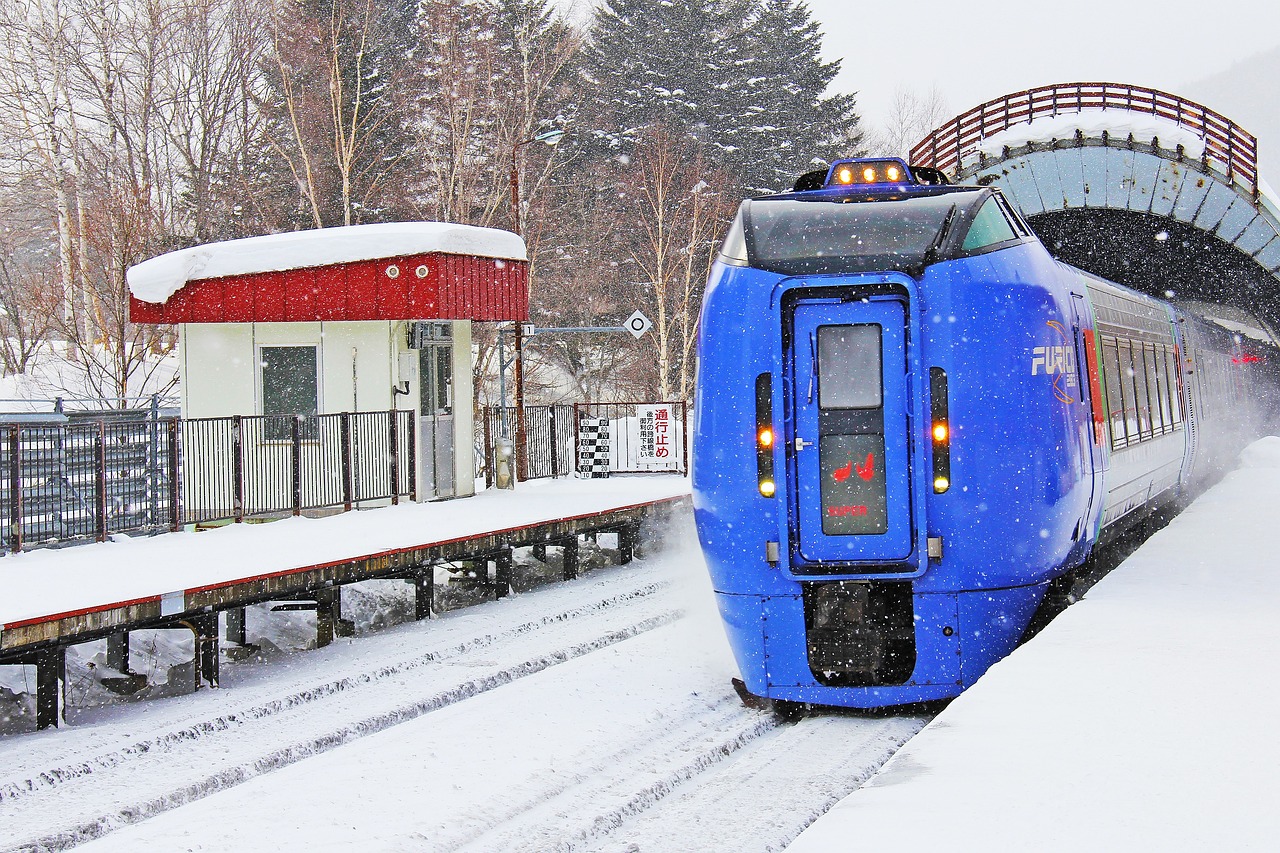
The JR Okhotsk limited express runs from Sapporo to Abashiri via Asahikawa. The trip takes about 5 hours and 20 minutes. It’s a long ride, but the scenery through the Hokkaido interior — especially in winter — is worth staying awake for. The train passes through Asahikawa, then cuts through increasingly remote mountain terrain before dropping down to the coast.
If you have a Hokkaido Rail Pass, this route is covered. One-way without a pass costs around ¥10,000. There are typically 2-3 departures per day, so check the schedule carefully — miss the train and you might be waiting hours.
By Air
Memanbetsu Airport (the nearest airport to Abashiri) has flights from Tokyo Haneda (about 1 hour 45 minutes) and from Sapporo New Chitose or Okadama Airport (about 50 minutes). From the airport, the Airport Liner bus takes about 30 minutes to reach central Abashiri.
Flying from Tokyo direct is actually the most practical option if you’re short on time. The train from Sapporo eats half a day.
By Car
If you’ve rented a car for a Hokkaido road trip, Abashiri is about 4.5 hours from Sapporo via the expressway to Asahikawa and then Route 39. The drive is straightforward in summer but requires winter tires and confidence in snowy conditions from November through April. The roads between Asahikawa and Abashiri can get seriously icy.
Getting to Abashiri:
- Train: JR Okhotsk limited express from Sapporo, ~5h20m, ~¥10,000 (covered by Hokkaido Rail Pass)
- Flight: Tokyo Haneda to Memanbetsu Airport ~1h45m, then bus 30min to Abashiri
- Car: ~4.5 hours from Sapporo via Asahikawa. Winter tires essential Nov-Apr.
Best Time to Visit Abashiri
This depends entirely on what you want.
February is the prime month. The drift ice is usually at its thickest, the Aurora icebreaker is running, and the annual Okhotsk Drift Ice Festival happens. It’s also bitterly cold — daily highs around -3°C to -5°C, and windchill makes it feel worse. But that’s the point. You don’t come to Abashiri in February for comfort.
January and March are good alternatives. January can be hit-or-miss for drift ice (it sometimes arrives late), while March is warmer but the ice starts thinning and breaking up. Both months have fewer crowds than February.
Summer (June-August) is a completely different experience. The drift ice is gone, replaced by a calm blue sea. Temperatures are pleasant (18-24°C), the wildflowers bloom at Koshimizu Gensei-kaen, and the uni season peaks. Abashiri in summer is quiet, unhurried, and genuinely relaxing — but it’s not the dramatic landscape that puts it on the map.
Autumn (September-October) brings the salmon run and the red coral weed on Lake Notoro-ko. The fall colors in the surrounding mountains are good, though not as famous as other parts of Hokkaido.
Skip April-May and November-December unless you have a specific reason. The drift ice is gone, the summer attractions haven’t started, and it’s just cold and grey.
Where to Stay
Abashiri is not a big hotel town. Accommodation options are limited compared to Sapporo or Hakodate, but you’ll find enough. The main choices are:
Abashiri Central Hotel: A basic business hotel near the station. Nothing fancy, but clean, warm, and cheap. Good base if you just need a place to sleep. Rooms from around ¥6,000/night.
Abashiri Kanko Hotel: On the lakeside, slightly more upscale. The onsen bath is a nice bonus after a cold day on the ice. If you care about onsen, this is your pick.
Kitahama Station guesthouse area: For something different, there are a couple of small guesthouses near the coast. The atmosphere is more personal than the chain hotels.
In peak drift ice season (February), book at least a month ahead. Outside of that, you can usually find availability without much trouble.
How Many Days in Abashiri?
Two nights, one full day is the sweet spot. That gives you time for the icebreaker cruise (if it’s winter), the prison museum, a lake visit, and a good seafood meal without rushing.
If you’re combining with eastern Hokkaido — which I’d recommend — plan Abashiri as one stop on a loop that includes Shiretoko (World Heritage wilderness) and Kushiro (red-crowned cranes). That full eastern Hokkaido circuit works well as a 4-5 day road trip or a series of train connections.
Money and Practical Tips
A few things that’ll save you hassle:
Cash is still important. Many smaller restaurants and shops in Abashiri don’t take cards. The 7-Elevens have international ATMs, and there are a few scattered around the central area. Bring more cash than you think you’ll need — you don’t want to be hunting for an ATM in a snowstorm.
English is limited. This is not a major tourist town. Hotel front desks will manage, but restaurants and shops may not have English menus or English-speaking staff. Google Translate is your friend. Learn a few basic Japanese phrases and you’ll get by fine.
Winter gear is non-negotiable. If you’re visiting between December and March, bring serious cold-weather clothing. Thermal base layers, a proper winter jacket, insulated waterproof boots with grip, a warm hat, and gloves. The cold in eastern Hokkaido is not the mild chill of Tokyo winter. It’s -10°C-and-windy cold. Check the budget guide for tips on where to buy affordable winter gear in Hokkaido.
Rental cars in winter need caution. If you’re driving, make sure the car has studded winter tires. The roads between towns can be icy and poorly lit at night. Hokkaido drivers are used to these conditions — tourists from warmer places often aren’t. Don’t overestimate your winter driving skills.
The Okhotsk Drift Ice Festival happens in February, usually in Abashiri Port. Ice sculptures, food stalls, and nighttime illuminations. It’s smaller than the Sapporo Snow Festival but has a more local, less commercial feel. Worth catching if your dates line up, but not worth planning your trip around.
What to Skip
Not everything in Abashiri is worth your time. A few things I’d skip or lower your expectations for:
The Moyoro Shell Mound: An archaeological site about the Okhotsk people who lived here over 1,000 years ago. It sounds interesting but the actual exhibit is small and dry. Unless you’re deeply into archaeology, spend your time at the prison museum instead.
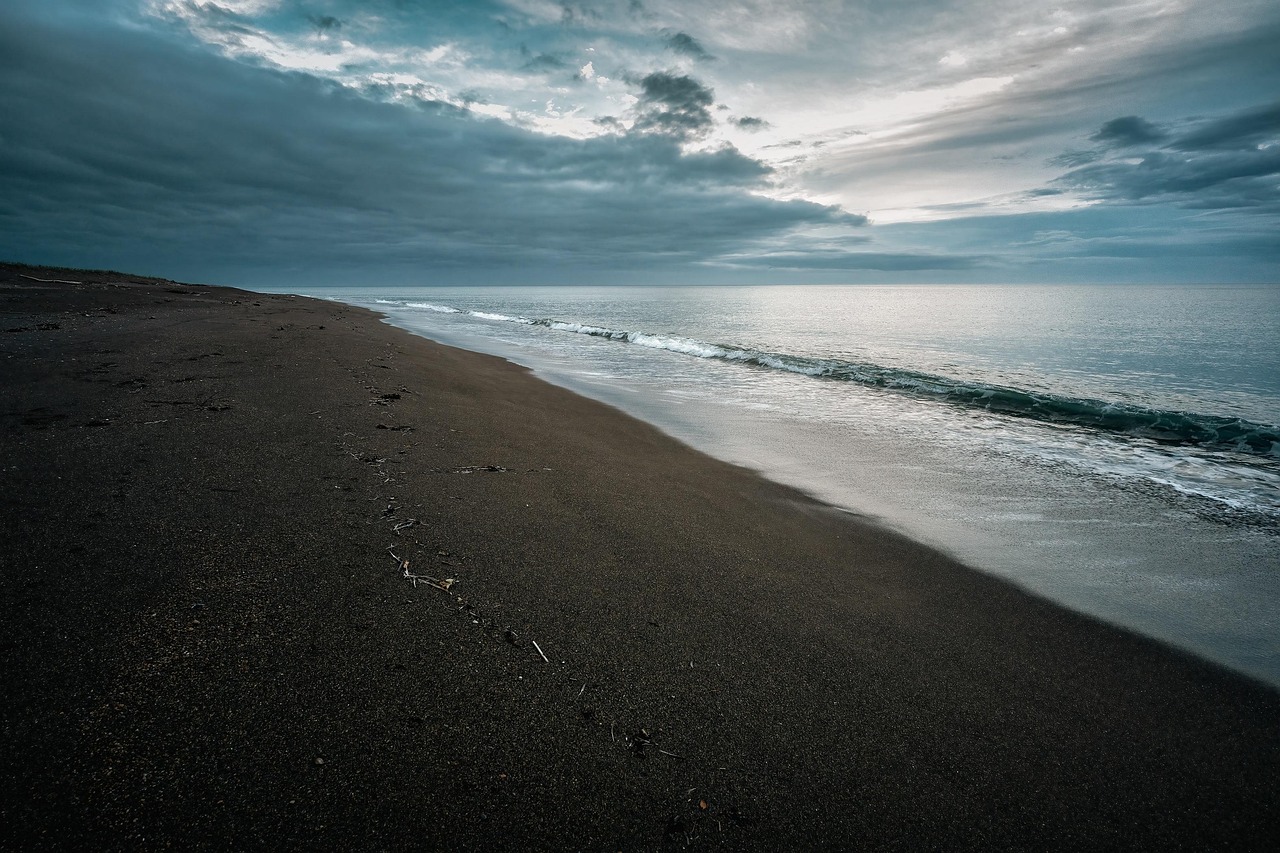
Abashiri as a beach destination: Some guides mention the beaches. Don’t get excited. The water is freezing, the sand is nothing special, and there are better beaches on Hokkaido’s Pacific coast if that’s what you’re after.
Overpaying for tourist seafood: Some restaurants near the port specifically target tourists with inflated prices and mediocre quality. Ask at your hotel where locals eat — the best meals I had were at small places a few blocks from the main drag, where the menu was handwritten in Japanese on the wall.
Combining Abashiri with Eastern Hokkaido
Abashiri works best as part of a wider eastern Hokkaido trip. The eastern Hokkaido circuit is one of the most rewarding drives in Japan, and Abashiri fits naturally into it.
A good loop: Sapporo → fly or train to Abashiri (1-2 nights) → drive to Utoro/Shiretoko (1-2 nights) → drive to Kushiro (1 night) → fly or train back to Sapporo. Total: 4-6 days depending on your pace.
Alternatively, if you’re doing a full winter Hokkaido trip, you could combine the drift ice in Abashiri with skiing in Niseko or Furano. Just be realistic about the distances — Hokkaido is big, and getting between the east and west coasts takes real time.
Abashiri isn’t the kind of place that makes you gasp when you arrive. It’s a small, cold, slightly industrial fishing town on the edge of nowhere. But stand on the deck of that icebreaker as the ship grinds through a frozen sea, or walk through the silent corridors of a prison that shaped Hokkaido’s history, or eat a bowl of fresh ikura that costs half what it would in the city — and you start to understand why people make the trip.