Hokkaido is unlike anywhere else in Japan. While most visitors stick to Tokyo, Kyoto, and Osaka, Japan’s northernmost main island offers something completely different — wide open landscapes, world-class powder snow, volcanic hot springs, and some of the best food you’ll eat anywhere in the country.
In This Article
- Why Visit Hokkaido?
- Getting to Hokkaido
- By Air
- By Train
- By Ferry
- Getting Around Hokkaido
- Rental Car (Recommended for Flexibility)
- Train
- Bus
- Within Sapporo
- Where to Base Yourself
- Sapporo (Best for Most First-Timers)
- Niseko (Best for Skiing & Snow)
- Hakodate (Best for History & Seafood)
- Eastern Hokkaido (Best for Nature & Wildlife)
- What to Eat in Hokkaido
- Must-Try Dishes
- How Much Does Hokkaido Cost?
- Budget Traveler (¥5,000–¥10,000 / $35–$70 per day)
- Mid-Range (¥15,000–¥30,000 / $100–$200 per day)
- Comfort/Luxury (¥30,000+ / $200+ per day)
- Essential Practical Tips
- Language
- Cash
- Internet & SIM Cards
- Weather Preparedness
- Onsen Etiquette
- Suggested First-Trip Itinerary
- Days 1–2: Sapporo
- Day 3: Otaru Day Trip
- Day 4: Jozankei or Noboribetsu Onsen
- Days 5–6: Hakodate
- Day 7: Return
- Common Mistakes to Avoid
- Ready to Go?
If you’re planning your first trip to Hokkaido, this guide covers everything you need to know — from getting there and getting around to where to base yourself, what to eat, and the practical details that make the difference between a good trip and a great one.
Why Visit Hokkaido?
Hokkaido makes up roughly 22% of Japan’s total land area but holds only about 4% of its population. That means space, nature, and a pace of life that feels worlds apart from the density of Honshu. The island is famous for its distinct four seasons, each bringing a completely different character.
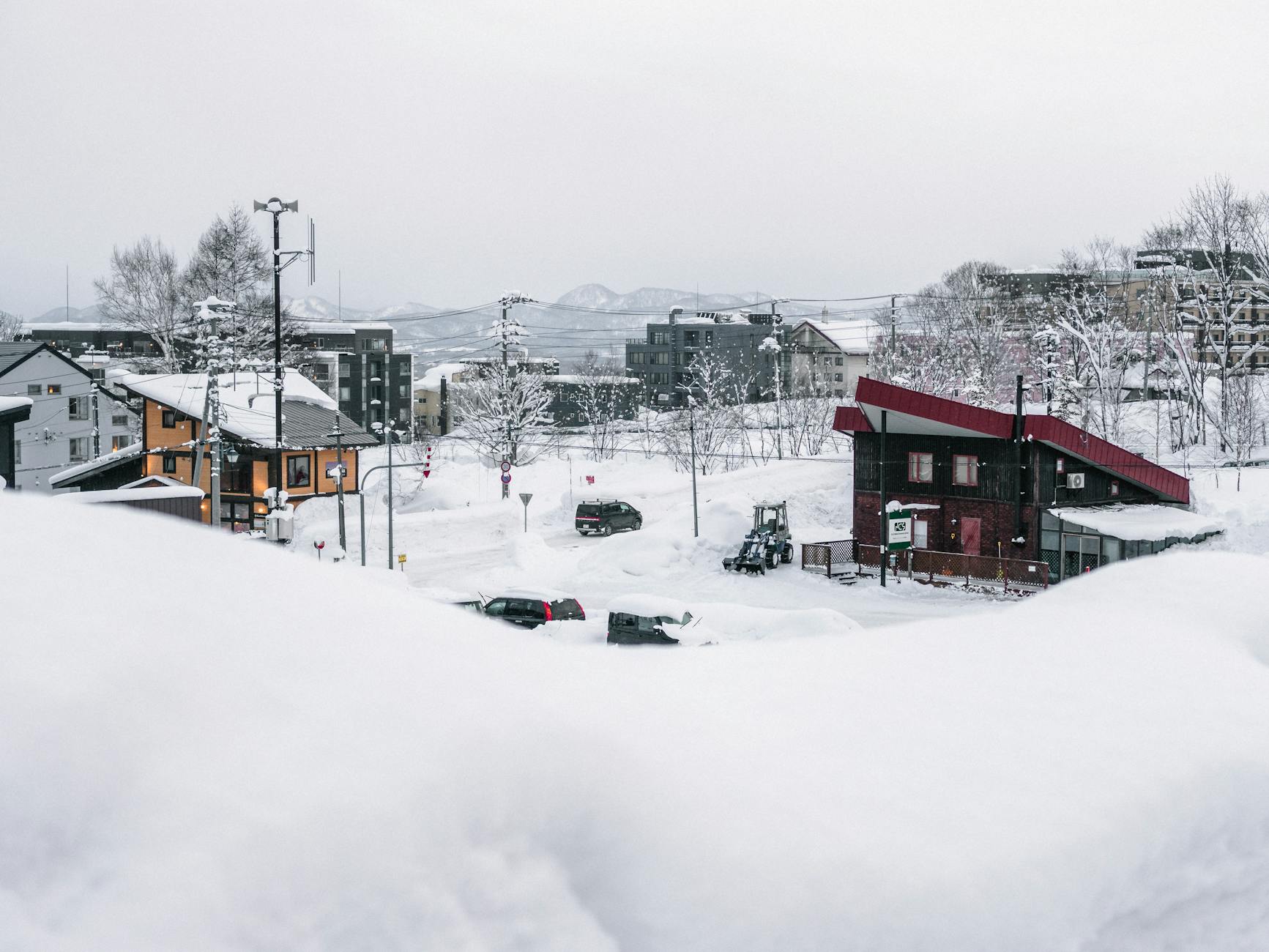
In winter, Hokkaido receives some of the driest, lightest powder snow on the planet — drawing skiers and snowboarders from across the globe. Summer brings rolling lavender fields in Furano, wildflower meadows in Biei, and comfortable temperatures while the rest of Japan swelters in humid heat. Spring arrives late (cherry blossoms hit Sapporo in early May), and autumn paints the mountains in vivid reds and golds from late September.
Then there’s the food. Hokkaido produces much of Japan’s dairy, seafood, and agricultural products. The result is a food culture built around extraordinary ingredients — miso ramen, fresh uni (sea urchin), crab, soup curry, Genghis Khan lamb BBQ, and some of the best soft serve ice cream you’ll ever taste.
Getting to Hokkaido
By Air
New Chitose Airport (CTS), located about 40 minutes south of Sapporo by train, is Hokkaido’s main gateway. Direct flights connect from Tokyo (Haneda and Narita), Osaka, Nagoya, Fukuoka, and many other domestic cities. The Tokyo–Sapporo route is one of the busiest air corridors in the world, with flights departing every 15–30 minutes during peak times.
Several international carriers also fly direct to New Chitose from cities across Asia, including Seoul, Taipei, Hong Kong, Bangkok, and Singapore. During ski season, some charter flights operate from Australia and Southeast Asia directly to Hokkaido.
Hakodate Airport and Asahikawa Airport also serve domestic routes if you’re heading to those regions directly.
By Train
The Hokkaido Shinkansen (bullet train) connects Tokyo to Shin-Hakodate-Hokuto station in southern Hokkaido in roughly four hours. From there, a connecting limited express train reaches Sapporo in another 3.5 hours. The Sapporo extension of the Shinkansen is currently under construction and expected to significantly cut this journey time when completed.
If you hold a Japan Rail Pass, the Shinkansen route is fully covered and can be a scenic, comfortable way to arrive — especially if you want to stop in Hakodate along the way.
By Ferry
Ferries connect Hokkaido to several ports on Honshu, including routes from Niigata, Sendai, and Aomori. The ferry from Aomori to Hakodate takes about 3.5 hours and is a budget-friendly option, especially if you’re driving.
Getting Around Hokkaido
This is where Hokkaido differs most from the rest of Japan. The island is large — roughly the size of Austria — and attractions are spread out. Don’t underestimate distances.
Rental Car (Recommended for Flexibility)
A rental car gives you the most freedom, especially outside Sapporo. Hokkaido’s roads are well-maintained, relatively uncrowded compared to Honshu, and driving is straightforward. An International Driving Permit is required for most foreign licenses.
In winter, all rental cars come equipped with studded snow tires, but if you’re not experienced with winter driving, stick to main roads and allow extra time. Our Hokkaido road trip guide covers routes, car rental tips, and winter driving advice in detail.
Train
JR Hokkaido operates rail lines connecting major cities and towns. The network isn’t as dense as Honshu, but key routes are well-served:
- Sapporo – Otaru: 30–45 minutes
- Sapporo – Asahikawa: 1 hour 25 minutes (limited express)
- Sapporo – Hakodate: 3.5–4 hours (limited express)
- Sapporo – Furano: 2–2.5 hours
- Sapporo – Kushiro: 4 hours
The Hokkaido Rail Pass (book on Klook) can save money if you’re making multiple train journeys. It’s available in 5-day, 7-day, and flexible 4-day versions.
Bus
Highway buses connect cities at lower cost than trains and sometimes reach places the railway doesn’t. Sapporo has an extensive local bus network, and intercity buses run to Niseko, Furano, and other popular destinations. Many ski resorts offer shuttle buses from Sapporo or New Chitose Airport during winter.
Within Sapporo
Sapporo’s subway system has three lines and is clean, efficient, and easy to navigate. A streetcar (tram) line loops through the southern part of the city. For most visitors staying in central Sapporo, the subway covers everything you need. An IC card (Kitaca, Suica, or PASMO) works on all public transport.
Where to Base Yourself
Your base depends on what you want to do, but here are the most common options for first-time visitors:
Sapporo (Best for Most First-Timers)
Hokkaido’s capital and largest city is the natural base for most visitors. It has the best transport connections, the widest range of accommodation, and plenty to see and do. From Sapporo, you can easily day-trip to Otaru, Jozankei Onsen, and even Furano or Niseko. Read our complete Sapporo travel guide and where to stay in Sapporo guide for detailed recommendations.
Niseko (Best for Skiing & Snow)
If skiing or snowboarding is your main goal, base yourself in or near Niseko. The resort area has a wide range of accommodation from luxury hotels to budget lodges. It’s about 2–2.5 hours from Sapporo by car or bus. Check our where to stay in Niseko guide.
Hakodate (Best for History & Seafood)
Hakodate is worth at least one night for its spectacular night view from Mt. Hakodate, the famous morning market, and its unique blend of Japanese and Western architecture. It works well as a first or last stop if arriving by Shinkansen. See our where to stay in Hakodate guide.
Eastern Hokkaido (Best for Nature & Wildlife)
If you want to see red-crowned cranes, drift ice, or visit Shiretoko National Park, you’ll need to head east. Kushiro or Abashiri make good bases, though you’ll definitely need a car in this region.
What to Eat in Hokkaido
Hokkaido’s food is a major reason to visit. The island’s cold climate, rich agricultural land, and surrounding seas produce ingredients that are celebrated across Japan. Here are the essentials:
Must-Try Dishes
- Miso Ramen — Sapporo’s signature dish. Rich, warming miso broth with curly noodles, often topped with butter and corn. Ramen Alley in Susukino and Ramen Republic near Sapporo Station are great starting points.
- Soup Curry — A Sapporo original. Thin, aromatic curry broth with large pieces of chicken, vegetables, and rice on the side. Completely different from Japanese curry elsewhere.
- Jingisukan (Genghis Khan BBQ) — Grilled lamb or mutton on a dome-shaped grill. Named after the Mongolian emperor, it’s a Hokkaido institution. Beer Garden in Sapporo is the classic spot.
- Seafood — Hokkaido’s waters produce outstanding crab (king, snow, and hairy crab), scallops, uni (sea urchin), salmon roe (ikura), and squid. Hakodate Morning Market and Sapporo’s Nijo Market are top spots to eat.
- Dairy — Hokkaido produces most of Japan’s milk and dairy. The soft serve ice cream is exceptional. Furano cheese and butter are local specialties. Don’t miss LeTAO cheesecake in Otaru.
- Kaisen-don — A bowl of rice topped with an assortment of fresh sashimi. The markets sell spectacular versions loaded with uni, ikura, crab, and scallop.
For the complete rundown, see our Hokkaido Food Guide: 20 Dishes You Must Try.
How Much Does Hokkaido Cost?
Hokkaido can be surprisingly affordable compared to Tokyo and Kyoto, especially for accommodation and dining. Here’s a rough daily budget guide:
Budget Traveler (¥5,000–¥10,000 / $35–$70 per day)
- Hostels or guesthouses (¥3,000–¥5,000/night)
- Convenience store meals, ramen shops, and set lunches
- Public transport or bus passes
- Free attractions (parks, markets, shrine visits)
Mid-Range (¥15,000–¥30,000 / $100–$200 per day)
- Business hotels or mid-range hotels (¥8,000–¥15,000/night)
- Restaurant meals including ramen, sushi, and izakayas
- Mix of trains, buses, and occasional taxi
- Paid attractions and activities
Comfort/Luxury (¥30,000+ / $200+ per day)
- Upscale hotels, ryokans with private onsen (¥20,000+/night)
- Fine dining, omakase sushi, kaiseki
- Rental car, guided tours, premium experiences
- Ski passes, private onsen sessions
Tipping: Not expected or practiced in Japan. Don’t tip at restaurants, hotels, or taxis — it can actually cause confusion.
Essential Practical Tips
Language
English is less widely spoken in Hokkaido than in Tokyo or Osaka, especially outside Sapporo and major tourist areas. Google Translate’s camera function is invaluable for menus and signs. Learn a few basic phrases — sumimasen (excuse me), arigatou gozaimasu (thank you), and eigo no menu wa arimasu ka (do you have an English menu?) go a long way.
Cash
Japan is increasingly accepting credit cards, but Hokkaido — especially rural areas, smaller restaurants, and onsen — still runs heavily on cash. Carry ¥10,000–20,000 with you. 7-Eleven ATMs accept most international cards and are everywhere.
Internet & SIM Cards
Pick up a prepaid data SIM or eSIM at New Chitose Airport or order one in advance. Pocket WiFi rental is another option. Free WiFi exists in stations, convenience stores, and some tourist areas, but having your own connection makes everything easier — especially Google Maps for navigation.
Weather Preparedness
- Winter (Dec–Feb): Temperatures regularly drop to -5°C to -15°C. Bring serious winter clothing — thermal layers, insulated waterproof jacket, gloves, warm hat, and waterproof boots with grip. Sapporo gets around 5 meters of snowfall annually.
- Summer (Jun–Aug): Pleasant 20–25°C, much cooler than mainland Japan. Light layers and rain gear are sufficient. Almost no humidity compared to Tokyo.
- Spring/Autumn: Layering is key. Temperatures can swing significantly within a single day.
Check our Best Time to Visit Hokkaido guide for month-by-month detail.
Onsen Etiquette
Hokkaido is hot spring heaven, and onsen (public baths) are a must-do experience. The key rules: wash thoroughly before entering the bath, don’t bring your towel into the water, and note that most traditional onsen don’t allow tattoos (though this is gradually changing). We maintain an up-to-date list of tattoo-friendly onsen in Hokkaido.
Suggested First-Trip Itinerary
If you have 5–7 days for your first Hokkaido trip, here’s a solid framework:
Days 1–2: Sapporo
Explore the city — Odori Park, Sapporo Beer Museum, Nijo Market, ramen and soup curry. Evening in Susukino for izakayas and nightlife.
Day 3: Otaru Day Trip
30 minutes by train. Walk the canal, eat sushi on Sushi Street, visit glass workshops, try LeTAO cheesecake. Return to Sapporo in the evening.
Day 4: Jozankei or Noboribetsu Onsen
Hot spring day trip from Sapporo. Jozankei is closer (1 hour by bus), Noboribetsu is more dramatic (1.5 hours) with its volcanic “Hell Valley.”
Days 5–6: Hakodate
Train or drive to Hakodate. Morning market for kaisen-don breakfast, explore the historic port area, ride the ropeway for the famous night view. Stay overnight.
Day 7: Return
Fly from Hakodate Airport or return to Sapporo for your departure.
Winter alternative: Swap the Hakodate days for Niseko skiing, a Sapporo Snow Festival visit, or a trip east for drift ice in Abashiri.
Common Mistakes to Avoid
- Underestimating distances — Hokkaido is huge. Sapporo to Kushiro is 300+ km. Build in travel time and don’t try to cram too many places into a short trip.
- Not booking ski season accommodation early — Niseko books up months in advance for peak winter. Book as early as possible for December–February stays.
- Skipping travel insurance — Medical costs in Japan can be high for visitors. Always have coverage, especially for winter sports.
- Only visiting Sapporo — The city is great, but Hokkaido’s magic is in its nature, small towns, and rural areas. Get out of the city.
- Ignoring shoulder seasons — Late May and October can be excellent for fewer crowds, lower prices, and beautiful conditions.
Ready to Go?
Hokkaido rewards visitors who come with an open mind and a willingness to explore beyond the well-worn tourist paths. Come for the powder snow, stay for the seafood, and soak in an onsen before you leave, Japan’s northern island delivers an experience unlike anything else in the country.
Start with our Best Time to Visit Hokkaido guide to pick your season, then check our Where to Stay in Sapporo guide to find the right base for your trip.