Everyone knows about Sapporo travel guide‘s ramen. Soup curry gets far less international attention, which is a shame because locals are arguably more passionate about it. Walk into any Sapporo office and ask people for their favourite soup curry spot – you’ll get five different answers delivered with the kind of intensity usually reserved for football teams.
In This Article
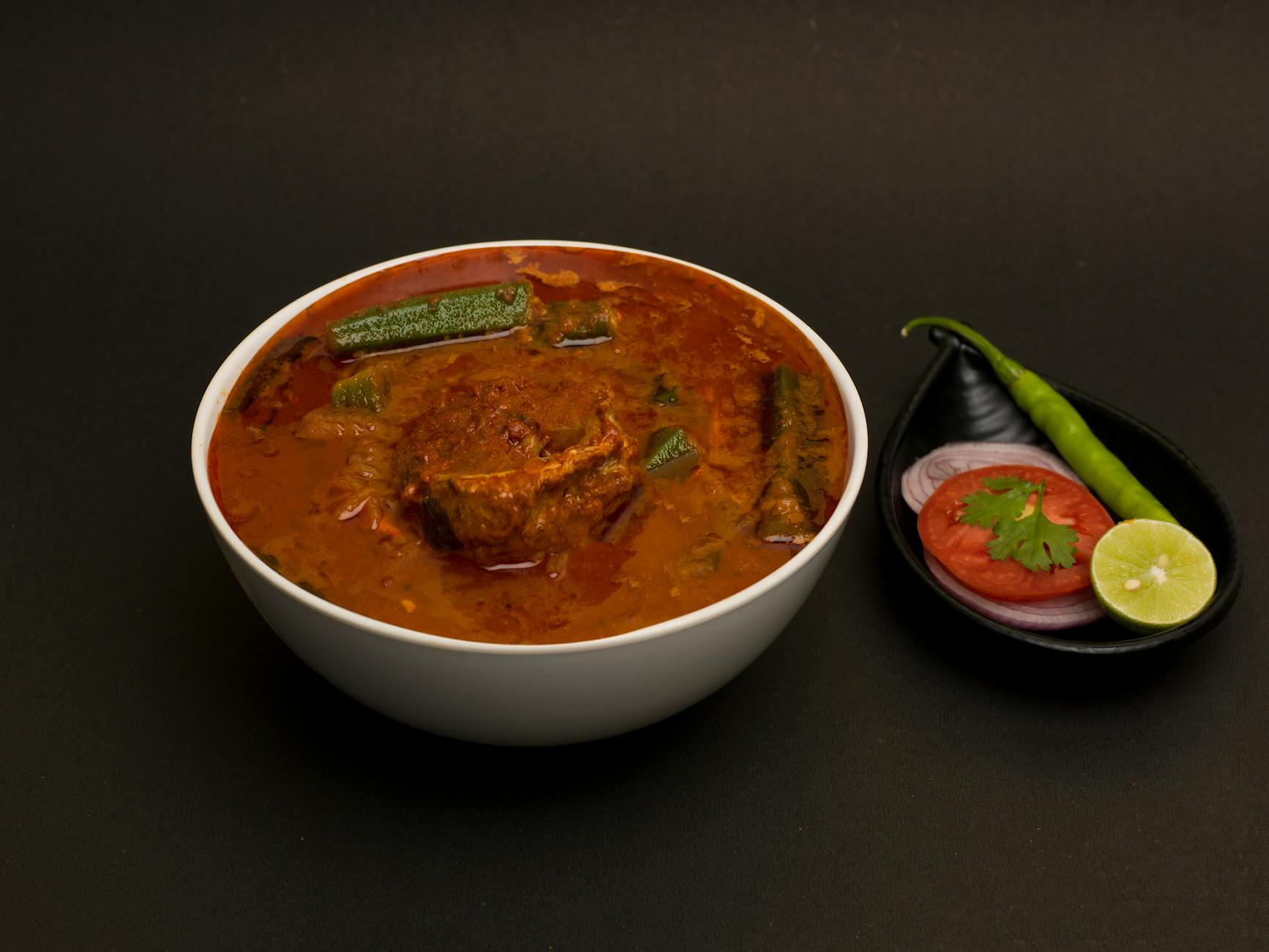
If you haven’t had it before, soup curry is nothing like the thick, brown Japanese curry rice you’ve probably encountered elsewhere. It’s closer to a Southeast Asian curry soup – thin, aromatic broth loaded with spices, served with large pieces of chicken or vegetables, and rice on the side that you dip into the soup. It was invented in Sapporo in the 1970s and hasn’t really spread beyond Hokkaido in any meaningful way, which means you basically have to come here to try the real thing.
How Soup Curry Works
Ordering soup curry for the first time can be confusing. Most shops ask you to choose three things:
- Your curry base – Usually chicken, vegetable, pork, shrimp, or sometimes lamb. Chicken leg (chikin-reggu) is the classic starting point. You get a whole bone-in chicken leg braised until it falls apart.
- Your spice level – Typically on a scale from 0 to 40 or higher. Level 3–5 is mild. Level 10–15 is medium with a decent kick. Level 20+ is genuinely spicy. First timers: start at 5 and work up.
- Your rice size – Small, medium, or large. Medium is standard. The rice comes in a separate bowl and you spoon it into the curry broth as you eat, or dip it bite by bite.
Some shops also offer base soup choices (tomato-based, coconut, or standard), toppings (cheese, extra vegetables, boiled egg), and rice options (brown rice, multigrain).
The Best Soup Curry Shops in Sapporo
Suage (multiple locations)
Probably the best-known soup curry chain in Sapporo, and it deserves the reputation. The broth is clean and well-spiced without being aggressive. Their signature parikari chicken has the skin deep-fried crispy while the meat stays tender – it’s a textural contrast that makes the dish. Vegetables are grilled rather than boiled, which adds a smoky depth you don’t get at every shop.
They have several branches across Sapporo. The Suage+ near Susukino and the Suage2 in Odori are the most convenient for tourists. Waits of 20–30 minutes at peak lunch are normal.
Price: ¥1,100–¥1,600
Locations: Suage+ (Susukino), Suage2 (Odori), others
Good for: First-timers. The parikari chicken is the right introduction.
Garaku
Garaku operates out of a basement space near Tanukikoji and is serious about its spice blends. The broth here is darker, more complex, and has a depth that builds as you eat. Their signature is the hamburg (Japanese-style hamburger steak) curry – a thick, juicy patty sitting in the spiced broth surrounded by roasted vegetables. It shouldn’t work but it absolutely does.
The atmosphere is dim, slightly cramped, and feels like the kind of place that’s been doing one thing for years and doing it well. Which is exactly what it is. Queues are common.
Price: ¥1,200–¥1,800
Location: Near Tanukikoji, Odori area (basement level – look for the sign on the street)
Good for: People who want more spice complexity. The hamburg curry is the move.
Picante
Picante leans into the South Asian influence more than most Sapporo curry shops. The spice blends are more overtly Indian-inspired, and the broth has a richness that comes from longer cooking. They use a lot of whole spices – you’ll see cardamom pods, cinnamon bark, and star anise floating in the bowl. The chicken curry is straightforward and excellent.
The shop is near Hokkaido University, slightly north of the tourist zone, which means fewer tourists and more university students and professors. Lunch gets busy but turns over fast.
Price: ¥1,000–¥1,400
Location: Near Hokkaido University, north of Sapporo Station
Good for: Spice lovers. People who like Indian curry will feel at home here.
Magic Spice
One of the original soup curry shops, operating since 1993. Magic Spice has a slightly eccentric personality – the decor is colourful, the spice levels have creative names rather than numbers, and the overall vibe is more casual-hippie than refined-restaurant. The curry itself is solid if not the most sophisticated on this list. Worth visiting for the history and the atmosphere.
Their spice level system goes from “boring” (mild) through various stages up to “aquarius” (extremely hot). Don’t let the playful names fool you – the higher levels will genuinely hurt.
Price: ¥1,000–¥1,500
Location: Minami 7-jo area (between Susukino and Nakajima Park)
Good for: The historical experience. They helped invent soup curry.
Curry Shop S (Essu)
A smaller, less tourist-known shop that locals consistently rate highly. The broth here is lighter and more herbal than the heavy, dark styles – closer to a Thai tom yum influence than Indian. They change their seasonal vegetable toppings regularly based on what Hokkaido farms are producing. The lunch set with salad and drink is decent value.
Price: ¥980–¥1,300
Location: Central Sapporo
Good for: A lighter, fresher take. Good if the heavy broth styles feel too intense.
Lavi
A chain with several Sapporo branches that does a reliable, consistent bowl every time. Not the most exciting soup curry you’ll ever eat, but the quality is solid and they’re easy to find. Their tomato-based soup option is worth trying as an alternative to the standard. Good for groups where not everyone wants the same spice level – they handle customisation well.
Price: ¥1,000–¥1,400
Locations: Multiple branches across Sapporo
Good for: Reliable option when you don’t want to queue. The tomato base is a nice change.
Soup Curry vs Regular Japanese Curry
| Soup Curry | Japanese Curry Rice | |
|---|---|---|
| Broth | Thin, aromatic, soupy | Thick, gravy-like sauce |
| Spice style | Individual spices (cardamom, cumin, coriander) | Curry roux blend |
| Vegetables | Large pieces, often grilled or roasted | Cooked into the sauce |
| Rice | Served separately, dipped in | On the plate, sauce poured over |
| Origin | Sapporo, 1970s | Japan-wide, adapted from British curry |
| Available | Mainly Sapporo/Hokkaido | Everywhere in Japan |
Tips for Ordering
- Start mild. Level 3–5 on most scales. You can always add spice (some shops have tabletop spice mixes) but you can’t take it away.
- Chicken leg is the safe first order. It’s the classic for a reason – the bone-in leg braised in the curry broth is what soup curry was built around.
- Don’t dump all the rice in at once. Dip or add small amounts to the broth as you go. The rice absorbs the soup quickly and you’ll lose the texture contrast.
- Lunch is cheaper. Most shops offer lunch sets (¥980–¥1,200) with smaller rice and sometimes a side dish. Dinner prices are ¥200–¥400 more for the same bowl.
- Cash is safer. Some soup curry shops are cash-only, especially the smaller ones.
Eating Soup Curry Outside Sapporo
Honestly? Don’t bother looking for it elsewhere. There are a handful of soup curry shops in Tokyo and Osaka, but they’re pale imitations. Soup curry is a Sapporo thing in the same way deep-dish pizza is a Chicago thing – the further you get from the source, the worse it gets. Eat it in Sapporo. Eat it multiple times if you can. Then go home and accept that you probably won’t have it again until your next Hokkaido trip.
For more Sapporo food beyond soup curry, check our Hokkaido Food Guide or see specifically the best ramen in Sapporo.