The Sapporo Snow Festival is the reason most people first hear about Hokkaido. Every February, Odori Park fills with enormous snow and ice sculptures, some of them four or five storeys tall and carved with absurd precision. Over two million people show up across the week, which makes it one of Japan’s biggest annual events and also means you need to plan ahead if you want to actually enjoy it.
In This Article
- When Is the Snow Festival?
- The Three Festival Sites
- Odori Park (Main Site)
- Susukino (Ice Sculpture Site)
- Tsudome (Activity Site)
- How to Make the Most of It
- Go Early Morning or Late Evening
- Don’t Just Look at the Big Sculptures
- Eat at the Festival
- Dress Warmer Than You Think
- Where to Stay During the Snow Festival
- Book Early. Seriously.
- Best Areas to Stay
- Budget Alternative
- Getting to the Snow Festival
- Is the Snow Festival Worth It?
- Other Winter Festivals in Hokkaido
Here’s everything you need to know, including the stuff the official website doesn’t tell you.
When Is the Snow Festival?
The festival runs for about seven days in early February every year. The exact dates shift slightly, but it’s always the first or second week of February. For 2026, expect dates around February 4–11 (official dates are typically confirmed the previous autumn).
The Tsudome site usually opens a day or two earlier than Odori. The Susukino ice sculpture display runs on the same dates as Odori.
The Three Festival Sites
Odori Park (Main Site)
This is the one you’ve seen in photos. A 1.5km stretch of Odori Park, from TV Tower at the east end to roughly Nishi 12-chome, filled with massive snow sculptures. The big ones take teams of soldiers and artists weeks to build. There are usually 5–6 enormous sculptures plus dozens of smaller ones, food stalls, and a stage for performances.
The sculptures are lit up at night until 22:00 and look completely different after dark. If you can only visit once, go in the late afternoon and stay into the evening to see both daylight and illuminated views.
Hours: Open 24 hours (illuminations until 22:00)
Cost: Free
Getting there: Odori Station (any subway line) or walk from Sapporo Station (15 minutes)
Susukino (Ice Sculpture Site)
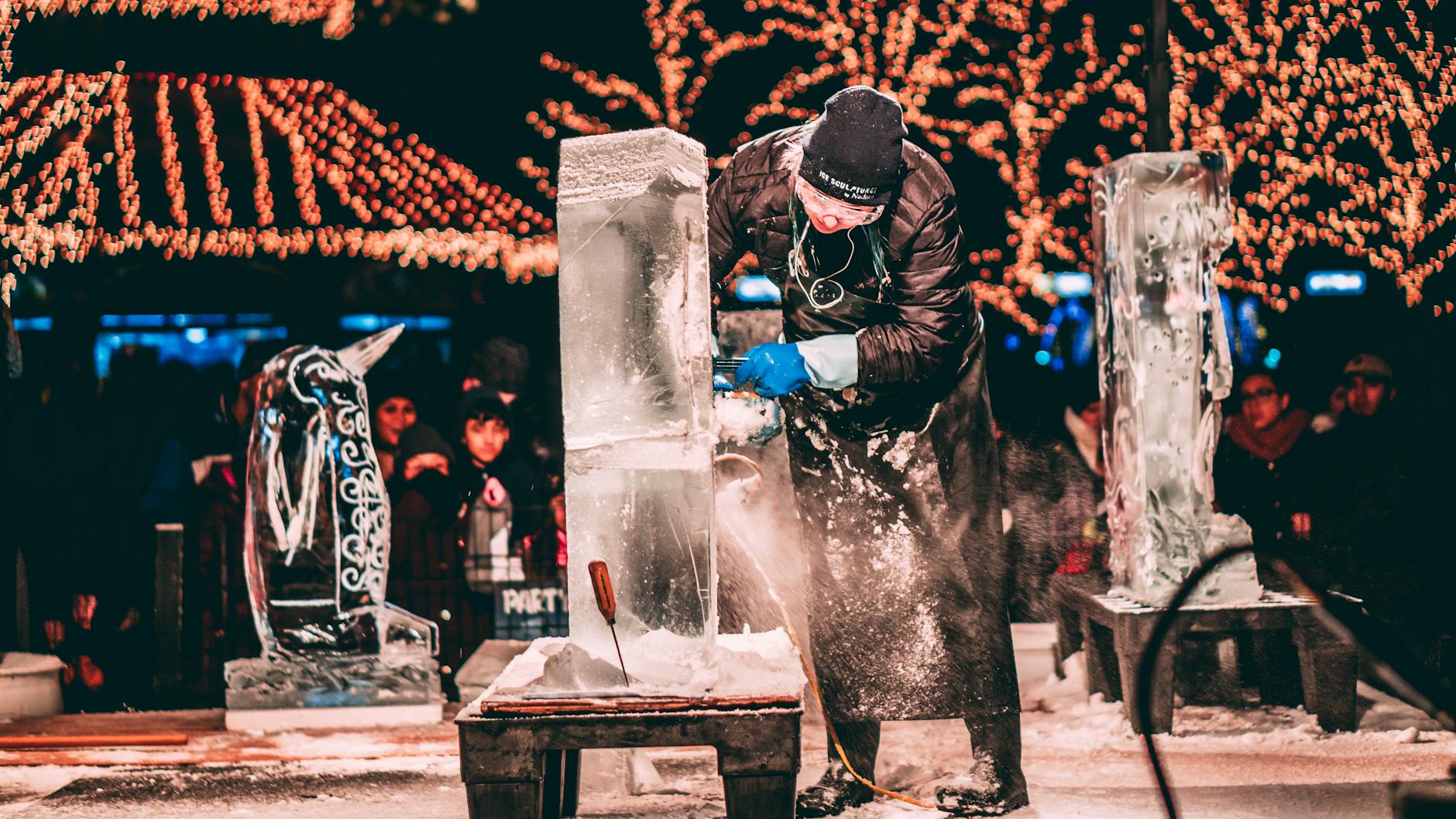
About 60 ice sculptures line the main street of Susukino, the entertainment district south of Odori. These are transparent ice (not snow), so they catch the neon lights of Susukino’s signs and look particularly good at night. Some contain frozen fish or crabs embedded inside the ice. It’s a smaller, quicker visit but worth walking through, especially since you’ll probably be in Susukino for dinner anyway.
Hours: Open 24 hours (illuminations until 23:00)
Cost: Free
Getting there: Susukino Station or walk south from Odori (7 minutes)
Tsudome (Activity Site)
The family-friendly site in eastern Sapporo with snow slides, snow rafting, and interactive activities. Less about art, more about playing in the snow. Kids love it. Adults without kids can skip it unless you genuinely want to ride a giant snow slide (honestly, it’s fun). There’s an indoor area with food stalls and craft activities.
Hours: 9:00–17:00
Cost: Free
Getting there: Free shuttle bus from Sakaemachi Station (Toho Line) or from Odori
How to Make the Most of It
Go Early Morning or Late Evening
The midday crowds at Odori are genuinely intense. Shoulder-to-shoulder between the major sculptures, slow movement, and long queues at food stalls. If you go at 7:00–8:00 AM, the park is almost empty and you can actually take photos without 200 people in them. Early evening (17:00–18:00) during the transition from daylight to illumination is the most photogenic time but also busy.
Don’t Just Look at the Big Sculptures
Everyone clusters around the massive snow sculptures (and they are impressive). But some of the most interesting work is in the smaller citizen-made sculptures in the western blocks of Odori. These are made by local teams and often have more personality and humour than the polished official ones.
Eat at the Festival
The food stalls at Odori during the Snow Festival are better than typical festival food. Hokkaido vendors show up with local specialties — crab legs, soup curry, jingisukan, potato croquettes, and hot chocolate made with Hokkaido milk. Prices are slightly marked up but not outrageous. Bring cash — most stalls don’t take cards.
Dress Warmer Than You Think
February in Sapporo means -5°C to -10°C, and you’ll be standing outside for extended periods. Your feet get cold first because the ground is packed ice. Wear insulated waterproof boots with serious grip (or buy clip-on spikes at any convenience store). Multiple layers, a proper winter coat, gloves you can use a phone through, and a warm hat are non-negotiable.
Where to Stay During the Snow Festival
This is the hardest part. Snow Festival week is the most expensive and most booked-out period of the year in Sapporo. Hotel prices can double or triple compared to a normal February week, and popular hotels sell out months in advance.
Book Early. Seriously.
Start looking 4–6 months before the festival. Three months out and many hotels near Odori and the station are already gone. If you’re flexible on dates, the first day or two of the festival tend to have slightly better availability than the middle or final weekend.
Best Areas to Stay
- Near Odori — Walk to the main site. Priciest but most convenient. See our Sapporo hotel guide for Odori area picks.
- Sapporo Station — One subway stop to Odori, good availability. Station area hotels are a solid choice.
- Susukino — Walking distance to both Odori and the ice sculpture site. Close to dinner options.
- Nakajima Park — More budget-friendly, two subway stops to Odori.
Budget Alternative
If central Sapporo is booked out or too expensive, consider staying near Shin-Sapporo Station (20 minutes by subway) or even in Otaru (30 minutes by JR train). Both are dramatically cheaper during festival week.
Getting to the Snow Festival
If you’re already in Sapporo, just take the subway to Odori Station. From the airport, the JR Rapid Airport train to Sapporo Station takes 37 minutes, then walk or take one subway stop to Odori.
Don’t drive into central Sapporo during the festival. Parking is limited and expensive, roads around Odori are partially closed, and the subway is faster anyway.
Is the Snow Festival Worth It?
Yes, but with caveats. The big sculptures are genuinely impressive — the scale and detail are hard to appreciate from photos alone. The atmosphere is festive and uniquely Hokkaido. The food is excellent.
The downsides: crowds are heavy (especially weekends), hotel prices hurt, and if you’ve seen photos online, the sculptures don’t exactly surprise you in person. If you’re already planning a Hokkaido winter trip, timing it for the festival is a no-brainer. But flying to Sapporo solely for the Snow Festival? Probably only worth it if you combine it with skiing, onsen, or a broader Hokkaido trip.
Check our month-by-month Hokkaido guide to see what else February has to offer beyond the festival.
Other Winter Festivals in Hokkaido
If you can’t make the Sapporo Snow Festival or want to see others alongside it:
- Asahikawa Winter Festival — Runs at the same time as Sapporo’s. Smaller but less crowded, with its own impressive sculptures. About 85 minutes from Sapporo by train.
- Otaru Snow Light Path Festival — A completely different mood. Hundreds of small candles and lanterns line the Otaru Canal and old railway. Intimate and beautiful. 30 minutes from Sapporo.
- Lake Shikotsu Ice Festival — Late January to mid-February. Ice sculptures lit with coloured lights beside a crystal-clear lake. Smaller and more atmospheric than Sapporo’s. About 75 minutes from Sapporo by bus.
- Sounkyo Ice Waterfall Festival — Frozen waterfalls illuminated at night in a gorge. Remote and dramatic. Near Asahikawa/Daisetsuzan.
Planning the rest of your trip? Start with First Time in Hokkaido or check what to eat while you’re here.