The thought of getting naked in a room full of strangers makes most first-time visitors to Japan deeply uncomfortable. This is normal. It is also, after approximately 90 seconds in the water, completely irrelevant. Japanese onsen are one of the best experiences in the country, and the etiquette — while strict — is straightforward once you know the steps.
In This Article
Here is everything you actually need to know, without the anxiety.
The Basic Process
- Undress completely in the changing room (separate male/female). Store your clothes in a locker or basket.
- Take a small towel (provided or bring your own) into the bathing area. This is for modesty and washing, not for wearing in the bath.
- Wash thoroughly at the shower stations before entering the bath. Sit on the stool, use the shampoo and soap provided, rinse completely. This is the most important step — the bath water is shared, and entering without washing first is the main etiquette violation.
- Enter the bath slowly. The water is hot (typically 38-44 degrees). Lower yourself in gradually. Your body adjusts within a minute.
- Soak. Relax. Look at the scenery if it is an outdoor bath (rotenburo). There is no time limit, but 15-20 minutes per soak is typical before the heat gets too much.
- Place your small towel on your head or beside the bath — never in the water.
- When done, towel off briefly before returning to the changing room to avoid dripping on the floor.
The Actual Rules
- Wash before entering. This is the only rule that matters. Everything else is secondary. If you wash properly before getting in the bath, you have done 90% of onsen etiquette correctly.
- No swimwear. Onsen are entered naked. This is non-negotiable at traditional onsen. Some modern resort-style facilities have swimwear zones, but these are rare and separate from the main baths.
- No towel in the water. Your small towel stays on your head, on the edge of the bath, or draped over a rock. Not in the shared water.
- No photography. For obvious reasons. Phones stay in the locker.
- Be quiet. Talking is fine but keep your voice low. Onsen are places of relaxation, not socialising.
- No running. Wet floors are slippery. Walk carefully, especially in outdoor areas.
- Rinse off the stool and area when you finish washing, for the next person.
Tattoos
The elephant in the room. Many onsen in Japan ban tattoos because of their historical association with organised crime (yakuza). The policy is changing slowly, but it remains common.
Your options if you have tattoos:
- Cover with waterproof bandages — works for small tattoos. Patches are available at drugstores and some onsen reception desks.
- Use private baths (kashikiri) — many ryokans and some onsen facilities offer private family baths for an additional fee (typically 2,000-5,000 yen per session). You book a time slot and bathe alone or with your travel companion.
- Choose tattoo-friendly onsen — we have a dedicated guide: tattoo-friendly onsen in Hokkaido.
- Stay at a hotel with an in-room bath — some higher-end ryokans have rooms with private outdoor baths where no rules apply.
Types of Onsen
- Public onsen (day-use): Stand-alone bath houses open to anyone. Entry typically 500-1,500 yen. Found in most onsen towns. Towels often available to rent or buy.
- Hotel/ryokan onsen: Baths within accommodation, often included in the room rate. These range from small indoor baths to elaborate multi-pool complexes with outdoor sections, saunas, and cold plunges.
- Rotenburo (outdoor bath): The gold standard. Soaking in natural hot spring water while looking at mountains, snow, rivers, or forest. In winter, the contrast of hot water and cold air with snow falling on your head is one of the defining Hokkaido experiences.
- Ashiyu (foot bath): Free foot-only baths found in many onsen towns. No undressing required. Good for testing the water temperature or for those not ready for the full experience.
Best Onsen in Hokkaido
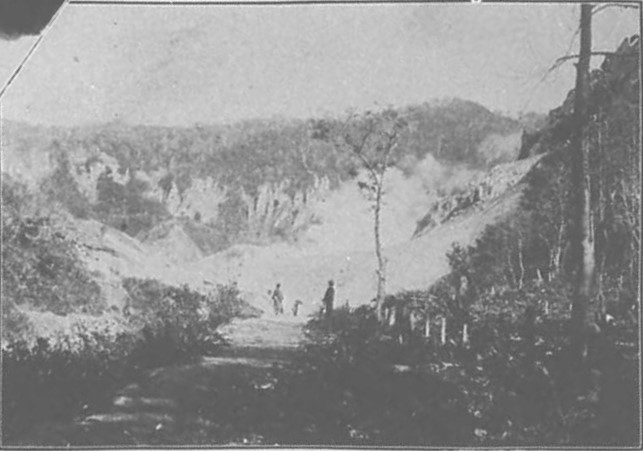
- Noboribetsu: The most famous. Multiple water types (sulphur, iron, salt) in one town. Hell Valley provides the dramatic setting. See our Noboribetsu guide.
- Jozankei: 45 minutes from Sapporo. The most accessible onsen from the city. Gorgeous in autumn. See our Jozankei guide.
- Kawayu Onsen: In eastern Hokkaido near Lake Mashu. Strong sulphur water with genuine therapeutic properties. See our eastern Hokkaido guide.
- Yunokawa Onsen (Hakodate): Oceanfront hot springs near the airport. Convenient for a soak before or after visiting Hakodate. See our Hakodate hotel guide.
- Hotel onsen: Dormy Inn hotels in Sapporo, Kitami, and Hakodate all have natural hot spring baths. Good for an urban onsen fix.
Common Worries (That You Should Not Worry About)
- “Everyone will stare at me.” They will not. Japanese bathers are focused on their own relaxation. Foreigners in onsen are common enough that nobody cares.
- “I do not know what to do.” Watch what the person before you does. The process is always the same: undress, wash, soak. If you wash before entering, you cannot really get it wrong.
- “The water is too hot.” Enter slowly. Your body adjusts. If one bath is too hot, there is usually a cooler option nearby. Outdoor baths tend to be slightly cooler than indoor ones.
- “I am too [body-conscious adjective].” Nobody is looking. Nobody cares. Japanese onsen culture normalises all body types. The steam helps too.
For more onsen content: Noboribetsu guide, Jozankei guide, tattoo-friendly onsen. For trip planning: first time guide.