Noboribetsu smells like rotten eggs. That’s the first thing you notice as the bus pulls into town – the unmistakable sulphur punch of volcanic hot spring water. It’s not subtle. And that’s kind of the point. This isn’t a refined, delicate onsen experience. Noboribetsu is raw volcanic energy turned into bathwater, and the whole town exists because of it.
In This Article
- Getting to Noboribetsu
- From Sapporo (Day Trip or Overnight)
- Day Trip Feasible?
- Jigokudani (Hell Valley)
- The Nine Hot Spring Types
- Best Onsen Baths in Noboribetsu
- Dai-ichi Takimotokan – The Monster Bath House
- Sagiriyu Public Bath
- Hotel Onsen (Day Use)
- Where to Stay in Noboribetsu
- Bourou Noguchi Noboribetsu – Best Luxury
- Dai-ichi Takimotokan – Best for Bathing
- Hotel Mahoroba – Best Mid-Range
- What Else to Do in Noboribetsu
- Best Time to Visit
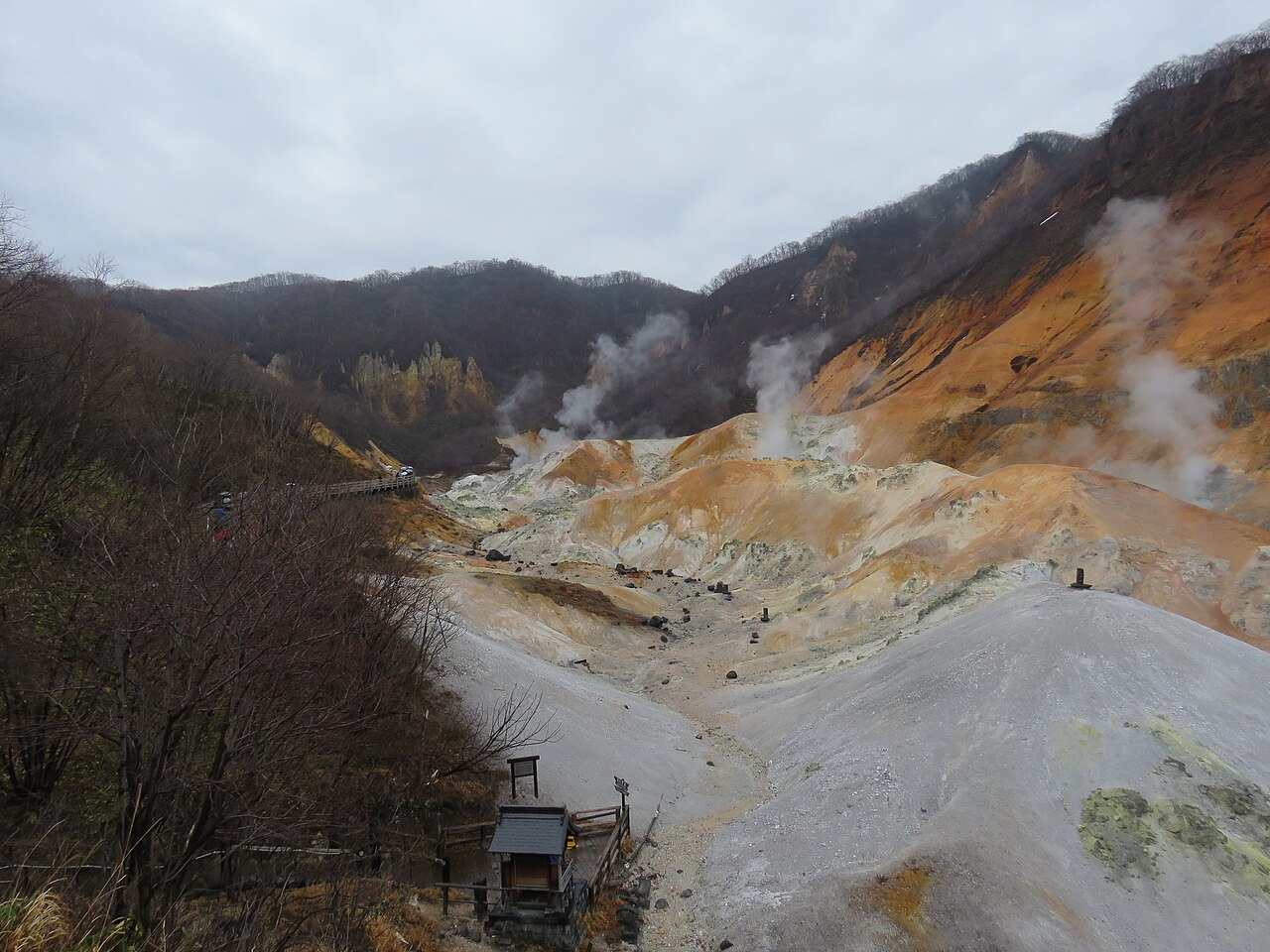
Jigokudani – Hell Valley – is the source of everything here. A volcanic crater valley of steaming vents, bubbling mud pools, and mineral-stained rock sits at the edge of town, feeding nine different types of hot spring water into the baths below. Nine. Most onsen towns have one or two mineral types. Noboribetsu has nine. That variety is what makes this one of Japan’s premier hot spring destinations and why serious onsen fans make a point of coming here.
Getting to Noboribetsu
From Sapporo (Day Trip or Overnight)
JR Limited Express from Sapporo Station to Noboribetsu Station takes about 75 minutes and costs roughly ¥4,500 one-way. Covered by the Hokkaido Rail Pass. From Noboribetsu Station, take the Donan Bus to the onsen town (15 minutes, ¥350). Buses are timed to meet the main trains.
By car: about 90 minutes via the Doo Expressway. Or skip the logistics entirely and book a guided day trip from Sapporo on Klook (from ~$39, includes Hell Valley + Lake Toya, free cancellation). Parking is available at most hotels and near Hell Valley (some lots charge ¥500/day).
Day Trip Feasible?
Yes. Leave Sapporo by 9:00, arrive by 11:00, walk Hell Valley, soak at a day-use bath, eat lunch, catch a late afternoon train back. You’ll be back in Sapporo by 18:00. It works, but an overnight stay is better – the evening atmosphere in the onsen town is part of the experience, and you can soak morning and night.
Jigokudani (Hell Valley)
This is Noboribetsu’s main attraction beyond the baths themselves. A 450-metre-wide volcanic crater valley right at the edge of town, with a walking path through steaming vents, iron-red rock, and sulphur deposits. The boardwalk trail takes about 30–45 minutes to walk and is accessible for most fitness levels. The views from the upper viewpoint looking across the whole valley are worth the slight climb.
Entry is free. Open year-round. In winter, the contrast of steam against snow is dramatic. In autumn, the surrounding forest adds colour. Summer can be crowded with tour groups – go early morning for the best experience.
At the far end of the trail, a path continues to Oyunuma – a volcanic lake that’s literally boiling at the surface. You can’t swim in it (obviously), but there’s a natural hot river downstream where you can soak your feet in warm water flowing through the forest. It’s about a 20-minute walk from Hell Valley and far less crowded.
The Nine Hot Spring Types
Noboribetsu’s unusual geology produces nine distinct mineral compositions:
- Sulphur springs – the classic rotten-egg smell, good for skin conditions
- Salt springs – helps retain body heat after bathing
- Iron springs – reddish-brown water, warming
- Alum springs – slightly acidic, tightens skin
- Sodium chloride springs – mild, general relaxation
- And several others – each with different mineral properties
The larger bath houses (especially Dai-ichi Takimotokan) pipe in multiple water types so you can try different compositions in the same visit. You’ll notice the water colour, temperature, and feel vary between pools – some milky white, some clear, some with a greenish tinge.
Best Onsen Baths in Noboribetsu
Dai-ichi Takimotokan – The Monster Bath House
This is the one most people come for. Over 35 pools spread across a massive facility, using multiple water types. Indoor pools, outdoor rotenburo, standing baths, lying baths, waterfall baths, and a pool so large you could swim laps. The sheer scale is impressive even if the facility shows its age in places. Day visitors are welcome.
Fair warning: it gets crowded, especially on weekends and when tour buses arrive (typically 10:00–14:00). Early morning or late afternoon is quieter.
- Day use cost: ¥2,250
- Hours: 9:00–18:00 for day visitors (hotel guests 24 hours)
- Tattoo policy: Cover patches available at reception. Small covered tattoos generally OK.
Sagiriyu Public Bath
A no-frills local public bath right in the middle of the onsen town. Much smaller than Dai-ichi Takimotokan, much cheaper, and much more authentic. The water is milky white sulphur, properly hot, and the whole experience feels like bathing with locals rather than performing a tourist activity. The building is old and basic – plastic stools, simple changing area, zero pretension.
- Day use cost: ¥480
- Hours: 7:00–21:00
- Note: More traditional, tattoo policy may be strict. Ask first.
Hotel Onsen (Day Use)
Several hotels offer day-use bathing for non-guests. The quality varies but these tend to be less crowded than Dai-ichi:
- Noboribetsu Grand Hotel – Roman-inspired bath with high ceilings, day use ~¥1,500
- Hotel Mahoroba – large facility with multiple baths, day use ~¥2,000
Where to Stay in Noboribetsu
If you’re staying overnight (and you should if you can), the town is small enough that all hotels are walking distance to Hell Valley and the main baths.
Bourou Noguchi Noboribetsu – Best Luxury
The nicest ryokan in town. Every room has a private onsen bath on the balcony, which solves the tattoo question entirely and means you can soak at 2 AM looking out at the forest. The kaiseki dinner is outstanding. Service is the quiet, anticipatory kind that good Japanese ryokans do better than anywhere else in the world. It costs accordingly.
- From: ¥40,000–¥80,000/night per person (includes dinner and breakfast)
- Best for: Couples, special occasions, anyone wanting the full ryokan experience
→ Check prices: Booking.com | Agoda
Dai-ichi Takimotokan – Best for Bathing
If the baths are your main reason for visiting, staying here means 24-hour access to those 35+ pools. Rooms are functional rather than luxurious – this is an old, large hotel that prioritises its bathing facilities over room quality. But the access to those baths at quiet hours (late night, early morning) when the day visitors are gone is worth the trade-off.
- From: ¥12,000–¥25,000/night (often includes dinner and breakfast)
- Best for: Onsen enthusiasts who want to soak repeatedly, budget-conscious visitors
→ Check prices: Booking.com | Agoda
Hotel Mahoroba – Best Mid-Range
A solid middle ground between Bourou Noguchi’s luxury and Dai-ichi’s functionality. Good-sized rooms, decent onsen facilities with indoor and outdoor pools, and a buffet dinner that features Hokkaido seafood and local specialties. Family-friendly with some larger room options.
- From: ¥15,000–¥30,000/night (dinner and breakfast included)
- Best for: Families, couples wanting comfort without luxury pricing
→ Check prices: Booking.com | Agoda
What Else to Do in Noboribetsu
Beyond Hell Valley and bathing, Noboribetsu is a small town. One or two nights is plenty. But there are a few other things worth your time:
- Date Jidaimura – An Edo-period theme park with ninja shows, samurai actors, and period architecture. Sounds touristy, and it is, but kids love it and it’s well done. About 10 minutes by car from the onsen town.
- Bear Park (Kuma Bokujo) – A bear park accessible by ropeway from the town. The ethics of bear parks are debatable, but the ropeway views of the volcanic landscape are undeniably impressive. Hokkaido brown bears are enormous.
- Combine with Lake Toya – Only 30 minutes by car or bus. The caldera lake is beautiful and has its own onsen town. See our day trips guide for details on visiting both in one trip.
Best Time to Visit
Noboribetsu works year-round. The onsen are hot regardless of the season, and Hell Valley steams in every weather. That said:
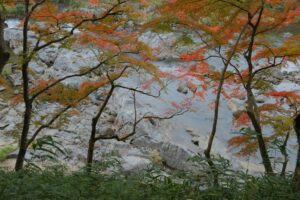
- Autumn (October) – the best combination. Autumn foliage framing Hell Valley is genuinely spectacular, and soaking in an outdoor bath surrounded by red and gold trees is peak onsen.
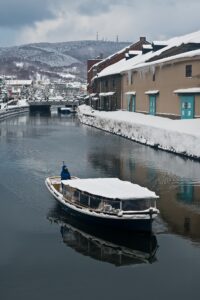
- Winter (December-February) – snow-covered Hell Valley is dramatic and the contrast of hot water and freezing air makes outdoor bathing feel almost surreal. Just dress warmly for the walk between hotel and baths.
- Summer – fine but less atmospheric. The sulphur smell is stronger in the heat.
For the complete Hokkaido hot springs picture, check our tattoo-friendly onsen guide if that’s a concern, or see when to visit Hokkaido for seasonal planning.